





Top AI Agents Development Company in Japan

Automate operations with AI agents built by a Japan-focused team. We design, develop, and deploy autonomous AI agents that connect to your tools, orchestrate workflows, and handle complex tasks end-to-end.

Development Partner

CursorCursor
ClaudeClaude
GitHub CopilotGitHub Copilot
ChatGPTChatGPT
WindsurfWindsurf
PerplexityPerplexity
Japan flagServing Startups in Japan

Why Choose Our AI Agents Development Services in Japan?

What our AI agent engagement in Japan delivers

AI agent engagements in Japan build multi-step, tool-using agents — not chatbots. Agents plan, call APIs, read and write data, and act on behalf of a user across a defined set of tools. We design the action space carefully (which tools, what guardrails, what happens on failure), then build evaluation suites that test real agent runs end-to-end. The output is an agent your team can trust to operate without supervision on a defined workflow.

What is included

  • Agent task scoping: action space, success criteria, and failure modes
  • Tool design: which APIs, databases, and services the agent can call
  • Orchestration with frameworks like LangGraph, OpenAI Agents SDK, or custom loops
  • Memory and state management across multi-step runs
  • Evaluation harness with golden runs, regression tests, and human review
  • Production guardrails: spend limits, action blocklists, audit trails, and rollback

Out of scope

  • Single-turn LLM chatbots (covered by AI MVP and AI development engagements)
  • Autonomous agents with unbounded action space — we always define a tool budget
  • Robotics or embodied agents
  • Multi-agent systems without a clear coordination model

Best fit for

Operators automating high-volume internal workflows (support triage, data enrichment, research, reporting) and founders building products where the agent IS the product. Agent engagements are the right shape when the user is delegating, not chatting.

Why build your AI Agents Development project for Japan with SpeedMVPs?

AI agents are not chatbots. For Japan teams, SpeedMVPs builds multi-step, tool-using agents that plan, call APIs, read and write data, and act on a user's behalf across a defined toolset. We design the action space carefully — which tools, what guardrails, what happens on failure — then build evaluation suites that test real runs end-to-end. The result is an agent Tokyo teams across Asia can trust to operate without supervision on a defined workflow.

If you are building from Japan, you do not just need code — you need a team that understands your market, your compliance landscape, and the fastest path to validated demand.

  • Multi-step, tool-using agents that actually act for Japan users — built with LangGraph or the OpenAI Agents SDK.
  • A carefully bounded action space and a tool budget, so the agent is trustworthy rather than unpredictable.
  • End-to-end evaluation: golden runs, regression tests, and human review before anything reaches production.
  • Production guardrails — spend limits, action blocklists, audit trails, rollback — and async delivery across your Asia hours.
  • Address Japan's critical labor shortage with AI automation solutions
  • APPI compliance with EU adequacy — build products that work across Japan and Europe
  • Serve the world's third-largest economy with high willingness to invest in AI
  • Build for Japanese quality standards — products that work here work everywhere

Regulatory and compliance landscape in Japan

Japan's data protection framework centers on the Act on Protection of Personal Information (APPI), last significantly amended in 2022. The Personal Information Protection Commission (PPC) oversees enforcement. Japan has an EU adequacy decision, facilitating cross-border data transfers with Europe. Japan's AI Strategy 2022 promotes 'AI-Ready Society' through education, research, and social implementation. The Society 5.0 initiative specifically targets AI integration across industries. METI (Ministry of Economy, Trade and Industry) provides AI governance guidelines emphasizing human-centric AI. Medical AI devices require PMDA (Pharmaceuticals and Medical Devices Agency) approval.

AI market in Japan

Japan is Asia's second-largest AI market after China and offers significant opportunities in manufacturing automation, robotics integration, healthcare, and enterprise efficiency. Japanese companies are investing heavily in AI to address labor shortages caused by an aging population. The enterprise market is large but relationship-driven — trust and reputation matter immensely. Tokyo is the primary tech hub, with Osaka and Nagoya strong in manufacturing AI.

Key industries for AI adoption in Japan

  • Manufacturing & robotics (factory automation, quality inspection, predictive maintenance)
  • Automotive (Toyota, Honda ecosystem — autonomous driving, production AI, supply chain)
  • Healthcare & elderly care (labor shortage solutions, diagnostic AI, care management)
  • Financial services (megabanks, insurance — risk modeling, customer service AI)
  • Retail & convenience (AI inventory, cashierless stores, demand forecasting)
  • Construction (labor automation, BIM integration, safety monitoring, project management)

Tech ecosystem and business environment in Japan

Japan's tech ecosystem is unique — massive corporations (zaibatsu) drive most AI adoption, while the startup scene is growing but still smaller than US/Europe. The government's startup push ('startup development five-year plan') is accelerating change. Japanese companies often adopt technology through trusted partnerships rather than marketplace evaluation. Quality expectations are extremely high — products must work flawlessly before deployment.

Japanese business culture prioritizes trust, reliability, and long-term relationships. Initial sales cycles can be longer, but customer retention is exceptionally high. Business is conducted formally, and attention to detail is critical. Japanese companies prefer working with teams that demonstrate deep understanding of their market and respect for their business practices. Localization goes beyond translation — UI/UX must feel native.

We plan collaboration with overlap in the Asia/Tokyo timezone for faster decisions and smoother delivery.

You get senior execution with clear scope and predictable pricing (JPY)—often a cost advantage versus building a full in-house team before you have validated demand.

18+

AI MVPs Delivered

Production-ready products launched across industries

2–3 Weeks

Typical Delivery

Fast turnaround from concept to launch

15+

Senior Engineers

Hands-on builders working directly with you

Trusted by Global Companies Building AI Products

We've helped startups and enterprises worldwide transform their AI ideas into production-ready MVPs in 2–3 weeks. From fintech platforms to AI assistants, our global MVP development services have launched 18+ AI products serving users across the US, Europe, and Asia.

Uneecops logo
UniqueSide logo
Vaga AI logo
Listnr AI logo
Statshub logo
Crework Labs logo
AgentHi logo
Quickmail logo
SuperStatz logo
Startupgrow logo
Typefast AI logo
Uneecops logo
UniqueSide logo
Vaga AI logo
Listnr AI logo
Statshub logo
Crework Labs logo
AgentHi logo
Quickmail logo
SuperStatz logo
Startupgrow logo
Typefast AI logo
Uneecops logo
UniqueSide logo
Vaga AI logo
Listnr AI logo
Statshub logo
Crework Labs logo
AgentHi logo
Quickmail logo
SuperStatz logo
Startupgrow logo
Typefast AI logo

Results we have shipped for teams like yours

These are real AI MVPs we have delivered in 2–3 week sprints for startups and product teams. The same senior team leads work on projects for clients in Japan.

From Compassion to Code: How a 2-Week AI MVP Unleashed a Non-Profit's Fundraising Superpower

Non-Profit2 Weeks

Outdated donor tracking systems, sluggish communication tools, and fundraising campaigns that relied more on goodwill than modern engagement strategies.

It feels like going from bicycle to spaceship overnight. This wasn't just technology—this was amplified compassion, multiplied at scale.Niswarth Foundation Team, Non-Profit Leadership
View more AI MVP case studies
From Inbox Triage to Calendar Magic: How a 3-Week AI Virtual Assistant MVP Cut a B2B Founder's Admin Time by 78%

Productivity SaaS3 Weeks

VeloraAssist's founder had eight pilot customers who all wanted the same thing — an AI EA that could read email context, suggest replies, and book meetings — but every off-the-shelf tool either lacked context or leaked it. They had three weeks before a YC interview and no time for a 90-day build.

We replaced two contract EAs and our calendar still looks better than it did before. The first-draft acceptance rate is what sold our YC partner.Founder, VeloraAssist
View more AI MVP case studies
A small senior team, not a faceless agency

SpeedMVPs is led by hands-on builders who have shipped dozens of AI products across SaaS, fintech, non-profit and internal tooling. You work directly with the people designing and implementing your MVP, not a rotating bench.

Every engagement includes clear documentation, architecture notes, and handover so your own team in Japan can take over smoothly after the first launch.

This approach helps demonstrate real experience and accountability for buyers and search engines evaluating vendors in Japan.

Our Services

Comprehensive AI development services including MVP creation, enterprise software solutions, intelligent automation systems, and custom AI-powered tools designed to accelerate business growth.

View All Services

Rapid MVP Development Process

Our proven methodology accelerates MVP development from concept to launch. Leveraging Next.js, React, and Python frameworks, we deliver production-ready solutions with transparent communication, fixed pricing, and direct developer collaboration. Successfully executed across 18+ global startup launches.

Innovate With Us
01

AI Automation Discovery

We map your current processes, tools, and bottlenecks to identify where AI agents can create the highest leverage.

02

Agent & Workflow Design

We design the agent architecture, data flows, guardrails, and integrations required to safely automate your operations.

03

Prototype & Pilot Agents

We build and test a pilot set of AI agents on a limited scope so you can validate impact quickly with real users and data.

04

Full Rollout & Integrations

We connect agents to your CRMs, ERPs, and SaaS stack, then roll them out across teams with proper monitoring and access controls.

05

Monitoring & Continuous Optimization

We monitor agent performance, retrain models, and tune workflows to keep your automations reliable, safe, and cost-efficient.

What Sets Us Apart

Distinguished by our commitment to: accelerated time-to-market, upfront cost transparency, seamless developer collaboration, and enterprise-grade infrastructure engineered for exponential scaling.

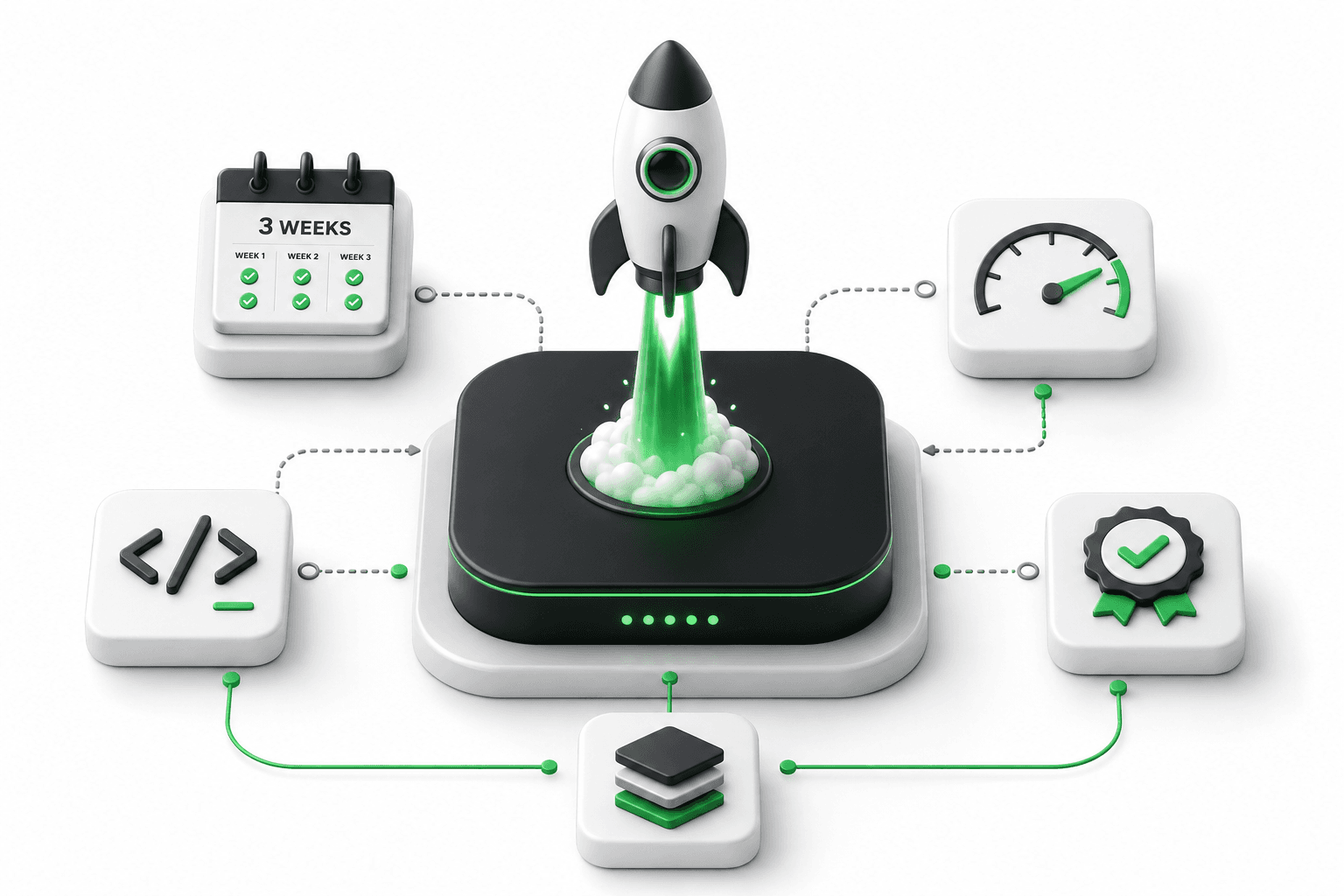
2–3 Week Delivery

Production-ready AI products in 2–3 weeks — real applications, not demos. 18+ shipped on schedule.

2–3 Week Delivery

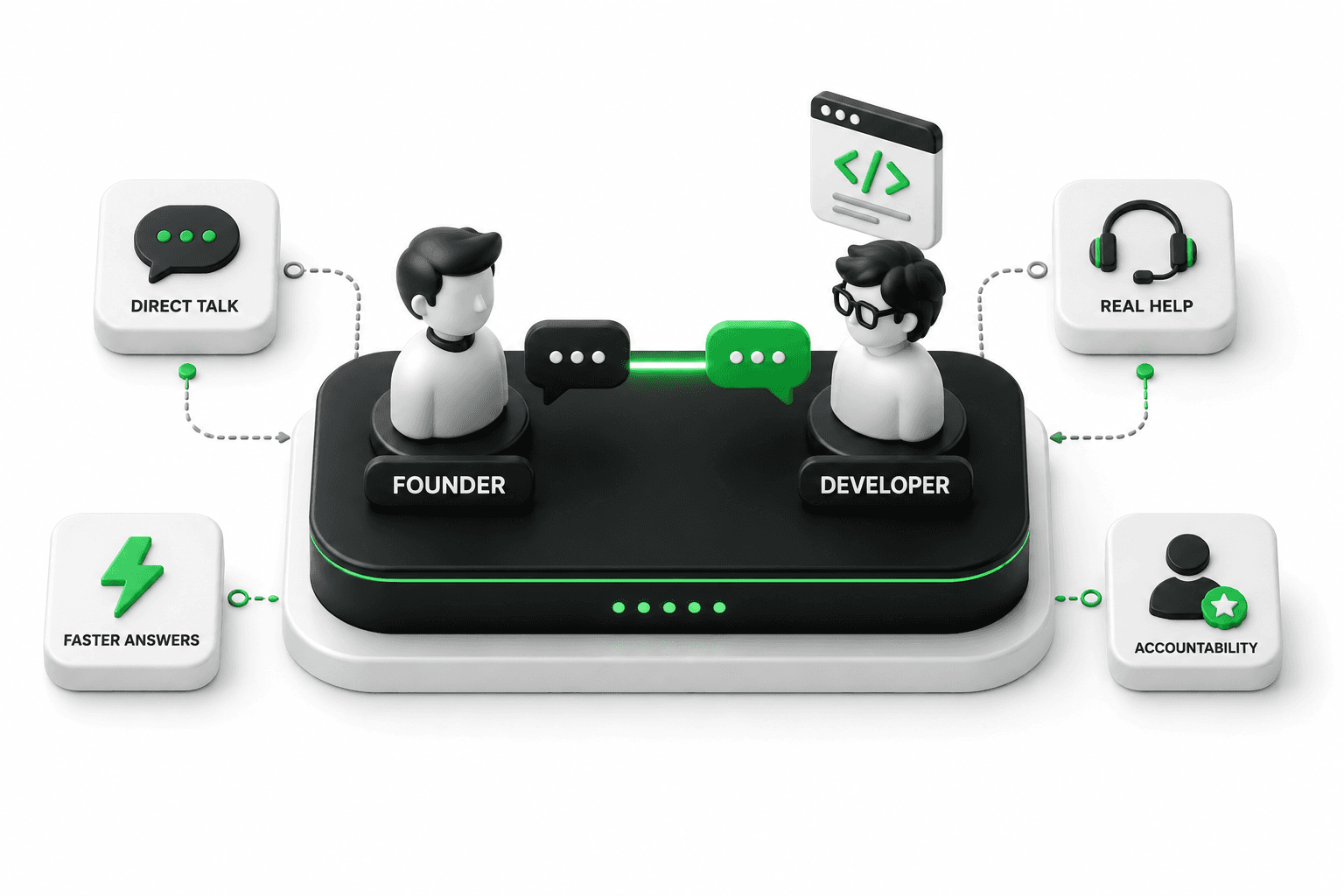
Direct Developer Access

Talk straight to the engineers building your product — faster decisions, fewer misunderstandings.

Direct Developer Access

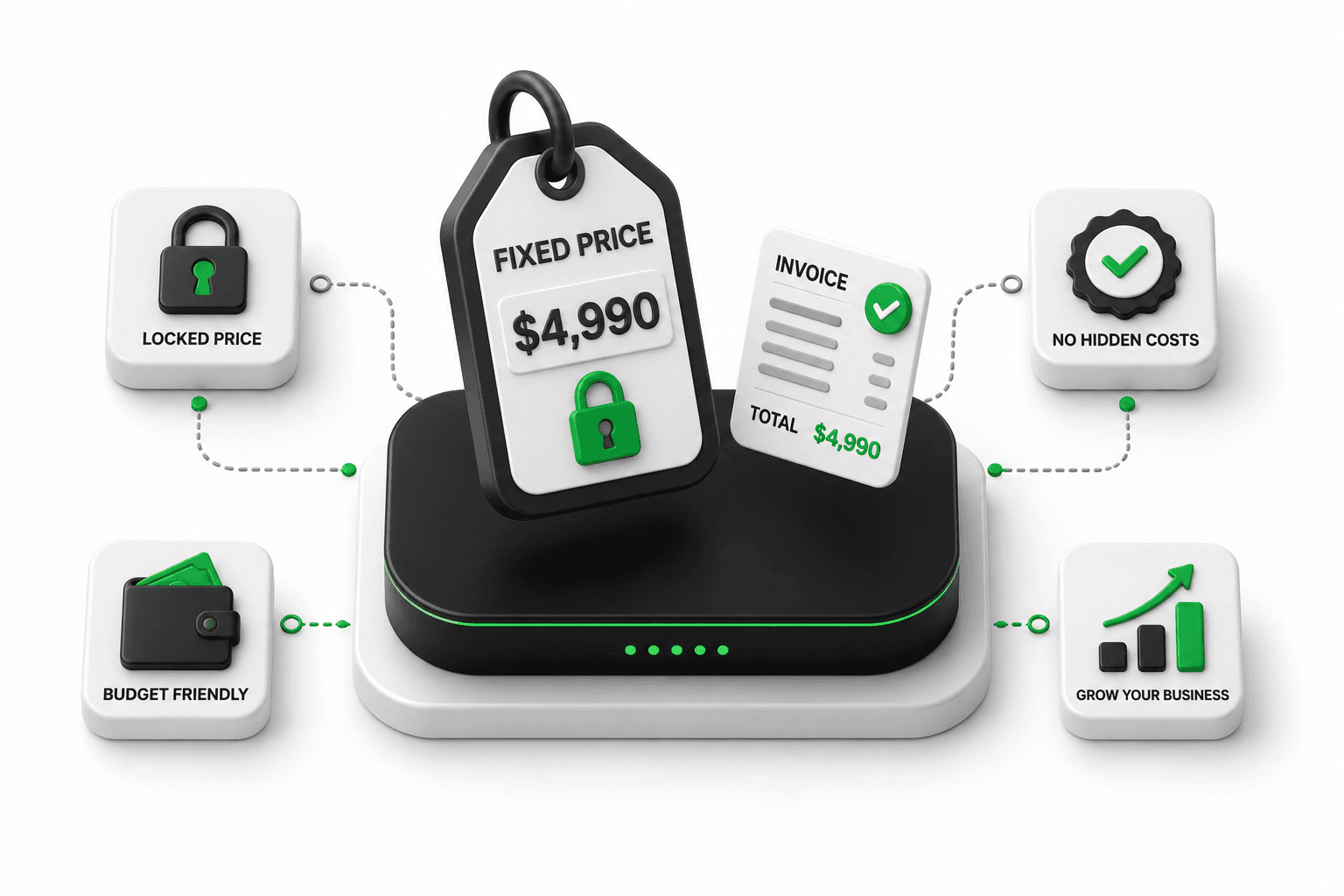
Fixed Price, No Surprises

Full cost upfront — no hourly billing, no scope-creep invoices. What we quote is what you pay.

Fixed Price, No Surprises

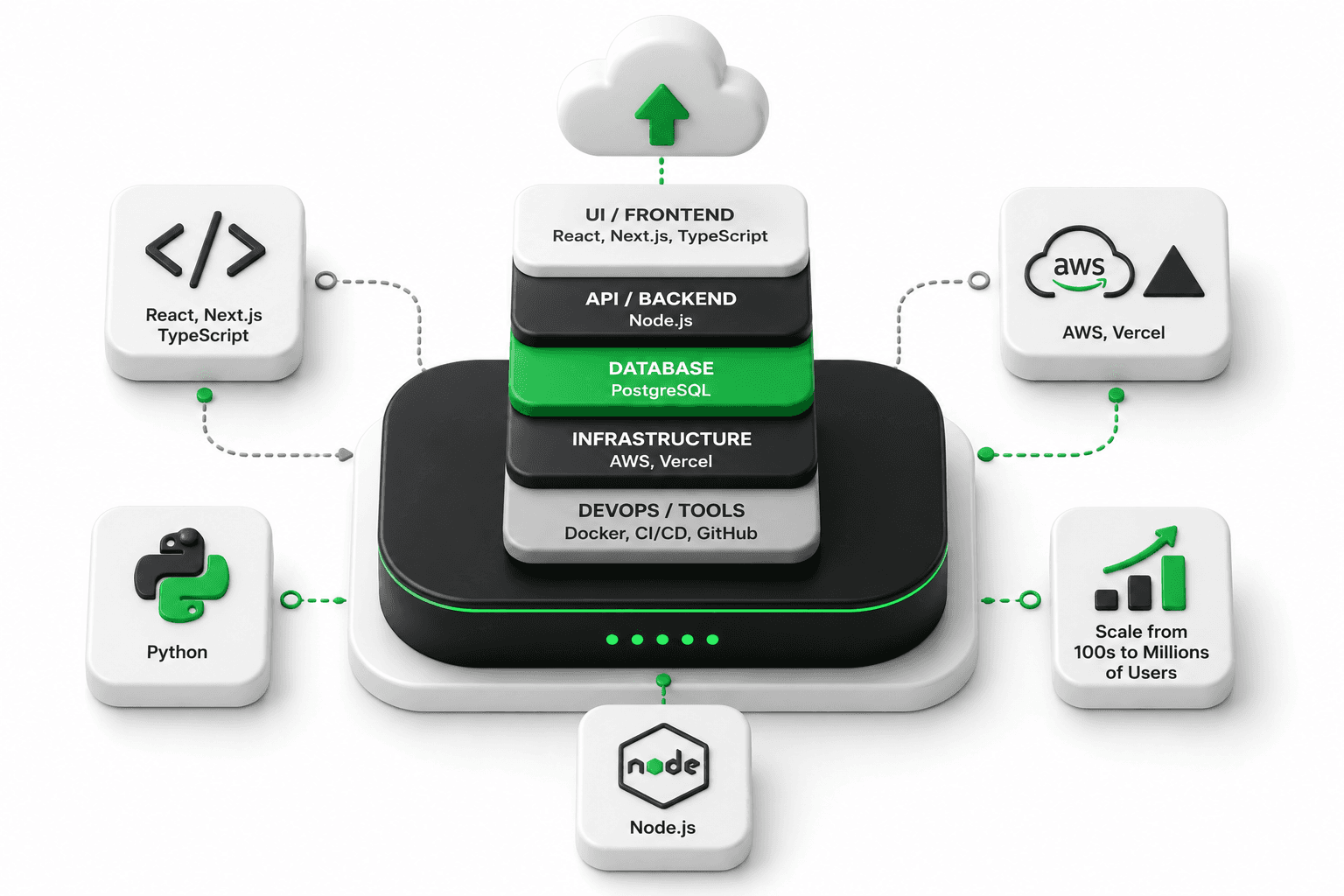
Modern Tech Stack

React, Next.js, TypeScript, Node.js and Python — deployed on AWS and Vercel with Docker and CI/CD.

Modern Tech Stack

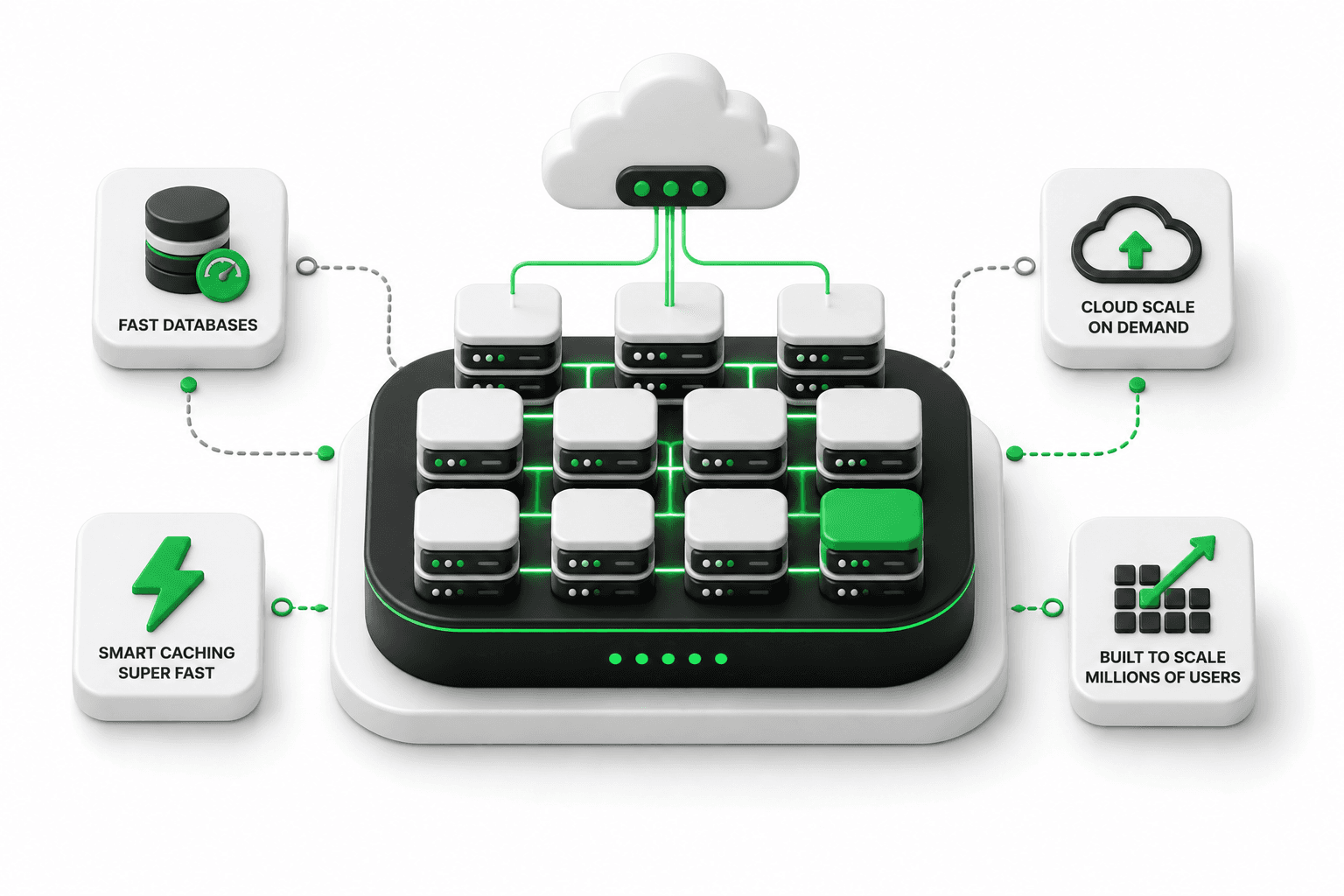
Scalable Architecture

Cloud-native, with smart caching and on-demand scaling — from your first users to millions.

Scalable Architecture

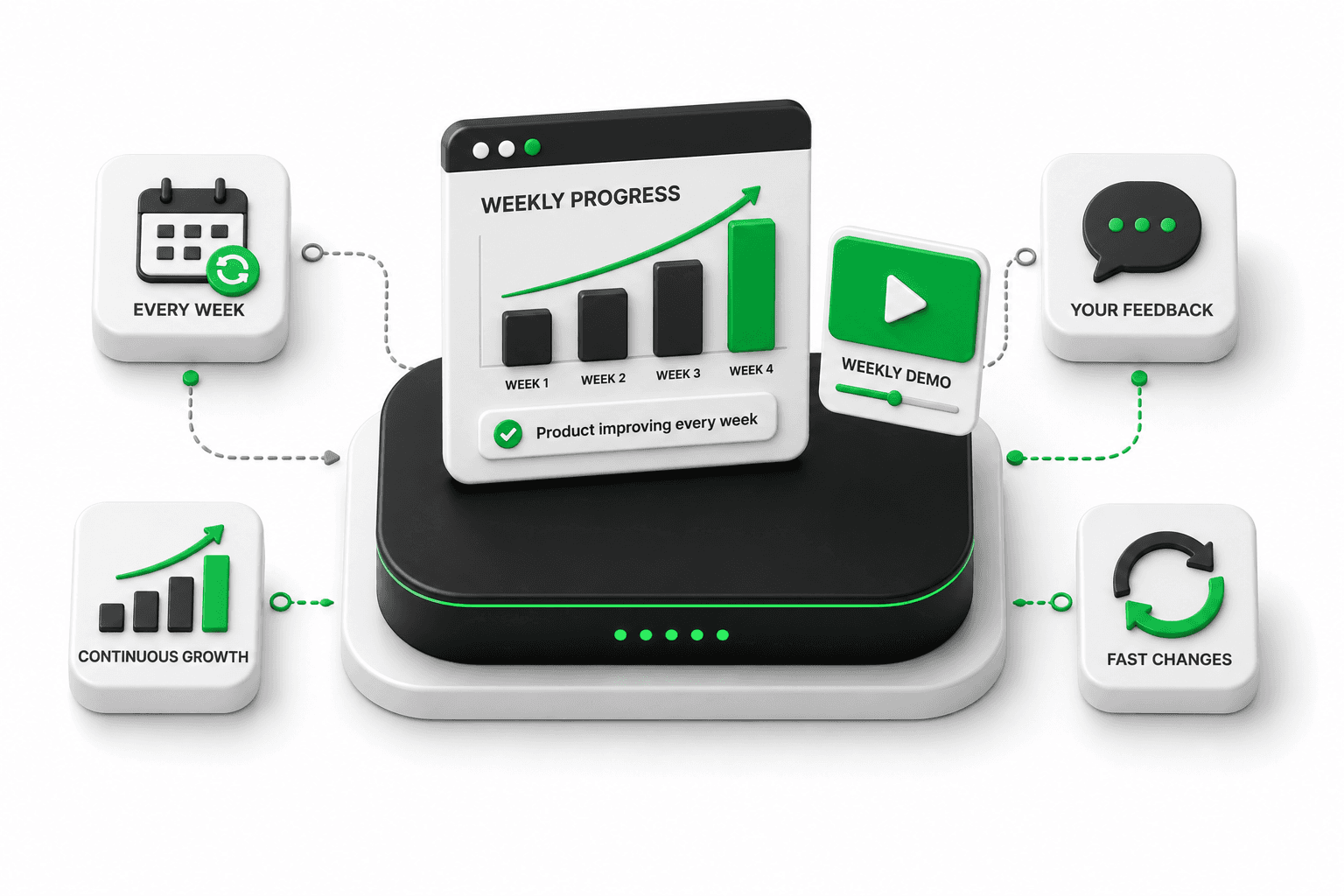
Weekly Progress Demos

See exactly what's built every week — real demos, not slide decks. Course-correct early.

Weekly Progress Demos

Frequently asked questions about AI Agents Development in Japan

Key details on pricing, timelines, offshore collaboration, and the tech stack we use for AI MVPs.

A production agent for Japan teams typically runs $30,000 to $80,000, depending on the number of tools and the strictness of guardrails. Pricing is quoted in USD ($30k-$80k) and can be invoiced or converted to JPY on request. SpeedMVPs scopes the action space up front, so the price covers the agent, its evaluation suite, and its safety rails — not an open-ended experiment.

Most agents ship in 3-5 weeks. SpeedMVPs starts by scoping the action space and success criteria, designs the tools, then builds orchestration, memory, and an evaluation harness. A Tokyo team gets an agent that handles a real multi-step workflow under guardrails inside about a month.

You get agent task scoping (action space, success criteria, failure modes), tool design defining which APIs and services the agent can call, orchestration with LangGraph or the OpenAI Agents SDK, memory and state management, an evaluation harness with golden runs and human review, and production guardrails — spend limits, blocklists, audit trails, rollback — so Japan teams can delegate, not babysit.

Agent reliability depends on action-space design and evaluation discipline that's hard to hire for in Japan. SpeedMVPs brings that experience as a senior team working async across the Asia day, and ships a guardrailed, tested agent in weeks. You get an agent you can trust in production without a long internal ramp.

Yes. We build fully localized Japanese-language products — including proper Japanese typography, honorific handling in NLP, Japanese date and currency formatting, and natural-sounding Japanese in AI-generated content. We work with native Japanese speakers for UX copy review and user testing. Japanese localization is more than translation — it requires cultural adaptation of the entire user experience.

We understand that trust is earned, not assumed, in Japanese business culture. We provide detailed documentation, transparent processes, and consistent communication. Our approach is to start with a focused, low-risk MVP engagement that demonstrates our reliability and quality, which then naturally leads to expanded collaboration. We're comfortable with the longer relationship-building timeline.

This is a core use case for many of our Japanese-market projects. We build AI products that automate repetitive tasks in healthcare (documentation, scheduling), retail (inventory, customer service), manufacturing (inspection, maintenance), and construction (safety monitoring, progress tracking). The goal is augmenting existing workers, not replacing them — an approach that resonates well in Japan.

APPI compliance requires proper consent management, purpose specification for data use, secure data handling, and specific rules for 'special care-required personal information' (health, race, beliefs). For AI specifically, we implement transparency about automated processing and ensure data is handled in compliance with cross-border transfer rules. Japan's EU adequacy decision means APPI-compliant products generally satisfy GDPR requirements as well.

Ready to Build Your MVP?

Schedule a complimentary strategy session. Transform your concept into a market-ready MVP within 2-3 weeks. Partner with us to accelerate your product launch and scale your startup globally.