
Render vs Vercel for MVPs: Which Host Fits
Vercel fits MVPs that are a Next.js frontend with API routes and a managed database, while Render fits full-stack apps that need background workers, cron jobs, WebSockets or frameworks like Django and Rails. Many production apps split the two: frontend on Vercel, long-running services on Render or Fly, one shared database. The page also compares cold starts, databases and real cost at scale.
Render or Vercel for your MVP? Frontend vs full-stack workloads, background jobs, databases, cold starts, and real cost at scale: compared honestly.
Vercel's actual strength
Vercel is the best place to run Next.js, and that isn't marketing: they build the framework. Edge network, image optimization, incremental static regeneration, and preview deployments per pull request all work with no configuration.
If your MVP is a Next.js app whose backend is a handful of API routes talking to a managed database, Vercel is hard to beat and you should stop reading.
Where Vercel gets awkward
Long-running work. Serverless functions have execution limits. Anything that takes minutes, video processing, large exports, a long LLM chain, needs to move to a queue plus a worker running somewhere else. Now you have two platforms.
Background jobs and cron. Cron jobs exist but are thin. Real background processing means an external queue.
Persistent connections. WebSockets don't fit the serverless model well. Realtime usually means a third-party service.
Cost at bandwidth scale. Fine at MVP volume; something to model before a launch that drives serious traffic.
Render's actual strength
Render runs long-lived containers, which means the awkward cases above are ordinary: background workers, cron jobs, WebSocket servers, and a managed Postgres in the same account and network.
For a full-stack app, Django, Rails, FastAPI, Node with a job queue, Render is one platform instead of three.
Render's trade-offs
Cold starts on the Free tier. Render's docs say a Free web service spins down after 15 minutes without inbound traffic and spins back up on the next request, which pays the wake-up. Fine for staging, not for production.
No edge network by default. Your app runs in a region. Users far from it feel it.
Less frontend polish. No ISR, no image optimization, preview environments are more manual.
How to decide
Ask what your app does beyond serving pages:
- Next.js frontend, API routes, managed database, no long jobs → Vercel.
- Background workers, queues, cron, WebSockets, or a framework like Django or Rails → Render.
- Both → the common production split is frontend on Vercel, workers and long-running services on Render or Fly, one shared database. Two platforms, but each doing what it's good at.
What the pricing pages list (checked October 17, 2026)
| Platform | Free or entry plan | Paid plan | Compute or usage |
|---|---|---|---|
| Vercel | Hobby, $0 a month, for personal projects; the Hobby docs restrict it to non-commercial, personal use | Pro, $20 a month, with $20 of included usage credit | Usage beyond the credit is billed |
| Render | Hobby workspace, $0 a month plus compute; a Free web service has 512 MB of RAM | Pro workspace, $25 a month plus compute; Scale, $499 a month plus compute | Web service instances: $7 a month (under 1 CPU, 512 MB), $25 (1 CPU, 2 GB), $85 (2 CPU, 4 GB) |
| Railway | Free, $0 a month: a 30-day trial with $5 credits, then $1 a month | Hobby, $5 minimum usage with $5 of credits; Pro, $20 minimum usage with $20 of credits | Resources used beyond the credits are charged |
Render's free-instance docs add three limits that matter for an MVP: a Free web service spins down after 15 minutes without inbound traffic, each workspace gets 750 Free instance hours a month, and a Free Postgres database expires 30 days after creation. That makes Free a staging tier. At list prices the smallest always-on commitments are $5 a month on Railway Hobby, $7 a month for Render's smallest paid web instance, and $20 a month for Vercel Pro, which commercial use requires because Hobby is non-commercial.
What we do
We pick per workload and write the reasoning down, including the cost model at ten times launch volume. Both platforms are easy to start on and the migration cost shows up later: usually when a feature needs exactly the capability the chosen platform lacks.
What You'll Get
Host chosen per workload
Named against what your app does, not by default habit.
Cost modeled at 10x
Projected bill before launch, not after.
Deploy pipeline handed over
Preview environments and rollback, documented.
Planning a build like this?
Book a free 30-minute strategy call with Diyanshu Patel, our CEO. We use it to understand your idea, goals and requirements, then follow up with a timeline and a fixed-price proposal.
Book a free 30-minute callFAQ
Is Render or Vercel better for a startup?
Vercel if your app is a Next.js frontend with API routes and a managed database. Render if you need background workers, cron jobs, WebSockets, or run a framework like Django or Rails: those are ordinary on Render and require extra infrastructure on Vercel.
Can I run background jobs on Vercel?
Not comfortably. Serverless functions have execution time limits, so anything long-running needs an external queue and a worker hosted elsewhere. If background processing is core to your product, that's a strong signal to use a container host instead.
Do Render's cold starts matter?
On free and low tiers, yes: idle services spin down and the next request pays the wake-up cost. It's fine for staging and preview environments, and you should be on a paid always-on tier for anything user-facing.
Trusted by Global Companies Building AI Products
We've helped startups and enterprises worldwide transform their AI ideas into production-ready MVPs in 2–3 weeks. From fintech platforms to AI assistants, our global MVP development services have launched 18+ AI products serving users across the US, Europe, and Asia.








Portfolio: AI Products Built for Global Startups
From content platforms and AI assistants to analytics dashboards and fintech solutions: see how we've transformed ideas into production-ready MVPs in 2-3 weeks across diverse industries. Each product here is one our team worked on.
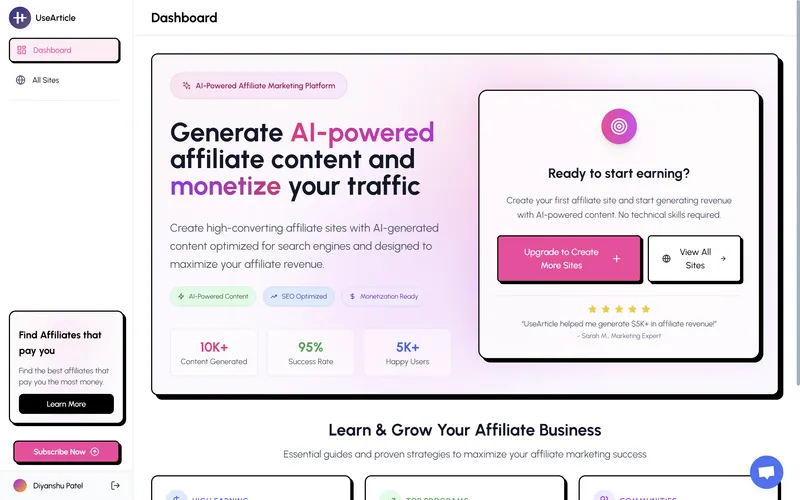
UseArticle
AI-powered content creation and management platform that helps teams produce high-quality articles at scale.
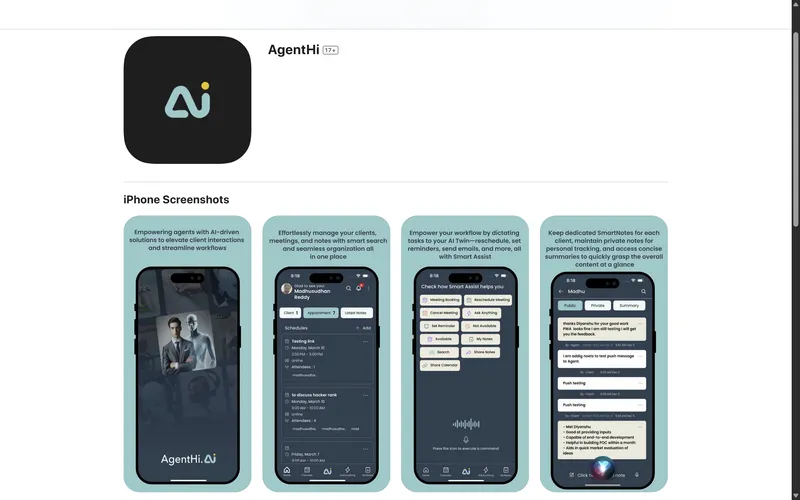
AgentHi
Intelligent virtual assistant that streamlines customer support and automates routine business tasks.
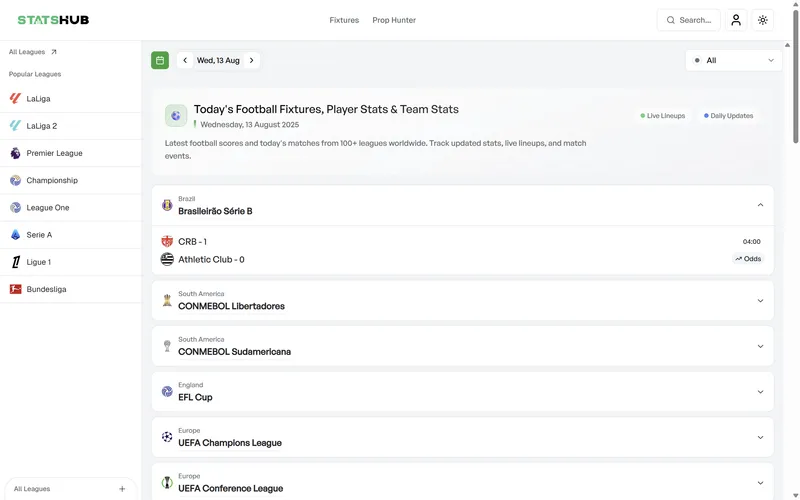
StatsHub
Comprehensive analytics dashboard providing real-time insights and data visualization for businesses.
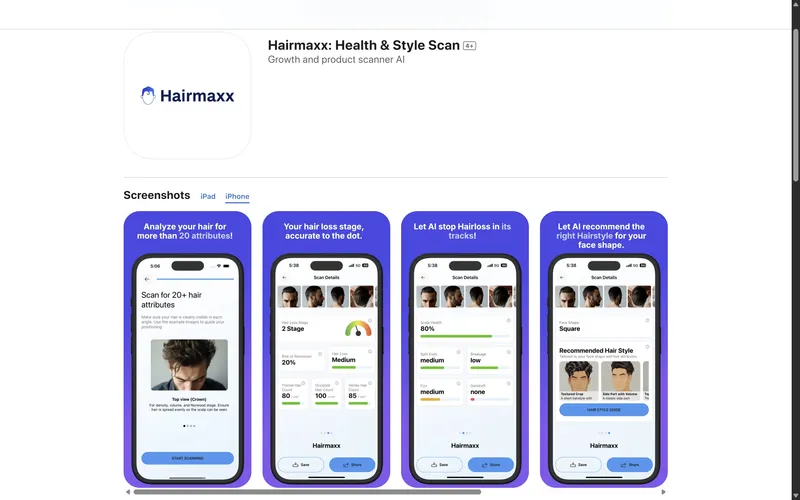
Harimaxx
Personal fitness companion with AI-driven workout plans and nutrition tracking for optimal health.
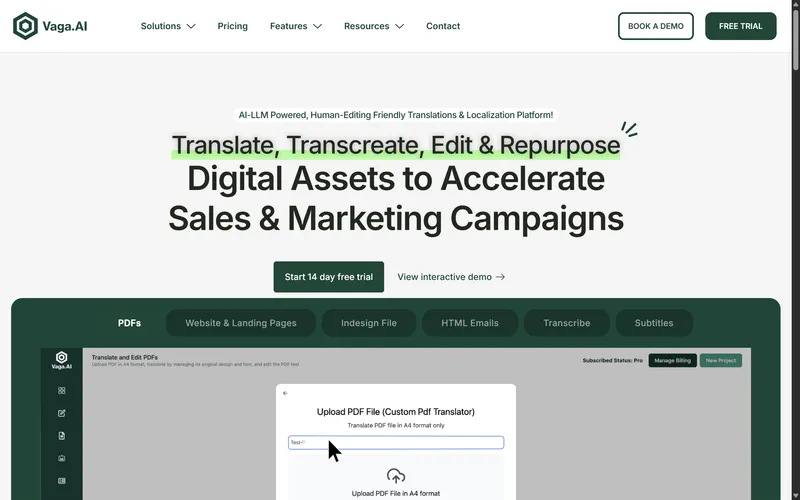
Vaga
Smart travel planning app that curates personalized itineraries and local experiences.
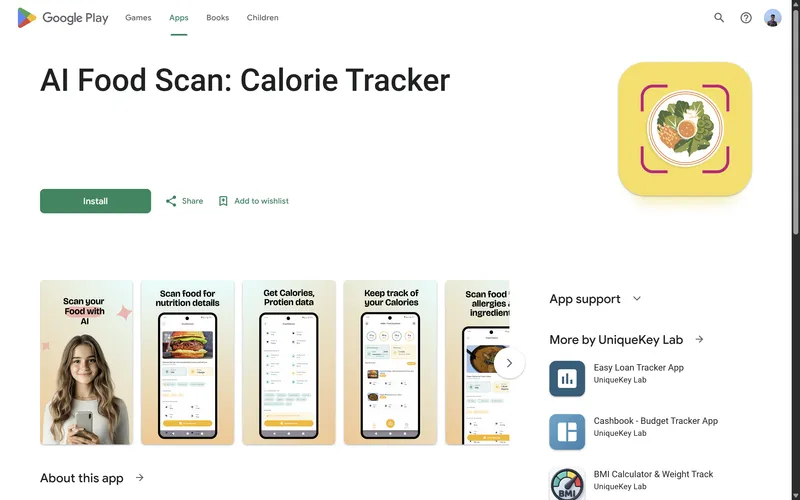
FoodScan
Nutrition analysis app that scans food items and provides detailed nutritional information instantly.
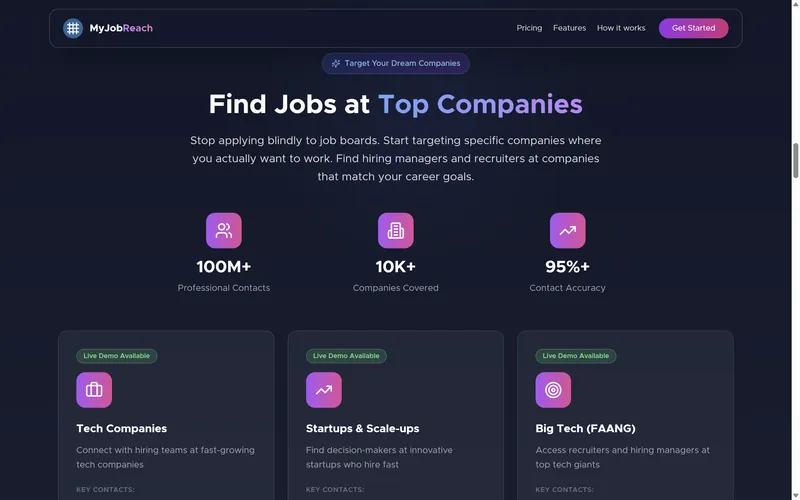
MyJobReach
Job matching platform connecting talented professionals with their dream opportunities.
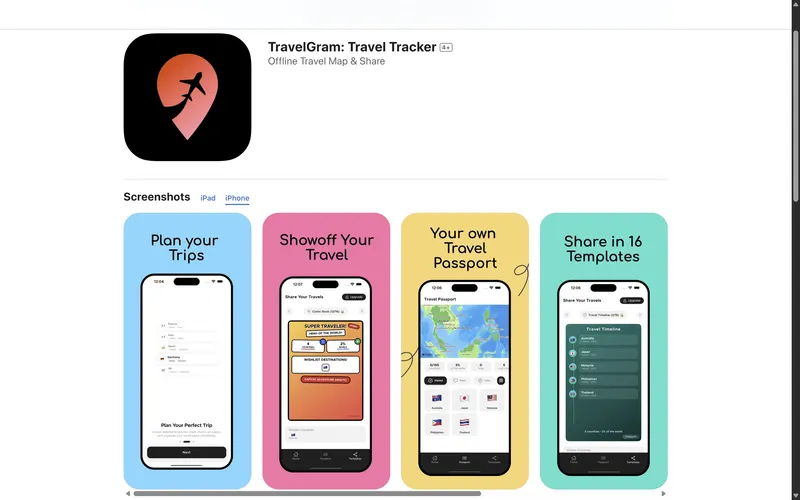
TravelGram
Social platform for travelers to share experiences, discover destinations, and connect globally.
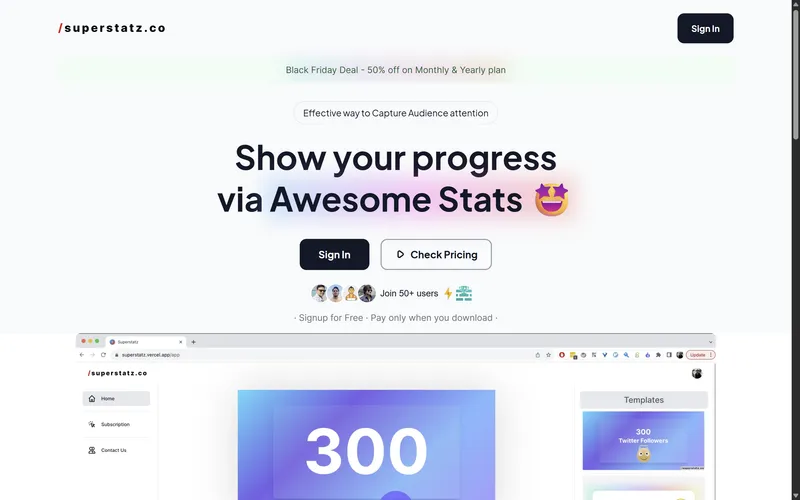
SuperStatz
Advanced sports statistics platform delivering in-depth analysis and performance metrics.
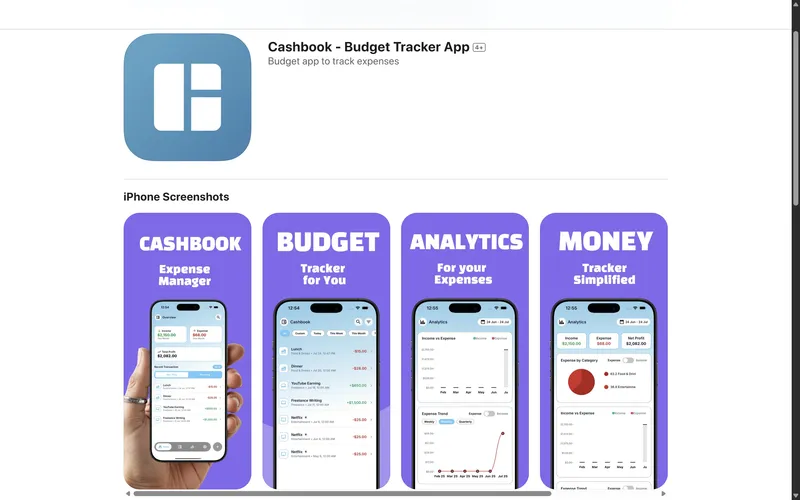
Cashbook
Simple expense tracking and budgeting app that helps users manage their finances effortlessly.
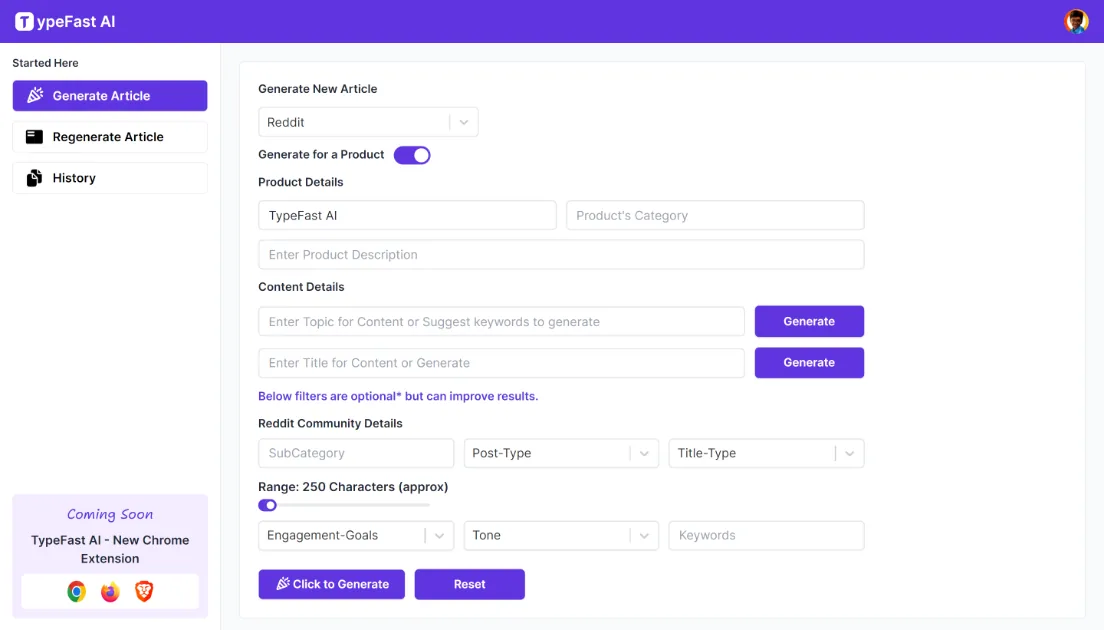
TypeFast
Typing speed improvement platform with gamified lessons and real-time performance tracking.
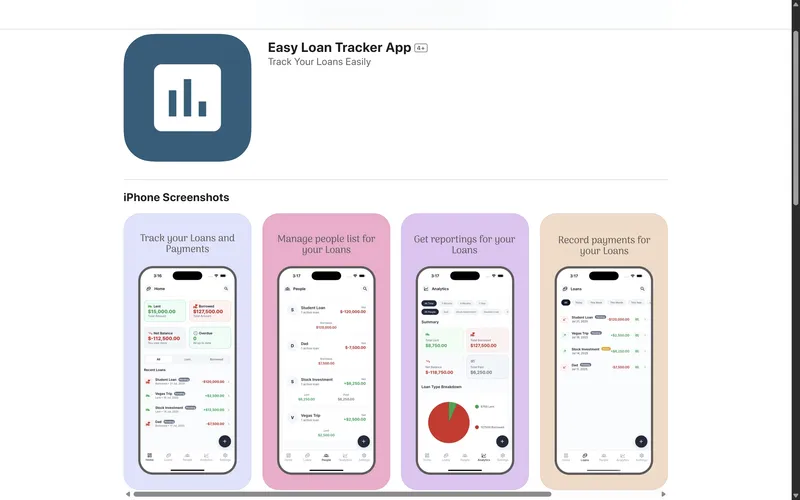
Easy Loan
Streamlined loan management system that simplifies borrowing and lending processes.
Explore Related Content
Discover more services, case studies, and insights
MVP vs Prototype: Which One Should You Build First?
MVP vs prototype: a decision guide for funded startups and enterprise product teams. Compare cost, timeline, and purpose, then see which to build first.
Best Retool Alternative for Custom Internal AI Tools
Need internal tools beyond Retool's grid? SpeedMVPs builds custom, AI-powered internal apps and admin panels you fully own: production-ready in 2–3 weeks.
SaaS Development Company
Hiring a SaaS development company? See SpeedMVPs' proof points, engagement models, fixed $5k-$25k pricing, and how to vet a vendor. 18+ MVPs shipped in 2-3 weeks.
SaaS Development Services: Build Your Product Fast
Expert SaaS development services for startups and enterprises. Build scalable, subscription-based software products with modern architecture.
AI-Powered MVP Development
Launch a production-ready AI MVP in just 2-3 weeks. Our team blends rapid prototyping with enterprise-grade AI/ML engineering to validate your idea, attract investors, and win early customers.
Integrate AI into Existing Software
Smoothly integrate AI capabilities into your existing software systems. We enhance your current applications with intelligent features, automation, and AI-powered insights while maintaining system stability.
How AI Agencies Ensure Quality at Speed
How top AI development agencies ship quality, scalable products in 2-3 weeks: senior engineers, AI-assisted workflows with human review, production-grade architecture, and automated testing under real deadlines.
How to Develop an AI-Driven Mobile App
A step-by-step guide to developing an AI-driven mobile app: defining the use case, choosing on-device vs cloud AI, picking your stack, building the model, and shipping.
AI Agent MVP Cuts Apex Procurement Costs 35%
AI agent MVP acting as invisible workforce with AI-powered invoice processing, negotiation assist, and workflow automation agents that smoothly integrated with existing systems.
AI Route Optimization Cuts Delivery Costs 34%
We built an AI logistics optimisation layer that uses ML-based route scoring, demand forecasting, and real-time re-routing to reduce cost-per-delivery by 34% and improve on-time performance.
Ready to Build Your MVP?
Schedule a complimentary strategy session. Transform your concept into a market-ready MVP within 2-3 weeks. Partner with us to accelerate your product launch and scale your startup globally.
The call is 30 minutes with Diyanshu Patel, our CEO and co-founder. Afterwards you get a written proposal with timeline, pricing and development plan.
Calendar not loading? Open the booking page or email diyanshu@speedmvps.com.