
Flutter vs React Native in 2026: Which Is Better for Your AI MVP?
Deep comparison of Flutter and React Native for AI MVPs in 2026. Ecosystem, performance, hiring, and how each fits into an AI product stack.
What You Need to Know
Quick answer: if your team already lives in the JavaScript/React world, React Native is usually the fastest path to a mobile AI MVP. If you are starting fresh and care most about pixel-perfect UI and smooth animations, Flutter is often the better fit. This guide unpacks why.
Flutter is Google’s UI toolkit for building natively compiled applications from a single codebase. It uses the Dart language, ships with its own rendering engine (Skia), and gives you tight control over UI and animations. For consumer apps where visual polish matters a lot, this can be a big advantage.
React Native is Meta’s framework for building native mobile apps using JavaScript and React. It leans on the huge JS ecosystem, lets web teams reuse skills, and can share pieces of code with existing React web apps. For startups with an existing React or Next.js stack, this significantly reduces learning curve.
Performance in 2026 is strong on both sides, but Flutter still has a slight edge for heavy, animation-rich UIs because it controls the entire rendering pipeline. React Native has closed much of the gap with the New Architecture (Fabric, TurboModules), but you may still hit bridge or native module quirks on complex projects.
Developer experience boils down to what your team already knows. Flutter offers hot reload, a comprehensive widget library, and consistent behavior across platforms: at the cost of learning Dart. React Native feels natural to JS developers, uses familiar tooling, and taps into npm’s vast package ecosystem.
For AI MVPs, what matters most is how easily your mobile app can talk to your AI backend. Both Flutter and React Native call HTTP APIs and WebSockets just fine, so your choice is more about who will build and maintain the app than which framework is more 'AI ready'. Your AI stack (Next.js, Node/Python, vector DBs, LLMs) lives behind an API either way.
Choose Flutter when you are building a consumer-facing product where UI is the brand, need consistent performance across Android and iOS, and you are comfortable investing in a dedicated mobile team. Flutter also shines when you plan to target mobile, web, and desktop from a single codebase over time.
Choose React Native when you want to move fast with a JS/React team, plan to share logic with an existing web app, or care about hiring flexibility. It is particularly strong for B2B SaaS and internal tools where developer productivity and integration with an existing React/Next.js stack matter more than advanced custom visuals.
For mobile AI MVPs at SpeedMVPs, we typically start from your team’s strengths and the type of product you’re launching. If you have a strong web team and want to validate an AI-powered workflow or assistant, React Native plus a Next.js backend is usually the fastest path. If you are launching a consumer app where UX is the main differentiator, Flutter often wins.
Whichever framework you choose, the bigger question is how quickly you can get a working AI product in users’ hands. Our focus at SpeedMVPs is helping teams ship AI MVPs in 2–3 weeks using standard stacks for mobile, backend, and AI workflows so you are not stuck debating frameworks when you could be learning from real usage.
What You'll Get
Framework Comparison Matrix
Side-by-side feature comparison
Tech Stack Decision Guide
Choose the right mobile framework
Sample Projects
Explore real apps built with each
FAQ
Which is cheaper for an AI MVP: Flutter or React Native?
In most cases React Native is cheaper if your team already uses JavaScript and React, because you can reuse skills, patterns, and sometimes code from your web app. Flutter can be cost-effective when you want one team and one codebase targeting multiple platforms, but you should factor in learning Dart and hiring specialized Flutter talent.
Does either framework make AI integration easier?
Both frameworks talk to your AI backend via HTTPS or WebSockets, so neither has a magic advantage. The real complexity lives in your backend: orchestrating LLMs, vector databases, and business logic. We typically build the AI stack in Next.js + Node or Python, then expose a clean API that Flutter or React Native can consume.
How should startups choose between Flutter and React Native in 2026?
Start from your team and your product. If you have React/Next.js experience and want to validate an AI workflow quickly, React Native is usually the fastest route. If your product lives or dies on highly custom, animated UI and you are ready to invest in a dedicated mobile team, Flutter is often the better fit.
Can SpeedMVPs help us decide and build the first version?
Yes. We help teams pick a framework based on their roadmap, team skills, and timelines, then build a production-ready AI MVP in 2–3 weeks. From there we instrument the app, collect real usage data, and help you decide what to iterate on next.
Trusted by Global Companies Building AI Products
We've helped startups and enterprises worldwide transform their AI ideas into production-ready MVPs in 2–3 weeks. From fintech platforms to AI assistants, our global MVP development services have launched 18+ AI products serving users across the US, Europe, and Asia.
Portfolio: AI Products Built for Global Startups
From content platforms and AI assistants to analytics dashboards and fintech solutions: see how we've transformed ideas into production-ready MVPs in 2-3 weeks across diverse industries. Each product launched successfully, serving users globally.
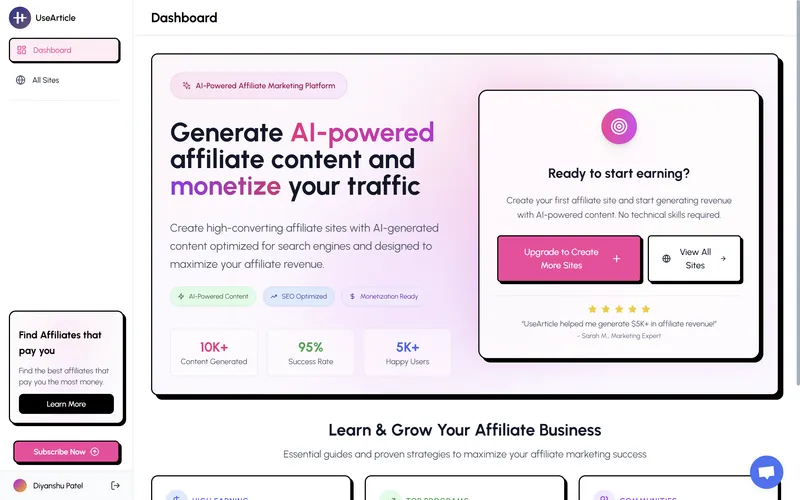
UseArticle
AI-powered content creation and management platform that helps teams produce high-quality articles at scale.
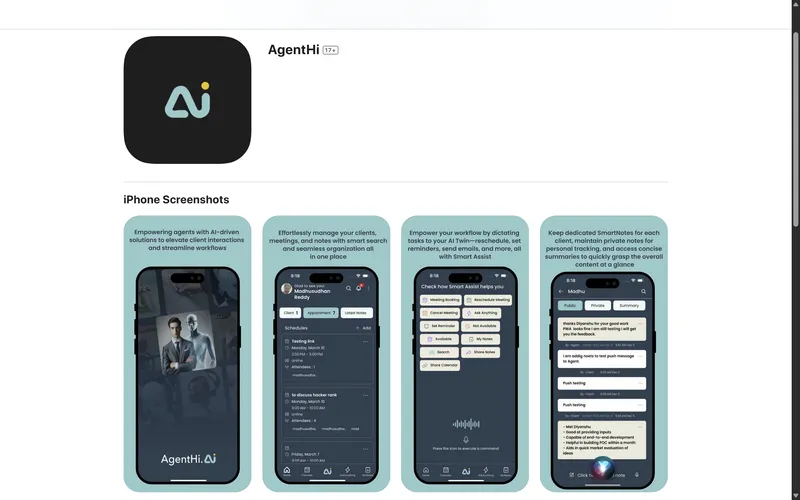
AgentHi
Intelligent virtual assistant that streamlines customer support and automates routine business tasks.
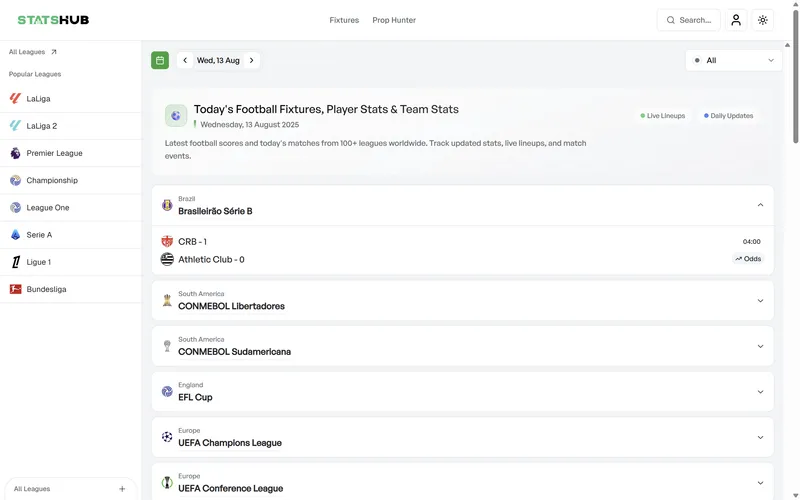
StatsHub
Comprehensive analytics dashboard providing real-time insights and data visualization for businesses.
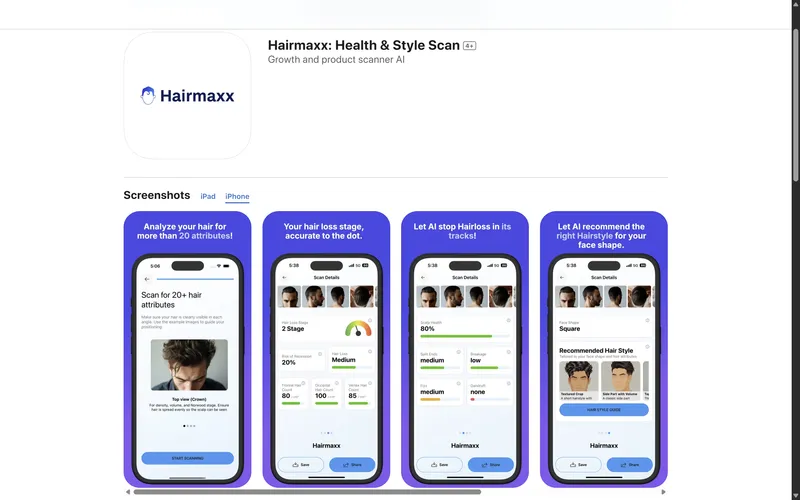
Harimaxx
Personal fitness companion with AI-driven workout plans and nutrition tracking for optimal health.
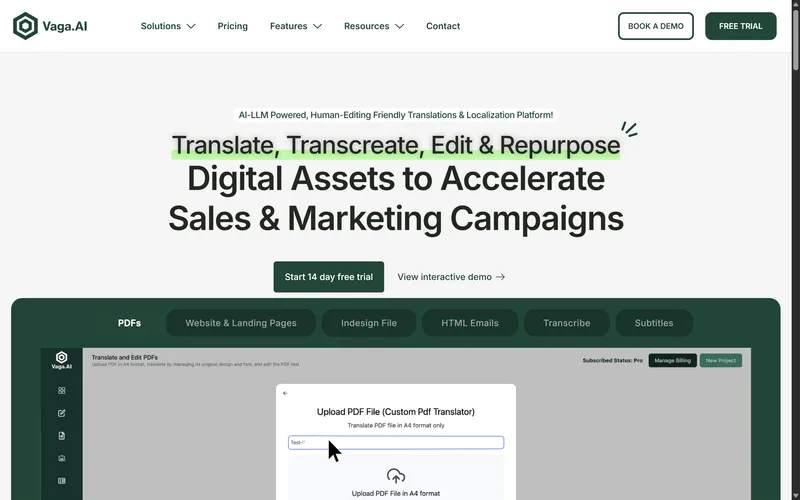
Vaga
Smart travel planning app that curates personalized itineraries and local experiences.
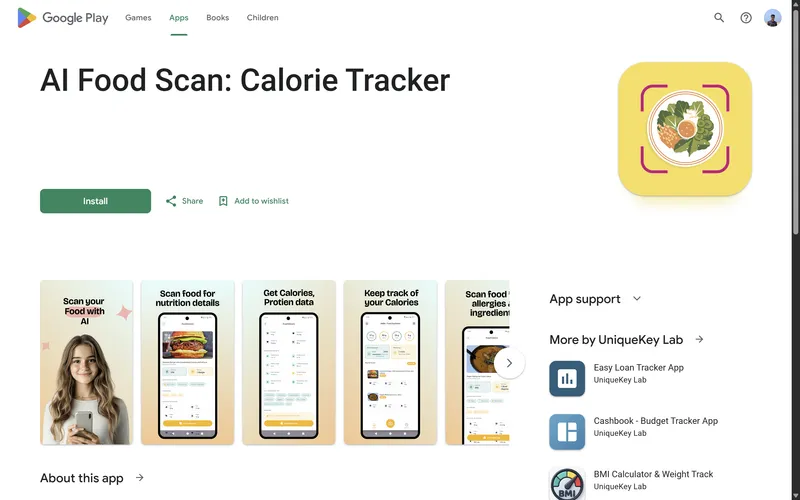
FoodScan
Nutrition analysis app that scans food items and provides detailed nutritional information instantly.
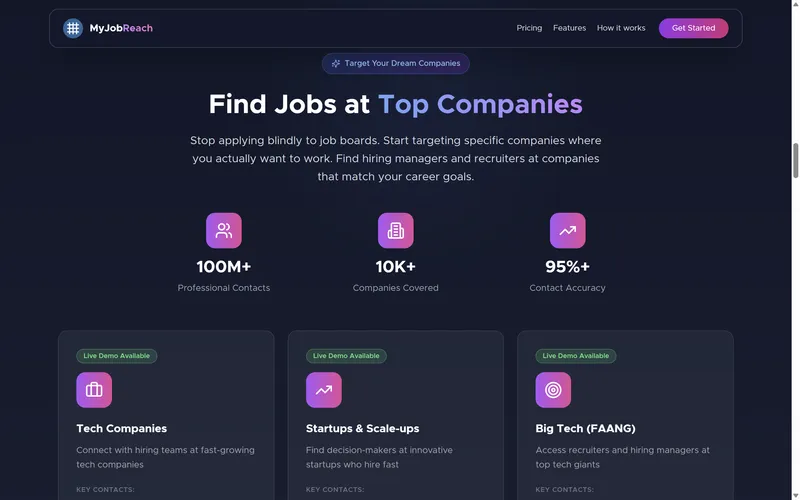
MyJobReach
Job matching platform connecting talented professionals with their dream opportunities.
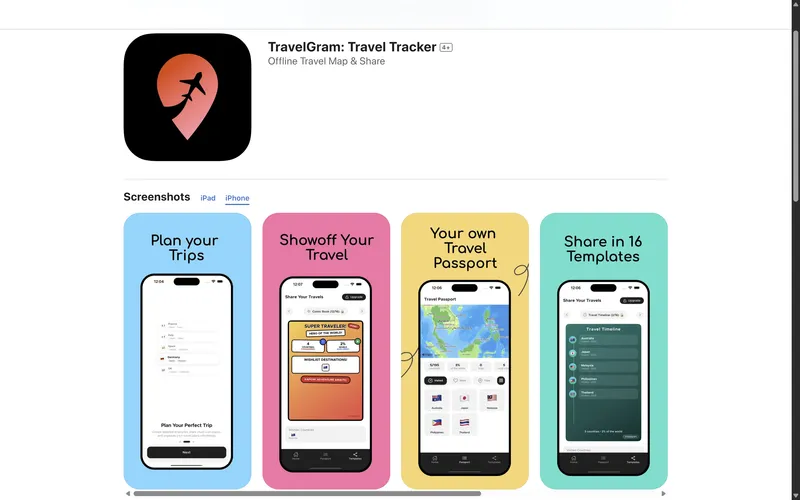
TravelGram
Social platform for travelers to share experiences, discover destinations, and connect globally.
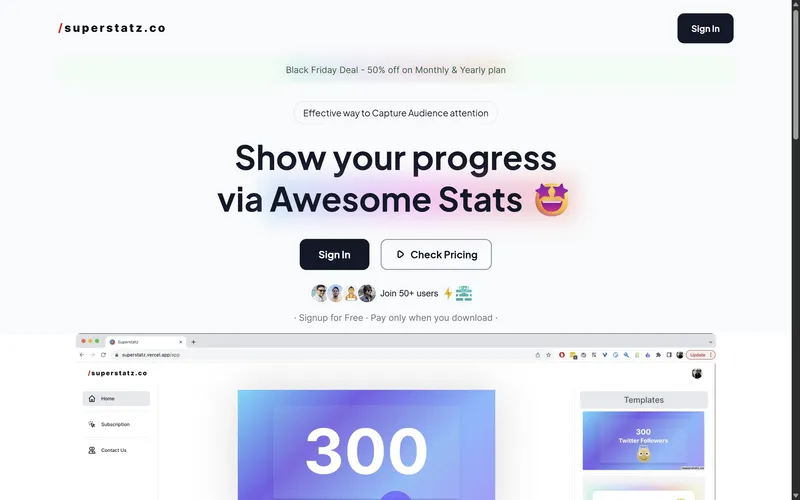
SuperStatz
Advanced sports statistics platform delivering in-depth analysis and performance metrics.
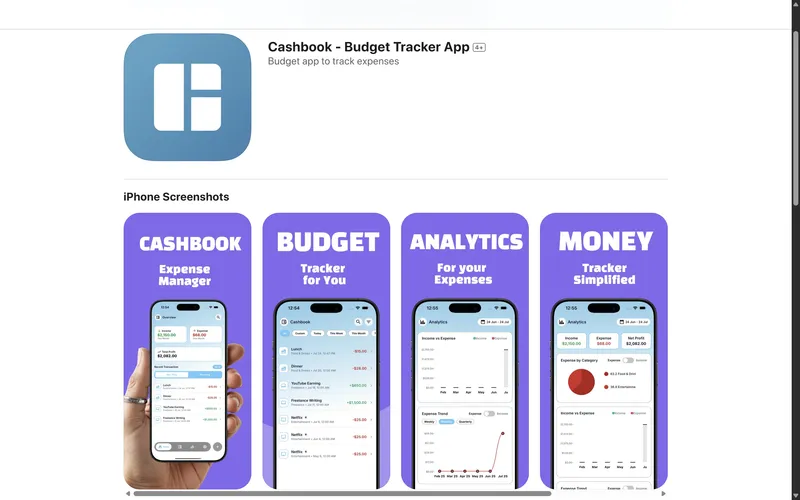
Cashbook
Simple expense tracking and budgeting app that helps users manage their finances effortlessly.
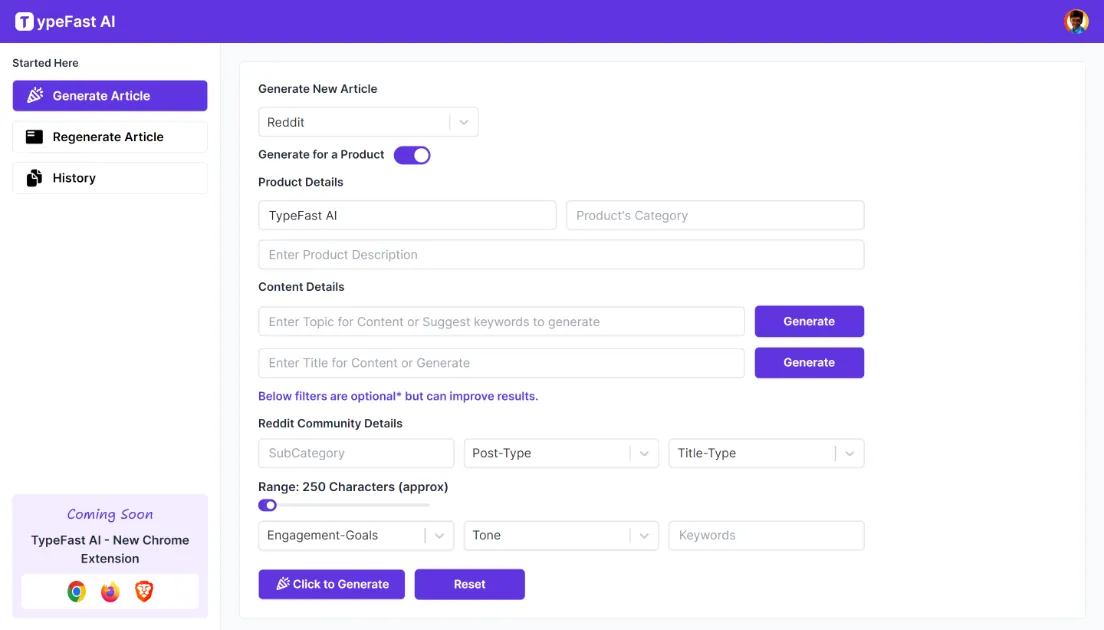
TypeFast
Typing speed improvement platform with gamified lessons and real-time performance tracking.
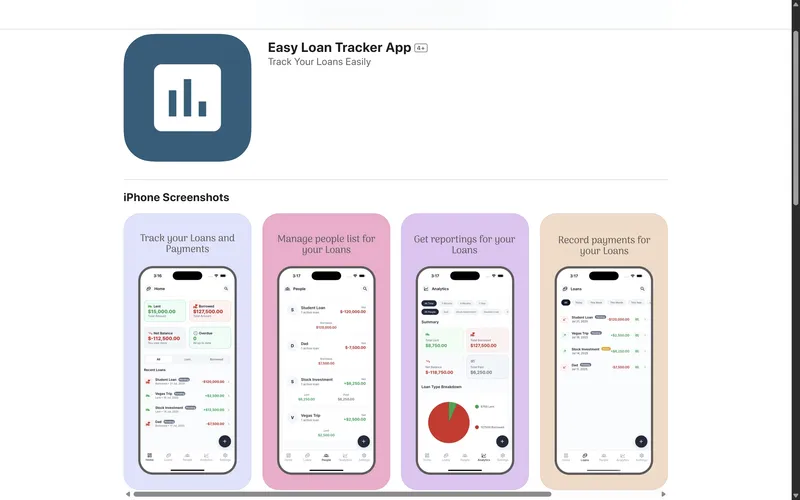
Easy Loan
Streamlined loan management system that simplifies borrowing and lending processes.
Explore Related Content
Discover more services, case studies, and insights
MVP vs Prototype: Which One Should You Build First?
MVP vs prototype: a decision guide for funded startups and enterprise product teams. Compare cost, timeline, and purpose, then see which to build first.
Best FlutterFlow Alternative for Production AI Apps
Outgrown FlutterFlow? SpeedMVPs builds the same app idea as a fully custom, AI-ready Flutter or React Native codebase you own: shipped in 2–3 weeks.
Fractional AI Team: Senior Leadership, Build Capacity
Get a fractional AI team, senior AI strategy, architecture, and build capacity, for a fraction of a full-time hire. Ship AI products without permanent overhead.
GCP Hosting for AI MVPs: Cloud Run, Vertex AI, and What to Skip
Hosting an AI MVP on Google Cloud. Cloud Run vs GKE, when Vertex AI is worth it, and the services that add cost without adding value at MVP stage.
AI-Powered MVP Development
Launch a production-ready AI MVP in just 2-3 weeks. Our team blends rapid prototyping with enterprise-grade AI/ML engineering to validate your idea, attract investors, and win early customers.
Integrate AI into Existing Software
Smoothly integrate AI capabilities into your existing software systems. We enhance your current applications with intelligent features, automation, and AI-powered insights while maintaining system stability.
How AI Agencies Ensure Quality at Speed
How top AI development agencies ship quality, scalable products in 2-3 weeks: senior engineers, AI-assisted workflows with human review, production-grade architecture, and automated testing under real deadlines.
How to Develop an AI-Driven Mobile App
A step-by-step guide to developing an AI-driven mobile app: defining the use case, choosing on-device vs cloud AI, picking your stack, building the model, and shipping.
AI Assistant MVP Cuts Founder Admin Time 78%
A 3-week MVP combining a Gmail/Outlook OAuth pipeline, a thread-aware Claude-backed reply engine, structured tool calls for calendar actions, and a Next.js dashboard. Built with eval-driven prompts so accuracy improvements ship without regressions.
AI Lead Gen Tool Triples Pipeline for B2B SaaS
SpeedMVPs built an AI lead generation and enrichment tool that automatically identifies ideal prospects, enriches contact data, scores leads by fit and intent, and generates personalised outreach.
Ready to Build Your MVP?
Schedule a complimentary strategy session. Transform your concept into a market-ready MVP within 2-3 weeks. Partner with us to accelerate your product launch and scale your startup globally.