LLM Evaluation and Testing: How to Know Your AI Actually Works
How to test an LLM feature properly — building an eval set, scoring methods, regression detection, and catching model drift before your users do.
Start with real inputs
The most important step costs a day and gets skipped constantly: collect fifty to a hundred real inputs before building.
Real means what users will actually submit — messy, ambiguous, badly formatted, occasionally hostile. Not the clean examples you'd write to demonstrate the feature. The gap between those two distributions is where AI products fail.
For each, record the correct output. Where "correct" is a judgment call, record what a good answer must contain and what it must not.
Choosing how to score
Match the method to the task:
Exact match for classification and extraction with a defined answer. Cheap and unambiguous — use it wherever it applies.
Contains / must-not-contain assertions for generated text with hard requirements. "Must cite a source." "Must not promise a refund." Fast, deterministic, and catches most compliance failures.
LLM-as-judge for open-ended quality where the criteria are real but not mechanical. Give the judge a rubric and examples, and validate it against human ratings on a sample before trusting it. An unvalidated judge measures nothing.
Human review on a sample, always. Automated scores drift from what people actually want, and periodic human checks are what catch it.
Wire it into the loop
An eval set you run manually gets run twice and abandoned. Make it automatic:
- Every prompt change runs the suite; the score goes in the pull request
- A regression threshold blocks the merge
- The suite runs on a schedule against production traffic samples, because the model can change under you
That last point matters more than teams expect. Providers update models. An application accurate in March can drift in June with no code change. Log the model version against every inference — it's what lets you distinguish "the model changed" from "our retrieval broke."
Metrics worth tracking
Beyond a headline accuracy number:
- Per-category accuracy — an aggregate of 85% can hide one class at 30%
- Latency at p50 and p95 — the tail is what users complain about
- Cost per request, tracked alongside quality, so improvements that triple spend are visible
- Refusal and fallback rate — a rising rate signals drift or a prompt problem
- Retrieval hit rate separately from answer quality, so you know which half is failing
What good looks like
An evaluation set built from real inputs, scoring appropriate to the task, running automatically on every change, with per-category breakdowns and cost tracked next to quality. Plus a documented picture of where the system is weak — every AI feature has a failure envelope, and knowing yours is the difference between managing it and being surprised.
We build this during the engagement rather than after, because retrofitting evaluation onto a shipped feature means reconstructing what "correct" meant months later.
What You'll Get
Eval set from real inputs
50-100 genuine cases, not clean demo examples.
Automated regression gate
Score runs on every prompt change and blocks bad merges.
Model version logged
Distinguish provider drift from your own regressions.
FAQ
How do you test an LLM feature?
Build an evaluation set of 50-100 real user inputs with known-good outputs, pick scoring appropriate to the task (exact match for extraction, assertions for hard requirements, a validated LLM judge for open-ended quality), and run it automatically on every prompt change with a regression threshold that blocks merges.
What is LLM-as-judge and can you trust it?
Using a model to score another model's output against a rubric. It's useful for open-ended quality where criteria are real but not mechanical — but you must validate the judge against human ratings on a sample first. An unvalidated judge produces numbers that measure nothing.
How do you catch model drift?
Log the model version against every inference and run your evaluation suite on a schedule, not just on code changes. Providers update models, so an application accurate in March can degrade in June with no change on your side — version logging is what lets you tell that apart from a regression in your own retrieval.
Trusted by Global Companies Building AI Products
We've helped startups and enterprises worldwide transform their AI ideas into production-ready MVPs in 2–3 weeks. From fintech platforms to AI assistants, our global MVP development services have launched 18+ AI products serving users across the US, Europe, and Asia.


Portfolio: AI Products Built for Global Startups
From content platforms and AI assistants to analytics dashboards and fintech solutions—see how we've transformed ideas into production-ready MVPs in 2-3 weeks across diverse industries. Each product launched successfully, serving users globally.
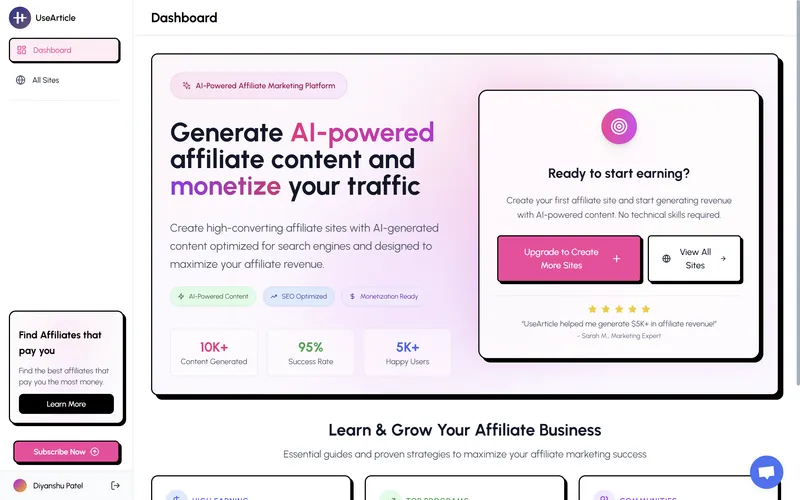
UseArticle
AI-powered content creation and management platform that helps teams produce high-quality articles at scale.
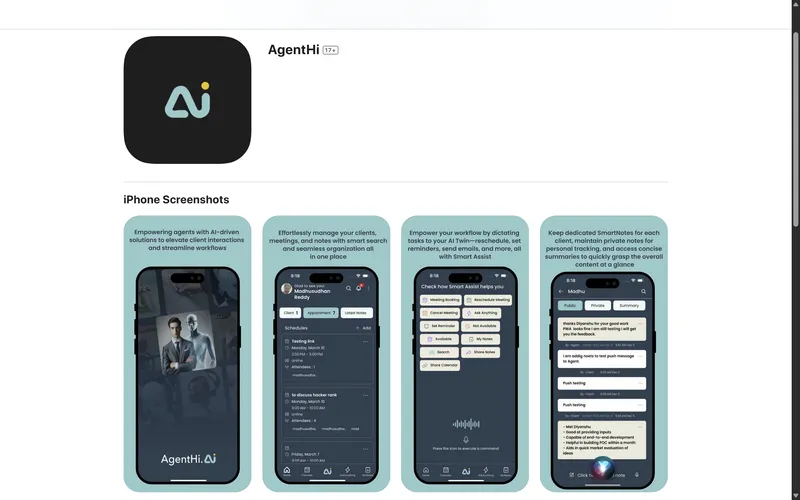
AgentHi
Intelligent virtual assistant that streamlines customer support and automates routine business tasks.
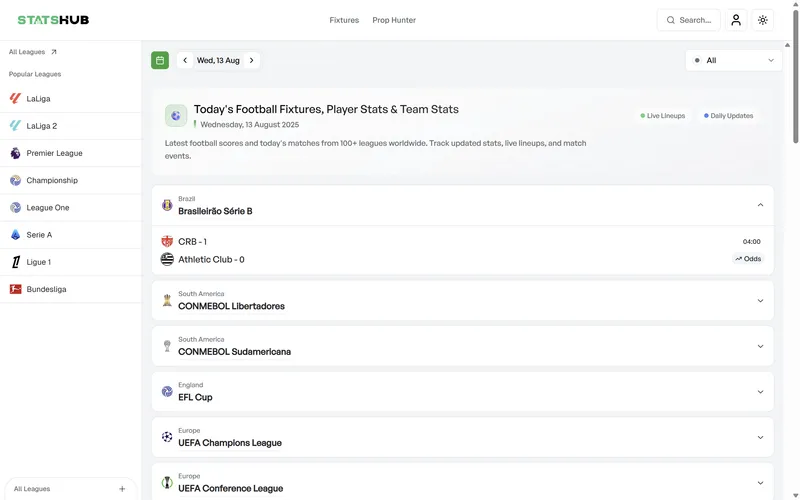
StatsHub
Comprehensive analytics dashboard providing real-time insights and data visualization for businesses.
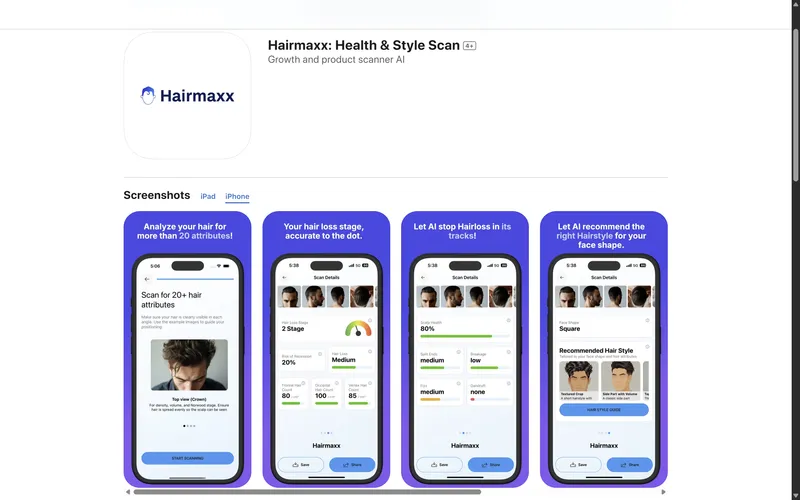
Harimaxx
Personal fitness companion with AI-driven workout plans and nutrition tracking for optimal health.
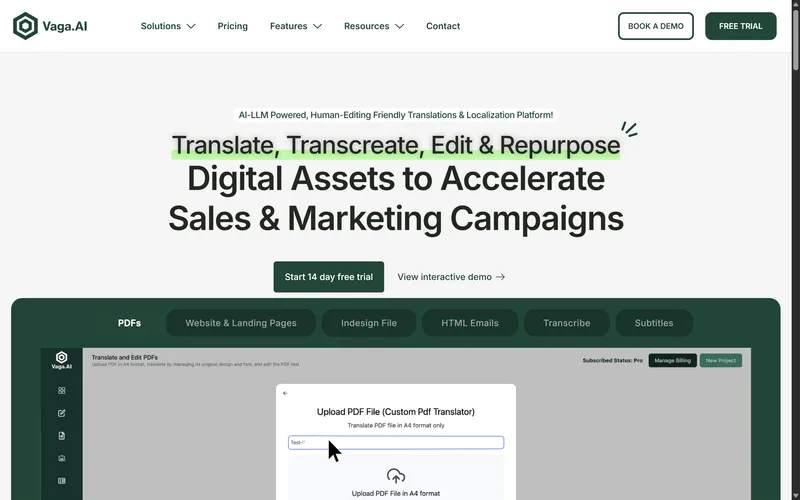
Vaga
Smart travel planning app that curates personalized itineraries and local experiences.
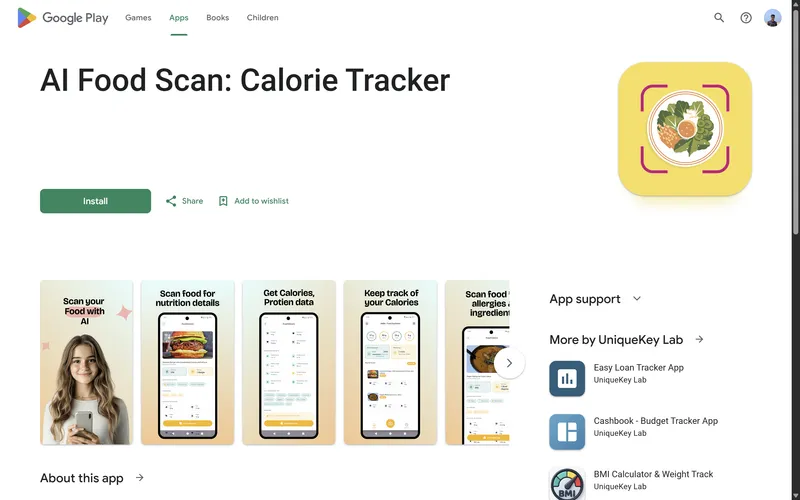
FoodScan
Nutrition analysis app that scans food items and provides detailed nutritional information instantly.
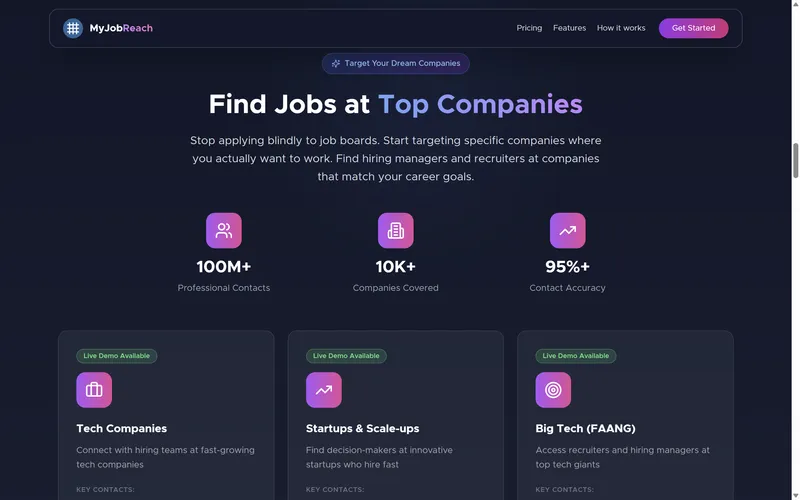
MyJobReach
Job matching platform connecting talented professionals with their dream opportunities.
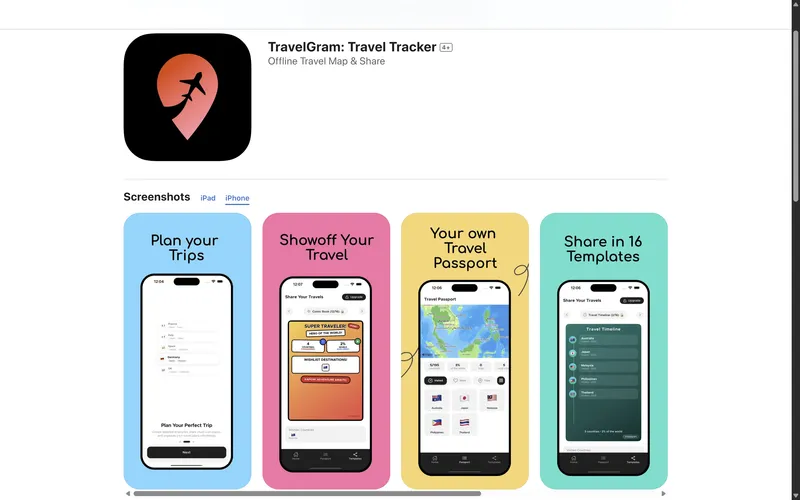
TravelGram
Social platform for travelers to share experiences, discover destinations, and connect globally.
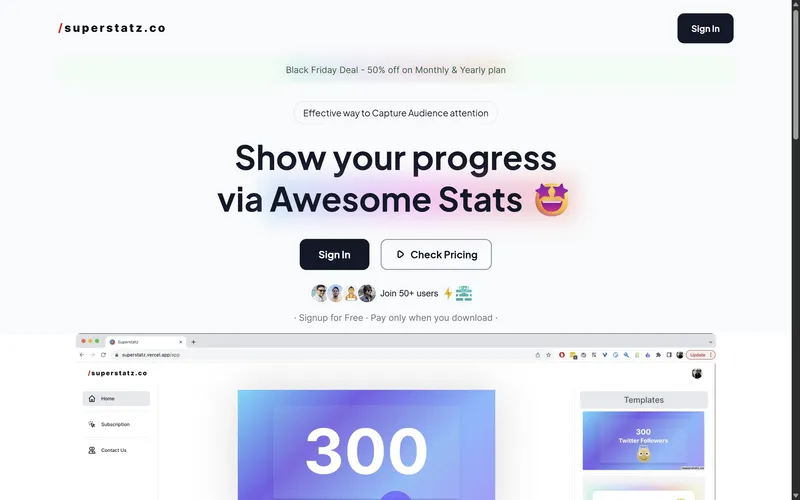
SuperStatz
Advanced sports statistics platform delivering in-depth analysis and performance metrics.
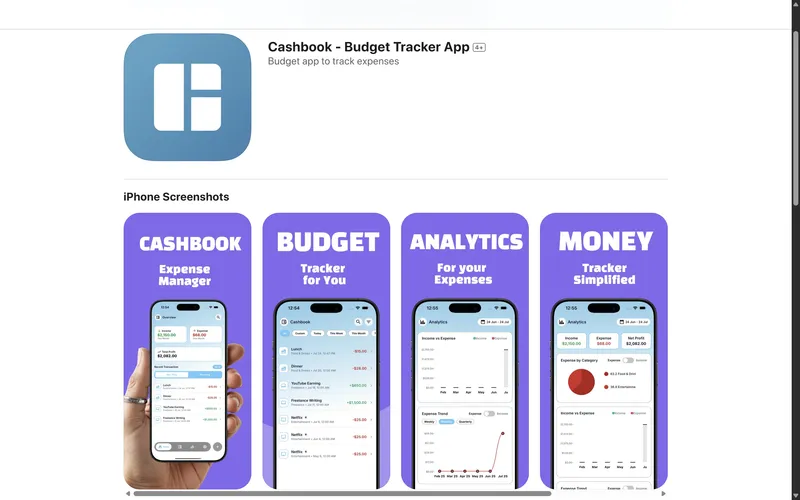
Cashbook
Simple expense tracking and budgeting app that helps users manage their finances effortlessly.
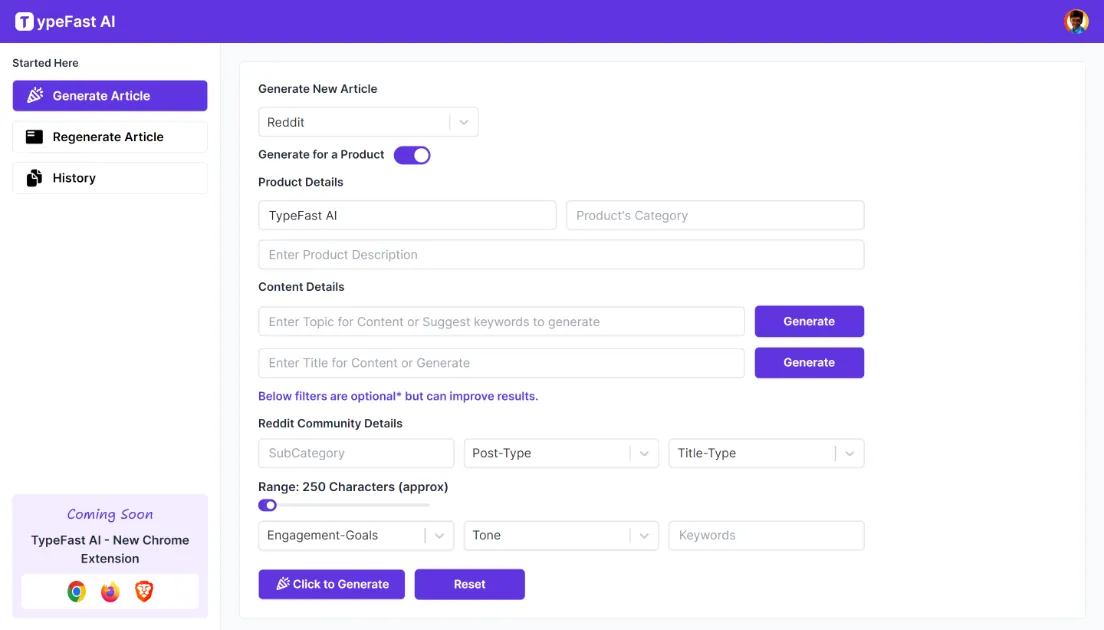
TypeFast
Typing speed improvement platform with gamified lessons and real-time performance tracking.
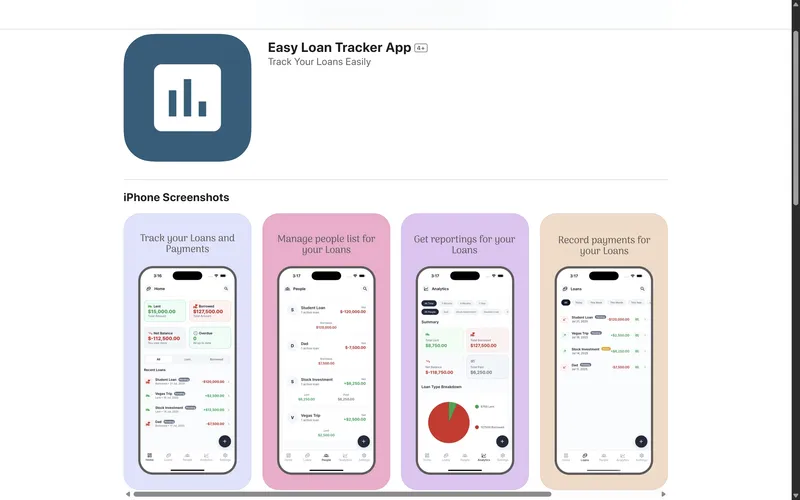
Easy Loan
Streamlined loan management system that simplifies borrowing and lending processes.
Explore Related Content
Discover more services, case studies, and insights
The Best Make.com / Zapier Alternative for Custom AI Automation
Hitting limits with Make.com or Zapier? SpeedMVPs builds custom AI automation and agents you own — reliable at scale, with no per-task fees. Live in 2–3 weeks.
How Much Does Marketplace App Development Cost in 2026?
Marketplace app development costs $20k–$90k depending on sides, payments, and trust features. See a clear cost breakdown and how to launch a marketplace MVP fast.
MCP Server Development: Connect Your Tools to AI Agents
Build a Model Context Protocol server so AI agents can use your systems safely. Tool design, auth, and transport — shipped in 2-3 weeks.
AI-Powered MVP Development
Launch a production-ready AI MVP in just 2-3 weeks. Our team blends rapid prototyping with enterprise-grade AI/ML engineering to validate your idea, attract investors, and win early customers.
Integrate AI into Existing Software
Seamlessly integrate AI capabilities into your existing software systems. We enhance your current applications with intelligent features, automation, and AI-powered insights while maintaining system stability.
How AI Agencies Ensure Quality and Scalability on Tight Timelines
How top AI development agencies ship quality, scalable products in 2-3 weeks: senior engineers, AI-assisted workflows with human review, production-grade architecture, and automated testing under real deadlines.
How to Develop an AI-Driven Mobile App: A Practical 2026 Guide
A step-by-step guide to developing an AI-driven mobile app — defining the use case, choosing on-device vs cloud AI, picking your stack, building the model, and shipping.
Social Travel Platform MVP: 12,000 Beta Users in 6 Weeks Post-Launch
SpeedMVPs built the full WanderTribe MVP: trip planning boards, community features, AI-powered destination recommendations, and a mobile-optimised web app — in 3 weeks.
Ready to Build Your MVP?
Schedule a complimentary strategy session. Transform your concept into a market-ready MVP within 2-3 weeks. Partner with us to accelerate your product launch and scale your startup globally.