
MVP vs Prototype: The MVP Prototype Development Guide
MVP vs prototype: a decision guide for funded startups and enterprise product teams. Compare cost, timeline, and purpose, then see which to build first.
What You Need to Know
MVPs and prototypes are both valuable tools in product development, but they serve different purposes. Understanding the difference helps you invest your resources wisely.
What is a Prototype? A prototype is a preliminary model of a product used to visualize and test concepts. It's typically not functional: think clickable mockups, wireframes, or design demos. Purpose: Validate design decisions, gather early feedback, communicate vision.
What is an MVP? An MVP (Minimum Viable Product) is a functional product with just enough features to satisfy early customers and gather validated learning. It's real software that real users can use. Purpose: Test market demand, validate business model, generate revenue or users.
Key Differences. Functionality: Prototypes demonstrate; MVPs function. Users: Prototypes shown to stakeholders; MVPs used by real customers. Learning: Prototypes validate design; MVPs validate business. Investment: Prototypes cost less; MVPs require more development.
When to Build a Prototype. Exploring multiple concepts before committing. Need to align stakeholders on vision. Testing user flows before development. Have limited budget for initial exploration. Building complex products that need design validation.
When to Build an MVP. Concept is validated and you're ready to test market demand. Need to start generating users or revenue. Want real-world feedback from actual usage. Have budget for functional development. Time-to-market is critical.
The Ideal Progression. 1) Prototype to validate design and concept. 2) MVP to validate market and business model. 3) Full product based on MVP learnings. This progression minimizes risk at each stage.
Common Mistakes. Building an MVP when you need a prototype (wasting development resources). Building a prototype when you need an MVP (delaying market validation). Over-investing in either before moving forward.
SpeedMVPs Approach. We help funded startups and enterprise product teams determine the right approach for their stage. Sometimes that's a quick prototype to align stakeholders; often it's jumping straight to an MVP in 2-3 weeks to start learning from real users. Our 15+ engineers have shipped 18+ MVPs using this same framework.
Introduction
MVP prototype development can mean two very different engagements: a fast, non-functional prototype to align stakeholders (3-5 days), or a working MVP built to test with real users (2-3 weeks). This guide is for funded startups and enterprise product teams deciding which one fits their current stage before committing budget.
What You'll Get
Build vs Prototype Framework
Decide what to build and when
Prototype Templates
Tools and templates for rapid prototyping
MVP Scoping Checklist
Define your MVP scope effectively
FAQ
What's the difference between an MVP and a prototype?
A prototype is a non-functional model, often a clickable mockup or wireframe, used to validate design and align stakeholders. An MVP is real, working software that real users can use to validate market demand. Prototypes typically take 3-5 days; a functional MVP takes 2-3 weeks.
What does MVP prototype development actually mean?
Teams use the phrase loosely to describe two different things: building a prototype of an MVP concept (fast, non-functional, for stakeholder buy-in) or building the MVP itself (functional, for real users). If you're not sure which you need, ask whether you need to convince people internally or start getting real usage data; the first points to a prototype, the second points to an MVP.
How do I build an MVP?
The typical path is: validate the concept with a quick prototype if stakeholders still need convincing, scope a functional MVP around the one or two features that prove your core value, then build and ship it to real users, usually in 2-3 weeks with a dedicated team. Skipping straight to a full product before this validation step is the most common way teams waste budget.
Should I build a prototype or an MVP first?
Build a prototype first if you're still exploring concepts, need to align stakeholders on direction, or have limited budget for initial exploration. Build an MVP first if your concept is already validated and you need real user feedback or revenue, since an MVP is what actually tests market demand.
Can a prototype turn into an MVP later?
Yes, if it's built with that in mind. A prototype built purely for demonstration (static mockups, no real backend) usually gets rebuilt from scratch. A prototype built on real, even if minimal, architecture can evolve directly into an MVP without starting over.
Trusted by Global Companies Building AI Products
We've helped startups and enterprises worldwide transform their AI ideas into production-ready MVPs in 2–3 weeks. From fintech platforms to AI assistants, our global MVP development services have launched 18+ AI products serving users across the US, Europe, and Asia.
Portfolio: AI Products Built for Global Startups
From content platforms and AI assistants to analytics dashboards and fintech solutions: see how we've transformed ideas into production-ready MVPs in 2-3 weeks across diverse industries. Each product launched successfully, serving users globally.
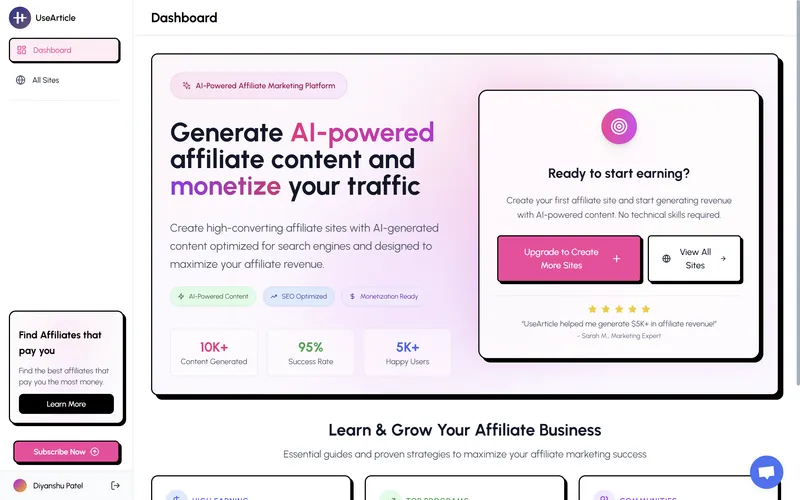
UseArticle
AI-powered content creation and management platform that helps teams produce high-quality articles at scale.
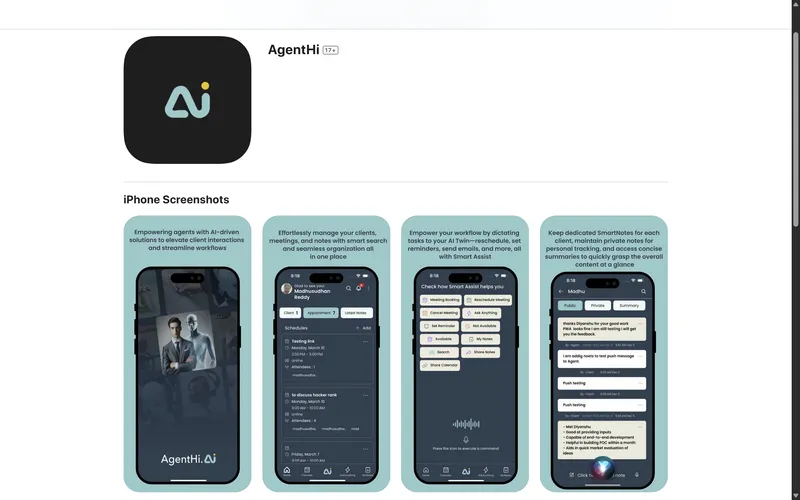
AgentHi
Intelligent virtual assistant that streamlines customer support and automates routine business tasks.
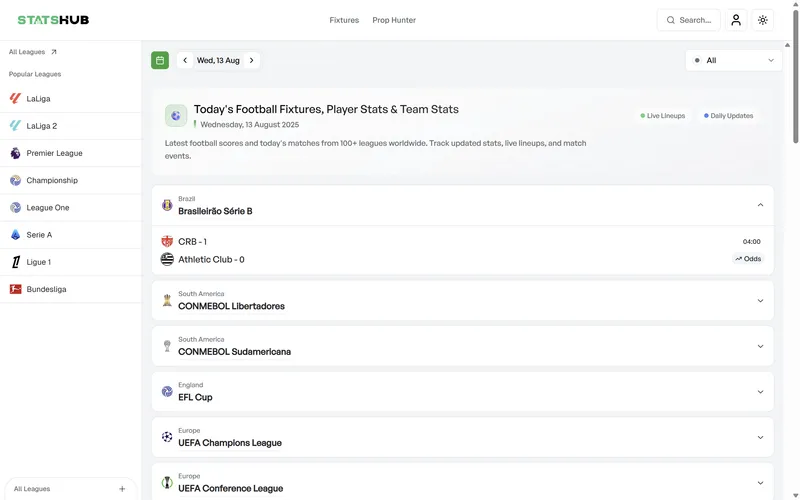
StatsHub
Comprehensive analytics dashboard providing real-time insights and data visualization for businesses.
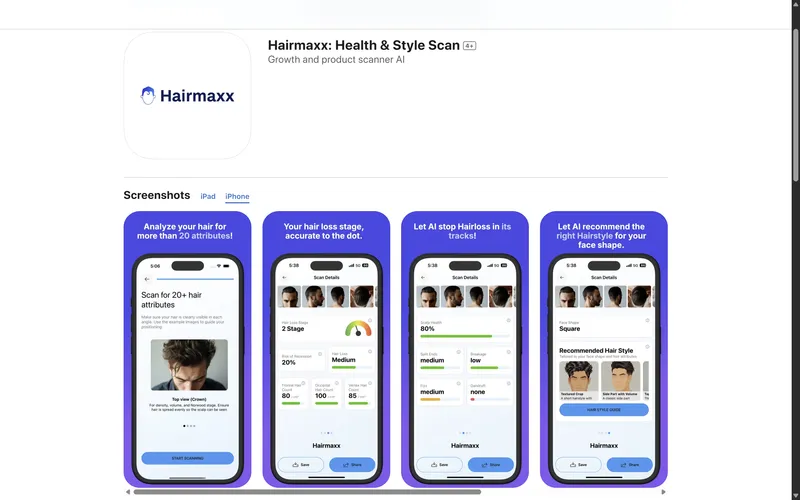
Harimaxx
Personal fitness companion with AI-driven workout plans and nutrition tracking for optimal health.
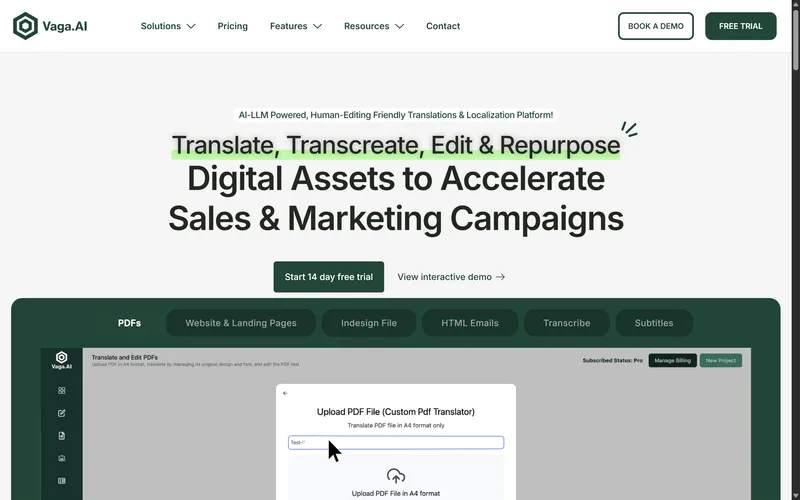
Vaga
Smart travel planning app that curates personalized itineraries and local experiences.
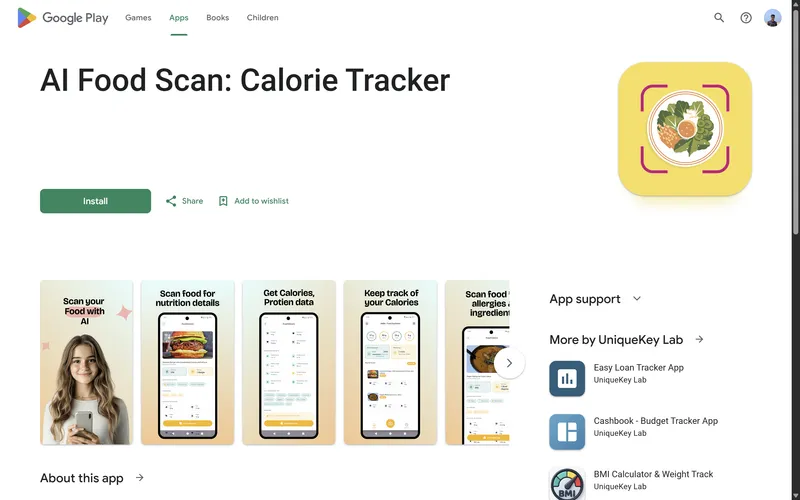
FoodScan
Nutrition analysis app that scans food items and provides detailed nutritional information instantly.
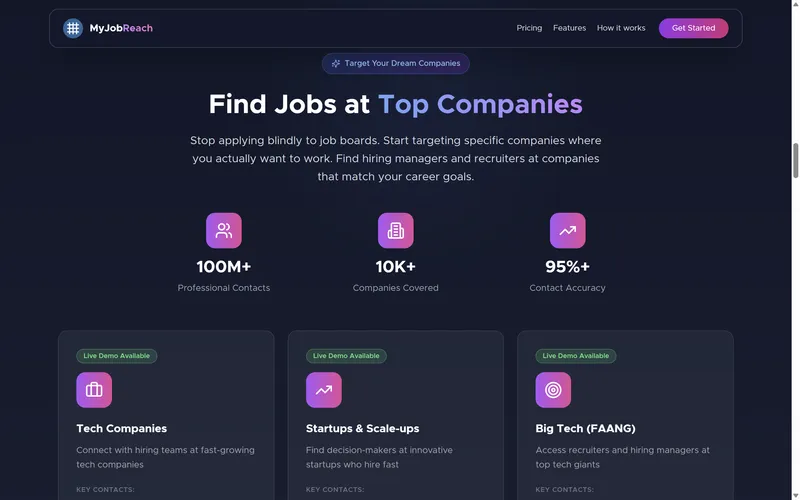
MyJobReach
Job matching platform connecting talented professionals with their dream opportunities.
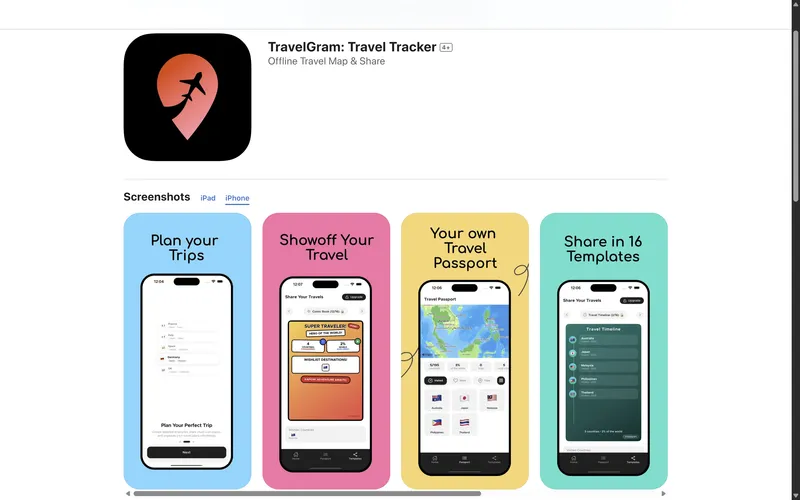
TravelGram
Social platform for travelers to share experiences, discover destinations, and connect globally.
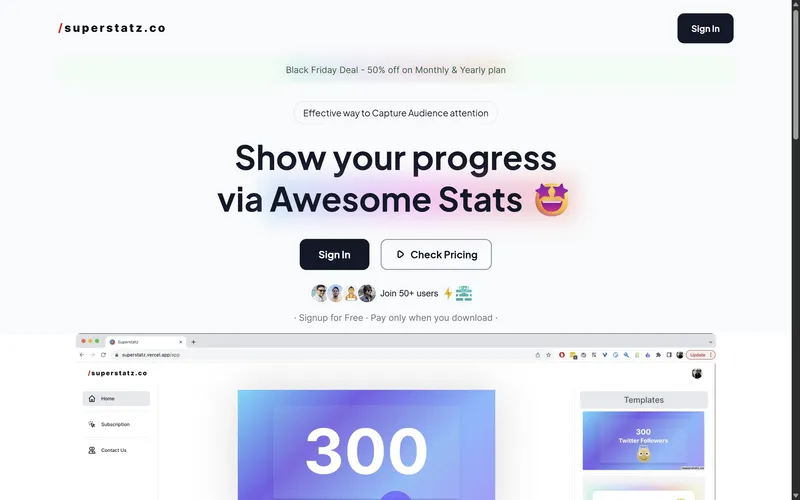
SuperStatz
Advanced sports statistics platform delivering in-depth analysis and performance metrics.
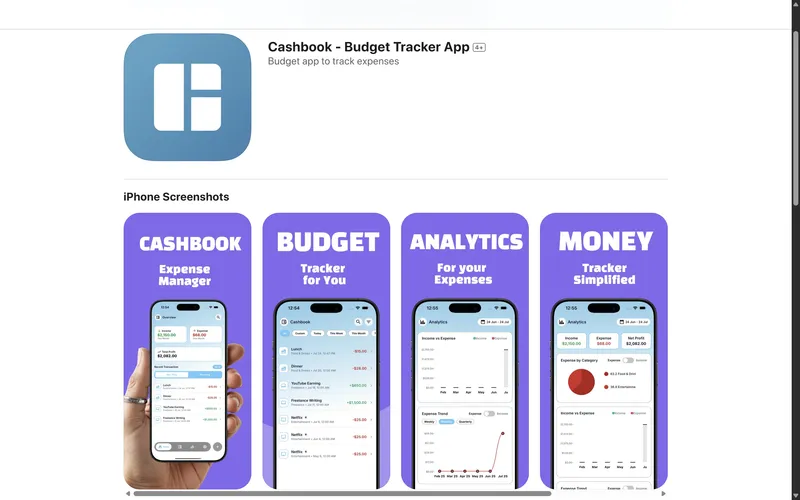
Cashbook
Simple expense tracking and budgeting app that helps users manage their finances effortlessly.
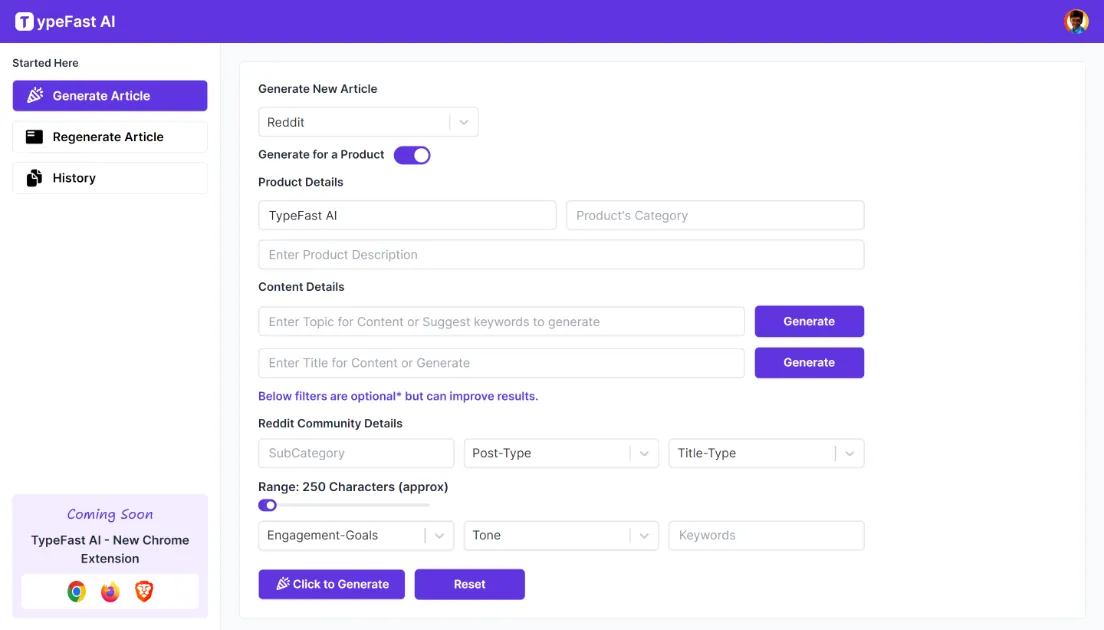
TypeFast
Typing speed improvement platform with gamified lessons and real-time performance tracking.
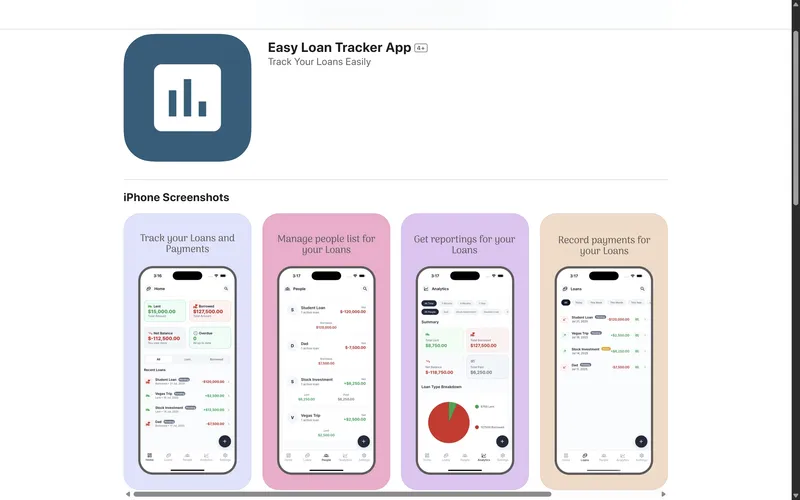
Easy Loan
Streamlined loan management system that simplifies borrowing and lending processes.
Explore Related Content
Discover more services, case studies, and insights
React vs Next.js: Which Should You Choose in 2026?
Comprehensive comparison of React and Next.js. Learn when to use each framework for your web application development project.
Flutter vs React Native in 2026: Which Is Better for Your AI MVP?
Deep comparison of Flutter and React Native for AI MVPs in 2026. Ecosystem, performance, hiring, and how each fits into an AI product stack.
AI MVP Agency vs Freelancer
Comparing hiring an AI MVP agency vs freelancer. Pros, cons, costs, and when each makes sense.
Build vs Buy AI Solution
Should you build a custom AI solution or buy existing? A practical decision framework.
LangChain vs LlamaIndex
Technical comparison of LangChain vs LlamaIndex for AI products. When to use each and how to combine them.
Next.js MVP Development Services
Build a fast, SEO-friendly MVP on Next.js with clean architecture, analytics, and production deployment. Launch in weeks with code your team can extend.
No-Code Agency: Bubble, Webflow & Airtable Builds
A no-code agency that will tell you when no-code is wrong. We build on Bubble, Webflow, Airtable, and Make, and migrate to custom code when you outgrow them.
Node.js MVP Development Services
Build fast, scalable MVP backends and full-stack apps with Node.js. Clean APIs, integrations, and deployment practices for production-ready launches.
AI-Powered MVP Development
Launch a production-ready AI MVP in just 2-3 weeks. Our team blends rapid prototyping with enterprise-grade AI/ML engineering to validate your idea, attract investors, and win early customers.
Design to Code
Turn Figma, Sketch, or Adobe XD designs into production-ready, pixel-perfect code. We bridge the gap between design and engineering, delivering responsive, accessible, and performant front-end code your team can ship immediately.
Ready to Build Your MVP?
Schedule a complimentary strategy session. Transform your concept into a market-ready MVP within 2-3 weeks. Partner with us to accelerate your product launch and scale your startup globally.