MongoDB vs Postgres for MVPs: Which to Pick
MongoDB or Postgres for a new product? Schema flexibility, joins, transactions, and JSON support compared — and why Postgres is usually the safer default.
The argument that no longer holds
The classic case for MongoDB was schema flexibility — you don't know your data model yet, so don't commit to one. That was persuasive when the alternative meant a migration for every column.
Postgres has jsonb now. You can store a schemaless document in a column, index inside it with GIN, and query its fields — while keeping real columns, foreign keys, and transactions for the parts of your model that are stable. You no longer have to choose one or the other for the whole database.
That's the crux: most products have a stable core (users, organizations, subscriptions) and a fluid edge (event payloads, settings blobs, third-party responses). Postgres handles both. MongoDB asks you to treat the stable core as though it were fluid.
What you give up with MongoDB
Joins. MongoDB has $lookup, but it's not a substitute for a query planner working across indexed relations. The usual answer is denormalization, which means the same fact lives in several documents and you own keeping them consistent.
Referential integrity. No foreign keys. Nothing stops an order pointing at a customer that no longer exists except your application code, and your application code has bugs.
Transactions across documents. Supported since 4.0, but with performance caveats and a design that discourages relying on them. In Postgres, multi-row transactions are the normal case.
When MongoDB is the right call
Genuinely document-shaped data with no cross-entity queries — CMS content, product catalogs with wildly varying attributes, event logs.
Very high write throughput on independent documents, where horizontal sharding is the point and you never need to join.
Your team knows it deeply and the product is simple enough that the model won't grow relational. Team familiarity is a real engineering input, not a cop-out.
The failure mode we get called in for
The pattern is consistent: a team picks MongoDB for flexibility, the product succeeds, and the data turns out to be relational after all. Now there are four collections that must stay in sync, a nightly reconciliation job, and a reporting requirement that can't be answered without pulling everything into application memory.
The fix is a migration to Postgres, which is expensive precisely because the product is now working and can't stop.
Our default
Postgres, with jsonb for the fluid parts. It's the choice that stays correct as the product grows, and it's the one where being wrong is cheapest to reverse.
What You'll Get
Model the data first
Schema design before database choice — not the reverse.
jsonb where it fits
Structured core, flexible edge, one database.
Indexes and query plans
Handed over with the reasoning, so your team can extend them.
FAQ
Is MongoDB or Postgres better for a startup MVP?
Postgres, for most products. Its jsonb support gives you schemaless flexibility where you need it while keeping joins, foreign keys, and transactions for the parts of the model that are stable — which is the combination most products actually need as they grow.
When should I actually choose MongoDB?
When the data is genuinely document-shaped with no cross-entity queries (CMS content, catalogs with highly variable attributes, event logs), when you need very high write throughput on independent documents, or when your team knows it deeply and the model won't grow relational.
Can Postgres handle unstructured data?
Yes. The jsonb type stores arbitrary JSON, GIN indexes make fields inside it queryable, and you can mix that with normal relational columns in the same table. That's why the old flexibility argument for document databases carries much less weight than it used to.
Trusted by Global Companies Building AI Products
We've helped startups and enterprises worldwide transform their AI ideas into production-ready MVPs in 2–3 weeks. From fintech platforms to AI assistants, our global MVP development services have launched 18+ AI products serving users across the US, Europe, and Asia.









Portfolio: AI Products Built for Global Startups
From content platforms and AI assistants to analytics dashboards and fintech solutions—see how we've transformed ideas into production-ready MVPs in 2-3 weeks across diverse industries. Each product launched successfully, serving users globally.
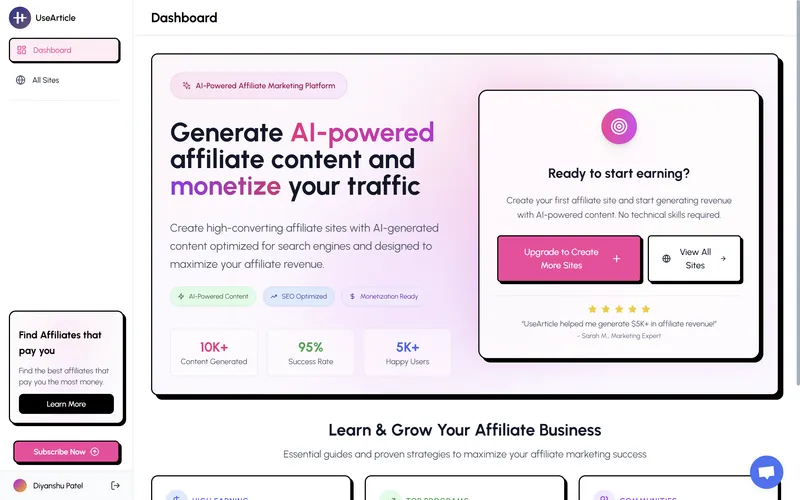
UseArticle
AI-powered content creation and management platform that helps teams produce high-quality articles at scale.
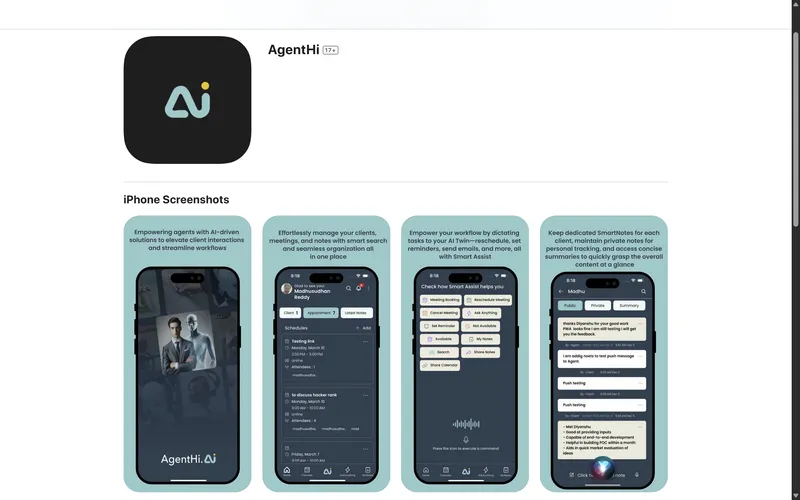
AgentHi
Intelligent virtual assistant that streamlines customer support and automates routine business tasks.
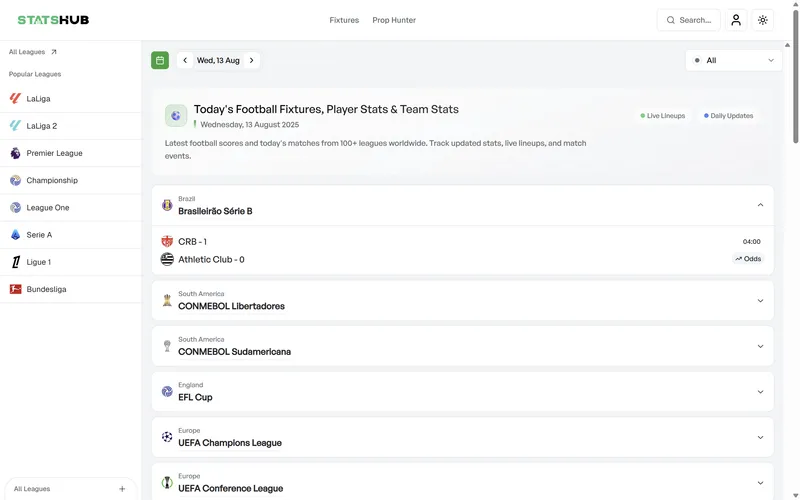
StatsHub
Comprehensive analytics dashboard providing real-time insights and data visualization for businesses.
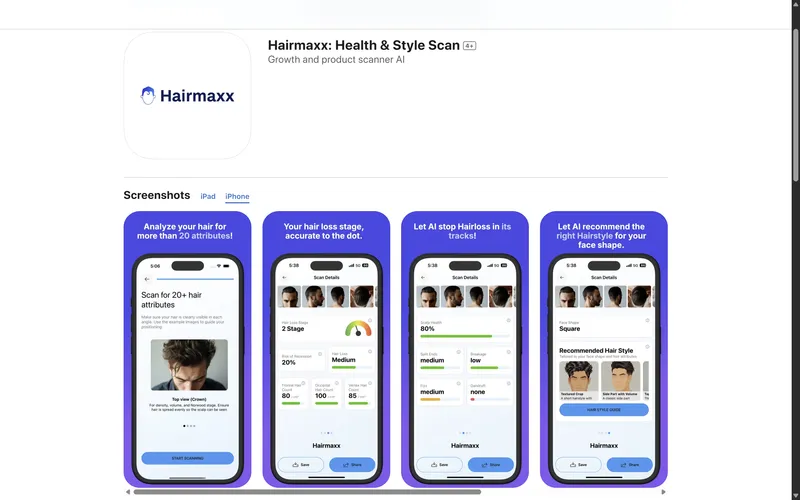
Harimaxx
Personal fitness companion with AI-driven workout plans and nutrition tracking for optimal health.
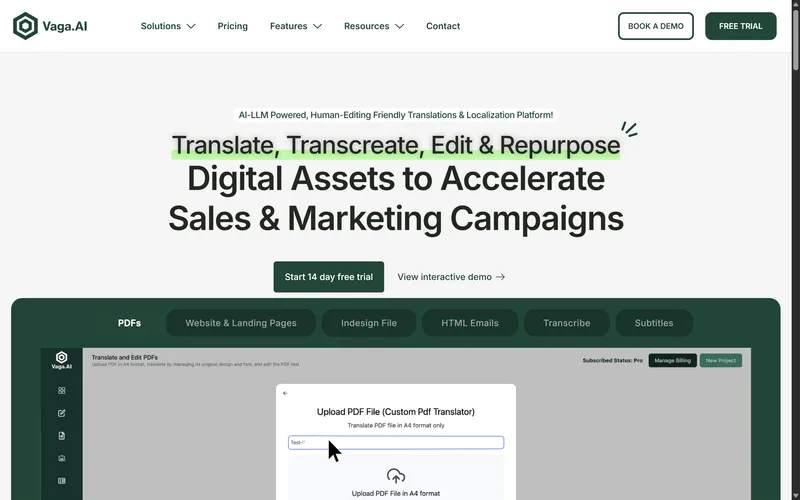
Vaga
Smart travel planning app that curates personalized itineraries and local experiences.
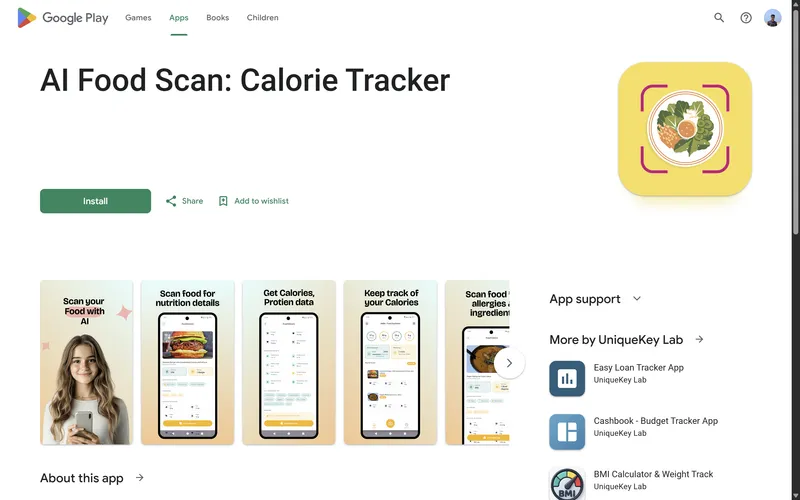
FoodScan
Nutrition analysis app that scans food items and provides detailed nutritional information instantly.
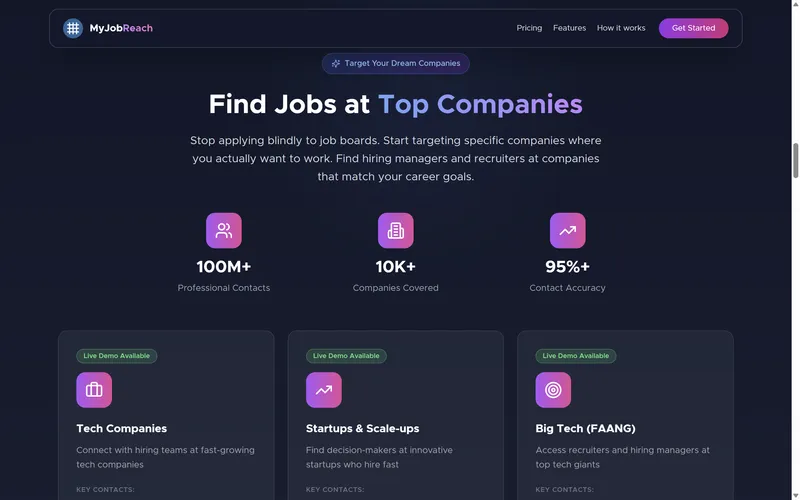
MyJobReach
Job matching platform connecting talented professionals with their dream opportunities.
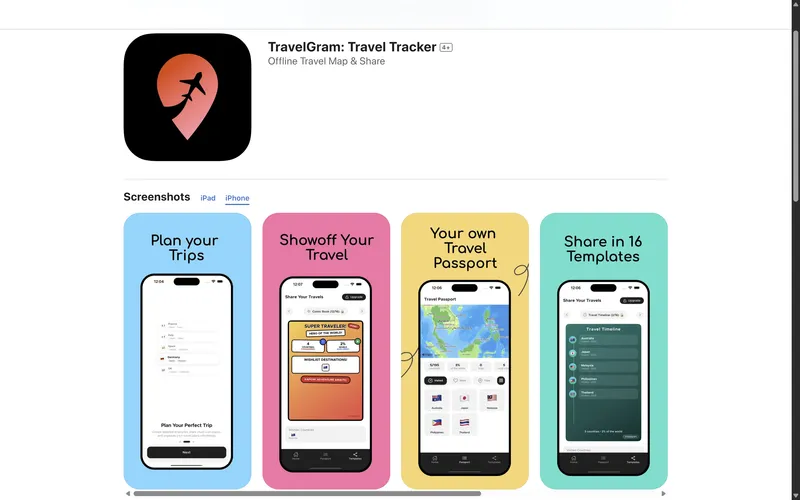
TravelGram
Social platform for travelers to share experiences, discover destinations, and connect globally.
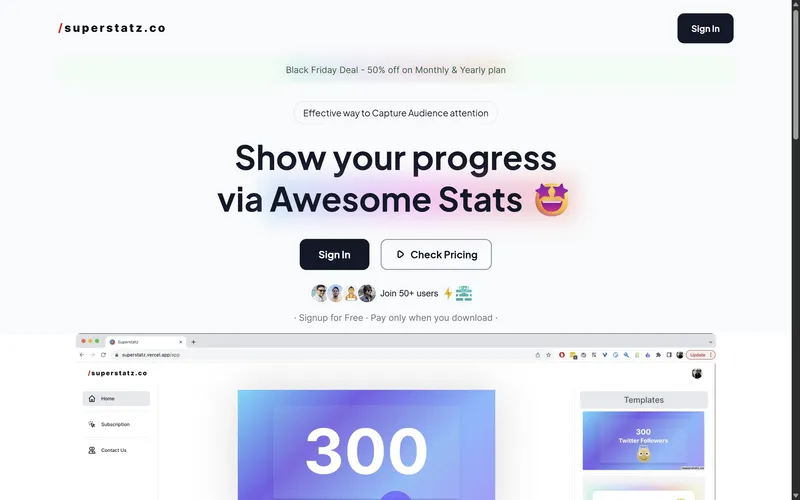
SuperStatz
Advanced sports statistics platform delivering in-depth analysis and performance metrics.
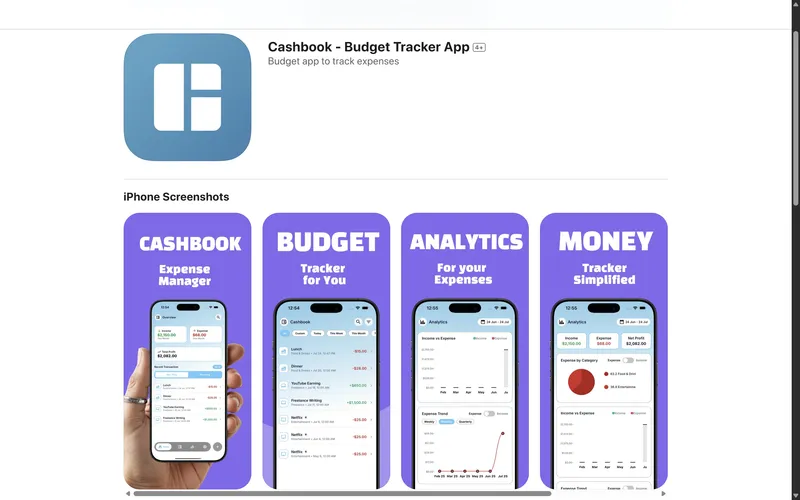
Cashbook
Simple expense tracking and budgeting app that helps users manage their finances effortlessly.
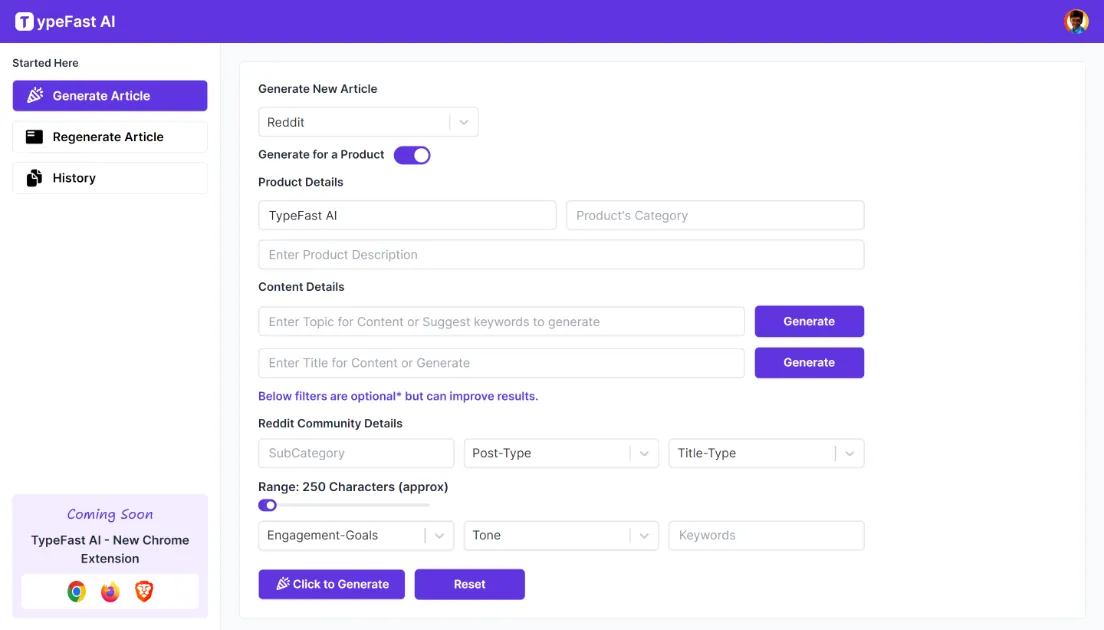
TypeFast
Typing speed improvement platform with gamified lessons and real-time performance tracking.
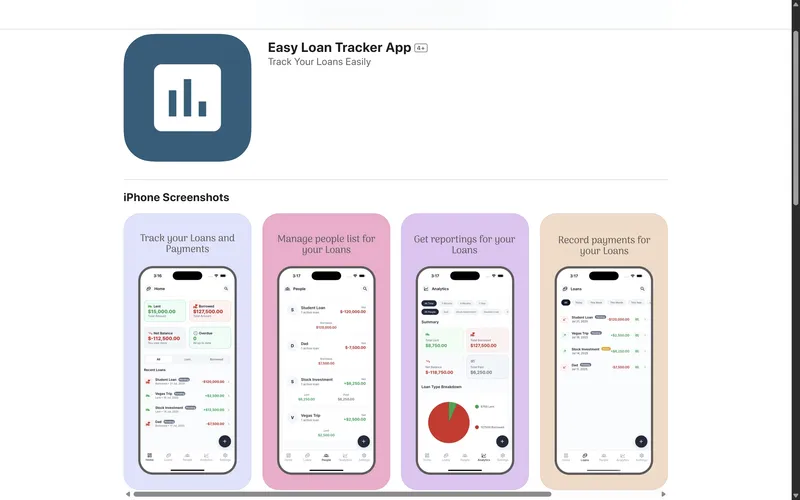
Easy Loan
Streamlined loan management system that simplifies borrowing and lending processes.
Explore Related Content
Discover more services, case studies, and insights
Multi-Agent AI Systems Development for Complex Workflows
Build multi-agent AI systems where specialized agents collaborate to handle complex, multi-step workflows. Custom-engineered with orchestration and guardrails in weeks.
Multi-Tenant SaaS Architecture: Choosing an Isolation Model
Shared schema, schema-per-tenant, or database-per-tenant? How to pick a tenancy model for a SaaS MVP, and how to avoid the leak that ends the company.
MVP App Development Company
SpeedMVPs is an MVP app development company shipping app-store-ready iOS, Android, and web MVPs in 2-3 weeks at a fixed price. 18+ MVPs delivered. Book a scoping call.
App Store Publishing
End-to-end App Store submission and publishing support for iOS and Android. We handle everything from build configuration and metadata to review responses and phased rollouts — so your app ships without the friction.
Implementation Services
Hands-on implementation support to take your product from plan to production. We embed with your team, execute the technical work, and deliver working software — not slides or recommendations.
How to Build AI Clinical Decision Support Software
How to build AI clinical decision support (CDS) software in 2026: evidence and rules vs ML, transparency, EHR integration, regulatory limits, and the build.
Diabetes Management App Development: MVP Guide 2026
Diabetes management app development in 2026: glucose logging, CGM integration, insulin dosing support, coaching, SaMD, HIPAA, cost, and timeline.
Triage in 90 Seconds: A 4-Week Healthcare AI MVP That Cut ER Admission Errors by 41% Without Touching PHI
On-prem deployment of a fine-tuned open-source clinical LLM behind a HIPAA-aligned gateway, retrieval over their internal protocol library with citation rendering, and a clinician-in-the-loop UI that records every accept/override for compliance and continuous evaluation.
Ready to Build Your MVP?
Schedule a complimentary strategy session. Transform your concept into a market-ready MVP within 2-3 weeks. Partner with us to accelerate your product launch and scale your startup globally.