Multi-Tenant SaaS Architecture: Choosing an Isolation Model
Shared schema, schema-per-tenant, or database-per-tenant? How to pick a tenancy model for a SaaS MVP, and how to avoid the leak that ends the company.
The three models
Shared schema with a tenant column. One database, one set of tables, every row carrying a tenant_id. Simplest to build, cheapest to run, easiest to migrate: one schema change covers everyone.
Schema per tenant. One database, a separate schema per customer. Stronger isolation, but migrations must run across every schema and that gets slow past a few hundred tenants.
Database per tenant. Full isolation, per-tenant backup and restore, straightforward data residency. Most operationally expensive by a distance.
The risk in the shared model
Shared schema means one missing WHERE tenant_id = ? leaks one customer's data to another. That's not a bug you recover from commercially.
The defense is not developer discipline. It's making the correct behavior the default:
Postgres row-level security. Policies enforced by the database, not the application. Set the tenant in the session and the database filters every query. A forgotten clause in application code returns nothing rather than everything: the failure mode you want.
A tenant-scoped data access layer. No raw queries in feature code. Every read goes through something that cannot express a cross-tenant query.
A test that tries to leak. Create two tenants, log in as one, attempt to read the other's records through every endpoint. Run it in CI. It's the cheapest insurance in the codebase.
When to reach for stronger isolation
- Regulatory or contractual isolation requirements, some enterprise deals specify it
- Data residency, an EU customer whose data must stay in the EU is naturally a separate database
- Noisy neighbors, one huge tenant degrading everyone else's performance
- Per-tenant restore, restoring one customer's data from a shared database is genuinely painful
The pragmatic path
Start with shared schema plus row-level security. Design so tenancy is resolved in one place, a middleware that sets tenant context, rather than threaded through every query.
That single decision is what makes later migration feasible. Teams that scatter tenant filtering across hundreds of queries cannot move; teams that centralized it can lift specific tenants into their own databases when a contract requires it, without rewriting the application.
We also see the reverse mistake: starting with database-per-tenant "for enterprise readiness" and drowning in migration overhead across 200 databases before the first enterprise customer signs.
What we build
Shared schema with row-level security, centralized tenant resolution, a cross-tenant leak test in CI, and a documented path to per-tenant isolation for the customers who eventually demand it.
What You'll Get
RLS enforced in the database
A forgotten filter returns nothing, not everything.
Tenancy resolved in one place
Centralized, so stronger isolation stays reachable later.
Leak test in CI
Two tenants, every endpoint, every build.
FAQ
What is the best multi-tenant architecture for a SaaS MVP?
Shared schema with a tenant column, protected by Postgres row-level security. It's the simplest to build and migrate, and RLS makes the safe behavior the default: a forgotten filter returns no rows instead of another customer's data.
How do you prevent data leaking between tenants?
Three layers: row-level security so the database enforces isolation rather than application code, a tenant-scoped data access layer that cannot express a cross-tenant query, and an automated test that creates two tenants and actively attempts to read across them through every endpoint on each build.
When should I move to a database per tenant?
When a contract or regulation requires physical isolation, when data residency means a customer's data must stay in a specific region, when one large tenant is degrading performance for others, or when per-tenant restore becomes an operational need. Not before: the migration overhead across many databases is substantial.
Trusted by Global Companies Building AI Products
We've helped startups and enterprises worldwide transform their AI ideas into production-ready MVPs in 2–3 weeks. From fintech platforms to AI assistants, our global MVP development services have launched 18+ AI products serving users across the US, Europe, and Asia.

Portfolio: AI Products Built for Global Startups
From content platforms and AI assistants to analytics dashboards and fintech solutions: see how we've transformed ideas into production-ready MVPs in 2-3 weeks across diverse industries. Each product launched successfully, serving users globally.
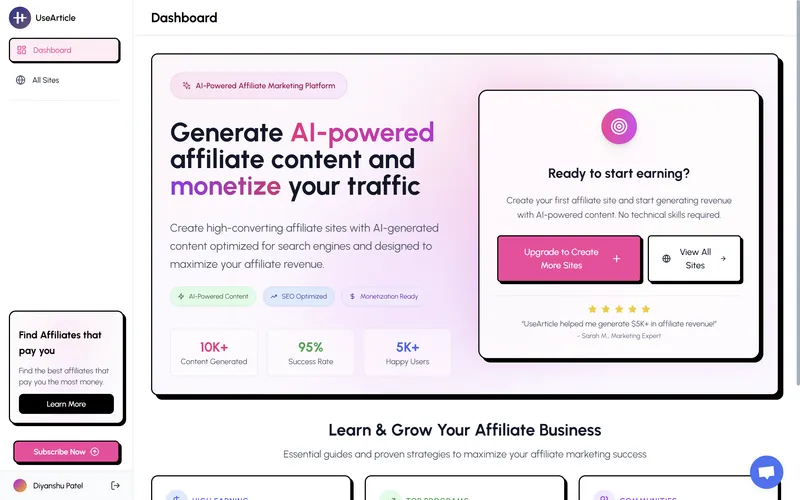
UseArticle
AI-powered content creation and management platform that helps teams produce high-quality articles at scale.
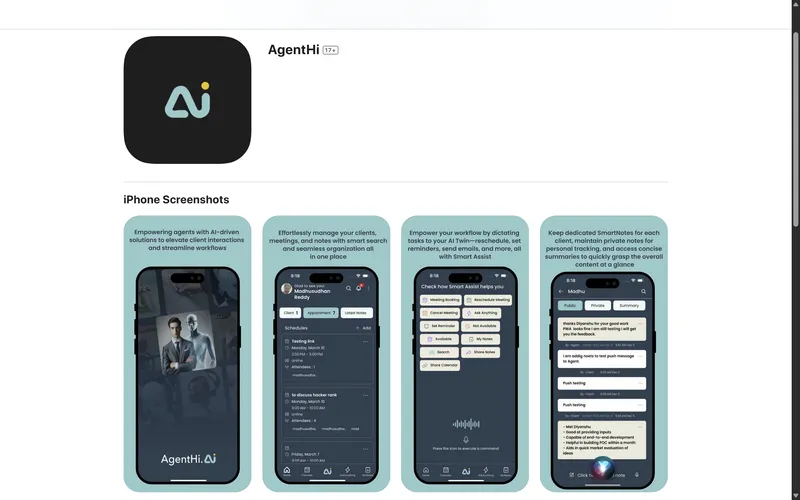
AgentHi
Intelligent virtual assistant that streamlines customer support and automates routine business tasks.
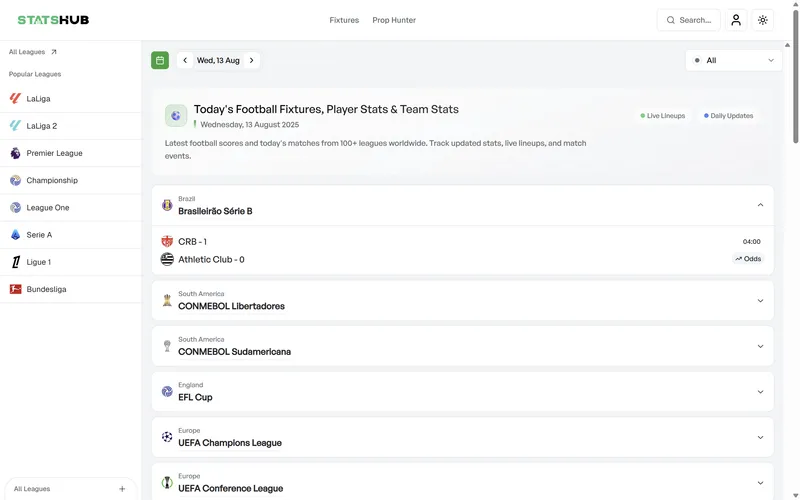
StatsHub
Comprehensive analytics dashboard providing real-time insights and data visualization for businesses.
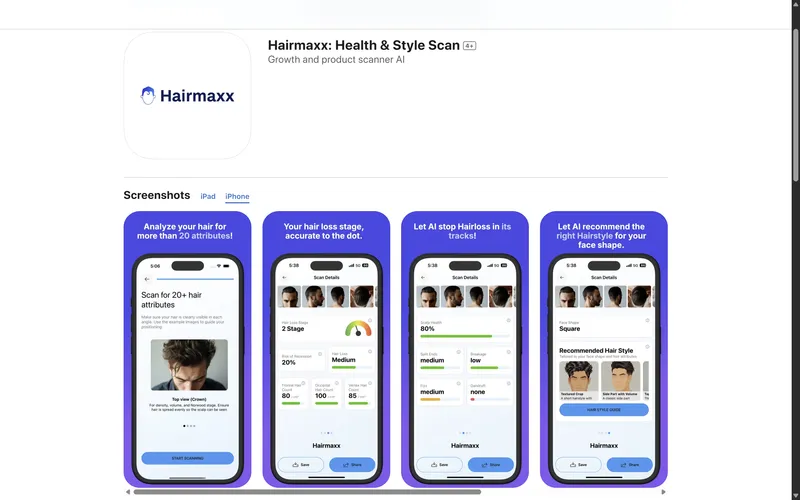
Harimaxx
Personal fitness companion with AI-driven workout plans and nutrition tracking for optimal health.
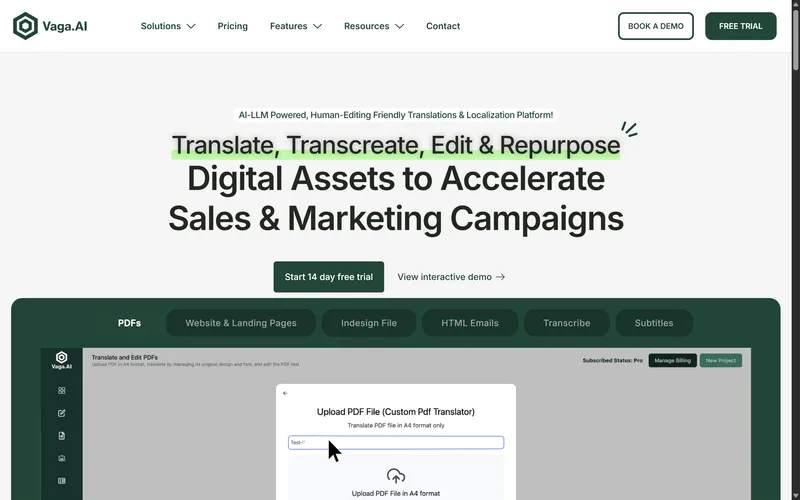
Vaga
Smart travel planning app that curates personalized itineraries and local experiences.
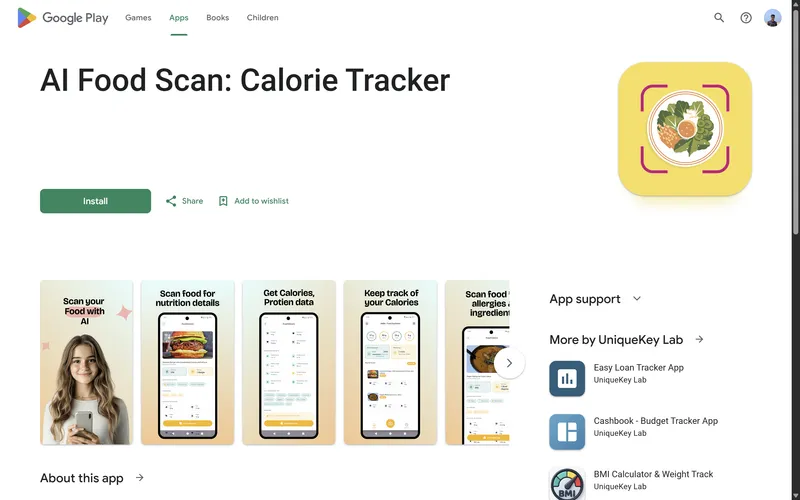
FoodScan
Nutrition analysis app that scans food items and provides detailed nutritional information instantly.
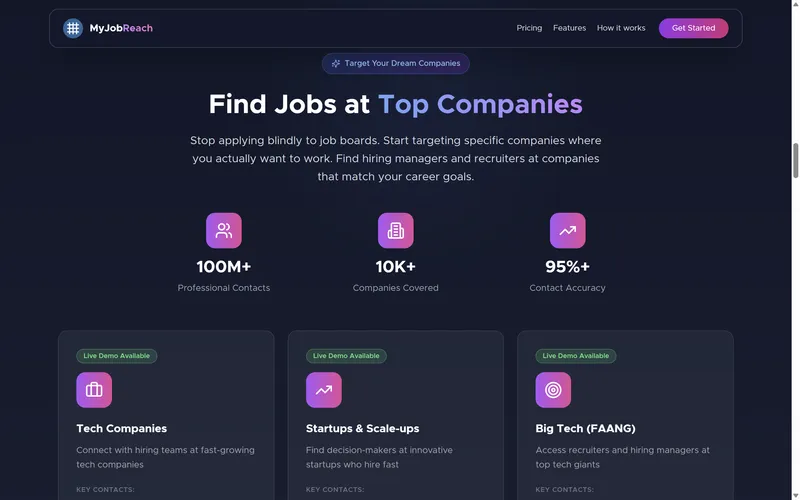
MyJobReach
Job matching platform connecting talented professionals with their dream opportunities.
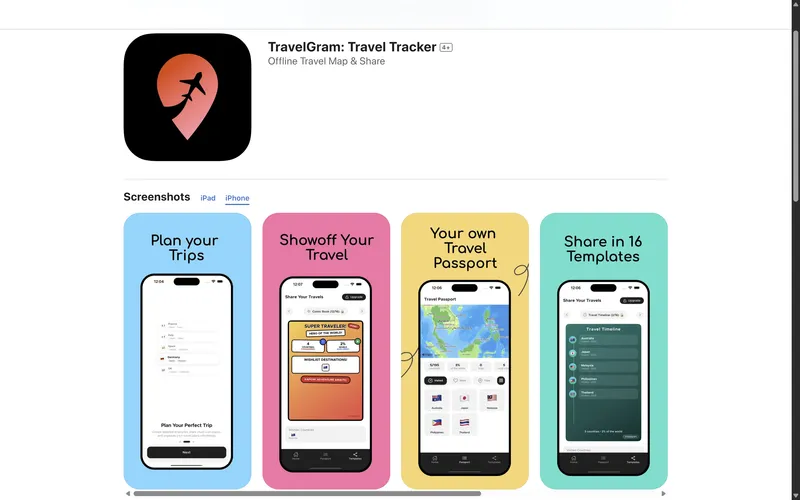
TravelGram
Social platform for travelers to share experiences, discover destinations, and connect globally.
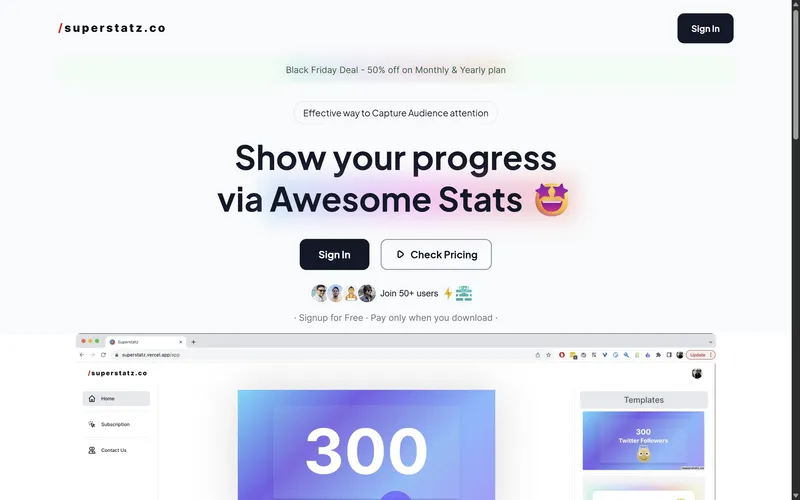
SuperStatz
Advanced sports statistics platform delivering in-depth analysis and performance metrics.
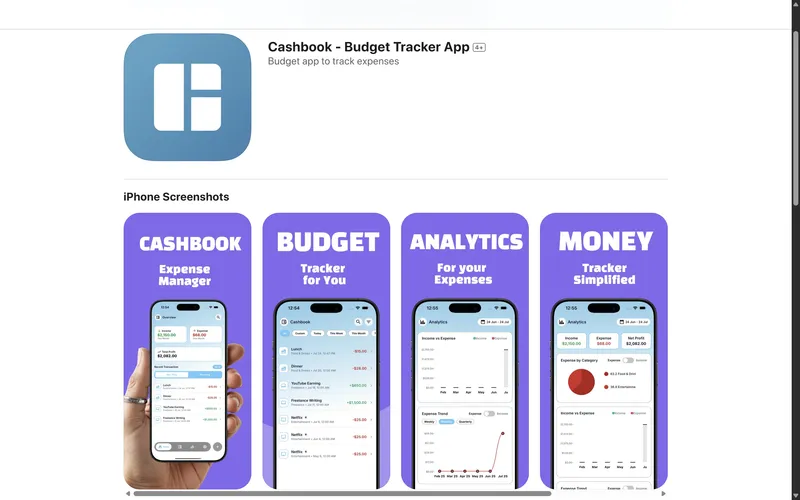
Cashbook
Simple expense tracking and budgeting app that helps users manage their finances effortlessly.
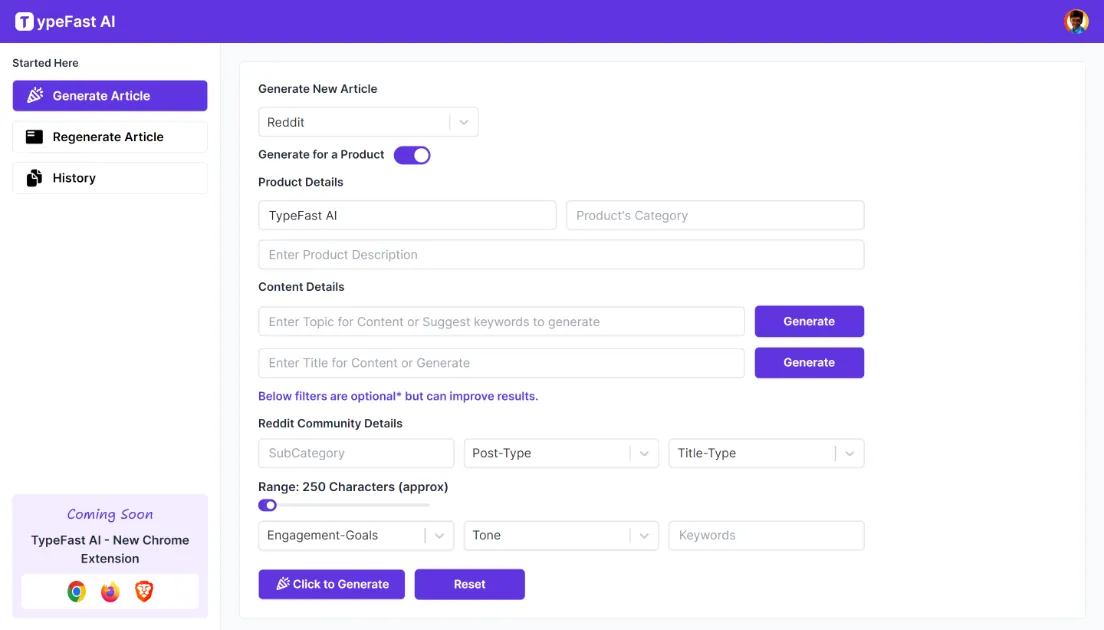
TypeFast
Typing speed improvement platform with gamified lessons and real-time performance tracking.
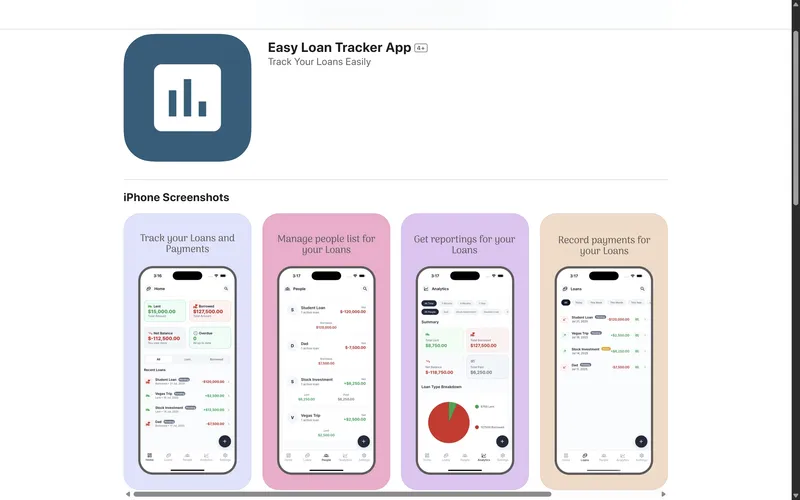
Easy Loan
Streamlined loan management system that simplifies borrowing and lending processes.
Explore Related Content
Discover more services, case studies, and insights
MVP App Development Company
SpeedMVPs is an MVP app development company shipping app-store-ready iOS, Android, and web MVPs in 2-3 weeks at a fixed price. 18+ MVPs delivered. Book a scoping call.
MVP Development Agency
An MVP development agency that ships production MVPs in 2-3 weeks at a fixed price. See our process, senior team, fixed-scope guarantee, and honest pricing.
Best MVP Development Partner for Non-Technical Founders
Choosing an MVP development company as a non-technical founder? What a good partner owns for you, tech, architecture, and hosting, in plain English, no equity.
AI-Powered MVP Development
Launch a production-ready AI MVP in just 2-3 weeks. Our team blends rapid prototyping with enterprise-grade AI/ML engineering to validate your idea, attract investors, and win early customers.
iOS App Consulting
Expert iOS consulting for startups and product teams. We help you define the right architecture, make the right technology choices, and ship iOS apps that perform on day one, without the costly mistakes that come from building alone.
How to Develop an AI-Driven Mobile App: A Practical 2026 Guide
A step-by-step guide to developing an AI-driven mobile app: defining the use case, choosing on-device vs cloud AI, picking your stack, building the model, and shipping.
How to Build an MVP Without a Developer Using AI (2026 Playbook)
An honest 2026 playbook for non-technical founders: which AI no-code tools can actually build an MVP, where they break (auth, payments, scale), and when to bring in engineers.
From Inbox Triage to Calendar Magic: How a 3-Week AI Virtual Assistant MVP Cut a B2B Founder's Admin Time by 78%
A 3-week MVP combining a Gmail/Outlook OAuth pipeline, a thread-aware Claude-backed reply engine, structured tool calls for calendar actions, and a Next.js dashboard. Built with eval-driven prompts so accuracy improvements ship without regressions.
Ready to Build Your MVP?
Schedule a complimentary strategy session. Transform your concept into a market-ready MVP within 2-3 weeks. Partner with us to accelerate your product launch and scale your startup globally.