MCP Server Development: Connect Your Tools to AI Agents
Build a Model Context Protocol server so AI agents can use your systems safely. Tool design, auth, and transport: shipped in 2-3 weeks.
What an MCP server actually is
An MCP server is a small program that advertises three kinds of capability to an AI client: tools (functions the model can call), resources (data it can read), and prompts (reusable templates). The client handles the model; your server handles the connection to reality.
The value is that you write the integration once. Without MCP, every assistant that needs to query your database or file a ticket in your system needs its own bespoke connector.
Where teams get it wrong
Exposing the API surface instead of the task. The instinct is to wrap every endpoint as a tool. It produces a server with sixty tools that the model chooses badly between. Tools should map to tasks a user wants done, find_overdue_invoices beats GET /invoices plus list_filters plus get_customer.
Vague tool descriptions. The description is the prompt. "Searches records" tells the model nothing about when to reach for it. Describe what it returns, what arguments mean, and when not to use it.
No pagination or truncation. A tool that returns 40,000 rows blows the context window and the call fails. Return a bounded page plus a cursor, and say in the description how to get more.
Unbounded permissions. The server runs with whatever credentials you gave it, and the model decides when to use them. A tool that can delete needs a confirmation path or should not exist.
Design decisions that matter
Transport. stdio for local servers the client launches itself; HTTP with Server-Sent Events for remote servers serving multiple users. Remote means you now own authentication, tenancy, and rate limiting.
Authentication. For remote servers, OAuth so each user's calls run under their own identity. A single shared service account means every user sees everything that account can see: the most common security mistake we're asked to fix.
Error messages are prompts too. When a tool fails, the model reads the error and decides what to do. "Error 403" produces a retry loop. "You do not have access to this workspace; ask the user which workspace to use" produces the right next action.
Idempotency. Models retry. Any tool that writes needs an idempotency key so a retry doesn't create a duplicate record.
What we build
A scoped MCP server against your systems: tool design driven by the tasks users actually ask for, OAuth where the server is remote, structured errors, pagination, and an evaluation set that checks the model picks the right tool for realistic requests. Typically two to three weeks.
We also do the unglamorous part: deciding which operations should not be exposed to a model at all, and putting a human approval gate on the ones that stay.
What You'll Get
Task-shaped tools
Tools that map to what users want done, not to your REST endpoints.
Per-user auth
OAuth so calls run as the user, not one shared service account.
Tool-selection evals
A test set proving the model picks the right tool on real requests.
FAQ
What is an MCP server?
A program that exposes tools, data, and prompt templates to an AI client through the Model Context Protocol. It lets an assistant use your systems through one standard interface, so you build the integration once instead of once per assistant.
How many tools should an MCP server expose?
Fewer than instinct suggests. Tools should map to tasks rather than to API endpoints: a server with 8 well-described task-level tools outperforms one with 60 endpoint wrappers, because the model has to choose correctly and each additional near-duplicate makes that harder.
How do you keep an MCP server secure?
Per-user OAuth rather than a shared service account, least-privilege scopes, approval gates on anything that writes or grants access, idempotency keys so retries don't duplicate work, and a deliberate decision about which operations are never exposed to a model at all.
How long does an MCP server take to build?
Two to three weeks for a scoped server against existing systems. The engineering is rarely the constraint: most of the time goes into deciding which tasks to expose and writing tool descriptions the model interprets correctly.
Trusted by Global Companies Building AI Products
We've helped startups and enterprises worldwide transform their AI ideas into production-ready MVPs in 2–3 weeks. From fintech platforms to AI assistants, our global MVP development services have launched 18+ AI products serving users across the US, Europe, and Asia.

Portfolio: AI Products Built for Global Startups
From content platforms and AI assistants to analytics dashboards and fintech solutions: see how we've transformed ideas into production-ready MVPs in 2-3 weeks across diverse industries. Each product launched successfully, serving users globally.
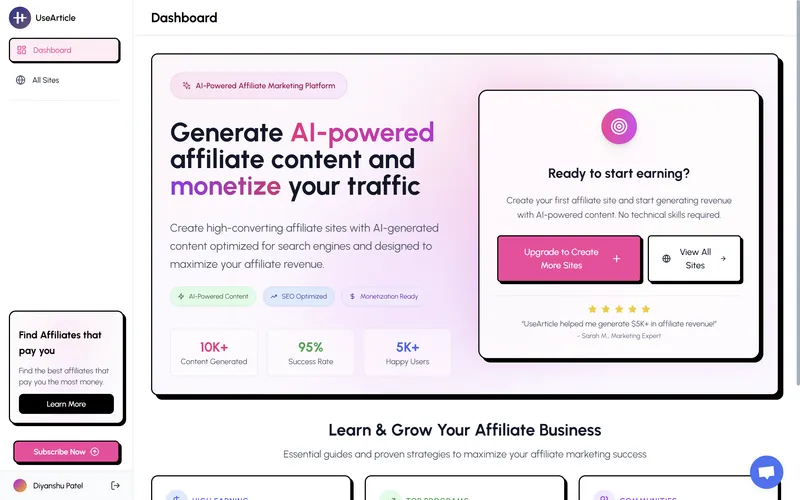
UseArticle
AI-powered content creation and management platform that helps teams produce high-quality articles at scale.
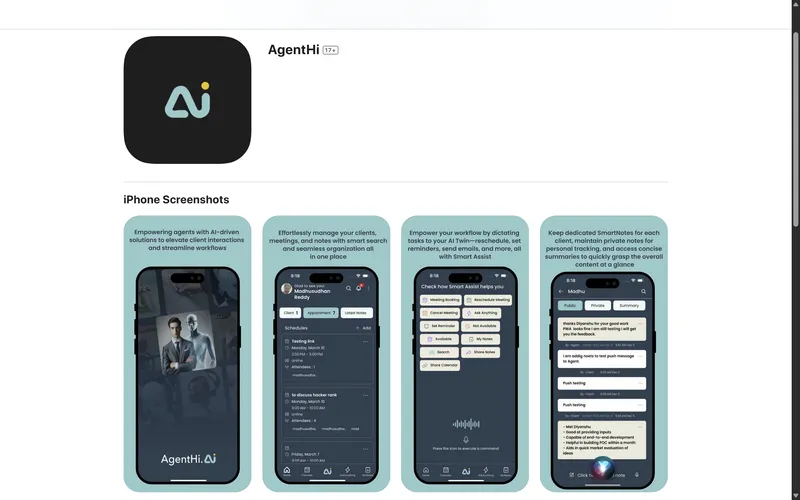
AgentHi
Intelligent virtual assistant that streamlines customer support and automates routine business tasks.
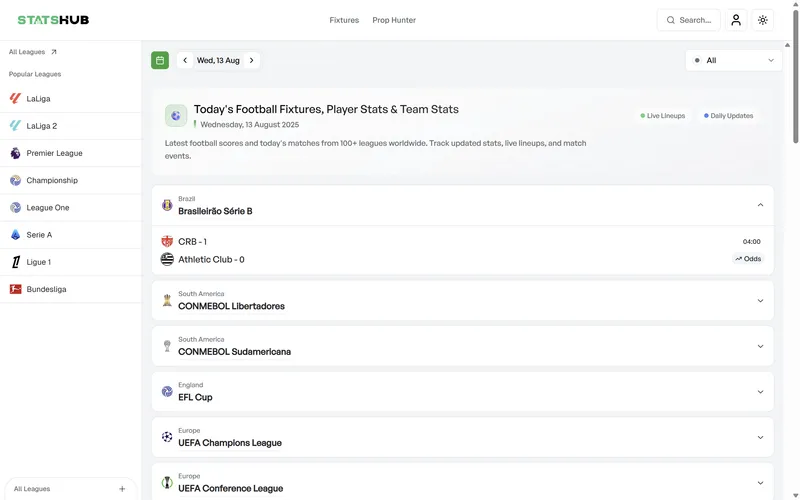
StatsHub
Comprehensive analytics dashboard providing real-time insights and data visualization for businesses.
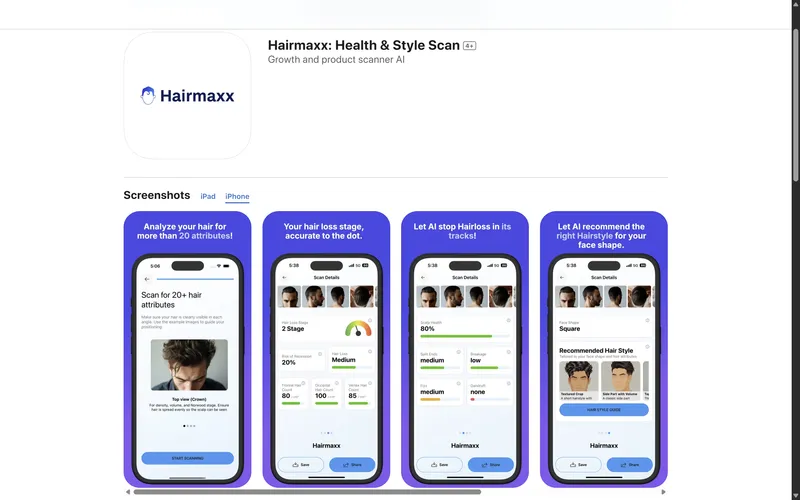
Harimaxx
Personal fitness companion with AI-driven workout plans and nutrition tracking for optimal health.
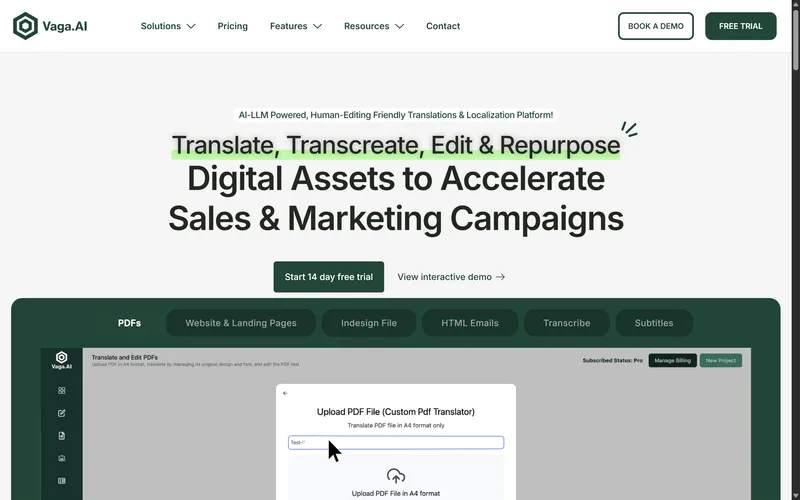
Vaga
Smart travel planning app that curates personalized itineraries and local experiences.
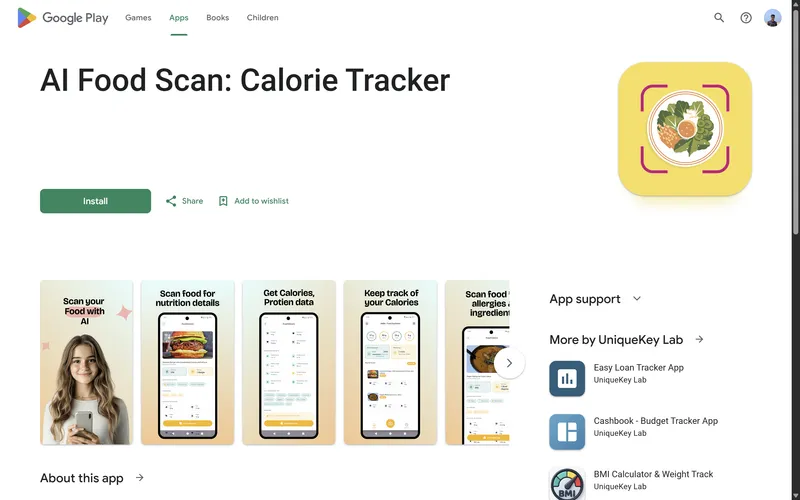
FoodScan
Nutrition analysis app that scans food items and provides detailed nutritional information instantly.
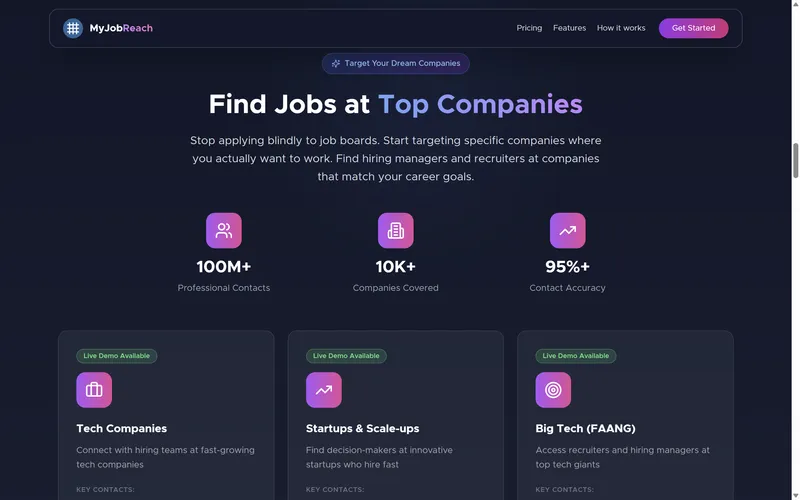
MyJobReach
Job matching platform connecting talented professionals with their dream opportunities.
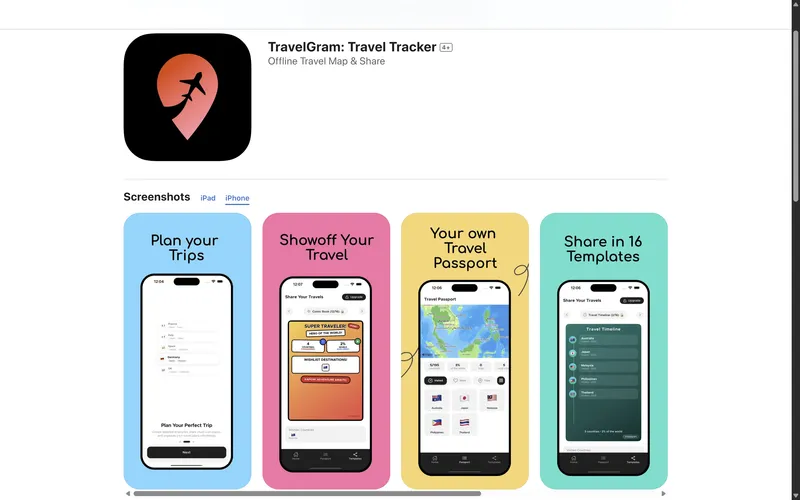
TravelGram
Social platform for travelers to share experiences, discover destinations, and connect globally.
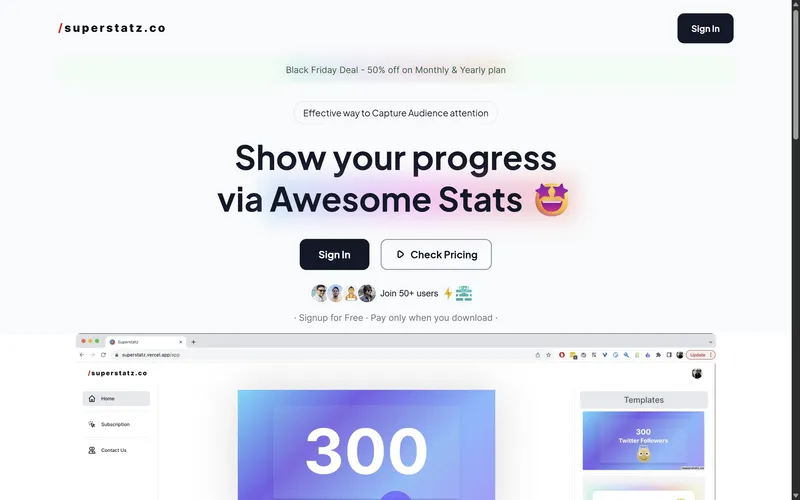
SuperStatz
Advanced sports statistics platform delivering in-depth analysis and performance metrics.
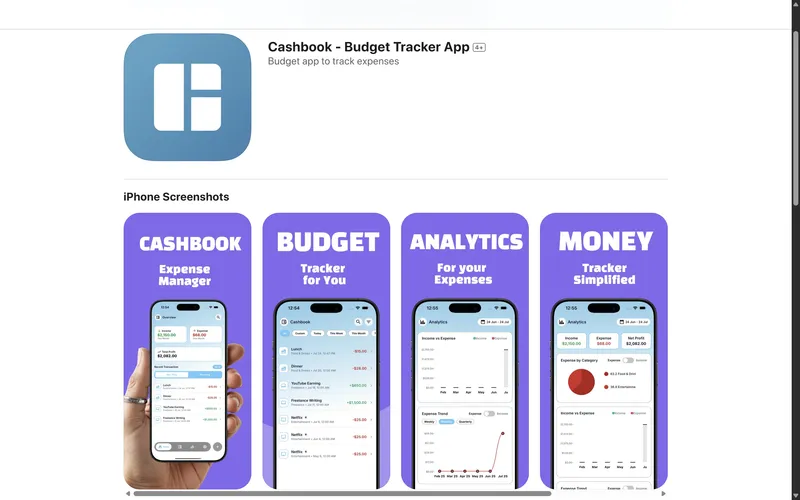
Cashbook
Simple expense tracking and budgeting app that helps users manage their finances effortlessly.
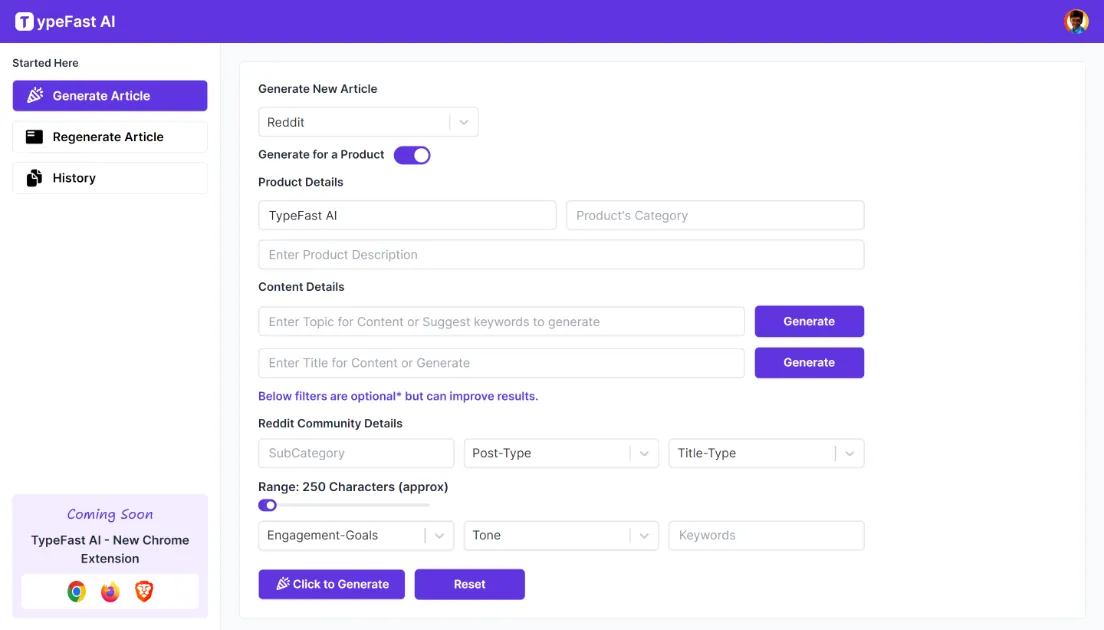
TypeFast
Typing speed improvement platform with gamified lessons and real-time performance tracking.
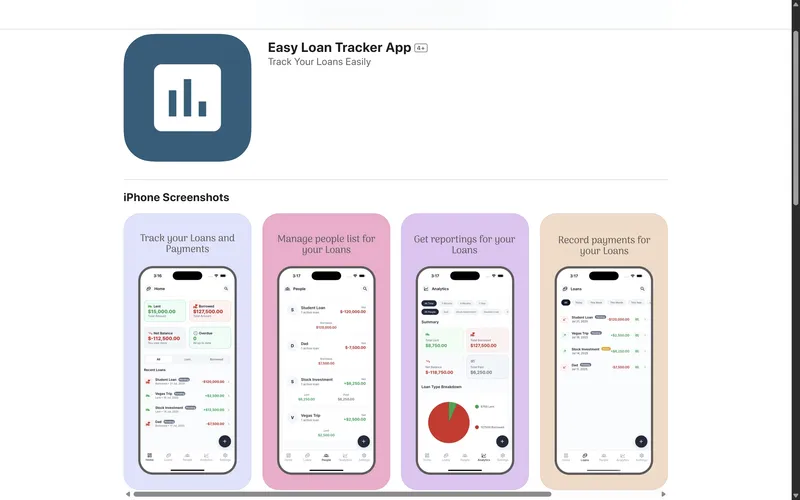
Easy Loan
Streamlined loan management system that simplifies borrowing and lending processes.
Explore Related Content
Discover more services, case studies, and insights
How Much Does Mobile App MVP Development Cost in 2026?
A mobile app MVP costs $10k–$55k depending on platforms, features, and AI. See a clear cost breakdown for iOS and Android, and how to launch in 2–3 weeks.
MongoDB vs Postgres for MVPs: Which to Pick
MongoDB or Postgres for a new product? Schema flexibility, joins, transactions, and JSON support compared, and why Postgres is usually the safer default.
Multi-Agent AI Systems Development for Complex Workflows
Build multi-agent AI systems where specialized agents collaborate to handle complex, multi-step workflows. Custom-engineered with orchestration and guardrails in weeks.
AI-Powered MVP Development
Launch a production-ready AI MVP in just 2-3 weeks. Our team blends rapid prototyping with enterprise-grade AI/ML engineering to validate your idea, attract investors, and win early customers.
Integrate AI into Existing Software
Smoothly integrate AI capabilities into your existing software systems. We enhance your current applications with intelligent features, automation, and AI-powered insights while maintaining system stability.
How to Develop an AI-Driven Mobile App: A Practical 2026 Guide
A step-by-step guide to developing an AI-driven mobile app: defining the use case, choosing on-device vs cloud AI, picking your stack, building the model, and shipping.
How to Build an MVP Without a Developer Using AI (2026 Playbook)
An honest 2026 playbook for non-technical founders: which AI no-code tools can actually build an MVP, where they break (auth, payments, scale), and when to bring in engineers.
The Invisible Workforce: How a Rapid AI Agent MVP Transformed Procurement Operations, Saving 35% in Costs for Apex Enterprises
AI agent MVP acting as invisible workforce with AI-powered invoice processing, negotiation assist, and workflow automation agents that smoothly integrated with existing systems.
Ready to Build Your MVP?
Schedule a complimentary strategy session. Transform your concept into a market-ready MVP within 2-3 weeks. Partner with us to accelerate your product launch and scale your startup globally.