How to Build a Booking App: Availability, Timezones, and Overbooking
Building a booking or scheduling MVP: modelling availability, preventing double-bookings under concurrency, timezone handling, and cancellation policy.
Model availability as rules, not slots
The naive approach generates a row per bookable slot. It works until someone changes their working hours, adds a holiday, or you need to show a year ahead: then you're regenerating enormous tables.
Model availability as rules plus exceptions: recurring windows ("Tuesdays 9-5"), overrides ("closed 24 December"), and existing bookings subtracted at query time. Compute free slots on read for the window being displayed.
This makes rule changes instant and keeps the data small.
Double-booking is a concurrency problem
Two users loading the same slot and both clicking book is the normal case at any volume, not an edge case. Checking availability then inserting is a race: the check passes for both.
Fix it in the database, not in application logic:
- A unique constraint on (resource, time range), which Postgres exclusion constraints express directly
- Or a transaction with row-level locking on the resource while booking
Application-level checks will let doubles through under load, and the resulting customer conversations are the worst kind.
Timezones will hurt you
The rules that prevent most bugs:
- Store UTC, always. Convert at display time only.
- Store the provider's timezone as a property, because "9am" means their 9am.
- Recurring events store the local time and zone, not a UTC offset: otherwise daylight-saving shifts move every future occurrence by an hour.
- Show both timezones when participants differ. Ambiguity here causes no-shows.
Scope for a booking MVP
- Availability rules with exceptions
- Booking with a database-level concurrency guarantee
- Confirmation and reminder notifications: reminders reduce no-shows more than anything else you can build
- Cancellation and reschedule with a policy window
- Calendar sync if your users live in Google Calendar or Outlook, which most do
Cancellation policy is product, not settings
Decide before building: how late can someone cancel, is there a fee, what happens to a payment, and can the provider cancel? These rules touch payments, notifications, and availability simultaneously, so retrofitting them means touching all three.
Timeline
Two to three weeks for a scoped booking MVP with rule-based availability, safe concurrent booking, notifications, and calendar sync.
Related
Specific builds
Deeper breakdowns of products in this category:
What You'll Get
Rule-based availability
Recurring windows and exceptions, computed on read.
Database-level booking guarantee
Exclusion constraints, not application-level checks.
Timezone-correct from the start
UTC storage, local recurrence, dual display.
FAQ
How do you prevent double-bookings?
Enforce it in the database, not in application code. A unique or exclusion constraint on the resource and time range, or a transaction with row-level locking on the resource, makes concurrent booking safe. Check-then-insert in application logic is a race condition that will let doubles through under load.
How should availability be stored?
As rules plus exceptions, recurring windows, overrides for holidays, and existing bookings subtracted at query time, rather than as pre-generated slot rows. Rule changes then apply instantly and the data stays small, where slot generation forces expensive regeneration whenever hours change.
What's the most common timezone bug in booking apps?
Storing recurring events as a UTC offset instead of a local time plus zone. When daylight saving shifts, every future occurrence moves by an hour. Store UTC for one-off instants, store local time and timezone for recurrence, and display both parties' zones when they differ.
Trusted by Global Companies Building AI Products
We've helped startups and enterprises worldwide transform their AI ideas into production-ready MVPs in 2–3 weeks. From fintech platforms to AI assistants, our global MVP development services have launched 18+ AI products serving users across the US, Europe, and Asia.







Portfolio: AI Products Built for Global Startups
From content platforms and AI assistants to analytics dashboards and fintech solutions: see how we've transformed ideas into production-ready MVPs in 2-3 weeks across diverse industries. Each product launched successfully, serving users globally.
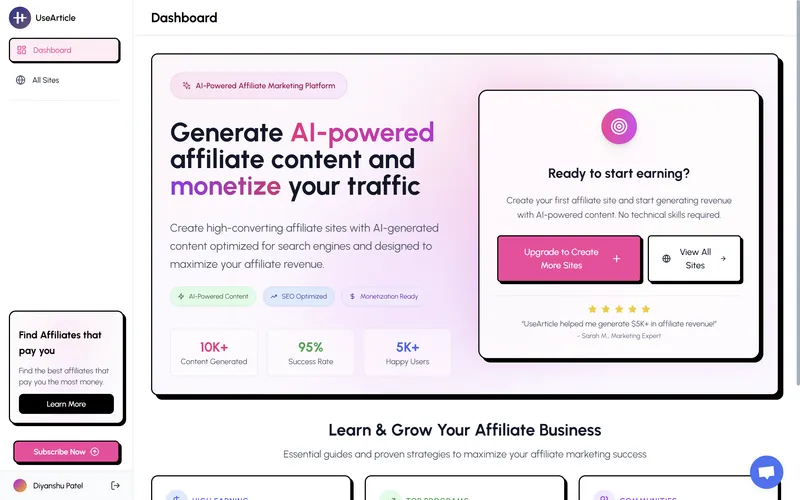
UseArticle
AI-powered content creation and management platform that helps teams produce high-quality articles at scale.
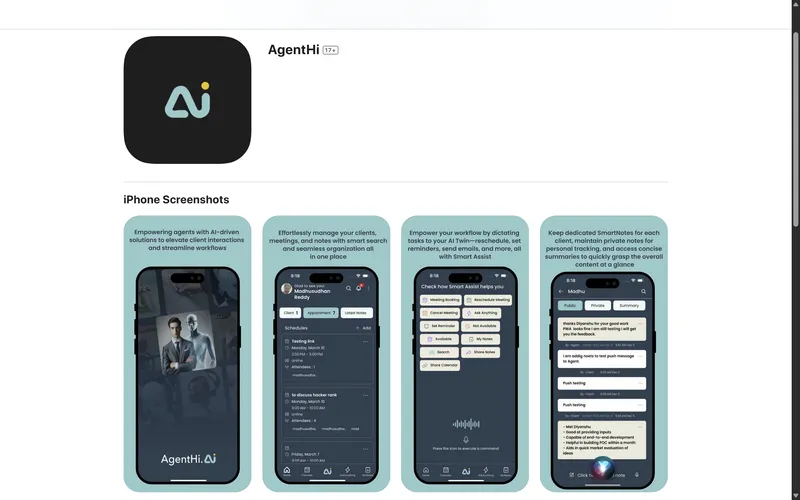
AgentHi
Intelligent virtual assistant that streamlines customer support and automates routine business tasks.
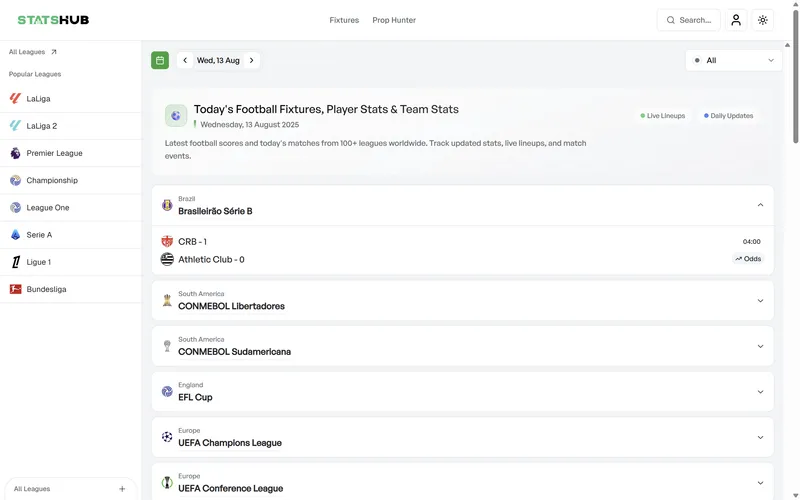
StatsHub
Comprehensive analytics dashboard providing real-time insights and data visualization for businesses.
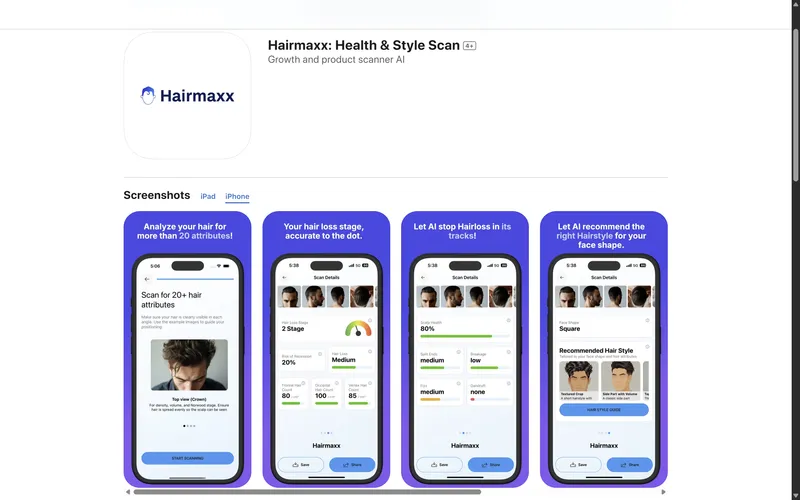
Harimaxx
Personal fitness companion with AI-driven workout plans and nutrition tracking for optimal health.
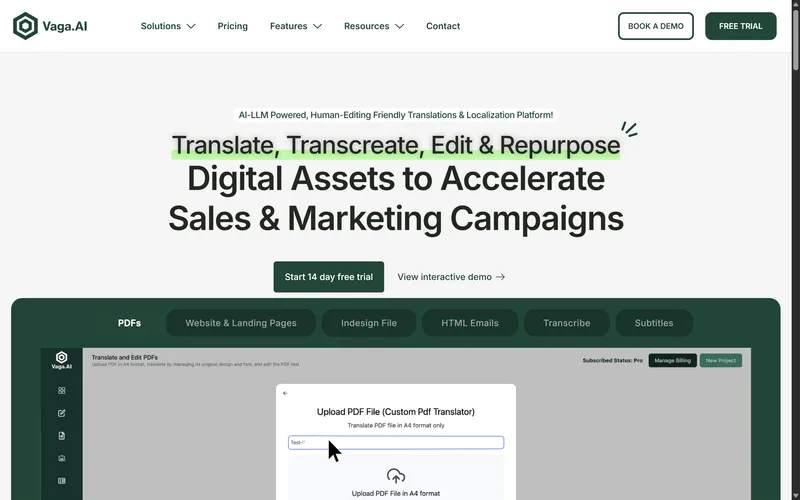
Vaga
Smart travel planning app that curates personalized itineraries and local experiences.
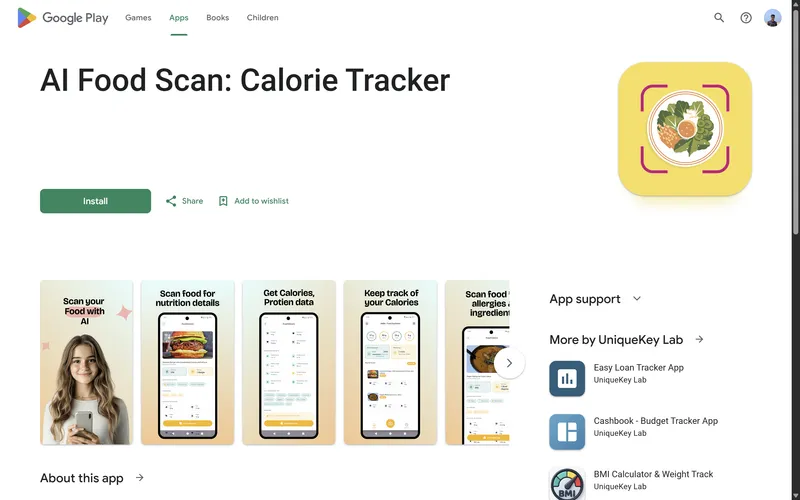
FoodScan
Nutrition analysis app that scans food items and provides detailed nutritional information instantly.
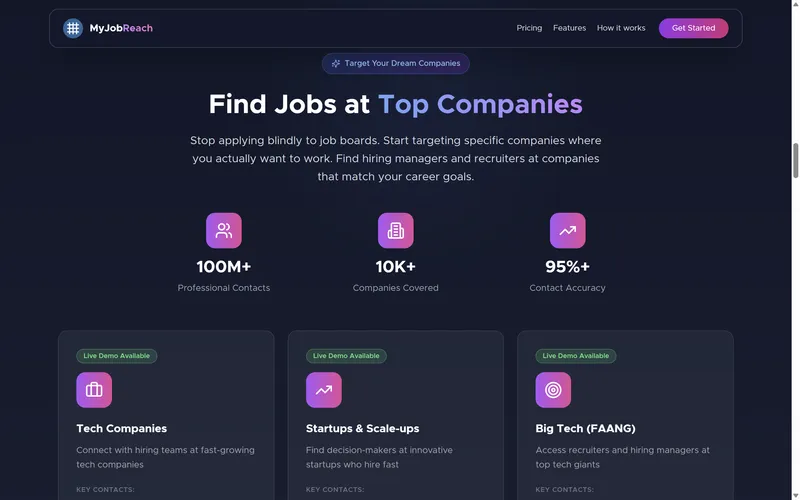
MyJobReach
Job matching platform connecting talented professionals with their dream opportunities.
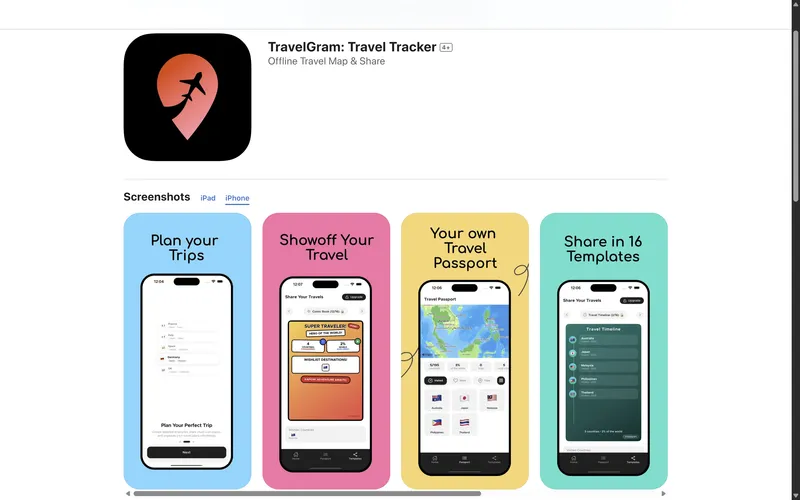
TravelGram
Social platform for travelers to share experiences, discover destinations, and connect globally.
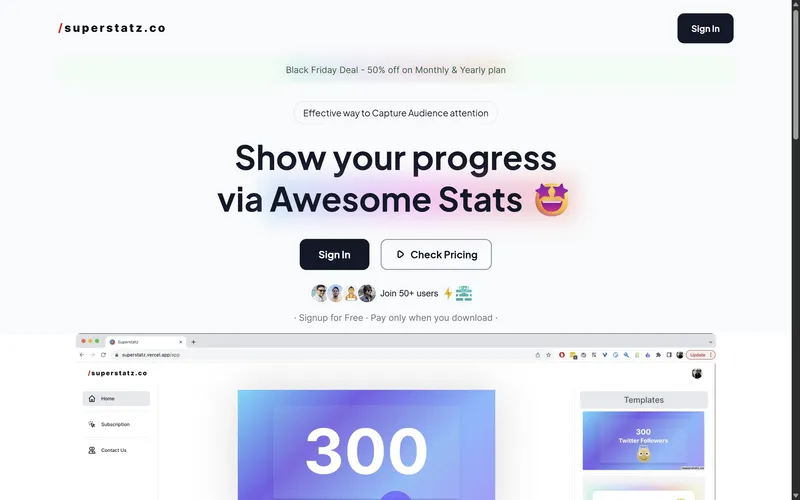
SuperStatz
Advanced sports statistics platform delivering in-depth analysis and performance metrics.
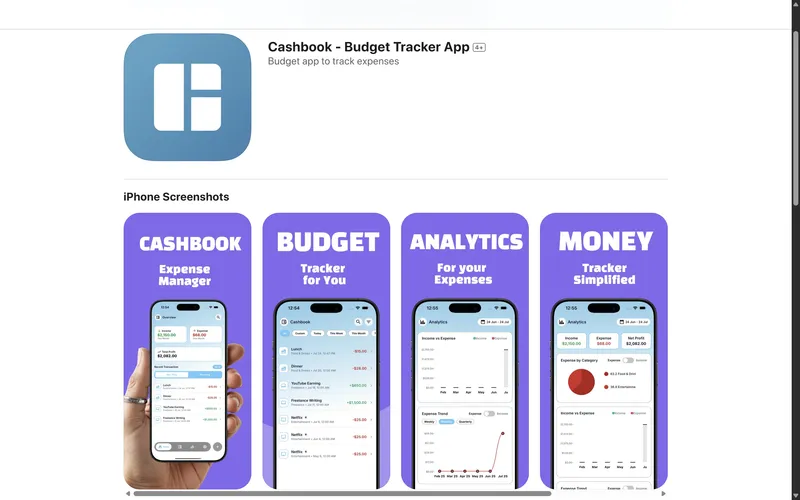
Cashbook
Simple expense tracking and budgeting app that helps users manage their finances effortlessly.
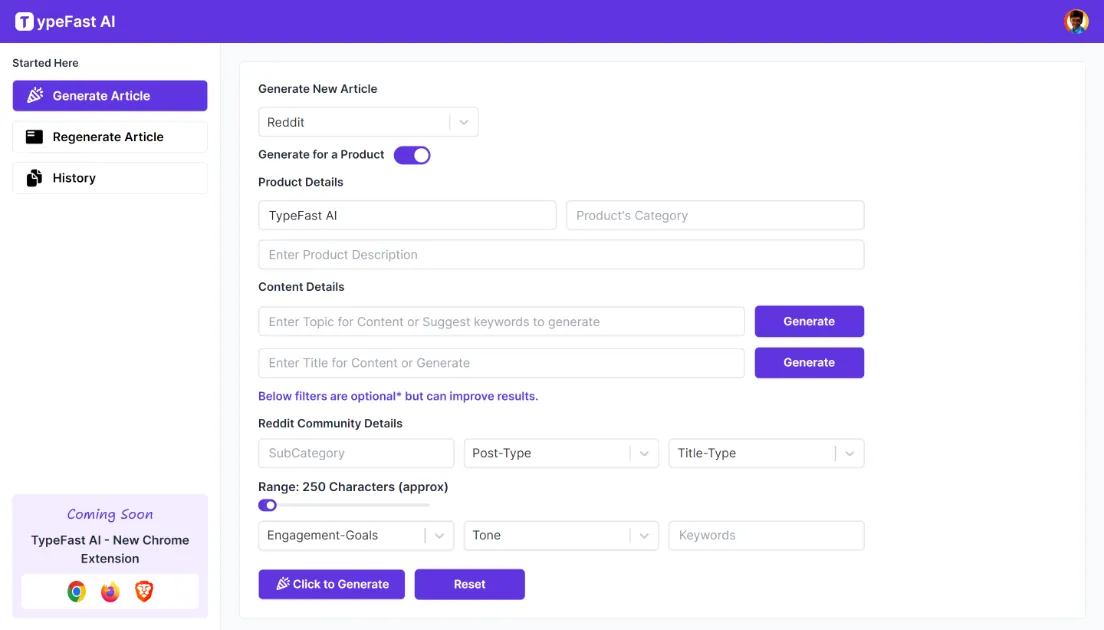
TypeFast
Typing speed improvement platform with gamified lessons and real-time performance tracking.
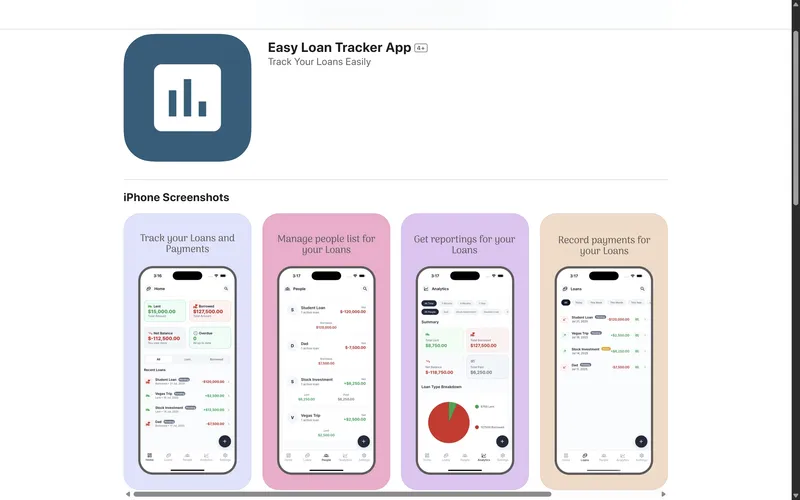
Easy Loan
Streamlined loan management system that simplifies borrowing and lending processes.
Explore Related Content
Discover more services, case studies, and insights
How to Build a Fintech App: Licensing, KYC, and Money Movement
Building a fintech MVP: sponsor banks vs licences, KYC/AML obligations, choosing payment rails, and the ledger design mistake that's expensive to undo.
How to Build a Job Board: Supply, Matching, and Monetisation
Building a job board MVP: solving the cold-start problem, application flow, matching that isn't keyword soup, and which side actually pays.
How to Build a Logistics App: Tracking, Routing, and Proof of Delivery
Building a logistics or delivery MVP: live tracking architecture, when route optimisation is worth it, offline-first drivers, and proof of delivery.
iOS App Consulting
Expert iOS consulting for startups and product teams. We help you define the right architecture, make the right technology choices, and ship iOS apps that perform on day one, without the costly mistakes that come from building alone.
System Architecture
Expert system architecture design for AI products, platforms, and enterprise systems. We define the right architecture for your scale, team size, and business context, and deliver the documentation and decisions that make building fast and safe.
How AI Agencies Ensure Quality and Scalability on Tight Timelines
How top AI development agencies ship quality, scalable products in 2-3 weeks: senior engineers, AI-assisted workflows with human review, production-grade architecture, and automated testing under real deadlines.
How to Develop an AI-Driven Mobile App: A Practical 2026 Guide
A step-by-step guide to developing an AI-driven mobile app: defining the use case, choosing on-device vs cloud AI, picking your stack, building the model, and shipping.
From Inbox Triage to Calendar Magic: How a 3-Week AI Virtual Assistant MVP Cut a B2B Founder's Admin Time by 78%
A 3-week MVP combining a Gmail/Outlook OAuth pipeline, a thread-aware Claude-backed reply engine, structured tool calls for calendar actions, and a Next.js dashboard. Built with eval-driven prompts so accuracy improvements ship without regressions.
Ready to Build Your MVP?
Schedule a complimentary strategy session. Transform your concept into a market-ready MVP within 2-3 weeks. Partner with us to accelerate your product launch and scale your startup globally.