Building an MVP for Fundraising: What Investors Actually Look At
An MVP built for a raise has a different job than one built for users. What investors check in a demo, what they ignore, and how to build for the questions you'll be asked.
What investors are actually testing
A demo in a partner meeting is not a product evaluation. It's evidence-gathering against a small number of questions:
Can this team ship? The MVP's existence is the answer. A working, deployed product from a small team in a short window is a stronger signal than any slide about execution velocity.
Is the hard part actually solved? Every startup has one genuinely difficult component — the matching algorithm, the extraction accuracy, the unit economics of delivery. Investors want to see that working, not the login flow. Founders routinely demo the polished parts and skip the hard one, which reads as avoidance.
Do real users touch it? Ten engaged users beat a thousand signups. Usage data from a rough product is more persuasive than a beautiful product with none.
What does it cost to serve a user? For AI products especially. If inference cost per user exceeds plausible revenue per user, that's the first question a competent investor asks, and "we'll optimize later" is a weak answer without a cost model.
What to build, and what to skip
Build: the core workflow end to end, the hard technical component, instrumentation that produces usage data, and a demo path that works reliably on someone else's laptop.
Skip: settings pages, admin panels, onboarding flows, edge-case handling, billing, and anything else you'd need for a real launch but nobody will ask about in a 30-minute meeting.
This feels wrong to engineers, and it's correct. An MVP for a raise is a proof, not a product.
Instrumentation is the deliverable
The most common gap we see: a good product with no analytics. When an investor asks about retention or activation, "we haven't set that up yet" reads as not being close to your users.
Wire up event tracking before launch. Activation, retention by cohort, and the one usage metric that matters for your model. Two weeks of real data from twenty users answers more diligence questions than any deck.
The demo has to survive contact with a partner meeting
Practical and repeatedly decisive: seeded demo data so empty states don't appear; a deployed URL that doesn't depend on your laptop; a happy path rehearsed until it's boring; and a known answer for the thing that's most likely to break. Live demos fail in partner meetings often enough that a short recorded fallback is worth having.
What we build for a raise
We scope directly against the question you need answered: the hard part working, the workflow end to end, instrumentation live, and a demo path that holds up. Typically two to three weeks, which fits inside the window between deciding to raise and starting conversations.
We'll also tell you when the MVP isn't the constraint. Sometimes the honest read is that the deck, the market framing, or the intro list is what's blocking the raise, and building more software won't help.
What You'll Get
The hard part, working
The genuinely difficult component demoed — not the login screen.
Instrumentation live
Activation, retention by cohort, and your key usage metric before launch.
A demo that survives
Seeded data, deployed URL, rehearsed path, recorded fallback.
FAQ
How polished does an MVP need to be for investors?
Less than founders assume. Investors discount polish heavily — it's cheap to buy and signals little. What they weight is whether the hard technical problem is solved and whether real users engage. A rough product with twenty active users outperforms a beautiful one with none.
Should we build billing before raising?
Almost never. Nobody asks to see your billing flow in a partner meeting. If you need revenue evidence, invoice your first customers manually — a signed contract and a paid invoice prove willingness to pay far better than a Stripe integration.
What do investors ask about AI products specifically?
Cost per user against plausible revenue per user, what happens when the model is wrong, and what you own that a competitor calling the same API doesn't. Have a real cost model, a documented failure path, and a clear answer on your data or workflow moat.
Trusted by Global Companies Building AI Products
We've helped startups and enterprises worldwide transform their AI ideas into production-ready MVPs in 2–3 weeks. From fintech platforms to AI assistants, our global MVP development services have launched 18+ AI products serving users across the US, Europe, and Asia.
Portfolio: AI Products Built for Global Startups
From content platforms and AI assistants to analytics dashboards and fintech solutions—see how we've transformed ideas into production-ready MVPs in 2-3 weeks across diverse industries. Each product launched successfully, serving users globally.
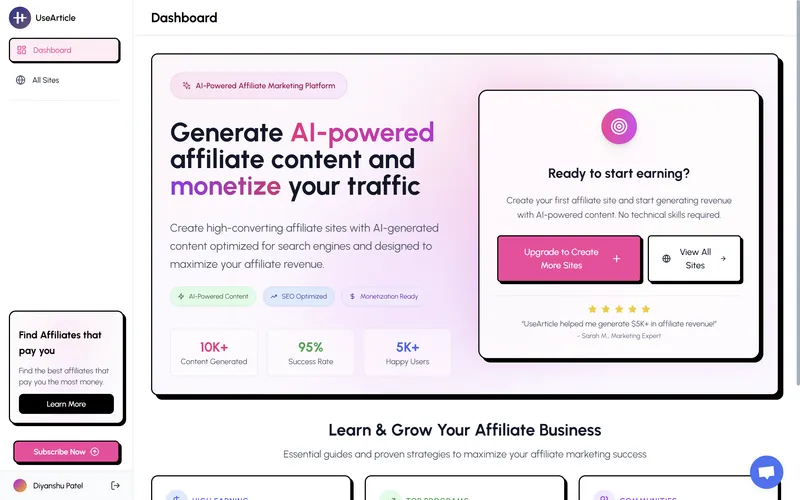
UseArticle
AI-powered content creation and management platform that helps teams produce high-quality articles at scale.
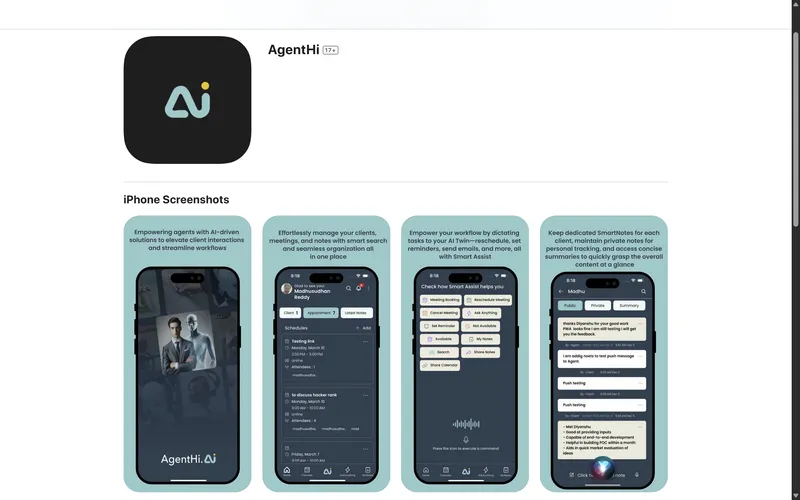
AgentHi
Intelligent virtual assistant that streamlines customer support and automates routine business tasks.
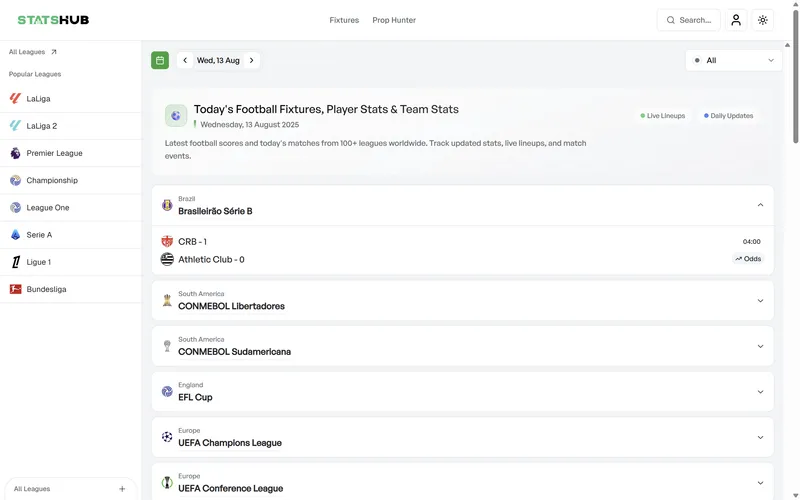
StatsHub
Comprehensive analytics dashboard providing real-time insights and data visualization for businesses.
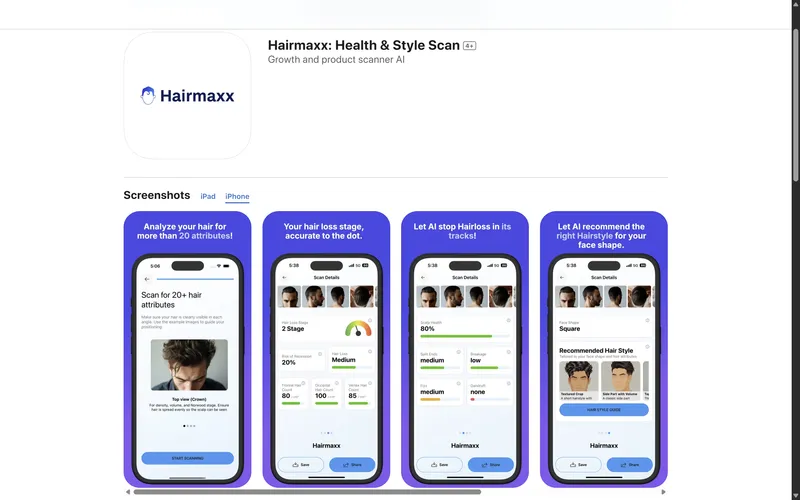
Harimaxx
Personal fitness companion with AI-driven workout plans and nutrition tracking for optimal health.
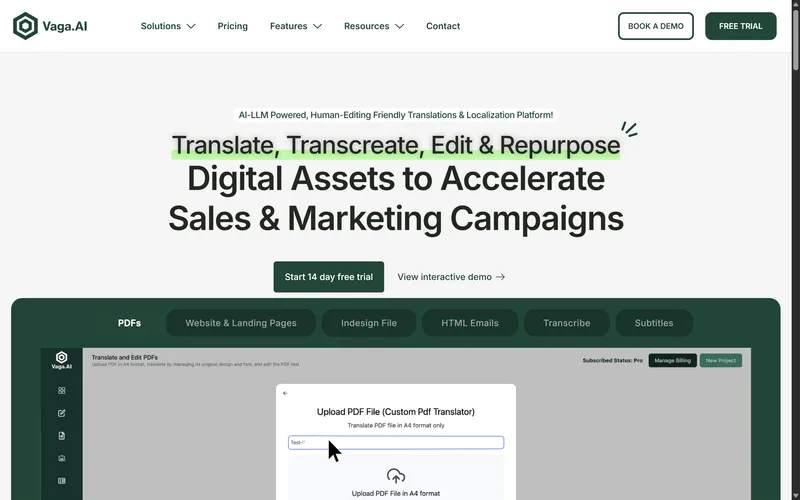
Vaga
Smart travel planning app that curates personalized itineraries and local experiences.
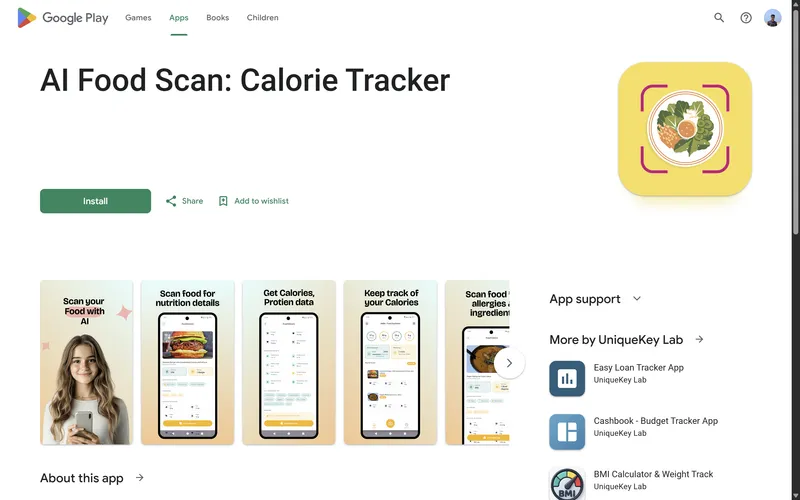
FoodScan
Nutrition analysis app that scans food items and provides detailed nutritional information instantly.
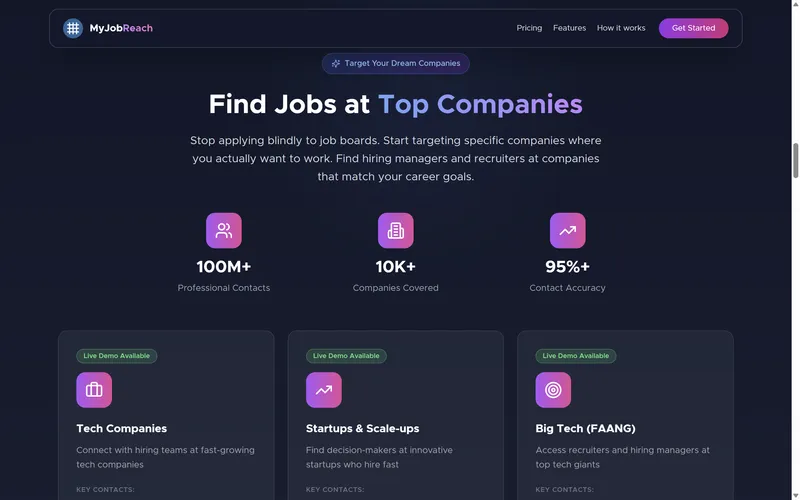
MyJobReach
Job matching platform connecting talented professionals with their dream opportunities.
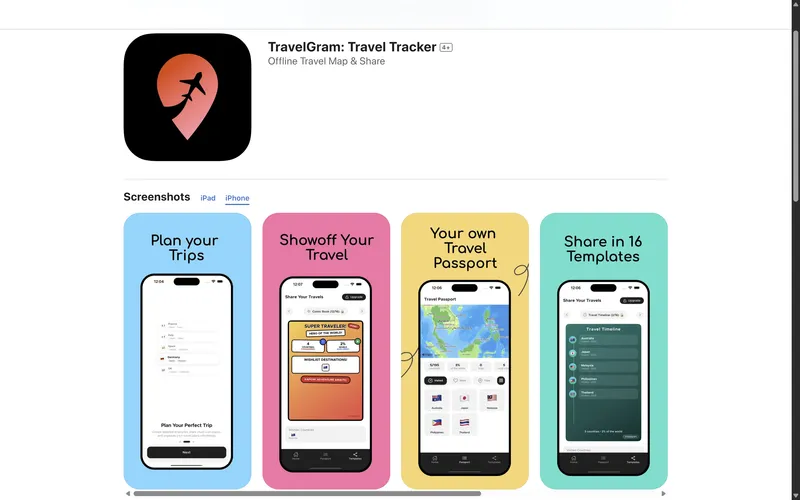
TravelGram
Social platform for travelers to share experiences, discover destinations, and connect globally.
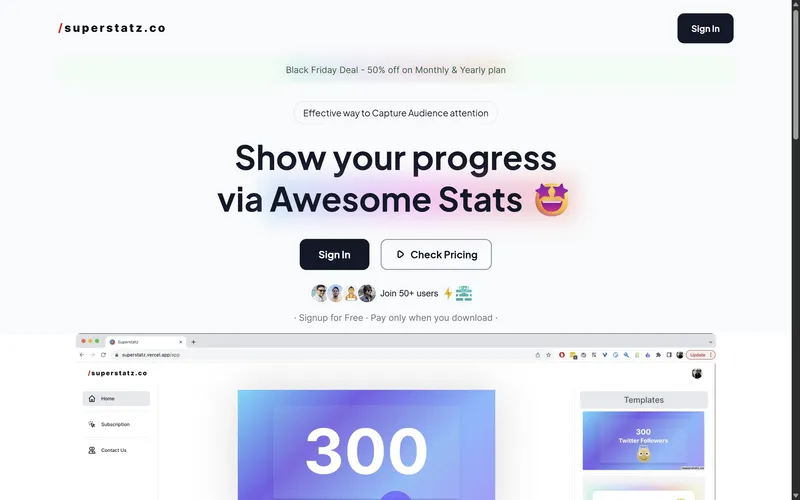
SuperStatz
Advanced sports statistics platform delivering in-depth analysis and performance metrics.
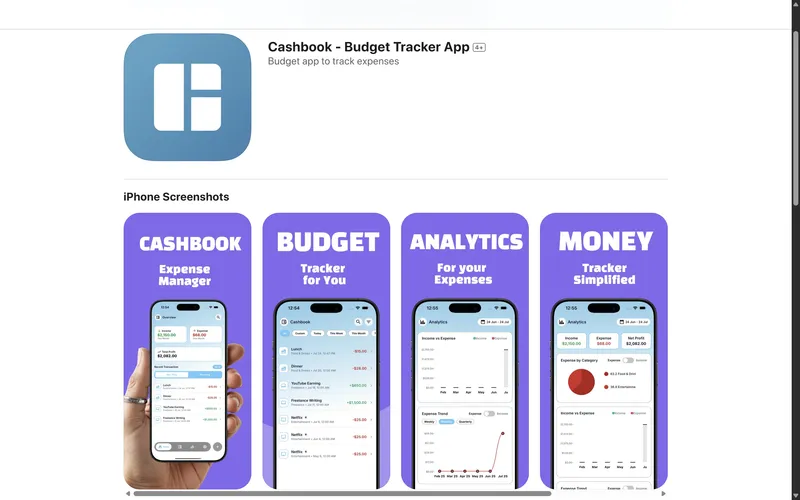
Cashbook
Simple expense tracking and budgeting app that helps users manage their finances effortlessly.
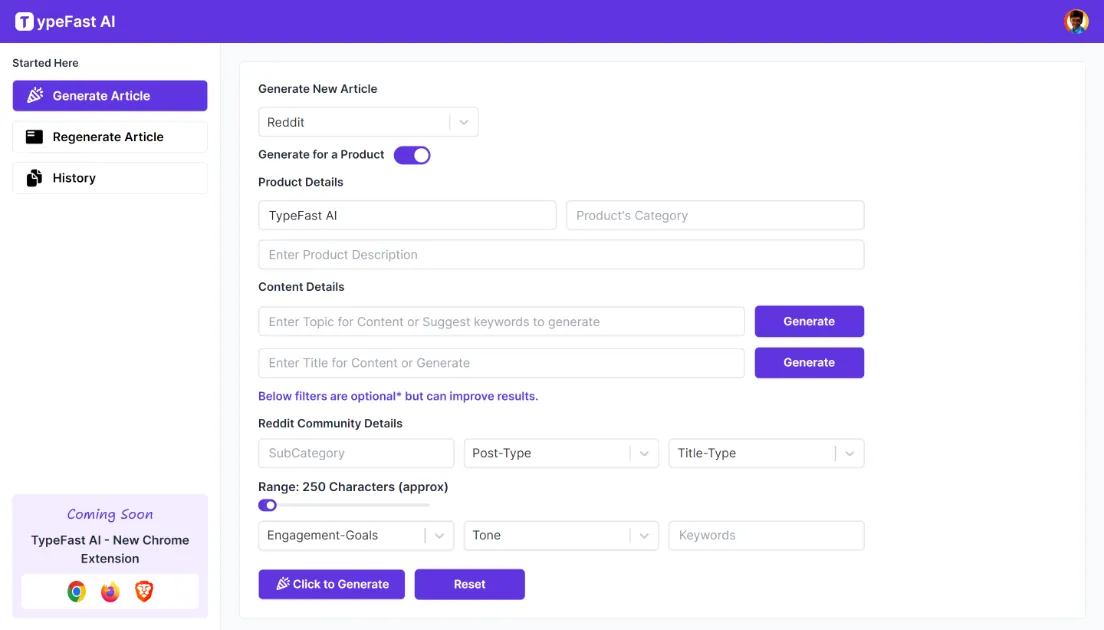
TypeFast
Typing speed improvement platform with gamified lessons and real-time performance tracking.
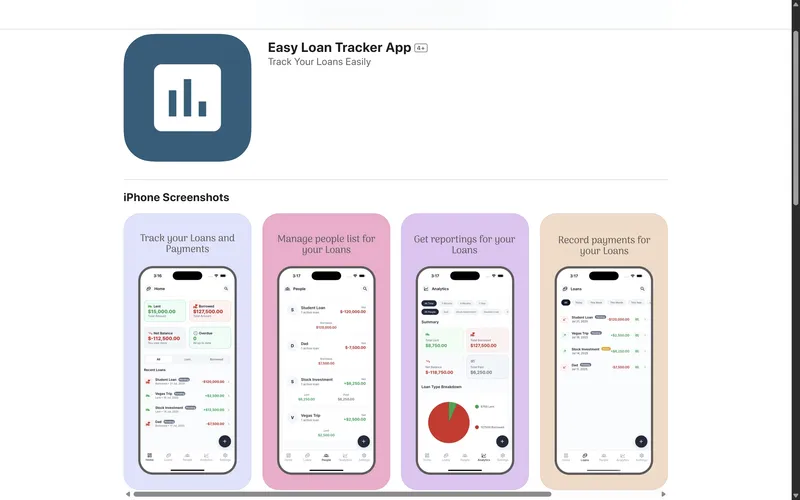
Easy Loan
Streamlined loan management system that simplifies borrowing and lending processes.
Explore Related Content
Discover more services, case studies, and insights
MVP Software Development Services
MVP software development services from a full-stack shop: fixed-price 2-3 week sprints, senior engineers, and a stack-agnostic build. Book a scoping call.
MVP vs Prototype: Key Differences and When to Build Each
Understand the difference between MVPs and prototypes. Learn when to build each and how they fit into your product development strategy.
Next.js MVP Development Services
Build a fast, SEO-friendly MVP on Next.js with clean architecture, analytics, and production deployment. Launch in weeks with code your team can extend.
AI-Powered MVP Development
Launch a production-ready AI MVP in just 2-3 weeks. Our team blends rapid prototyping with enterprise-grade AI/ML engineering to validate your idea, attract investors, and win early customers.
iOS App Consulting
Expert iOS consulting for startups and product teams. We help you define the right architecture, make the right technology choices, and ship iOS apps that perform on day one — without the costly mistakes that come from building alone.
How to Develop an AI-Driven Mobile App: A Practical 2026 Guide
A step-by-step guide to developing an AI-driven mobile app — defining the use case, choosing on-device vs cloud AI, picking your stack, building the model, and shipping.
Selecting an AI Development Partner for Enterprise Software
How enterprise teams should evaluate an AI development partner: technical AI depth, SOC 2/GDPR/HIPAA compliance, security and data governance, legacy integration, scalable architecture, SLAs, and procurement fit — with a checklist and vendor questions.
From Idea to Funded: How an AI Startup Shipped Its MVP in 3 Weeks and Raised Its Pre-Seed
SpeedMVPs scoped the narrowest high-impact version of the product, then built a full-stack AI MVP in three weeks: a clean web app, an LLM-powered assistant grounded in the user's own documents via a RAG pipeline, authentication, billing, and analytics, deployed to production and ready to put in front of investors and design partners.
Ready to Build Your MVP?
Schedule a complimentary strategy session. Transform your concept into a market-ready MVP within 2-3 weeks. Partner with us to accelerate your product launch and scale your startup globally.