How to Build a Job Board: Supply, Matching, and Monetisation
Building a job board MVP — solving the cold-start problem, application flow, matching that isn't keyword soup, and which side actually pays.
Break the cold start deliberately
The proven approaches, in rough order of how often they work:
Aggregate first, own later. Seed with scraped or syndicated postings so candidates have a reason to visit, then convert employers to posting directly once you have traffic to sell. Check the terms of any source you aggregate from.
Go absurdly narrow. A board for one role in one city can reach useful density with a few dozen postings. "Remote Rust jobs" works where "tech jobs" cannot.
Be a community first. Newsletters and communities that added a board later start with the audience already assembled, which is the hard half.
A general job board launched cold with an empty database is the most common and most predictable failure in this category.
Application flow decides candidate supply
Every extra field loses applicants. The board that converts is the one where applying takes under a minute.
- Accept a CV upload and parse it rather than demanding manual entry
- Don't require account creation before applying — capture it afterwards
- Let employers add screening questions, but cap them, because they're where drop-off concentrates
- Show application status honestly; "no response" is the top candidate complaint in the category
Matching without pretending
Keyword matching produces poor results — job titles are inconsistent and skills are described differently by employers and candidates.
Embedding-based semantic matching genuinely helps here, since it handles the vocabulary mismatch between a job description and a CV. But present it as ranked relevance rather than a confidence score, and never hide roles a candidate would want to see. Over-filtering is worse than over-showing on a board.
If you rank or filter candidates for employers, be aware that automated employment decision tools face growing regulation — NYC Local Law 144 requires bias auditing, and the EU AI Act treats employment screening as high risk. Keep a human in the loop and log why a ranking happened.
Who pays
Decide before building, because it changes the product:
- Employers per posting — simplest, and standard
- Employers by subscription — better revenue, needs enough volume to justify
- Featured placement — works once organic volume exists
- Candidate-side payment — almost always fails; candidates don't pay to apply
Scope for a job board MVP
- Posting creation with structured fields
- Search and filtering by the dimensions your niche cares about
- Fast application with CV parsing
- An employer view of applicants
- Email alerts for new matching roles, which drive most repeat traffic
Related
Specific builds
Deeper breakdowns of products in this category:
What You'll Get
A cold-start plan
Aggregate, niche down, or lead with community — decided first.
Sub-minute applications
CV parsing, no forced signup, capped screening questions.
Semantic matching, audited
Embeddings for vocabulary mismatch, with human oversight.
FAQ
How do you solve the cold-start problem on a job board?
Aggregate or syndicate postings so candidates have a reason to visit and convert employers later, go narrow enough that a few dozen postings create real density, or build the audience first through a newsletter or community. Launching a general board with an empty database is the most predictable failure in the category.
Should a job board use AI matching?
Semantic matching with embeddings genuinely helps, because employers and candidates describe the same skills differently and keyword matching fails on that. Present it as ranked relevance rather than a score, don't hide roles a candidate would want to see, and keep human oversight — automated employment screening is regulated under NYC Local Law 144 and treated as high risk by the EU AI Act.
Who pays on a job board?
Employers, essentially always — per posting to start, moving to subscriptions or featured placement once you have organic volume. Candidate-side payment reliably fails; people don't pay to apply for work, and charging them destroys the supply side you need.
Trusted by Global Companies Building AI Products
We've helped startups and enterprises worldwide transform their AI ideas into production-ready MVPs in 2–3 weeks. From fintech platforms to AI assistants, our global MVP development services have launched 18+ AI products serving users across the US, Europe, and Asia.

Portfolio: AI Products Built for Global Startups
From content platforms and AI assistants to analytics dashboards and fintech solutions—see how we've transformed ideas into production-ready MVPs in 2-3 weeks across diverse industries. Each product launched successfully, serving users globally.
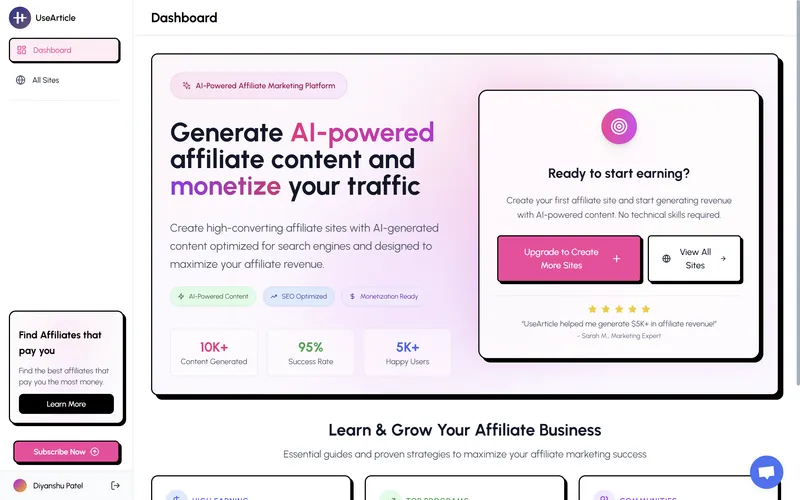
UseArticle
AI-powered content creation and management platform that helps teams produce high-quality articles at scale.
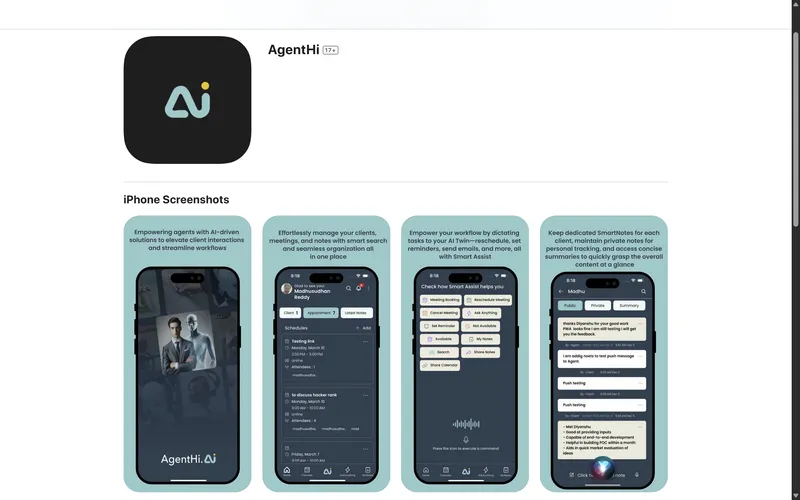
AgentHi
Intelligent virtual assistant that streamlines customer support and automates routine business tasks.
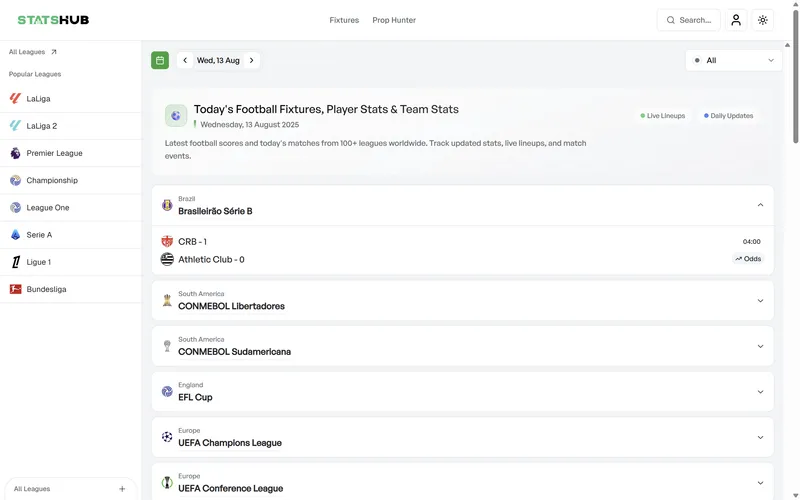
StatsHub
Comprehensive analytics dashboard providing real-time insights and data visualization for businesses.
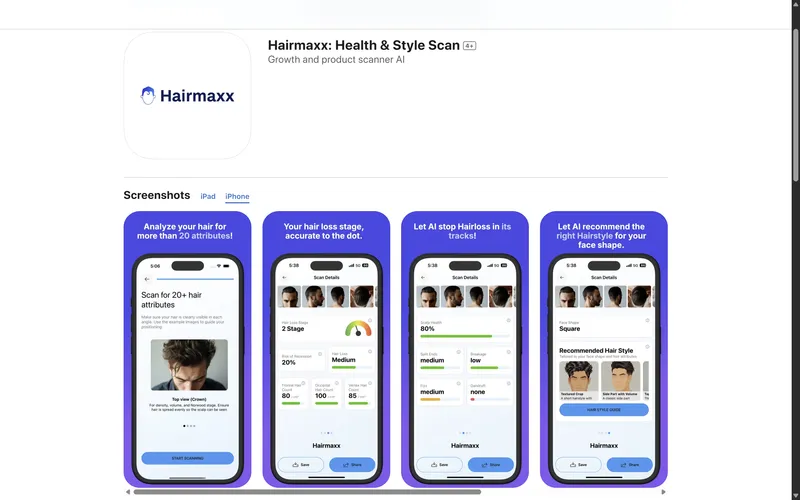
Harimaxx
Personal fitness companion with AI-driven workout plans and nutrition tracking for optimal health.
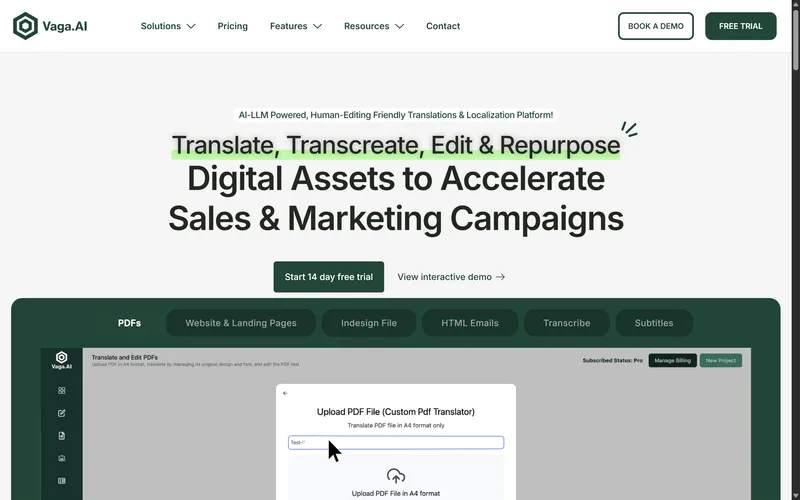
Vaga
Smart travel planning app that curates personalized itineraries and local experiences.
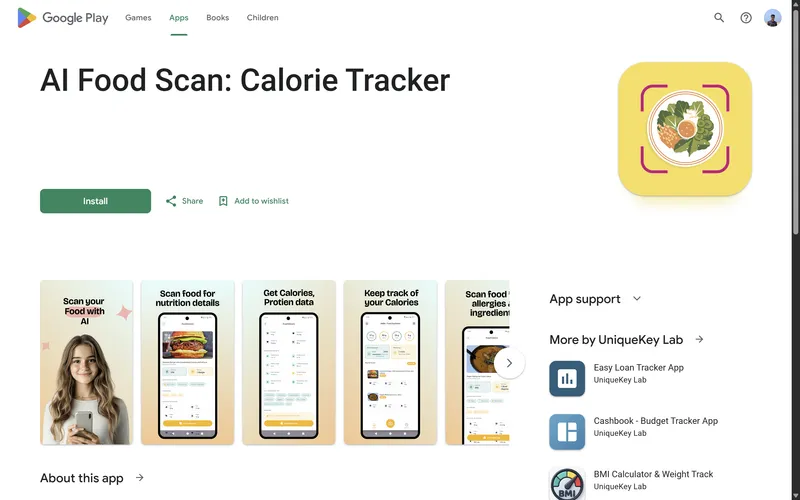
FoodScan
Nutrition analysis app that scans food items and provides detailed nutritional information instantly.
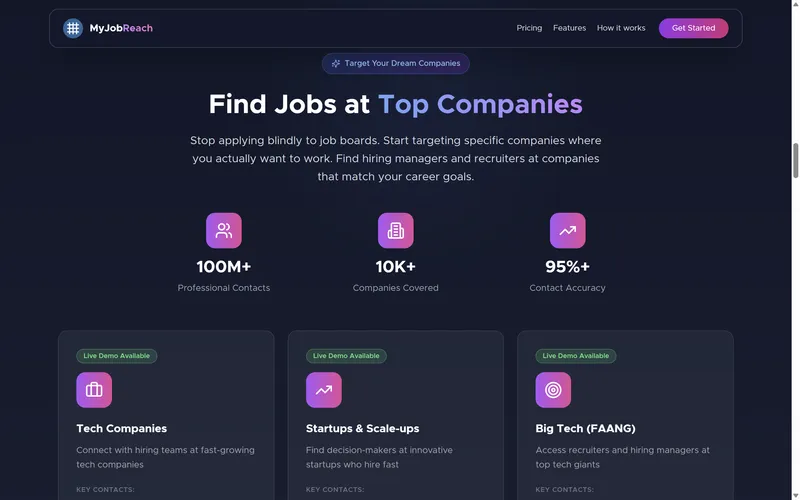
MyJobReach
Job matching platform connecting talented professionals with their dream opportunities.
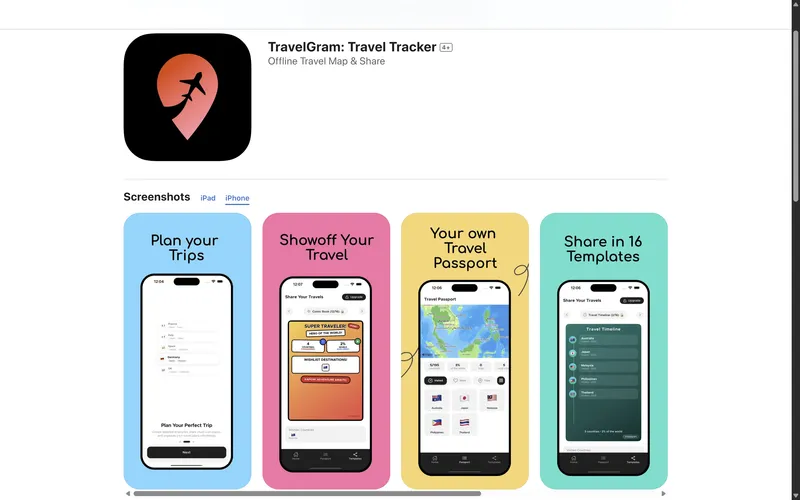
TravelGram
Social platform for travelers to share experiences, discover destinations, and connect globally.
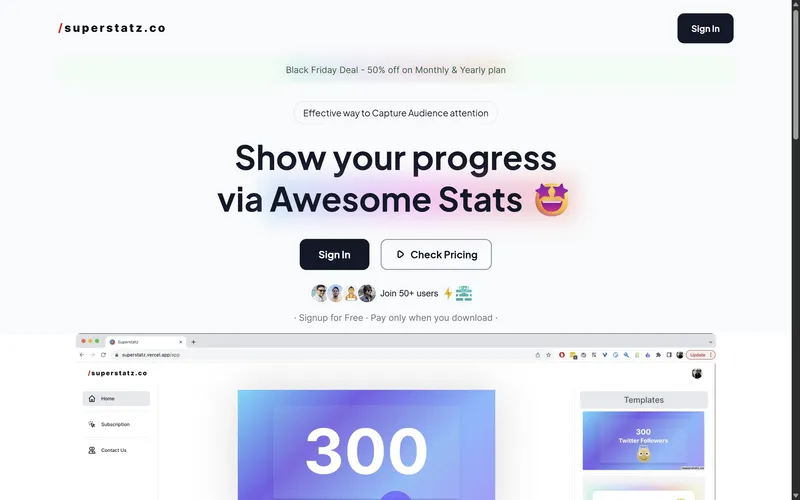
SuperStatz
Advanced sports statistics platform delivering in-depth analysis and performance metrics.
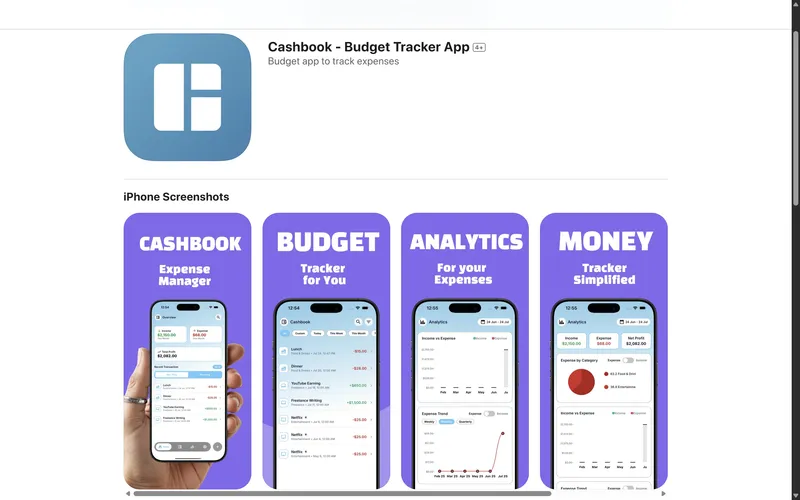
Cashbook
Simple expense tracking and budgeting app that helps users manage their finances effortlessly.
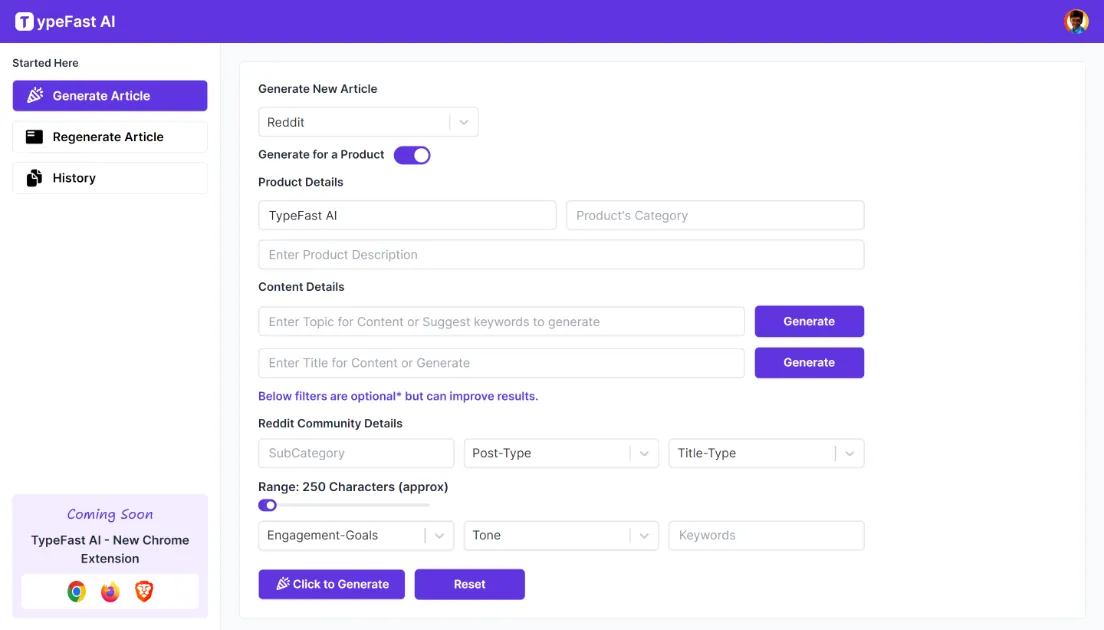
TypeFast
Typing speed improvement platform with gamified lessons and real-time performance tracking.
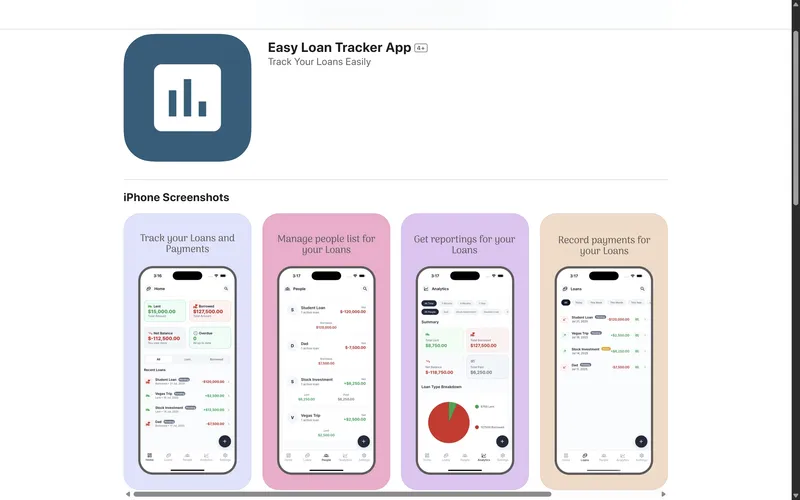
Easy Loan
Streamlined loan management system that simplifies borrowing and lending processes.
Explore Related Content
Discover more services, case studies, and insights
How to Build a Logistics App: Tracking, Routing, and Proof of Delivery
Building a logistics or delivery MVP — live tracking architecture, when route optimisation is worth it, offline-first drivers, and proof of delivery.
How to Build a Marketplace MVP: Scope, Liquidity, and Cost
Building a two-sided marketplace MVP — which side to solve first, the trust and payments work you can't skip, and what to cut to launch in weeks.
How to Build a Real Estate App: Listings, Search, and Data Access
Building a proptech MVP — getting listing data legally, search that matches how buyers actually shop, lead routing, and what MLS access really involves.
Integrate AI into Existing Software
Seamlessly integrate AI capabilities into your existing software systems. We enhance your current applications with intelligent features, automation, and AI-powered insights while maintaining system stability.
iOS App Consulting
Expert iOS consulting for startups and product teams. We help you define the right architecture, make the right technology choices, and ship iOS apps that perform on day one — without the costly mistakes that come from building alone.
How to Develop an AI-Driven Mobile App: A Practical 2026 Guide
A step-by-step guide to developing an AI-driven mobile app — defining the use case, choosing on-device vs cloud AI, picking your stack, building the model, and shipping.
How to Build an MVP Without a Developer Using AI (2026 Playbook)
An honest 2026 playbook for non-technical founders: which AI no-code tools can actually build an MVP, where they break (auth, payments, scale), and when to bring in engineers.
Triage in 90 Seconds: A 4-Week Healthcare AI MVP That Cut ER Admission Errors by 41% Without Touching PHI
On-prem deployment of a fine-tuned open-source clinical LLM behind a HIPAA-aligned gateway, retrieval over their internal protocol library with citation rendering, and a clinician-in-the-loop UI that records every accept/override for compliance and continuous evaluation.
Ready to Build Your MVP?
Schedule a complimentary strategy session. Transform your concept into a market-ready MVP within 2-3 weeks. Partner with us to accelerate your product launch and scale your startup globally.