
AI MVP Development for HR & Recruitment Platforms
We build production-ready AI MVPs for HR and recruitment platforms in 2-3 weeks: bias-audited matching, ATS/HRIS integrations, and full code ownership.
What You Need to Know
Recruitment software is now one of the most heavily regulated places to deploy AI, and most teams underestimate that until an audit request lands. Any automated employment decision tool you ship in New York City falls under Local Law 144, which requires an independent bias audit and public disclosure before a resume-screener or ranked shortlist can touch a real candidate. Illinois' AI Video Interview Act forces consent and deletion workflows for any model that scores recorded interviews, Maryland restricts facial analysis, and the EU AI Act classifies recruitment and worker-management AI as high-risk: meaning logging, human oversight, and technical documentation are not optional features you bolt on later. We build these controls into the data model from day one, not as a compliance afterthought.
The core AI problem in HR tech is candidate-to-requisition matching, and doing it well means going far beyond keyword overlap. We build embedding-based matching that maps resumes and job descriptions into a shared vector space, then layer a skills ontology, ESCO in Europe or O*NET in the US, so that 'React' and 'front-end engineer' resolve to related competencies rather than missing each other. Retrieval-augmented generation lets a recruiter ask 'who in our talent pool has led a Series B fintech data team' and get grounded, cited answers pulled from parsed profiles instead of a hallucinated list. The hard part is calibration: we design the scoring so it surfaces adjacent-skill candidates without silently encoding proxies for age, gender, or ethnicity.
Nothing in recruiting works in isolation, so integration depth is where an MVP lives or dies. We build against the ATS and HRIS systems your customers already run, Greenhouse, Lever, Ashby, iCIMS, Workday, SAP SuccessFactors, and BambooHR, using their Harvest/Assessment APIs and HR Open Standards (HROpen/HR-XML) schemas so job, application, and candidate objects sync cleanly both ways. Resume parsing (via Affinda, Sovren/Textkernel, or a fine-tuned open model) normalizes messy PDFs and LinkedIn exports into structured profiles. Downstream we wire background-check providers like Checkr, calendar and scheduling for interview loops, and job-board distribution so a single requisition fans out to Indeed and LinkedIn without duplicate data entry.
Fairness has to be measurable, not asserted, so we instrument bias metrics as first-class telemetry. We compute adverse-impact ratios against the EEOC four-fifths rule across protected classes, track selection-rate disparities at each funnel stage, and store the model inputs and outputs needed to reproduce any decision for an OFCCP or Local Law 144 auditor. Structured-interview scoring is built to rubric anchors rather than free-form vibes, and we keep a human-in-the-loop gate on any reject or advance decision so the platform augments recruiters instead of quietly automating them out of the loop: which is exactly the line the EU AI Act draws.
Data governance is unusually strict here because you are handling special-category personal data at scale. Under GDPR, candidates have the right not to be subject to solely automated decisions (Article 22), the right to explanation, and the right to erasure: which is genuinely hard when a resume has been embedded, cached, and indexed across services. We design consent capture, configurable retention windows, and true delete-through-the-pipeline so a 'forget me' request purges the vector store and derived features, not just the primary row. For enterprise buyers we build toward SOC 2 Type II from the first sprint: audit logging, least-privilege access to PII, encryption, and tenant isolation baked into the architecture rather than retrofitted before a security review.
Beyond hiring, the same platform can extend into the full employee lifecycle where AI earns its keep. We build attrition and retention forecasting on top of HRIS signals, engagement-survey sentiment analysis that reads open-text feedback without exposing individual respondents, internal-mobility matching that recommends existing employees for open roles, and AI copilots that draft outreach, screening questions, and structured feedback for recruiters. Each of these reuses the same skills graph and matching engine, so the MVP you launch for sourcing becomes the spine of a broader talent-intelligence product rather than a throwaway prototype.
Our model is a fixed 2-3 week build with a team of 15+ engineers, and you keep 100% code ownership at the end: no per-seat lock-in on the AI layer, no black-box vendor sitting between you and your candidates. Across 18+ AI MVPs shipped we have learned that the fastest path in HR tech is to nail one workflow end to end (usually matching or screening) with real integrations and real compliance controls, then expand. That focus is what gets a recruiting product in front of design partners while the market window is open, instead of six months into a compliance rebuild.
What You'll Get
Bias-Audited Matching Engine
Embedding + skills-ontology (ESCO/O*NET) candidate-to-role matching with adverse-impact monitoring and four-fifths-rule reporting built for Local Law 144 and EEOC audits.
ATS & HRIS Integration Layer
Two-way sync with Greenhouse, Lever, Ashby, Workday, and BambooHR over HR Open Standards, plus resume parsing and Checkr background-check wiring.
Recruiter AI Copilot
RAG-powered talent search, structured-interview scoring, and outreach drafting with human-in-the-loop gates and full decision logging for GDPR Article 22 compliance.
Planning a build like this?
Book a free 30-minute strategy call with Diyanshu Patel, our CEO. We use it to understand your idea, goals and requirements, then follow up with a timeline and a fixed-price proposal.
Book a free 30-minute callFAQ
How do you keep an AI hiring tool compliant with NYC Local Law 144 and the EU AI Act?
We treat recruitment AI as high-risk from the first sprint. That means storing the inputs and outputs needed to reproduce any ranked decision, computing selection-rate and adverse-impact ratios for an independent bias audit, and building human-in-the-loop gates so no candidate is advanced or rejected by the model alone. We also structure the data model to support the candidate notice, disclosure, and explanation obligations these laws require, so your legal team has what it needs before launch, not after a complaint.
Which ATS and HRIS systems can you integrate with in an MVP timeline?
In a 2-3 week build we typically integrate one or two systems deeply rather than many shallowly. Common targets are Greenhouse and Lever (Harvest API), Ashby, iCIMS, Workday, SAP SuccessFactors, and BambooHR. We map to HR Open Standards / HR-XML objects so job, application, and candidate records sync both ways, and we add resume parsing (Affinda or Textkernel) plus background-check and scheduling hooks where the workflow needs them.
How does your candidate matching avoid encoding bias?
We match on a shared embedding space anchored to a skills ontology (ESCO or O*NET) so competencies, not keywords, drive relevance, and we deliberately exclude and monitor for proxies of protected attributes like name, age, graduation year, and location. Fairness metrics run continuously against the four-fifths rule at each funnel stage, and disparities surface as alerts. Matching augments recruiter judgment with explainable, cited results rather than issuing opaque auto-rejects.
What happens to candidate data when someone requests deletion under GDPR?
We build delete-through-the-pipeline from the start. A 'forget me' request purges the primary record, the parsed profile, derived features, and the vector embeddings in the search index: not just a soft-delete flag. We also implement configurable retention windows, consent capture for automated processing, and the audit trail needed to answer Article 22 explanation requests, since resume data is special-category personal data that draws real scrutiny.
Can the MVP handle enterprise security requirements like SOC 2?
Yes: we architect toward SOC 2 Type II from day one with audit logging, least-privilege access to PII, encryption at rest and in transit, and per-tenant data isolation. That means when an enterprise buyer sends a security questionnaire or vendor review, the controls already exist in the codebase you own rather than being a scramble to retrofit before the deal closes.
What can realistically be built in a 2-3 week HR MVP?
We scope to one workflow end to end, most often AI matching or resume screening, with a real ATS/HRIS integration, resume parsing, a recruiter-facing interface, bias monitoring, and the core compliance and consent controls. That gives you a functional product to put in front of design partners and investors. Adjacent features like attrition forecasting, engagement sentiment analysis, or a broader recruiter copilot reuse the same matching spine in later sprints.
Trusted by Global Companies Building AI Products
We've helped startups and enterprises worldwide transform their AI ideas into production-ready MVPs in 2–3 weeks. From fintech platforms to AI assistants, our global MVP development services have launched 18+ AI products serving users across the US, Europe, and Asia.
Portfolio: AI Products Built for Global Startups
From content platforms and AI assistants to analytics dashboards and fintech solutions: see how we've transformed ideas into production-ready MVPs in 2-3 weeks across diverse industries. Each product here is one our team worked on.
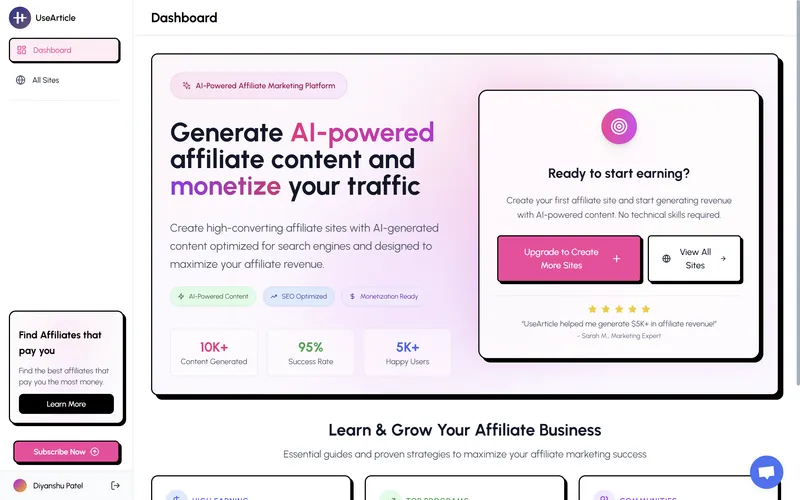
UseArticle
AI-powered content creation and management platform that helps teams produce high-quality articles at scale.
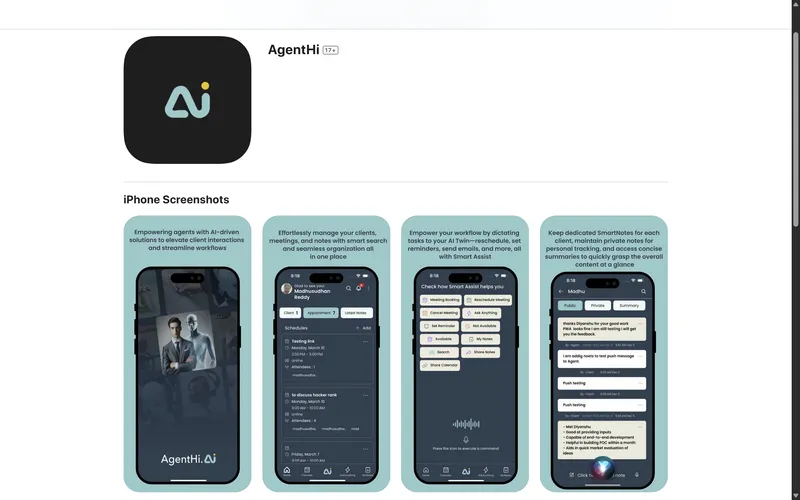
AgentHi
Intelligent virtual assistant that streamlines customer support and automates routine business tasks.
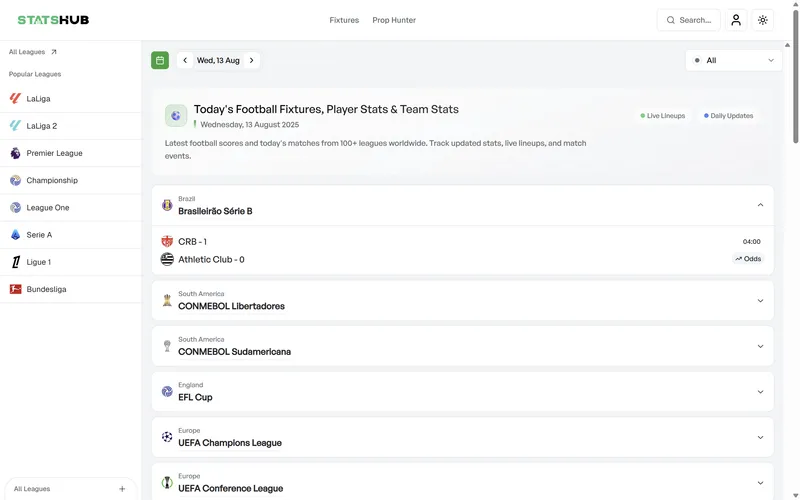
StatsHub
Comprehensive analytics dashboard providing real-time insights and data visualization for businesses.
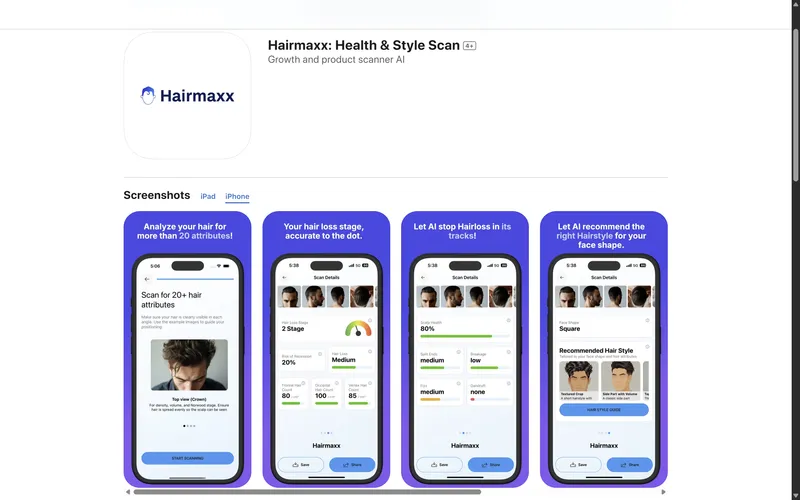
Harimaxx
Personal fitness companion with AI-driven workout plans and nutrition tracking for optimal health.
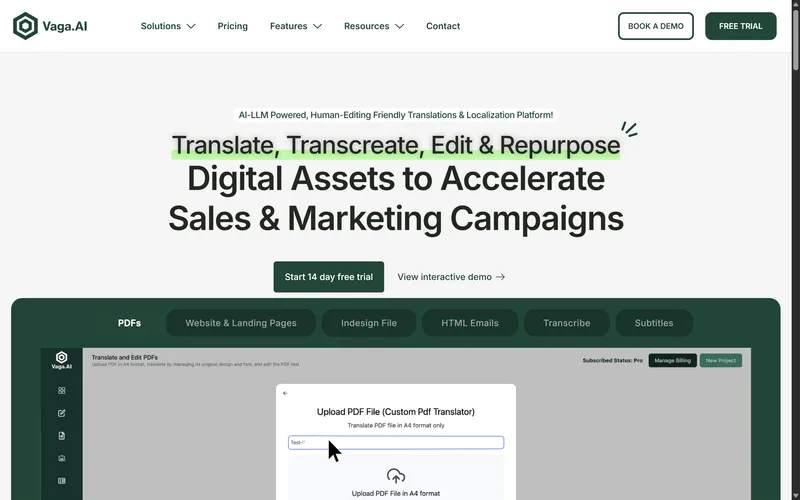
Vaga
Smart travel planning app that curates personalized itineraries and local experiences.
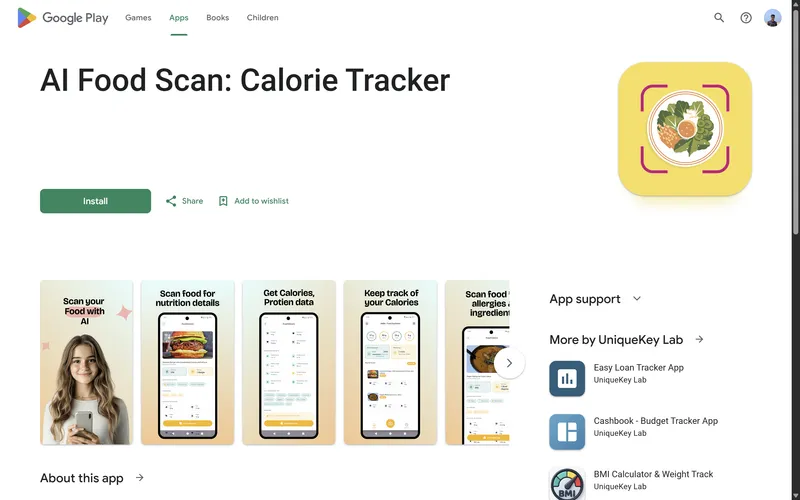
FoodScan
Nutrition analysis app that scans food items and provides detailed nutritional information instantly.
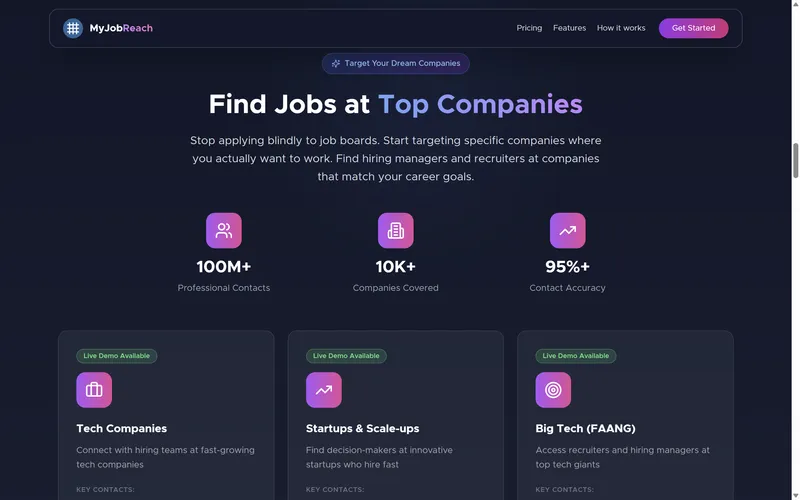
MyJobReach
Job matching platform connecting talented professionals with their dream opportunities.
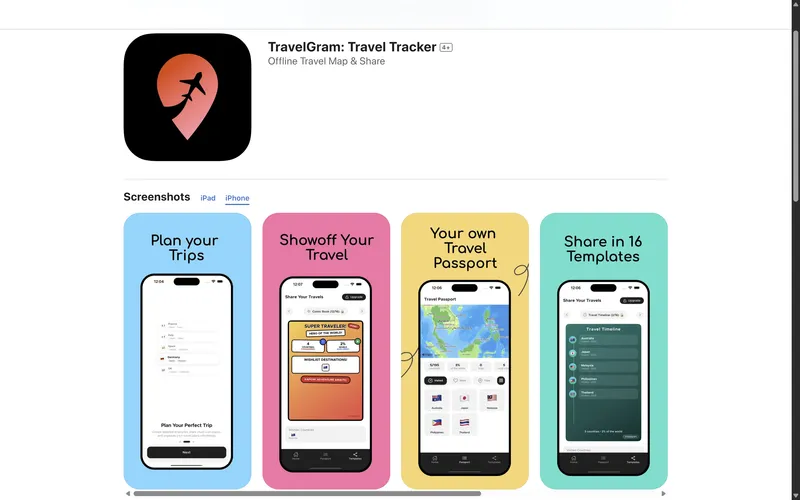
TravelGram
Social platform for travelers to share experiences, discover destinations, and connect globally.
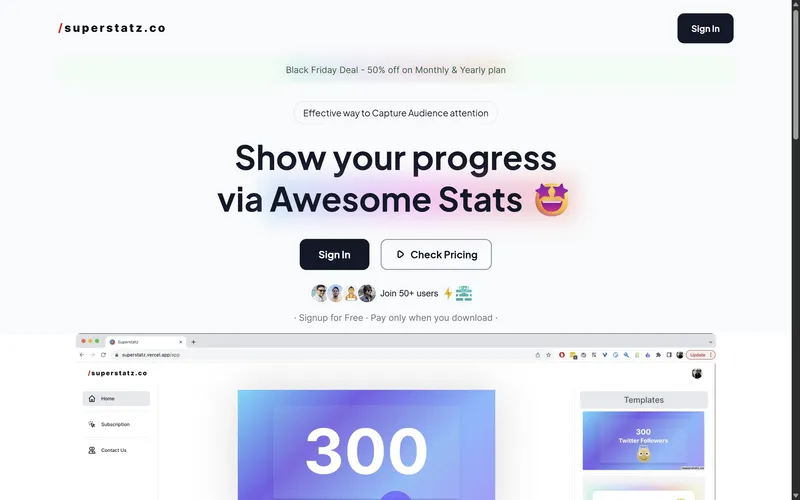
SuperStatz
Advanced sports statistics platform delivering in-depth analysis and performance metrics.
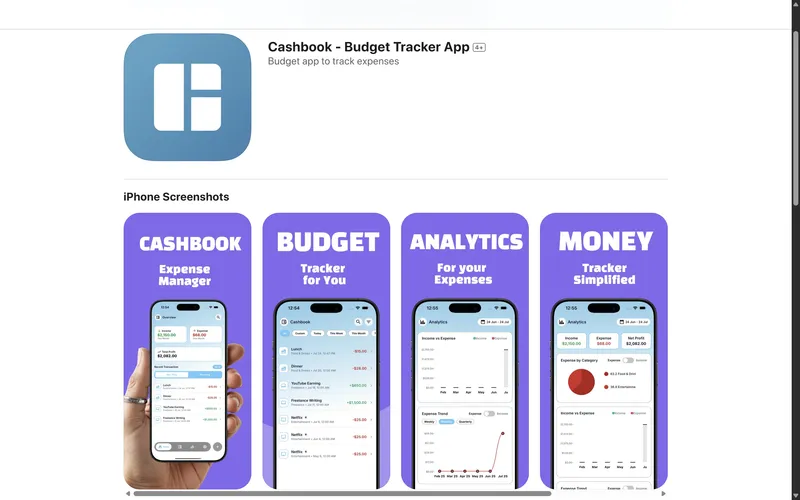
Cashbook
Simple expense tracking and budgeting app that helps users manage their finances effortlessly.
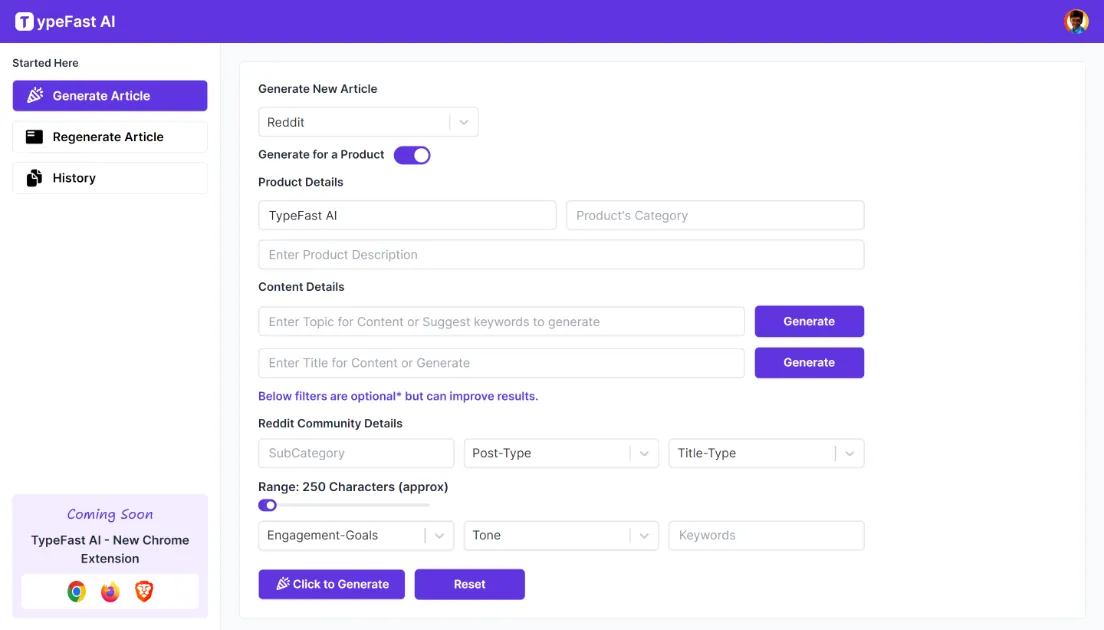
TypeFast
Typing speed improvement platform with gamified lessons and real-time performance tracking.
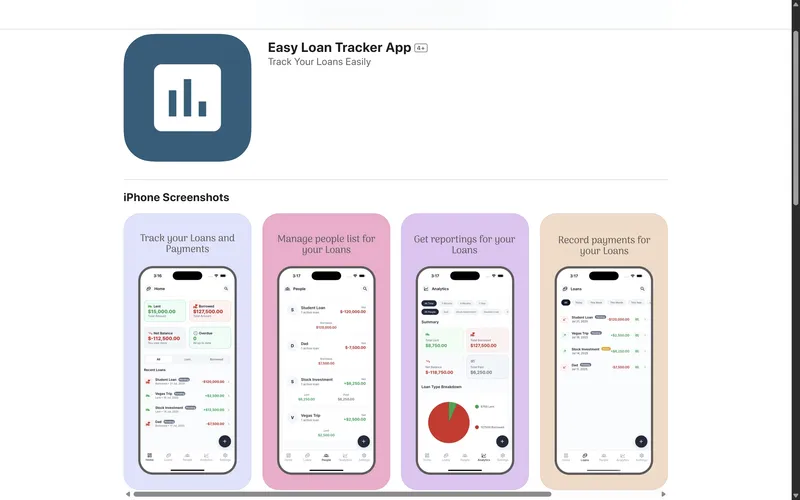
Easy Loan
Streamlined loan management system that simplifies borrowing and lending processes.
Explore Related Content
Discover more services, case studies, and insights
AI MVP Development for InsurTech Products
InsurTech MVPs: AI claims triage, accelerated underwriting, and fraud detection wired to Guidewire, Duck Creek, and ACORD. NAIC-governance-ready, shipped in 2-3 weeks.
AI MVP Development for LegalTech Solutions
SpeedMVPs builds LegalTech MVPs in 2-3 weeks: citation-grounded legal research, contract review, and e-discovery tools. 15+ engineers, 100% code ownership.
AI MVP Development for Logistics & Supply Chain
Ship a production-ready logistics AI MVP in 2-3 weeks: route optimization, ETA prediction, EDI/TMS automation, and freight-exception agents. You own 100% of the code.
AI-Powered MVP Development
Launch a production-ready AI MVP in just 2-3 weeks. Our team blends rapid prototyping with enterprise-grade AI/ML engineering to validate your idea, attract investors, and win early customers.
Design to Code
Turn Figma, Sketch, or Adobe XD designs into production-ready, pixel-perfect code. We bridge the gap between design and engineering, delivering responsive, accessible, and performant front-end code your team can ship immediately.
How AI Agencies Ensure Quality at Speed
How top AI development agencies ship quality, scalable products in 2-3 weeks: senior engineers, AI-assisted workflows with human review, production-grade architecture, and automated testing under real deadlines.
How to Develop an AI-Driven Mobile App
A step-by-step guide to developing an AI-driven mobile app: defining the use case, choosing on-device vs cloud AI, picking your stack, building the model, and shipping.
AI Travel Planner Builds Itineraries in 30 Seconds
We built JetPlan AI: an LLM-powered travel planner that generates personalised, day-by-day itineraries with hotel recommendations, activity scheduling, budget tracking, and exportable PDFs.
Rapid AI Prototyping: Build a Working AI Prototype in Days
Rapid AI prototyping for funded startups and enterprise teams. SpeedMVPs builds a working AI prototype in 3-5 days using real models and your data, not a mockup.
MVP Development Cost in 2026: Complete Pricing Guide for Startups and Enterprises
How much does it cost to build an MVP? A full breakdown of MVP development cost by type, complexity, and development approach, priced in USD for funded startups and enterprise teams. Includes real ways to reduce your MVP costs.
Ready to Build Your MVP?
Schedule a complimentary strategy session. Transform your concept into a market-ready MVP within 2-3 weeks. Partner with us to accelerate your product launch and scale your startup globally.
The call is 30 minutes with Diyanshu Patel, our CEO and co-founder. Afterwards you get a written proposal with timeline, pricing and development plan.
Calendar not loading? Open the booking page or email diyanshu@speedmvps.com.