Docker for MVPs: When Containers Help and When They Slow You Down
Should your MVP use Docker? Where containers earn their keep, where they add drag, and a minimal setup that won't slow a two-week build.
When Docker is worth it on day one
Your app has non-trivial system dependencies. Anything with native extensions, specific system libraries, or a particular Python or Node version that differs across your team. Containers turn "works on my machine" into a solved problem rather than a recurring afternoon.
You're deploying to a container host anyway. Render, Fly, Cloud Run, ECS, Kubernetes — you're writing a Dockerfile regardless. Write it first.
More than two or three engineers. Environment drift across a team compounds. One docker compose up is cheaper than a setup document nobody keeps current.
You need local infrastructure. Postgres, Redis, and a queue running locally is a three-line compose file versus a page of install instructions per operating system.
When Docker slows you down
Solo founder on a managed platform. If you're one engineer shipping a Next.js app to Vercel, Docker adds a build step and a mental model in exchange for nothing you currently need.
Hot reload friction. Volume mounts on macOS and Windows have historically been slow enough to make the edit-refresh loop noticeably worse. It's improved, but a two-week build is exactly when you can least afford a sluggish loop.
Debugging distance. Attaching a debugger through a container is a solved problem that still costs an hour the first time, per engineer, per language.
A minimal setup that doesn't hurt
If you do containerize, keep it small:
- Multi-stage builds — a build stage with the toolchain, a runtime stage with only what runs. Images go from 1.2GB to about 150MB, which matters on every deploy.
- Layer order by change frequency — dependency manifests and install first, application code last, so a code edit doesn't reinstall packages.
- A real .dockerignore — excluding
node_modules,.git, and build artifacts is often the single biggest build-time win. - Non-root user — one line, and it's the first thing a security review asks about.
- Pinned base image versions —
node:22.11-slim, notnode:latest. Reproducibility is the point of the exercise.
What we usually recommend
For a two-to-three-week MVP on a managed platform: skip it, ship, containerize when you move to a container host or the second engineer joins.
For anything with real system dependencies, a local infrastructure stack, or a team from day one: containerize immediately — it pays back within the first week.
We'll tell you which case you're in during scoping rather than applying a default.
What You'll Get
A call, with reasoning
Containerize now or later, argued from your actual setup.
Small, reproducible images
Multi-stage builds, pinned bases, non-root by default.
Local stack in one command
Compose file bringing up app plus dependencies.
FAQ
Does an MVP need Docker?
Not always. A solo engineer shipping a Next.js app to a managed platform gains little and pays a setup and hot-reload cost. Docker earns its keep when you have real system dependencies, need local infrastructure like Postgres and Redis, deploy to a container host, or have more than two engineers.
How do I keep Docker images small?
Multi-stage builds so the runtime image carries only what runs, a real .dockerignore excluding node_modules and .git, slim base images, and ordering layers by change frequency so editing code doesn't reinstall dependencies. This routinely takes an image from over 1GB to around 150MB.
Will Docker slow down development?
It can. Volume-mounted hot reload on macOS and Windows has historically been slower than running natively, and debugging through a container costs setup time per engineer. In a two-week build that friction is real, which is why it's worth deciding deliberately rather than by default.
Trusted by Global Companies Building AI Products
We've helped startups and enterprises worldwide transform their AI ideas into production-ready MVPs in 2–3 weeks. From fintech platforms to AI assistants, our global MVP development services have launched 18+ AI products serving users across the US, Europe, and Asia.


Portfolio: AI Products Built for Global Startups
From content platforms and AI assistants to analytics dashboards and fintech solutions—see how we've transformed ideas into production-ready MVPs in 2-3 weeks across diverse industries. Each product launched successfully, serving users globally.
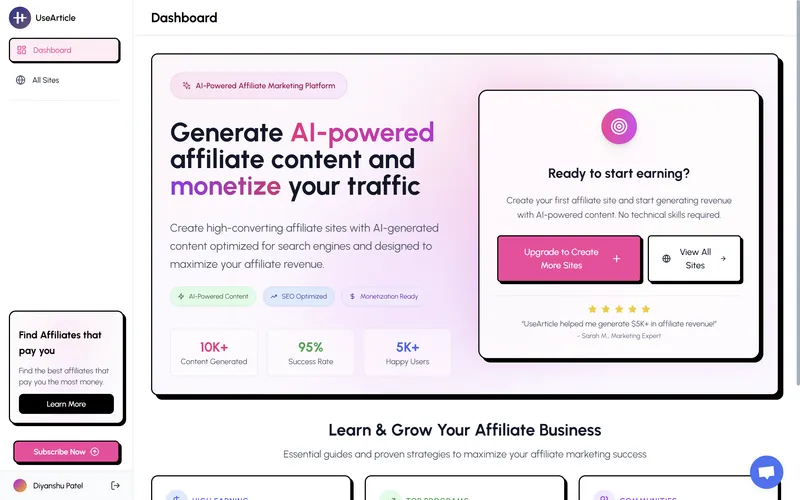
UseArticle
AI-powered content creation and management platform that helps teams produce high-quality articles at scale.
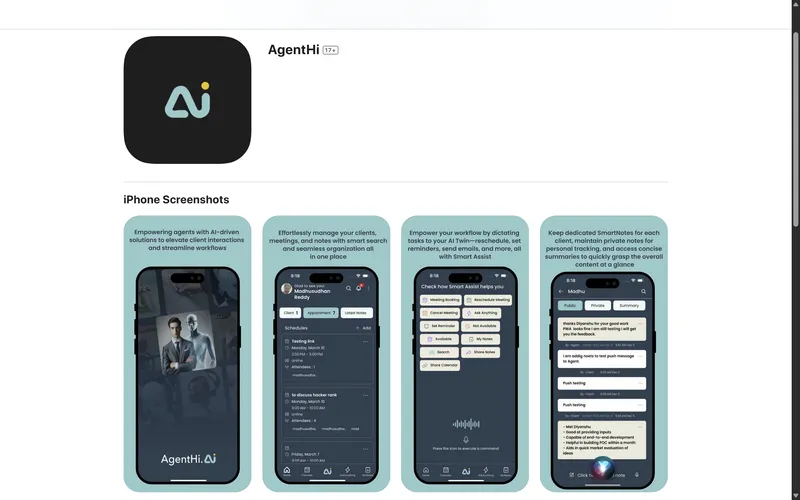
AgentHi
Intelligent virtual assistant that streamlines customer support and automates routine business tasks.
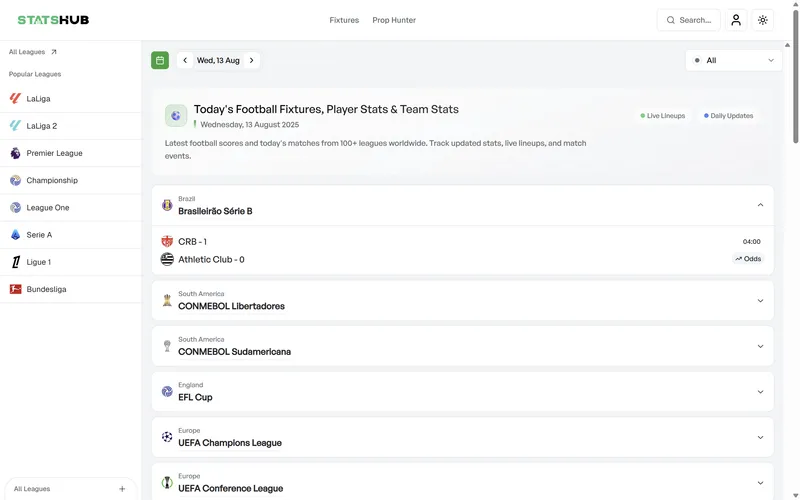
StatsHub
Comprehensive analytics dashboard providing real-time insights and data visualization for businesses.
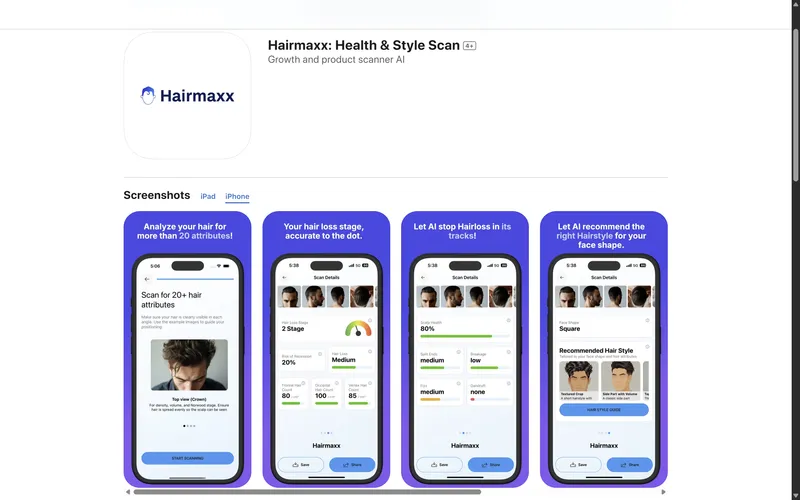
Harimaxx
Personal fitness companion with AI-driven workout plans and nutrition tracking for optimal health.
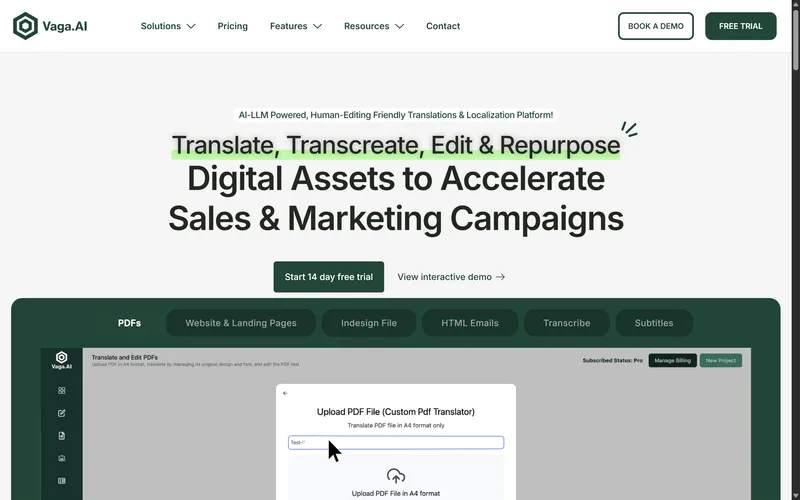
Vaga
Smart travel planning app that curates personalized itineraries and local experiences.
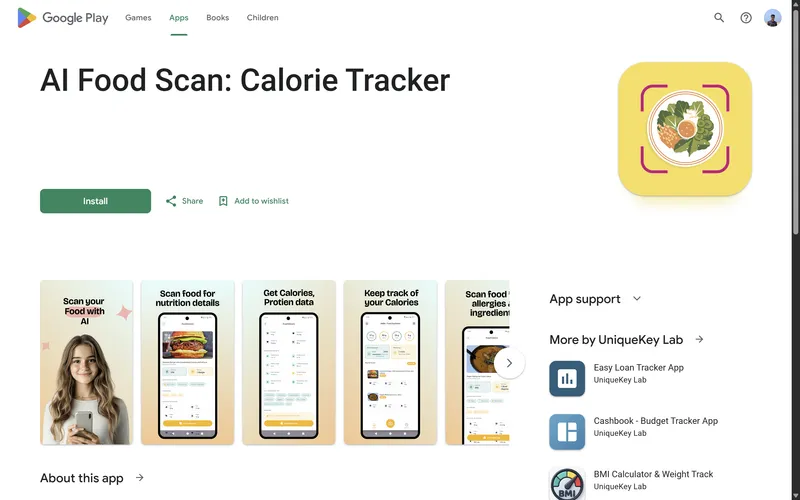
FoodScan
Nutrition analysis app that scans food items and provides detailed nutritional information instantly.
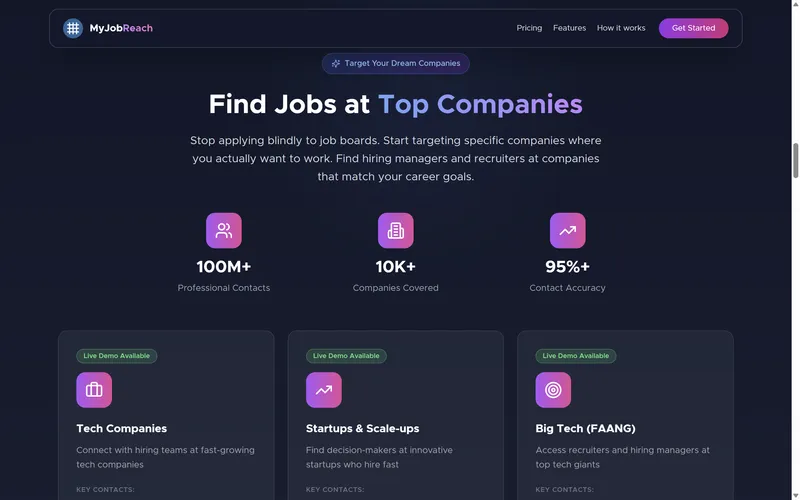
MyJobReach
Job matching platform connecting talented professionals with their dream opportunities.
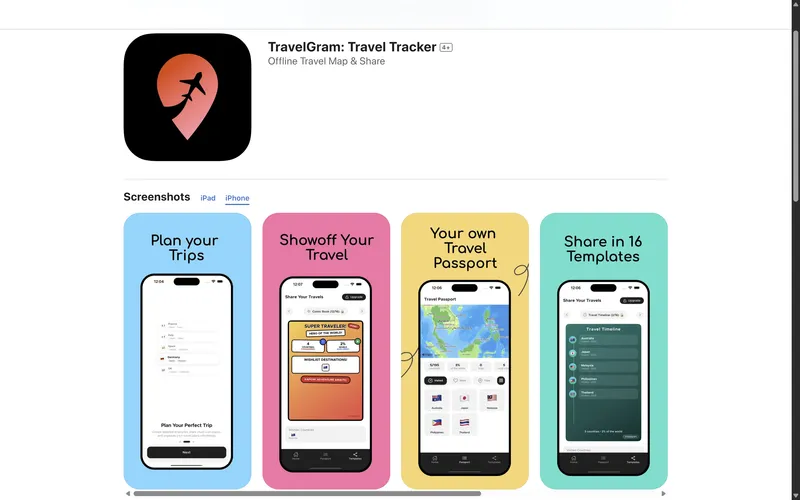
TravelGram
Social platform for travelers to share experiences, discover destinations, and connect globally.
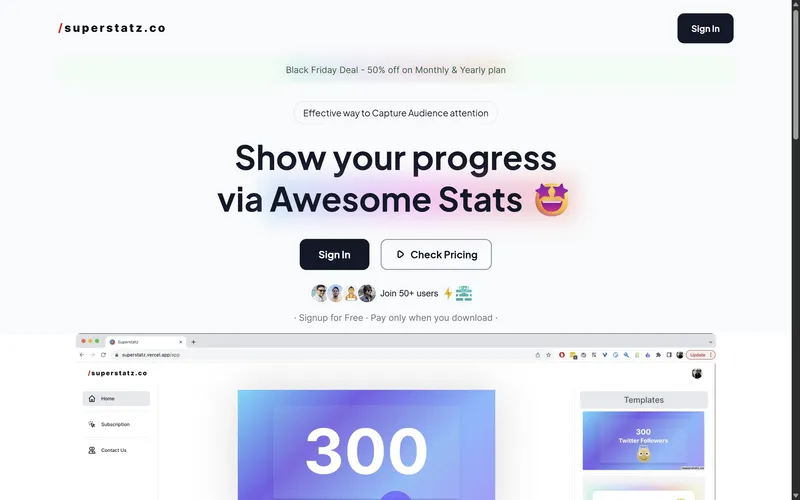
SuperStatz
Advanced sports statistics platform delivering in-depth analysis and performance metrics.
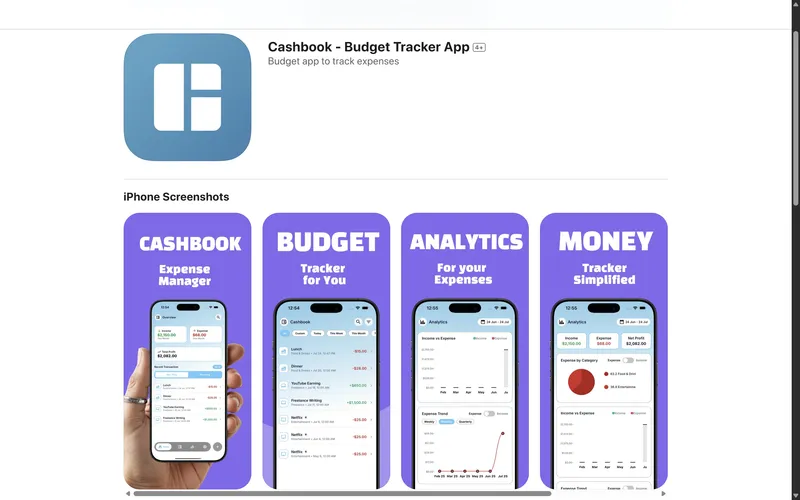
Cashbook
Simple expense tracking and budgeting app that helps users manage their finances effortlessly.
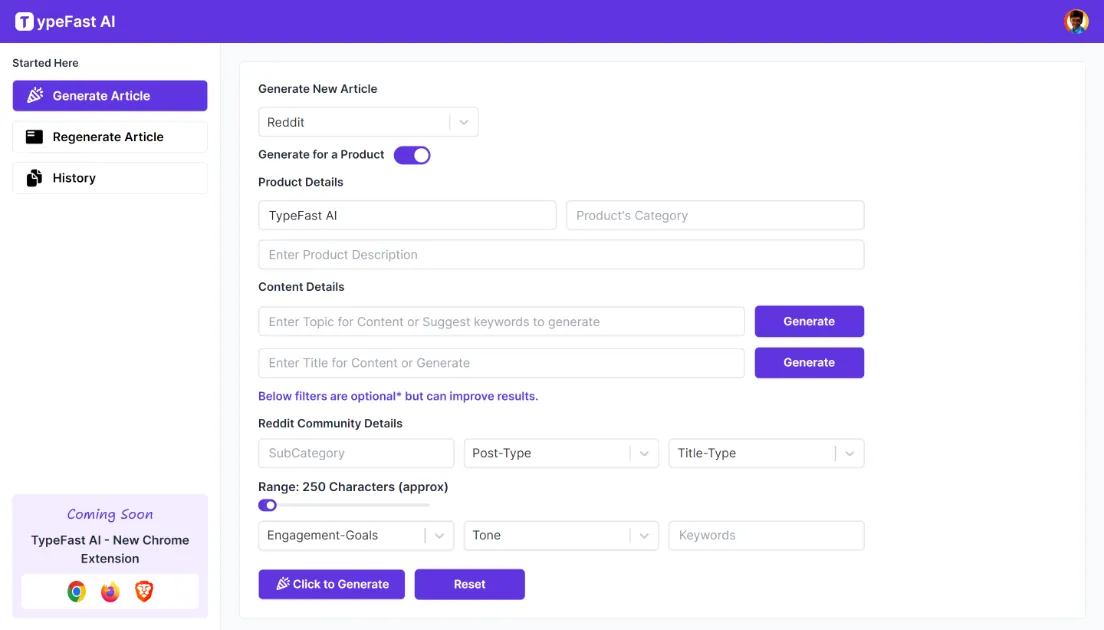
TypeFast
Typing speed improvement platform with gamified lessons and real-time performance tracking.
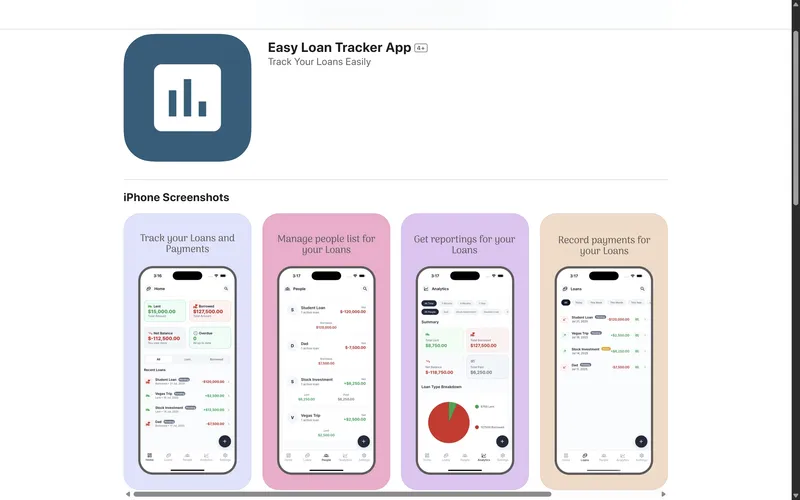
Easy Loan
Streamlined loan management system that simplifies borrowing and lending processes.
Explore Related Content
Discover more services, case studies, and insights
Enterprise AI Copilots for Teams
Design and build enterprise AI copilots for sales, support, product, and operations. LLM-native assistants that live inside your systems, not just in a chat window.
Enterprise AI Copilots in Argentina
Enterprise AI Copilots for teams in Argentina. AI MVP partner for funded startups and enterprises—ship automation, copilots, and dashboards in 2-3 weeks across Buenos Aires, Córdoba, Rosario.
Enterprise AI Copilots in Australia
Enterprise AI Copilots for teams in Australia. AI MVP partner for funded startups and enterprises—ship automation, copilots, and dashboards in 2-3 weeks across Sydney, Melbourne, Brisbane.
AI-Powered MVP Development
Launch a production-ready AI MVP in just 2-3 weeks. Our team blends rapid prototyping with enterprise-grade AI/ML engineering to validate your idea, attract investors, and win early customers.
Integrate AI into Existing Software
Seamlessly integrate AI capabilities into your existing software systems. We enhance your current applications with intelligent features, automation, and AI-powered insights while maintaining system stability.
How to Develop an AI-Driven Mobile App: A Practical 2026 Guide
A step-by-step guide to developing an AI-driven mobile app — defining the use case, choosing on-device vs cloud AI, picking your stack, building the model, and shipping.
Selecting an AI Development Partner for Enterprise Software
How enterprise teams should evaluate an AI development partner: technical AI depth, SOC 2/GDPR/HIPAA compliance, security and data governance, legacy integration, scalable architecture, SLAs, and procurement fit — with a checklist and vendor questions.
Diagnosing the Future: How a 2-Week AI MVP Revolutionized Radiology Image Analysis for Medivance with Cutting-Edge Federated Learning
2-week AI MVP employing federated learning—training AI models locally at each site without transferring sensitive data externally, with automated lesion detection and HIPAA-compliant decentralized processing.
Ready to Build Your MVP?
Schedule a complimentary strategy session. Transform your concept into a market-ready MVP within 2-3 weeks. Partner with us to accelerate your product launch and scale your startup globally.