Firebase vs Supabase for MVPs: An Honest Comparison
Firebase or Supabase for your MVP? Data model, auth, pricing at scale, and vendor lock-in compared — with the cases where each is clearly the right pick.
The core difference
Supabase is Postgres. You get a real relational database with joins, foreign keys, transactions, constraints, and SQL. Everything else — auth, storage, realtime, edge functions — sits on top of it.
Firebase is a document store. Firestore holds collections of documents. There are no joins. Related data is either denormalized into the document or fetched in a second round trip you orchestrate yourself.
Nearly every other difference follows from that.
When Firestore's model hurts
If your app answers questions like "show me all orders from customers in this region with unpaid invoices," Firestore makes you either denormalize aggressively or run several queries and join in application code. Both are fine at small scale and both get expensive to maintain.
Firestore also bills per document read. A dashboard that reads 500 documents to render one screen costs 500 reads every load. Teams discover this when the bill arrives, and the fix is usually a denormalized summary document updated by a Cloud Function — more moving parts to keep consistent.
When Firebase is genuinely better
Mobile-first apps with offline sync. Firestore's offline persistence and conflict resolution are excellent and Supabase has no real equivalent. If you're building a mobile app that must work on a subway, this alone can decide it.
Realtime at high fan-out. Firestore's realtime listeners scale further with less thought than Supabase Realtime.
You're already in Google Cloud and want one billing relationship and IAM model.
When Supabase is genuinely better
Your data is relational — which for most B2B SaaS it is. Users belong to organizations, which have subscriptions, which have invoices. That's a join, and Postgres does joins.
You want predictable cost. Supabase bills for compute and storage, not per row read. A dashboard reading 500 rows costs the same as one reading 5.
You want an exit. It's Postgres. If you outgrow Supabase you can move to RDS, Neon, or your own server with a dump and restore. Leaving Firestore means rewriting your data layer.
You need row-level security in the database. Postgres RLS enforces access rules at the data layer, so a bug in your API can't leak another tenant's rows. Firestore security rules do similar work but are harder to reason about as they grow.
The lock-in question, honestly
Firebase lock-in is real but often overstated as a reason not to start there. Plenty of successful products run on Firestore for years. The risk is that migration cost rises with data volume and query complexity — so the decision matters most if you expect the data model to get more relational over time, which is the usual direction.
What we'd pick for you
Relational data or B2B multi-tenancy → Supabase. Mobile-first with offline requirements → Firebase. Genuinely unsure and shipping in two weeks → Supabase, because the escape hatch is cheaper if you're wrong.
What You'll Get
Data model first
We pick the backend after modeling your data, not before.
Cost model at scale
Projected bill at 10x your launch volume on both options.
Migration path documented
What it would take to leave, written down before you commit.
FAQ
Is Supabase better than Firebase?
For relational data and B2B SaaS, usually yes — Postgres gives you joins, transactions, and row-level security, and you can leave with a dump and restore. For mobile-first apps needing offline sync and conflict resolution, Firebase is genuinely better and Supabase has no real equivalent.
Which is cheaper, Firebase or Supabase?
It depends on read patterns. Firestore bills per document read, so a dashboard rendering 500 documents costs 500 reads on every load. Supabase bills compute and storage, so read-heavy screens cost roughly the same regardless of row count. Read-heavy apps usually run cheaper on Supabase.
Can you migrate from Firebase to Supabase later?
Yes, but it's a rewrite of the data layer rather than an export — document structures have to be normalized into tables and every query rewritten. Cost scales with data volume and query complexity, which is why the decision matters most when you expect your data model to get more relational over time.
Trusted by Global Companies Building AI Products
We've helped startups and enterprises worldwide transform their AI ideas into production-ready MVPs in 2–3 weeks. From fintech platforms to AI assistants, our global MVP development services have launched 18+ AI products serving users across the US, Europe, and Asia.





Portfolio: AI Products Built for Global Startups
From content platforms and AI assistants to analytics dashboards and fintech solutions—see how we've transformed ideas into production-ready MVPs in 2-3 weeks across diverse industries. Each product launched successfully, serving users globally.
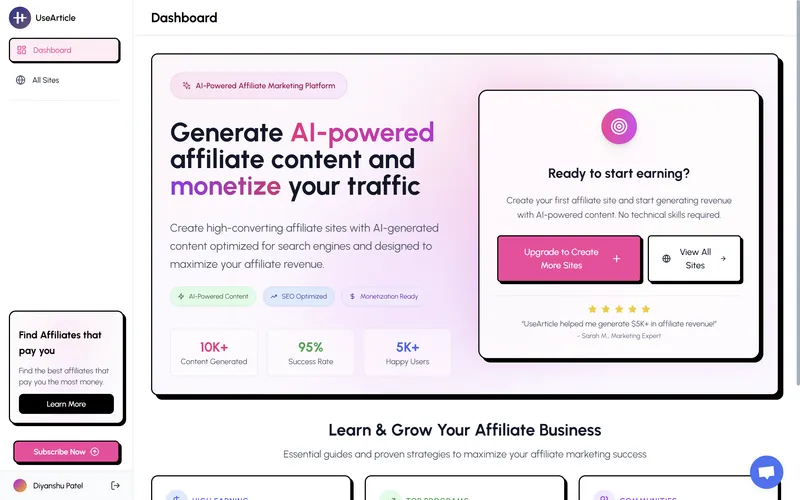
UseArticle
AI-powered content creation and management platform that helps teams produce high-quality articles at scale.
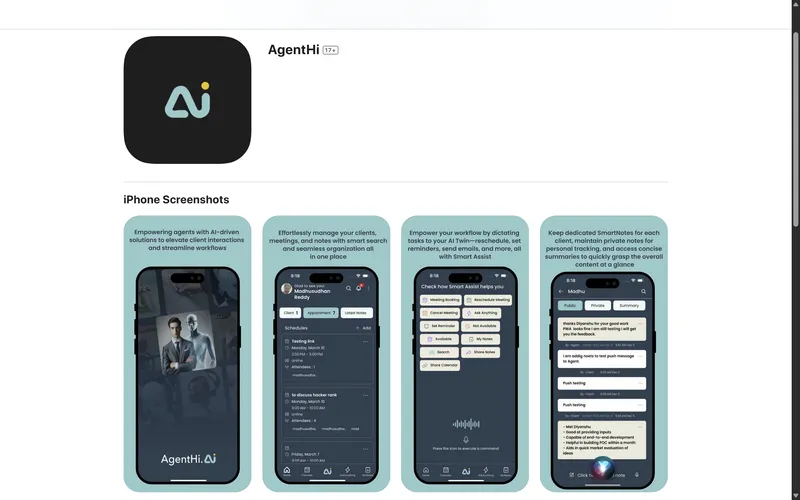
AgentHi
Intelligent virtual assistant that streamlines customer support and automates routine business tasks.
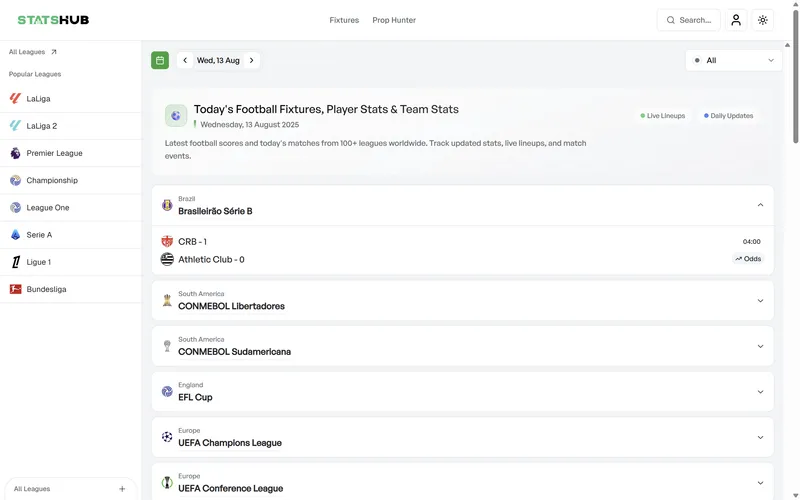
StatsHub
Comprehensive analytics dashboard providing real-time insights and data visualization for businesses.
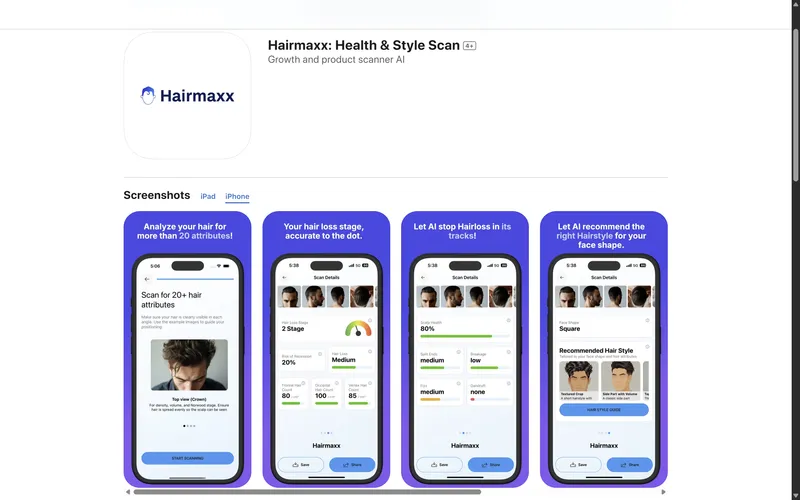
Harimaxx
Personal fitness companion with AI-driven workout plans and nutrition tracking for optimal health.
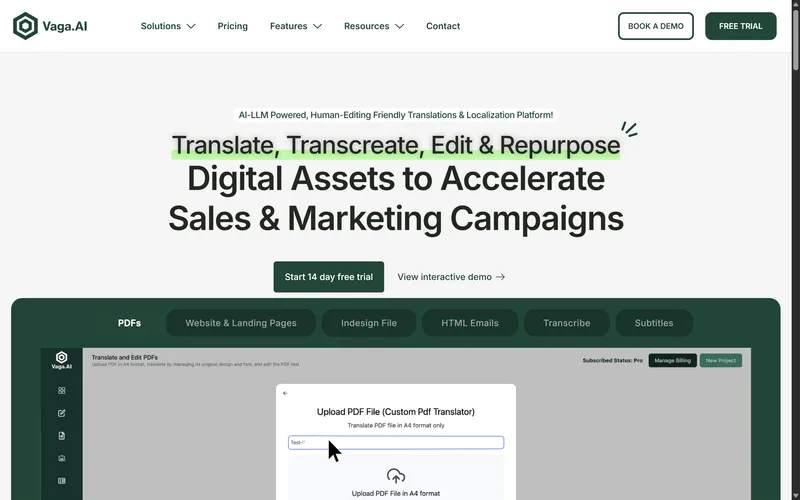
Vaga
Smart travel planning app that curates personalized itineraries and local experiences.
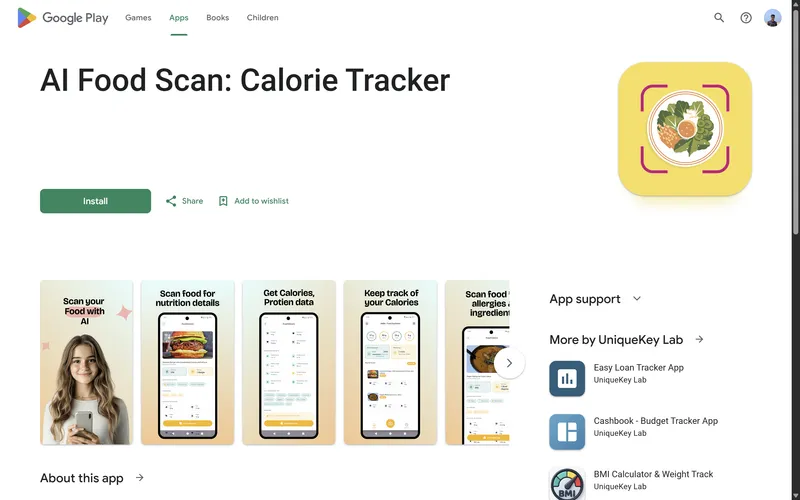
FoodScan
Nutrition analysis app that scans food items and provides detailed nutritional information instantly.
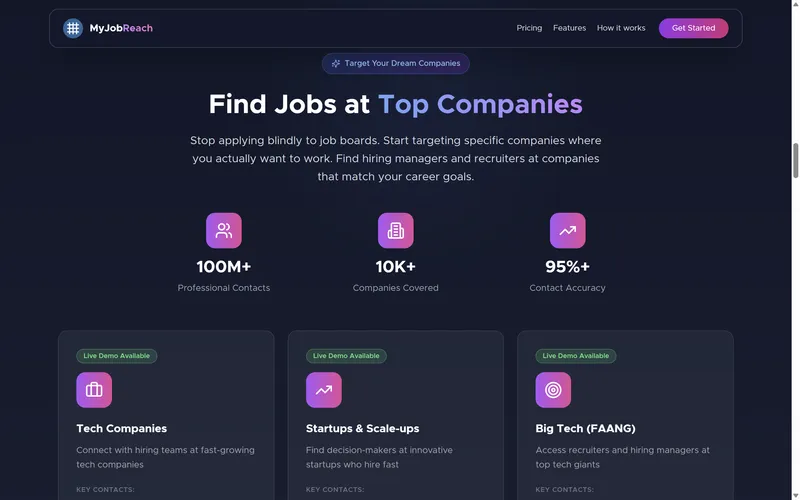
MyJobReach
Job matching platform connecting talented professionals with their dream opportunities.
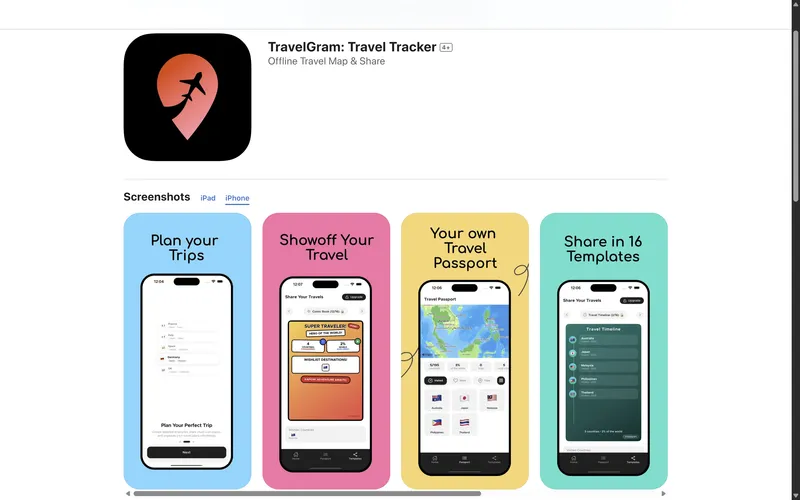
TravelGram
Social platform for travelers to share experiences, discover destinations, and connect globally.
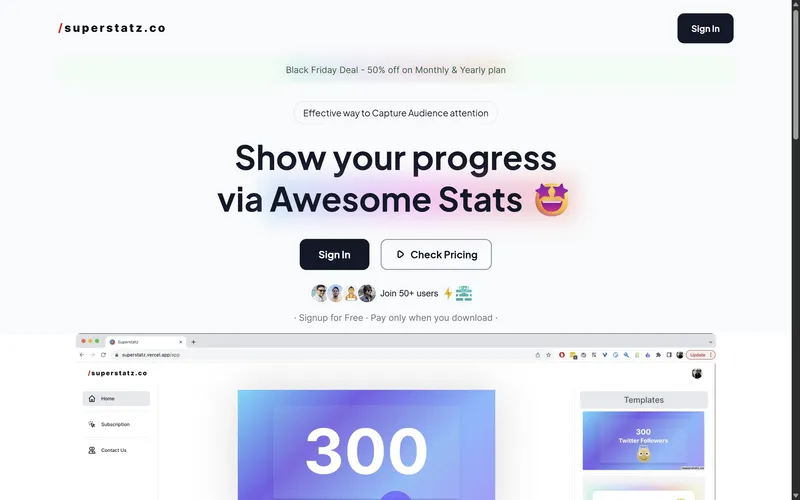
SuperStatz
Advanced sports statistics platform delivering in-depth analysis and performance metrics.
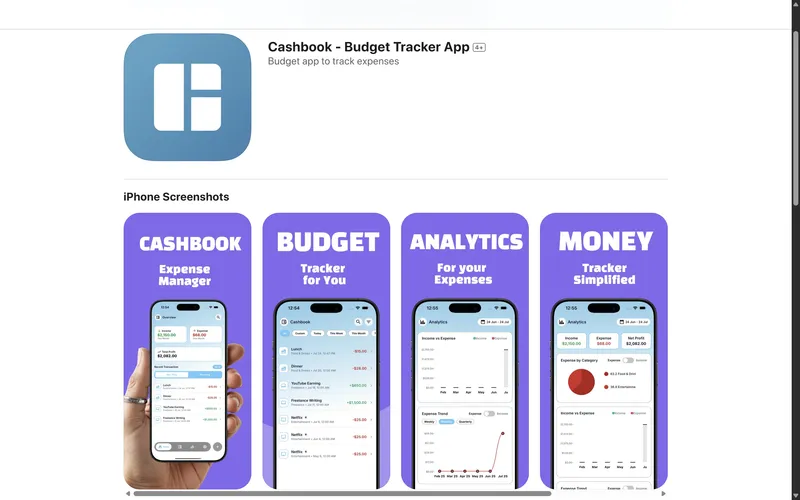
Cashbook
Simple expense tracking and budgeting app that helps users manage their finances effortlessly.
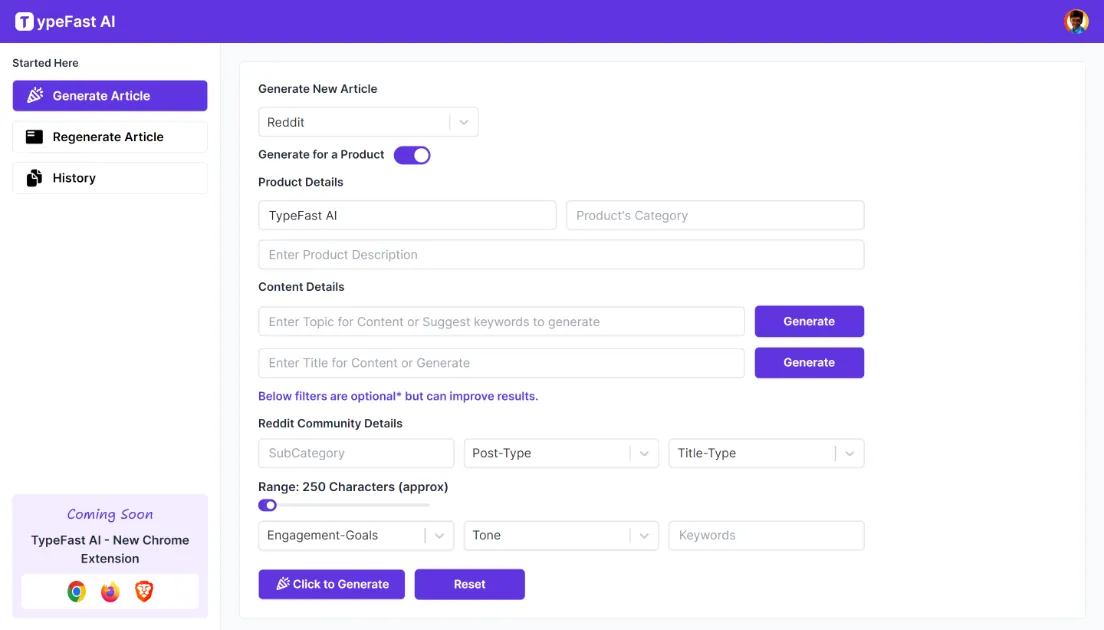
TypeFast
Typing speed improvement platform with gamified lessons and real-time performance tracking.
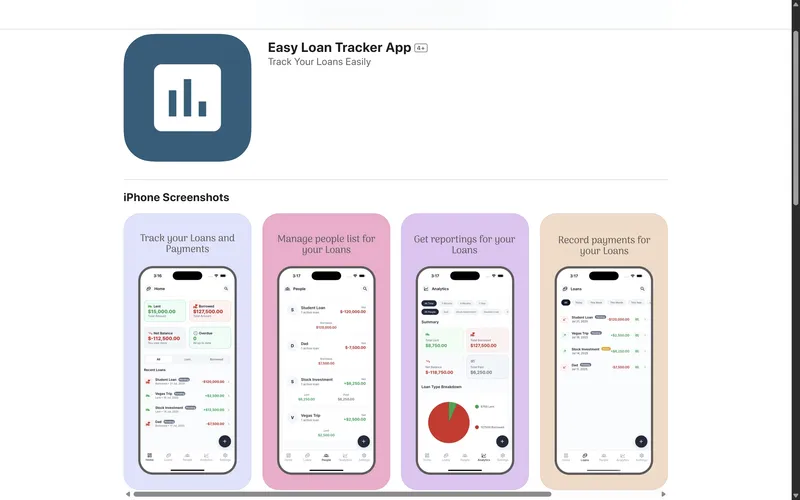
Easy Loan
Streamlined loan management system that simplifies borrowing and lending processes.
Explore Related Content
Discover more services, case studies, and insights
Flutter vs React Native in 2026: Which Is Better for Your AI MVP?
Deep comparison of Flutter and React Native for AI MVPs in 2026. Ecosystem, performance, hiring, and how each fits into an AI product stack.
The Best FlutterFlow Alternative for Production AI Apps
Outgrown FlutterFlow? SpeedMVPs builds the same app idea as a fully custom, AI-ready Flutter or React Native codebase you own — shipped in 2–3 weeks.
Fractional AI Team: Senior AI Leadership and Build Capacity
Get a fractional AI team — senior AI strategy, architecture, and build capacity — for a fraction of a full-time hire. Ship AI products without permanent overhead.
AI-Powered MVP Development
Launch a production-ready AI MVP in just 2-3 weeks. Our team blends rapid prototyping with enterprise-grade AI/ML engineering to validate your idea, attract investors, and win early customers.
Integrate AI into Existing Software
Seamlessly integrate AI capabilities into your existing software systems. We enhance your current applications with intelligent features, automation, and AI-powered insights while maintaining system stability.
How AI Agencies Ensure Quality and Scalability on Tight Timelines
How top AI development agencies ship quality, scalable products in 2-3 weeks: senior engineers, AI-assisted workflows with human review, production-grade architecture, and automated testing under real deadlines.
How to Develop an AI-Driven Mobile App: A Practical 2026 Guide
A step-by-step guide to developing an AI-driven mobile app — defining the use case, choosing on-device vs cloud AI, picking your stack, building the model, and shipping.
The Fintech Fortress: How a 3-Week AI MVP Detected Billions in Fraud Without Breaching a Single Data Wall
A digital citadel: rapid, unbreachable, and utterly adaptive AI MVP with zero-trust architecture, federated learning, and compliance-first design.
Ready to Build Your MVP?
Schedule a complimentary strategy session. Transform your concept into a market-ready MVP within 2-3 weeks. Partner with us to accelerate your product launch and scale your startup globally.