How to Build a Fintech App: Licensing, KYC, and Money Movement
Building a fintech MVP — sponsor banks vs licences, KYC/AML obligations, choosing payment rails, and the ledger design mistake that's expensive to undo.
Decide your regulatory posture first
You are broadly choosing between three postures, and it determines your timeline more than any technical choice:
Ride someone else's licence. Operate as an agent of a sponsor bank or on a Banking-as-a-Service provider. Fastest route to launch; you inherit their compliance requirements and their oversight.
Get licensed yourself. Money transmitter licences state by state in the US, or an EMI/PI licence in the EU or UK. Months to years. Not an MVP path.
Avoid regulated activity entirely. Many fintech products never touch customer funds — analytics over bank data via Plaid, spend management on top of existing cards, reconciliation tooling. If you can stay here, your MVP ships dramatically faster.
Founders routinely assume they need the second when the first or third would serve.
KYC and AML are product surface, not paperwork
Identity verification is a user-facing flow with real drop-off, so it's a product design problem. Providers — Persona, Alloy, Middesk for businesses — handle the verification; you own where it sits in onboarding and what happens on a soft failure.
Sanctions screening against OFAC lists, transaction monitoring for velocity and structuring patterns, and the SAR-filing plumbing all need to exist even when your sponsor bank owns the filing.
The ledger mistake
Never store balances as a mutable number. The single most common and most expensive fintech engineering error is a balance column that gets updated.
Use double-entry: every movement is two immutable entries that sum to zero, and a balance is derived by summing entries. This gives you auditability, correct behaviour under concurrency, and the ability to answer "why is this number what it is" — which you will be asked, by a customer, a regulator, or your own team.
Retrofitting double-entry onto a mutable-balance system after real money has moved is among the worst migrations in software.
Choosing rails
ACH is cheap and slow with return risk for days. Wires are fast, expensive, and irreversible. RTP and FedNow are instant and irreversible. Cards are instant with chargeback exposure for months.
Irreversibility is the axis that matters: fraud strategy differs completely between a rail you can claw back and one you cannot.
Timeline
Two to three weeks for an MVP on a BaaS provider with KYC, a double-entry ledger, and one payment rail. Add the sponsor-bank approval cycle, which runs on its own clock and is usually the long pole.
Related
Specific builds
Deeper breakdowns of products in this category:
What You'll Get
Regulatory posture named
Sponsor bank, own licence, or out of scope — decided first.
Double-entry ledger
Immutable entries, derived balances, auditable from day one.
KYC as a designed flow
Verification placed for conversion, not bolted on.
FAQ
Do I need a licence to build a fintech app?
Often not for an MVP. Many products never touch customer funds — bank-data analytics via Plaid, spend management on existing cards, reconciliation tooling — and need no licence. Where you do move money, operating as an agent of a sponsor bank or on a BaaS provider is far faster than obtaining your own licence.
How should a fintech app store balances?
As derived values from a double-entry ledger, never as a mutable balance column. Every movement becomes two immutable entries summing to zero. This gives correct behaviour under concurrency, a full audit trail, and the ability to explain any figure — and retrofitting it after real money has moved is one of the worst migrations there is.
Which payment rail should an MVP use?
Choose on reversibility, since it dictates your fraud strategy. ACH is cheap and slow with multi-day return risk; wires and instant rails like RTP and FedNow are fast and irreversible; cards are instant but carry chargeback exposure for months. Most MVPs start with one rail and add others once fraud patterns are understood.
Trusted by Global Companies Building AI Products
We've helped startups and enterprises worldwide transform their AI ideas into production-ready MVPs in 2–3 weeks. From fintech platforms to AI assistants, our global MVP development services have launched 18+ AI products serving users across the US, Europe, and Asia.





Portfolio: AI Products Built for Global Startups
From content platforms and AI assistants to analytics dashboards and fintech solutions—see how we've transformed ideas into production-ready MVPs in 2-3 weeks across diverse industries. Each product launched successfully, serving users globally.
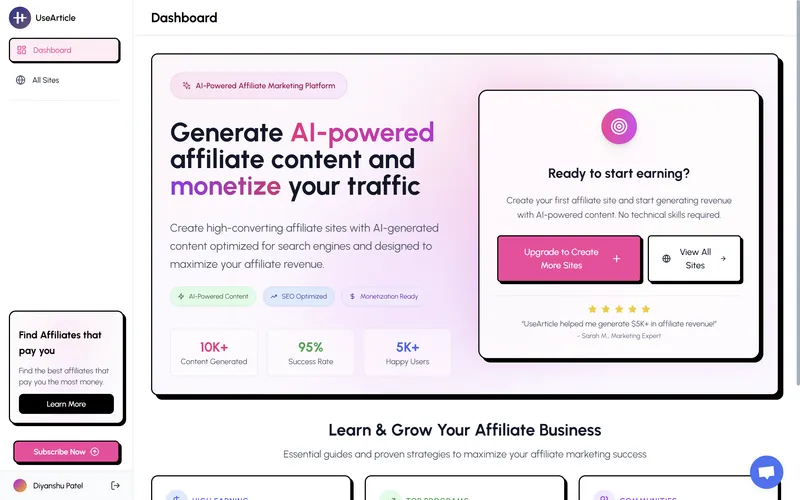
UseArticle
AI-powered content creation and management platform that helps teams produce high-quality articles at scale.
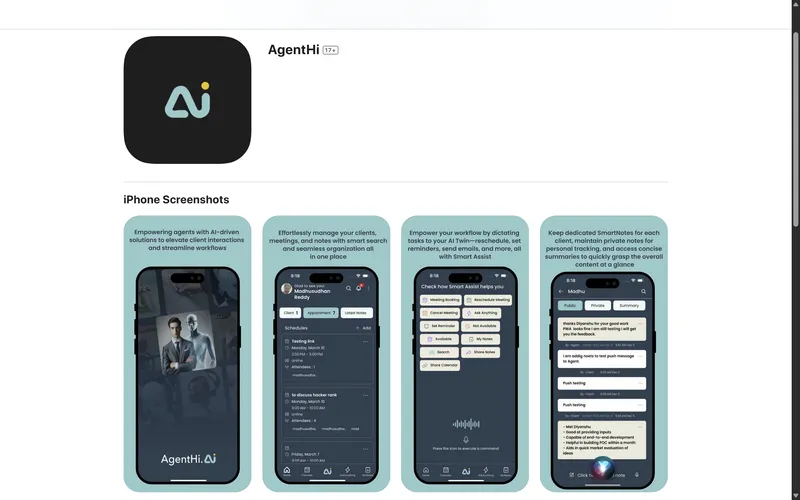
AgentHi
Intelligent virtual assistant that streamlines customer support and automates routine business tasks.
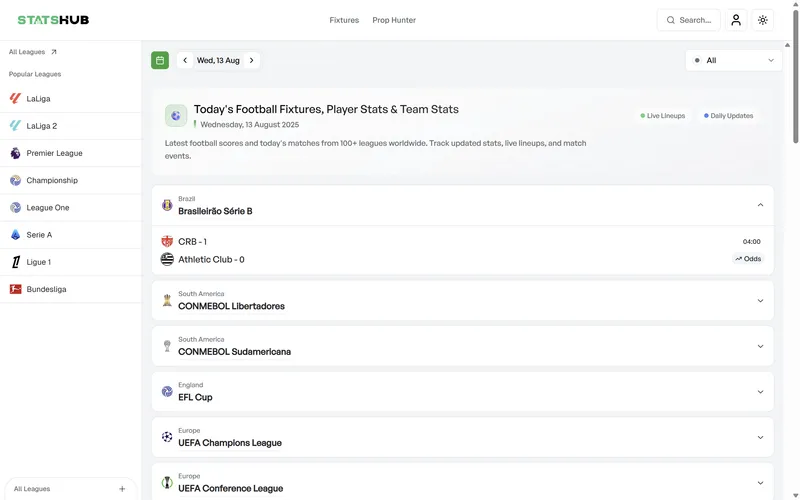
StatsHub
Comprehensive analytics dashboard providing real-time insights and data visualization for businesses.
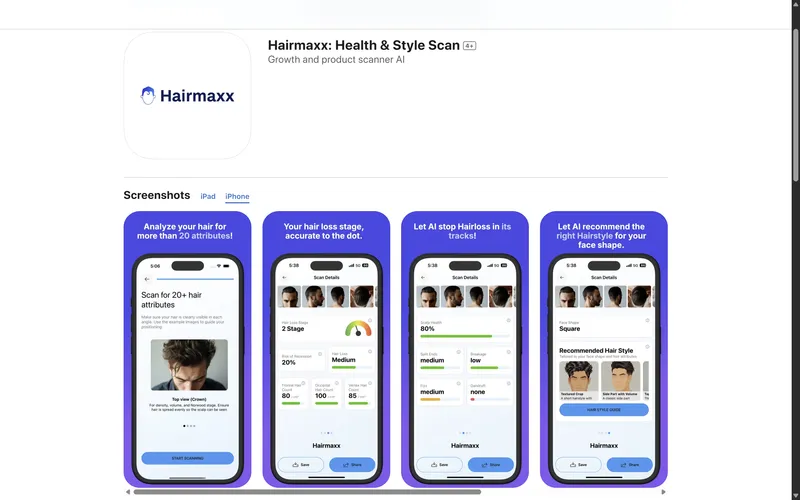
Harimaxx
Personal fitness companion with AI-driven workout plans and nutrition tracking for optimal health.
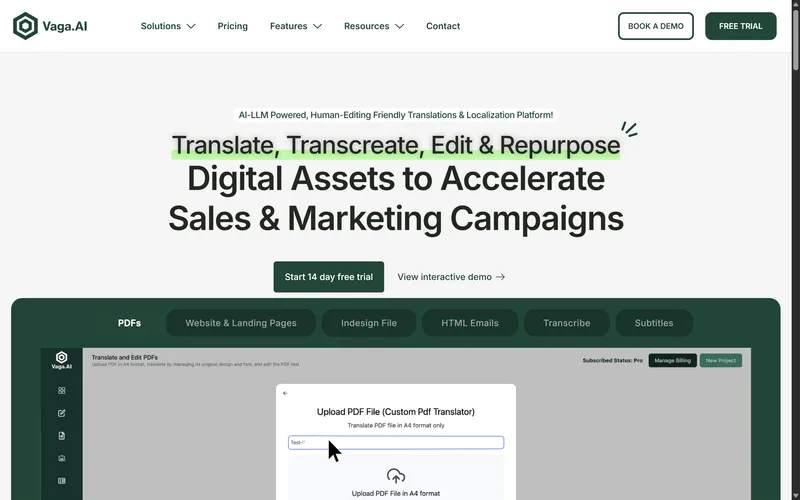
Vaga
Smart travel planning app that curates personalized itineraries and local experiences.
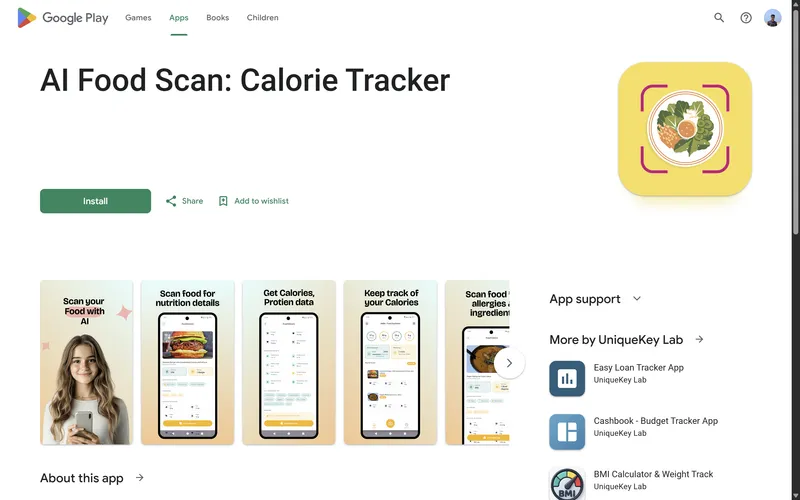
FoodScan
Nutrition analysis app that scans food items and provides detailed nutritional information instantly.
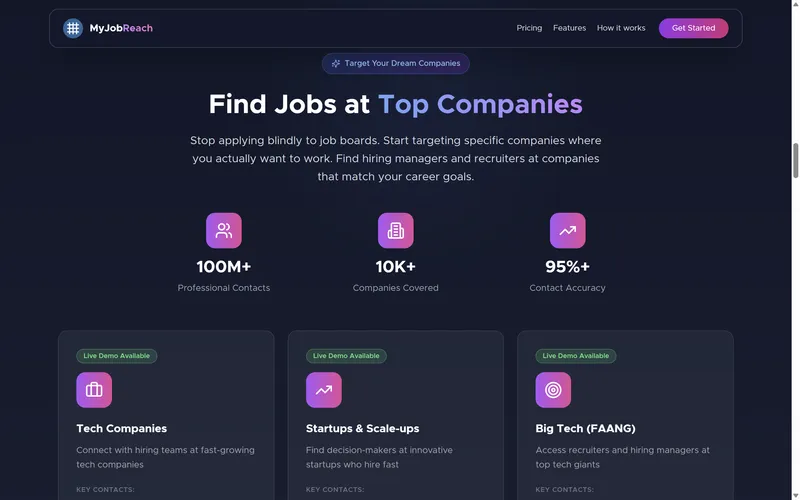
MyJobReach
Job matching platform connecting talented professionals with their dream opportunities.
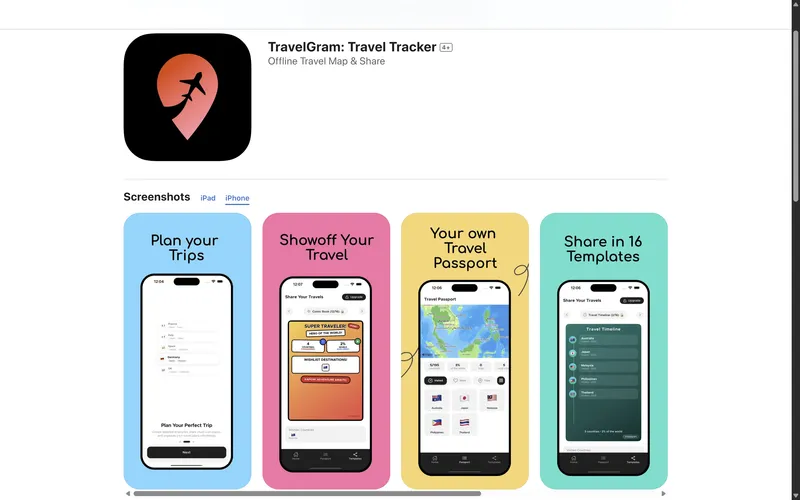
TravelGram
Social platform for travelers to share experiences, discover destinations, and connect globally.
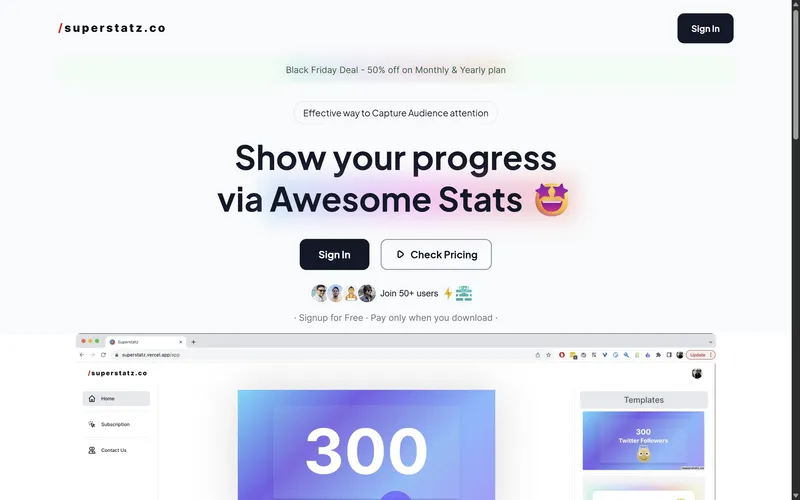
SuperStatz
Advanced sports statistics platform delivering in-depth analysis and performance metrics.
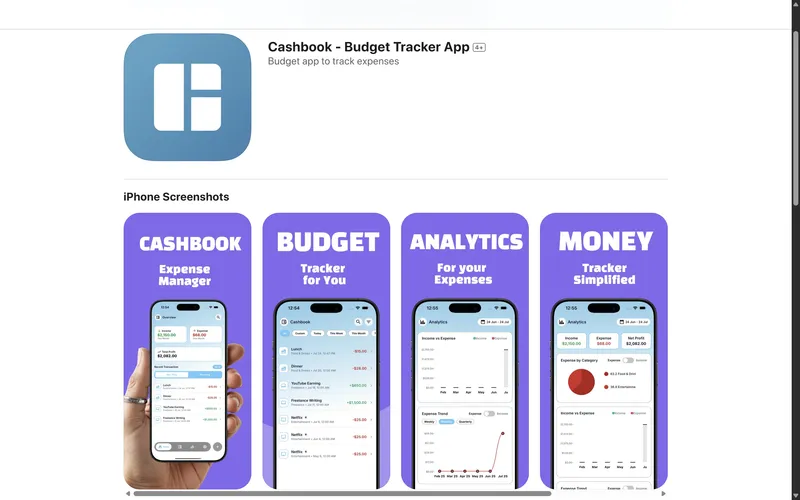
Cashbook
Simple expense tracking and budgeting app that helps users manage their finances effortlessly.
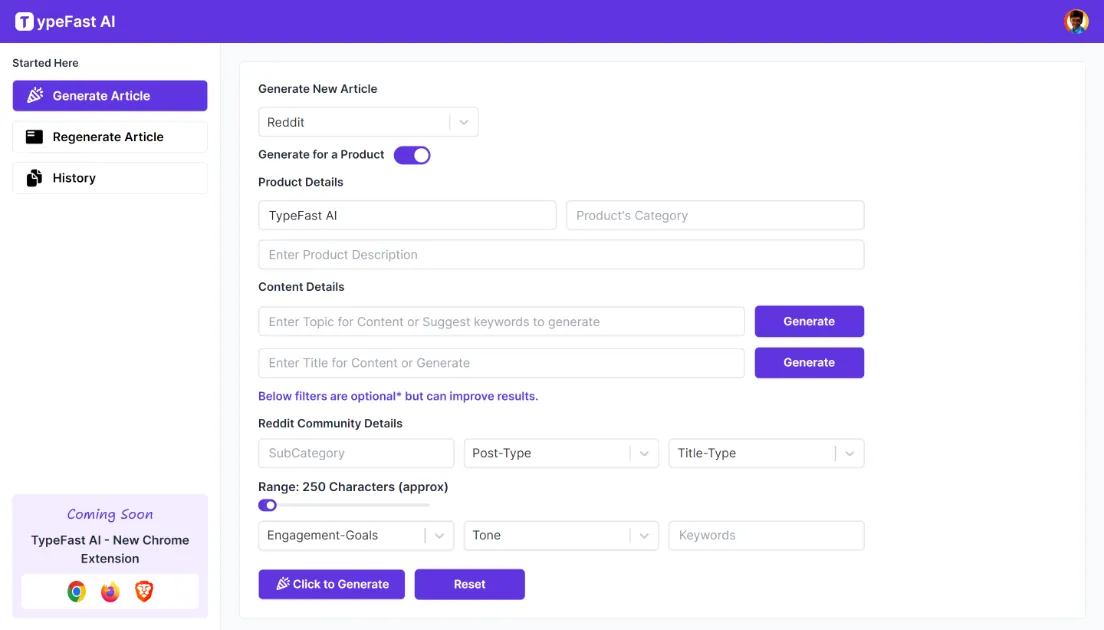
TypeFast
Typing speed improvement platform with gamified lessons and real-time performance tracking.
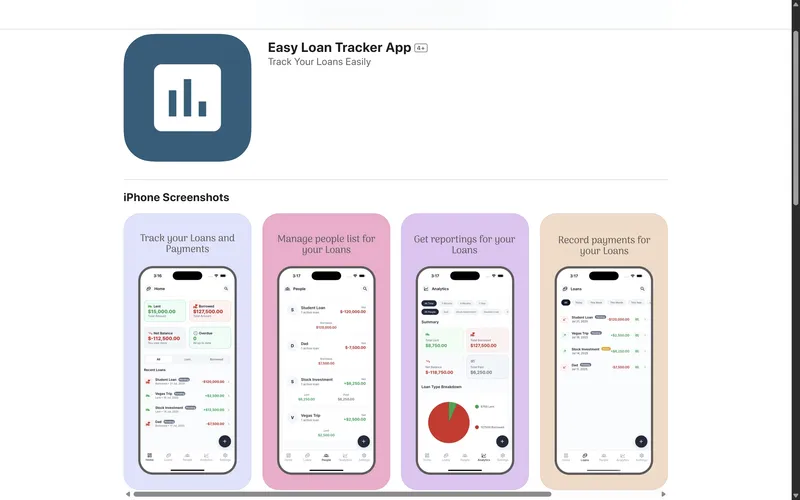
Easy Loan
Streamlined loan management system that simplifies borrowing and lending processes.
Explore Related Content
Discover more services, case studies, and insights
How to Build a Job Board: Supply, Matching, and Monetisation
Building a job board MVP — solving the cold-start problem, application flow, matching that isn't keyword soup, and which side actually pays.
How to Build a Logistics App: Tracking, Routing, and Proof of Delivery
Building a logistics or delivery MVP — live tracking architecture, when route optimisation is worth it, offline-first drivers, and proof of delivery.
How to Build a Marketplace MVP: Scope, Liquidity, and Cost
Building a two-sided marketplace MVP — which side to solve first, the trust and payments work you can't skip, and what to cut to launch in weeks.
Design to Code
Turn Figma, Sketch, or Adobe XD designs into production-ready, pixel-perfect code. We bridge the gap between design and engineering — delivering responsive, accessible, and performant front-end code your team can ship immediately.
iOS App Consulting
Expert iOS consulting for startups and product teams. We help you define the right architecture, make the right technology choices, and ship iOS apps that perform on day one — without the costly mistakes that come from building alone.
How to Develop an AI-Driven Mobile App: A Practical 2026 Guide
A step-by-step guide to developing an AI-driven mobile app — defining the use case, choosing on-device vs cloud AI, picking your stack, building the model, and shipping.
How to Build an MVP Without a Developer Using AI (2026 Playbook)
An honest 2026 playbook for non-technical founders: which AI no-code tools can actually build an MVP, where they break (auth, payments, scale), and when to bring in engineers.
The Fintech Fortress: How a 3-Week AI MVP Detected Billions in Fraud Without Breaching a Single Data Wall
A digital citadel: rapid, unbreachable, and utterly adaptive AI MVP with zero-trust architecture, federated learning, and compliance-first design.
Ready to Build Your MVP?
Schedule a complimentary strategy session. Transform your concept into a market-ready MVP within 2-3 weeks. Partner with us to accelerate your product launch and scale your startup globally.