How to Build a Payments Platform Like Stripe
What building payments infrastructure actually involves — acquiring relationships, PCI scope, the ledger, idempotency, and why most teams shouldn't.
What you'd actually be taking on
Acquiring relationships. To process cards you need an acquiring bank or to become a payment facilitator. That means underwriting, reserves, and network registration with Visa and Mastercard. Months to years, not weeks.
PCI DSS. Touching raw card numbers puts you in the highest compliance tier — network segmentation, annual audits, penetration testing, and continuous monitoring. Every serious payments product avoids this via tokenisation precisely because the scope is so expensive.
Fraud and chargeback liability. As the processor you carry the risk. That means real-time scoring, dispute handling within network timelines, and reserves against losses. This is where payments companies actually lose money.
Money transmission licensing if you hold funds — state by state in the US, EMI or PI in the EU and UK.
None of this is engineering. All of it is longer than your runway.
When it does make sense
Vertical payments. Embedding payments into software for a specific industry, on top of someone else's infrastructure. Stripe Connect, Adyen for Platforms, and similar exist for exactly this. You own the vertical experience; they own the risk and licensing. This is a genuinely good business and a realistic MVP.
A layer above processors. Orchestration, routing between providers, retry logic, reconciliation, and analytics — real problems for merchants at scale, and none require you to be a processor.
A new rail — crypto settlement, account-to-account via open banking — where the regulatory perimeter differs and may be lighter.
The engineering lessons worth stealing regardless
Even building on top of a processor, adopt these:
Idempotency keys on every mutating call. Networks fail mid-request; the client must retry safely. This is the single most important API design decision in payments.
Double-entry ledger. Never a mutable balance column. Immutable entries summing to zero, balances derived. Auditable, concurrency-safe, and explainable — retrofitting it after real money has moved is among the worst migrations in software.
Webhooks with signatures and replay tolerance. Verify signatures, handle duplicate delivery idempotently, and treat the webhook rather than the redirect as the source of truth.
Explicit state machines. A payment moves through defined states with defined transitions. Implicit state is where money goes missing.
Related builds
- How to build a fintech app — regulatory posture and rails
- Stripe billing for SaaS MVPs — the integration side
- Enterprise MVP development
What You'll Get
An honest build/buy call
Usually: build vertical payments on existing rails.
Idempotency everywhere
The most important API decision in payments.
Double-entry ledger
Immutable entries, derived balances, full auditability.
FAQ
Can a startup build its own payment processor?
Rarely worth it. You'd need acquiring bank relationships or payment-facilitator status, network registration, PCI DSS at the highest tier, chargeback liability with reserves, and money transmission licensing — all of which take longer than most runways. Vertical payments built on Stripe Connect or Adyen for Platforms is the realistic path.
What is idempotency and why does it matter in payments?
An idempotency key lets a client safely retry a request without performing the action twice. Networks fail mid-request constantly, so without it a retry can double-charge a customer. It's the single most important API design decision in any system that moves money.
How should a payments system store balances?
As values derived from a double-entry ledger, never as a mutable balance column. Each movement becomes two immutable entries summing to zero, which gives concurrency safety, a complete audit trail, and the ability to explain any figure — and retrofitting it once real money has moved is extremely painful.
Trusted by Global Companies Building AI Products
We've helped startups and enterprises worldwide transform their AI ideas into production-ready MVPs in 2–3 weeks. From fintech platforms to AI assistants, our global MVP development services have launched 18+ AI products serving users across the US, Europe, and Asia.






Portfolio: AI Products Built for Global Startups
From content platforms and AI assistants to analytics dashboards and fintech solutions—see how we've transformed ideas into production-ready MVPs in 2-3 weeks across diverse industries. Each product launched successfully, serving users globally.
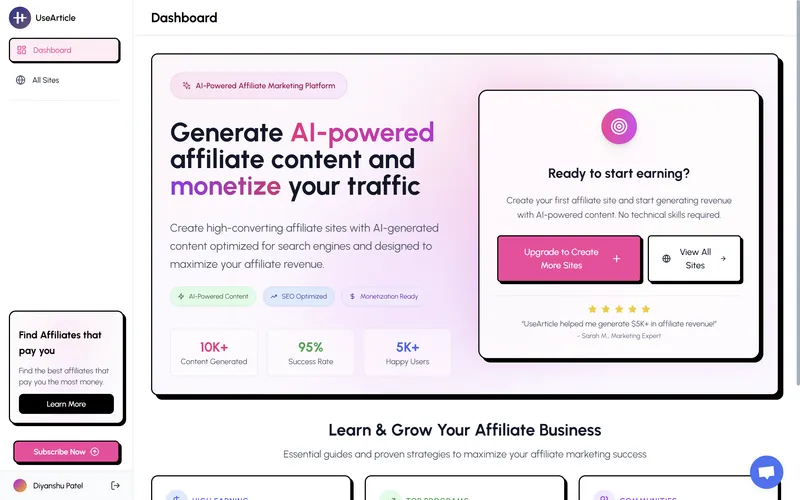
UseArticle
AI-powered content creation and management platform that helps teams produce high-quality articles at scale.
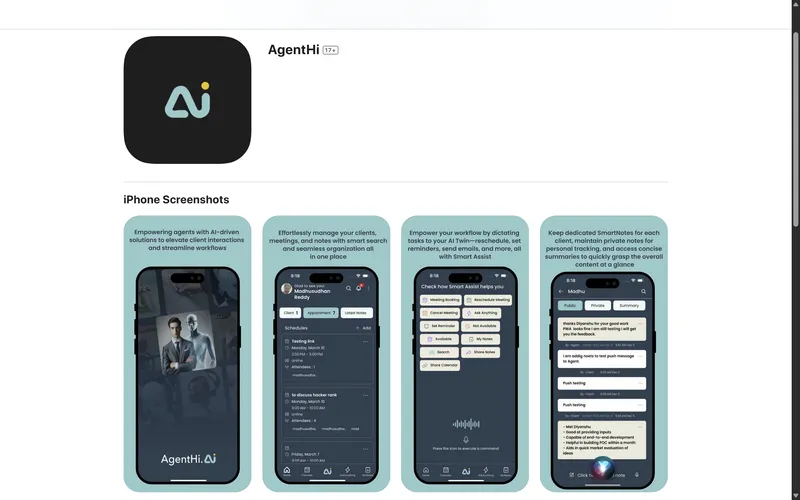
AgentHi
Intelligent virtual assistant that streamlines customer support and automates routine business tasks.
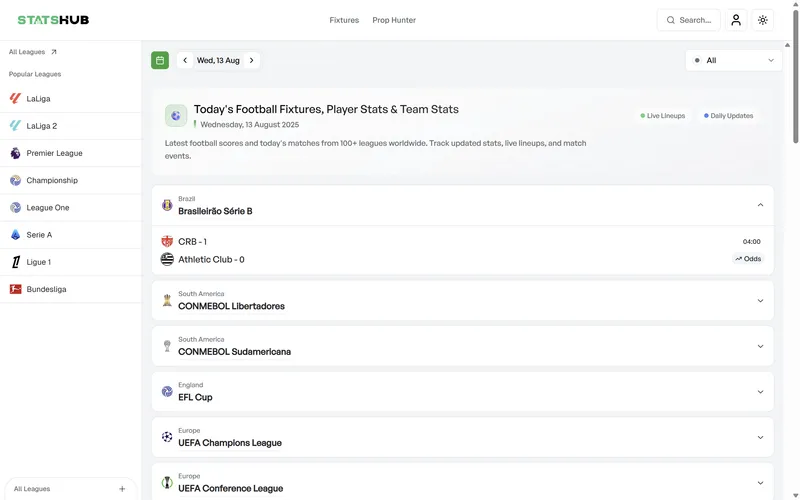
StatsHub
Comprehensive analytics dashboard providing real-time insights and data visualization for businesses.
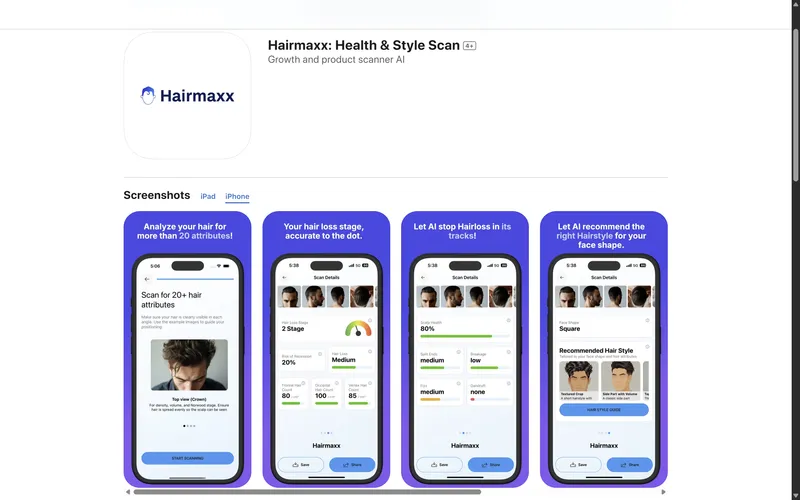
Harimaxx
Personal fitness companion with AI-driven workout plans and nutrition tracking for optimal health.
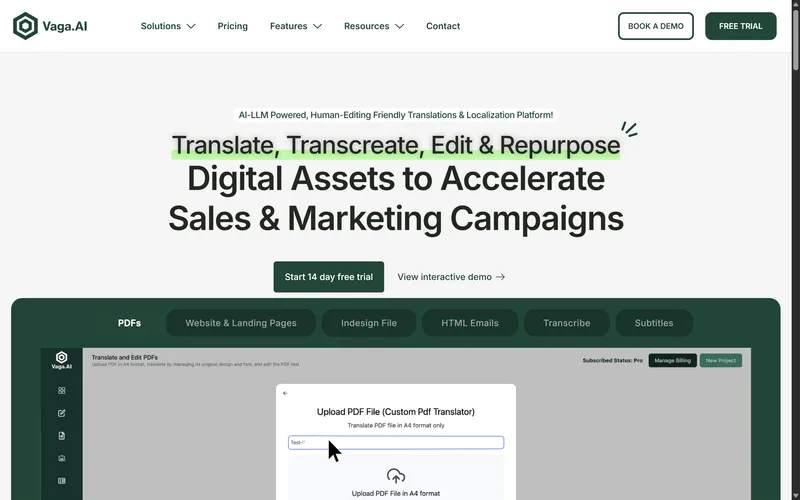
Vaga
Smart travel planning app that curates personalized itineraries and local experiences.
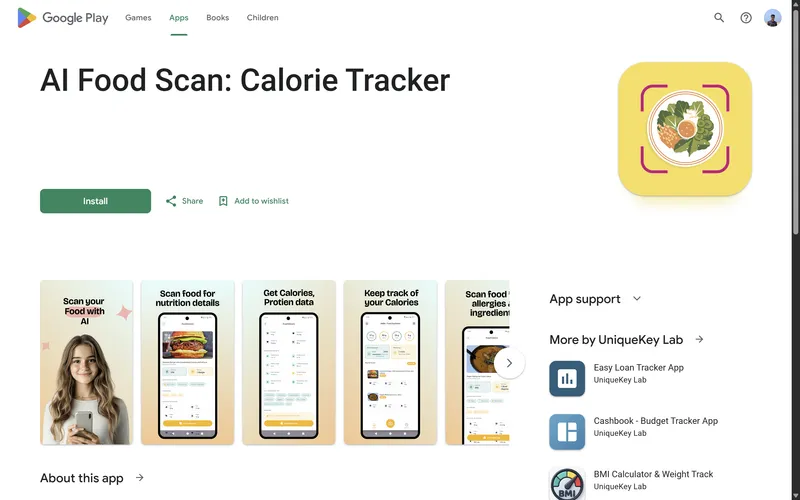
FoodScan
Nutrition analysis app that scans food items and provides detailed nutritional information instantly.
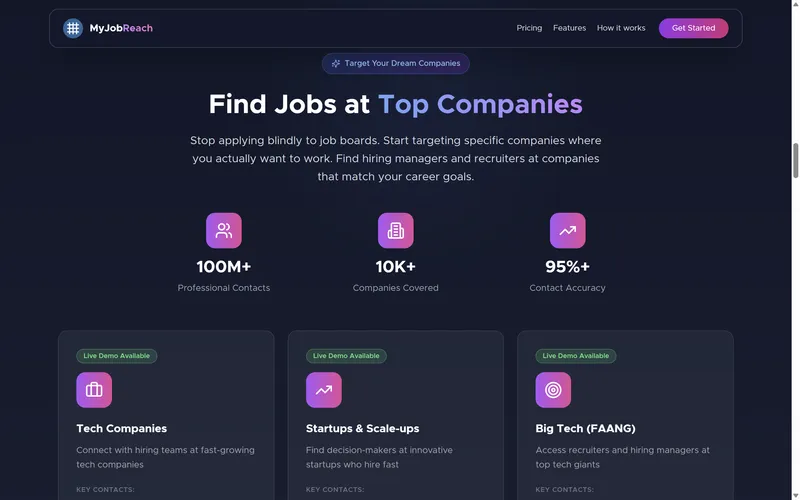
MyJobReach
Job matching platform connecting talented professionals with their dream opportunities.
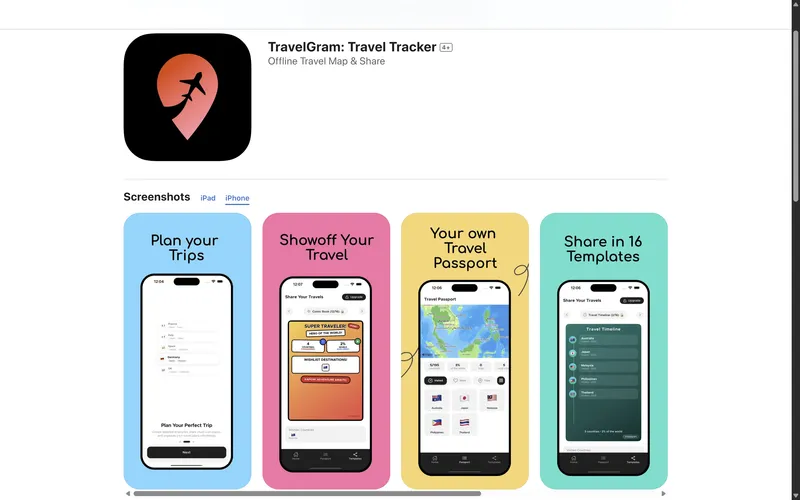
TravelGram
Social platform for travelers to share experiences, discover destinations, and connect globally.
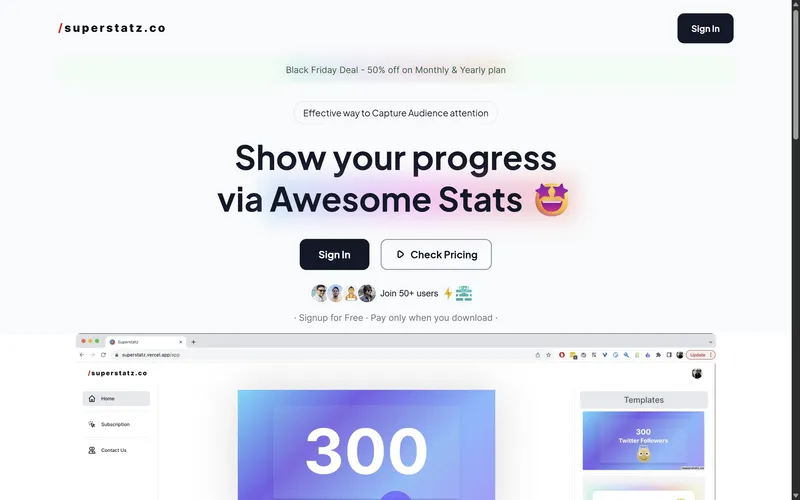
SuperStatz
Advanced sports statistics platform delivering in-depth analysis and performance metrics.
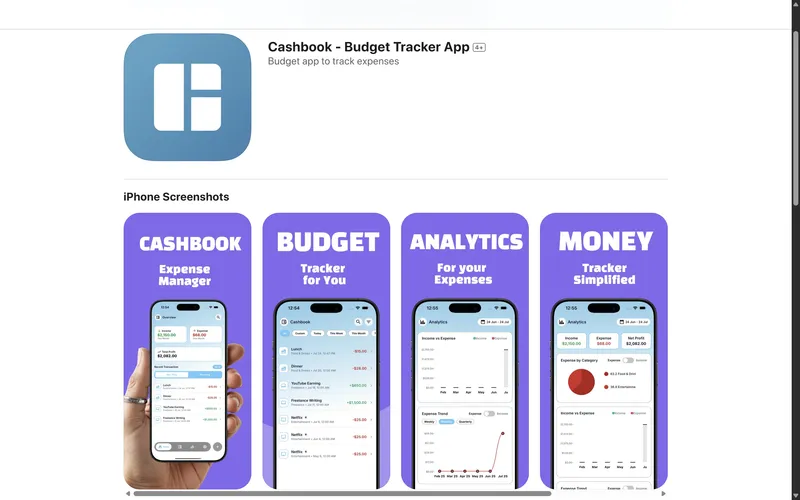
Cashbook
Simple expense tracking and budgeting app that helps users manage their finances effortlessly.
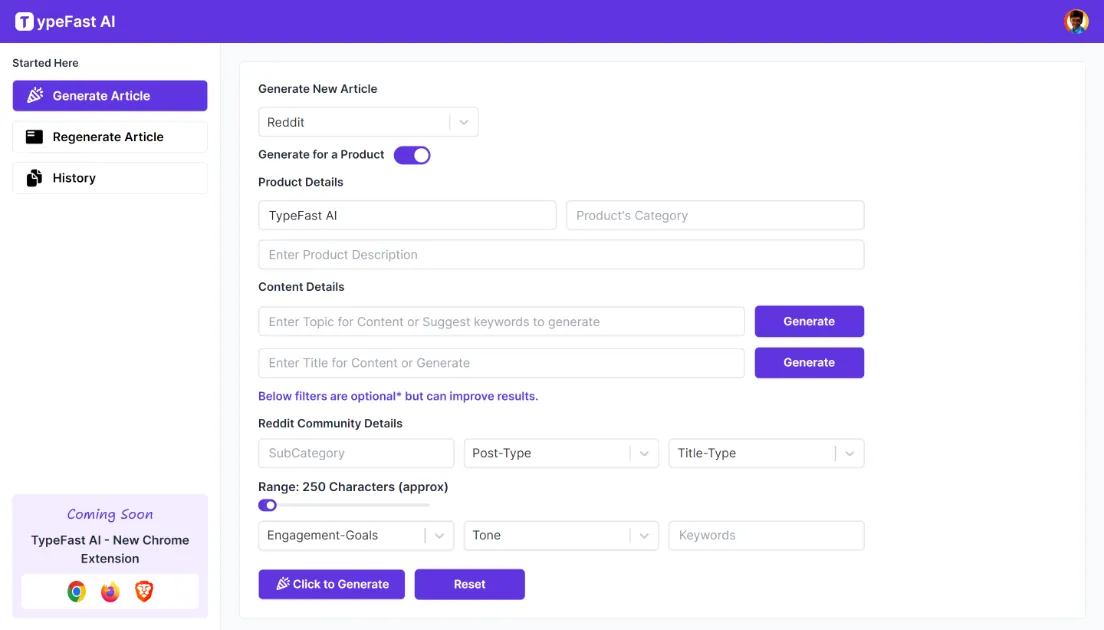
TypeFast
Typing speed improvement platform with gamified lessons and real-time performance tracking.
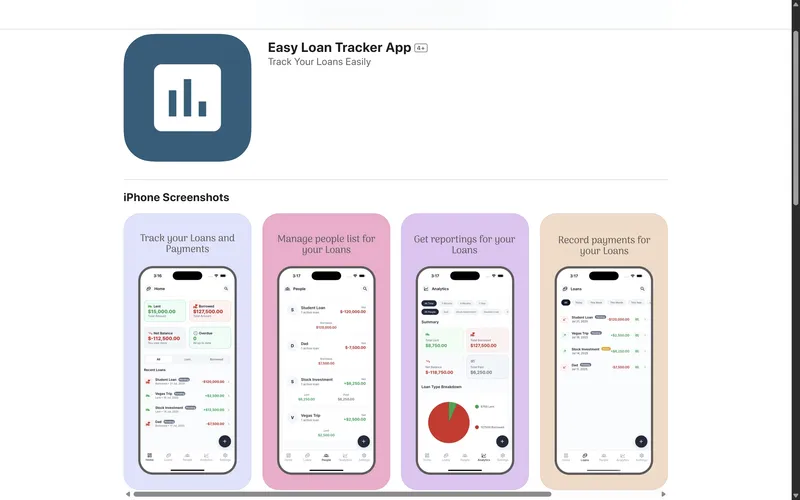
Easy Loan
Streamlined loan management system that simplifies borrowing and lending processes.
Explore Related Content
Discover more services, case studies, and insights
How to Build an App Like Uber: Matching, Tracking, and Supply
Building an on-demand app like Uber — driver matching, real-time location at scale, surge and supply balance, and the cold-start problem per city.
How to Build an App Like Zillow: Listings, Valuation, and Leads
Building a property portal — listing data access, automated valuation models, map-first search at scale, and the lead business that actually pays.
How to Build an App Like Zocdoc: Healthcare Booking
Building a healthcare appointment marketplace — provider availability, insurance filtering, EHR integration, HIPAA scope, and no-show economics.
iOS App Consulting
Expert iOS consulting for startups and product teams. We help you define the right architecture, make the right technology choices, and ship iOS apps that perform on day one — without the costly mistakes that come from building alone.
Design Systems
Build a scalable design system that connects your design and engineering teams. We create token-driven component libraries, Figma systems, and living documentation — so your product ships faster and looks consistent everywhere.
How to Develop an AI-Driven Mobile App: A Practical 2026 Guide
A step-by-step guide to developing an AI-driven mobile app — defining the use case, choosing on-device vs cloud AI, picking your stack, building the model, and shipping.
Selecting an AI Development Partner for Enterprise Software
How enterprise teams should evaluate an AI development partner: technical AI depth, SOC 2/GDPR/HIPAA compliance, security and data governance, legacy integration, scalable architecture, SLAs, and procurement fit — with a checklist and vendor questions.
Bubble Alternatives: Best No-Code and Code Options 2026
Looking for Bubble alternatives? Compare the best no-code platforms and professional development options for building web applications.
Ready to Build Your MVP?
Schedule a complimentary strategy session. Transform your concept into a market-ready MVP within 2-3 weeks. Partner with us to accelerate your product launch and scale your startup globally.