Fine-Tuning vs RAG: Which One Your Problem Needs
Fine-tuning or retrieval-augmented generation? What each actually fixes, why RAG is usually the right first move, and the cases where fine-tuning wins.
The distinction that decides it
RAG gives the model facts it didn't have. You retrieve relevant documents at query time and put them in the prompt. The model's capabilities are unchanged; its information is current.
Fine-tuning changes the model's behavior. You train on examples until it adopts a format, tone, or task pattern reliably. Its knowledge is largely unchanged; its output shape is different.
So the diagnostic question is: is the model failing because it doesn't know something, or because it isn't behaving the way you need?
When RAG is the answer
- The model needs current or proprietary information — your documentation, policies, tickets, product catalog
- Answers must cite sources
- Information changes often, and retraining per change is absurd
- Different users must see different data, which access-filtered retrieval handles naturally
This covers the large majority of business applications. Almost every "AI over our internal knowledge" project is a retrieval problem.
When fine-tuning is the answer
- You need a rigid output format that prompting achieves only inconsistently
- You need a specific voice or style that's hard to describe but easy to demonstrate
- A narrow, repetitive classification or extraction task where a small fine-tuned model beats a large prompted one on both cost and latency
- Latency or per-call cost matters enough that a smaller specialized model is worth the training effort
That last one is underrated: a fine-tuned small model handling one task can be dramatically cheaper per call than prompting a frontier model, which matters at volume.
The mistake that wastes months
Teams fine-tune to teach the model facts. It half-works — the model produces confident answers in roughly the right shape, with details subtly wrong, and there's no citation to check against. Then the facts change and the training run is stale.
If the requirement is "the model should know our documentation," that's retrieval. Every time.
Doing both
Common in mature systems: fine-tune a small model for the task shape, use retrieval for the facts. A support assistant might be fine-tuned to answer in your house style and escalation format, while retrieving the actual policy text per query.
Worth doing in that order, though — get retrieval right first, because retrieval quality usually dominates.
Before either
Most quality problems we're asked to fix with fine-tuning are retrieval problems. Chunking strategy, hybrid keyword-plus-vector search, and reranking typically move accuracy more than any model change.
Build the evaluation set first. Without one you cannot tell which intervention helped, and you'll spend the budget guessing.
What You'll Get
The right diagnosis
Knowledge gap or behavior gap, decided from your failures.
Evaluation set first
Real cases and a score, so you can tell what helped.
Retrieval tuned before training
Chunking, hybrid search, reranking — usually the bigger lever.
FAQ
Should I use RAG or fine-tuning?
RAG if the model lacks information — your documents, policies, or current data. Fine-tuning if it lacks a behavior — a rigid output format, a specific voice, or a narrow repetitive task where a small specialized model beats a large prompted one. Knowledge gap versus behavior gap is the deciding question.
Can fine-tuning teach a model new facts?
Poorly, and it's the most costly mistake in AI scoping. Fine-tuning on facts produces confident answers in the right shape with details subtly wrong, no citations to verify against, and staleness the moment the facts change. If the need is 'know our documentation,' that's retrieval.
Is it worth doing both?
In mature systems, yes — fine-tune a small model for task shape and use retrieval for facts. But do retrieval first: retrieval quality usually dominates output quality, and most problems teams try to solve with fine-tuning turn out to be chunking, hybrid search, or reranking problems.
Trusted by Global Companies Building AI Products
We've helped startups and enterprises worldwide transform their AI ideas into production-ready MVPs in 2–3 weeks. From fintech platforms to AI assistants, our global MVP development services have launched 18+ AI products serving users across the US, Europe, and Asia.
Portfolio: AI Products Built for Global Startups
From content platforms and AI assistants to analytics dashboards and fintech solutions—see how we've transformed ideas into production-ready MVPs in 2-3 weeks across diverse industries. Each product launched successfully, serving users globally.
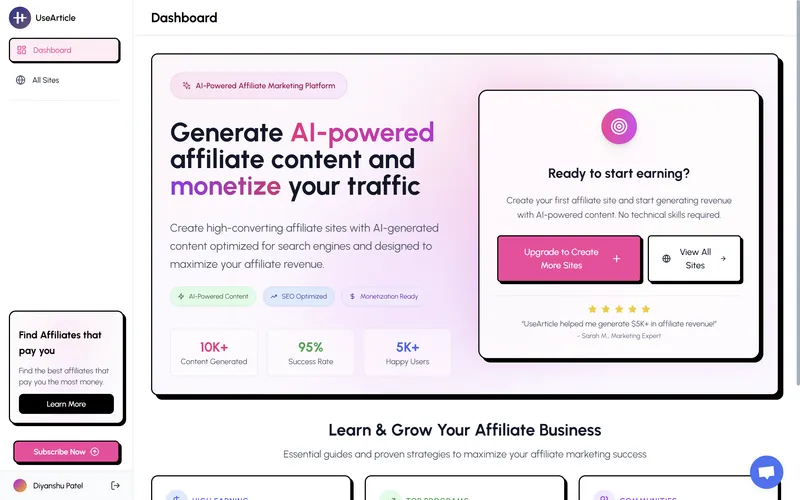
UseArticle
AI-powered content creation and management platform that helps teams produce high-quality articles at scale.
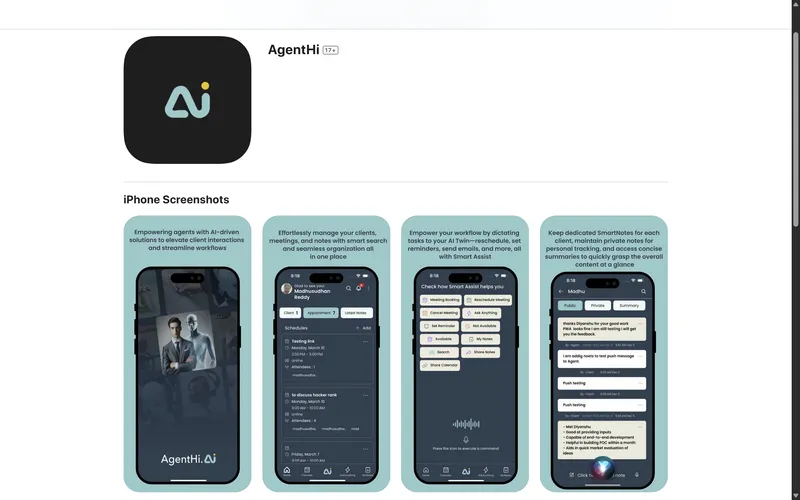
AgentHi
Intelligent virtual assistant that streamlines customer support and automates routine business tasks.
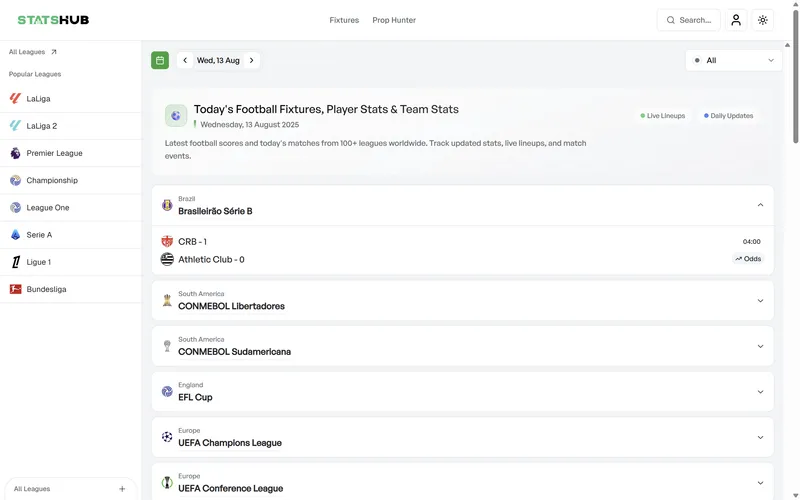
StatsHub
Comprehensive analytics dashboard providing real-time insights and data visualization for businesses.
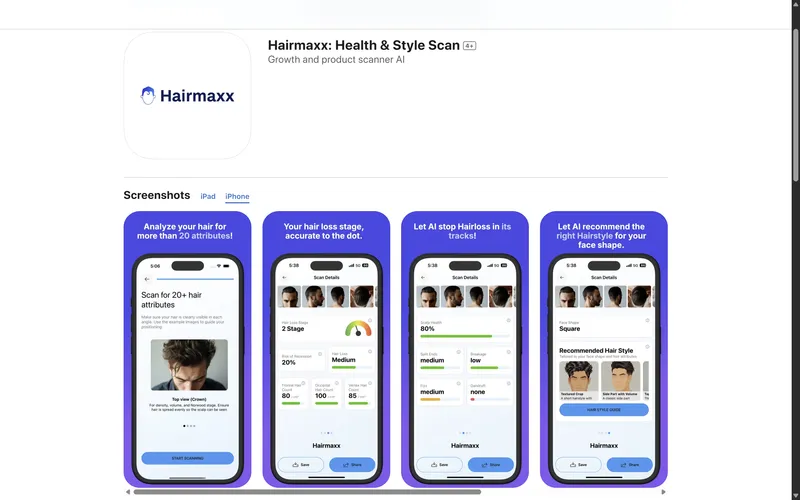
Harimaxx
Personal fitness companion with AI-driven workout plans and nutrition tracking for optimal health.
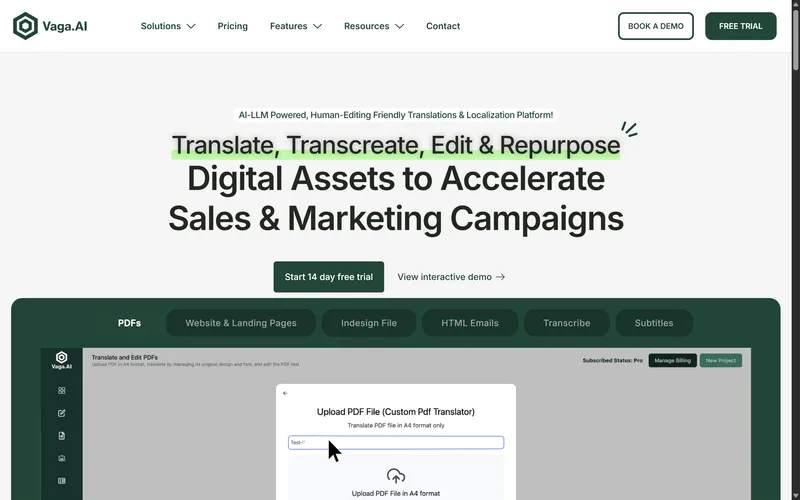
Vaga
Smart travel planning app that curates personalized itineraries and local experiences.
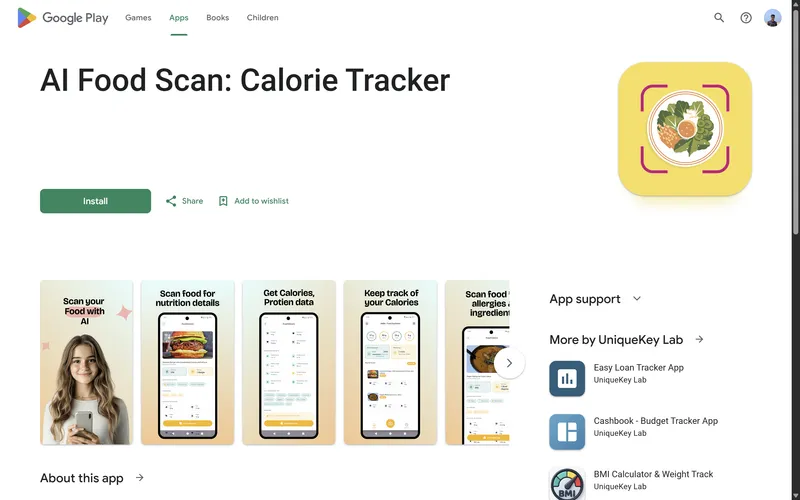
FoodScan
Nutrition analysis app that scans food items and provides detailed nutritional information instantly.
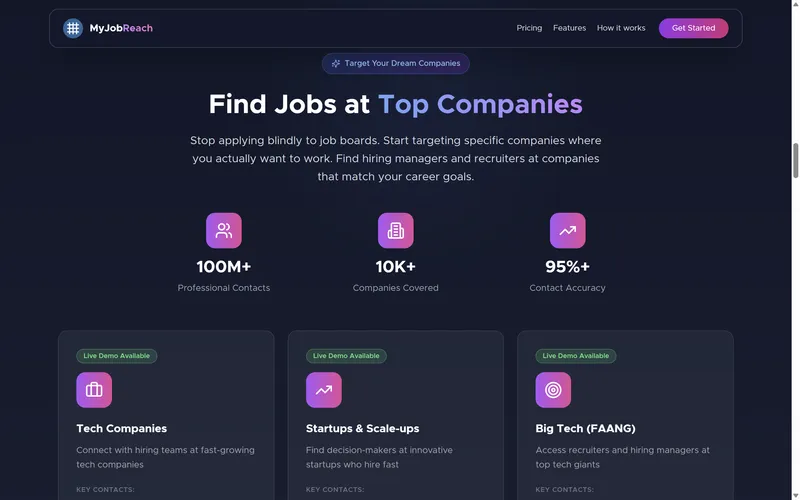
MyJobReach
Job matching platform connecting talented professionals with their dream opportunities.
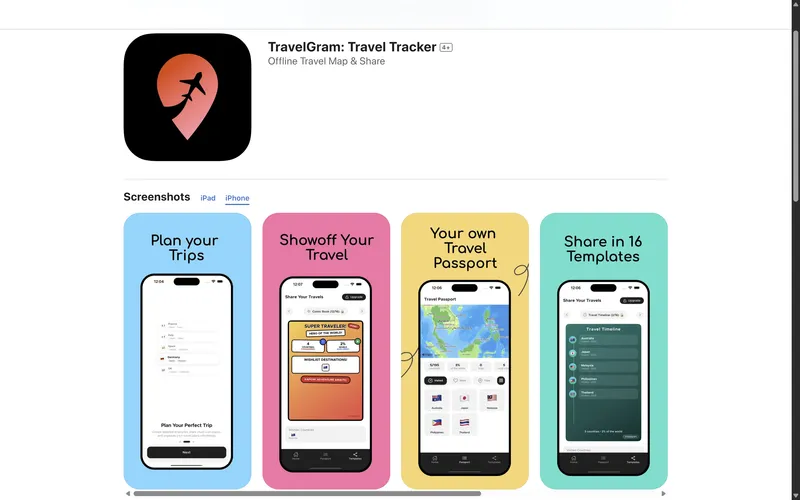
TravelGram
Social platform for travelers to share experiences, discover destinations, and connect globally.
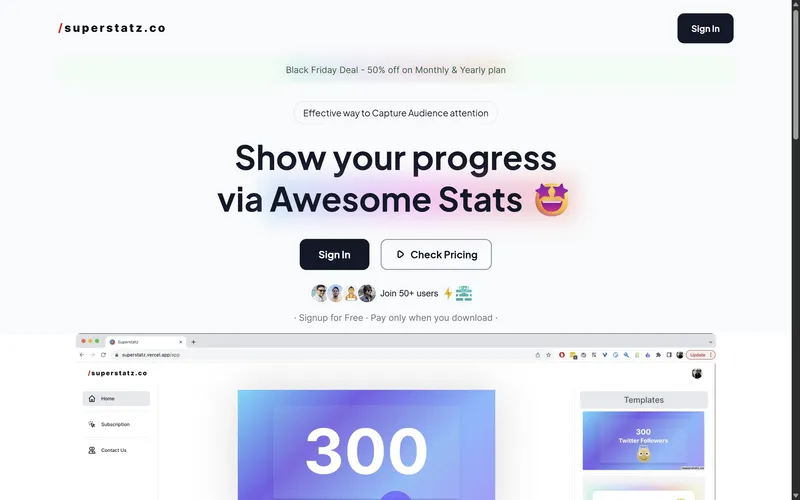
SuperStatz
Advanced sports statistics platform delivering in-depth analysis and performance metrics.
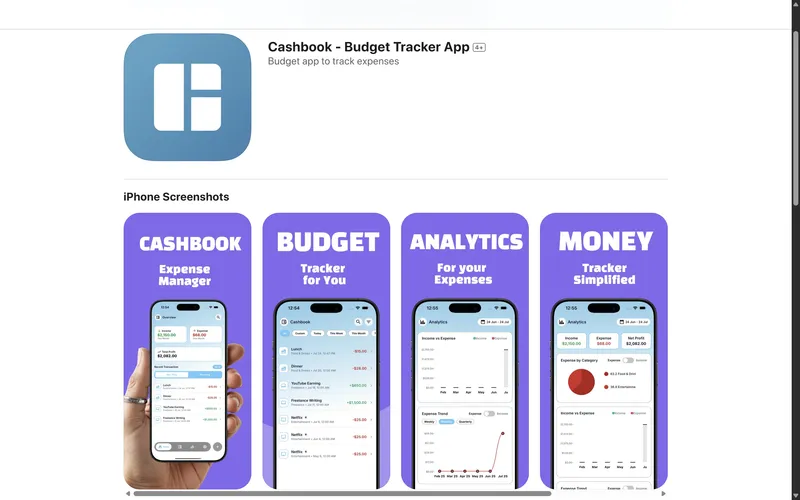
Cashbook
Simple expense tracking and budgeting app that helps users manage their finances effortlessly.
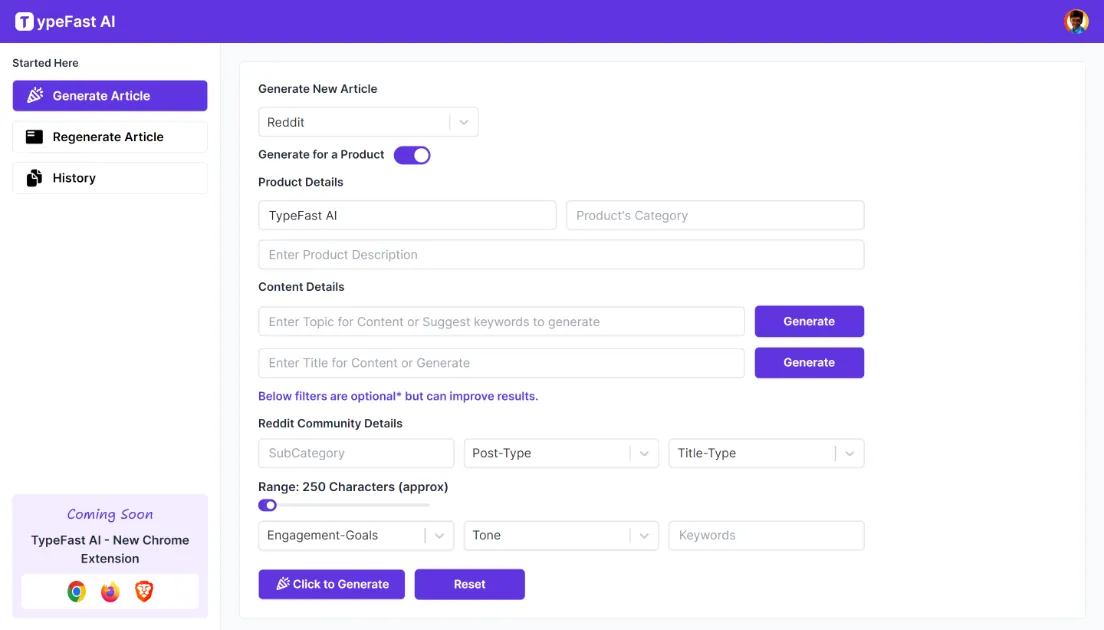
TypeFast
Typing speed improvement platform with gamified lessons and real-time performance tracking.
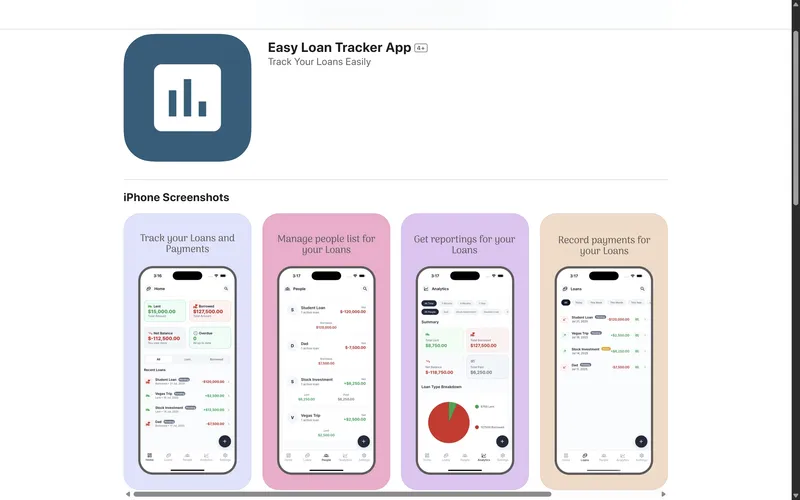
Easy Loan
Streamlined loan management system that simplifies borrowing and lending processes.
Explore Related Content
Discover more services, case studies, and insights
Fintech & Digital Banking Software Development Services
Fintech software development services from SpeedMVPs: neobank, wallet, payments, lending, and KYC/AML builds shipped as a compliant, production MVP in 3-4 weeks.
Firebase vs Supabase for MVPs: An Honest Comparison
Firebase or Supabase for your MVP? Data model, auth, pricing at scale, and vendor lock-in compared — with the cases where each is clearly the right pick.
Flutter vs React Native in 2026: Which Is Better for Your AI MVP?
Deep comparison of Flutter and React Native for AI MVPs in 2026. Ecosystem, performance, hiring, and how each fits into an AI product stack.
iOS App Consulting
Expert iOS consulting for startups and product teams. We help you define the right architecture, make the right technology choices, and ship iOS apps that perform on day one — without the costly mistakes that come from building alone.
Design Systems
Build a scalable design system that connects your design and engineering teams. We create token-driven component libraries, Figma systems, and living documentation — so your product ships faster and looks consistent everywhere.
How to Build an MVP Without a Developer Using AI (2026 Playbook)
An honest 2026 playbook for non-technical founders: which AI no-code tools can actually build an MVP, where they break (auth, payments, scale), and when to bring in engineers.
Builder.ai Free Plan & Alternatives in 2026: What to Use After the Collapse
Builder.ai collapsed in 2025, so there is no reliable free plan to build on. Here are the safe free alternatives — no-code builders and a free AI dev stack — with a lock-in-risk comparison.
The Fintech Fortress: How a 3-Week AI MVP Detected Billions in Fraud Without Breaching a Single Data Wall
A digital citadel: rapid, unbreachable, and utterly adaptive AI MVP with zero-trust architecture, federated learning, and compliance-first design.
Ready to Build Your MVP?
Schedule a complimentary strategy session. Transform your concept into a market-ready MVP within 2-3 weeks. Partner with us to accelerate your product launch and scale your startup globally.