Stripe Billing for SaaS MVPs: What to Build and What to Skip
Adding Stripe to a SaaS MVP — subscriptions, webhooks, proration, and failed payments. What matters at launch and what you can safely defer.
Skip this at MVP stage
Don't build billing before you have customers. If you have fewer than ten, invoice them manually. A signed contract and a paid invoice prove willingness to pay far better than a Stripe integration, and manual invoicing teaches you what your pricing model should actually be.
Don't build a custom checkout. Stripe Checkout and the Customer Portal handle payment collection, card updates, cancellations, and invoice history. A custom flow means owning PCI scope and every edge case for a marginal design gain.
Don't build usage-based billing unless usage-based pricing is your model. It's substantially more complex than seats and most products don't need it at launch.
What you do have to get right
Webhooks are the source of truth, not your checkout redirect. The user closes the tab before redirect; the payment still succeeds. If you provision access on redirect, that customer paid and got nothing. Provision on the webhook.
Verify webhook signatures. An unverified endpoint lets anyone grant themselves a subscription with a forged POST. This is not theoretical.
Handle webhooks idempotently. Stripe retries and can deliver the same event more than once. Store processed event IDs and no-op on repeats, or customers get double-provisioned.
Reconcile state rather than mirroring it. Don't try to keep a full copy of Stripe's subscription state in your database. Store the customer and subscription ID plus the access level you derive, and re-read from Stripe when it matters. Divergence between two sources of truth causes the worst billing bugs.
Failed payments need a path. Cards expire constantly. Stripe's Smart Retries plus dunning emails plus a grace period before downgrade is the minimum. Cutting access on the first failure loses customers who simply need to update a card.
The events that matter
Four cover most of it: subscription created, subscription updated (upgrades, downgrades, cancellations), payment failed, and payment succeeded after a failure. Everything else can wait.
Proration and plan changes
Stripe handles the math. What you own is the access decision: does an upgrade apply immediately, does a downgrade apply now or at period end, what happens to work created above the new plan's limits?
These are product decisions and they need answering before you write the code — retrofitting them is where billing rewrites come from.
What we build
Stripe Checkout and Portal rather than custom flows, signature-verified idempotent webhook handling, access derived from subscription state instead of mirrored, dunning with a grace period, and the plan-change rules decided up front. Usually two to three days when the pricing model is settled — and considerably longer when it isn't, which is the real reason billing overruns.
What You'll Get
Webhook-driven provisioning
Access granted on the event, not the redirect.
Idempotent, signature-verified
Retries can't double-provision; forged posts can't provision at all.
Dunning with a grace period
Expired cards recovered instead of churned.
FAQ
Should I build billing into my MVP?
Not before you have around ten paying customers. Invoice manually first — a signed contract and paid invoice prove willingness to pay better than a Stripe integration, and manual invoicing surfaces what your pricing model should actually be before you encode it.
Why should access be granted on the webhook rather than the redirect?
Because users close the tab before the redirect fires while the payment still succeeds. Provisioning on redirect means that customer paid and received nothing. The webhook is the reliable signal; the redirect is a UX convenience.
What's the most common Stripe integration mistake?
Two, equally common: not verifying webhook signatures, which lets anyone grant themselves a subscription with a forged request, and mirroring Stripe's full subscription state into your own database, which creates two sources of truth that inevitably diverge.
Trusted by Global Companies Building AI Products
We've helped startups and enterprises worldwide transform their AI ideas into production-ready MVPs in 2–3 weeks. From fintech platforms to AI assistants, our global MVP development services have launched 18+ AI products serving users across the US, Europe, and Asia.







Portfolio: AI Products Built for Global Startups
From content platforms and AI assistants to analytics dashboards and fintech solutions—see how we've transformed ideas into production-ready MVPs in 2-3 weeks across diverse industries. Each product launched successfully, serving users globally.
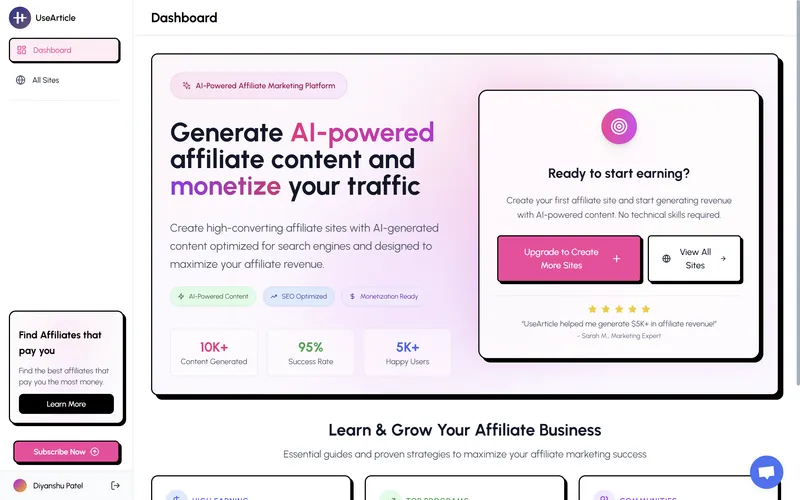
UseArticle
AI-powered content creation and management platform that helps teams produce high-quality articles at scale.
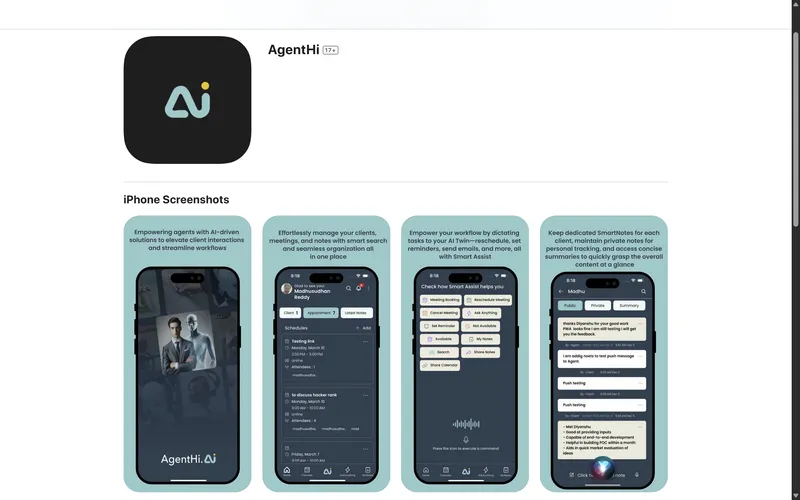
AgentHi
Intelligent virtual assistant that streamlines customer support and automates routine business tasks.
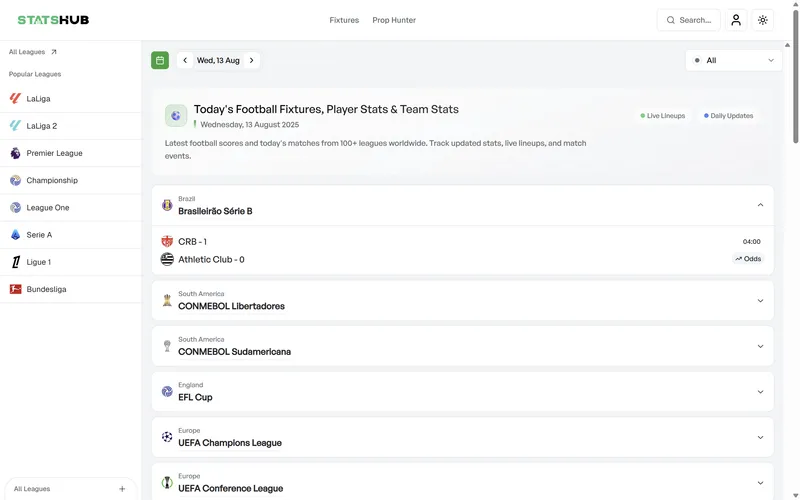
StatsHub
Comprehensive analytics dashboard providing real-time insights and data visualization for businesses.
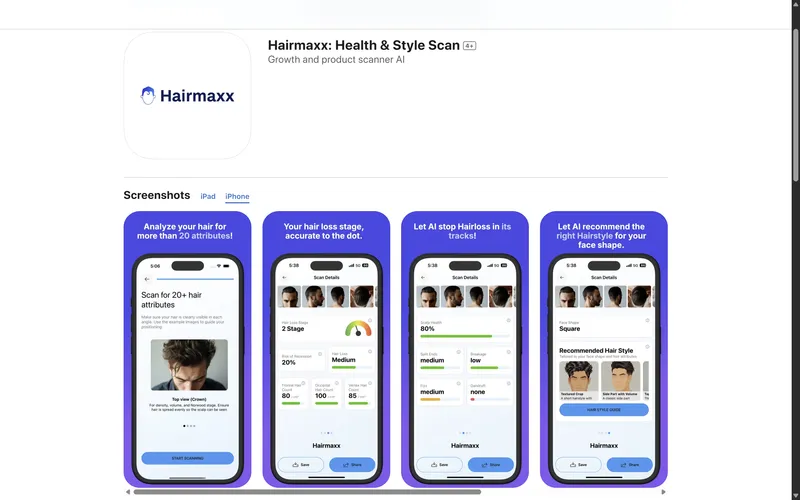
Harimaxx
Personal fitness companion with AI-driven workout plans and nutrition tracking for optimal health.
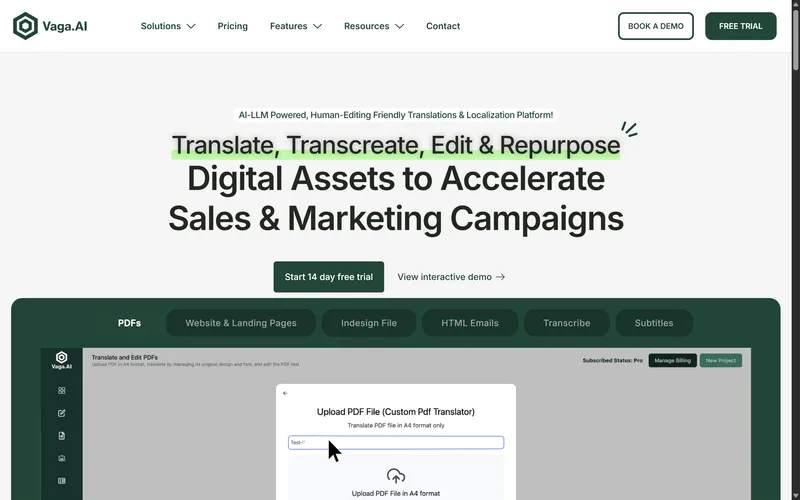
Vaga
Smart travel planning app that curates personalized itineraries and local experiences.
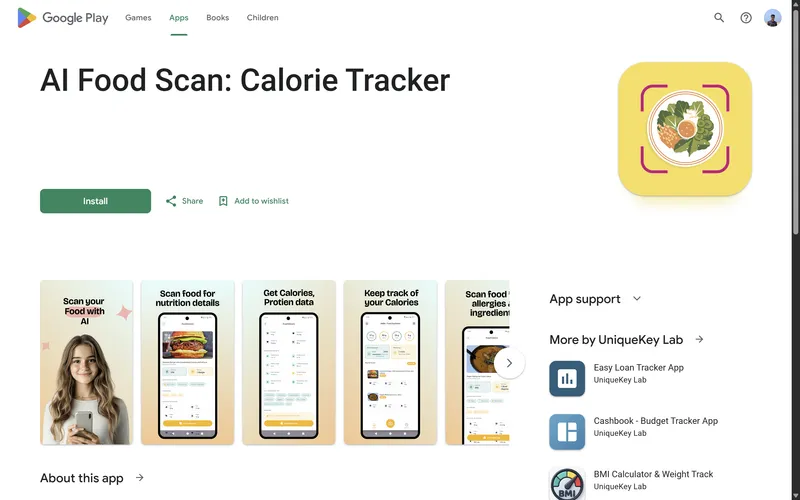
FoodScan
Nutrition analysis app that scans food items and provides detailed nutritional information instantly.
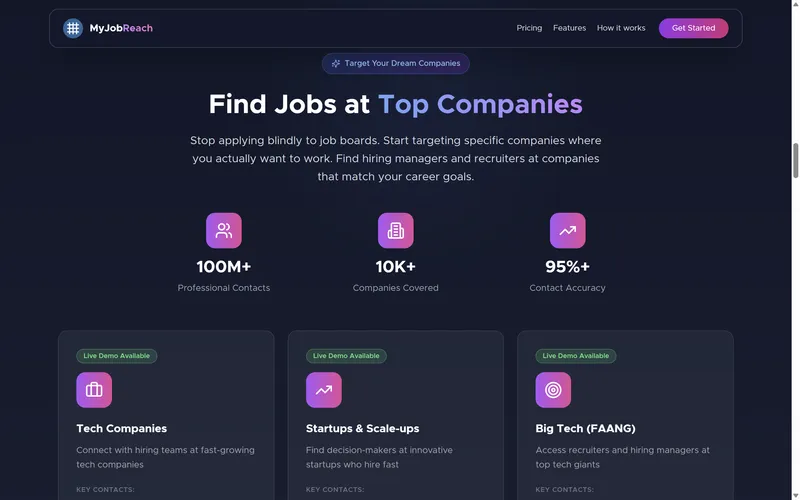
MyJobReach
Job matching platform connecting talented professionals with their dream opportunities.
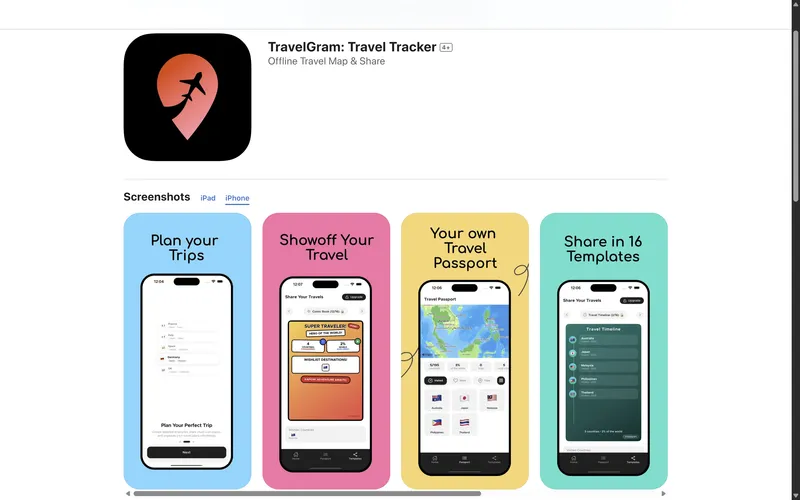
TravelGram
Social platform for travelers to share experiences, discover destinations, and connect globally.
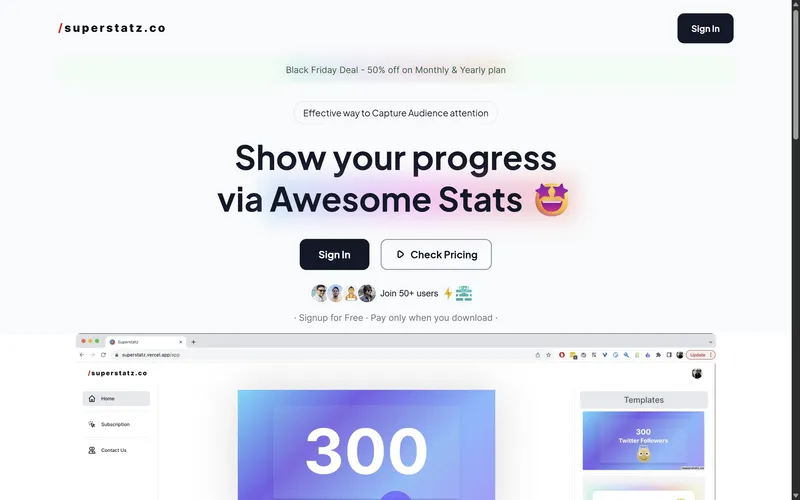
SuperStatz
Advanced sports statistics platform delivering in-depth analysis and performance metrics.
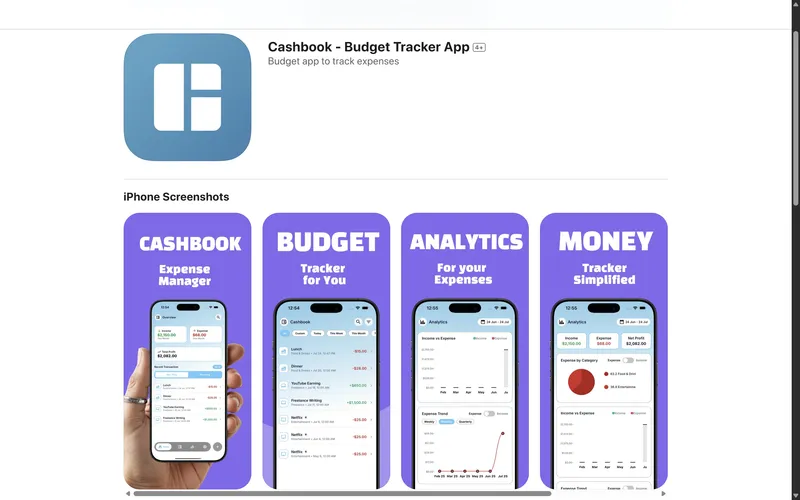
Cashbook
Simple expense tracking and budgeting app that helps users manage their finances effortlessly.
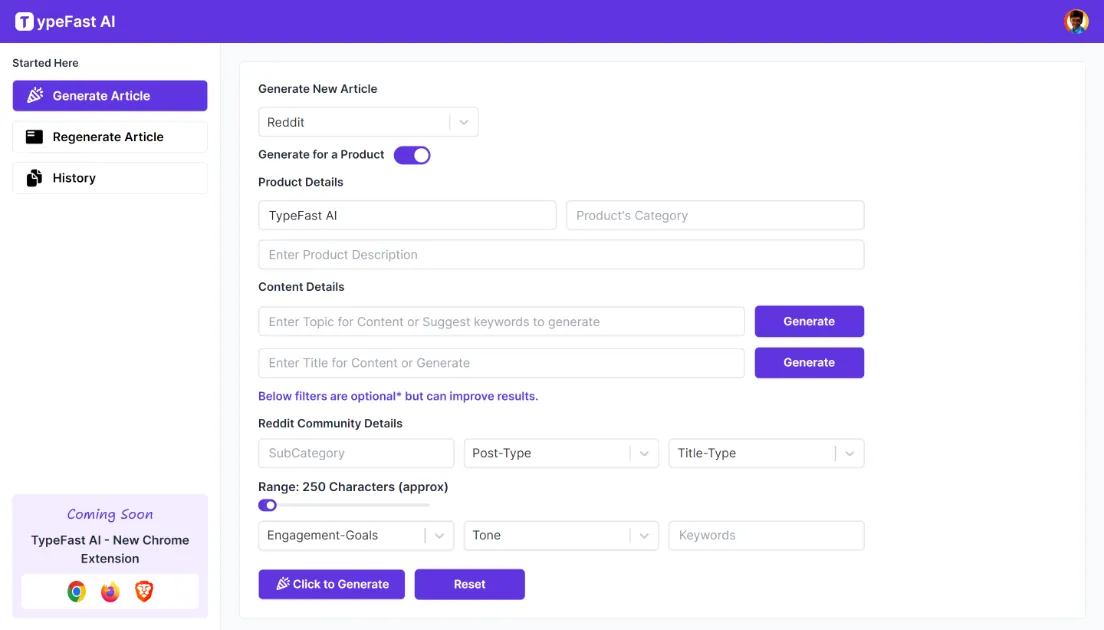
TypeFast
Typing speed improvement platform with gamified lessons and real-time performance tracking.
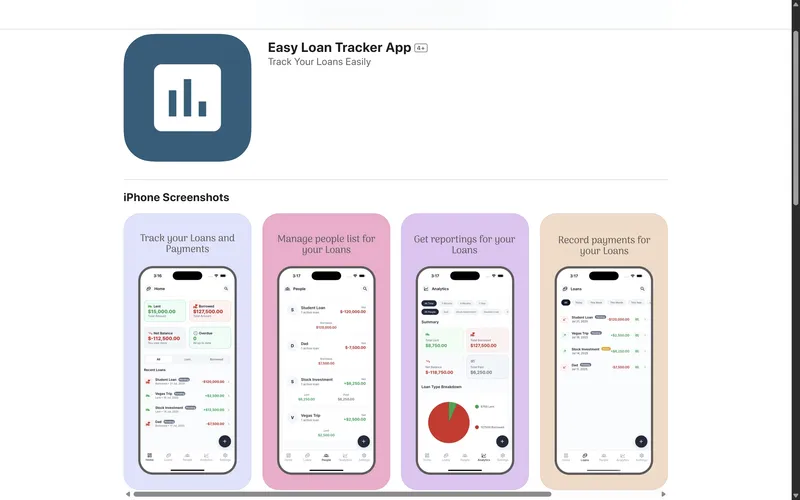
Easy Loan
Streamlined loan management system that simplifies borrowing and lending processes.
Explore Related Content
Discover more services, case studies, and insights
Supabase Backend for MVPs & AI Apps
Build MVP backends on Supabase: Postgres, auth, storage, and realtime. We set up a backend that’s fast to ship and safe to scale.
Tailwind CSS Development: Ship UI Faster Without a Design System
Tailwind CSS development for startup products. Why utility-first speeds up MVPs, where it gets messy, and how we keep it maintainable past launch.
US MVP Development Services for Startups and Enterprises
MVP development services for US startups and enterprises. Pacific- and Eastern-overlap delivery, React/Node and AI/LLM integration, working software in 2-3 weeks.
AI-Powered MVP Development
Launch a production-ready AI MVP in just 2-3 weeks. Our team blends rapid prototyping with enterprise-grade AI/ML engineering to validate your idea, attract investors, and win early customers.
Microservices Development
Design and build microservices architectures that scale independently, deploy safely, and stay maintainable as your product grows. We avoid the microservices pitfalls that hurt more teams than they help.
Builder.ai Free Plan & Alternatives in 2026: What to Use After the Collapse
Builder.ai collapsed in 2025, so there is no reliable free plan to build on. Here are the safe free alternatives — no-code builders and a free AI dev stack — with a lock-in-risk comparison.
25 AI SaaS Startup Ideas Worth Building in 2026 (With a Fast Validation Test for Each)
25 specific, buildable AI SaaS startup ideas for 2026 — each with the buyer who pays, the AI moat, and a 24-48 hour validation test. Pick one, validate it, ship the MVP in 2 weeks.
Beyond the Launchpad: How a 'Sprint-to-Scale' AI MVP Catapulted NovaSense from Idea to Industry Leader
AI MVP with real-time sentiment extraction, intelligent noise filtering, and interactive dashboards, followed by strategic scaling with modular microservices architecture and cloud autoscaling.
Ready to Build Your MVP?
Schedule a complimentary strategy session. Transform your concept into a market-ready MVP within 2-3 weeks. Partner with us to accelerate your product launch and scale your startup globally.