Tailwind CSS Development: Ship UI Faster Without a Design System
Tailwind CSS development for startup products. Why utility-first speeds up MVPs, where it gets messy, and how we keep it maintainable past launch.
Why it suits MVP work
No naming. In traditional CSS a meaningful share of front-end time goes into inventing class names and deciding which file they live in. Utility classes remove that decision entirely.
Styles are local. Changing a component's appearance means editing that component. There's no shared stylesheet where a change might break a page you haven't opened.
Dead CSS disappears. The build only emits classes it finds in your source. Delete a component and its styles leave with it — no orphaned rules accumulating.
Design constraints come free. The default spacing, color, and type scales are a design system you didn't have to define. For a team without a designer, that alone produces a more coherent interface than ad-hoc values would.
Where it gets messy
Long class strings. A complex element accumulates thirty utility classes and becomes hard to scan. The fix is component extraction, not @apply — pulling repeated markup into a real component keeps the utilities close to the element while removing the duplication.
@apply overuse. It's tempting to collapse utilities into semantic classes and recreate the CSS you were avoiding, now with an extra layer. Use it sparingly, for genuine primitives.
Conditional class chaos. Building class strings with template literals and ternaries gets unreadable fast. clsx or cva for variant-driven components keeps it legible.
Inconsistent arbitrary values. w-[347px] scattered around defeats the purpose. Arbitrary values should be rare and deliberate; if you need one repeatedly, it belongs in the theme.
Keeping it maintainable
The practices that matter past launch:
- Extend the theme, don't fight it. Brand colors, fonts, and spacing go in the config so they're referenced by name everywhere.
- Extract components at the second repetition, not the first and not the fifth.
- Use
cvafor variants — a button with size and intent variants is far more readable as a variant map than as nested ternaries. - Keep dark mode in the class strategy from the start. Retrofitting it across a built interface is genuinely tedious.
What we deliver
Interfaces built on Tailwind with the theme configured to your brand, components extracted where repetition warrants it, variant-driven primitives, and responsive and dark-mode behavior handled during the build rather than bolted on. Your next front-end hire can read it without a tour.
What You'll Get
Theme configured to your brand
Colors, type, spacing referenced by name, not hardcoded.
Variant-driven components
cva primitives instead of nested ternaries.
Responsive and dark mode built in
Handled during the build, not retrofitted.
FAQ
Is Tailwind CSS good for an MVP?
Yes — it removes naming decisions from the critical path, keeps styles local to components, and its default scales act as a design system you didn't have to define. For a team without a dedicated designer that usually produces a more coherent interface than ad-hoc CSS.
Does Tailwind make code unmaintainable?
Only if you skip component extraction. Long utility strings are a symptom of markup that should have become a component. Extract at the second repetition, use cva for variants, and extend the theme rather than scattering arbitrary values, and it stays readable.
Should I use @apply to clean up long class lists?
Sparingly. Collapsing utilities into semantic classes recreates the CSS architecture Tailwind avoids, with an extra indirection layer. Component extraction solves the same problem without giving up locality — reserve @apply for genuine primitives.
Trusted by Global Companies Building AI Products
We've helped startups and enterprises worldwide transform their AI ideas into production-ready MVPs in 2–3 weeks. From fintech platforms to AI assistants, our global MVP development services have launched 18+ AI products serving users across the US, Europe, and Asia.










Portfolio: AI Products Built for Global Startups
From content platforms and AI assistants to analytics dashboards and fintech solutions—see how we've transformed ideas into production-ready MVPs in 2-3 weeks across diverse industries. Each product launched successfully, serving users globally.
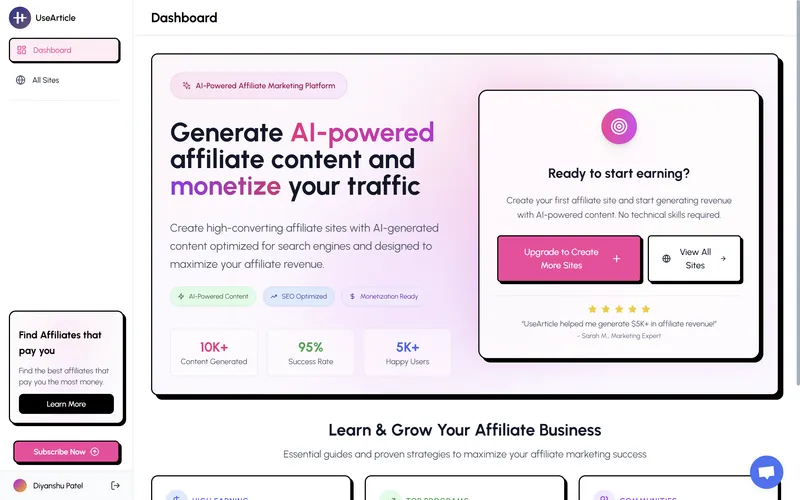
UseArticle
AI-powered content creation and management platform that helps teams produce high-quality articles at scale.
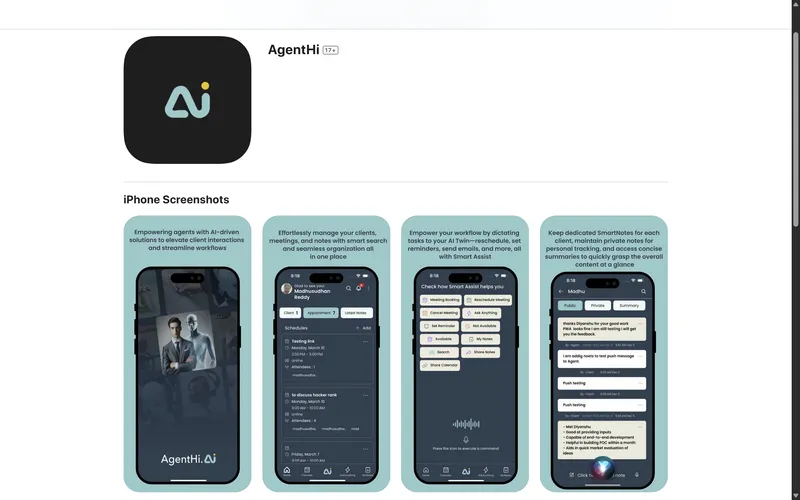
AgentHi
Intelligent virtual assistant that streamlines customer support and automates routine business tasks.
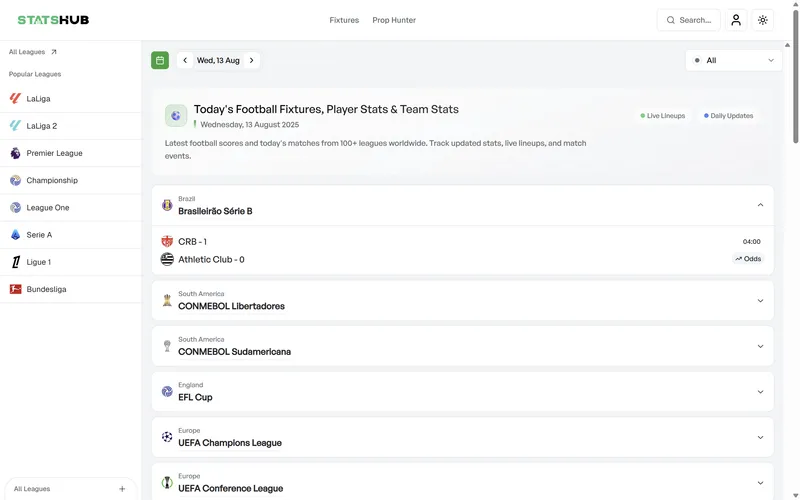
StatsHub
Comprehensive analytics dashboard providing real-time insights and data visualization for businesses.
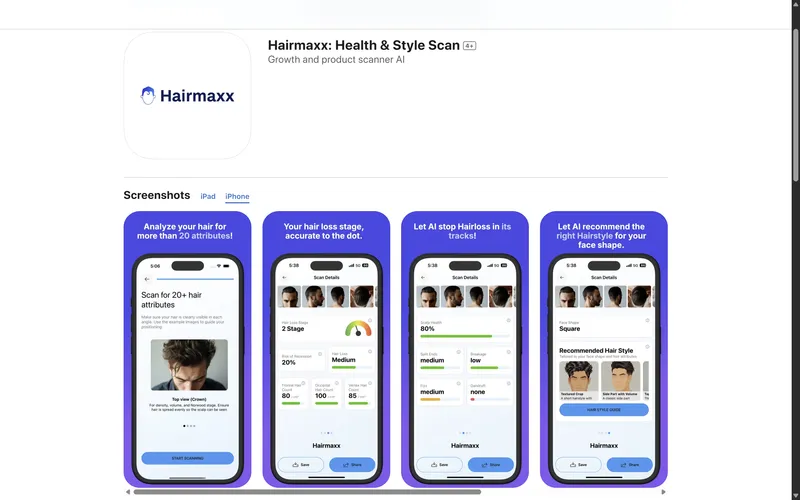
Harimaxx
Personal fitness companion with AI-driven workout plans and nutrition tracking for optimal health.
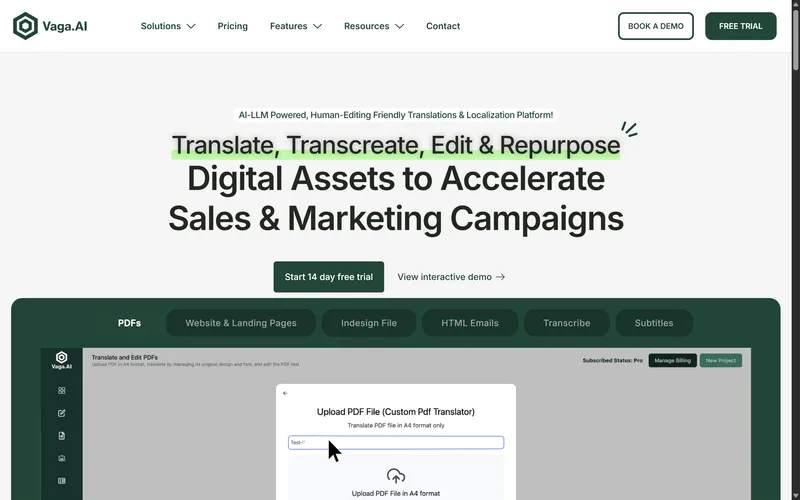
Vaga
Smart travel planning app that curates personalized itineraries and local experiences.
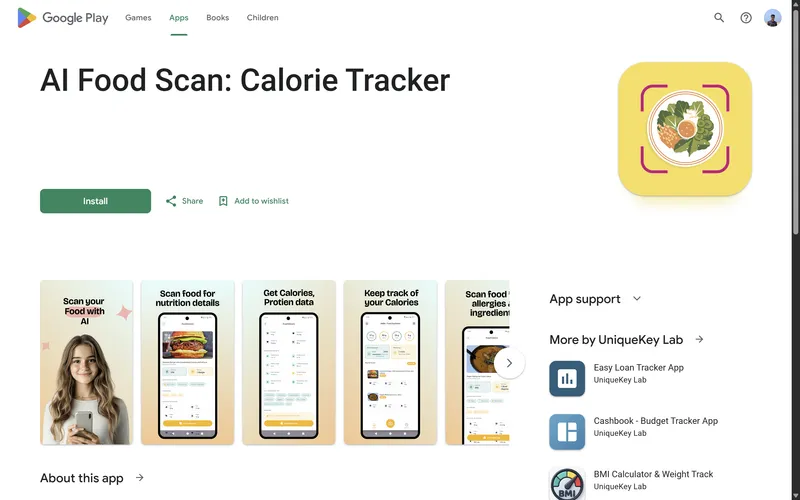
FoodScan
Nutrition analysis app that scans food items and provides detailed nutritional information instantly.
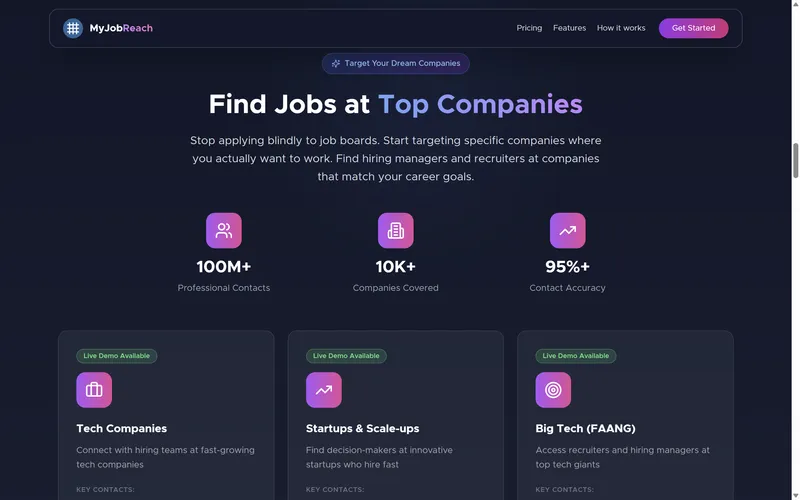
MyJobReach
Job matching platform connecting talented professionals with their dream opportunities.
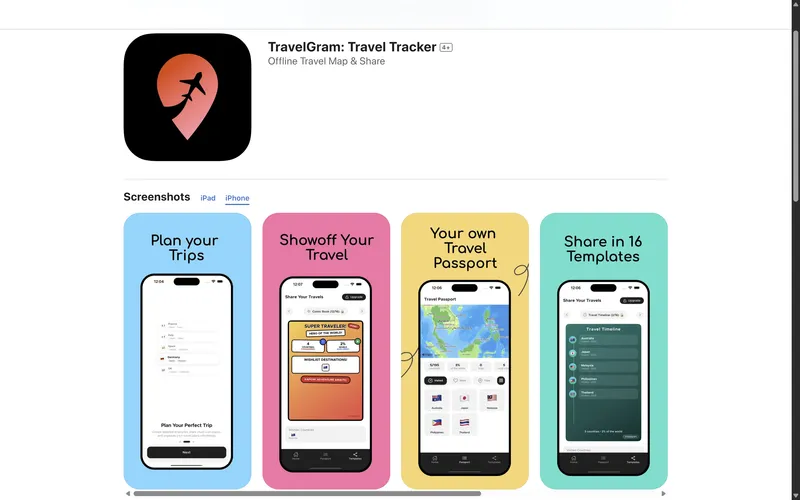
TravelGram
Social platform for travelers to share experiences, discover destinations, and connect globally.
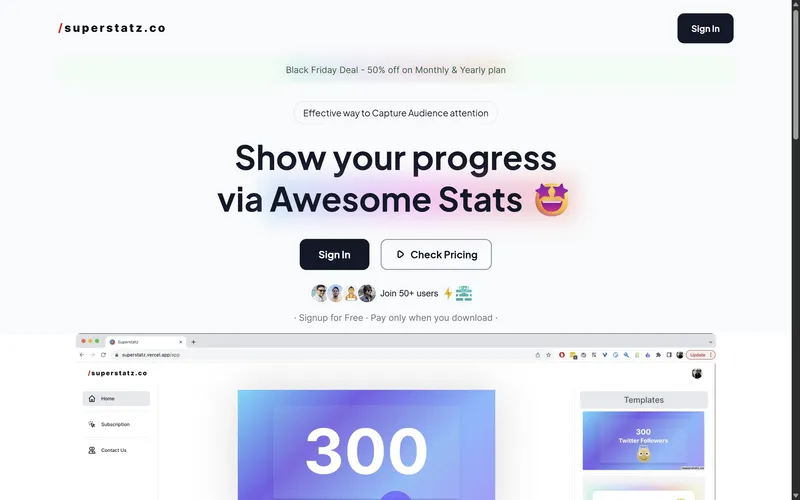
SuperStatz
Advanced sports statistics platform delivering in-depth analysis and performance metrics.
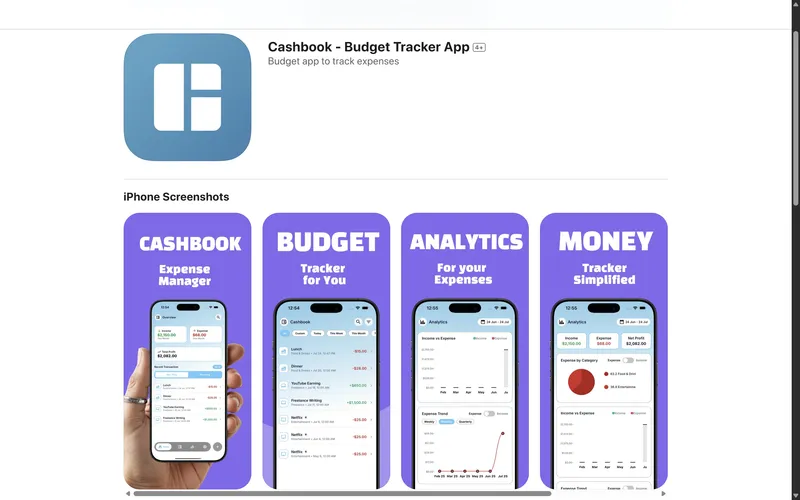
Cashbook
Simple expense tracking and budgeting app that helps users manage their finances effortlessly.
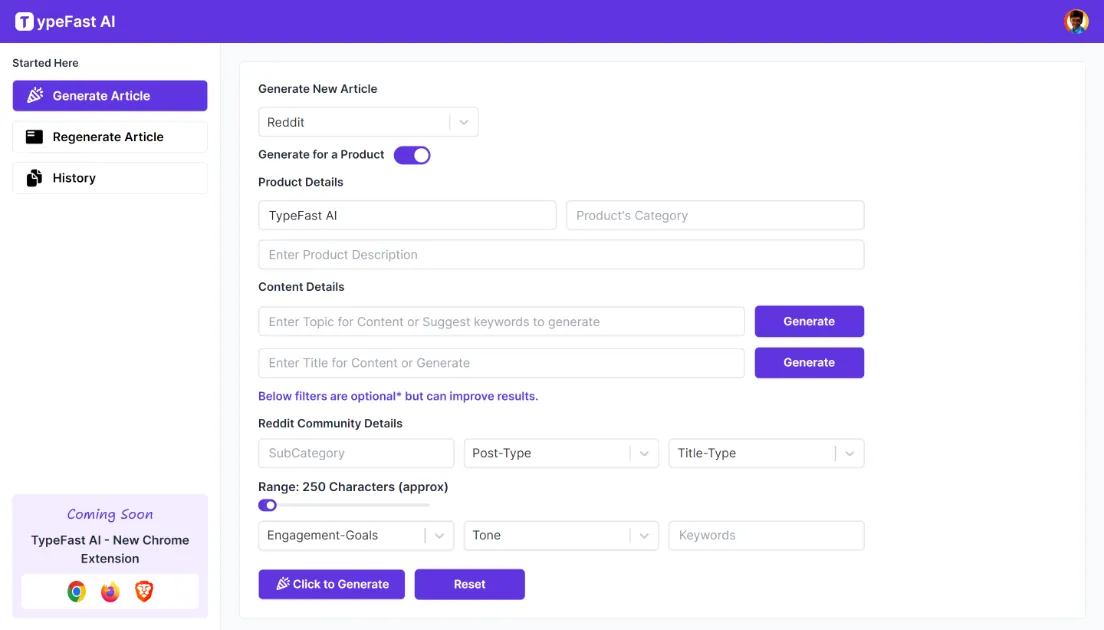
TypeFast
Typing speed improvement platform with gamified lessons and real-time performance tracking.
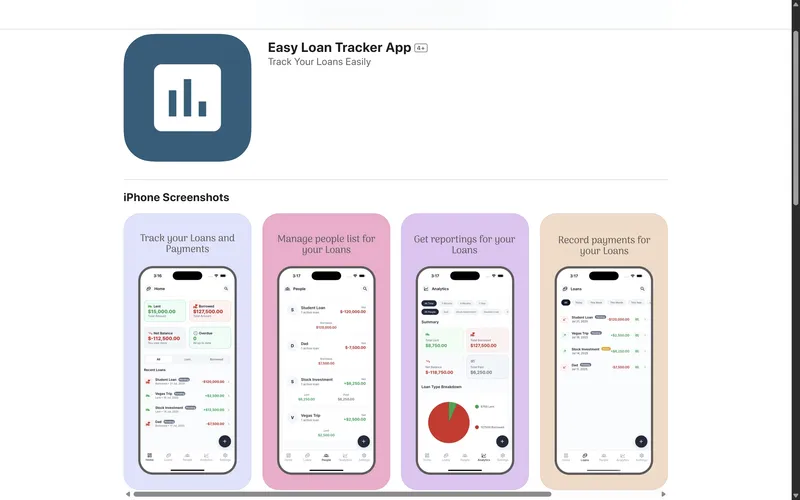
Easy Loan
Streamlined loan management system that simplifies borrowing and lending processes.
Explore Related Content
Discover more services, case studies, and insights
US MVP Development Services for Startups and Enterprises
MVP development services for US startups and enterprises. Pacific- and Eastern-overlap delivery, React/Node and AI/LLM integration, working software in 2-3 weeks.
Vector Database Architecture for AI Products
Design vector database architecture for RAG and AI search: embeddings, indexing, retrieval, and access control. Built to scale with predictable costs.
Vercel Hosting for Next.js MVPs
Deploy and scale Next.js MVPs on Vercel with best practices for performance, previews, rollbacks, and analytics. Fast iteration with production reliability.
AI-Powered MVP Development
Launch a production-ready AI MVP in just 2-3 weeks. Our team blends rapid prototyping with enterprise-grade AI/ML engineering to validate your idea, attract investors, and win early customers.
iOS App Consulting
Expert iOS consulting for startups and product teams. We help you define the right architecture, make the right technology choices, and ship iOS apps that perform on day one — without the costly mistakes that come from building alone.
How AI Agencies Ensure Quality and Scalability on Tight Timelines
How top AI development agencies ship quality, scalable products in 2-3 weeks: senior engineers, AI-assisted workflows with human review, production-grade architecture, and automated testing under real deadlines.
How to Develop an AI-Driven Mobile App: A Practical 2026 Guide
A step-by-step guide to developing an AI-driven mobile app — defining the use case, choosing on-device vs cloud AI, picking your stack, building the model, and shipping.
Beyond the Launchpad: How a 'Sprint-to-Scale' AI MVP Catapulted NovaSense from Idea to Industry Leader
AI MVP with real-time sentiment extraction, intelligent noise filtering, and interactive dashboards, followed by strategic scaling with modular microservices architecture and cloud autoscaling.
Ready to Build Your MVP?
Schedule a complimentary strategy session. Transform your concept into a market-ready MVP within 2-3 weeks. Partner with us to accelerate your product launch and scale your startup globally.