Voice AI Development Cost in 2026
What voice AI actually costs to build and run — speech-to-text, LLM, and text-to-speech per minute, plus the latency work that decides whether it feels usable.
The three cost components
A voice pipeline is three services in sequence, and each bills separately:
Speech-to-text. Billed per minute of audio processed. Streaming transcription costs more than batch but is mandatory for conversation.
The language model. Billed per token. Voice conversations accumulate context quickly — a ten-minute call can carry a long transcript into every turn, so token cost climbs faster than a chat interface with the same word count.
Text-to-speech. Billed per character generated. Higher-quality and cloned voices cost meaningfully more than standard ones.
Add telephony if you're on real phone numbers, billed per minute on top.
Why latency dominates the design
A conversation feels broken above roughly 800 milliseconds of response delay. Users start talking over the system, which corrupts the transcript, which produces a worse answer.
Hitting that budget across three sequential services is the actual engineering problem:
- Stream everything. Transcribe while the user speaks, start the model call on a partial transcript, begin speech synthesis on the first sentence rather than the full response.
- Endpointing. Detecting that the user has finished a sentence is harder than it sounds and is where most of the perceived delay lives.
- Interruption handling. Users talk over the assistant. Stopping playback, discarding queued audio, and re-entering listening cleanly is real work.
Teams that treat voice as "chat with audio bolted on" build something technically functional that nobody wants to use.
Where budget actually goes
In our experience the split is roughly: a third on the pipeline and latency work, a third on conversation design and handling the ways real speech goes wrong (accents, background noise, half-sentences, numbers), and a third on integrations — because a voice agent that can't act on anything is a demo.
The per-minute running cost is usually the smaller concern next to getting the interaction to feel natural.
Reducing cost sensibly
Route by complexity. Simple turns to a smaller, faster model; escalate only when needed. Often the largest saving available.
Cache repeated speech. Greetings, menu prompts, and confirmations are synthesized once, not every call.
Trim context aggressively. Summarize earlier turns rather than resending the full transcript each time.
Standard voices unless brand demands otherwise. Cloned voices are a real premium per character.
What we build
A scoped voice agent with streaming through the whole pipeline, interruption handling, a measured latency budget, and a cost model per minute of conversation before you commit to a launch. Typically two to three weeks, plus the conversation-design work, which is the part worth not rushing.
What You'll Get
Sub-second latency budget
Measured end to end, not estimated per component.
Cost per conversation minute
Modeled before launch across all three services.
Interruption handled properly
Barge-in, playback cancellation, clean re-listen.
FAQ
How much does voice AI development cost?
Build cost depends on scope, but budget typically splits into thirds: pipeline and latency engineering, conversation design and handling real-speech failure modes, and integrations so the agent can actually act. Running cost is per minute across speech-to-text, the language model, and text-to-speech, plus telephony if you use phone numbers.
What latency does a voice agent need?
Under roughly 800 milliseconds end to end. Above that users start talking over the system, which corrupts the transcript and degrades the answer. Hitting it requires streaming at every stage — transcribing while the user speaks, starting the model call on a partial transcript, and synthesizing from the first sentence.
How do you reduce voice AI running costs?
Route simple turns to a smaller model and escalate only when needed, cache synthesized audio for repeated prompts like greetings and confirmations, summarize earlier turns instead of resending full transcripts, and use standard voices unless brand requirements justify a cloned one.
Trusted by Global Companies Building AI Products
We've helped startups and enterprises worldwide transform their AI ideas into production-ready MVPs in 2–3 weeks. From fintech platforms to AI assistants, our global MVP development services have launched 18+ AI products serving users across the US, Europe, and Asia.


Portfolio: AI Products Built for Global Startups
From content platforms and AI assistants to analytics dashboards and fintech solutions—see how we've transformed ideas into production-ready MVPs in 2-3 weeks across diverse industries. Each product launched successfully, serving users globally.
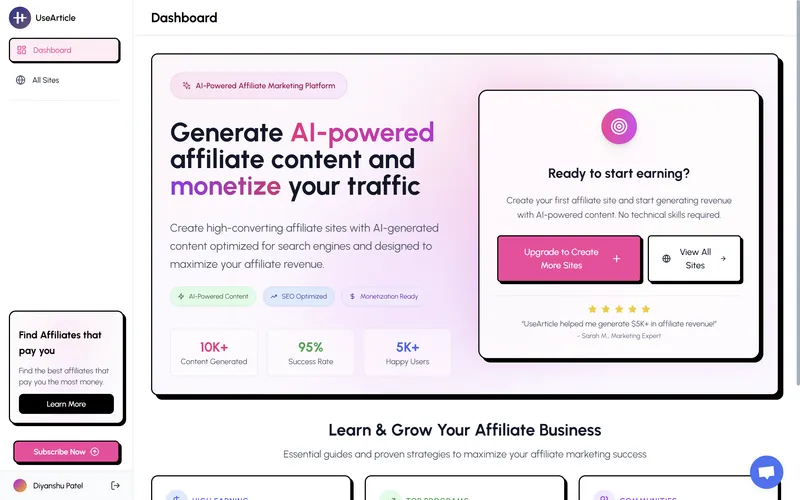
UseArticle
AI-powered content creation and management platform that helps teams produce high-quality articles at scale.
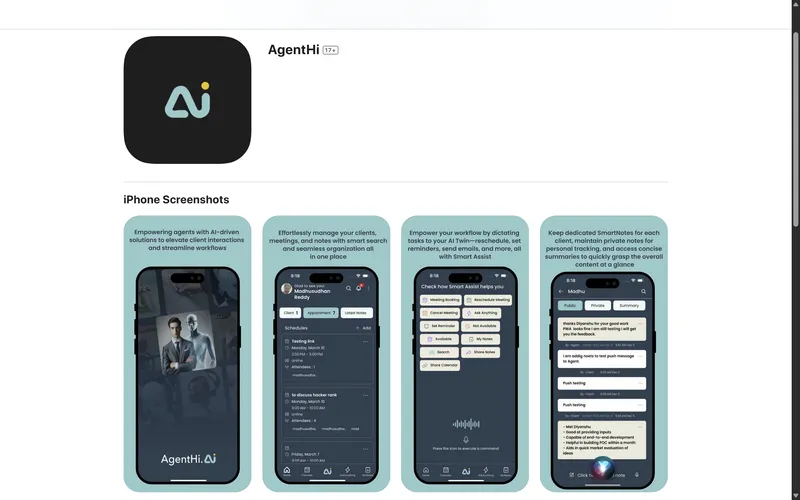
AgentHi
Intelligent virtual assistant that streamlines customer support and automates routine business tasks.
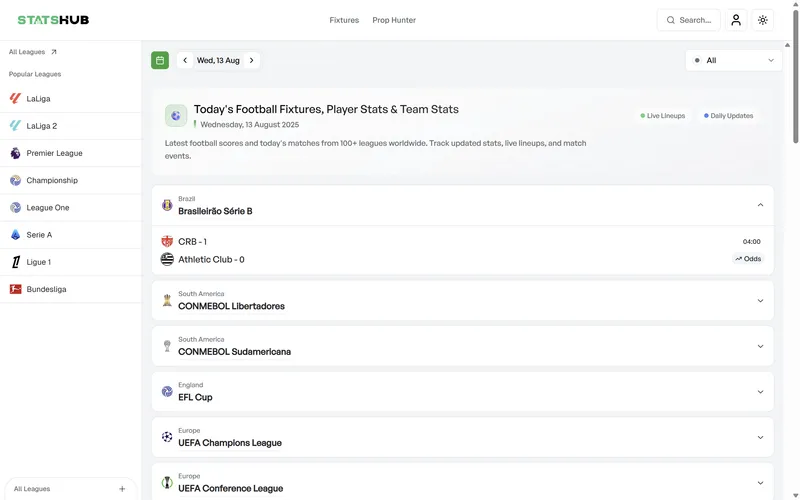
StatsHub
Comprehensive analytics dashboard providing real-time insights and data visualization for businesses.
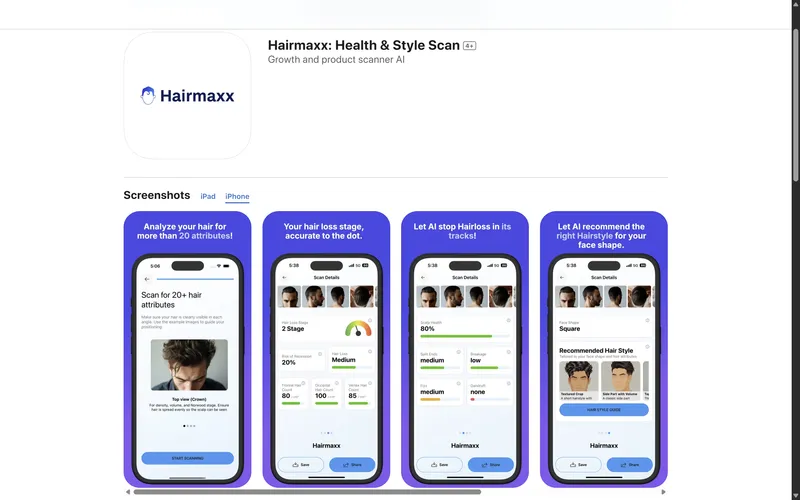
Harimaxx
Personal fitness companion with AI-driven workout plans and nutrition tracking for optimal health.
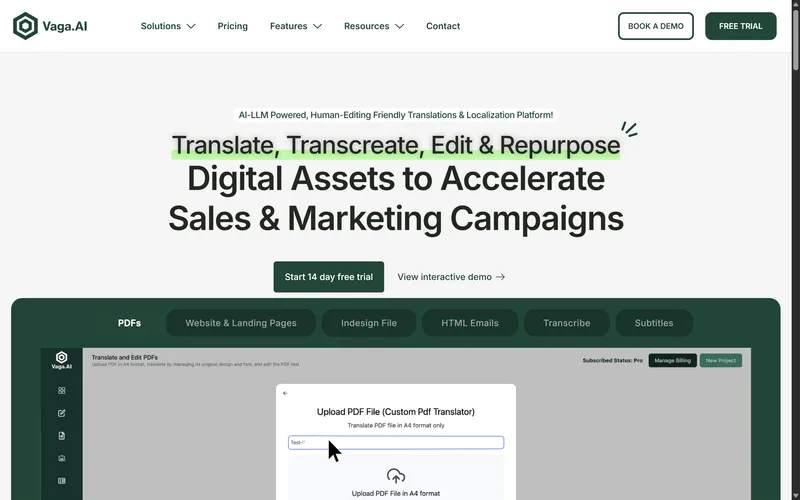
Vaga
Smart travel planning app that curates personalized itineraries and local experiences.
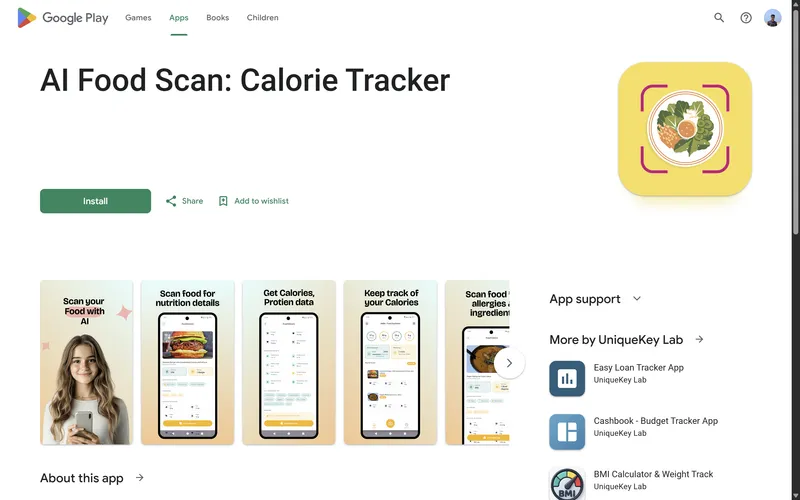
FoodScan
Nutrition analysis app that scans food items and provides detailed nutritional information instantly.
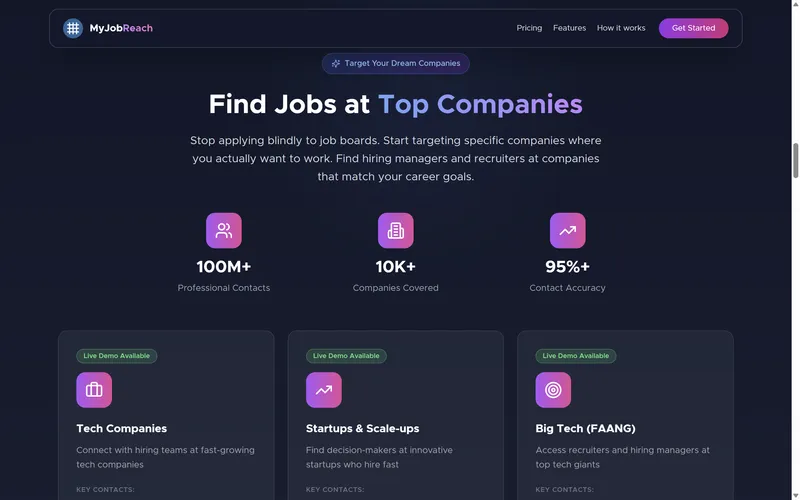
MyJobReach
Job matching platform connecting talented professionals with their dream opportunities.
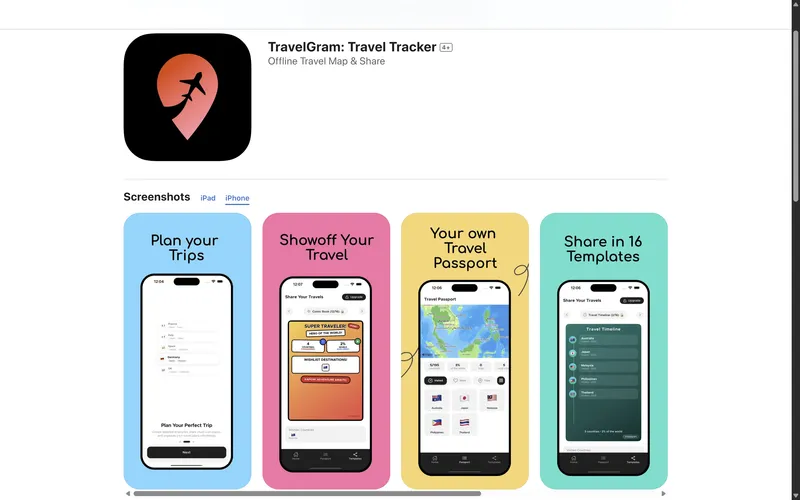
TravelGram
Social platform for travelers to share experiences, discover destinations, and connect globally.
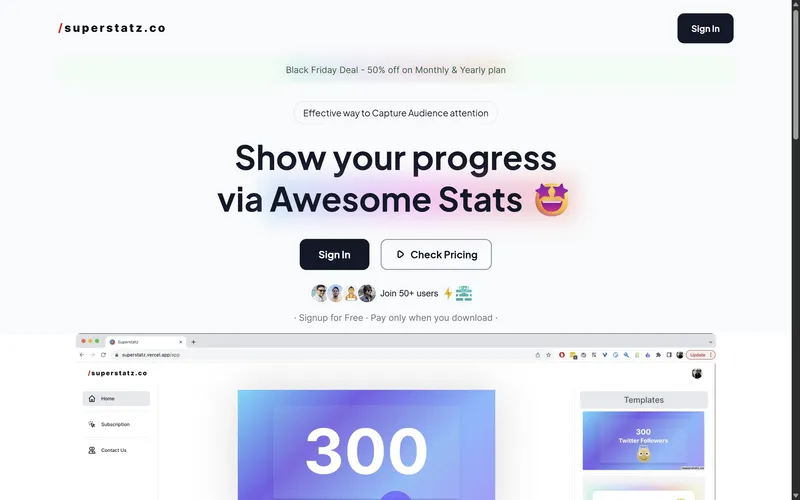
SuperStatz
Advanced sports statistics platform delivering in-depth analysis and performance metrics.
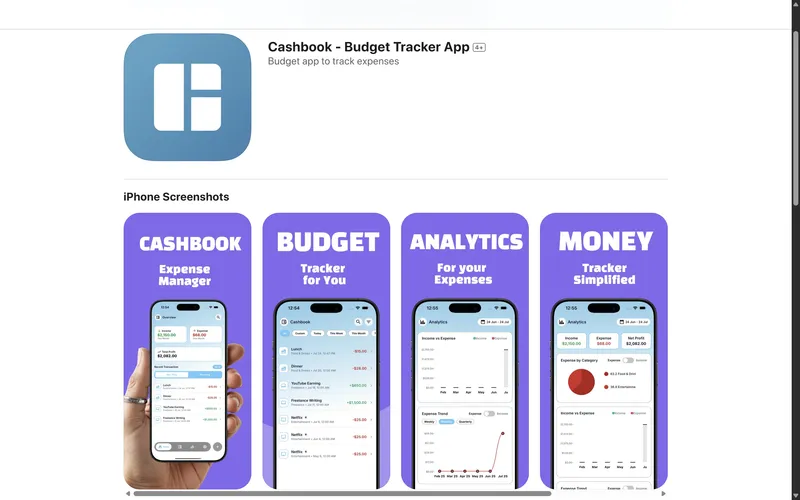
Cashbook
Simple expense tracking and budgeting app that helps users manage their finances effortlessly.
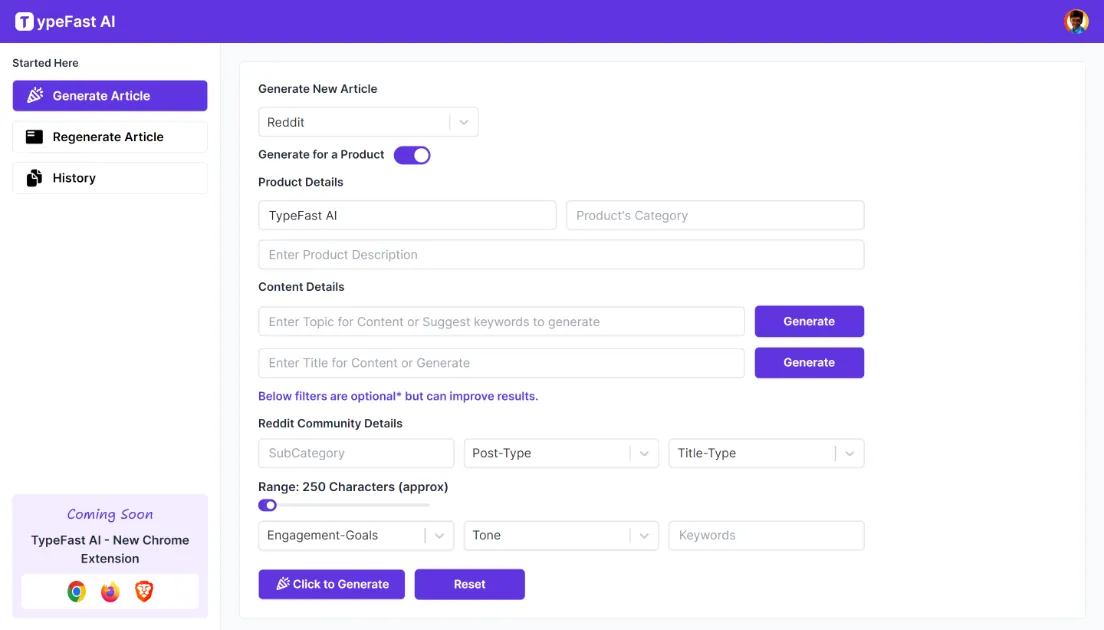
TypeFast
Typing speed improvement platform with gamified lessons and real-time performance tracking.
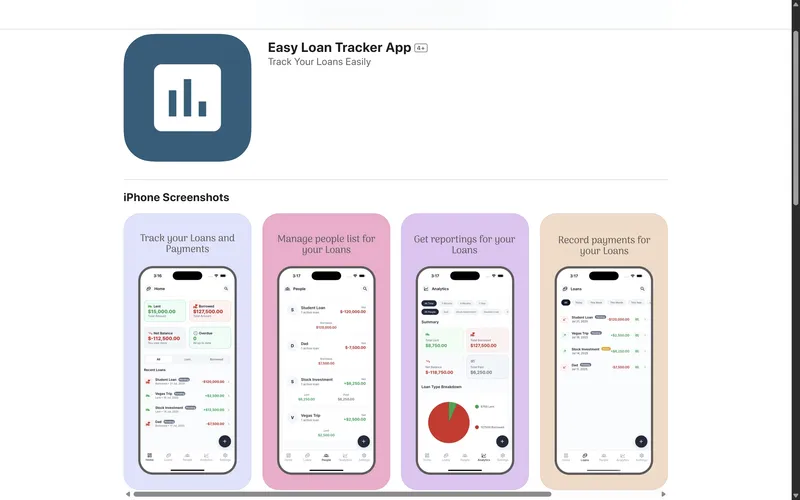
Easy Loan
Streamlined loan management system that simplifies borrowing and lending processes.
Explore Related Content
Discover more services, case studies, and insights
Web3 MVP Development Services
Ship a Web3 MVP in 2-3 weeks: tested smart contracts, dApp frontend, and wallet auth on a fixed-price model. From $5k-$25k vs slow blockchain agencies.
Webflow Alternatives: Best Options for Web Development 2026
Exploring Webflow alternatives? Compare no-code website builders and professional development options for your web project.
White Label AI Development
White label AI development services. SpeedMVPs builds AI products that agencies and consultancies can offer under their own brand.
iOS App Consulting
Expert iOS consulting for startups and product teams. We help you define the right architecture, make the right technology choices, and ship iOS apps that perform on day one — without the costly mistakes that come from building alone.
SwiftUI Development
Production-grade SwiftUI apps built by engineers who live in the framework. We ship clean, testable SwiftUI code that works across iPhone, iPad, and Mac — delivered in weeks, not months.
How AI Agencies Ensure Quality and Scalability on Tight Timelines
How top AI development agencies ship quality, scalable products in 2-3 weeks: senior engineers, AI-assisted workflows with human review, production-grade architecture, and automated testing under real deadlines.
How to Develop an AI-Driven Mobile App: A Practical 2026 Guide
A step-by-step guide to developing an AI-driven mobile app — defining the use case, choosing on-device vs cloud AI, picking your stack, building the model, and shipping.
The Invisible Workforce: How a Rapid AI Agent MVP Transformed Procurement Operations, Saving 35% in Costs for Apex Enterprises
AI agent MVP acting as invisible workforce with AI-powered invoice processing, negotiation assist, and workflow automation agents that seamlessly integrated with existing systems.
Ready to Build Your MVP?
Schedule a complimentary strategy session. Transform your concept into a market-ready MVP within 2-3 weeks. Partner with us to accelerate your product launch and scale your startup globally.