How to Build a Logistics App: Tracking, Routing, and Proof of Delivery
Building a logistics or delivery MVP — live tracking architecture, when route optimisation is worth it, offline-first drivers, and proof of delivery.
Assume the driver is offline
Warehouses, basements, rural routes, and lifts all break connectivity. A driver app that requires a live connection to record a delivery will lose data and drivers will stop using it.
Build offline-first:
- Actions queue locally and sync when a connection returns
- Every action carries a client-generated ID so replays don't duplicate
- Conflict rules are decided in advance — usually last-write-wins on driver-owned state
- The interface shows sync status honestly rather than pretending everything saved
This is more work than an online-only app and it's not optional in this category.
Tracking: pick a cadence deliberately
Continuous GPS streaming destroys phone batteries and produces far more data than anyone uses.
What works: sample location every 15-30 seconds while a job is active, batch and upload every minute or two, and increase frequency near a delivery point where accuracy matters for the customer-facing map.
Customers want an ETA, not a raw position — so invest in ETA quality (traffic-aware, updated on real progress) rather than in update frequency.
Route optimisation is usually premature
True vehicle routing with time windows and capacity constraints is a hard optimisation problem. At MVP scale, a good-enough ordering plus a mapping provider's directions API serves most operations, and dispatchers often override suggestions anyway using knowledge the system doesn't have.
Build optimisation when you have enough volume that manual sequencing is a real bottleneck, and when you have the constraint data — time windows, vehicle capacities, driver hours — to feed it. Without that data, an optimiser produces confident nonsense.
Proof of delivery is the commercial artifact
Signature, photo, barcode scan, or a code — whichever your customers' disputes require. This is the record that settles "it never arrived", so it needs a timestamp, a location, and durable storage.
Photos are large and drivers are often offline, so upload strategy matters: compress on device, queue, and upload opportunistically.
Scope for a logistics MVP
- Job creation and assignment
- Driver app with offline queue
- Status transitions that mirror how the operation actually runs
- Location tracking at a sane cadence
- Customer-facing tracking with an ETA
- Proof of delivery capture
Timeline
Two to three weeks for a scoped MVP covering dispatch, an offline-capable driver flow, tracking, and proof of delivery.
Related
Specific builds
Deeper breakdowns of products in this category:
What You'll Get
Offline-first driver app
Queued actions, client IDs, honest sync status.
Battery-sane tracking
Sampled and batched, with ETA quality prioritised.
Proof of delivery
Timestamped, located, durable — the record that settles disputes.
FAQ
How should a delivery app handle poor connectivity?
Offline-first. Actions queue locally and sync when connectivity returns, each carrying a client-generated ID so replays don't create duplicates, with conflict rules decided in advance and sync status shown honestly. Drivers work in warehouses, basements, and rural areas where an online-only app simply loses data.
Do I need route optimisation in an MVP?
Usually not. True vehicle routing with time windows and capacity constraints is a hard optimisation problem, and at MVP volumes a sensible ordering plus a directions API serves most operations. It also needs constraint data you probably don't have yet — without it, an optimiser produces confident nonsense.
How often should the app report driver location?
Every 15-30 seconds while a job is active, batched and uploaded every minute or two, with higher frequency near the delivery point. Continuous streaming drains batteries and produces data nobody uses — customers want an accurate ETA rather than a high-frequency position.
Trusted by Global Companies Building AI Products
We've helped startups and enterprises worldwide transform their AI ideas into production-ready MVPs in 2–3 weeks. From fintech platforms to AI assistants, our global MVP development services have launched 18+ AI products serving users across the US, Europe, and Asia.




Portfolio: AI Products Built for Global Startups
From content platforms and AI assistants to analytics dashboards and fintech solutions—see how we've transformed ideas into production-ready MVPs in 2-3 weeks across diverse industries. Each product launched successfully, serving users globally.
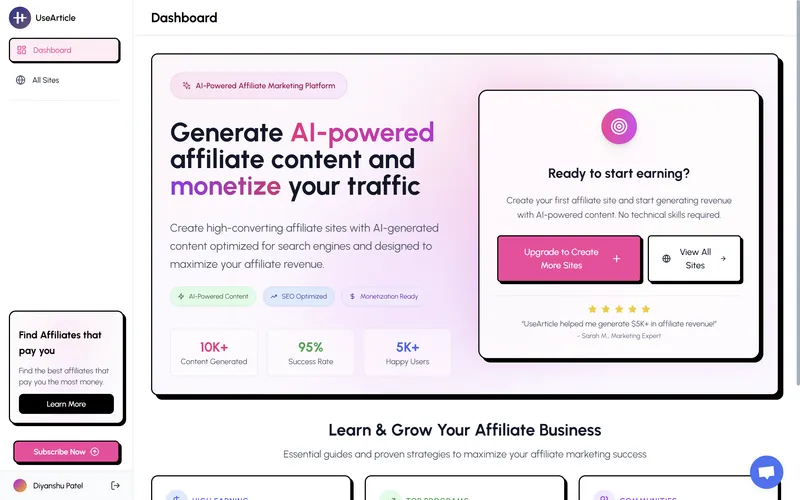
UseArticle
AI-powered content creation and management platform that helps teams produce high-quality articles at scale.
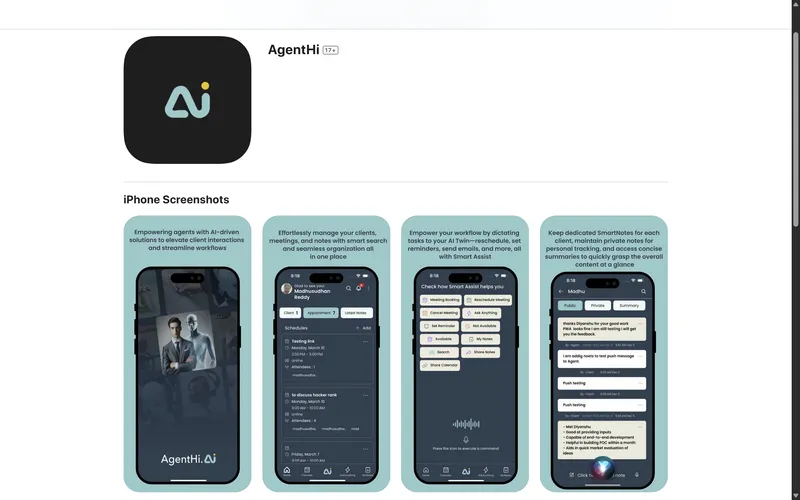
AgentHi
Intelligent virtual assistant that streamlines customer support and automates routine business tasks.
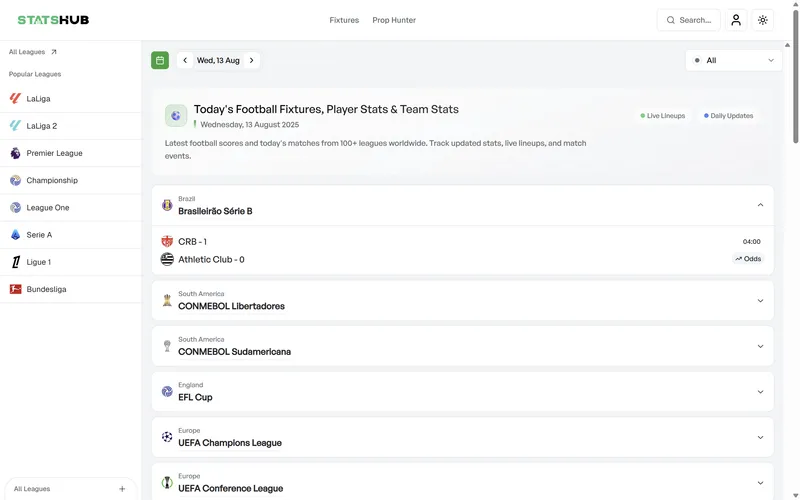
StatsHub
Comprehensive analytics dashboard providing real-time insights and data visualization for businesses.
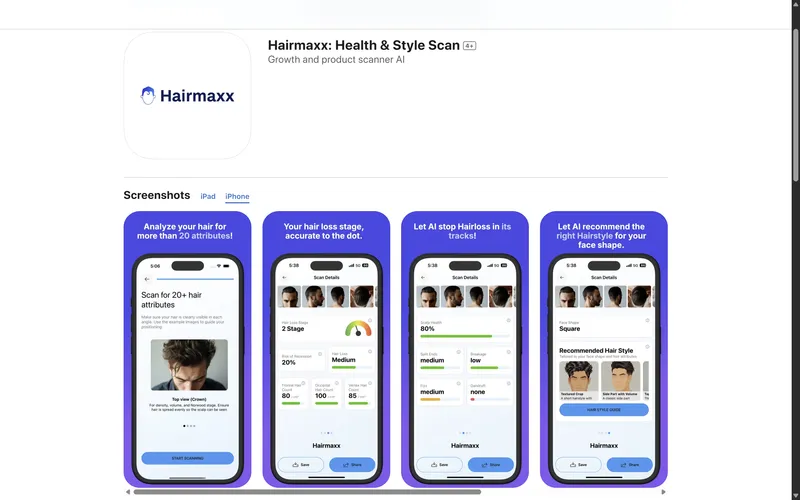
Harimaxx
Personal fitness companion with AI-driven workout plans and nutrition tracking for optimal health.
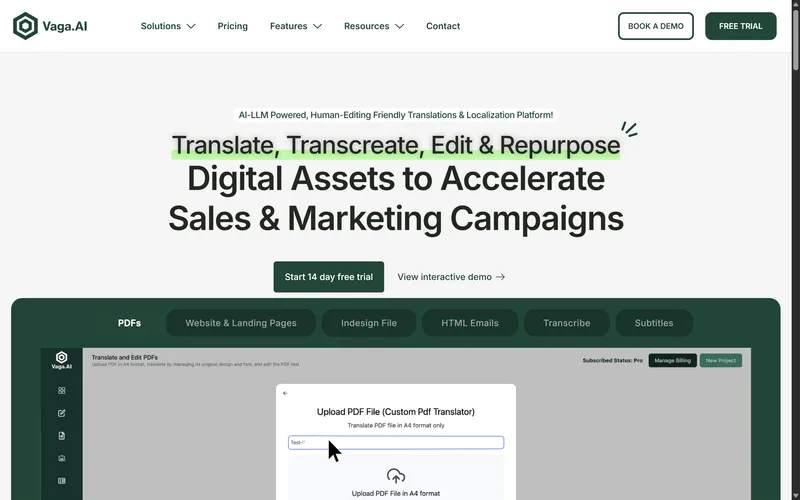
Vaga
Smart travel planning app that curates personalized itineraries and local experiences.
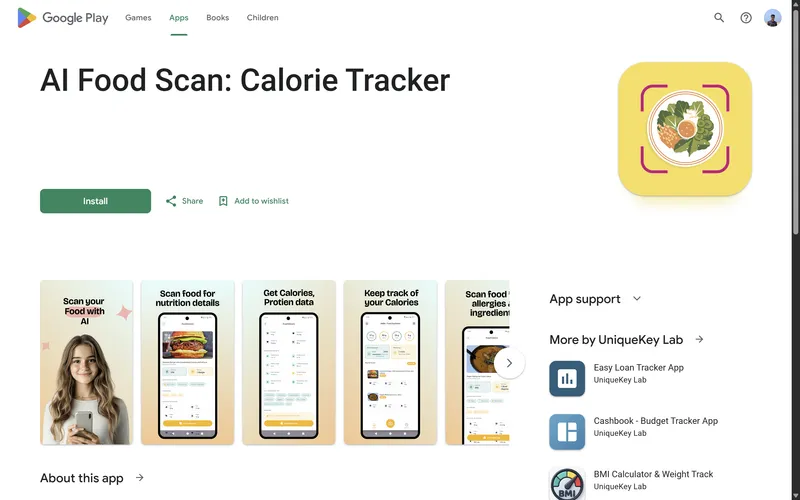
FoodScan
Nutrition analysis app that scans food items and provides detailed nutritional information instantly.
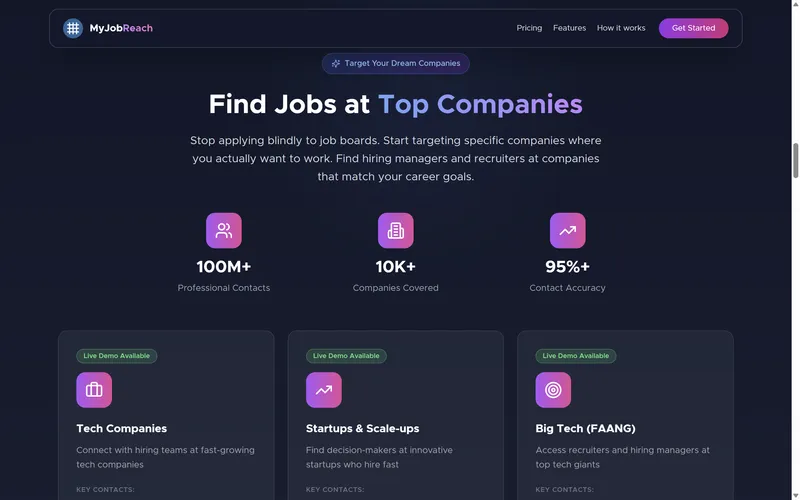
MyJobReach
Job matching platform connecting talented professionals with their dream opportunities.
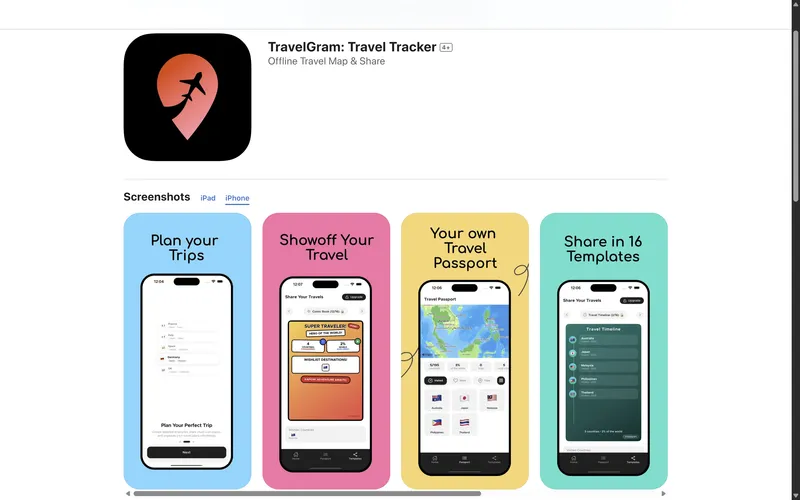
TravelGram
Social platform for travelers to share experiences, discover destinations, and connect globally.
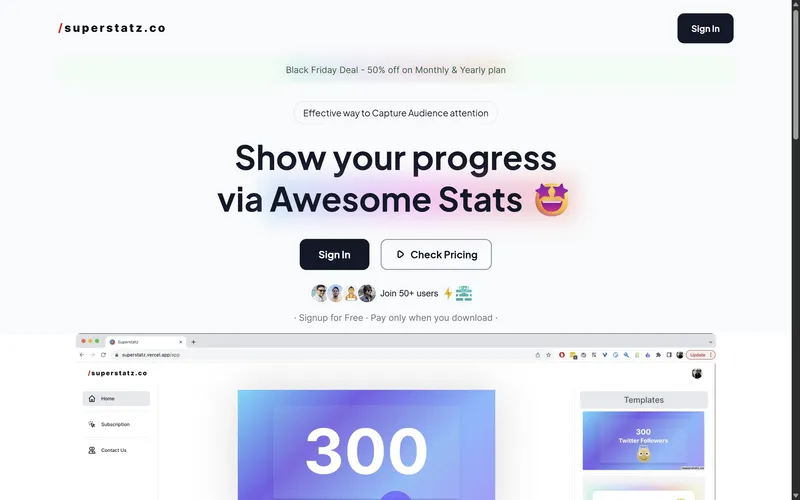
SuperStatz
Advanced sports statistics platform delivering in-depth analysis and performance metrics.
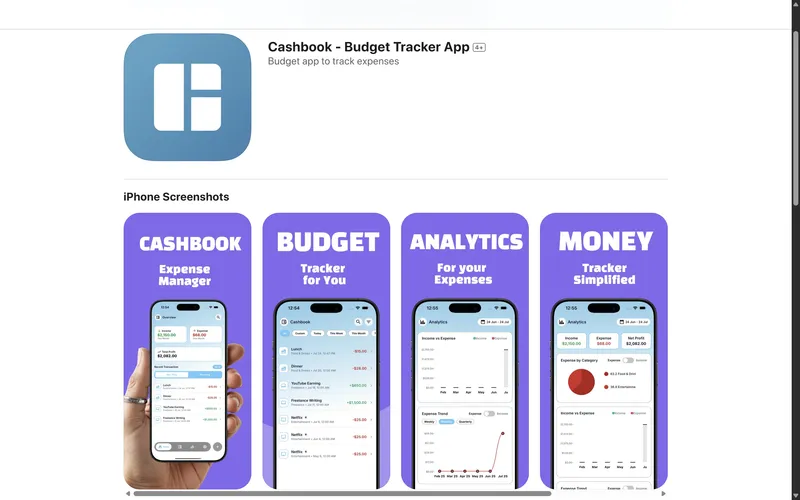
Cashbook
Simple expense tracking and budgeting app that helps users manage their finances effortlessly.
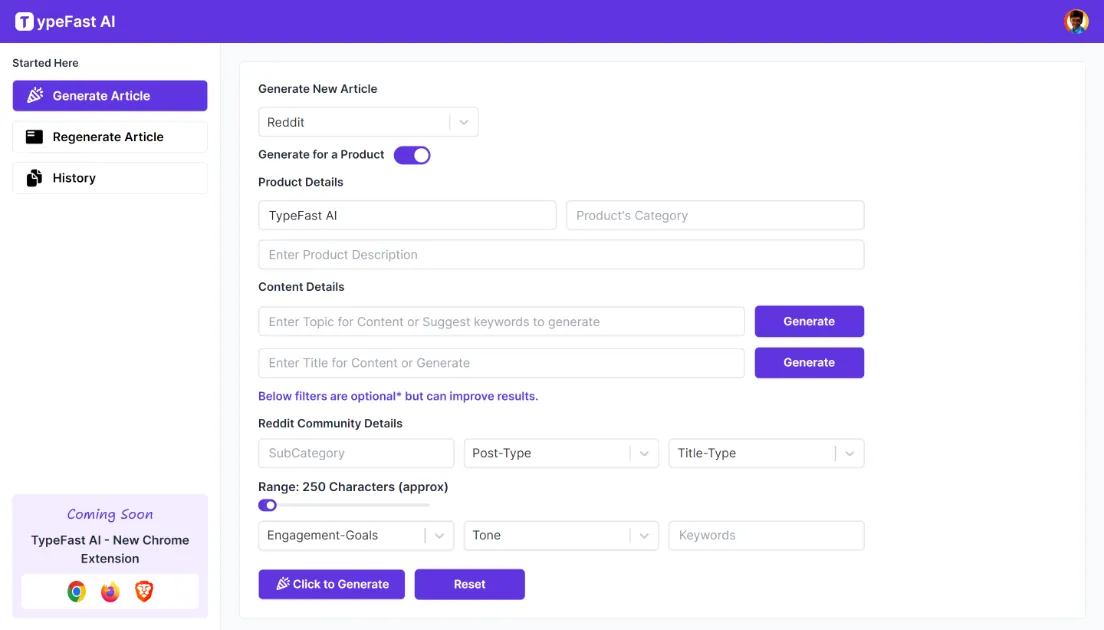
TypeFast
Typing speed improvement platform with gamified lessons and real-time performance tracking.
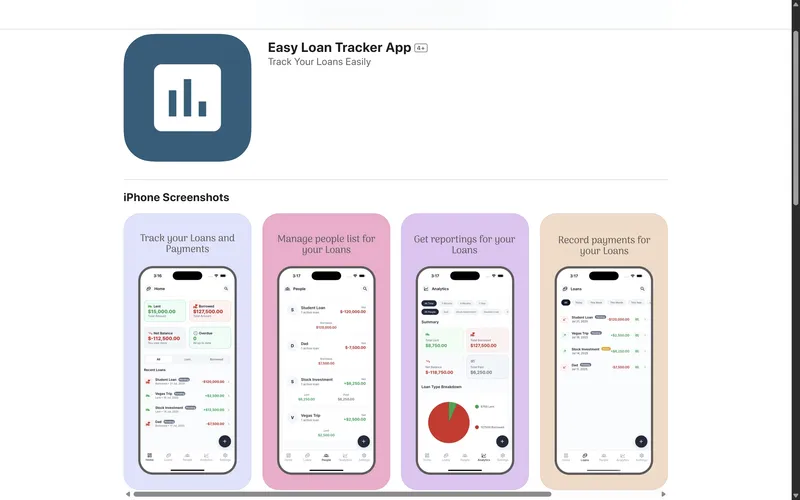
Easy Loan
Streamlined loan management system that simplifies borrowing and lending processes.
Explore Related Content
Discover more services, case studies, and insights
How to Build a Marketplace MVP: Scope, Liquidity, and Cost
Building a two-sided marketplace MVP — which side to solve first, the trust and payments work you can't skip, and what to cut to launch in weeks.
How to Build a Real Estate App: Listings, Search, and Data Access
Building a proptech MVP — getting listing data legally, search that matches how buyers actually shop, lead routing, and what MLS access really involves.
How to Build a SaaS MVP: Scope, Multi-Tenancy, and Launch
How to build a B2B SaaS MVP — what to include, the tenancy and billing decisions you can't defer, and how to launch in weeks rather than quarters.
Design to Code
Turn Figma, Sketch, or Adobe XD designs into production-ready, pixel-perfect code. We bridge the gap between design and engineering — delivering responsive, accessible, and performant front-end code your team can ship immediately.
iOS App Consulting
Expert iOS consulting for startups and product teams. We help you define the right architecture, make the right technology choices, and ship iOS apps that perform on day one — without the costly mistakes that come from building alone.
How AI Agencies Ensure Quality and Scalability on Tight Timelines
How top AI development agencies ship quality, scalable products in 2-3 weeks: senior engineers, AI-assisted workflows with human review, production-grade architecture, and automated testing under real deadlines.
How to Develop an AI-Driven Mobile App: A Practical 2026 Guide
A step-by-step guide to developing an AI-driven mobile app — defining the use case, choosing on-device vs cloud AI, picking your stack, building the model, and shipping.
AI Route Optimisation: Cutting Delivery Costs by 34% for a 3PL Company
We built an AI logistics optimisation layer that uses ML-based route scoring, demand forecasting, and real-time re-routing to reduce cost-per-delivery by 34% and improve on-time performance.
Ready to Build Your MVP?
Schedule a complimentary strategy session. Transform your concept into a market-ready MVP within 2-3 weeks. Partner with us to accelerate your product launch and scale your startup globally.