How to Build an App Like DoorDash: Three-Sided Delivery
Building a food delivery MVP: the three-sided problem, merchant onboarding, batching, ETA accuracy, and why unit economics decide whether it works.
Three sides means three cold starts
Customers need restaurants. Restaurants need order volume. Couriers need enough deliveries per hour to earn a living. All three must hold simultaneously in the same small geography.
Practical consequence: launch in a few square kilometres with a curated set of merchants, and be prepared to guarantee courier earnings during the ramp. Both are expensive and both are unavoidable.
Merchant onboarding is the underestimated work
Getting restaurants live is operational, not technical: menu digitisation with modifiers and option groups, pricing that may differ from in-store, hours including holidays, prep-time estimates, and a way to receive orders.
That last one matters more than it sounds. A tablet the kitchen ignores is the single most common failure mode. POS integration solves it properly, and POS integration is a substantial project per system: which is why most MVPs start with a tablet plus a phone-call fallback and accept the friction.
ETA accuracy is the customer-facing metric
Customers forgive a long ETA and do not forgive a wrong one. An accurate estimate has to combine merchant prep time (which varies by item and by current kitchen load), courier travel to the merchant, wait at the merchant, and travel to the customer.
Prep time is the noisiest input and the one most worth instrumenting from day one.
Batching decides your economics
A courier delivering one order per trip rarely produces viable economics. Batching, combining nearby orders from the same or nearby merchants, is what makes deliveries per hour work.
It also degrades the experience for whichever order is delivered second, so the batching window is a direct trade between margin and satisfaction. Model it explicitly; don't let it emerge by accident.
The unit economics question
Per delivery you collect a customer fee, a merchant commission, and possibly a service fee, against courier pay plus payment processing plus support cost. Many delivery businesses lose money on every order and grow anyway.
Build the model before the product. If it doesn't work at your assumed density and basket size, more engineering won't fix it.
Cut for an MVP
Scheduled orders, group ordering, loyalty, subscriptions, and alcohol compliance. Prove one neighbourhood works.
Related builds
- How to build a logistics app, dispatch and proof of delivery
- How to build an app like Uber, two-sided on-demand
- How to build a marketplace MVP: liquidity fundamentals
What You'll Get
Tight launch geography
A few square kilometres with curated merchants.
Order receipt that works
Tablet plus fallback, POS integration when it earns its cost.
Unit economics modeled first
Density and basket size checked before building.
FAQ
Why is food delivery harder than ride-hailing?
It's three-sided rather than two. Customers, merchants, and couriers all need critical mass in the same small area at the same time, and each can break the experience independently. Merchant onboarding, menus, modifiers, prep times, and a reliable way to receive orders, is operational work with no technical shortcut.
How do you make delivery ETAs accurate?
Combine merchant prep time, courier travel to the merchant, wait at the merchant, and travel to the customer. Prep time is the noisiest component and varies by item and kitchen load, so instrument it from day one. Customers forgive a long ETA far more readily than a wrong one.
Do food delivery apps make money?
Often not per order. Against a customer fee, merchant commission, and service fee sit courier pay, payment processing, and support cost, and many delivery businesses lose money on every delivery. Build the unit-economics model before the product, because engineering cannot fix economics that don't work at your assumed density.
Trusted by Global Companies Building AI Products
We've helped startups and enterprises worldwide transform their AI ideas into production-ready MVPs in 2–3 weeks. From fintech platforms to AI assistants, our global MVP development services have launched 18+ AI products serving users across the US, Europe, and Asia.







Portfolio: AI Products Built for Global Startups
From content platforms and AI assistants to analytics dashboards and fintech solutions: see how we've transformed ideas into production-ready MVPs in 2-3 weeks across diverse industries. Each product launched successfully, serving users globally.
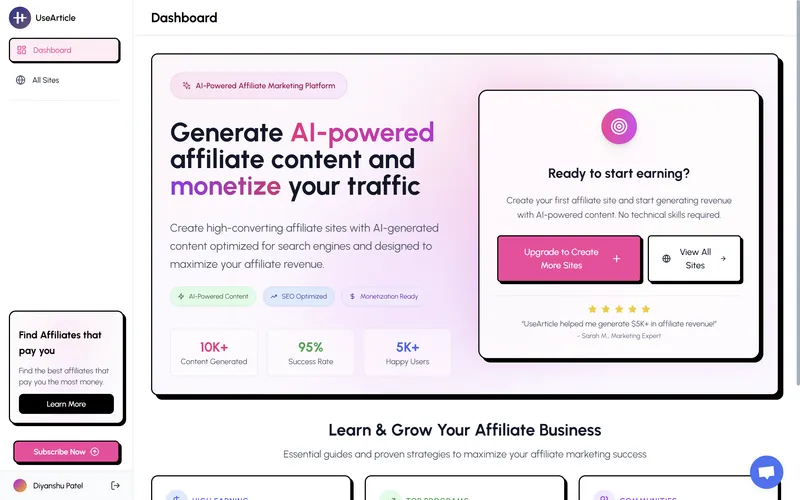
UseArticle
AI-powered content creation and management platform that helps teams produce high-quality articles at scale.
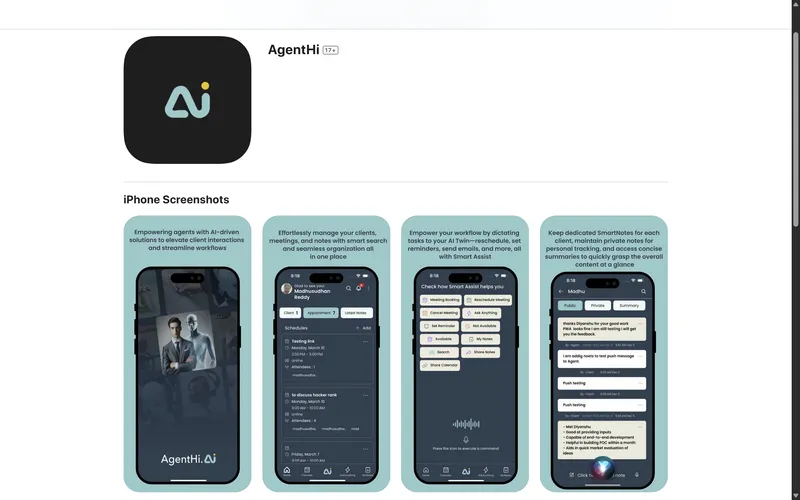
AgentHi
Intelligent virtual assistant that streamlines customer support and automates routine business tasks.
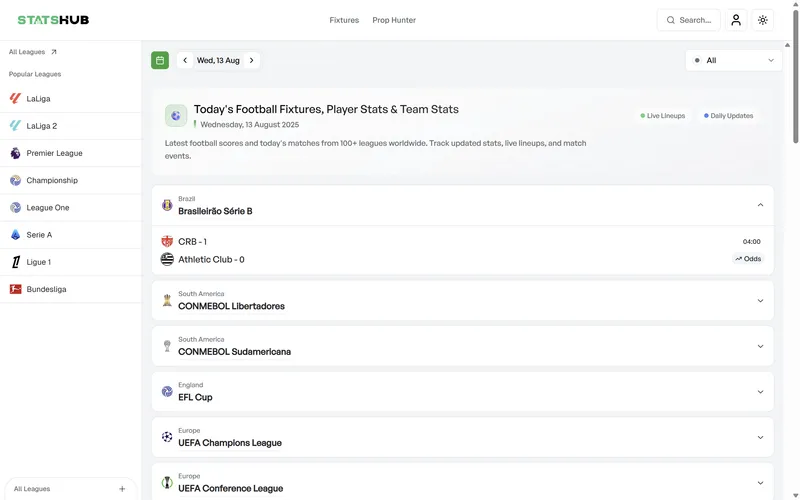
StatsHub
Comprehensive analytics dashboard providing real-time insights and data visualization for businesses.
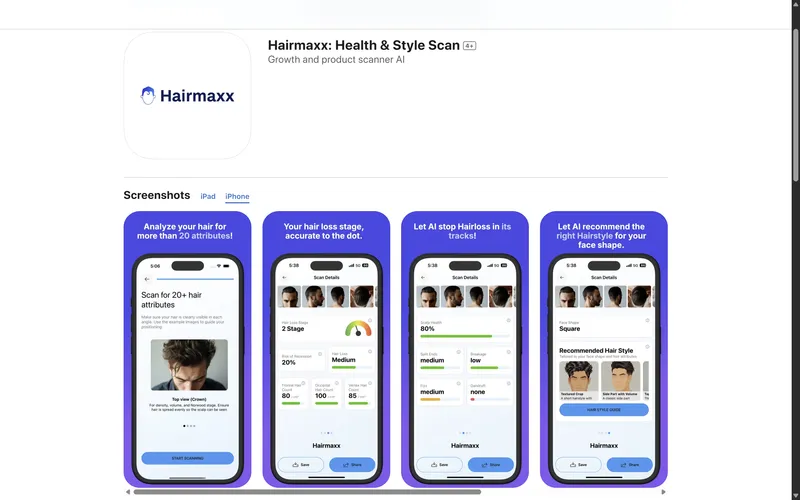
Harimaxx
Personal fitness companion with AI-driven workout plans and nutrition tracking for optimal health.
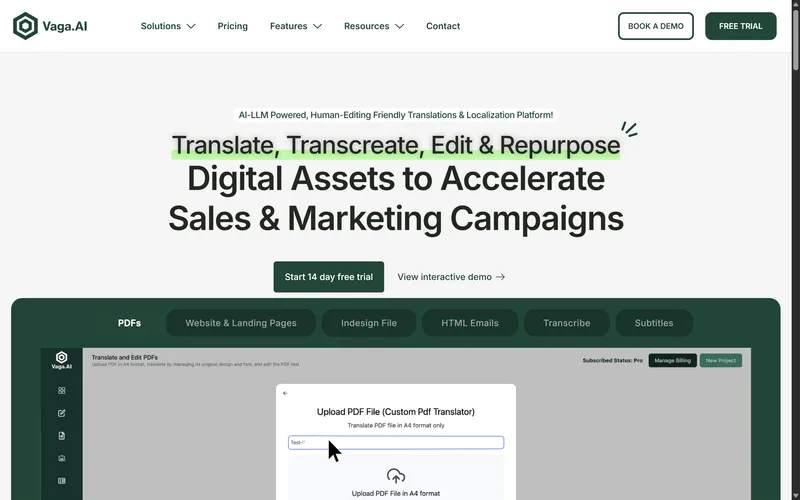
Vaga
Smart travel planning app that curates personalized itineraries and local experiences.
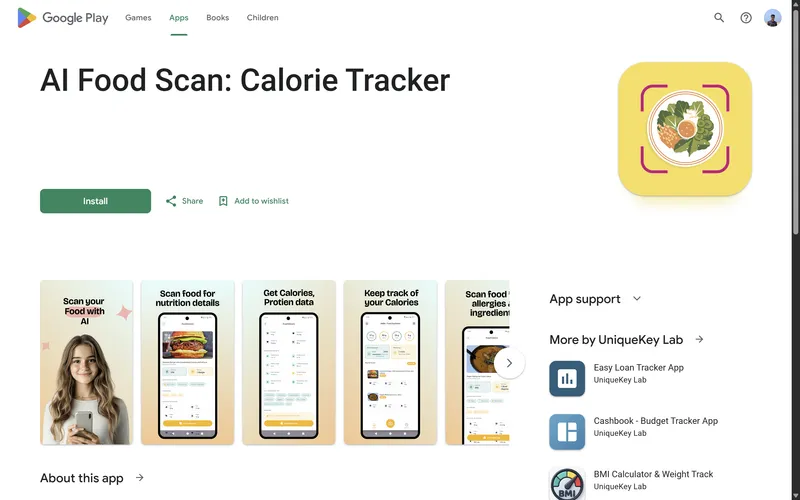
FoodScan
Nutrition analysis app that scans food items and provides detailed nutritional information instantly.
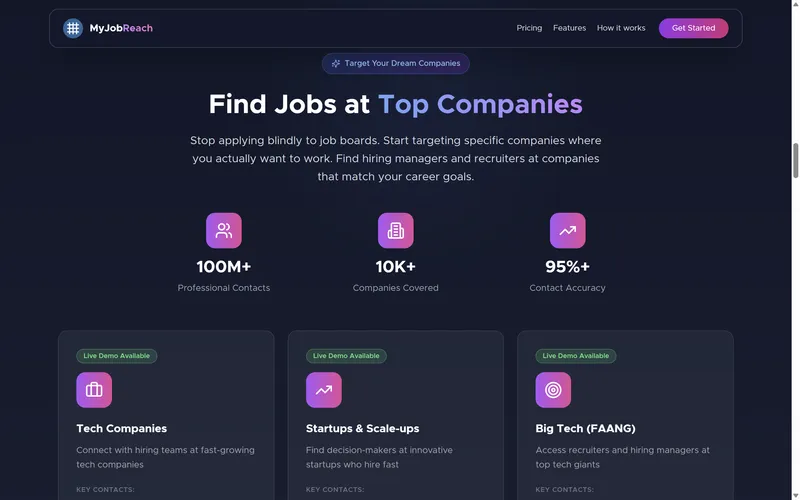
MyJobReach
Job matching platform connecting talented professionals with their dream opportunities.
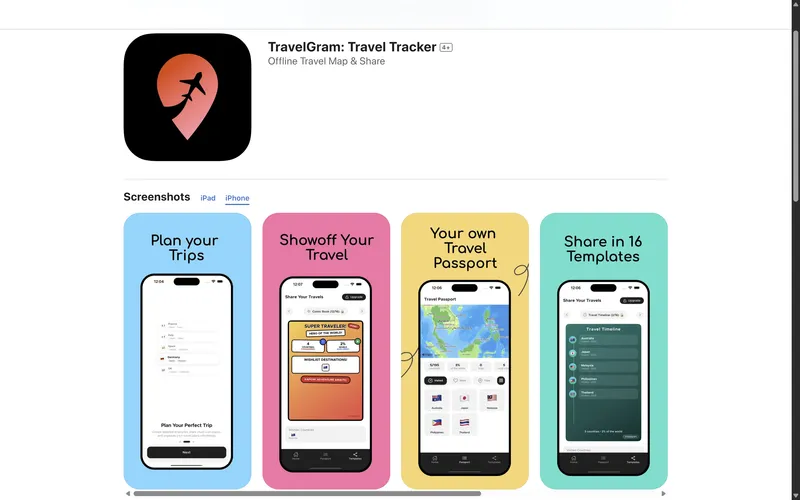
TravelGram
Social platform for travelers to share experiences, discover destinations, and connect globally.
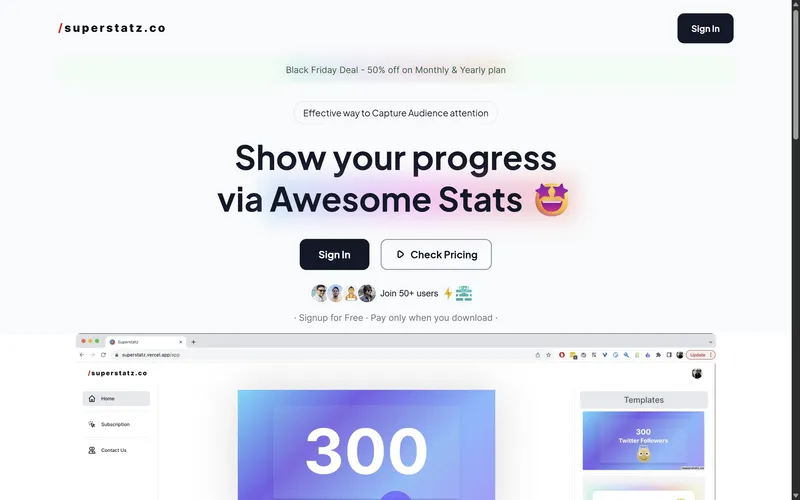
SuperStatz
Advanced sports statistics platform delivering in-depth analysis and performance metrics.
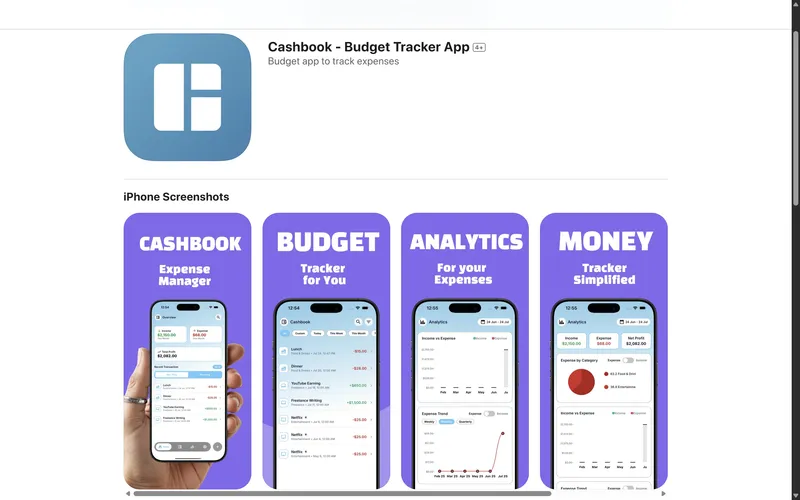
Cashbook
Simple expense tracking and budgeting app that helps users manage their finances effortlessly.
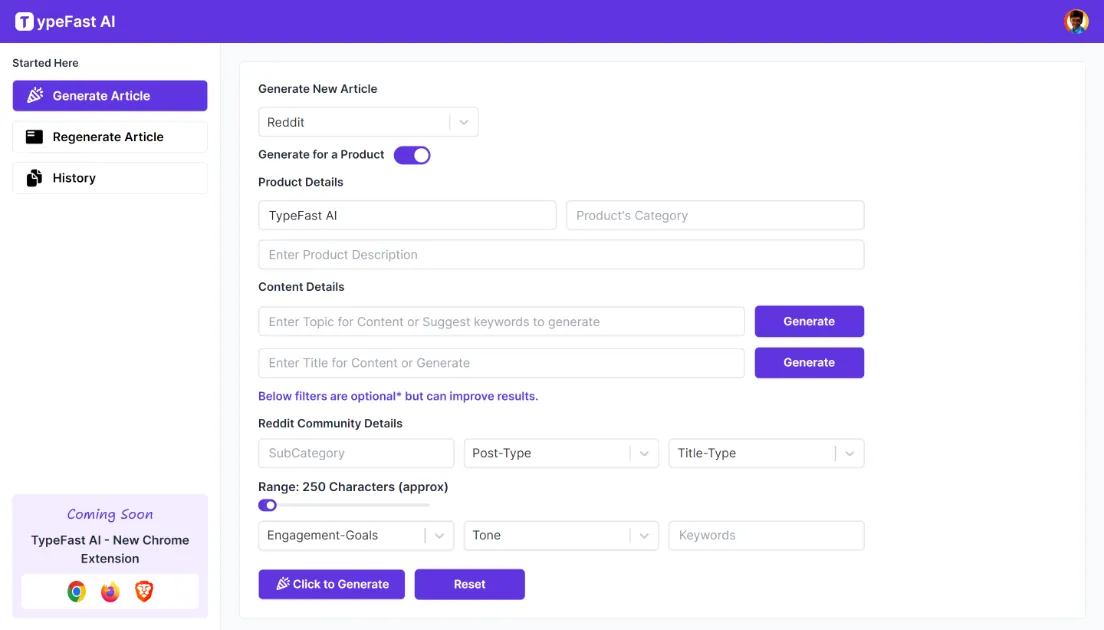
TypeFast
Typing speed improvement platform with gamified lessons and real-time performance tracking.
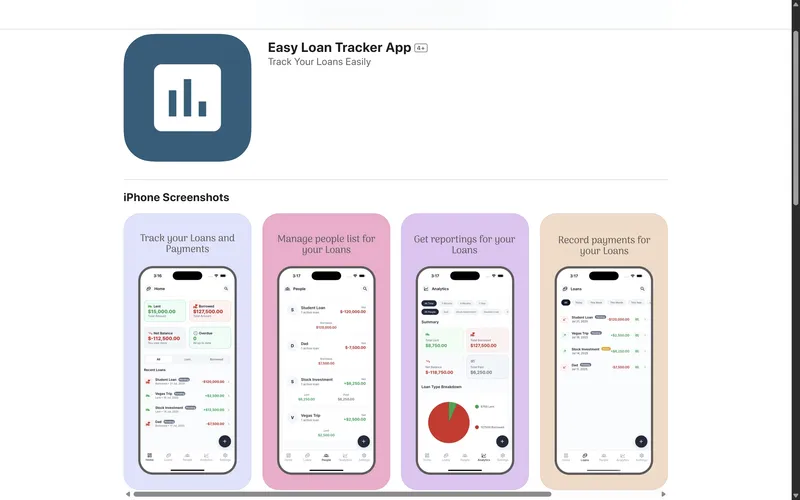
Easy Loan
Streamlined loan management system that simplifies borrowing and lending processes.
Explore Related Content
Discover more services, case studies, and insights
How to Build an App Like Duolingo: Retention Mechanics
Building a gamified learning app: streaks and their dark side, spaced repetition, exercise generation at scale, and the content problem nobody budgets for.
How to Build an App Like Fiverr: Services Marketplace Mechanics
Building a freelance services marketplace: productised gigs vs bidding, escrow and milestones, dispute resolution, and stopping off-platform leakage.
How to Build an App Like Indeed: Aggregation and Matching
Building a job aggregator: sourcing postings at scale, deduplication across sources, search relevance, and the apply-flow decision that shapes everything.
iOS App Consulting
Expert iOS consulting for startups and product teams. We help you define the right architecture, make the right technology choices, and ship iOS apps that perform on day one, without the costly mistakes that come from building alone.
System Architecture
Expert system architecture design for AI products, platforms, and enterprise systems. We define the right architecture for your scale, team size, and business context, and deliver the documentation and decisions that make building fast and safe.
How to Develop an AI-Driven Mobile App: A Practical 2026 Guide
A step-by-step guide to developing an AI-driven mobile app: defining the use case, choosing on-device vs cloud AI, picking your stack, building the model, and shipping.
25 AI SaaS Startup Ideas Worth Building in 2026 (With a Fast Validation Test for Each)
25 specific, buildable AI SaaS startup ideas for 2026: each with the buyer who pays, the AI moat, and a 24-48 hour validation test. Pick one, validate it, ship the MVP in 2 weeks.
AI Route Optimisation: Cutting Delivery Costs by 34% for a 3PL Company
We built an AI logistics optimisation layer that uses ML-based route scoring, demand forecasting, and real-time re-routing to reduce cost-per-delivery by 34% and improve on-time performance.
Ready to Build Your MVP?
Schedule a complimentary strategy session. Transform your concept into a market-ready MVP within 2-3 weeks. Partner with us to accelerate your product launch and scale your startup globally.