
AI MVP Development for Logistics & Supply Chain
Ship a production-ready logistics AI MVP in 2-3 weeks: route optimization, ETA prediction, EDI/TMS automation, and freight-exception agents. You own 100% of the code.
What You Need to Know
Logistics runs on single-digit margins, so the money is hidden in the gaps between systems: the TMS that doesn't talk to the WMS, the EDI feed that lands hours after the truck has already left, and the empty backhaul miles nobody planned. The highest-ROI AI lever is usually route and load optimization: a proper vehicle-routing solver that respects time windows, FMCSA Hours-of-Service limits, trailer capacity, and multi-stop backhaul matching will consistently beat the manual dispatcher's plan and the rules baked into a legacy TMS. Our linked ai-logistics-optimizer case study, an ML-based dynamic routing and demand-forecasting layer we shipped for a third-party logistics provider on a 2-3 week build, is the template: measurable cost-per-delivery reduction and higher on-time performance without ripping out their existing transportation management stack.
The unglamorous document and EDI layer is where most freight operations quietly bleed labor. Carriers and shippers exchange ANSI X12 transaction sets, the 204 load tender, 214 shipment status update, 856 ASN, 210 freight invoice, and 990 response, and every non-compliant partner still emails a PDF bill of lading or proof of delivery that a human has to key in. We build LLM- and OCR-driven pipelines that read BOLs, PODs, and rate confirmations, extract the structured fields, map them onto your EDI schema, and auto-reconcile freight invoices against contracted rate tables: flagging incorrect accessorials, detention, demurrage, and fuel surcharges before they get paid. That single workflow typically pays for the whole MVP.
Real-time visibility and ETA prediction is where AI earns its keep on the customer-facing side. Carrier-provided ETAs are notoriously optimistic; a model trained on your own telematics (Samsara, Geotab, or raw ELD feeds), historical dwell times at each facility, and live traffic and weather will produce ETAs that hold up. We integrate with visibility platforms like project44 and FourKites where you already use them, or ingest GPS pings and AIS ocean-vessel data directly, then wrap the model in an exception-management agent that watches every shipment for deviation, a missed appointment, a port dwell spike, a temperature excursion in a reefer, and triggers the right workflow (re-tender, customer notification, or a re-route) instead of waiting for a phone call.
Beyond the individual load, AI reshapes the network. Demand-sensing and forecasting models that blend order history with external signals let you position inventory and set safety stock intelligently, cutting both stockouts and carrying cost, and they feed warehouse slotting and cross-dock scheduling so labor isn't planned blind. For freight brokerages and digital freight-matching platforms, the same forecasting muscle drives dynamic pricing and carrier-matching: scoring which carrier is most likely to accept a lane at what rate, and building carrier scorecards from acceptance, on-time, and claims history. Drayage, yard management, and appointment/dock scheduling are all constraint-optimization problems that respond well to the same modeling toolkit.
Compliance is not optional in this vertical and it shapes the architecture. Domestic trucking lives under the FMCSA ELD mandate and Hours-of-Service rules, which your routing and dispatch logic must respect, not just report on. Cross-border and ocean freight pull in CBP requirements, ISF 10+2 importer security filings, C-TPAT program data, plus HazMat/DOT and IMDG handling for dangerous goods and cold-chain rules under FSMA for food and GDP for pharma temperature-controlled lanes. We build with audit logging, role-based access, and immutable event trails so these obligations are provable, and we handle carrier and shipper data under SOC 2-aligned controls inside your own cloud so sensitive rate and customer data never leaves your environment.
Every logistics MVP we ship is designed to sit alongside your system of record, McLeod, MercuryGate, Blue Yonder, or Manhattan, through clean APIs and your existing EDI VAN, not as a rip-and-replace. You get the full codebase, model weights, and training scripts, deployed in your cloud with the integrations wired to your real carrier and facility data. SpeedMVPs has shipped 18+ production AI MVPs on 2-3 week fixed-scope cycles with a team of 15+ senior engineers, and you own 100% of the code from day one: no per-shipment fee, no black-box vendor lock-in on data that is already yours.
What You'll Get
Route & Load Optimization Engine
A vehicle-routing solver with time windows, Hours-of-Service limits, capacity constraints, and backhaul matching: exposed via API to your TMS and driver app.
EDI & Freight-Document Automation
OCR/LLM pipelines that read BOLs and PODs, map to X12 204/214/856/210 sets, and auto-reconcile invoices against contracted rates and accessorials.
Predictive ETA & Exception Dashboard
ML ETAs from your telematics and visibility feeds, plus an agent that monitors every shipment for dwell, delay, and reefer excursions and triggers workflows.
Planning a build like this?
Book a free 30-minute strategy call with Diyanshu Patel, our CEO. We use it to understand your idea, goals and requirements, then follow up with a timeline and a fixed-price proposal.
Book a free 30-minute callFAQ
Can you integrate with our existing TMS and WMS instead of replacing it?
Yes: that's the default. We've integrated with McLeod, MercuryGate, Blue Yonder, and Manhattan-class systems through their APIs and your existing EDI VAN. The AI layer runs as modular services alongside your system of record, reading and writing loads, statuses, and rates without forcing a migration. You keep your TMS as the operational backbone; we add the intelligence on top.
We exchange EDI with our carriers: can the AI work with our 204/214/856 feeds directly?
Yes. We parse and generate the standard ANSI X12 sets (204 load tender, 214 shipment status, 856 ASN, 210 freight invoice, 990 response) and reconcile them against your rate tables. For non-EDI partners who still send PDFs or emails, we run OCR and LLM extraction to normalize those into the same schema, so your data is complete regardless of how a given carrier communicates.
How accurate can predictive ETAs be compared to our carrier's estimates?
Carrier ETAs are usually static and optimistic. A model trained on your own telematics or ELD pings, per-facility historical dwell times, and live traffic and weather typically produces materially tighter, self-correcting ETAs, and it flags at-risk shipments early rather than at the appointment. We'll benchmark against your current ETAs on your historical data during discovery and give you an honest accuracy estimate before the build starts.
Can you handle customs and regulated-freight data like ISF 10+2, C-TPAT, or HazMat?
Yes. For cross-border and ocean freight we model the data needed for CBP ISF 10+2 filings and C-TPAT, and for dangerous goods and temperature-controlled lanes we build to DOT/HazMat, IMDG, FSMA (food), and GDP (pharma cold-chain) requirements. Everything ships with audit logging and immutable event trails inside your own cloud so compliance is provable, not just claimed.
What does an MVP look like for a freight brokerage versus a 3PL or shipper?
For a brokerage we usually lead with carrier-matching, dynamic lane pricing, and automated invoice/rate reconciliation. For a 3PL or asset-based carrier, route and load optimization plus predictive ETAs and exception management tend to deliver first. For a shipper, demand forecasting and real-time visibility across carriers are the priority. We scope the single highest-ROI workflow in a discovery call and ship that to production first, on the 2-3 week cycle.
We don't have clean historical data: can you still build forecasting or optimization?
Usually yes. Even a year of messy shipment, load-tender, or telematics records is enough to bootstrap a useful routing or ETA model, and we handle the cleaning and feature engineering as part of the build. Where history is genuinely thin, we start with constraint-based optimization (which needs rules, not training data) and layer ML in as your data accumulates. We'll tell you honestly in discovery which approach your data supports.
Trusted by Global Companies Building AI Products
We've helped startups and enterprises worldwide transform their AI ideas into production-ready MVPs in 2–3 weeks. From fintech platforms to AI assistants, our global MVP development services have launched 18+ AI products serving users across the US, Europe, and Asia.



Portfolio: AI Products Built for Global Startups
From content platforms and AI assistants to analytics dashboards and fintech solutions: see how we've transformed ideas into production-ready MVPs in 2-3 weeks across diverse industries. Each product here is one our team worked on.
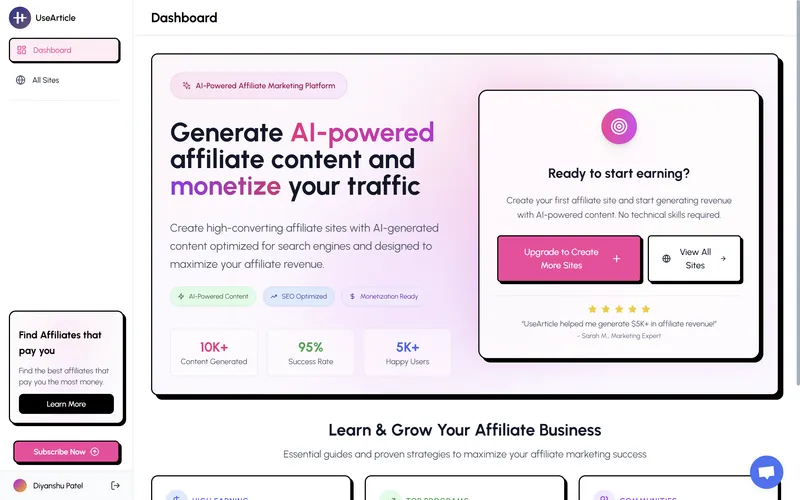
UseArticle
AI-powered content creation and management platform that helps teams produce high-quality articles at scale.
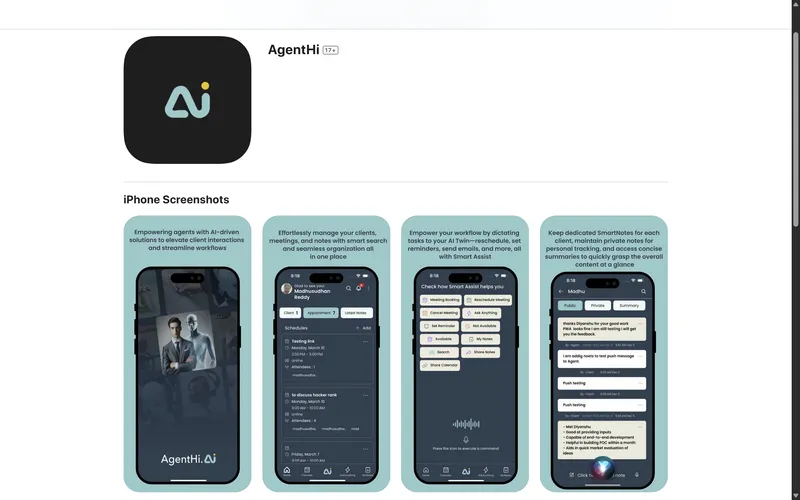
AgentHi
Intelligent virtual assistant that streamlines customer support and automates routine business tasks.
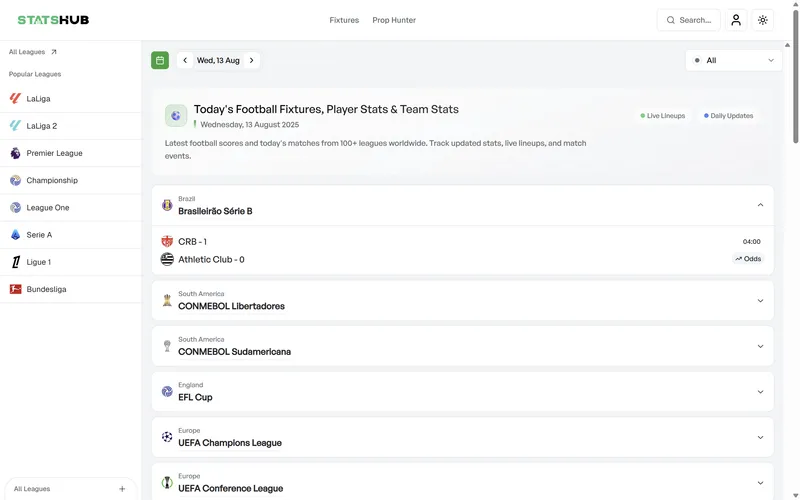
StatsHub
Comprehensive analytics dashboard providing real-time insights and data visualization for businesses.
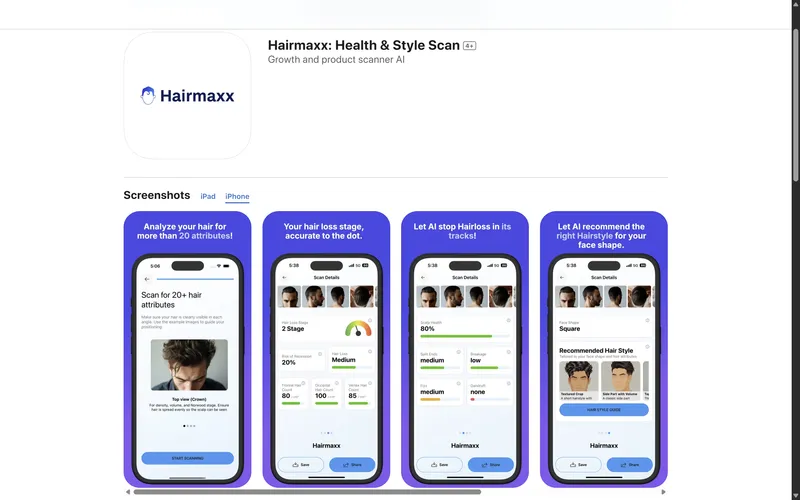
Harimaxx
Personal fitness companion with AI-driven workout plans and nutrition tracking for optimal health.
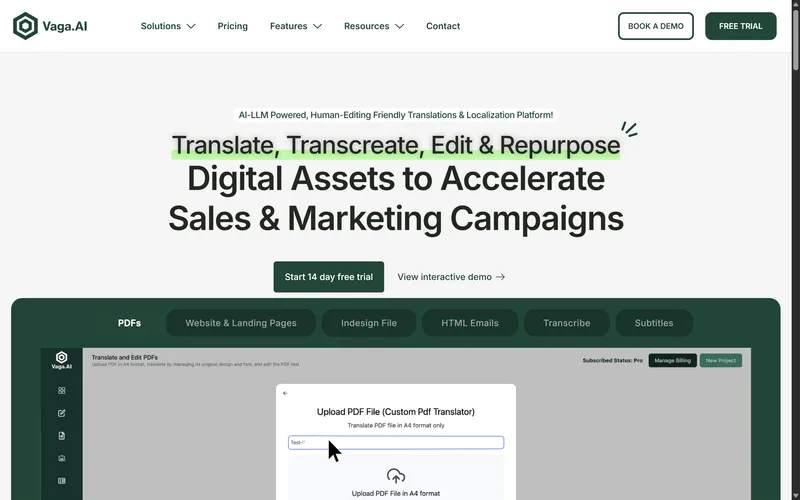
Vaga
Smart travel planning app that curates personalized itineraries and local experiences.
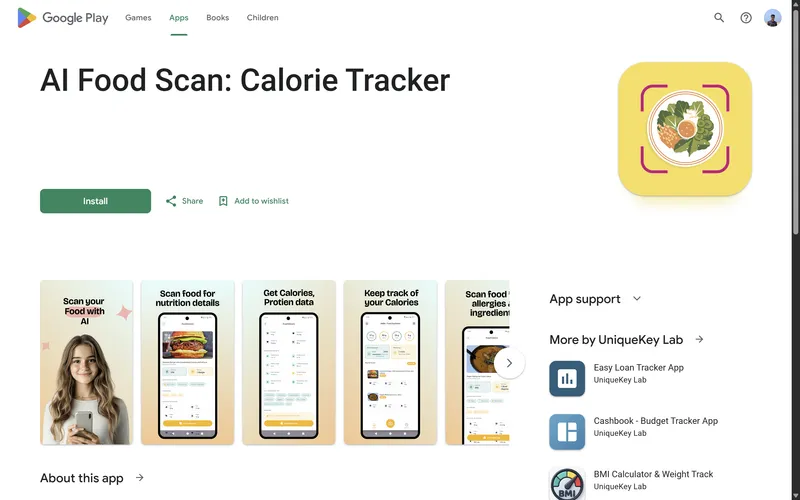
FoodScan
Nutrition analysis app that scans food items and provides detailed nutritional information instantly.
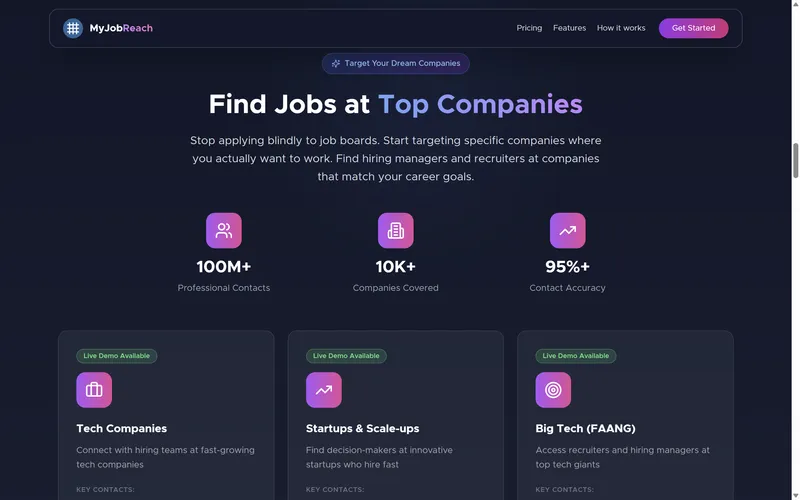
MyJobReach
Job matching platform connecting talented professionals with their dream opportunities.
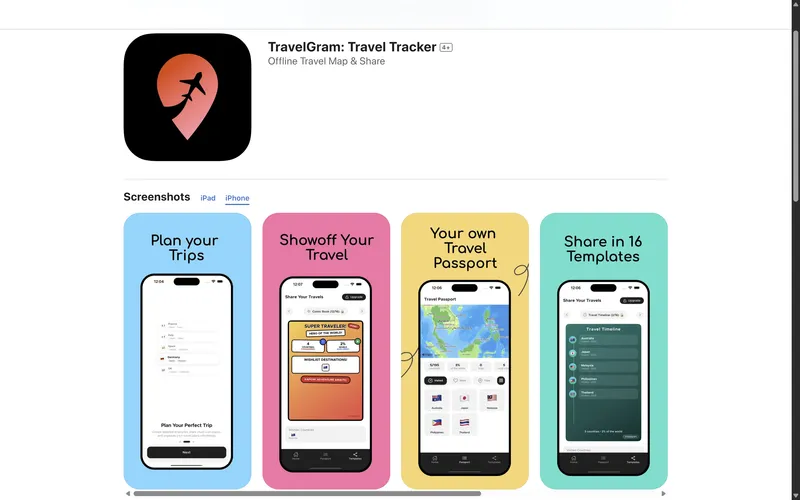
TravelGram
Social platform for travelers to share experiences, discover destinations, and connect globally.
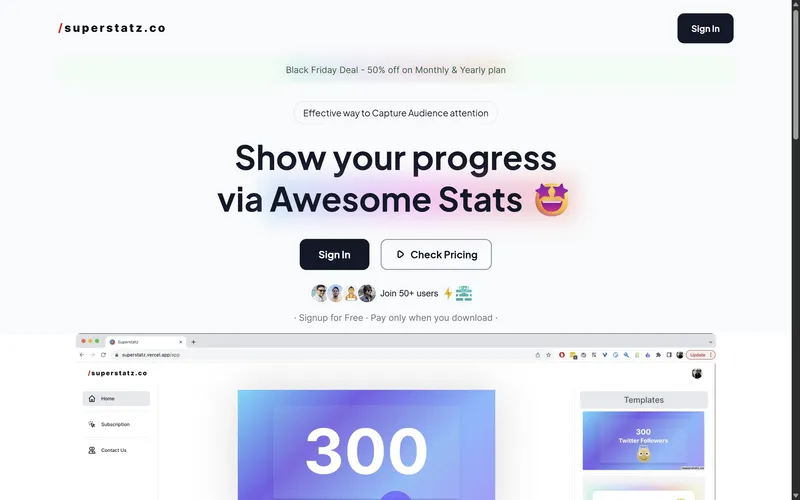
SuperStatz
Advanced sports statistics platform delivering in-depth analysis and performance metrics.
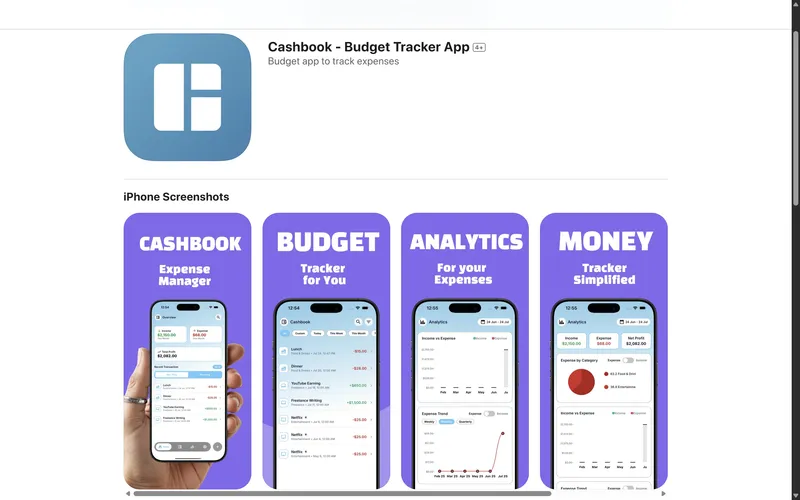
Cashbook
Simple expense tracking and budgeting app that helps users manage their finances effortlessly.
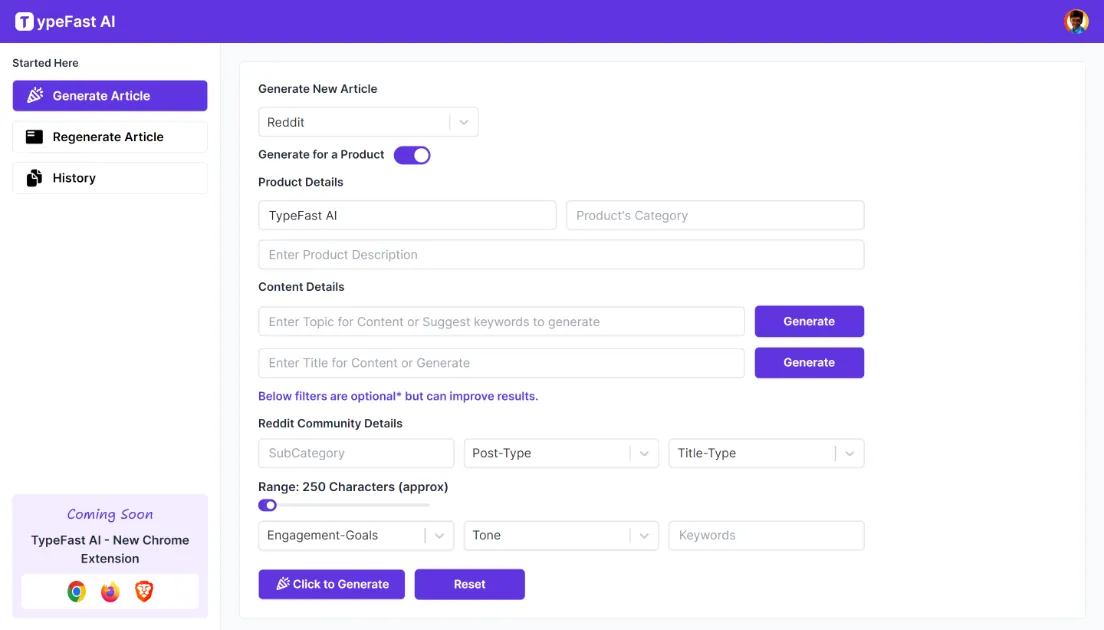
TypeFast
Typing speed improvement platform with gamified lessons and real-time performance tracking.
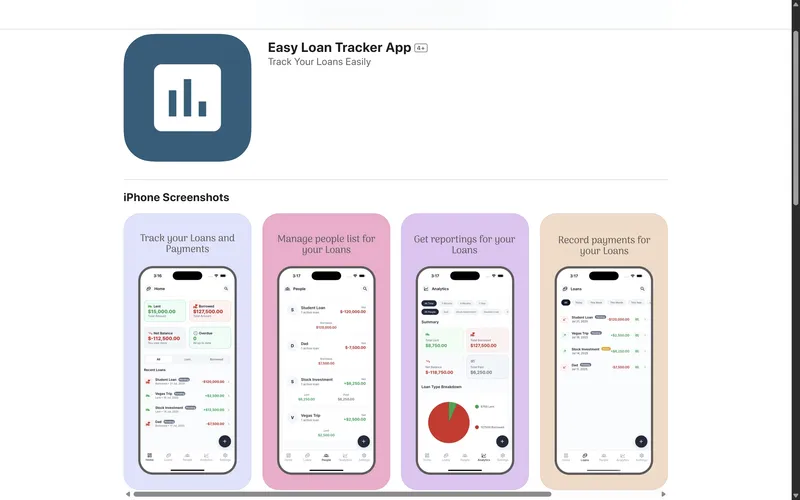
Easy Loan
Streamlined loan management system that simplifies borrowing and lending processes.
Explore Related Content
Discover more services, case studies, and insights
AI MVP Development for Manufacturing & Industry 4.0
Ship a production-ready Industry 4.0 AI MVP in 2-3 weeks: predictive maintenance, computer-vision inspection, and demand forecasting. You own 100% of the code.
AI MVP Development for Two-Sided Marketplaces
Launch a two-sided marketplace MVP in 2-3 weeks: split payments, seller KYC, AI matching, and trust & safety, by SpeedMVPs' 15+ engineers. 100% code ownership.
AI MVP Development for MarTech & AdTech
We build MarTech and AdTech MVPs, CDPs, attribution engines, OpenRTB bidders and generative creative, production-ready in 2-3 weeks with 100% code ownership.
AI-Powered MVP Development
Launch a production-ready AI MVP in just 2-3 weeks. Our team blends rapid prototyping with enterprise-grade AI/ML engineering to validate your idea, attract investors, and win early customers.
Integrate AI into Existing Software
Smoothly integrate AI capabilities into your existing software systems. We enhance your current applications with intelligent features, automation, and AI-powered insights while maintaining system stability.
How AI Agencies Ensure Quality at Speed
How top AI development agencies ship quality, scalable products in 2-3 weeks: senior engineers, AI-assisted workflows with human review, production-grade architecture, and automated testing under real deadlines.
How to Develop an AI-Driven Mobile App
A step-by-step guide to developing an AI-driven mobile app: defining the use case, choosing on-device vs cloud AI, picking your stack, building the model, and shipping.
AI Route Optimization Cuts Delivery Costs 34%
We built an AI logistics optimisation layer that uses ML-based route scoring, demand forecasting, and real-time re-routing to reduce cost-per-delivery by 34% and improve on-time performance.
AI Startup Ships MVP in 3 Weeks, Raises Pre-Seed
SpeedMVPs scoped the narrowest high-impact version of the product, then built a full-stack AI MVP in three weeks: a clean web app, an LLM-powered assistant grounded in the user's own documents via a RAG pipeline, authentication, billing, and analytics, deployed to production and ready to put in front of investors and design partners.
Python AI MVP Development Services
Build AI MVPs with Python for model workflows, data pipelines, and reliable APIs. We ship production-ready AI products with evaluation and monitoring baked in.
Ready to Build Your MVP?
Schedule a complimentary strategy session. Transform your concept into a market-ready MVP within 2-3 weeks. Partner with us to accelerate your product launch and scale your startup globally.
The call is 30 minutes with Diyanshu Patel, our CEO and co-founder. Afterwards you get a written proposal with timeline, pricing and development plan.
Calendar not loading? Open the booking page or email diyanshu@speedmvps.com.