
MVP Development Partner for Non-Technical Founders
Choosing an MVP development company as a non-technical founder? What a good partner owns for you, tech, architecture, and hosting, in plain English, no equity.
What You Need to Know
If you can't read code, choosing an MVP development company is itself the hardest technical decision you'll make: you're evaluating a partner on work you can't directly inspect. This page is written for that moment: how to tell a good MVP partner from a body shop, what a strong one quietly handles on your behalf, and the questions that surface the difference before you sign. SpeedMVPs works this way every week, and much of what follows is how we'd want a non-technical founder to vet us and everyone else.
The single most important thing a good partner does for a non-technical founder is own the technical decisions you're not equipped to make, and take responsibility for them. That means choosing the stack, designing the architecture, picking the database and hosting, wiring up authentication and payments, and setting up the deployment pipeline, all without pushing those choices back onto you framed as questions you can't answer. A weak partner asks 'which framework do you want?' A strong one makes the call, tells you what it chose in one plain sentence, and explains the one trade-off that actually affects you (usually cost or speed).
Watch how a company communicates during the sales conversation, because that's the clearest preview of the whole engagement. Ask them to explain how they'd build a piece of your idea. If the answer is a wall of acronyms, that's how every status update will read. If they translate, 'we'll store your user data in a managed database so you never touch a server, and it scales automatically as you grow', you've found someone who respects that your job is the product and the market, not the plumbing. Plain-English communication isn't a soft nicety for non-technical founders; it's the only way you can actually stay in control of a build you can't audit line by line.
Insist on owning everything from day one. The code, the domains, the hosting accounts, the database, the API keys, the repository: all of it should live in accounts with your name on them, not the agency's. This is where non-technical founders get quietly trapped: a partner spins everything up under their own logins, and six months later you can't leave, can't hire your own engineer to take over, and can't even see your own customer data without asking permission. A good MVP company sets up your accounts first and works inside them, so the day the engagement ends you have a complete, documented, running product and zero dependency on them.
Be direct about equity. A legitimate MVP development company is a service business: you pay a fixed price, you get a product, and you keep 100% of your company. Any 'we'll build your MVP for equity' offer deserves hard scrutiny: you'd be handing a permanent slice of your startup to a vendor for a few weeks of work, at the exact stage when your equity is most valuable and least replaceable. There are rare cases where a genuine technical co-founder relationship makes sense, but that's a co-founder search, not an MVP purchase: don't confuse the two. Paying cash for a defined deliverable keeps the relationship clean and your cap table intact.
Scope discipline is where a good partner protects a non-technical founder most, because you can't yet tell which features are cheap and which are quietly enormous. The right company acts like the technical co-founder you don't have: steering you toward the smallest build that actually proves your idea, and flagging when a 'quick addition' you've asked for is really a month of work in disguise. That judgment, knowing what to leave out, is worth more than raw coding speed, and it's the thing that separates a partner who ships you a focused, launchable product in weeks from one who bills you for a bloated build that never quite ships. Before you sign, ask what they'd cut from your idea; a partner who won't cut anything is optimizing for their invoice, not your launch.
Concretely, SpeedMVPs ships a production-ready MVP in 2-3 weeks with a team of 15+ engineers, a fixed scope agreed before any work starts, and 100% code ownership handed to you on your own accounts. We've shipped 18+ MVPs this way, and the model is deliberately built for founders who need a result on a deadline rather than a vendor to manage. If your product has an AI component, our dedicated build for non-technical founders goes deeper on model choice, evaluation, and cost. And if you want the full checklist for vetting any agency, not just us, our companion guide on choosing a development partner walks through the exact questions, contract terms, and red flags to raise before you commit.
What You'll Get
Full Technical Ownership, Handled
Stack, architecture, database, and hosting chosen and run for you.
Plain-English Partnership
Every decision and update translated out of jargon so you stay in control.
Your Accounts, Zero Equity
Fixed price, 100% code ownership, everything under your logins.
FAQ
What's the best way to choose an MVP development partner if I'm non-technical?
Judge them on communication and ownership terms, not just portfolio screenshots. Ask them to explain how they'd build part of your idea and see if they translate the jargon; confirm the code and accounts will be in your name from day one; and get the full scope, timeline, and fixed price in writing before you commit. A partner who makes the technical calls for you and explains the one trade-off that matters is the right fit.
Do I need any technical knowledge to work with an MVP company?
No. A good MVP development company makes and owns the technical decisions, the stack, architecture, hosting, security, and reports them to you in plain language. Your job stays what it should be: the product direction, the customers, and the market. If a company keeps pushing engineering choices back onto you as questions, that's a sign they'll be hard to work with.
Should I give an MVP agency equity instead of paying cash?
Almost never. A development company is a service you buy with a fixed fee, and you keep 100% of your startup. Trading equity for a few weeks of build work gives away your most valuable asset at the worst possible time. Equity belongs to a genuine technical co-founder who commits long-term: that's a different relationship from hiring an agency to ship your MVP.
Will I actually own the product, or does the agency keep control?
With the right partner, you own everything from day one: the code, the domains, the hosting accounts, the database, and the repository, all under your logins. Insist on this before signing. It's what lets you leave, hire your own engineer, or bring the build in-house later without being locked to the vendor. A partner who sets things up under their own accounts is a red flag.
How much does it cost to hire a company to build my MVP?
A focused MVP typically runs in the low-to-mid five figures as a fixed-price engagement, versus the far higher cost and risk of hiring engineers before you have traction. SpeedMVPs scopes a fixed price against a defined feature set before any work begins, so you get budget certainty and no surprise invoices: which matters most when you can't yet judge which features are expensive.
How long until I have an MVP I can show investors or users?
With a partner built for speed, 2-3 weeks for a focused, production-ready MVP. SpeedMVPs works to that timeline with a fixed scope agreed up front. A working product people can actually use is far more convincing to investors than a deck, and shipping fast also means you start learning from real users while competitors are still scoping.
Trusted by Global Companies Building AI Products
We've helped startups and enterprises worldwide transform their AI ideas into production-ready MVPs in 2–3 weeks. From fintech platforms to AI assistants, our global MVP development services have launched 18+ AI products serving users across the US, Europe, and Asia.

Portfolio: AI Products Built for Global Startups
From content platforms and AI assistants to analytics dashboards and fintech solutions: see how we've transformed ideas into production-ready MVPs in 2-3 weeks across diverse industries. Each product launched successfully, serving users globally.
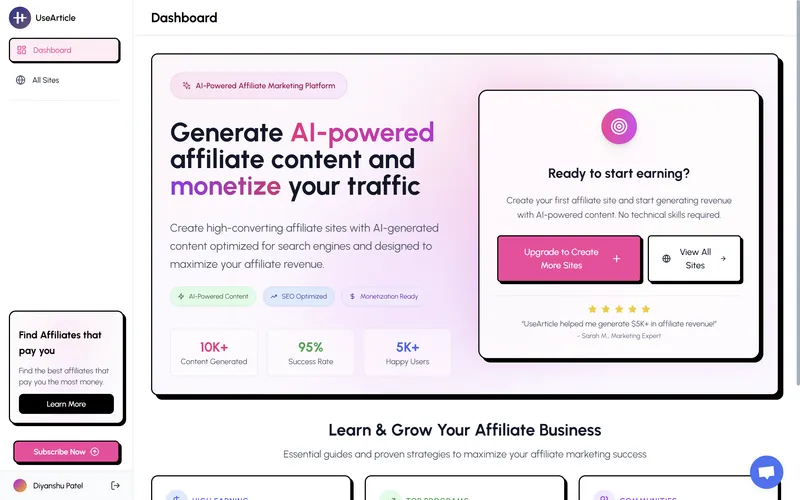
UseArticle
AI-powered content creation and management platform that helps teams produce high-quality articles at scale.
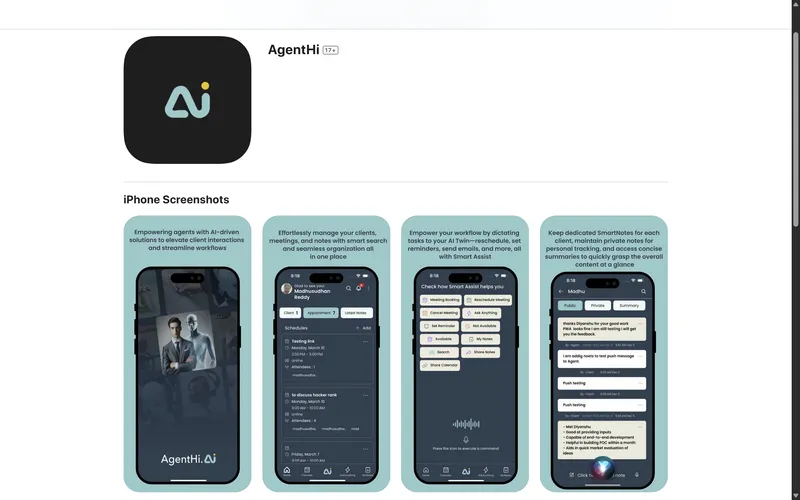
AgentHi
Intelligent virtual assistant that streamlines customer support and automates routine business tasks.
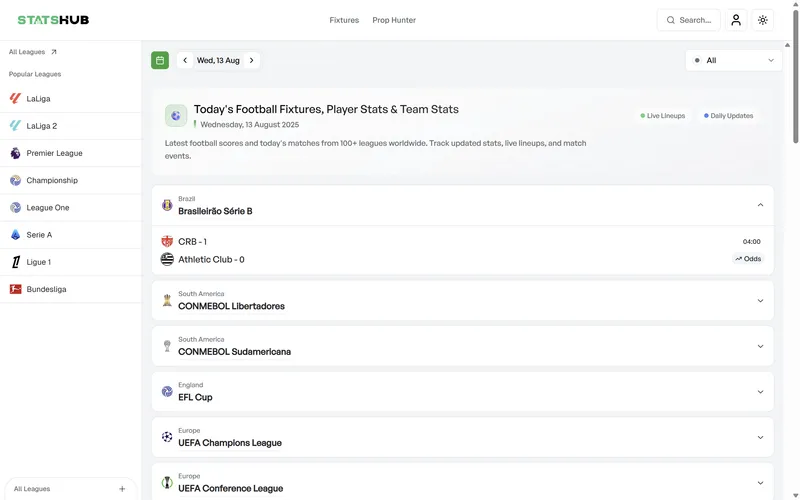
StatsHub
Comprehensive analytics dashboard providing real-time insights and data visualization for businesses.
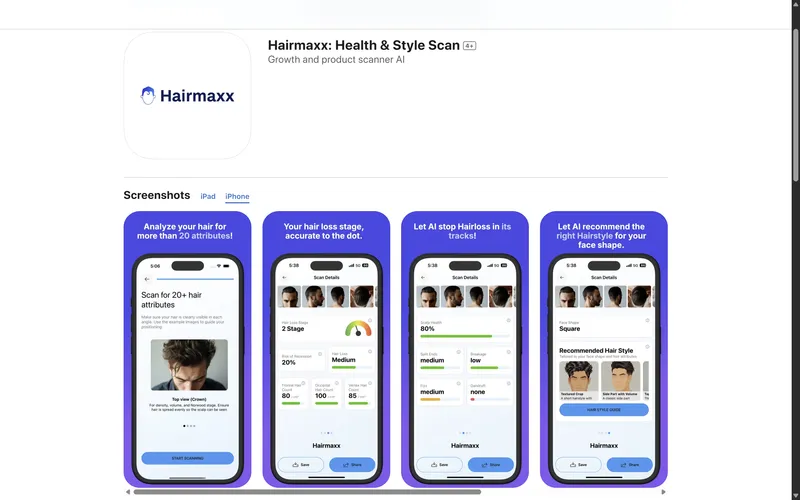
Harimaxx
Personal fitness companion with AI-driven workout plans and nutrition tracking for optimal health.
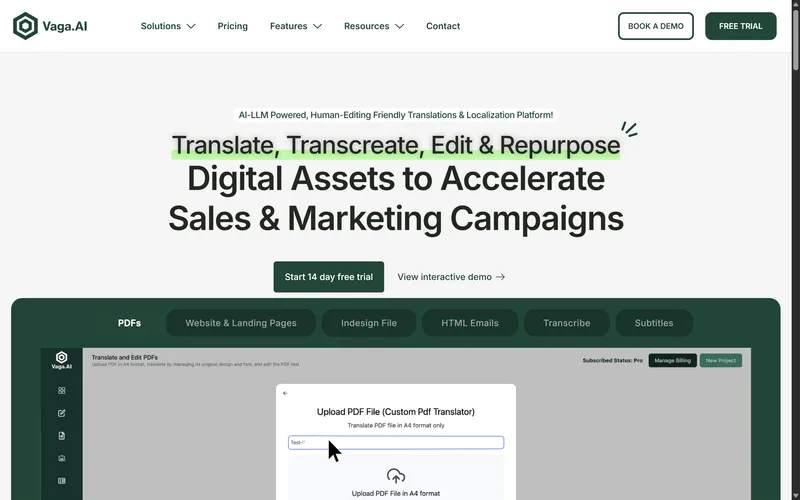
Vaga
Smart travel planning app that curates personalized itineraries and local experiences.
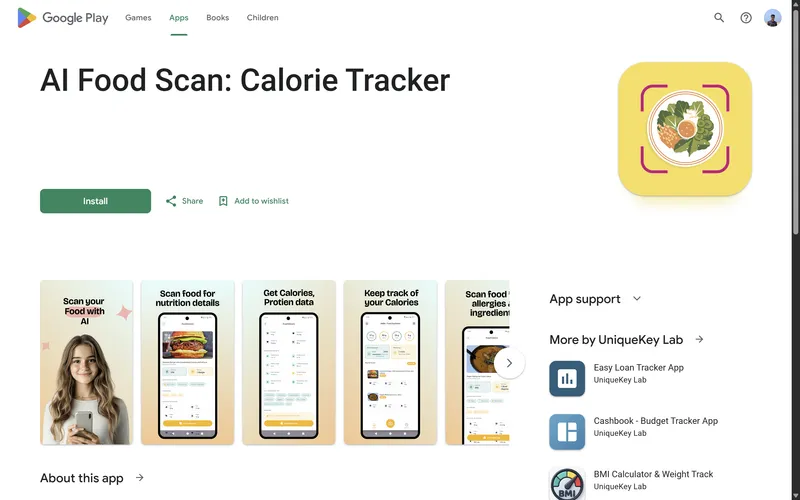
FoodScan
Nutrition analysis app that scans food items and provides detailed nutritional information instantly.
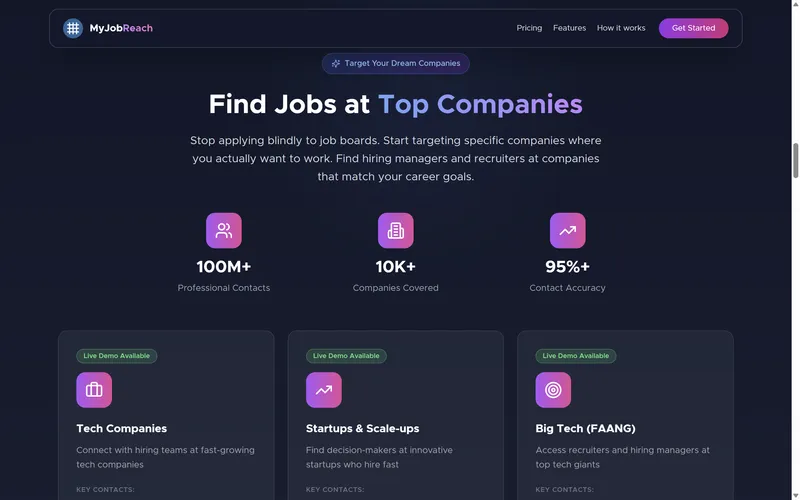
MyJobReach
Job matching platform connecting talented professionals with their dream opportunities.
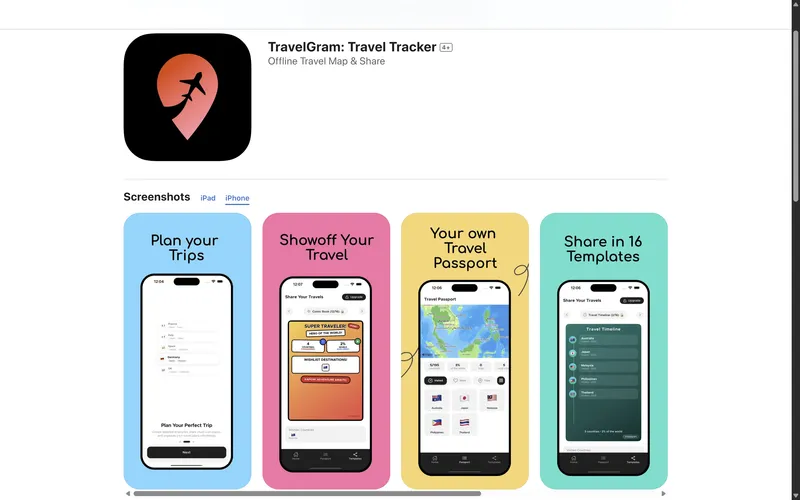
TravelGram
Social platform for travelers to share experiences, discover destinations, and connect globally.
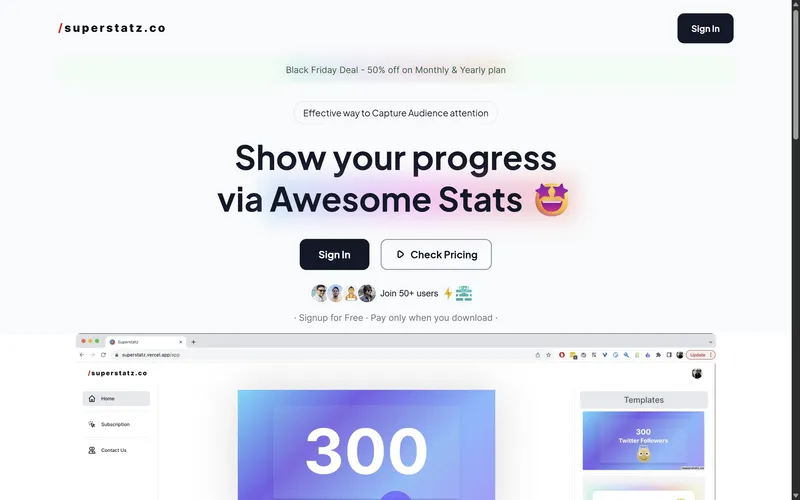
SuperStatz
Advanced sports statistics platform delivering in-depth analysis and performance metrics.
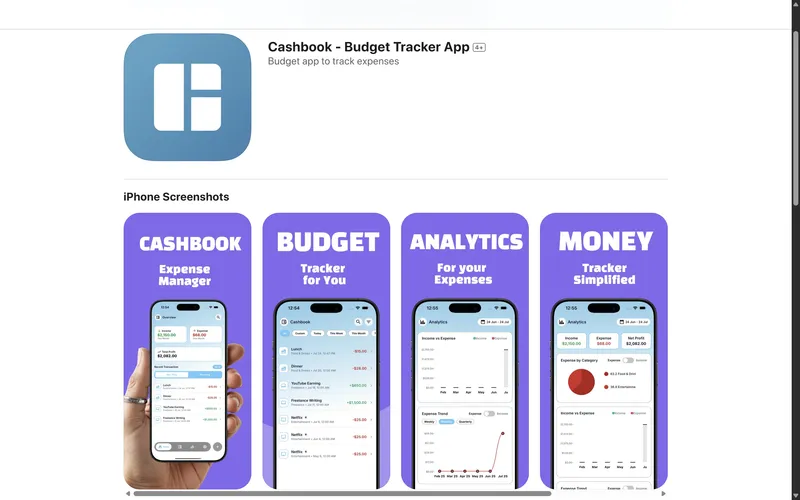
Cashbook
Simple expense tracking and budgeting app that helps users manage their finances effortlessly.
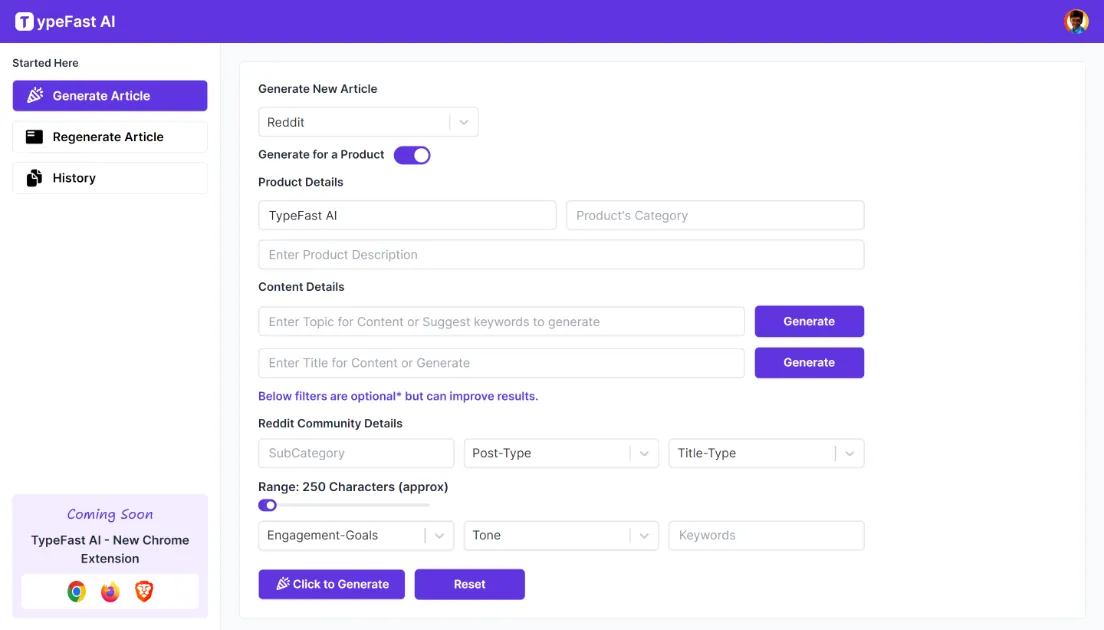
TypeFast
Typing speed improvement platform with gamified lessons and real-time performance tracking.
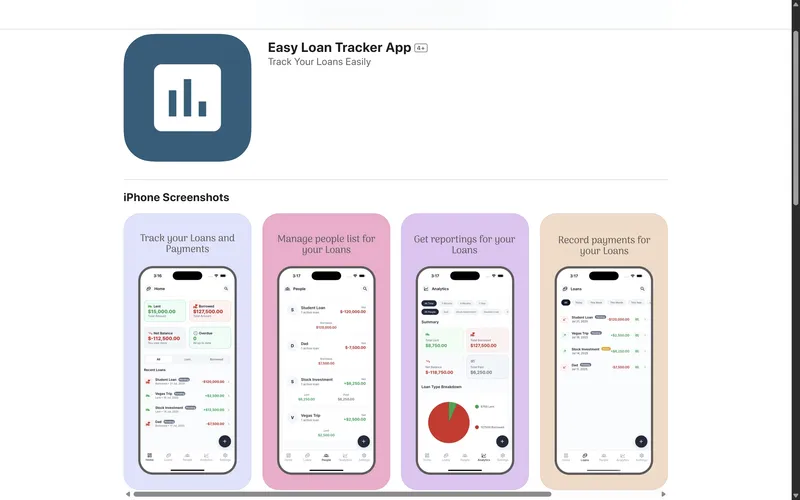
Easy Loan
Streamlined loan management system that simplifies borrowing and lending processes.
Explore Related Content
Discover more services, case studies, and insights
MVP Development Agency
An MVP development agency that ships production MVPs in 2-3 weeks at a fixed price. See our process, senior team, fixed-scope guarantee, and honest pricing.
AI MVP Development for Non-Technical Founders
No technical co-founder? We turn your idea into a launched AI MVP in 2–3 weeks: handling all the engineering, AI, and architecture while you own the product and code.
MVP Development Cost in 2026: Complete Pricing Guide for Startups and Enterprises
How much does it cost to build an MVP? A full breakdown of MVP development cost by type, complexity, and development approach, priced in USD for funded startups and enterprise teams. Includes real ways to reduce your MVP costs.
MVP Development for Startups
MVP development services designed for startups. SpeedMVPs helps founders go from idea to launched product in 2-3 weeks with AI-powered features.
Building an MVP for Fundraising: What Investors Want
An MVP built for a raise has a different job than one built for users. What investors check in a demo, what they ignore, and how to build for the questions you'll be asked.
AI-Powered MVP Development
Launch a production-ready AI MVP in just 2-3 weeks. Our team blends rapid prototyping with enterprise-grade AI/ML engineering to validate your idea, attract investors, and win early customers.
iOS App Consulting
Expert iOS consulting for startups and product teams. We help you define the right architecture, make the right technology choices, and ship iOS apps that perform on day one, without the costly mistakes that come from building alone.
How AI Agencies Ensure Quality at Speed
How top AI development agencies ship quality, scalable products in 2-3 weeks: senior engineers, AI-assisted workflows with human review, production-grade architecture, and automated testing under real deadlines.
How to Develop an AI-Driven Mobile App
A step-by-step guide to developing an AI-driven mobile app: defining the use case, choosing on-device vs cloud AI, picking your stack, building the model, and shipping.
Global AI MVP Development Agency
SpeedMVPs is a global AI MVP development agency helping startups and enterprises launch AI products in 2-3 weeks.
Ready to Build Your MVP?
Schedule a complimentary strategy session. Transform your concept into a market-ready MVP within 2-3 weeks. Partner with us to accelerate your product launch and scale your startup globally.