GCP Hosting for AI MVPs: Cloud Run, Vertex AI, and What to Skip
Hosting an AI MVP on Google Cloud. Cloud Run vs GKE, when Vertex AI is worth it, and the services that add cost without adding value at MVP stage.
Start with Cloud Run
Cloud Run runs a container, scales to zero when idle, and scales up under load without you configuring anything. For an MVP that's almost always the right compute primitive on GCP.
It sidesteps the two usual failure modes: paying for idle VMs, and adopting Kubernetes before you have a problem Kubernetes solves.
Cold starts are the trade-off. A container that takes eight seconds to boot makes the first request after idle painful. Fix it by keeping the image small, doing lazy initialization, and setting a minimum instance count of one for anything user-facing.
When GKE is justified
Rarely, at MVP stage. Kubernetes earns its complexity when you're running many services with genuinely different scaling profiles, need fine-grained scheduling, or have a platform team to own it.
If your MVP is a web app, a worker, and a database, GKE is a distraction with an ongoing operational cost.
Vertex AI: worth it or not
Worth it when you're fine-tuning models, need a managed vector store via Vertex AI Search, or want Gemini with enterprise data-residency guarantees. The managed endpoints handle scaling and versioning properly.
Skip it if you're calling a model API and storing embeddings. At that stage Vertex adds a layer of abstraction and cost over what is fundamentally an HTTP call plus a database with pgvector.
Most AI MVPs we build fall in the second category and move to the first only when fine-tuning or residency becomes a real requirement.
The data layer
Cloud SQL for Postgres with the pgvector extension covers relational data and embeddings in one place. For MVP-scale corpora this is almost always sufficient and far simpler than a dedicated vector database.
Firestore if your data is genuinely document-shaped — but see the relational caveat that applies to any document store.
BigQuery for analytics, not for serving application queries. Teams sometimes reach for it as a general database and discover the latency and per-query cost model don't suit request paths.
What actually costs money
The surprises are consistent: idle GPU instances left running after an experiment, egress charges on data leaving the region, and Vertex endpoints provisioned with a minimum replica count and then forgotten.
Set a budget alert on day one. It takes two minutes and catches all three.
What we set up
Cloud Run for compute, Cloud SQL with pgvector for data, Secret Manager for credentials, Cloud Build for deploys, and budget alerts before anything else. Load testing against a realistic traffic shape so autoscaling settings are chosen rather than defaulted.
What You'll Get
Cloud Run, not Kubernetes
The simplest primitive that fits, with cold starts handled.
pgvector over a vector DB
One database for relational data and embeddings at MVP scale.
Budget alerts on day one
Idle GPUs and forgotten endpoints caught before the invoice.
FAQ
Should I use Cloud Run or GKE for an AI MVP?
Cloud Run, almost always. It runs your container, scales to zero when idle, and needs no cluster management. GKE earns its complexity only when you have many services with different scaling profiles and a team to operate it — rarely true at MVP stage.
Do I need Vertex AI to build an AI product on GCP?
No. If you're calling a model API and storing embeddings, Vertex adds abstraction and cost over an HTTP call plus Postgres with pgvector. It becomes worthwhile when you fine-tune models, need managed vector search at scale, or require enterprise data-residency guarantees.
What causes unexpected GCP bills on AI projects?
Three things, consistently: GPU instances left running after an experiment, egress charges on data leaving the region, and Vertex endpoints provisioned with a minimum replica count then forgotten. A budget alert set on day one catches all of them.
Trusted by Global Companies Building AI Products
We've helped startups and enterprises worldwide transform their AI ideas into production-ready MVPs in 2–3 weeks. From fintech platforms to AI assistants, our global MVP development services have launched 18+ AI products serving users across the US, Europe, and Asia.




Portfolio: AI Products Built for Global Startups
From content platforms and AI assistants to analytics dashboards and fintech solutions—see how we've transformed ideas into production-ready MVPs in 2-3 weeks across diverse industries. Each product launched successfully, serving users globally.
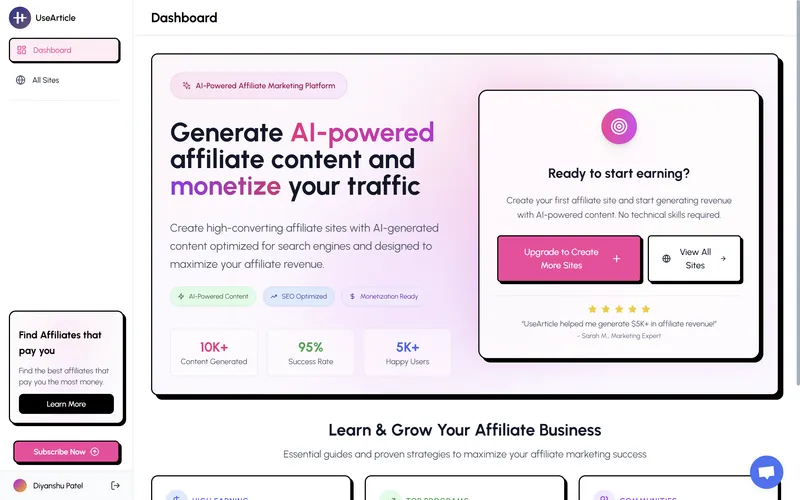
UseArticle
AI-powered content creation and management platform that helps teams produce high-quality articles at scale.
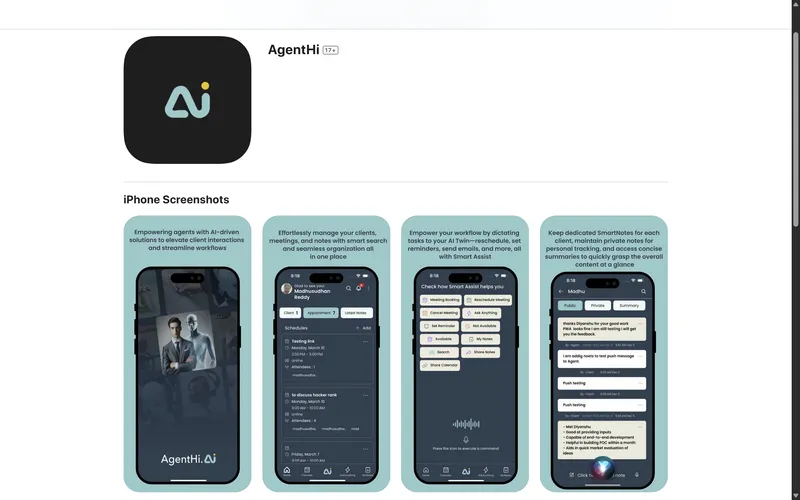
AgentHi
Intelligent virtual assistant that streamlines customer support and automates routine business tasks.
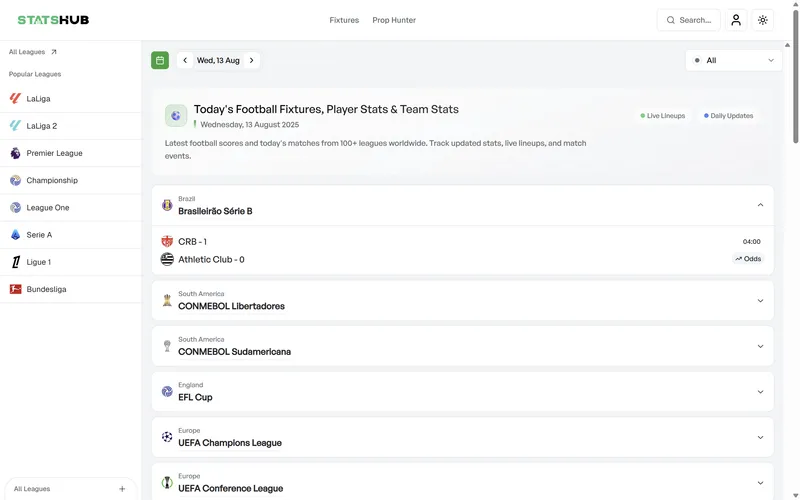
StatsHub
Comprehensive analytics dashboard providing real-time insights and data visualization for businesses.
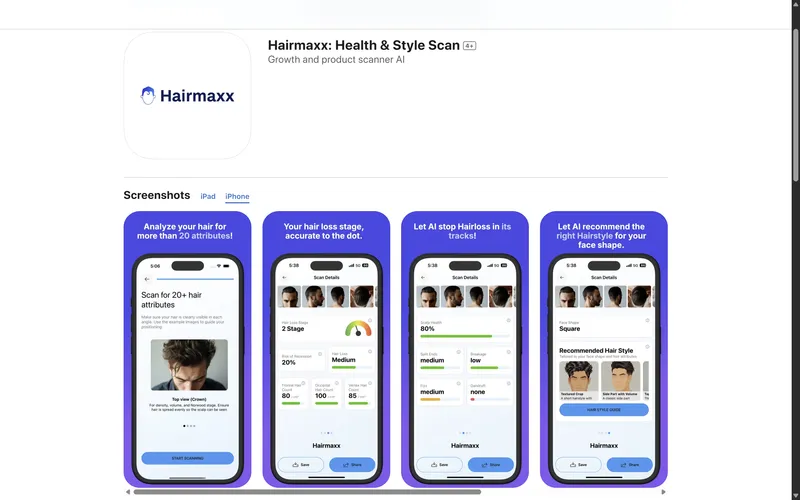
Harimaxx
Personal fitness companion with AI-driven workout plans and nutrition tracking for optimal health.
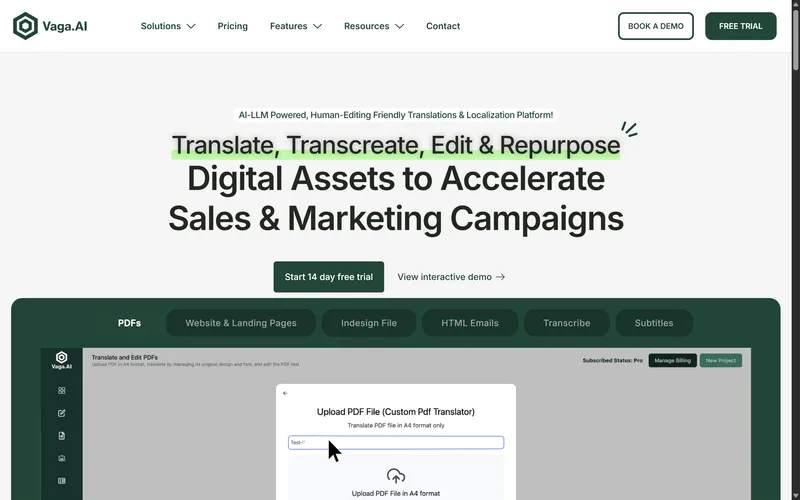
Vaga
Smart travel planning app that curates personalized itineraries and local experiences.
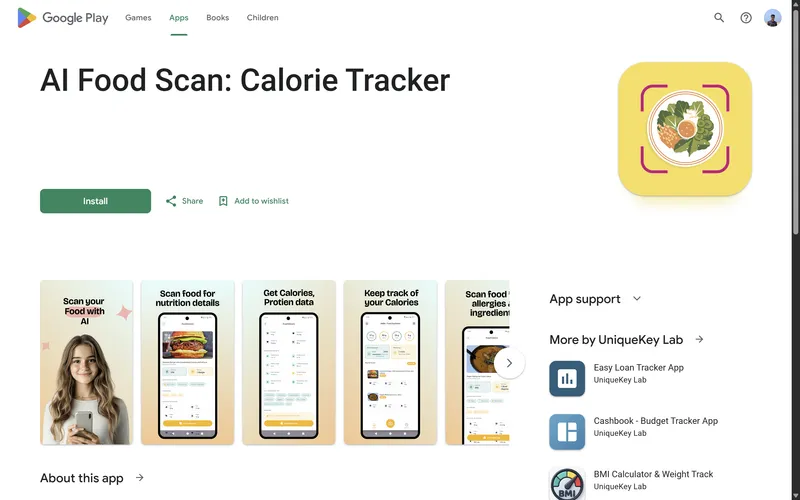
FoodScan
Nutrition analysis app that scans food items and provides detailed nutritional information instantly.
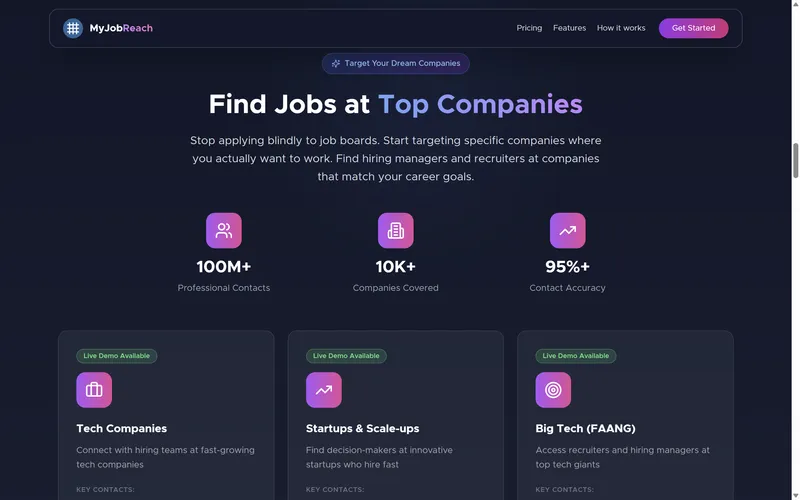
MyJobReach
Job matching platform connecting talented professionals with their dream opportunities.
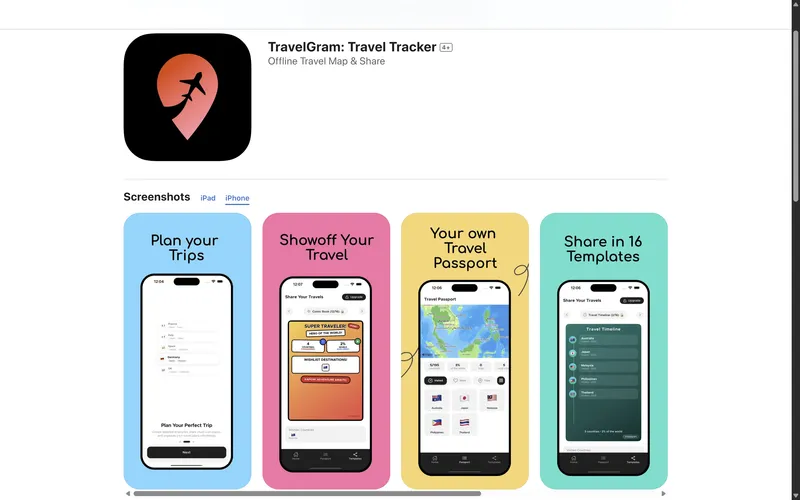
TravelGram
Social platform for travelers to share experiences, discover destinations, and connect globally.
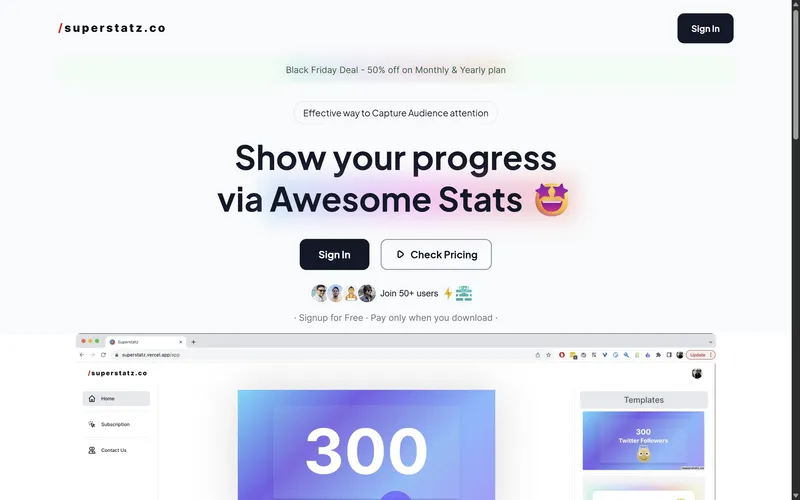
SuperStatz
Advanced sports statistics platform delivering in-depth analysis and performance metrics.
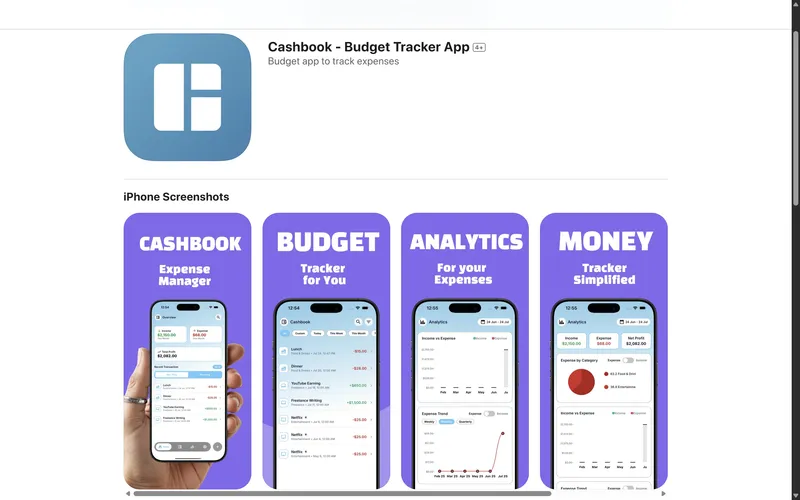
Cashbook
Simple expense tracking and budgeting app that helps users manage their finances effortlessly.
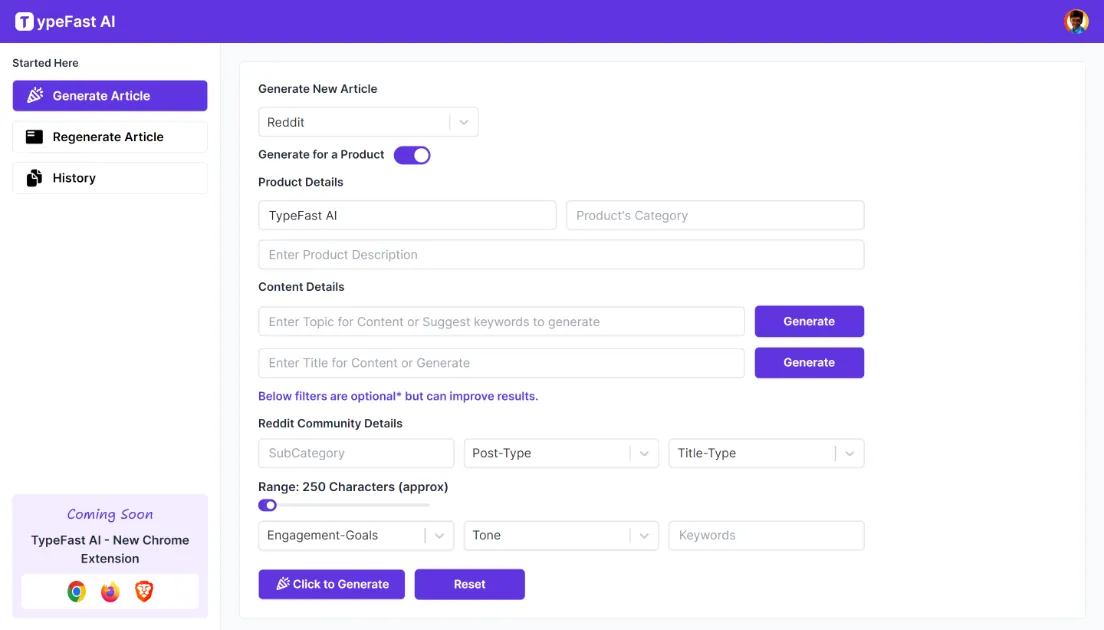
TypeFast
Typing speed improvement platform with gamified lessons and real-time performance tracking.
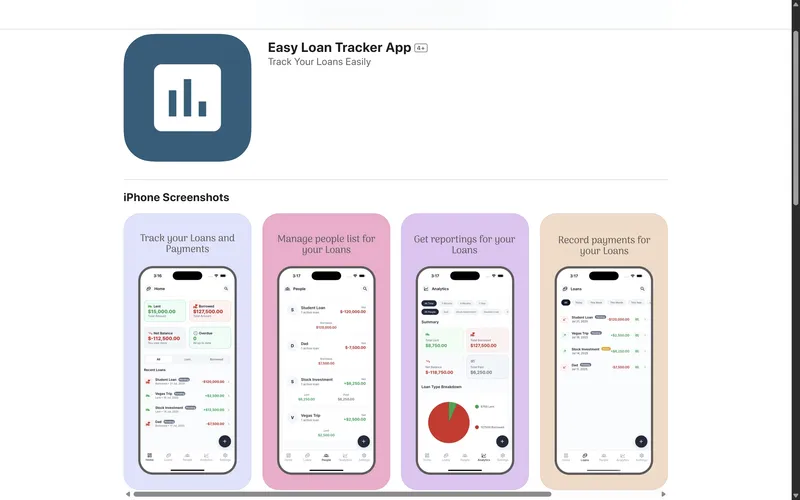
Easy Loan
Streamlined loan management system that simplifies borrowing and lending processes.
Explore Related Content
Discover more services, case studies, and insights
The Best Glide Alternative for Scalable Custom Apps
Hit Glide's limits on data, AI, or branding? SpeedMVPs rebuilds your app as a custom, owned codebase with real AI features — launched in 2–3 weeks.
Global AI MVP Development Agency
SpeedMVPs is a global AI MVP development agency helping startups and enterprises launch AI products in 2-3 weeks.
Global AI MVP Development Agency
SpeedMVPs is a global AI MVP development agency delivering production-ready AI products in 2–3 weeks. Trusted by founders across the US, UK, Europe, and Asia-Pacific.
iOS App Consulting
Expert iOS consulting for startups and product teams. We help you define the right architecture, make the right technology choices, and ship iOS apps that perform on day one — without the costly mistakes that come from building alone.
SwiftUI Development
Production-grade SwiftUI apps built by engineers who live in the framework. We ship clean, testable SwiftUI code that works across iPhone, iPad, and Mac — delivered in weeks, not months.
How to Develop an AI-Driven Mobile App: A Practical 2026 Guide
A step-by-step guide to developing an AI-driven mobile app — defining the use case, choosing on-device vs cloud AI, picking your stack, building the model, and shipping.
How to Build an MVP Without a Developer Using AI (2026 Playbook)
An honest 2026 playbook for non-technical founders: which AI no-code tools can actually build an MVP, where they break (auth, payments, scale), and when to bring in engineers.
The Fintech Fortress: How a 3-Week AI MVP Detected Billions in Fraud Without Breaching a Single Data Wall
A digital citadel: rapid, unbreachable, and utterly adaptive AI MVP with zero-trust architecture, federated learning, and compliance-first design.
Ready to Build Your MVP?
Schedule a complimentary strategy session. Transform your concept into a market-ready MVP within 2-3 weeks. Partner with us to accelerate your product launch and scale your startup globally.