
HIPAA-Compliant App Development for Healthtech MVPs
HIPAA-compliant app development for healthtech MVPs: BAAs, PHI handling, audit logging, encryption, and HIPAA-eligible hosting baked into a 2-3 week build.
What You Need to Know
**HIPAA is a build decision, not a checkbox you add later.** If your app touches protected health information (PHI), names tied to a diagnosis, appointment data, lab results, messages between a patient and clinician, the Privacy, Security, and Breach Notification Rules apply from the first line of code. The good news for a healthtech MVP is that HIPAA does not dictate a specific tech stack; it defines required administrative, physical, and technical safeguards. Bake those safeguards into your architecture on day one and compliance stops being a rewrite and becomes a set of defaults. We build healthtech MVPs this way so you can demo to design partners and health systems without a security questionnaire killing the deal.
**Business Associate Agreements (BAAs) are the first thing to get right, because they gate every vendor you can use.** Any third party that stores, processes, or transmits PHI on your behalf is a business associate and needs a signed BAA before a single record flows through it. That includes your cloud host (AWS, Google Cloud, and Azure all sign BAAs and publish lists of HIPAA-eligible services), your database, transactional email/SMS, error monitoring, analytics, and any AI model provider. Practically, this means you can only use the HIPAA-eligible subset of a cloud's services, and you route PHI away from tools that will not sign: most consumer analytics SDKs, for example. We map every vendor in the stack to a BAA status before we wire it in, so nothing that sees PHI is uncovered.
**PHI handling comes down to the minimum necessary principle and knowing exactly where records live.** HIPAA expects you to limit PHI access, use, and disclosure to the minimum needed for a task. In an app that translates to a clear data model that tags which fields are PHI, role-scoped queries so a support user cannot pull a full clinical record, and de-identification or tokenization wherever the full identifier is not actually required. It also means keeping a real inventory of every place PHI is stored or copied, the primary database, backups, log lines, cached responses, third-party queues, because a stray identifier in a log file is still PHI. We design the schema and access layer around this so the boundaries are enforced in code, not in a policy document nobody reads.
**Audit logging is an explicit technical safeguard, and it is easy to under-build.** The Security Rule requires mechanisms to record and examine activity in systems that contain PHI. That means an append-only audit trail capturing who accessed which record, when, and what they did, reads included, not just writes, with the logs protected from tampering and retained per your policy (HIPAA sets a six-year retention baseline for required documentation). We implement this at the application layer so every PHI access route emits a structured, immutable audit event, and we keep those logs separate from application logs so ordinary debugging output never becomes a second uncontrolled copy of PHI.
**Encryption is the safeguard that also protects you under the Breach Notification Rule.** HIPAA treats encryption as an addressable specification, but properly encrypted PHI that is lost or stolen generally falls under the breach safe harbor, so we treat it as a default, not an option. That means TLS for everything in transit, encryption at rest for databases, object storage, and backups, and careful key management (managed KMS with rotation, no keys in source control). We also close the quieter gaps: PHI that ends up in URLs, in browser local storage, in unencrypted mobile caches, or in a third-party CDN. Getting encryption right end to end removes the single most common finding in a healthtech security review.
**Hosting and infrastructure choices determine how much of HIPAA you inherit versus have to build.** Running on a HIPAA-eligible managed platform under a signed BAA means the cloud provider handles physical safeguards and much of the infrastructure security, and you own configuration and the application layer. We favor a small set of HIPAA-eligible managed services, a managed Postgres, object storage, and compute that are all in scope, over exotic tooling that has no BAA, because a lean, in-scope stack is faster to build and far easier to attest to. Network isolation, least-privilege IAM, encrypted backups, and access logging on the infrastructure round out the technical controls without adding weeks to delivery.
**AI features need extra care, because a model provider that sees PHI is a business associate too.** If your MVP sends clinical notes to an LLM for summarization, or patient data to a vision model, that provider must offer a BAA and a zero-retention or no-training data path: otherwise you either de-identify before the call or choose a provider that will sign. We design AI workflows so PHI either stays inside your BAA-covered boundary or is stripped of identifiers before it leaves, and we log every model call as a PHI access event. This is where a general security setup is not enough and HIPAA-specific judgment matters: the rule cares about where the data goes, not how clever the feature is.
**The reason this can ship in a 2-3 week MVP is that the controls are architectural, not bolt-on.** Choosing a HIPAA-eligible host, signing BAAs, tagging PHI in the schema, enforcing role-scoped access, emitting audit events, and encrypting everything are decisions made once at the foundation and then reused by every feature. That is very different from retrofitting compliance into a live app, which usually means re-plumbing data flows and re-hosting. SpeedMVPs has shipped 18+ AI MVPs and builds healthtech products with these safeguards from the first commit, with 100% code ownership handed to you, so your compliance foundation is something your own team can audit, extend, and take to a full risk assessment as you grow.
What You'll Get
HIPAA-eligible hosting + BAAs
In-scope cloud stack with every PHI vendor under a signed BAA.
PHI handling + audit logging
Minimum-necessary access, PHI-tagged schema, immutable audit trail.
Encryption + access controls
TLS, at-rest encryption, KMS, and least-privilege role scoping.
FAQ
Does my healthtech MVP actually need to be HIPAA compliant?
If your app creates, stores, transmits, or receives protected health information (PHI) as a covered entity or on behalf of one, then yes. PHI is health data tied to an identifiable person: appointments, diagnoses, lab results, clinical messages. If you only handle fully de-identified data or general wellness content with no identifiers, HIPAA may not apply, but that is a determination worth confirming early, because it shapes your entire architecture and vendor list.
What is a BAA and which vendors need one?
A Business Associate Agreement is a contract that binds any third party handling PHI on your behalf to HIPAA's safeguards. You need one with every vendor that can see PHI: your cloud host, database, transactional email/SMS, error monitoring, and any AI model provider. Vendors that will not sign a BAA cannot be in the PHI data path, so we confirm BAA availability before wiring a service into the build.
Can you build HIPAA compliance into a fast MVP without slowing delivery?
Yes, because the core controls are architectural decisions made once at the foundation, HIPAA-eligible hosting, signed BAAs, PHI-tagged data model, role-scoped access, audit logging, and end-to-end encryption, then reused by every feature. That is far faster than retrofitting compliance into a live app later, which usually forces re-plumbing data flows and re-hosting. We ship healthtech MVPs in 2-3 weeks with these safeguards in from the first commit.
How do you handle AI features that need to process patient data?
A model provider that receives PHI is a business associate, so it must offer a BAA and a no-retention, no-training data path. Where that is available, PHI stays inside your covered boundary and every model call is logged as a PHI access event. Where it is not, we de-identify or tokenize the data before it leaves your system. The rule cares about where data goes, so AI workflows are designed around that boundary rather than bolted on afterward.
Does building a HIPAA-compliant app make me fully compliant on its own?
The application and infrastructure controls we build, encryption, access control, audit logging, BAAs, minimum-necessary data handling, cover the technical and much of the physical safeguards. Full HIPAA compliance also requires administrative safeguards you own as the organization: policies, workforce training, a formal risk assessment, and breach response procedures. We deliver the technical foundation and a clear picture of what remains, with 100% code ownership so your team can extend it.
Where does PHI encryption matter most in an app?
Everywhere it moves or rests: TLS in transit, encryption at rest for the database, object storage, and backups, and managed key rotation with no keys in source control. The commonly missed spots are PHI leaking into URLs, browser local storage, unencrypted mobile caches, third-party CDNs, or ordinary log files. Properly encrypted PHI also generally qualifies for the Breach Notification Rule safe harbor, which is why we treat encryption as a default rather than an option.
Trusted by Global Companies Building AI Products
We've helped startups and enterprises worldwide transform their AI ideas into production-ready MVPs in 2–3 weeks. From fintech platforms to AI assistants, our global MVP development services have launched 18+ AI products serving users across the US, Europe, and Asia.

Portfolio: AI Products Built for Global Startups
From content platforms and AI assistants to analytics dashboards and fintech solutions: see how we've transformed ideas into production-ready MVPs in 2-3 weeks across diverse industries. Each product launched successfully, serving users globally.
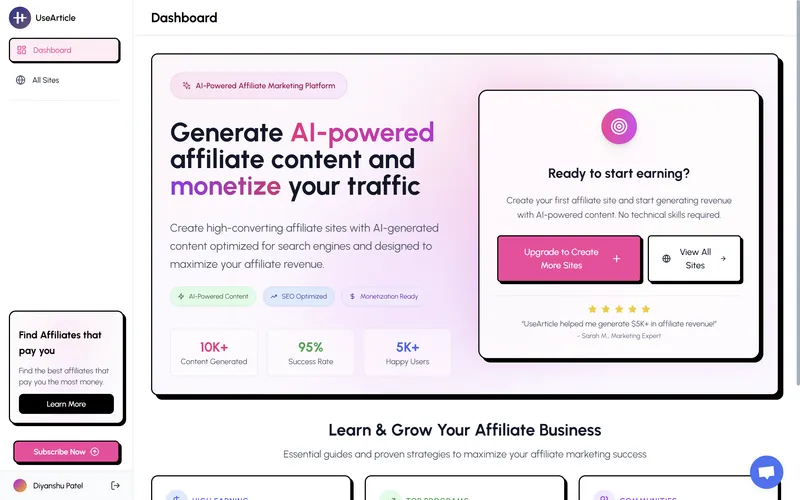
UseArticle
AI-powered content creation and management platform that helps teams produce high-quality articles at scale.
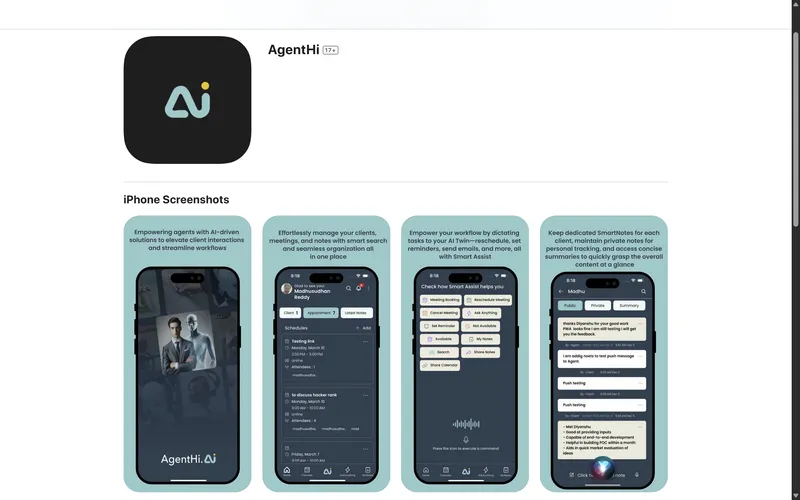
AgentHi
Intelligent virtual assistant that streamlines customer support and automates routine business tasks.
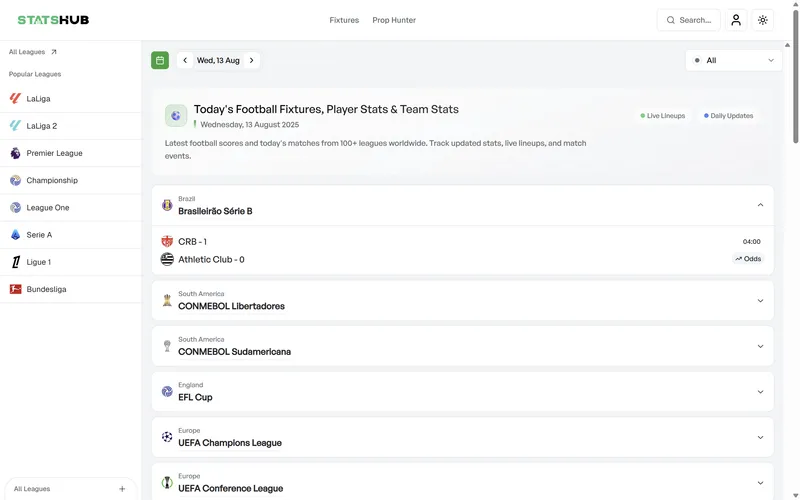
StatsHub
Comprehensive analytics dashboard providing real-time insights and data visualization for businesses.
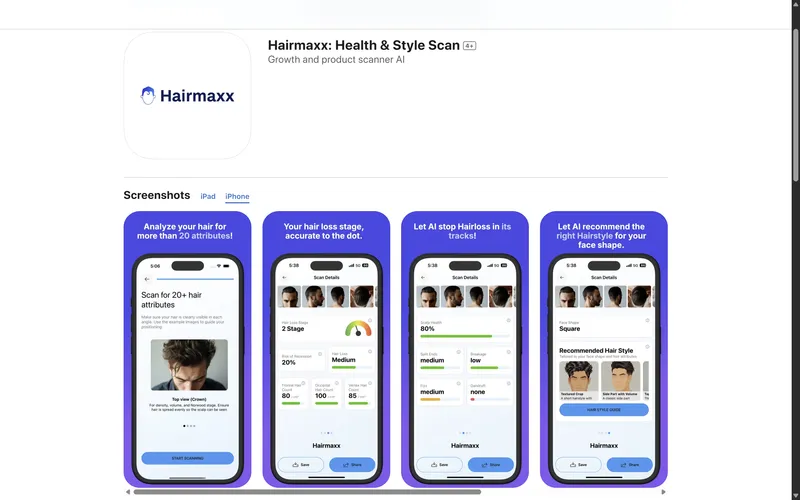
Harimaxx
Personal fitness companion with AI-driven workout plans and nutrition tracking for optimal health.
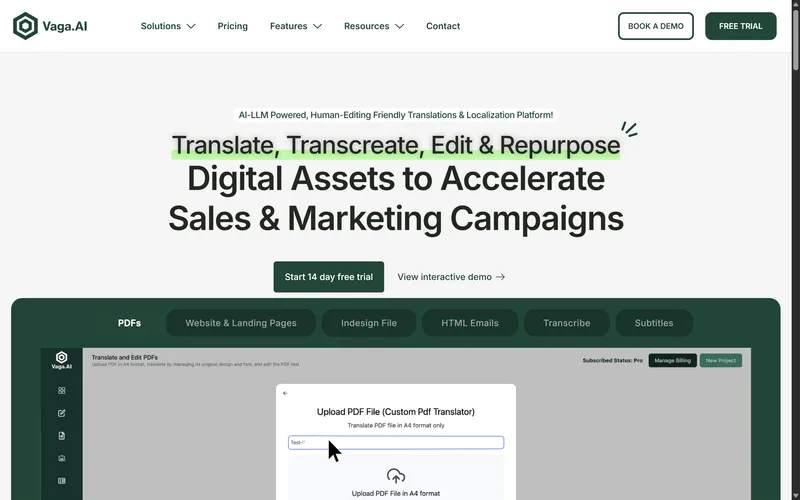
Vaga
Smart travel planning app that curates personalized itineraries and local experiences.
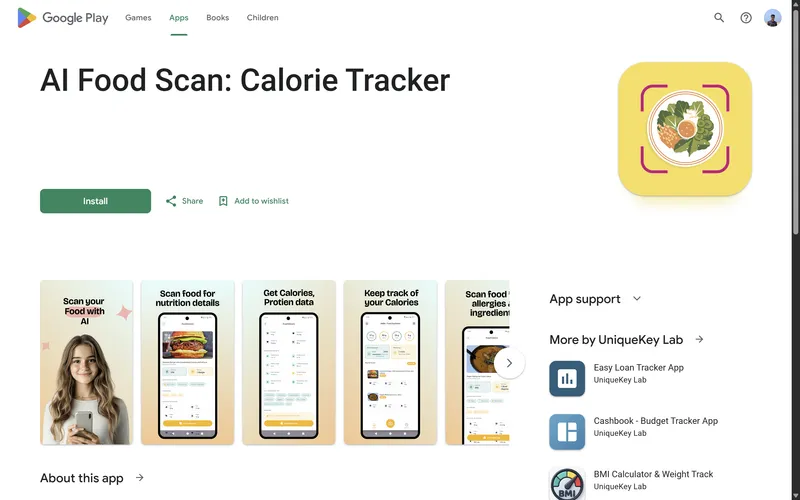
FoodScan
Nutrition analysis app that scans food items and provides detailed nutritional information instantly.
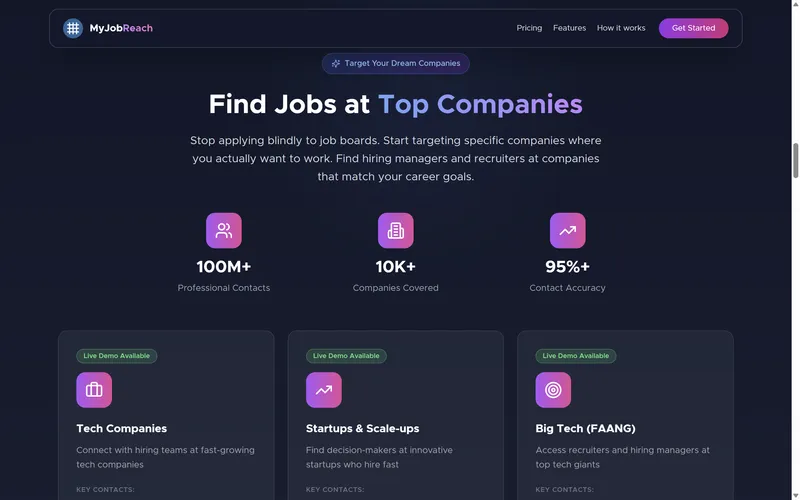
MyJobReach
Job matching platform connecting talented professionals with their dream opportunities.
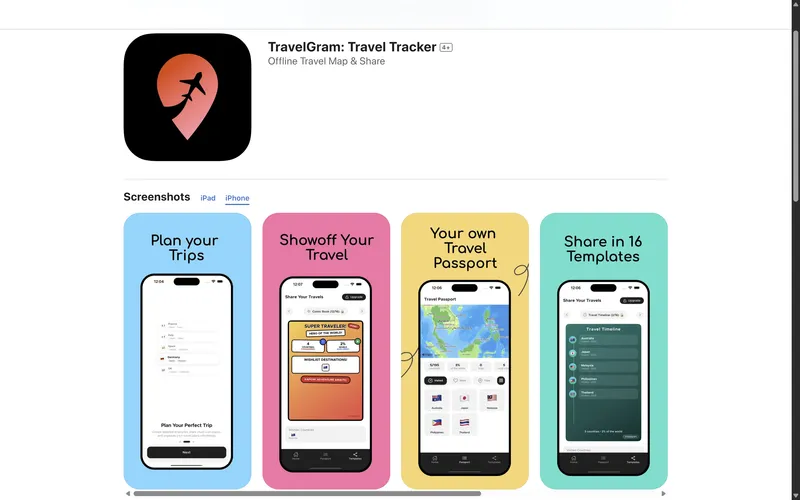
TravelGram
Social platform for travelers to share experiences, discover destinations, and connect globally.
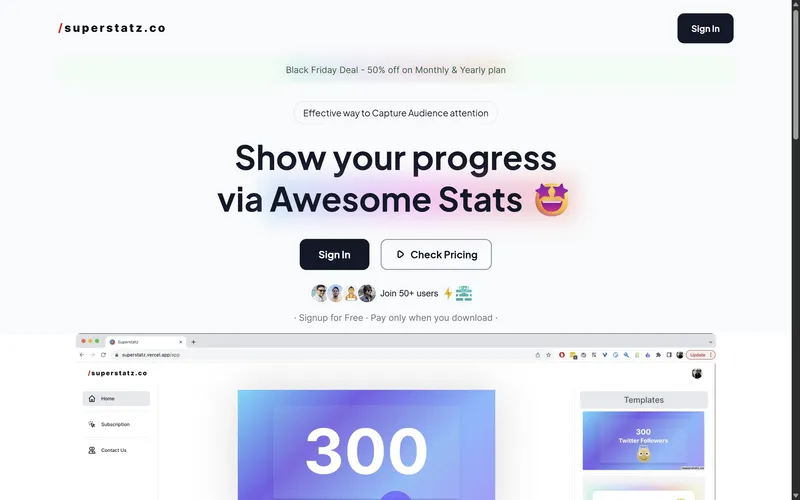
SuperStatz
Advanced sports statistics platform delivering in-depth analysis and performance metrics.
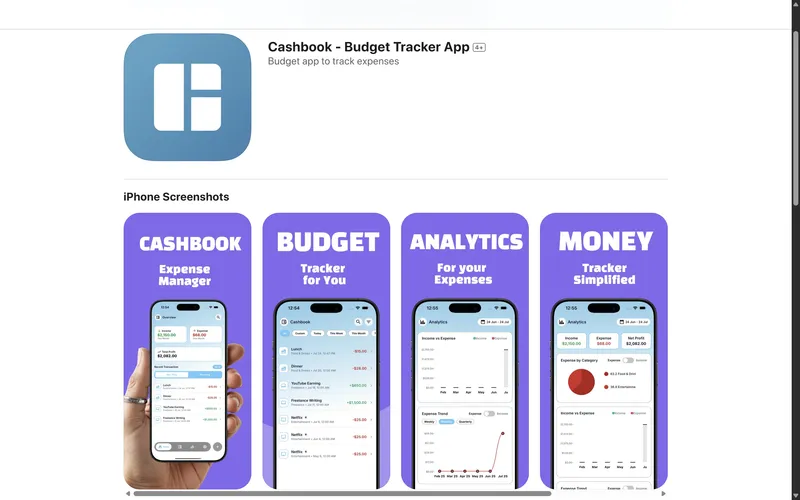
Cashbook
Simple expense tracking and budgeting app that helps users manage their finances effortlessly.
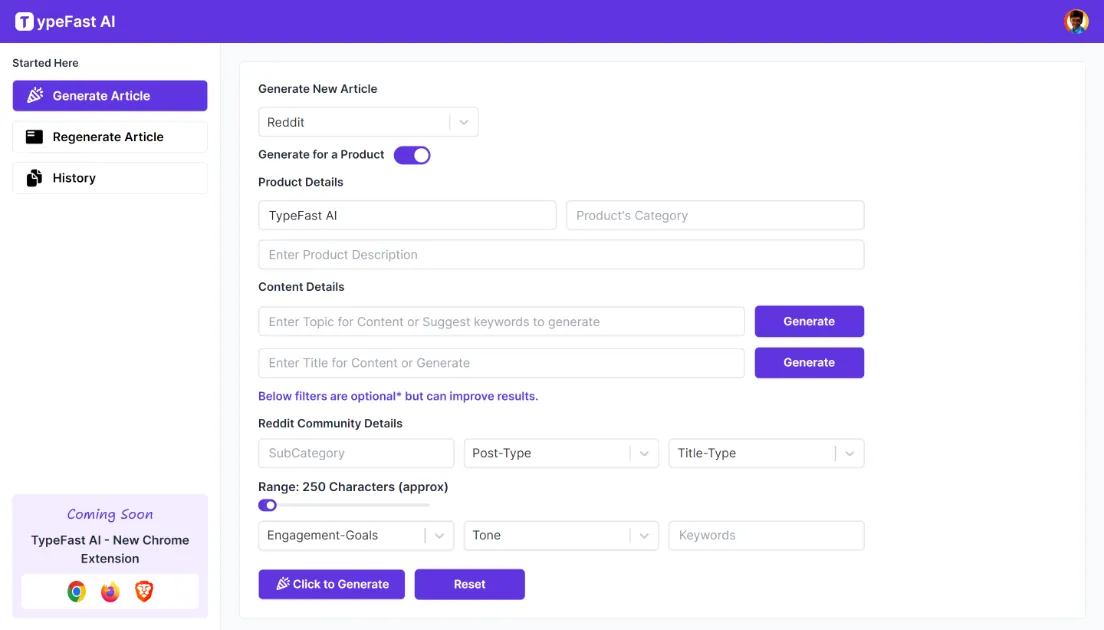
TypeFast
Typing speed improvement platform with gamified lessons and real-time performance tracking.
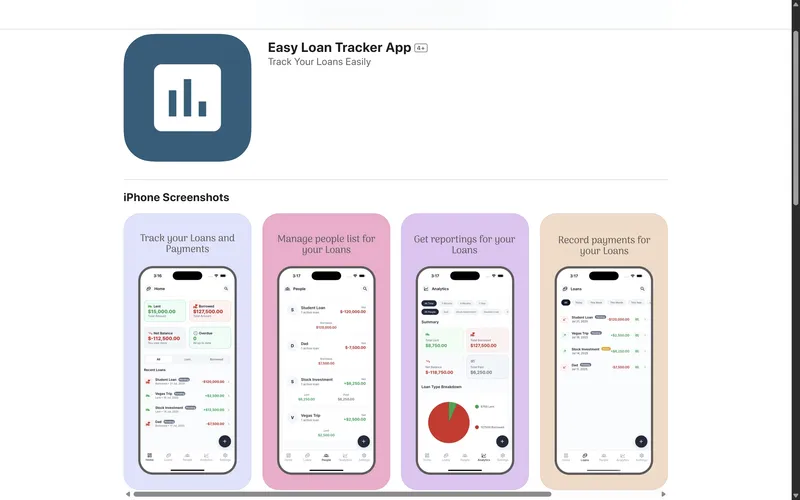
Easy Loan
Streamlined loan management system that simplifies borrowing and lending processes.
Explore Related Content
Discover more services, case studies, and insights
AWS Hosting & Infrastructure for AI MVPs
Deploy AI MVPs on AWS with secure networking, scalable services, and observability. Production infrastructure that supports rapid iteration and growth.
AI MVP for Healthtech: HIPAA-Compliant Solutions
Comprehensive guide to building AI in healthcare. Covers HIPAA compliance, patient data privacy, diagnostic assistance, and administrative automation.
Hire AI Developers in Australia
Hire AI developers in Australia for AI MVP development, automation, copilots, and data dashboards. Fast delivery in 2-3 weeks with clear scope and ownership.
Hire AI Developers in Austria
Hire AI developers in Austria for AI MVP development, automation, copilots, and data dashboards. Fast delivery in 2-3 weeks with clear scope and ownership.
Hire AI Developers in Belgium
Hire AI developers in Belgium for AI MVP development, automation, copilots, and data dashboards. Fast delivery in 2-3 weeks with clear scope and ownership.
AI-Powered MVP Development
Launch a production-ready AI MVP in just 2-3 weeks. Our team blends rapid prototyping with enterprise-grade AI/ML engineering to validate your idea, attract investors, and win early customers.
Integrate AI into Existing Software
Smoothly integrate AI capabilities into your existing software systems. We enhance your current applications with intelligent features, automation, and AI-powered insights while maintaining system stability.
How AI Agencies Ensure Quality at Speed
How top AI development agencies ship quality, scalable products in 2-3 weeks: senior engineers, AI-assisted workflows with human review, production-grade architecture, and automated testing under real deadlines.
How to Develop an AI-Driven Mobile App
A step-by-step guide to developing an AI-driven mobile app: defining the use case, choosing on-device vs cloud AI, picking your stack, building the model, and shipping.
2-Week AI MVP Boosts a Non-Profit's Fundraising
AI-powered donor engagement platform with personalized messaging, predictive analytics, and real-time fundraising dashboards.
Ready to Build Your MVP?
Schedule a complimentary strategy session. Transform your concept into a market-ready MVP within 2-3 weeks. Partner with us to accelerate your product launch and scale your startup globally.