
AI for ecommerce automation in Japan
Build ai for ecommerce automation in Japan. We’re an AI MVP partner for funded startups and enterprises: shipping AI SaaS MVPs, AI automation, enterprise AI copilots, and analytics dashboards in 2-3 weeks. Trusted by teams in Tokyo, Osaka, Yokohama.
AI for ecommerce automation in Japan: what the market actually looks like
Japan is Asia's second-largest AI market after China and offers significant opportunities in manufacturing automation, robotics integration, healthcare, and enterprise efficiency. Japanese companies are investing heavily in AI to address labor shortages caused by an aging population. The enterprise market is large but relationship-driven: trust and reputation matter immensely. Tokyo is the primary tech hub, with Osaka and Nagoya strong in manufacturing AI.
Regulation and compliance you have to build around
Japan's data protection framework centers on the Act on Protection of Personal Information (APPI), last significantly amended in 2022. The Personal Information Protection Commission (PPC) oversees enforcement. Japan has an EU adequacy decision, facilitating cross-border data transfers with Europe. Japan's AI Strategy 2022 promotes 'AI-Ready Society' through education, research, and social implementation. The Society 5.0 initiative specifically targets AI integration across industries. METI (Ministry of Economy, Trade and Industry) provides AI governance guidelines emphasizing human-centric AI. Medical AI devices require PMDA (Pharmaceuticals and Medical Devices Agency) approval.
Sectors driving AI demand in Japan
-
Manufacturing & robotics (factory automation, quality inspection, predictive maintenance)
-
Automotive (Toyota, Honda ecosystem, autonomous driving, production AI, supply chain)
-
Healthcare & elderly care (labor shortage solutions, diagnostic AI, care management)
-
Financial services (megabanks, insurance, risk modeling, customer service AI)
-
Retail & convenience (AI inventory, cashierless stores, demand forecasting)
-
Construction (labor automation, BIM integration, safety monitoring, project management)
The Japan tech ecosystem
Japan's tech ecosystem is unique: massive corporations (zaibatsu) drive most AI adoption, while the startup scene is growing but still smaller than US/Europe. The government's startup push ('startup development five-year plan') is accelerating change. Japanese companies often adopt technology through trusted partnerships rather than marketplace evaluation. Quality expectations are extremely high: products must work flawlessly before deployment.
How Japan buyers evaluate an AI build
Japanese business culture prioritizes trust, reliability, and long-term relationships. Initial sales cycles can be longer, but customer retention is exceptionally high. Business is conducted formally, and attention to detail is critical. Japanese companies prefer working with teams that demonstrate deep understanding of their market and respect for their business practices. Localization goes beyond translation, UI/UX must feel native.
Why teams in Tokyo, Osaka, Yokohama build with SpeedMVPs
-
Address Japan's critical labor shortage with AI automation solutions
-
APPI compliance with EU adequacy, build products that work across Japan and Europe
-
Serve the world's third-largest economy with high willingness to invest in AI
-
Build for Japanese quality standards: products that work here work everywhere
AI for ecommerce automation: the engineering detail
Ecommerce and marketplace products fail at different points in the funnel, and the AI that fixes them is different too. A single-merchant DTC store lives or dies on discovery and merchandising: catalog search that understands "linen shirt for a summer wedding" instead of matching keywords, product-detail recommendations that survive cold-start on new SKUs, and a checkout that clears PSD2 Strong Customer Authentication without adding friction. A two-sided marketplace has all of that plus an entire seller side, onboarding, listing quality, payout splits, and trust-and-safety, where most of the real engineering lives. SpeedMVPs builds production AI MVPs for both shapes in 2-3 weeks, wired into your real storefront stack rather than a demo sandbox, with 100% code ownership handed over on day one.
The marketplace-specific work is where teams underestimate scope, because it is as much compliance as it is code. In the US, the INFORM Consumers Act requires online marketplaces to collect, verify, and periodically re-verify bank account, tax ID, and contact information for high-volume third-party sellers, and to expose seller identity on listings: a workflow we build with document capture, KYB/KYC checks, and an audit trail. EU-facing marketplaces layer the Digital Services Act's trader-traceability and notice-and-action obligations on top. On the money movement side we implement split payments and delayed payouts with Stripe Connect or Adyen for Platforms, including hold-and-release escrow logic, 1099-K reporting thresholds, and reserve rules for high-risk sellers. These are the parts a generic 'add AI chat' agency skips and a real practitioner scopes on the first call.
For discovery and personalization we ship the same architecture that mid-market catalogs actually run in production: product and user embeddings in pgvector or a managed vector store, a collaborative-filtering plus content-based hybrid to beat cold-start, and an LLM intent classifier that reranks your existing Algolia or Elasticsearch results for ambiguous long-tail queries instead of ripping out search you already trust. Visual search, 'find products that look like this photo', comes from CLIP-style image embeddings over your product imagery, which also powers 'shop the look' and duplicate-listing detection on marketplaces. Our ai-ecommerce-personalization and ecommerce-personalization-mvp case studies are the reference builds here: real Next.js storefronts, a FastAPI inference service tuned for on-page reranking latency, and an A/B holdout baked into the feature-flag rollout so lift is measured, not asserted.
Payments, fraud, and PCI scope determine your whole architecture, so we design for them up front. We keep card data out of your servers entirely using Stripe Elements, Checkout, or Adyen hosted fields so you stay in PCI-DSS SAQ-A scope rather than the far heavier SAQ-D, and we implement 3-D Secure 2 / SCA with exemptions (low-value, TRA) so European conversion doesn't crater. For fraud we combine platform tools like Stripe Radar with our own velocity, device-fingerprint, and behavioral features, the same ML risk-scoring approach behind our fintech-fraud-detection work, to catch card-testing, promo-code abuse, account-takeover, and, on marketplaces, seller-side collusion and triangulation fraud. Chargeback representment gets an LLM that assembles evidence packets from order, shipping, and communication logs.
What You'll Get
Industry AI MVP in 2-3 weeks
A working ecommerce AI MVP scoped for real usage.
AI automation + integrations
Connect your tools and automate the manual steps that slow teams down.
Copilots and dashboards
Enterprise AI copilots plus analytics dashboards tied to your KPIs.
Why Choose Us
- Address Japan's critical labor shortage with AI automation solutions
- APPI compliance with EU adequacy, build products that work across Japan and Europe
- Serve the world's third-largest economy with high willingness to invest in AI
- Build for Japanese quality standards: products that work here work everywhere
Client Signals
FAQ
Do you build AI products with Japanese language support?
Yes. We build fully localized Japanese-language products: including proper Japanese typography, honorific handling in NLP, Japanese date and currency formatting, and natural-sounding Japanese in AI-generated content. We work with native Japanese speakers for UX copy review and user testing. Japanese localization is more than translation: it requires cultural adaptation of the entire user experience.
How do you handle the trust-building process with Japanese companies?
We understand that trust is earned, not assumed, in Japanese business culture. We provide detailed documentation, transparent processes, and consistent communication. Our approach is to start with a focused, low-risk MVP engagement that demonstrates our reliability and quality, which then naturally leads to expanded collaboration. We're comfortable with the longer relationship-building timeline.
Can you build AI solutions that address Japan's labor shortage?
This is a core use case for many of our Japanese-market projects. We build AI products that automate repetitive tasks in healthcare (documentation, scheduling), retail (inventory, customer service), manufacturing (inspection, maintenance), and construction (safety monitoring, progress tracking). The goal is augmenting existing workers, not replacing them: an approach that resonates well in Japan.
What does APPI compliance involve for AI products?
APPI compliance requires proper consent management, purpose specification for data use, secure data handling, and specific rules for 'special care-required personal information' (health, race, beliefs). For AI specifically, we implement transparency about automated processing and ensure data is handled in compliance with cross-border transfer rules. Japan's EU adequacy decision means APPI-compliant products generally satisfy GDPR requirements as well.
Which commerce and marketplace platforms do you build on?
For single-merchant stores we work with Shopify and Shopify Plus (Storefront and Admin GraphQL APIs, app extensions, Functions), WooCommerce, BigCommerce, Magento 2, and headless storefronts on Next.js or Remix. For two-sided marketplaces we build on Medusa, commercetools, Saleor, or Sharetribe, and integrate Stripe Connect or Adyen for Platforms for split payments and payouts. We confirm the exact integration path in the week-one discovery so there are no surprises at build time, and you own 100% of the resulting code.
Can you handle marketplace seller verification and the INFORM Consumers Act?
Yes. We build the high-volume-seller workflow the INFORM Consumers Act requires, collecting and verifying bank account, tax ID, and contact details, surfacing seller identity on listings, and re-verifying on the mandated cadence, with a full audit trail. For EU-facing marketplaces we add Digital Services Act trader traceability and notice-and-action handling. KYB/KYC document checks and payout reserves for high-risk sellers are part of the same layer. We are engineers, not your compliance counsel, so we implement to the requirements your legal team signs off on.
Trusted by Global Companies Building AI Products
We've helped startups and enterprises worldwide transform their AI ideas into production-ready MVPs in 2–3 weeks. From fintech platforms to AI assistants, our global MVP development services have launched 18+ AI products serving users across the US, Europe, and Asia.








Portfolio: AI Products Built for Global Startups
From content platforms and AI assistants to analytics dashboards and fintech solutions: see how we've transformed ideas into production-ready MVPs in 2-3 weeks across diverse industries. Each product launched successfully, serving users globally.
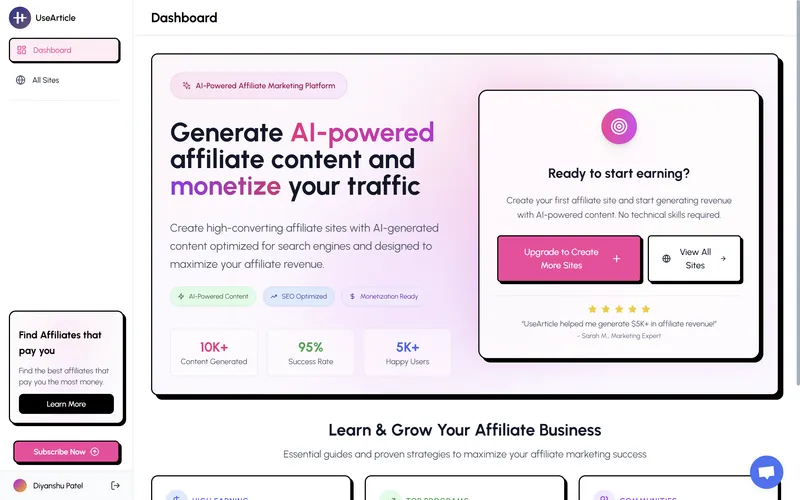
UseArticle
AI-powered content creation and management platform that helps teams produce high-quality articles at scale.
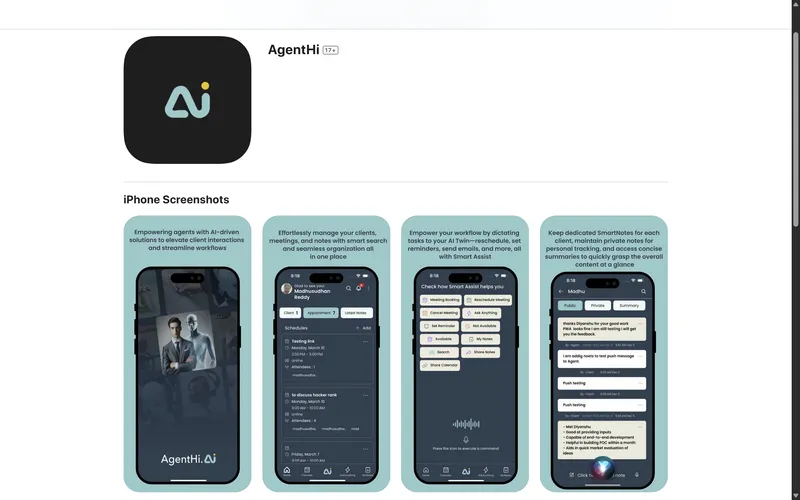
AgentHi
Intelligent virtual assistant that streamlines customer support and automates routine business tasks.
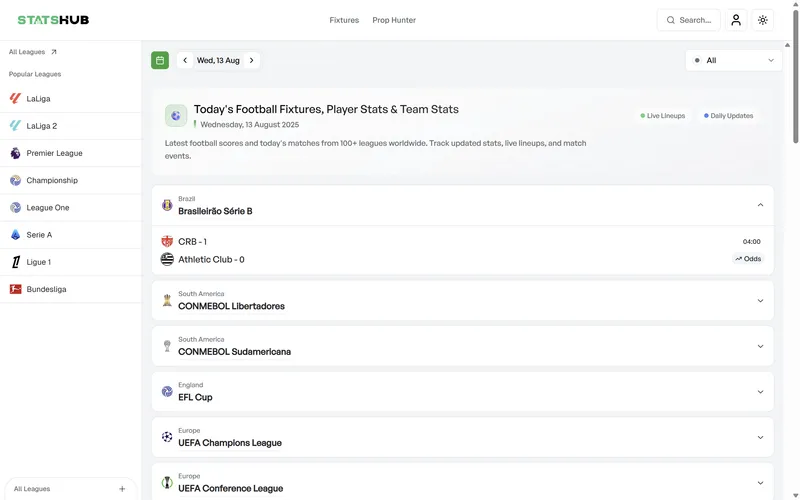
StatsHub
Comprehensive analytics dashboard providing real-time insights and data visualization for businesses.
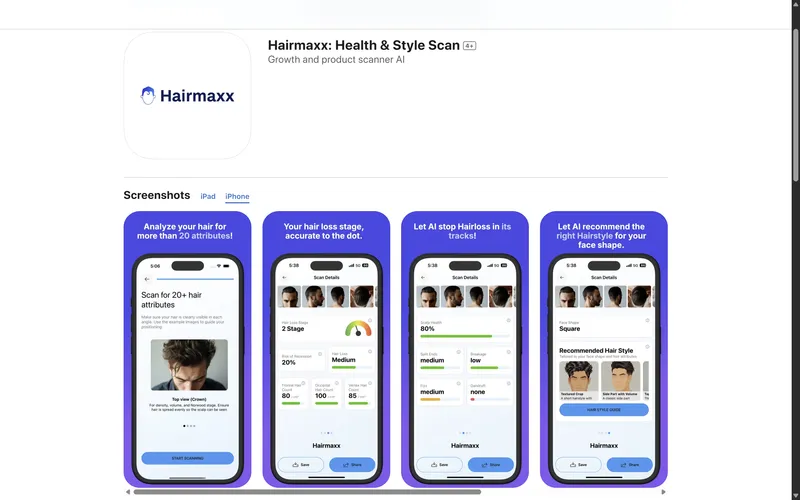
Harimaxx
Personal fitness companion with AI-driven workout plans and nutrition tracking for optimal health.
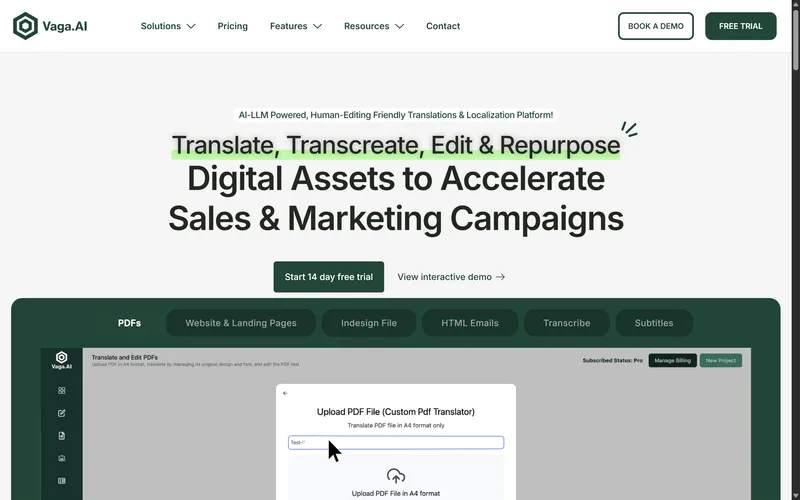
Vaga
Smart travel planning app that curates personalized itineraries and local experiences.
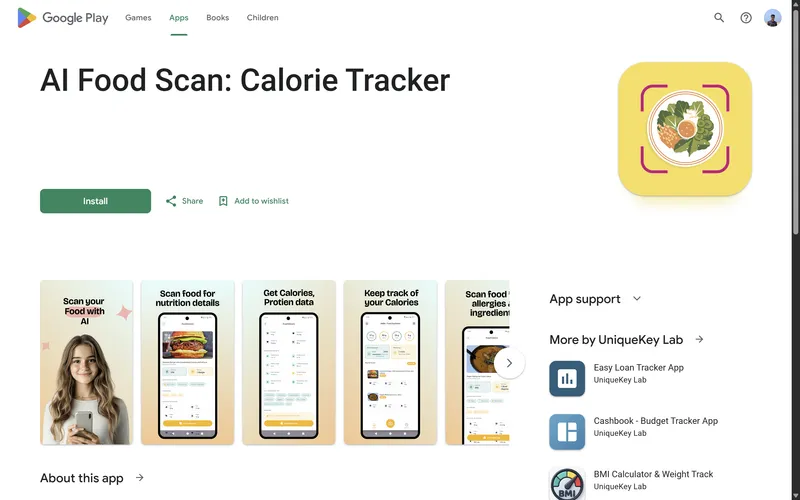
FoodScan
Nutrition analysis app that scans food items and provides detailed nutritional information instantly.
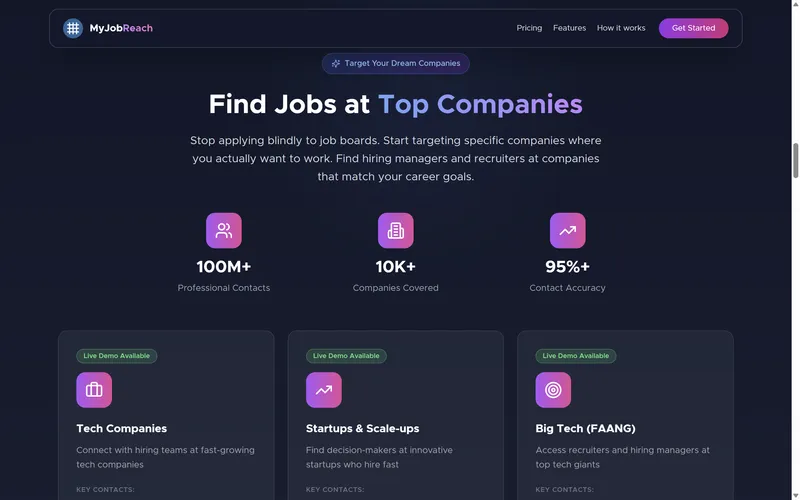
MyJobReach
Job matching platform connecting talented professionals with their dream opportunities.
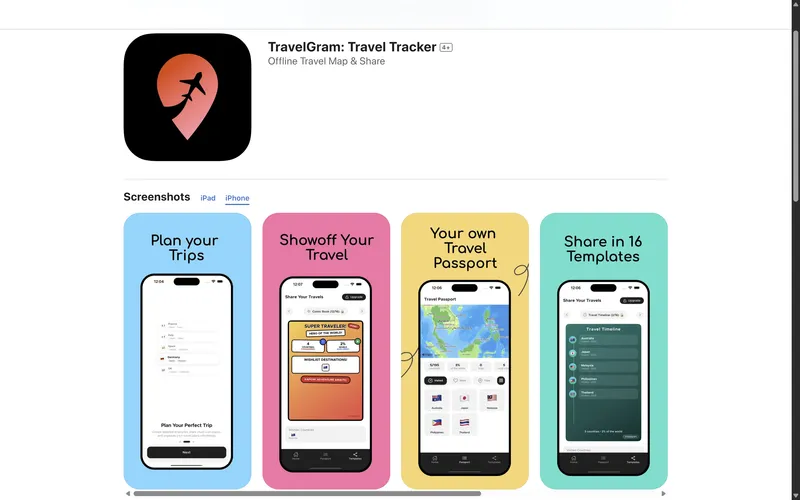
TravelGram
Social platform for travelers to share experiences, discover destinations, and connect globally.
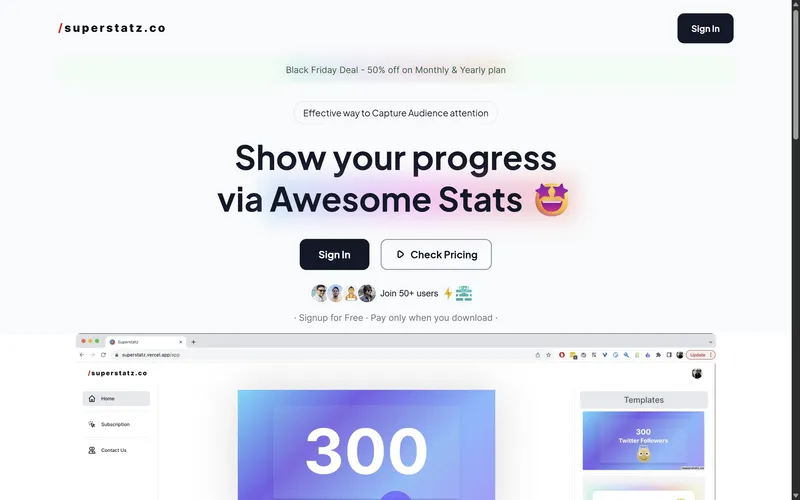
SuperStatz
Advanced sports statistics platform delivering in-depth analysis and performance metrics.
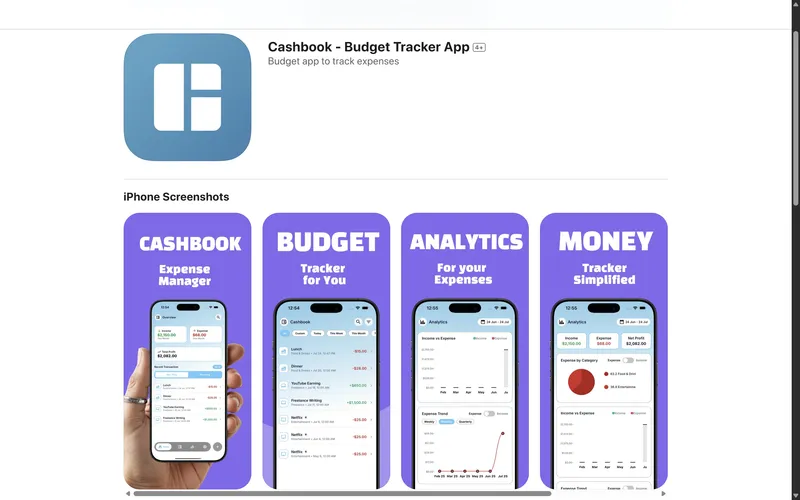
Cashbook
Simple expense tracking and budgeting app that helps users manage their finances effortlessly.
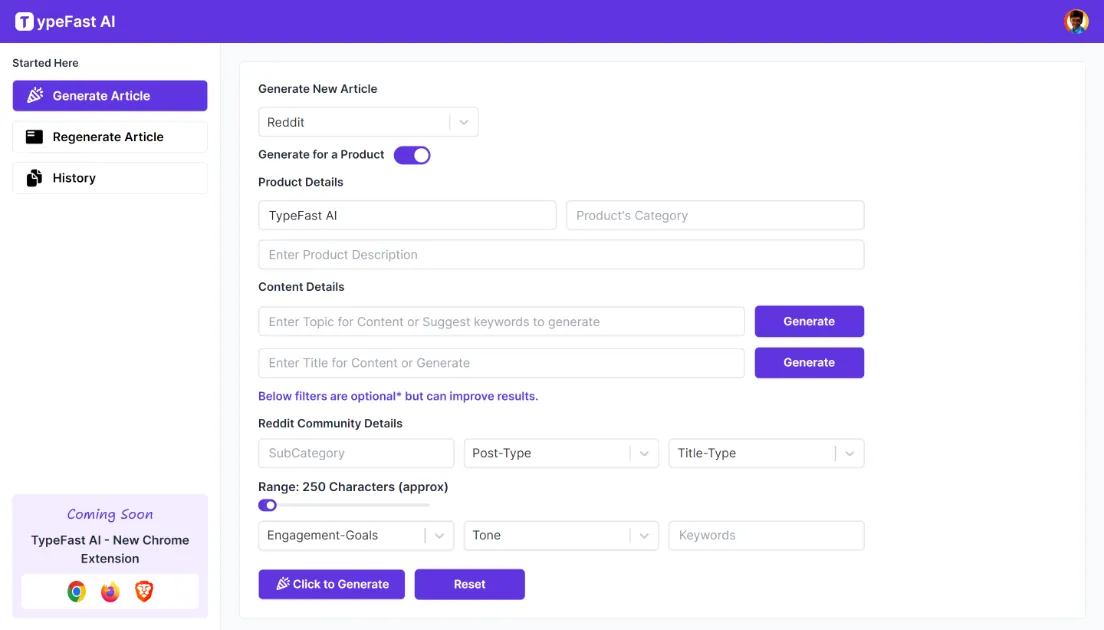
TypeFast
Typing speed improvement platform with gamified lessons and real-time performance tracking.
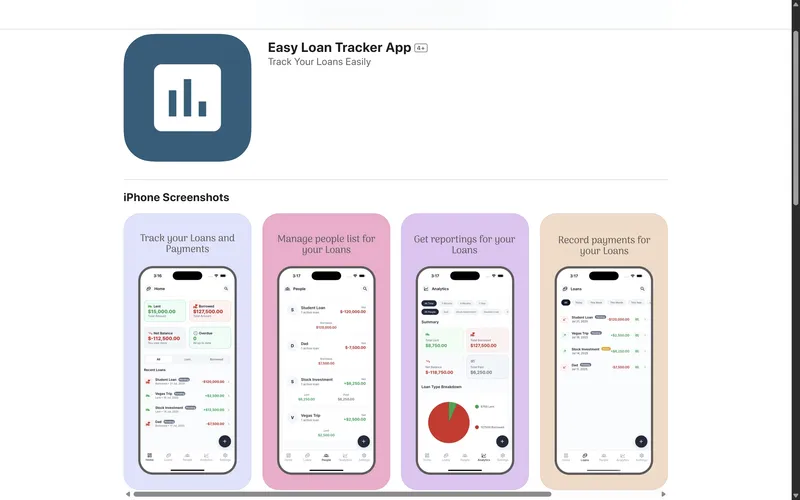
Easy Loan
Streamlined loan management system that simplifies borrowing and lending processes.
Explore Related Content
Discover more services, case studies, and insights
AI for ecommerce automation in Kenya
Build ai for ecommerce automation in Kenya. We’re an AI MVP partner for funded startups and enterprises: shipping AI SaaS MVPs, AI automation, enterprise AI copilots, and analytics dashboards in 2-3 weeks. Trusted by teams in Nairobi, Mombasa.
AI for ecommerce automation in Kuwait
Build ai for ecommerce automation in Kuwait. We’re an AI MVP partner for funded startups and enterprises: shipping AI SaaS MVPs, AI automation, enterprise AI copilots, and analytics dashboards in 2-3 weeks. Trusted by teams in Kuwait City.
AI for ecommerce automation in Malaysia
Build ai for ecommerce automation in Malaysia. We’re an AI MVP partner for funded startups and enterprises: shipping AI SaaS MVPs, AI automation, enterprise AI copilots, and analytics dashboards in 2-3 weeks. Trusted by teams in Kuala Lumpur, Penang, Johor Bahru.
AI-Powered MVP Development
Launch a production-ready AI MVP in just 2-3 weeks. Our team blends rapid prototyping with enterprise-grade AI/ML engineering to validate your idea, attract investors, and win early customers.
Integrate AI into Existing Software
Smoothly integrate AI capabilities into your existing software systems. We enhance your current applications with intelligent features, automation, and AI-powered insights while maintaining system stability.
How to Develop an AI-Driven Mobile App
A step-by-step guide to developing an AI-driven mobile app: defining the use case, choosing on-device vs cloud AI, picking your stack, building the model, and shipping.
Selecting an AI Development Partner
How enterprise teams should evaluate an AI development partner: technical AI depth, SOC 2/GDPR/HIPAA compliance, security and data governance, legacy integration, scalable architecture, SLAs, and procurement fit: with a checklist and vendor questions.
AI MVP Takes NovaSense From Idea to Industry Leader
AI MVP with real-time sentiment extraction, intelligent noise filtering, and interactive dashboards, followed by strategic scaling with modular microservices architecture and cloud autoscaling.
AI Agent MVP Cuts Apex Procurement Costs 35%
AI agent MVP acting as invisible workforce with AI-powered invoice processing, negotiation assist, and workflow automation agents that smoothly integrated with existing systems.
Global AI MVP Development Agency
SpeedMVPs is a global AI MVP development agency helping startups and enterprises launch AI products in 2-3 weeks.
Ready to Build Your MVP?
Schedule a complimentary strategy session. Transform your concept into a market-ready MVP within 2-3 weeks. Partner with us to accelerate your product launch and scale your startup globally.