
Build Your AI SaaS MVP in 2 Weeks
Yes, you can build an AI SaaS MVP in 2 weeks. Get the exact 14-day roadmap, 2026 AI stack, copy-paste prompts, real costs, and when to hire a done-for-you team.
Can You Really Build an AI SaaS MVP in 2 Weeks?
Yes - you can build a real, paying-ready AI SaaS MVP in 2 weeks, and the single rule that makes it possible is ruthless scoping to one core AI workflow. Founders who ship in 14 days build one thing that works; founders who fail try to build a platform.
This is not hype, but it is conditional. A 2-week timeline works when you (1) cut your idea down to a single AI job, (2) build on a modern AI-assisted stack instead of from scratch, and (3) accept that an MVP is a starting point, not a finished platform. AI-assisted builds compress what was a 6+ month, $15k-$150k traditional build into a 2-3 week timeline - a roughly 10x speedup on the calendar. AI coding assistants now report roughly 55% faster on a controlled coding task (GitHub’s controlled Copilot study), which is what compresses a 6-month build into a fortnight. SpeedMVPs has delivered 18+ production AI MVPs in 2-3 week timelines across fintech, healthcare, SaaS, and e-commerce using exactly this discipline.
What kills 2-week MVPs is not the timeline - it is scope creep. Decide what you are building before you write a line of code, and the 14 days become realistic.
What a "2-Week AI SaaS MVP" Actually Means
A "2-week MVP" gets thrown around loosely, so set honest expectations. There are four very different things people call an MVP:
- A 48-hour demo - a clickable flow or a single AI call wired to a UI. Great for a pitch, not safe to take money. No real auth, billing, or data integrity.
- A no-code prototype - built in Bubble, Bolt, or Replit. Fast to validate, but hits a wall on custom AI logic, data ownership, and scaling. Within the no-code tier, pick Bubble when you need a full relational database and complex multi-page workflows without code, Bolt when you want AI to generate a real React/Next.js app you can later export and own, and Replit when you want an AI agent plus a live coding environment to tweak the generated code yourself.
- A 2-week AI SaaS MVP - a deployed product with real authentication, a real database, a working AI feature, Stripe billing, and a custom domain. You can onboard users and charge them.
- A production platform - multi-tenant, observable, security-hardened, scalable. This is 3-6+ months and is what your MVP grows into.
The 2-week target is the third one. It is the smallest version that is real enough to learn from and charge for - the honest middle ground every competitor blurs.
The Scope-First Framework: Cut to One Core AI Workflow
Around 35% of startups fail because there was no market need (CB Insights), which is exactly why validation-first scoping inside the 14 days matters more than any tool choice. Your MVP must answer one question: does anyone want the core AI workflow enough to pay?
Apply the "one job" rule. Write a single sentence: "This product takes [input] and uses AI to produce [output] for [user]." Everything that does not directly serve that sentence gets cut from v1.
Include in your 14-day MVP:
- One core AI workflow (the single sentence above)
- Sign up / log in
- The one screen where the AI does its job
- A way to save results (database)
- A paywall or checkout (Stripe)
- A live URL on your domain
Cut from v1 (add later):
- Team accounts, roles, and permissions
- Admin dashboards and analytics beyond basic events
- Multiple AI models or "agentic" multi-step chains
- Integrations, webhooks, and a public API
- Mobile apps, dark mode, settings pages, onboarding tours
If a feature is not the reason someone would pay, it is not in the MVP. This is the discipline behind rapid AI prototyping and the AI MVP development process.
The Exact 2026 AI Build Stack, Named by Layer
You do not need to evaluate 50 tools. Here is the proven stack, by layer, that ships AI SaaS MVPs fast in 2026:
- AI coding / generation: Cursor (AI-native IDE, ~$20/mo), GitHub Copilot, v0 by Vercel (UI generation), Bolt.new, Lovable, and Replit Agent for full-stack scaffolding. Compare Cursor alternatives, v0.dev alternatives, Lovable alternatives, and Bolt.new alternatives.
- Frontend: Next.js + React + Tailwind CSS. Fast, SEO-friendly, the default for modern SaaS. See Next.js MVP development and React vs Next.js.
- Backend / database / auth: Supabase (Postgres + auth + storage in one), Firebase, or Xano. Supabase is the fastest path for most AI SaaS MVPs - see Supabase backend for MVPs.
- AI / LLM layer: OpenAI API (GPT models), Claude API (Anthropic), and Hugging Face for open models. Choosing? Read OpenAI vs Claude for MVPs.
- Payments: Stripe - subscriptions, checkout, billing. Standard fee is 2.9% + $0.30 per successful card transaction.
- Deployment: Vercel (best for Next.js) or Railway. See Vercel hosting for MVPs.
- Analytics: PostHog or Mixpanel for product events, funnels, and activation.
Pin your versions, keep secrets in environment variables, and resist swapping tools mid-build. The stack is not the bottleneck - scope is.
The Literal 14-Day AI SaaS MVP Roadmap
Here is the realistic split for 14 days: ~2 days validate/scope, ~2 days design, ~6 days build core + auth + DB + AI, ~2 days payments + deploy, ~2 days test/launch. Each day has one concrete deliverable.
- Day 1 - Validate. Talk to 5 potential users; confirm the one core workflow people will pay for. Deliverable: a one-sentence problem statement.
- Day 2 - Scope + PRD. Write the include/cut list and a one-page PRD. Deliverable: a frozen v1 feature list.
- Day 3 - UI screens. Generate core screens with v0 or Lovable. Deliverable: a clickable layout for the main flow.
- Day 4 - Design polish + data model. Finalize the look and sketch your database schema. Deliverable: a schema diagram and styled UI.
- Day 5 - Scaffold + auth. Spin up Next.js + Supabase; wire sign up / log in. Deliverable: working authentication.
- Day 6 - Database. Create tables, relationships, and row-level security. Deliverable: data persists per user.
- Day 7 - AI integration part 1. Connect OpenAI or Claude; get the core AI call working. Deliverable: AI returns a real result.
- Day 8 - AI integration part 2. Add prompt structure, error handling, and a basic evaluation check. Deliverable: reliable, repeatable AI output.
- Day 9 - Core workflow end-to-end. Connect UI to AI to database. Deliverable: the full "one job" flow works for a logged-in user.
- Day 10 - Save, history, polish. Let users store and revisit results. Deliverable: a usable product, internally.
- Day 11 - Stripe. Add checkout, subscription plans, and a paywall. Deliverable: you can take a real payment.
- Day 12 - Deploy + custom domain. This is the step tutorials gloss over, so here it is concretely: (1) push your repo and deploy to Vercel; (2) in the Vercel project settings open Domains and add your domain (e.g.
app.yourdomain.com); (3) at your registrar (Namecheap, GoDaddy, Cloudflare) set the DNS records Vercel shows you - an A record to76.76.21.21for a root domain, or a CNAME tocname.vercel-dns.comfor a subdomain; (4) wait for DNS to propagate and Vercel to auto-issue the free SSL certificate (usually minutes, up to ~24h); (5) move every secret - API keys, Stripe keys, database URL - into Vercel environment variables, never committed to git. Deliverable: a live HTTPS URL on your own domain. - Day 13 - Test + security pass. QA every flow, fix breakages, review auth and data access. Deliverable: no critical bugs or open security holes.
- Day 14 - Launch. Add analytics, write the landing copy, ship to first users. Deliverable: a live, paying-ready AI SaaS MVP.
For a deeper checklist, see the AI MVP development checklist and how long it takes to build an MVP.
Copy-Paste AI Prompt Library for Each Phase
Good prompts are the difference between AI that accelerates you and AI that buries you in broken code. Use these as starting points.
Scoping / PRD prompt: "Act as a product manager. My SaaS idea is [idea]. Write a one-page PRD for an MVP I can build in 14 days. Identify the single core AI workflow, list only must-have features, and explicitly list what to cut for v1. Keep scope minimal."
Scaffolding prompt: "Scaffold a Next.js 14 app with TypeScript, Tailwind, and Supabase. Set up auth (email + Google), a Postgres schema for [entities], and a clean folder structure. Explain each file's purpose."
Feature-build prompt: "Build the [feature] screen. It takes [input], calls the OpenAI/Claude API to [task], and saves the result to Supabase for the logged-in user. Include loading and error states and input validation."
Auth + Stripe wiring prompt: "Add Stripe Checkout for a $[X]/month subscription. Gate [feature] behind an active subscription, handle the webhook to update subscription status in Supabase, and protect the route server-side."
Deploy + domain prompt: "Walk me through deploying this Next.js app to Vercel, adding the custom domain [yourdomain.com] in project settings, the exact A/CNAME DNS records to set at my registrar, confirming the auto SSL certificate, and moving my API keys into Vercel environment variables."
Debugging prompt: "Here is the error: [paste full error + relevant file]. Explain the root cause in plain English, then give the minimal fix. Do not refactor unrelated code."
Always paste the full error and the relevant file. Vague prompts get vague, hallucinated fixes.
Handling the Hard Parts Tutorials Skip
Tutorials demo the happy path. Real SaaS lives in the parts they skip - and this is where 2-week DIY builds quietly break.
- Authentication: Use Supabase Auth or Clerk. Never roll your own. Enforce access on the server, not just by hiding UI.
- Database schema: Design it before you build. Add row-level security so user A can never read user B's data - a classic vibe-coded leak.
- Stripe billing / subscriptions: Webhooks are mandatory; without them your app does not know when a payment succeeds, fails, or cancels. Test with Stripe's test mode and trigger every webhook event.
- Custom domain + deployment: Deploy to Vercel, then add your domain under the project's Domains settings, set the A record (
76.76.21.21) for a root domain or a CNAME (cname.vercel-dns.com) for a subdomain at your registrar, wait for Vercel to auto-issue the SSL certificate, and move every secret into environment variables - never commit API keys. - Model selection: Start with a strong general model (GPT or Claude). Only fine-tune or self-host once you have validated demand. See OpenAI vs Claude for MVPs.
- Hallucination + evals: Build a small test set of inputs and expected outputs; check the AI against it before launch. Constrain outputs and add guardrails. See observability for AI MVPs.
- Inference cost: Model your token spend per user before you set a free tier. A single GPT-4-class call can cost roughly $0.01-$0.10; at 1,000 free-tier users running 20 calls a day, that is $200-$2,000 per day burned before anyone pays you. Cap free usage, cache repeated calls, and route cheap tasks to smaller models or your unit economics die at launch.
- Data privacy: Know what user data hits the LLM provider, and disclose it. A single leaked prompt can include PII or customer secrets, so redact before sending, use providers' zero-retention / no-training API tiers where offered, and never log raw prompts containing user data. For regulated industries, see security and compliance for AI MVPs.
These are also the exact areas where a done-for-you AI MVP earns its fee.
When AI-Generated Code Breaks or Hallucinates
It will happen. AI will invent a function that does not exist, "fix" a bug by deleting the feature, or confidently deploy something broken. Here is the recovery playbook:
- Commit constantly. Git after every working step so you can roll back to a known-good state.
- Isolate the error. Paste the full stack trace plus one file - not your whole repo - into the debugging prompt.
- Stop the loop after three tries. If the AI fails three times, it has lost the thread. Read the actual error yourself or get a human.
- Distrust silent rewrites. If the AI touched files you did not ask about, revert and re-prompt with tighter scope.
- Never ship code you cannot read in auth, payments, or data access.
Stop vibe-coding and bring in an engineer the moment you hit auth, payment, or security logic you cannot fully read - or when the same bug recurs after three honest attempts. Roughly 45% of AI-generated code contains security flaws (Veracode 2025), so a human security and QA pass before launch is non-negotiable. This is the threshold where many founders hand off to SpeedMVPs.
Real Cost Breakdown: DIY vs Freelancer vs Agency vs Done-For-You
The true DIY tooling cost is far lower than people expect - the expensive resource is your time and risk, not subscriptions.
- DIY tooling (~$0-$300/month): Cursor ~$20, v0/Lovable/Bolt ~$20-50, Supabase free-$25, Vercel free-$20, OpenAI/Claude tokens ~$5-100, plus Stripe 2.9% + $0.30 per transaction. Offset infra with startup credits: Google Cloud up to $350k and AWS up to $100k.
- Freelancer (Upwork/Toptal): $2k-$15k depending on skill; quality and reliability vary widely, and you manage scope.
- Traditional dev agency: $15k-$150k over 3-6+ months - thorough but slow and expensive for an MVP.
- Fixed-price done-for-you specialist: Fixed-price done-for-you AI SaaS MVPs typically run $5k-$25k for a 2-3 week build, versus $15k-$150k and 3-6+ months for a traditional agency - production code, fixed scope, fixed timeline, and a team that has shipped it before.
See detailed AI MVP development cost and SaaS MVP development cost breakdowns.
DIY vs Hire vs Agency vs Done-For-You: Decision Table
| Approach | Typical timeline | Cost | Coding skill required | Production-ready / safe to take payments? | Maintainability (can you scale it?) | Best for |
|---|---|---|---|---|---|---|
| DIY with AI coding tools (Cursor/v0/Lovable + Supabase + Stripe) | 2-4 weeks | $0-$300/mo tooling | Some - you must read and fix code | Possible, but security and billing are on you | Risky - vibe-coded debt unless reviewed | Technical founders validating fast |
| DIY no-code builder (Bolt/Replit/Bubble) | 1-2 weeks | $0-$100/mo | Low | Limited - hard to take serious payments or custom AI | Low - hits ceilings on custom logic and data | Quick validation; Bubble for DB-heavy apps, Bolt for exportable React, Replit for agent + live edits |
| Hire a freelancer (Upwork/Toptal) | 3-8 weeks | $2k-$15k | None | Depends entirely on the freelancer | Variable - inconsistent quality and handoff | Budget builds with active oversight |
| Traditional dev agency | 3-6+ months | $15k-$150k | None | Yes | High - but slow and costly for an MVP | Funded teams wanting full builds |
| Done-for-you specialist (SpeedMVPs) | 2-3 weeks | $5k-$25k fixed | None | Yes - auth, billing, and security included | High - clean code you own and can scale | Validated founders who want production, not a demo |
Still deciding? Read AI MVP agency vs freelancer and no-code vs custom AI MVP.
How a Specialist Team Ships a Production AI MVP in 2-3 Weeks
If you are a validated founder who wants a real product instead of a demo, a fixed-price done-for-you build is the de-risked path. SpeedMVPs runs a tight 2-3 week process: a scoping sprint to lock the single core workflow, a build sprint for UI + auth + database + AI integration, then payments, deployment, a human security and QA pass, and launch.
What is included: production-grade code you own, real authentication, a designed database schema, a working evaluated AI feature, Stripe billing, a live deployment on your domain, and a clean handoff. Fixed timeline, fixed scope, fixed price - no open-ended hourly meter.
The proof: 18+ production AI MVPs delivered in 2-3 week timelines, backed by 30+ technologies mastered, 15+ engineers, and 100% global clients across fintech, healthcare, SaaS, and e-commerce. Explore AI MVP development services and the global AI MVP development agency.
Proof: AI MVPs Shipped in 2-3 Weeks
A representative engagement: a fintech founder needed an AI document-processing SaaS that extracted structured data from financial PDFs and flagged anomalies. Scoped to one workflow, the SpeedMVPs team shipped it in under three weeks on Next.js + Supabase + Claude API + Stripe, deployed to Vercel - with auth, billing, and an evaluation harness for the AI outputs. The founder went into user conversations with a real, paying-ready product, not slides.
Across fintech, healthcare, SaaS, and e-commerce, the pattern repeats: one core AI workflow, a modern stack, a human security pass, and a launch inside 2-3 weeks. That track record - 18+ shipped AI MVPs - is what separates a fixed-timeline promise from a hope.
Why 2-Week MVPs Fail (and How to Avoid It)
The failures are predictable:
- Scope creep - adding "just one more feature" until 14 days becomes 14 weeks. Freeze scope on Day 2.
- Overbuilding - building a platform when you needed one screen. Obey the one-job rule.
- Skipping validation - building before confirming demand, the reason ~35% of startups fail. Validate first.
- Vibe-coded tech debt - shipping AI code nobody read, which collapses under real users. Review what you ship.
- Security gaps - missing row-level security, exposed keys, no webhook verification. With ~45% of AI code carrying flaws, a human security pass is mandatory.
- Runaway inference cost - a generous free tier on a premium model can burn $200-$2,000/day at 1,000 users. Model token spend before you launch.
Avoid all six and the 2-week timeline holds.
Post-Launch: First Users, Validation, and the Path to Scale
Launch is the start, not the finish. Get your first users from the communities where your buyers already are - direct outreach, relevant subreddits and Slack groups, and a Product Hunt or LinkedIn launch. Wire up PostHog or Mixpanel and watch one metric above all: activation - did users reach the AI "aha" moment and come back?
Validate before you build more. If users pay and return, double down on the core workflow before adding features. If they churn, fix the core job, not the periphery. When demand is proven, the path from MVP to scale means hardening the codebase, adding observability, and evolving toward a real platform - covered in AI MVP vs full product and how to validate an AI startup idea. If your MVP was vibe-coded or no-code and is buckling, that is the signal to rebuild on a clean, ownable stack with a specialist team.
Frequently Asked Questions
Can you really build an AI SaaS MVP in 2 weeks, or is it hype?
Yes, it is real - if you scope to a single core AI workflow and build on a modern AI-assisted stack. AI-assisted builds compress what was a 6+ month, $15k-$150k traditional build into a 2-3 week timeline, and AI coding tools cut development time by roughly 55%. SpeedMVPs has shipped 18+ production AI MVPs in 2-3 week timelines. The hype only starts when people promise a full platform in 14 days.
How much does it cost to build an AI SaaS MVP in 2 weeks?
DIY tooling runs roughly $0-$300/month (Cursor, v0/Lovable, Supabase, Vercel, OpenAI/Claude tokens) plus Stripe's 2.9% + $0.30 per transaction. A fixed-price done-for-you build from a specialist is typically $5k-$25k for 2-3 weeks, versus $15k-$150k and 3-6+ months for a traditional agency.
Do I need to know how to code to build an AI SaaS MVP in 2 weeks?
For a DIY build, yes - some coding ability, because you must read and fix what AI tools generate, especially around auth, payments, and security. No-code builders lower the bar but hit ceilings on custom AI logic. If you cannot code, a done-for-you team like SpeedMVPs is the reliable path to a production MVP.
What's the best AI tech stack to build a SaaS MVP fast in 2026?
Cursor or v0 for AI-assisted coding, Next.js + React + Tailwind for frontend, Supabase for backend/auth/database, OpenAI or Claude API for the AI layer, Stripe for payments, Vercel for deployment, and PostHog or Mixpanel for analytics. It is the proven fast-ship stack.
How do I deploy my MVP and get a custom domain live?
Deploy to Vercel, then in your Vercel project settings open Domains and add your domain. At your registrar set the DNS records Vercel shows you - an A record to 76.76.21.21 for a root domain, or a CNAME to cname.vercel-dns.com for a subdomain. Wait for DNS to propagate and Vercel to auto-issue the free SSL certificate (minutes, up to ~24h), then move every secret into Vercel environment variables rather than committing keys.
What do I do when AI-generated code breaks or hallucinates?
Commit after every working step so you can roll back, paste the full error plus one file into a debugging prompt, and stop after three failed attempts. Never ship code you cannot read in auth, payments, or data access. Roughly 45% of AI-generated code has security flaws (Veracode 2025), so a human review before launch is non-negotiable.
Should I build it myself or hire a done-for-you team?
Build it yourself if you are technical, want to learn, and are validating fast on a tight budget. Hire a done-for-you specialist like SpeedMVPs if you are a validated founder who wants production-grade code, real billing, and a security pass - a deployable product in 2-3 weeks, not a demo you will have to rebuild.
Is vibe-coded MVP code safe and maintainable?
Not by default. Unreviewed AI-generated code frequently ships with security gaps and tech debt that collapse under real users. It can be made safe with a human security and QA pass and clean architecture - which is exactly what a specialist build includes and a rushed DIY build often skips.
How fast can a professional team realistically build a production AI SaaS MVP?
A specialist team like SpeedMVPs ships production AI SaaS MVPs in 2-3 weeks: a scoping sprint, a build sprint for UI, auth, database, and AI, then payments, deployment, a security and QA pass, and launch - with fixed scope, fixed timeline, and code you own.
Introduction
Yes, you can genuinely build an AI SaaS MVP in 2 weeks if you scope it to a single core AI workflow, build on a modern AI stack (Cursor or v0 + Next.js + Supabase + Stripe + Vercel), and ship a real paying-ready product instead of a demo. AI-assisted builds compress what was a 6+ month, $15k-$150k traditional build into a 2-3 week timeline. This page gives you the honest day-by-day DIY plan, copy-paste prompts, a true cost breakdown, and a candid decision framework for when to hand it to a specialist team like SpeedMVPs, which has shipped 18+ production AI MVPs in 2-3 week timelines.
What You'll Get
14-Day Build Roadmap
A literal day-by-day plan with a concrete deliverable for each of the 14 days.
Production AI SaaS MVP
Auth, database, working AI feature, Stripe billing, and a live custom domain.
Security and QA Pass
A human review of auth, payments, and data access before you take real money.
Clean, Ownable Codebase
Documented Next.js + Supabase code your team can read, extend, and scale.
Why Choose Us
- 18+ production AI MVPs delivered in 2-3 week timelines across fintech, healthcare, SaaS, and e-commerce
- Fixed scope, fixed timeline, and fixed price - no open-ended hourly meter
- 30+ technologies mastered, 15+ engineers, 100% global clients
- Production-grade code you fully own, not a vibe-coded demo you will have to rebuild
- Real authentication, Stripe billing, and a human security and QA pass included before launch
- One core AI workflow scoped first, so you ship a product real users can pay for
Client Signals
- "We came in with slides and walked out three weeks later with a paying-ready AI document-processing SaaS - auth, billing, and a live domain all done."
- "SpeedMVPs scoped us down to the one workflow that mattered and shipped it in under three weeks. We started charging users before we would have finished planning on our own."
Pricing/Packages Table
Benchmarked for Global (USA, UAE, and remote-first founders). Final quote depends on scope, integrations, and launch timeline.
| Package | Price Range (USD) | Includes |
|---|---|---|
| DIY Stack (self-build) | $0-$300/mo tooling | Cursor, v0/Lovable, Supabase, Vercel, OpenAI/Claude tokens, plus Stripe 2.9% + $0.30 per transaction. You own the time, debugging, and security risk. |
| Done-For-You AI MVP | $5k-$25k fixed (2-3 weeks) | Specialist build (SpeedMVPs fixed-price range): scoped core AI workflow, auth, database, evaluated AI feature, Stripe billing, deployment, security and QA pass, and clean code you own. |
| MVP to Scale | Custom | Harden a validated MVP into a production platform - observability, multi-tenancy, and roadmap. For founders rebuilding off no-code or vibe-coded MVPs. |
A fixed-price 2-3 week build typically lands at $5k-$25k versus $15k-$150k and 3-6+ months for a traditional agency - and startup credits (Google Cloud up to $350k, AWS up to $100k) offset infra during the MVP stage.
FAQ
Can you really build an AI SaaS MVP in 2 weeks, or is that marketing hype?
Yes, it is genuinely possible if you scope to a single core AI workflow and build on a modern AI-assisted stack (Cursor or v0 + Next.js + Supabase + Stripe + Vercel). AI-assisted builds compress what was a 6+ month, $15k-$150k traditional build into a 2-3 week timeline, and AI coding tools cut development time by roughly 55%. SpeedMVPs has shipped 18+ production AI MVPs in 2-3 week timelines. The hype only begins when people promise a full multi-tenant platform in 14 days, which is not realistic.
What's the difference between a 2-week MVP, a 48-hour demo, and a production-ready SaaS?
A 48-hour demo is a clickable flow with one AI call and no real auth, billing, or data integrity. A 2-week AI SaaS MVP is a deployed product with real authentication, a database, a working AI feature, Stripe billing, and a custom domain - real enough to charge for. A production platform is multi-tenant, observable, and security-hardened, which takes 3-6+ months and is what your MVP grows into.
How much does it cost to build an AI SaaS MVP in 2 weeks?
DIY tooling costs roughly $0-$300/month (Cursor ~$20, v0/Lovable/Bolt ~$20-50, Supabase free-$25, Vercel free-$20, OpenAI/Claude tokens ~$5-100) plus Stripe's 2.9% + $0.30 per transaction. A freelancer runs $2k-$15k, a traditional agency $15k-$150k over 3-6+ months, and a fixed-price done-for-you specialist like SpeedMVPs typically $5k-$25k for a 2-3 week build.
Do I need to know how to code to build an AI SaaS MVP in 2 weeks?
For a DIY build, yes - some coding ability is needed because you must read and fix what AI tools generate, especially around authentication, payments, and security. No-code builders lower the bar but hit ceilings on custom AI logic and data ownership. If you cannot code, a done-for-you team is the reliable path to a production-grade MVP.
How do I deploy my MVP and get a custom domain live?
Deploy your repo to Vercel, then in the project settings open Domains and add your domain. At your registrar (Namecheap, GoDaddy, Cloudflare) set the DNS records Vercel shows: an A record to 76.76.21.21 for a root domain, or a CNAME to cname.vercel-dns.com for a subdomain. Wait for DNS to propagate and Vercel to auto-issue the free SSL certificate (usually minutes, up to ~24 hours), then move every secret - API keys, Stripe keys, database URL - into Vercel environment variables instead of committing them.
What should I include and what should I cut to fit an MVP into 14 days?
Include only the single core AI workflow, sign up / log in, the one screen where the AI does its job, a way to save results, a Stripe paywall, and a live domain. Cut team accounts, roles, admin dashboards, multiple AI models, integrations, a public API, mobile apps, and settings pages. If a feature is not the reason someone would pay, it is not in v1.
How do I add authentication, a database, and Stripe payments quickly?
Use Supabase Auth or Clerk for authentication (never roll your own), design a Postgres schema with row-level security so users cannot read each other's data, and use Stripe Checkout with webhooks for subscriptions. Webhooks are mandatory - without them your app does not know when a payment succeeds, fails, or cancels. Test every flow in Stripe's test mode before launch.
What do I do when AI-generated code breaks, hallucinates, or won't deploy?
Commit to Git after every working step so you can roll back, paste the full error plus one relevant file into a tight debugging prompt, and stop after three failed AI attempts and read the error yourself. Never ship code you cannot read in auth, payments, or data access. Roughly 45% of AI-generated code has security flaws (Veracode 2025), so a human review before launch is essential.
Should I build it myself or hire an agency or done-for-you team?
Build it yourself if you are technical, want to learn, and are validating on a tight budget. Hire a done-for-you specialist like SpeedMVPs if you are a validated founder who wants production-grade code, real billing, a security pass, and a deployable product in 2-3 weeks rather than a demo you will later rebuild. The decision comes down to your coding skill, time, and how soon you need to charge users.
How do I handle AI model selection, inference cost, and hallucinations?
Start with a strong general model (GPT or Claude) and only fine-tune or self-host after validating demand. Model your token spend per user: a single GPT-4-class call can cost $0.01-$0.10, so 1,000 free-tier users running 20 calls a day is $200-$2,000 per day before anyone pays - cap free usage and cache repeats. Build a small evaluation set of inputs and expected outputs to check the AI before launch, constrain outputs, and add guardrails to reduce hallucinations.
Is vibe-coded MVP code safe and maintainable, or will I have to rebuild it?
Unreviewed AI-generated code often ships with security gaps and tech debt that collapse under real users, since around 45% of AI code contains flaws. It can be made safe and maintainable with a human security and QA pass and clean architecture - which a specialist build includes. If your no-code or vibe-coded MVP is buckling under real usage, that is the signal to rebuild on a clean, ownable stack.
What can SpeedMVPs deliver in 2-3 weeks and how fast can a pro team realistically build?
SpeedMVPs ships production AI SaaS MVPs in 2-3 weeks: a scoping sprint to lock the core workflow, a build sprint for UI, auth, database, and AI integration, then payments, deployment, a human security and QA pass, and launch. You get production code you own, real auth and Stripe billing, a live deployment, and a clean handoff - with fixed scope, timeline, and price, backed by 18+ shipped AI MVPs.
Get a fixed-price, production-ready AI SaaS MVP shipped in 2-3 weeks. Book your scoping call with SpeedMVPs.
Trusted by Global Companies Building AI Products
We've helped startups and enterprises worldwide transform their AI ideas into production-ready MVPs in 2–3 weeks. From fintech platforms to AI assistants, our global MVP development services have launched 18+ AI products serving users across the US, Europe, and Asia.



Portfolio: AI Products Built for Global Startups
From content platforms and AI assistants to analytics dashboards and fintech solutions: see how we've transformed ideas into production-ready MVPs in 2-3 weeks across diverse industries. Each product launched successfully, serving users globally.
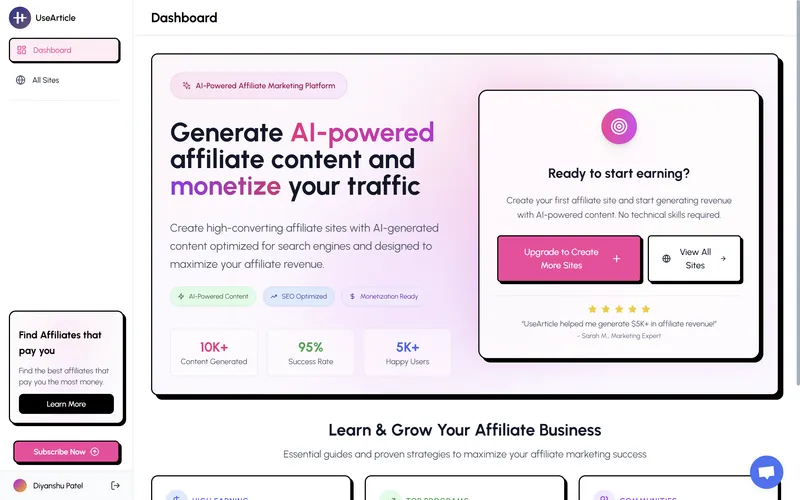
UseArticle
AI-powered content creation and management platform that helps teams produce high-quality articles at scale.
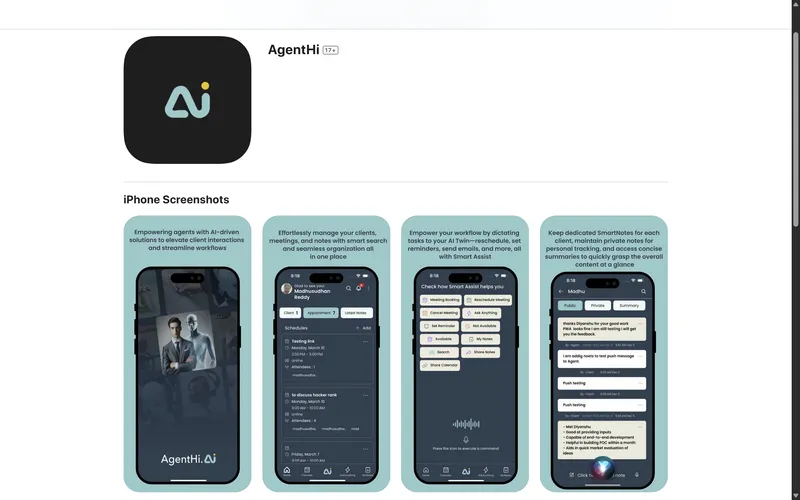
AgentHi
Intelligent virtual assistant that streamlines customer support and automates routine business tasks.
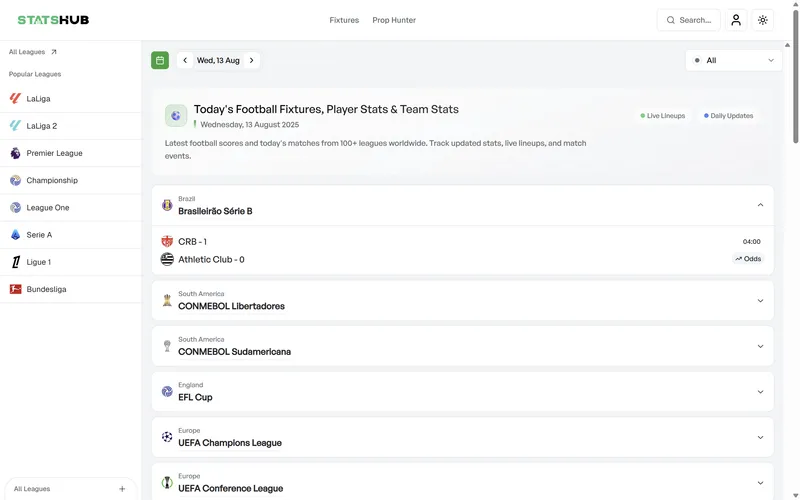
StatsHub
Comprehensive analytics dashboard providing real-time insights and data visualization for businesses.
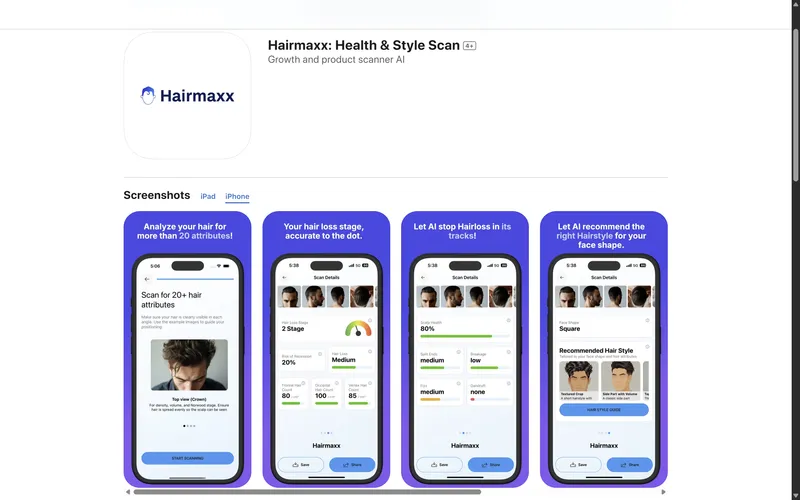
Harimaxx
Personal fitness companion with AI-driven workout plans and nutrition tracking for optimal health.
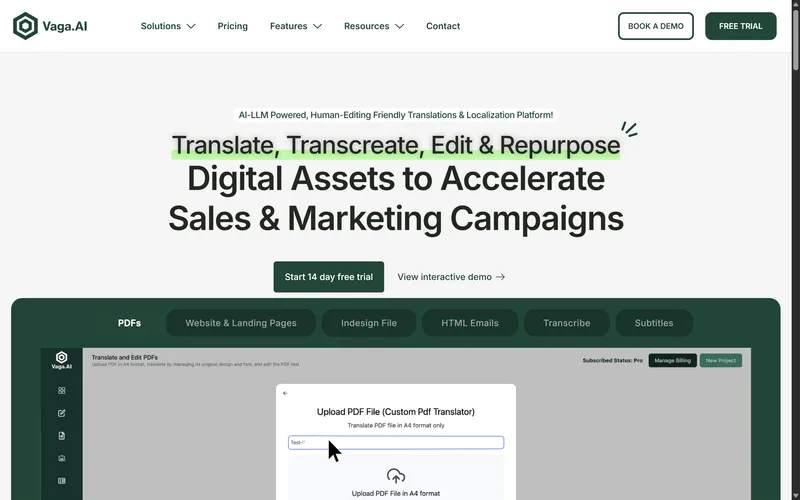
Vaga
Smart travel planning app that curates personalized itineraries and local experiences.
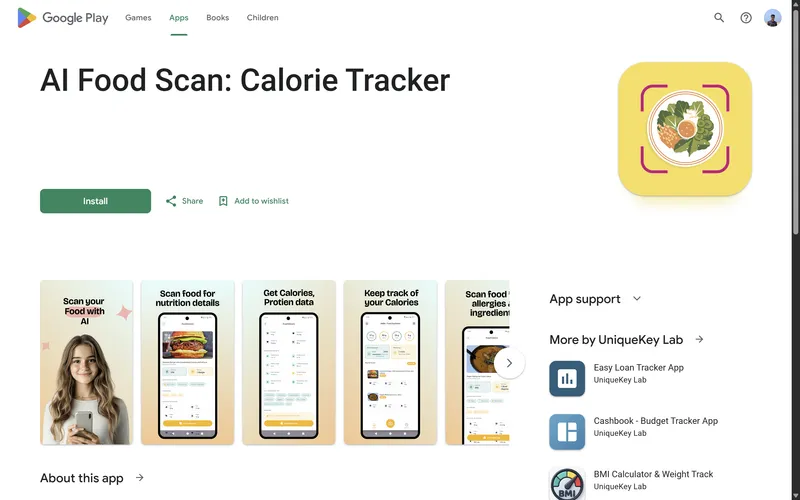
FoodScan
Nutrition analysis app that scans food items and provides detailed nutritional information instantly.
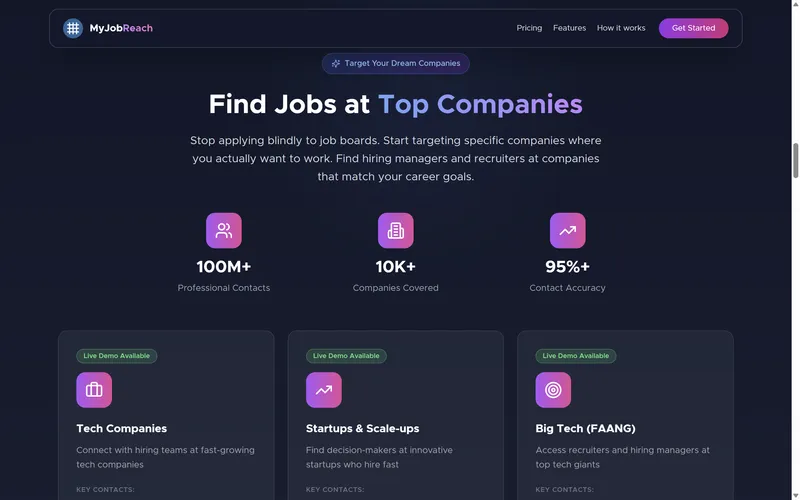
MyJobReach
Job matching platform connecting talented professionals with their dream opportunities.
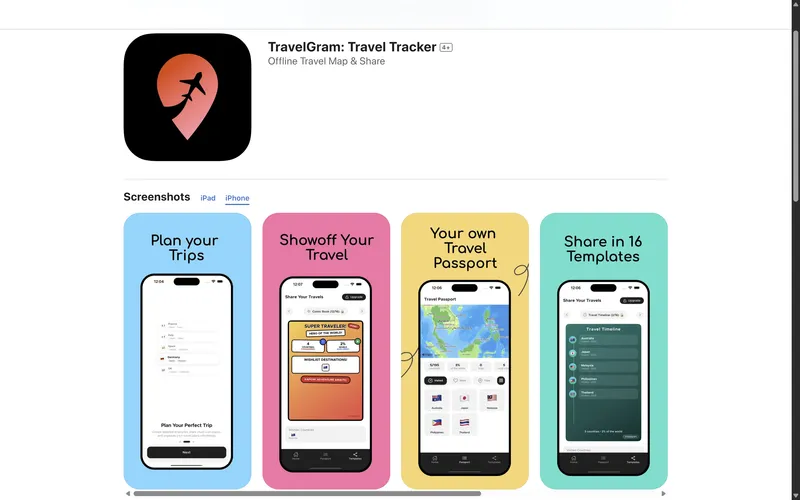
TravelGram
Social platform for travelers to share experiences, discover destinations, and connect globally.
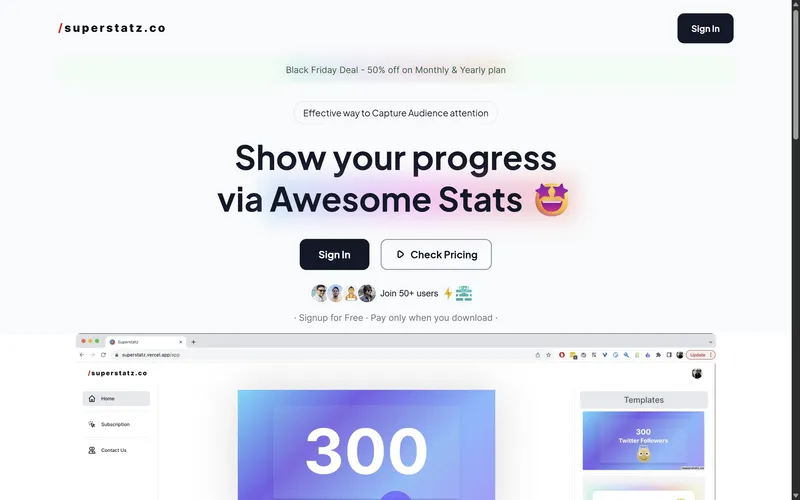
SuperStatz
Advanced sports statistics platform delivering in-depth analysis and performance metrics.
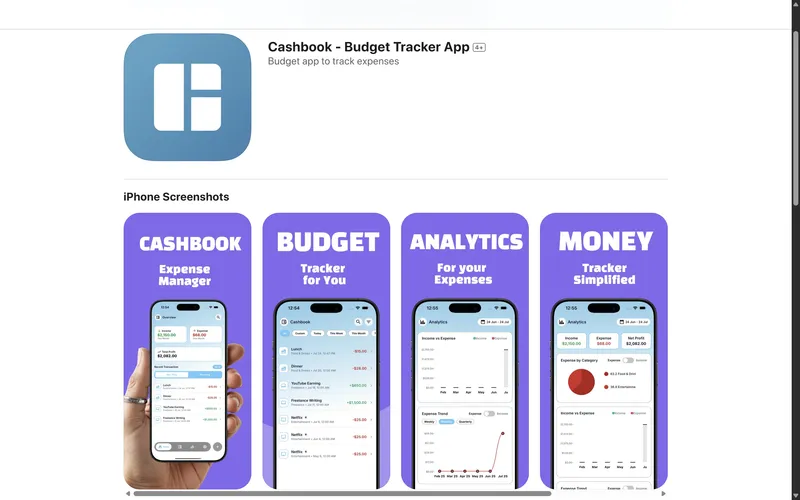
Cashbook
Simple expense tracking and budgeting app that helps users manage their finances effortlessly.
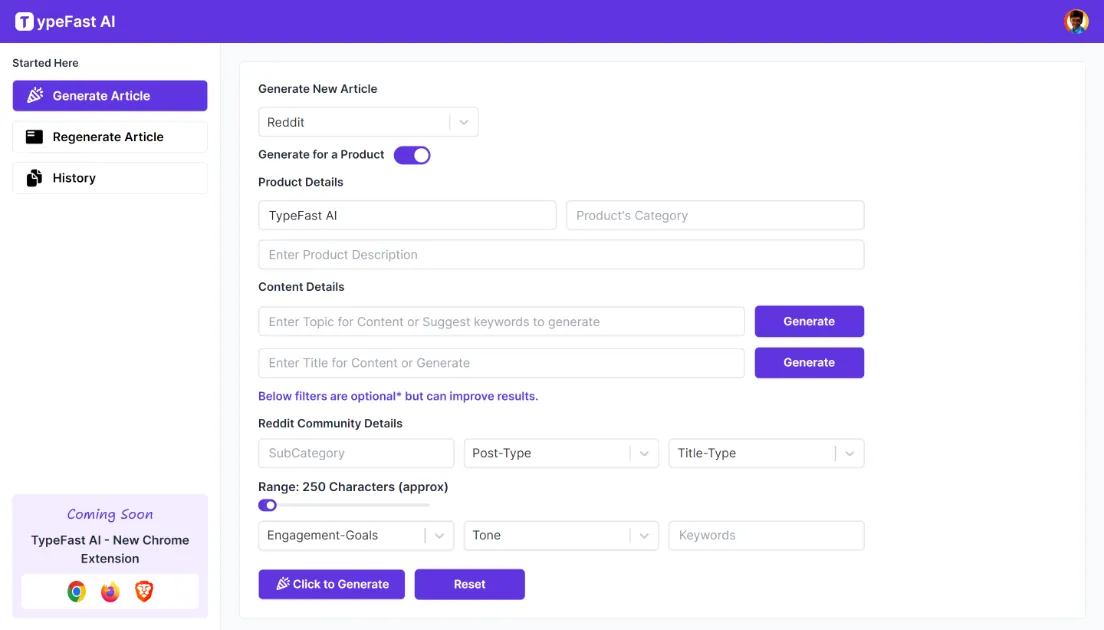
TypeFast
Typing speed improvement platform with gamified lessons and real-time performance tracking.
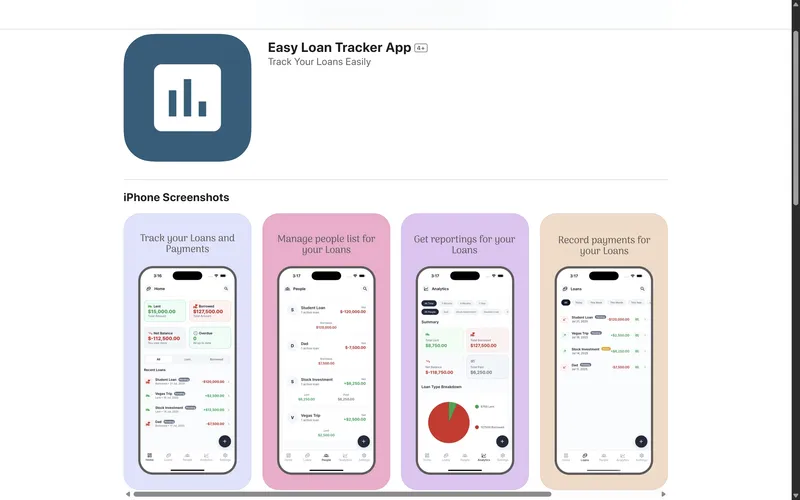
Easy Loan
Streamlined loan management system that simplifies borrowing and lending processes.
Explore Related Content
Discover more services, case studies, and insights
AI MVP Development Services
AI MVP development services for funded startups and enterprise teams in the US, UK, Canada, Australia, and the EU. As an AI MVP development company, we build custom, AI-powered MVPs that ship production-ready, with real LLM integration and full code ownership, priced in USD and delivered in 2-3 weeks.
Build Software Fast With AI: Our Method
See how SpeedMVPs, an AI-native agency, builds software fast with AI: pair-programming, codegen guardrails, and review discipline that ship in 2-3 weeks.
Build vs Buy AI Solution
Should you build a custom AI solution or buy existing? A practical decision framework.
ChatGPT Integration Services: Add AI to Your App
Professional ChatGPT and OpenAI integration services. Add conversational AI, content generation, and intelligent automation to your applications.
AI-Powered MVP Development
Launch a production-ready AI MVP in just 2-3 weeks. Our team blends rapid prototyping with enterprise-grade AI/ML engineering to validate your idea, attract investors, and win early customers.
iOS App Consulting
Expert iOS consulting for startups and product teams. We help you define the right architecture, make the right technology choices, and ship iOS apps that perform on day one, without the costly mistakes that come from building alone.
How AI Agencies Ensure Quality at Speed
How top AI development agencies ship quality, scalable products in 2-3 weeks: senior engineers, AI-assisted workflows with human review, production-grade architecture, and automated testing under real deadlines.
How to Develop an AI-Driven Mobile App
A step-by-step guide to developing an AI-driven mobile app: defining the use case, choosing on-device vs cloud AI, picking your stack, building the model, and shipping.
AI Assistant MVP Cuts Founder Admin Time 78%
A 3-week MVP combining a Gmail/Outlook OAuth pipeline, a thread-aware Claude-backed reply engine, structured tool calls for calendar actions, and a Next.js dashboard. Built with eval-driven prompts so accuracy improvements ship without regressions.
AI Job Matching MVP Cuts Time-to-Hire to 38 Hrs
A purpose-built embedding pipeline using e5-large + a domain re-ranker, hybrid search over Postgres pgvector, multi-step matching agents that score by role rather than keywords, and a Next.js recruiter dashboard that drafts personalized outreach in the recruiter's voice.
Ready to Build Your MVP?
Schedule a complimentary strategy session. Transform your concept into a market-ready MVP within 2-3 weeks. Partner with us to accelerate your product launch and scale your startup globally.