
Build Software Fast With AI: Our Method
See how SpeedMVPs, an AI-native agency, builds software fast with AI: pair-programming, codegen guardrails, and review discipline that ship in 2-3 weeks.
What You Need to Know
When teams search for an agency that can build software fast with AI, they usually mean two different things at once: software that ships in weeks instead of quarters, and a team that actually uses modern AI tooling in the loop rather than treating it as a demo. SpeedMVPs is built around the second to deliver the first. AI is woven into how we scope, write, review, and ship code, which is why our default build window is 2-3 weeks and we have shipped 18+ AI MVPs on this model. This page is a behind-the-scenes look at that delivery method, not a scope or pricing sheet.
Speed here does not come from cutting corners or generating a pile of unreviewed code. It comes from removing the slow, low-judgment work that eats most of a normal build: boilerplate, wiring, test scaffolding, migrations, glue code, and the repeated context-switching between spec and implementation. Our 15+ engineers use AI pair-programming to draft that work in minutes, then spend their judgment where it actually matters, which is architecture, edge cases, data modeling, and the parts a model gets subtly wrong. The compression is real precisely because a human owns every decision that carries risk.
AI-assisted does not mean AI-autonomous. Every line an assistant drafts passes through the same guardrails a senior engineer's code would: typed interfaces, linting, automated tests, and a human review before it merges. We treat generated code as a fast first draft that must earn its place, not as a finished answer. That review discipline is the difference between an agency that looks fast in a demo and one that hands you a codebase you can still extend six months later. Generated code that nobody understands is technical debt shipped at high speed, and we design our workflow specifically to avoid it.
The workflow itself is deliberately boring, because boring is what scales. A build starts with a tight spec and a working skeleton, usually a running app with auth, data layer, and deployment on day one or two. From there we work in thin vertical slices: one feature, drafted with AI assistance, reviewed, tested, and deployed before the next begins. Because something real is running from the start, you see progress continuously instead of waiting weeks for a big reveal. This slice-by-slice rhythm is what lets us hold a 2-3 week timeline without a crunch at the end.
Codegen guardrails are the unglamorous core of building software fast with AI without it falling apart. We constrain the assistant with a strong type system, project conventions captured in shared context, and tests that fail loudly when generated code drifts from intent. When an AI suggestion violates an interface contract or breaks a test, the pipeline catches it before a human ever sees it in review. This is how we keep velocity high and defect rate low at the same time, rather than trading one for the other. The guardrails also make the code predictable, which matters more than raw speed when you inherit it.
A fair question is where AI genuinely speeds delivery and where it does not, because honesty about that is what separates a practitioner from a vendor. AI meaningfully accelerates CRUD and API scaffolding, UI component build-out, test generation, data transformations, integration glue, and documentation. It helps far less with product judgment, novel architecture, security-sensitive logic, and anything requiring deep understanding of your specific domain. We lean on AI hard for the first category and lean on our engineers for the second, and being explicit about that line is exactly why the finished software holds up.
Because AI removes so much of the mechanical work, the human hours concentrate on the decisions that determine whether the product succeeds: the data model that will or will not scale, the auth and permissions boundary, the third-party integrations that always leak complexity, and the handful of flows your users actually touch every day. That reallocation, not a magic tool, is the real reason an AI-native agency ships quicker. The output is production-ready software you own outright, with 100% code ownership, clean architecture, tests, and documentation, so your own team or your next hire can keep building the moment we hand it over.
If you are evaluating agencies on speed, the useful question is not whether they use AI, since most now claim to. It is whether AI is load-bearing in their actual delivery pipeline or bolted on for the pitch, and whether a senior human still reviews everything that ships. We are happy to walk through our workflow, show how guardrails and review fit together, and scope a concrete first slice so you can judge the method against your own project before committing to a full 2-3 week build.
What You'll Get
AI Pair-Programming In The Loop
Engineers draft boilerplate, tests, and glue with AI, then apply human judgment to architecture and edge cases.
Codegen Guardrails
Typed interfaces, linting, and automated tests catch AI drift before review, so speed never trades against defects.
Ship In 2-3 Weeks, You Own It
Thin vertical slices reviewed and deployed continuously, delivered as production code with 100% ownership.
FAQ
How does AI actually speed up your software delivery?
AI removes the slow, low-judgment work that dominates a normal build: boilerplate, API and CRUD scaffolding, test generation, migrations, and integration glue. Our engineers use AI pair-programming to draft that in minutes and spend their time on architecture, data modeling, and edge cases instead. The compression comes from reallocating human hours to high-risk decisions, not from skipping steps, which is how we hold a 2-3 week window.
Does AI-assisted development mean my code quality suffers?
No, because AI-drafted code passes through the same guardrails as any senior engineer's code: typed interfaces, linting, automated tests, and a human review before it merges. We treat generated code as a fast first draft that must earn its place, never as a finished answer. The result is a maintainable codebase your team can still extend months later, not unreviewed output shipped at speed.
What parts of a build does AI help with, and what still needs humans?
AI meaningfully accelerates CRUD and API scaffolding, UI build-out, test generation, data transformations, and documentation. It helps far less with product judgment, novel architecture, security-sensitive logic, and deep domain understanding. We lean on AI hard for the first category and on our 15+ engineers for the second, and being explicit about that line is why the finished software holds up in production.
How is this different from your rapid MVP development service?
Rapid MVP development is about the product and scope, defining the smallest thing worth shipping. This page is about the method: the AI-assisted delivery workflow, codegen guardrails, and review discipline that let us build software fast in the first place. The MVP is the what; building fast with AI is the how, and the same pipeline applies whether you need an MVP or a specific feature built quickly.
Do I own the code, or am I locked into your tooling?
You get 100% code ownership. We deliver production-ready software with clean architecture, tests, and documentation on standard, portable stacks, so your own team or your next hire can keep building the moment we hand it over. The AI tooling lives in our delivery process, not in your codebase, so there is no lock-in and nothing proprietary you have to keep paying us to maintain.
How do I tell if an agency really builds with AI or just claims to?
Almost every agency now claims to use AI, so the useful question is whether it is load-bearing in their actual pipeline or bolted on for the pitch, and whether a senior human still reviews everything that ships. Ask to see the workflow: how guardrails catch AI drift, how review fits in, and how a first vertical slice gets built. A real AI-native team can show it running, not just describe it.
Trusted by Global Companies Building AI Products
We've helped startups and enterprises worldwide transform their AI ideas into production-ready MVPs in 2–3 weeks. From fintech platforms to AI assistants, our global MVP development services have launched 18+ AI products serving users across the US, Europe, and Asia.
Portfolio: AI Products Built for Global Startups
From content platforms and AI assistants to analytics dashboards and fintech solutions: see how we've transformed ideas into production-ready MVPs in 2-3 weeks across diverse industries. Each product launched successfully, serving users globally.
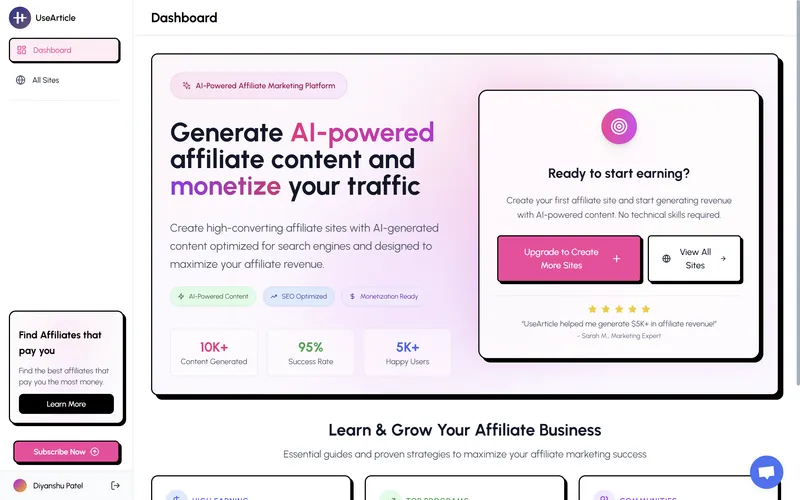
UseArticle
AI-powered content creation and management platform that helps teams produce high-quality articles at scale.
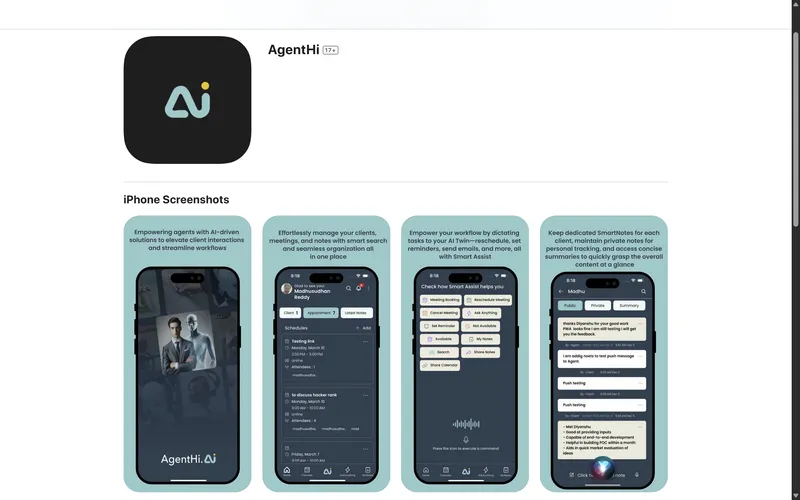
AgentHi
Intelligent virtual assistant that streamlines customer support and automates routine business tasks.
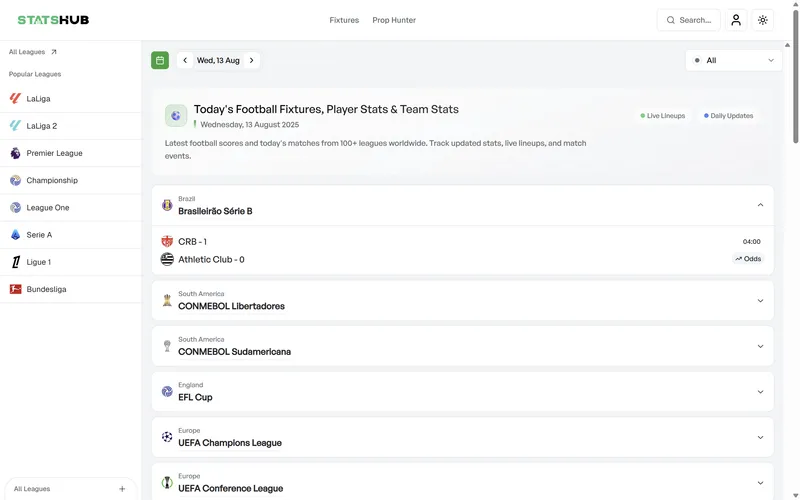
StatsHub
Comprehensive analytics dashboard providing real-time insights and data visualization for businesses.
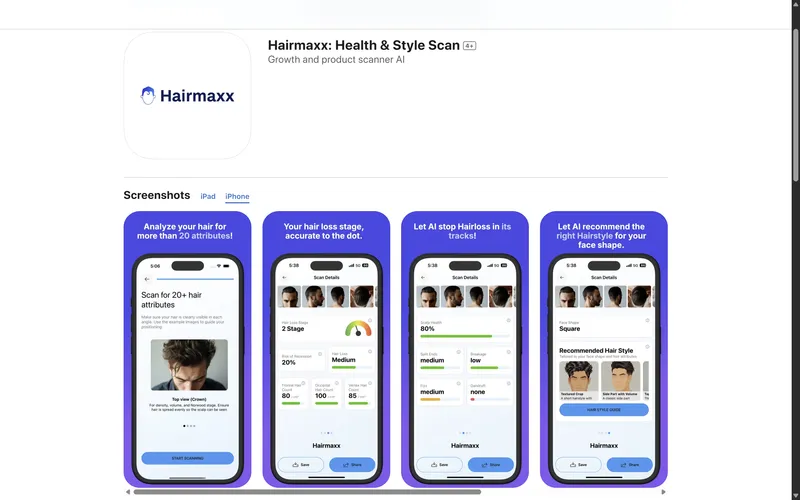
Harimaxx
Personal fitness companion with AI-driven workout plans and nutrition tracking for optimal health.
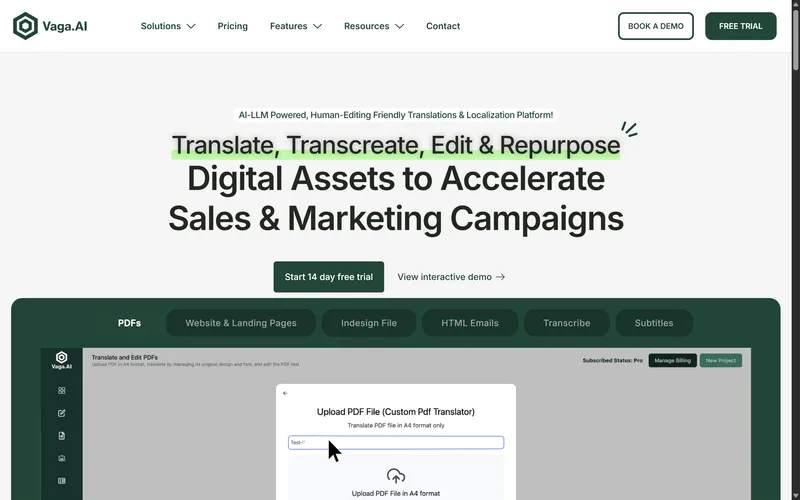
Vaga
Smart travel planning app that curates personalized itineraries and local experiences.
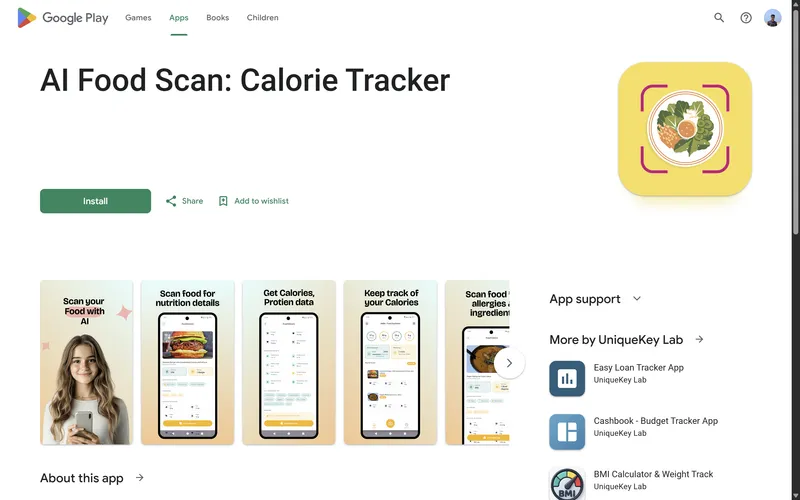
FoodScan
Nutrition analysis app that scans food items and provides detailed nutritional information instantly.
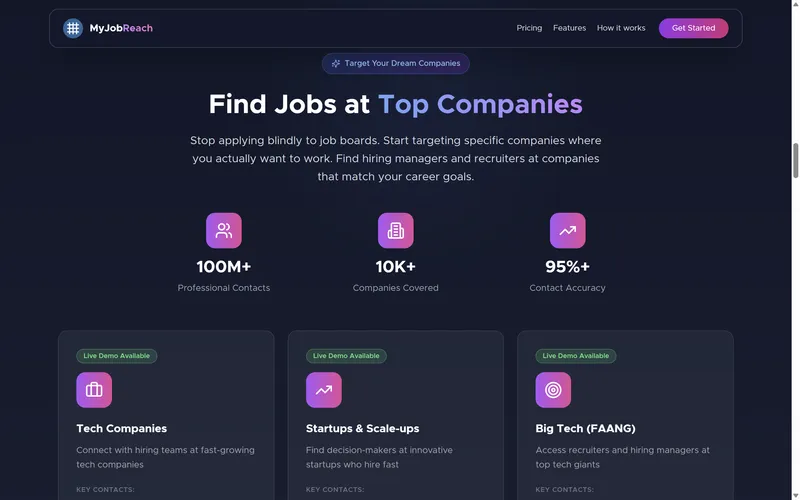
MyJobReach
Job matching platform connecting talented professionals with their dream opportunities.
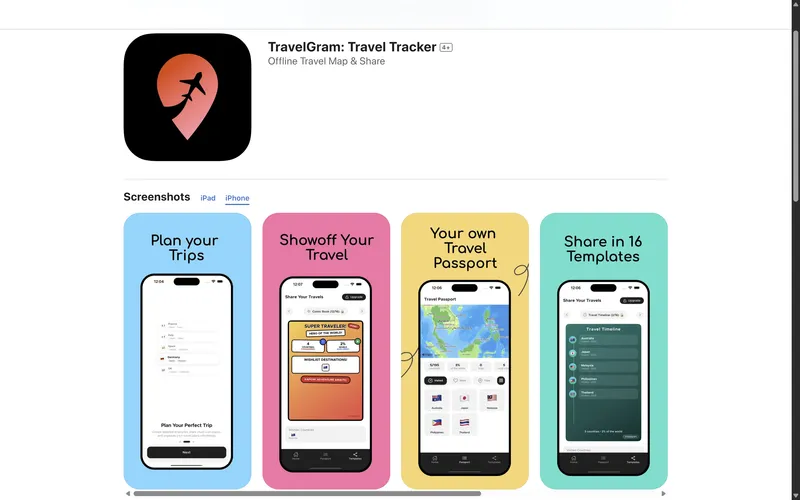
TravelGram
Social platform for travelers to share experiences, discover destinations, and connect globally.
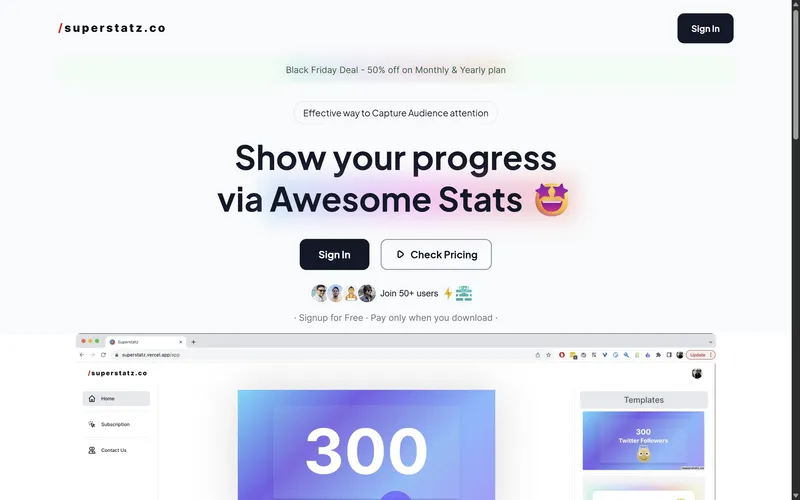
SuperStatz
Advanced sports statistics platform delivering in-depth analysis and performance metrics.
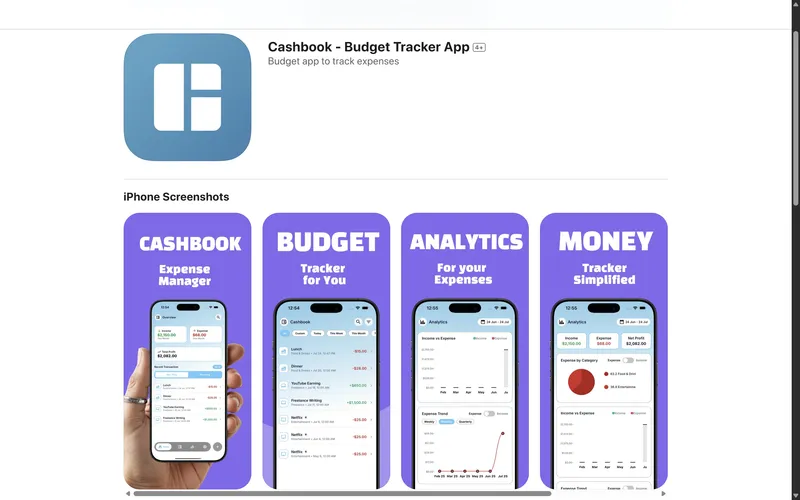
Cashbook
Simple expense tracking and budgeting app that helps users manage their finances effortlessly.
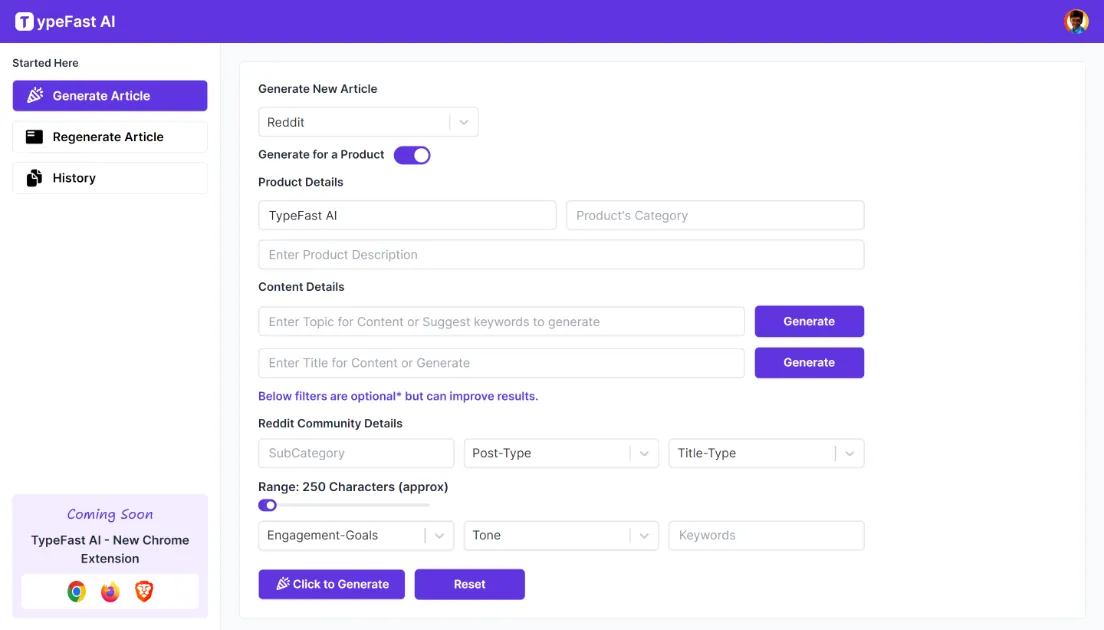
TypeFast
Typing speed improvement platform with gamified lessons and real-time performance tracking.
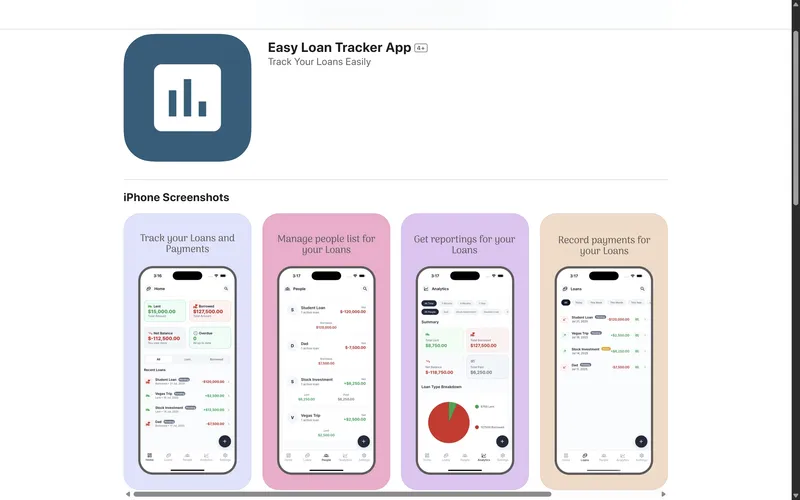
Easy Loan
Streamlined loan management system that simplifies borrowing and lending processes.
Explore Related Content
Discover more services, case studies, and insights
AI MVP Development Services
AI MVP development services for funded startups and enterprise teams in the US, UK, Canada, Australia, and the EU. As an AI MVP development company, we build custom, AI-powered MVPs that ship production-ready, with real LLM integration and full code ownership, priced in USD and delivered in 2-3 weeks.
Build vs Buy AI Solution
Should you build a custom AI solution or buy existing? A practical decision framework.
ChatGPT Integration Services: Add AI to Your App
Professional ChatGPT and OpenAI integration services. Add conversational AI, content generation, and intelligent automation to your applications.
Claude LLM‑Powered MVP Development
Build Claude-powered MVPs with grounded retrieval, safety checks, and production deployment. We ship reliable LLM products that fit real workflows.
AI-Powered MVP Development
Launch a production-ready AI MVP in just 2-3 weeks. Our team blends rapid prototyping with enterprise-grade AI/ML engineering to validate your idea, attract investors, and win early customers.
Integrate AI into Existing Software
Smoothly integrate AI capabilities into your existing software systems. We enhance your current applications with intelligent features, automation, and AI-powered insights while maintaining system stability.
How AI Agencies Ensure Quality at Speed
How top AI development agencies ship quality, scalable products in 2-3 weeks: senior engineers, AI-assisted workflows with human review, production-grade architecture, and automated testing under real deadlines.
How to Develop an AI-Driven Mobile App
A step-by-step guide to developing an AI-driven mobile app: defining the use case, choosing on-device vs cloud AI, picking your stack, building the model, and shipping.
AI Cyber Threat Intelligence Detects Threats Faster
SpeedMVPs built an AI-powered threat intelligence platform that automatically correlates threat indicators across SIEM, threat feeds, and endpoint data using an LLM-based reasoning engine.
AI Travel Planner Builds Itineraries in 30 Seconds
We built JetPlan AI: an LLM-powered travel planner that generates personalised, day-by-day itineraries with hotel recommendations, activity scheduling, budget tracking, and exportable PDFs.
Ready to Build Your MVP?
Schedule a complimentary strategy session. Transform your concept into a market-ready MVP within 2-3 weeks. Partner with us to accelerate your product launch and scale your startup globally.