Bolt.new Alternatives: AI App Builders Compared for 2026
Bolt.new alternatives compared — Lovable, v0, Replit, Cursor, and building custom. What each is genuinely good at, and when a prompt-built app stops scaling.
The alternatives, honestly
Lovable — closest direct comparison. Full-stack generation with Supabase wired in. Stronger on multi-screen applications with real data; the generated code is reasonably conventional React.
v0 by Vercel — narrower and better at what it does. Component and interface generation that produces genuinely idiomatic React and Tailwind. Not a full-stack tool; pair it with a backend.
Replit — generation plus a hosted environment and deployment. Good when you want one place to build, run, and share, especially for prototypes shown to non-technical stakeholders.
Cursor or Claude Code — a different model entirely. Rather than generating an app from a prompt, they work inside a real repository you own. Slower to first result, dramatically better past the point where you need to change something specific.
Custom development — what you move to when the product has to do something the generator can't express.
Where prompt-built apps hit a wall
The pattern is consistent across all of these tools:
Specific changes get expensive. Generating a new screen is fast. Changing one behavior deep in generated code — without regenerating and losing your edits — is where the time goes.
Auth and permissions. Generators produce plausible auth. Multi-tenant row-level access control, role hierarchies, and audit trails need deliberate design that prompts don't reliably produce.
Integrations that must survive failure. Generated integration code handles the happy path. Retry with backoff, idempotency, and reconciliation after a third party goes down are rarely present and are exactly what loses data.
Performance under real data. Generated queries are fine over 100 rows. Over 100,000 they need indexes and pagination nobody added.
How to use them well
The most effective pattern we see: use the generator for validation, then rebuild the parts that matter.
Ship the prompt-built version, put it in front of users, learn what the product actually needs. Then treat that build as a specification — it encodes real decisions made under user pressure — and rebuild the core on infrastructure that scales, keeping the parts that are genuinely fine.
That sequencing beats both extremes: building custom before validating, and trying to scale a generated app past its limits.
When to move off
Concrete signals: you're fighting the tool more than using it; you need a compliance boundary the platform can't express; integrations have started losing data; queries are slow and you can't reach the query plan; or your engineers won't touch the generated code.
Any two of those together means the tool has done its job and it's time.
What You'll Get
Honest build/buy call
We build custom, so we've no reason to push you off a tool that works.
Generated build as spec
Your prototype becomes the requirements doc, not throwaway work.
Rebuild what matters only
Auth, integrations, and queries — not the parts already fine.
FAQ
What is the best Bolt.new alternative?
It depends on the job. Lovable for full-stack apps with real data, v0 for high-quality React components, Replit when you want build and hosting in one place, and Cursor or Claude Code when you want AI assistance inside a repository you actually own.
Can you build a production app with Bolt.new?
You can get a long way, and plenty of validated products started there. The limits show up in multi-tenant permissions, integrations that need retry and reconciliation, and query performance over real data volumes — areas where generated code handles the happy path but not the failure modes.
When should I move from an AI app builder to custom code?
When you're fighting the tool more than using it, need a compliance boundary it can't express, integrations start losing data, queries are slow and you can't reach the query plan, or your engineers refuse to work in the generated code. Any two together is the signal.
Trusted by Global Companies Building AI Products
We've helped startups and enterprises worldwide transform their AI ideas into production-ready MVPs in 2–3 weeks. From fintech platforms to AI assistants, our global MVP development services have launched 18+ AI products serving users across the US, Europe, and Asia.


Portfolio: AI Products Built for Global Startups
From content platforms and AI assistants to analytics dashboards and fintech solutions—see how we've transformed ideas into production-ready MVPs in 2-3 weeks across diverse industries. Each product launched successfully, serving users globally.
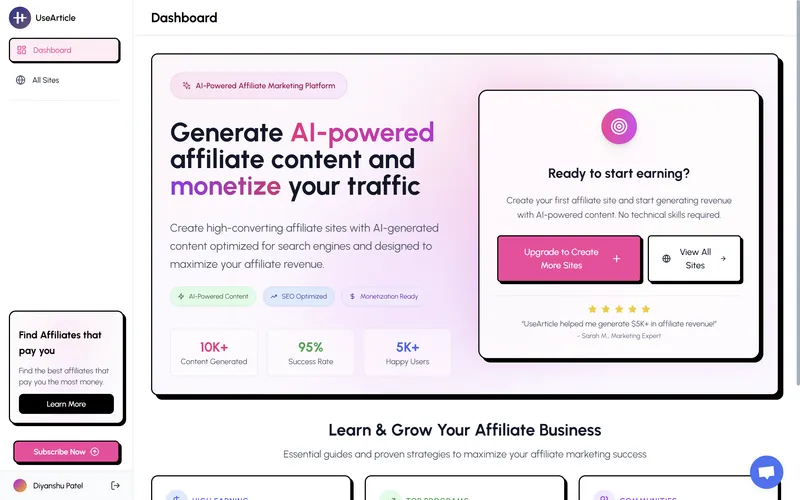
UseArticle
AI-powered content creation and management platform that helps teams produce high-quality articles at scale.
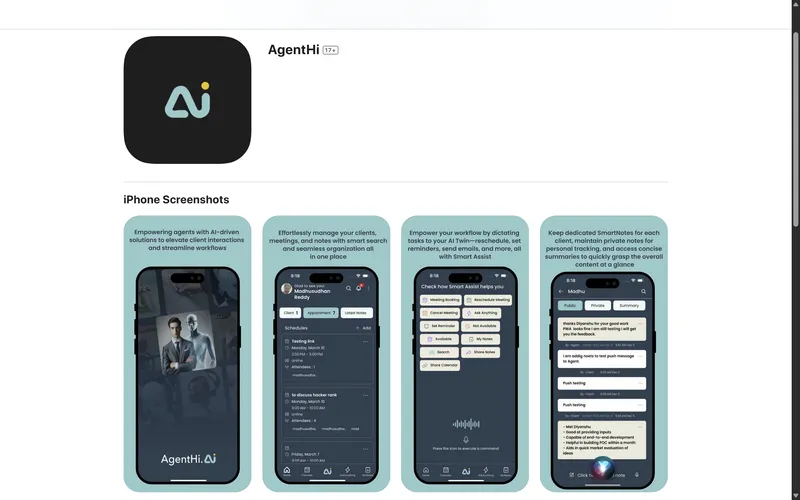
AgentHi
Intelligent virtual assistant that streamlines customer support and automates routine business tasks.
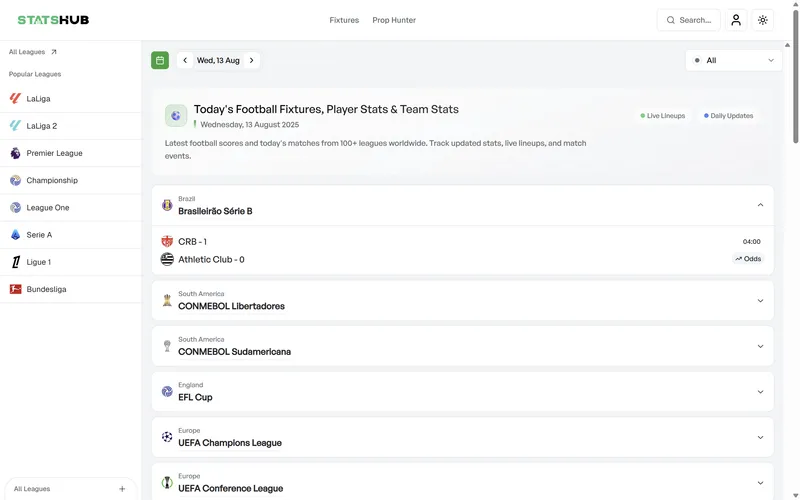
StatsHub
Comprehensive analytics dashboard providing real-time insights and data visualization for businesses.
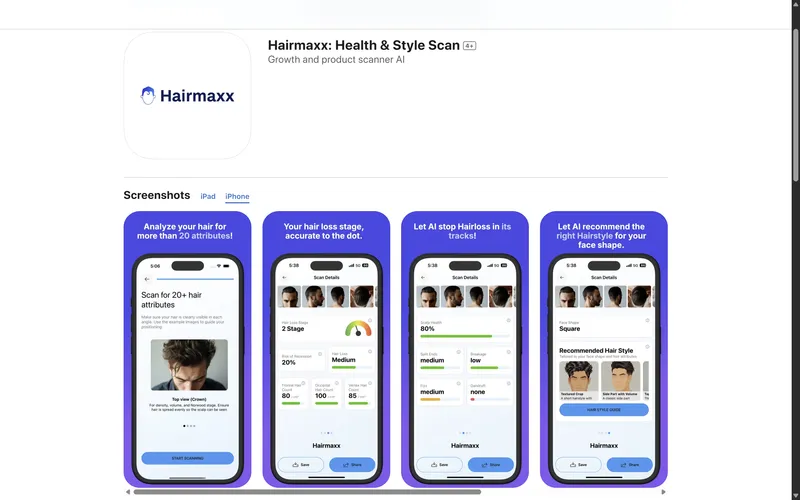
Harimaxx
Personal fitness companion with AI-driven workout plans and nutrition tracking for optimal health.
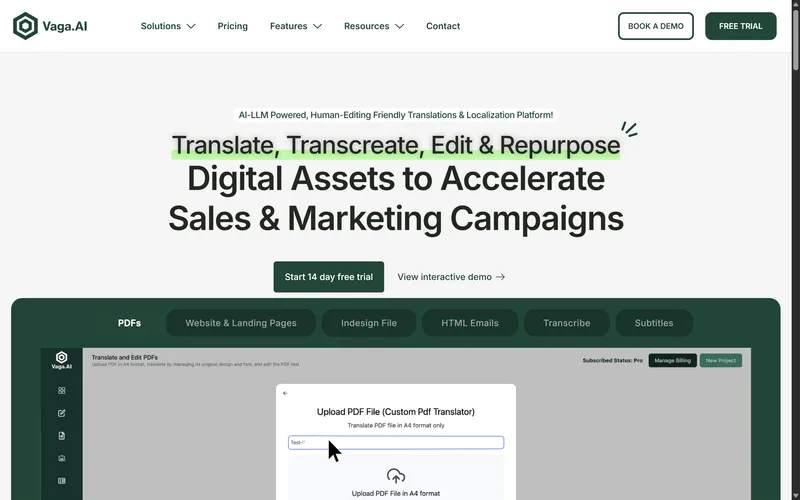
Vaga
Smart travel planning app that curates personalized itineraries and local experiences.
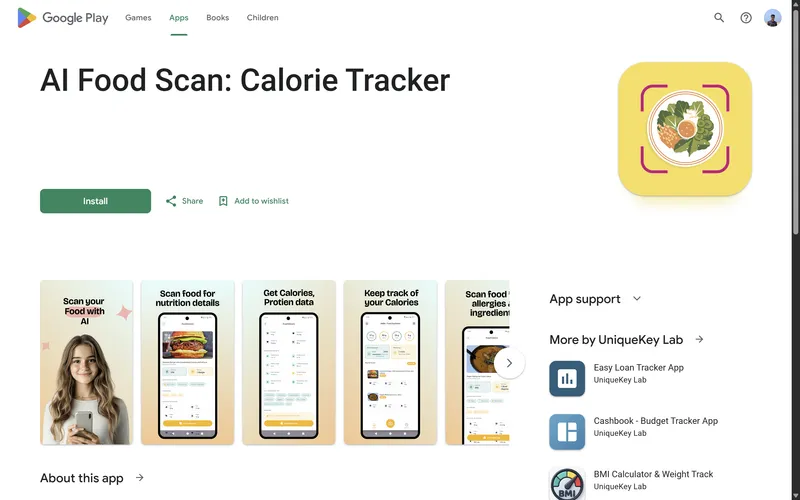
FoodScan
Nutrition analysis app that scans food items and provides detailed nutritional information instantly.
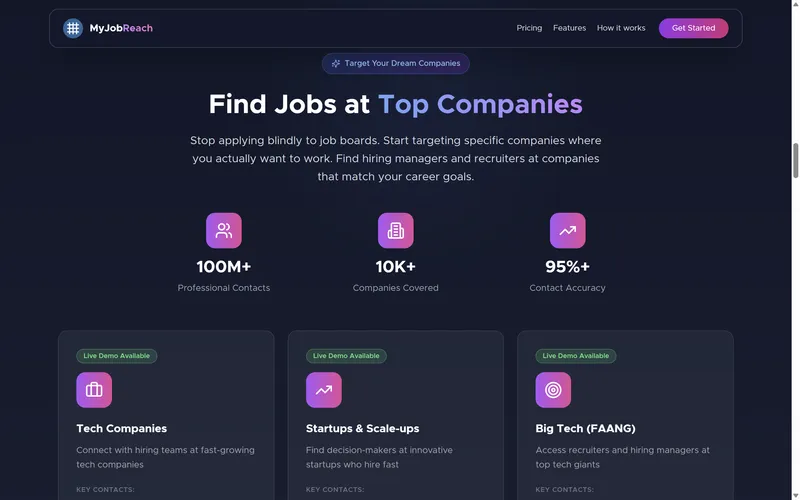
MyJobReach
Job matching platform connecting talented professionals with their dream opportunities.
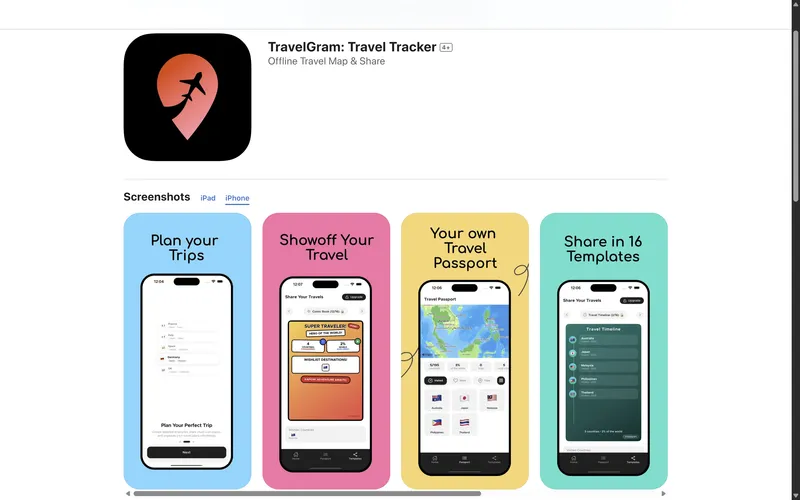
TravelGram
Social platform for travelers to share experiences, discover destinations, and connect globally.
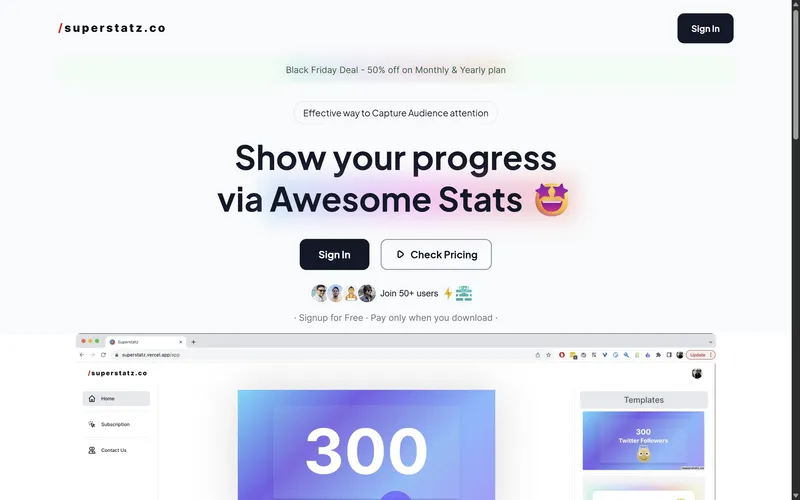
SuperStatz
Advanced sports statistics platform delivering in-depth analysis and performance metrics.
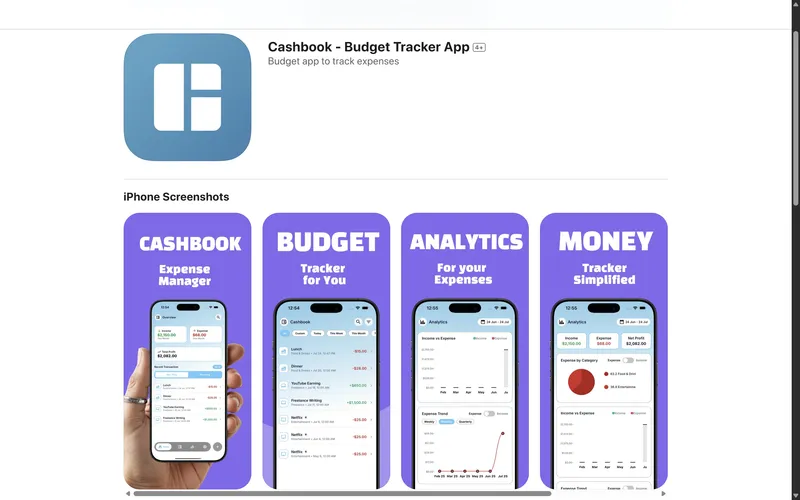
Cashbook
Simple expense tracking and budgeting app that helps users manage their finances effortlessly.
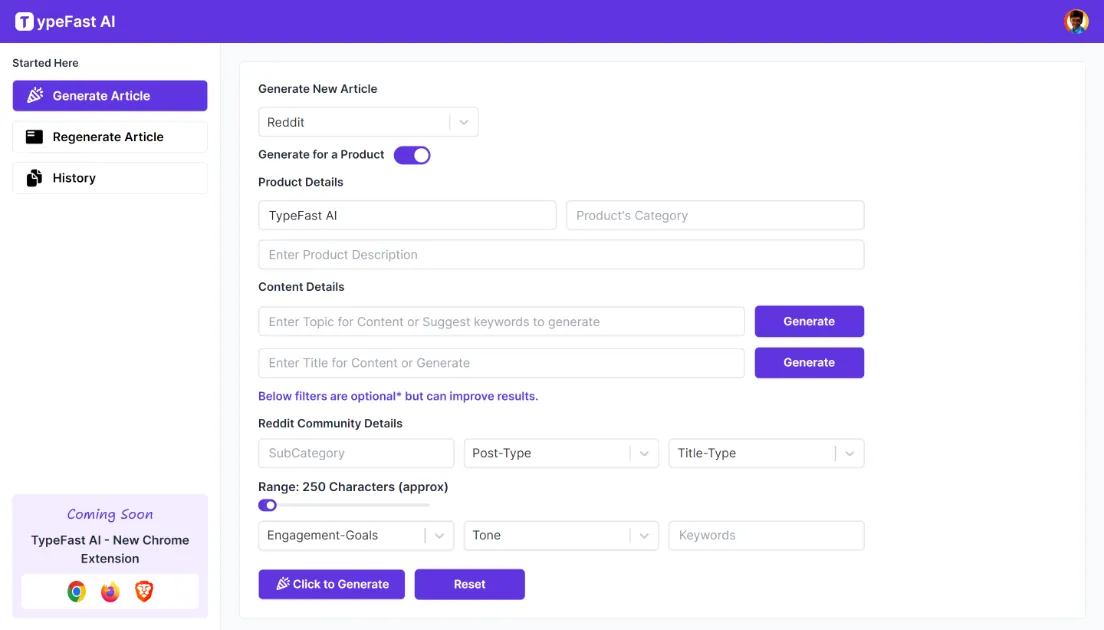
TypeFast
Typing speed improvement platform with gamified lessons and real-time performance tracking.
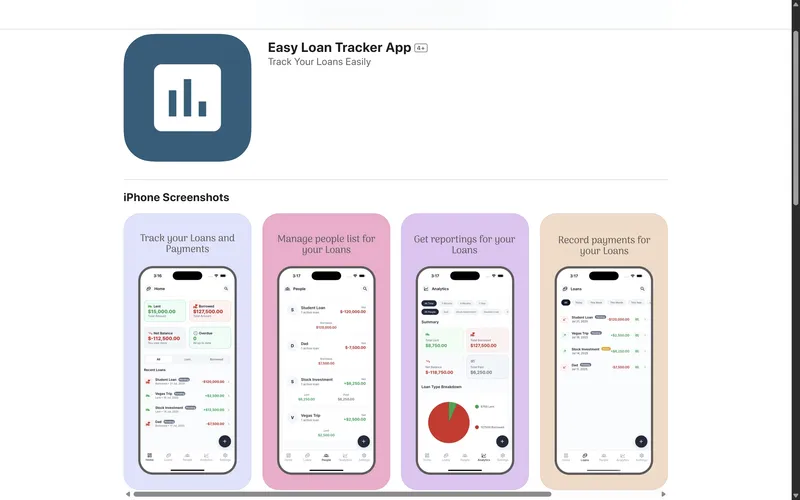
Easy Loan
Streamlined loan management system that simplifies borrowing and lending processes.
Explore Related Content
Discover more services, case studies, and insights
Bubble Alternatives: Best No-Code and Code Options 2026
Looking for Bubble alternatives? Compare the best no-code platforms and professional development options for building web applications.
Build Your AI SaaS MVP in 2 Weeks
Yes, you can build an AI SaaS MVP in 2 weeks. Get the exact 14-day roadmap, 2026 AI stack, copy-paste prompts, real costs, and when to hire a done-for-you team.
Build Software Fast With AI: An AI-Native Agency's Method
See how SpeedMVPs, an AI-native agency, builds software fast with AI: pair-programming, codegen guardrails, and review discipline that ship in 2-3 weeks.
iOS App Consulting
Expert iOS consulting for startups and product teams. We help you define the right architecture, make the right technology choices, and ship iOS apps that perform on day one — without the costly mistakes that come from building alone.
System Architecture
Expert system architecture design for AI products, platforms, and enterprise systems. We define the right architecture for your scale, team size, and business context — and deliver the documentation and decisions that make building fast and safe.
How to Develop an AI-Driven Mobile App: A Practical 2026 Guide
A step-by-step guide to developing an AI-driven mobile app — defining the use case, choosing on-device vs cloud AI, picking your stack, building the model, and shipping.
How to Build an MVP Without a Developer Using AI (2026 Playbook)
An honest 2026 playbook for non-technical founders: which AI no-code tools can actually build an MVP, where they break (auth, payments, scale), and when to bring in engineers.
The Fintech Fortress: How a 3-Week AI MVP Detected Billions in Fraud Without Breaching a Single Data Wall
A digital citadel: rapid, unbreachable, and utterly adaptive AI MVP with zero-trust architecture, federated learning, and compliance-first design.
Ready to Build Your MVP?
Schedule a complimentary strategy session. Transform your concept into a market-ready MVP within 2-3 weeks. Partner with us to accelerate your product launch and scale your startup globally.