How to Build an App Like Notion: Blocks and Collaboration
Building a collaborative workspace — the block data model, real-time editing with CRDTs, permissions inheritance, and why offline is the hard part.
The block model
Every paragraph, heading, image, and embedded database row is a block with a type, properties, and a parent. Pages are blocks. Databases are blocks whose children are rows.
The elegance is real, and so are the costs:
- Deep recursion. Rendering a page means walking a tree of unbounded depth. Naive queries produce N+1 explosions — you need recursive CTEs or a materialised path.
- Ordering. Blocks need stable order under concurrent insertion. Integer positions require rebalancing; fractional indexing or a linked list avoids it.
- Moves are re-parenting. Dragging a block subtree across pages must stay consistent, and permissions may differ at the destination.
Real-time collaboration is the expensive part
Two people editing the same paragraph simultaneously must converge without losing work.
Operational transformation transforms concurrent operations against each other. Powerful, and notoriously hard to implement correctly.
CRDTs — conflict-free replicated data types — converge by construction. Libraries like Yjs and Automerge make this tractable and are what most teams should use rather than building from scratch.
Either way you need presence (who's here, where their cursor is), an awareness channel separate from document state, and a persistence strategy that isn't "save the whole document on every keystroke."
Do not write your own OT engine for an MVP. This is the clearest buy-don't-build line in the category.
Permissions inherit, and that's subtle
A page inherits from its parent unless overridden. Sharing a nested page shares an ancestor path implicitly. Answering "can this user see this block" means walking up the tree, and doing it on every block render is a performance problem.
Cache resolved permissions per user per subtree, and invalidate on change. Getting this wrong leaks documents between workspaces, which is the failure that ends trust.
Offline is harder than real-time
Real-time collaboration assumes connectivity. Offline means local persistence, a sync queue, and conflict resolution on reconnect — CRDTs help enormously here, which is a strong argument for choosing them early if offline is on your roadmap at all.
Cut for an MVP
Databases with multiple views, templates, integrations, public sharing, and comments. Prove that nested blocks with real-time collaborative editing and correct permissions work first — that alone is a substantial build.
Related builds
- How to build a SaaS MVP — tenancy, billing, and scope
- Multi-tenant SaaS architecture — isolation done properly
- Custom MVP development
What You'll Get
Block tree that scales
Recursive queries and stable fractional ordering.
CRDT collaboration
Yjs or Automerge — never a hand-rolled OT engine.
Permission inheritance cached
Resolved per subtree, invalidated on change.
FAQ
How does a block-based editor store data?
Every element is a block with a type, properties, and a parent, so pages are trees of unbounded depth. That needs recursive CTEs or materialised paths to avoid N+1 queries, and a stable ordering scheme — fractional indexing or a linked list — so concurrent insertions don't require constant rebalancing.
Should I build real-time collaboration myself?
No. Use a CRDT library like Yjs or Automerge. Operational transformation is powerful and notoriously hard to implement correctly, and hand-rolling either for an MVP is the clearest buy-don't-build line in this category. You'll still own presence, awareness, and a sane persistence strategy.
What's the riskiest part of a workspace app?
Permission inheritance. Pages inherit from parents unless overridden, so answering whether a user can see a block means walking the tree — and doing that on every render is slow enough that teams cache it. Getting the invalidation wrong leaks documents between workspaces, which is the failure that ends customer trust.
Trusted by Global Companies Building AI Products
We've helped startups and enterprises worldwide transform their AI ideas into production-ready MVPs in 2–3 weeks. From fintech platforms to AI assistants, our global MVP development services have launched 18+ AI products serving users across the US, Europe, and Asia.

Portfolio: AI Products Built for Global Startups
From content platforms and AI assistants to analytics dashboards and fintech solutions—see how we've transformed ideas into production-ready MVPs in 2-3 weeks across diverse industries. Each product launched successfully, serving users globally.
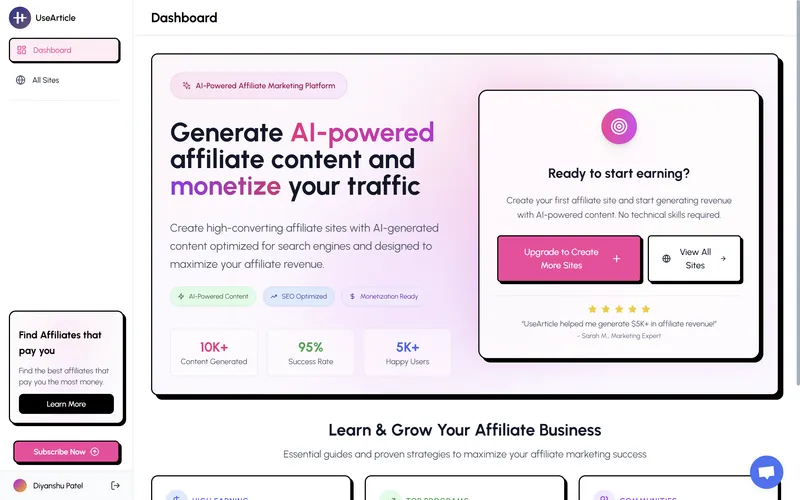
UseArticle
AI-powered content creation and management platform that helps teams produce high-quality articles at scale.
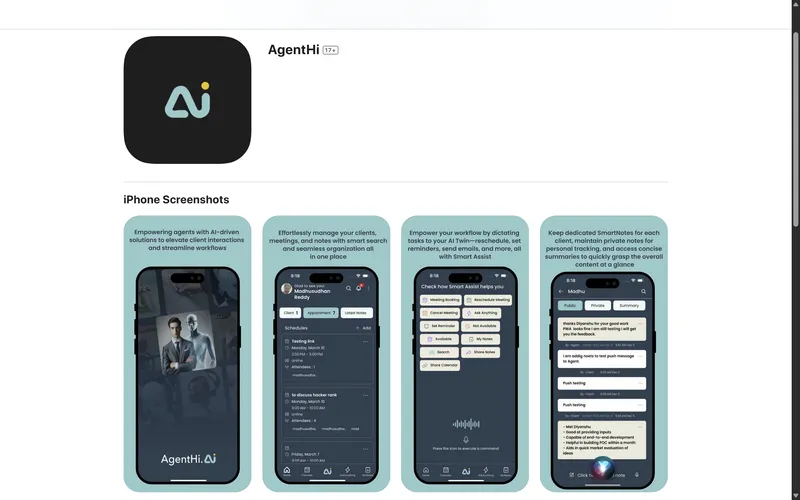
AgentHi
Intelligent virtual assistant that streamlines customer support and automates routine business tasks.
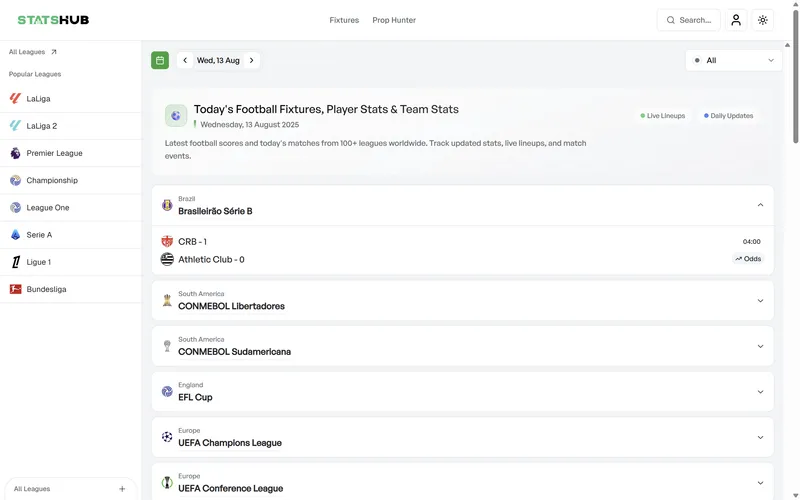
StatsHub
Comprehensive analytics dashboard providing real-time insights and data visualization for businesses.
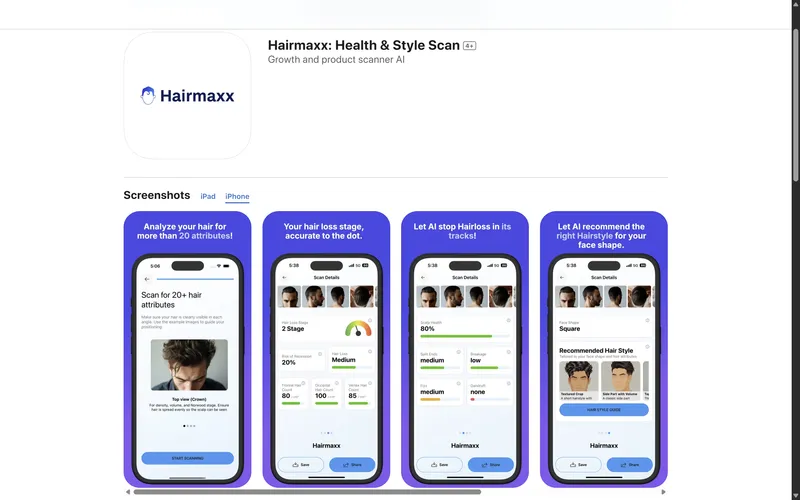
Harimaxx
Personal fitness companion with AI-driven workout plans and nutrition tracking for optimal health.
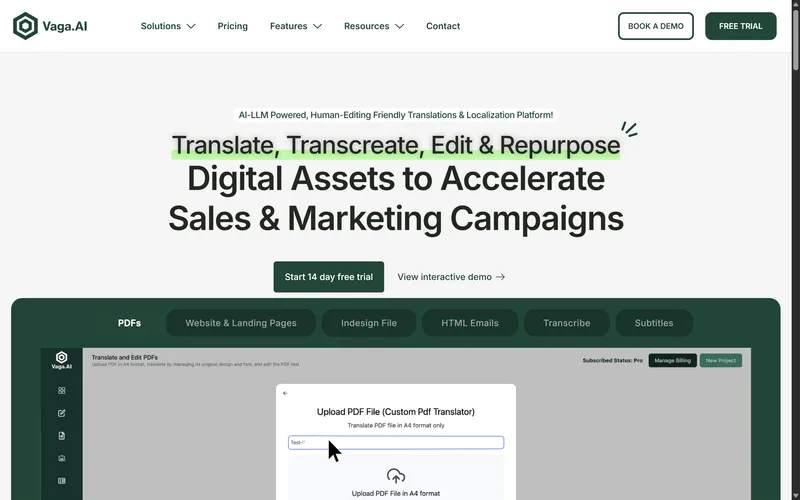
Vaga
Smart travel planning app that curates personalized itineraries and local experiences.
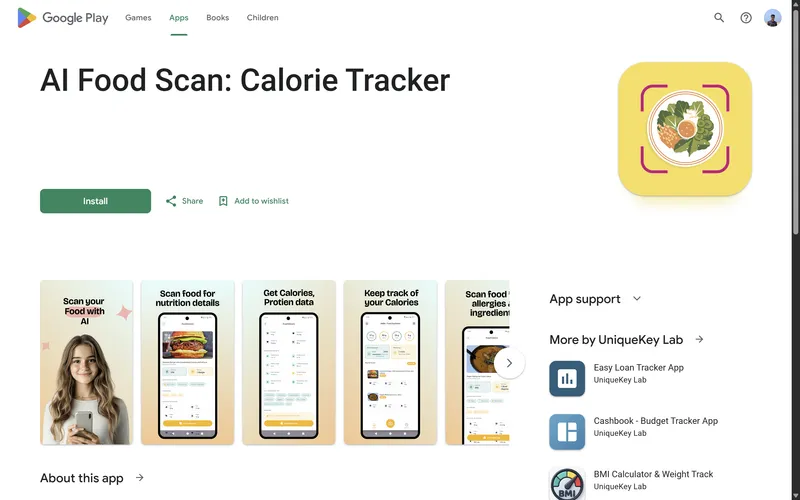
FoodScan
Nutrition analysis app that scans food items and provides detailed nutritional information instantly.
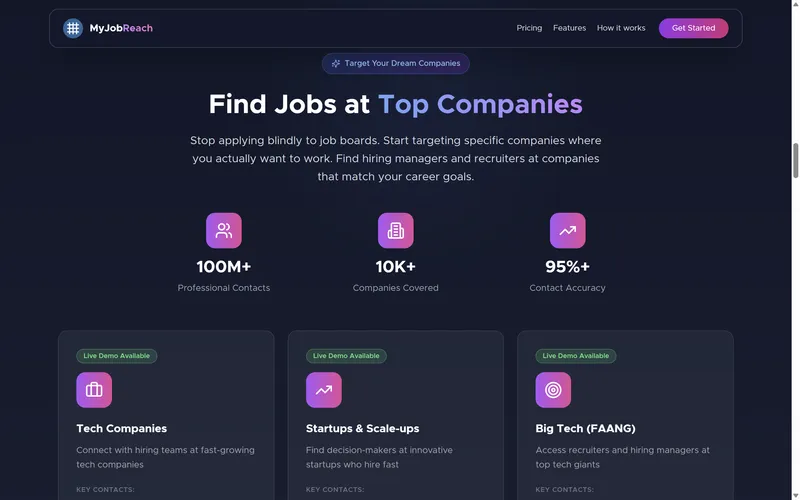
MyJobReach
Job matching platform connecting talented professionals with their dream opportunities.
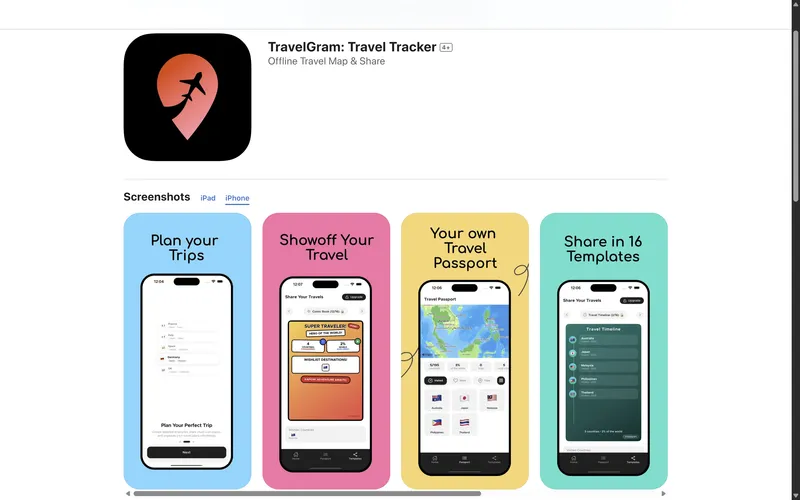
TravelGram
Social platform for travelers to share experiences, discover destinations, and connect globally.
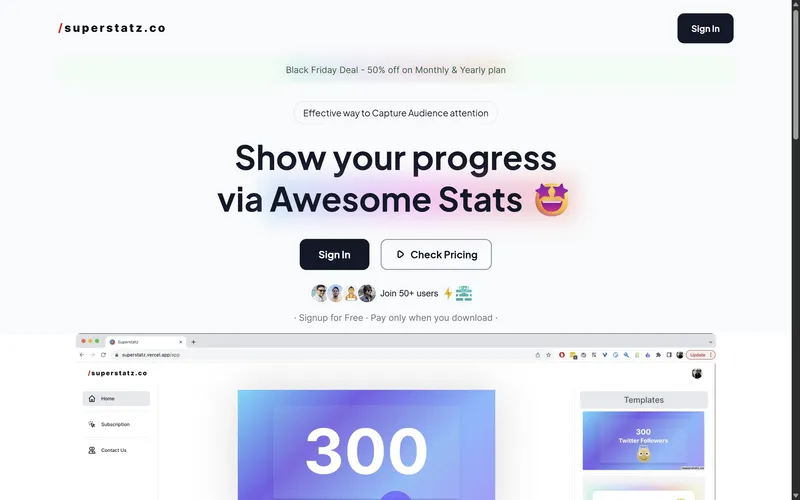
SuperStatz
Advanced sports statistics platform delivering in-depth analysis and performance metrics.
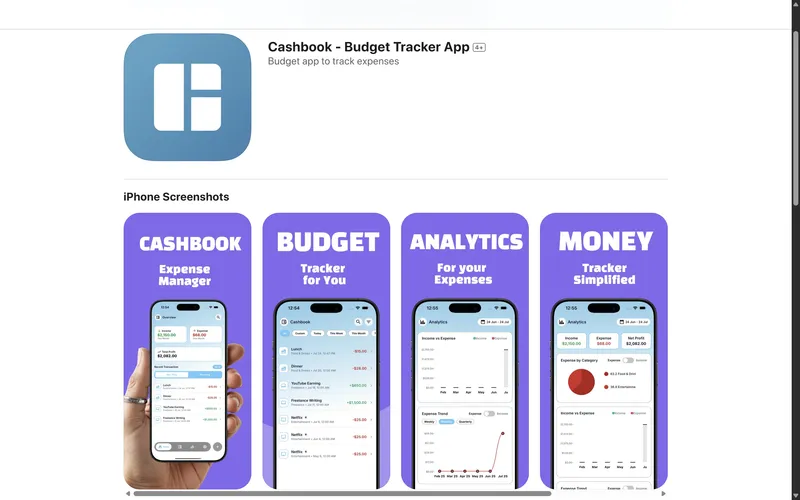
Cashbook
Simple expense tracking and budgeting app that helps users manage their finances effortlessly.
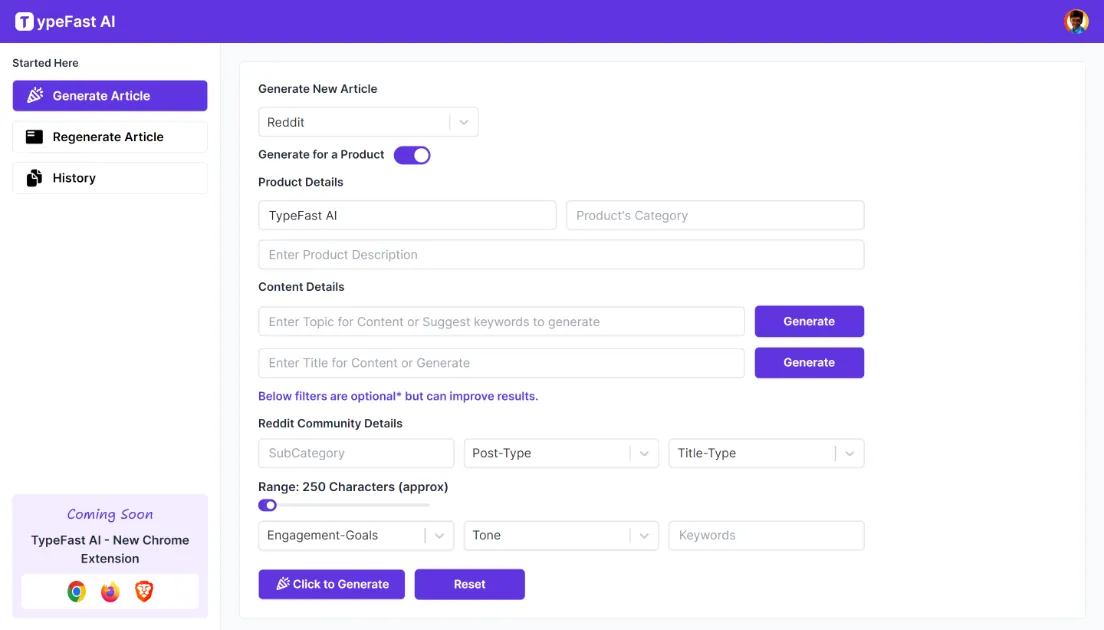
TypeFast
Typing speed improvement platform with gamified lessons and real-time performance tracking.
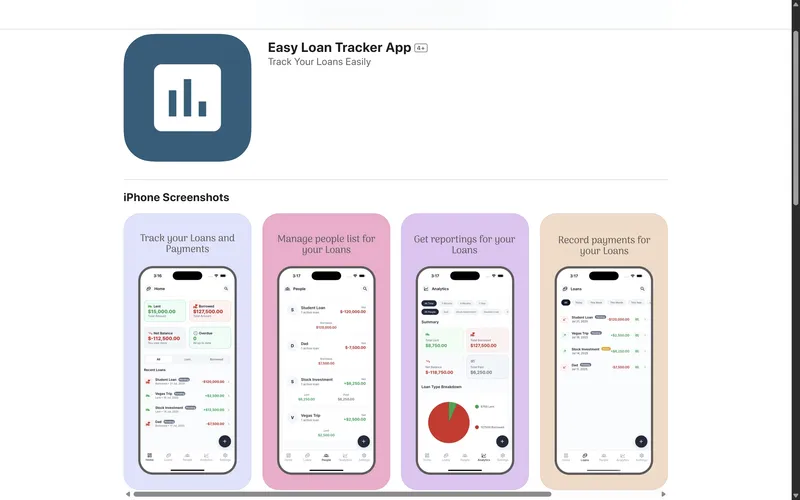
Easy Loan
Streamlined loan management system that simplifies borrowing and lending processes.
Explore Related Content
Discover more services, case studies, and insights
How to Build a Payments Platform Like Stripe
What building payments infrastructure actually involves — acquiring relationships, PCI scope, the ledger, idempotency, and why most teams shouldn't.
How to Build an App Like Uber: Matching, Tracking, and Supply
Building an on-demand app like Uber — driver matching, real-time location at scale, surge and supply balance, and the cold-start problem per city.
How to Build an App Like Zillow: Listings, Valuation, and Leads
Building a property portal — listing data access, automated valuation models, map-first search at scale, and the lead business that actually pays.
AI-Powered MVP Development
Launch a production-ready AI MVP in just 2-3 weeks. Our team blends rapid prototyping with enterprise-grade AI/ML engineering to validate your idea, attract investors, and win early customers.
Integrate AI into Existing Software
Seamlessly integrate AI capabilities into your existing software systems. We enhance your current applications with intelligent features, automation, and AI-powered insights while maintaining system stability.
How AI Agencies Ensure Quality and Scalability on Tight Timelines
How top AI development agencies ship quality, scalable products in 2-3 weeks: senior engineers, AI-assisted workflows with human review, production-grade architecture, and automated testing under real deadlines.
How to Develop an AI-Driven Mobile App: A Practical 2026 Guide
A step-by-step guide to developing an AI-driven mobile app — defining the use case, choosing on-device vs cloud AI, picking your stack, building the model, and shipping.
The Fintech Fortress: How a 3-Week AI MVP Detected Billions in Fraud Without Breaching a Single Data Wall
A digital citadel: rapid, unbreachable, and utterly adaptive AI MVP with zero-trust architecture, federated learning, and compliance-first design.
Ready to Build Your MVP?
Schedule a complimentary strategy session. Transform your concept into a market-ready MVP within 2-3 weeks. Partner with us to accelerate your product launch and scale your startup globally.