
AI MVP Development for Telecom & Connectivity
Ship a production-ready telecom AI MVP in 2-3 weeks: AIOps, SIM-box fraud detection, and churn/QoE models on your CDR and OSS/BSS data. You own 100% of the code.
What You Need to Know
Telecom operators sit on more machine-generated data than almost any other industry, streaming SNMP counters, NETCONF/YANG state, gRPC telemetry off gNodeBs and routers, plus millions of CDRs and IPDRs an hour, yet a NOC still drowns in alarm storms where one fiber cut lights up thousands of downstream traps. SpeedMVPs builds AIOps MVPs that do alarm correlation and topology-aware root-cause analysis on your live event stream, so a single probable-cause ticket replaces the flood. On the RAN side we train time-series models on RSRP/RSRQ/SINR, PRB utilization, and handover-failure counters to flag degrading cells and predict sleeping-cell or backhaul faults before the trouble tickets arrive: the SON-adjacent problem that Ericsson, Nokia, and O-RAN RIC vendors are all chasing, delivered against your data in a two-to-three-week build rather than a multi-quarter integration.
Fraud and revenue leakage are existential in telecom, and the attack patterns are nothing like a generic 'fraud model': they are SIM-box interconnect bypass, International Revenue Share Fraud (IRSF), Wangiri call-back scams, roaming fraud that surfaces only after the TAP file settles days later, and subscription fraud at onboarding. We build revenue-assurance engines that mine CDR/IPDR streams with graph analytics to expose the many-to-one calling fan-outs and premium-rate destination clusters that betray a SIM box, and score new activations against velocity and device-reputation signals in real time. This maps directly to the anomaly and graph techniques behind our fintech-fraud-detection case study, retargeted to A-number/B-number topology, IMSI/IMEI pairings, and TM Forum revenue-assurance KPIs rather than card transactions.
Churn in a saturated carrier market is won or lost on experience, not price, so our propensity and QoE models blend BSS/CRM history with network-side truth: dropped-call rate, VoLTE/VoNR MOS, throughput at the cell edge, data-session setup failures, and repeated CPE reboots pulled via TR-069/TR-369 (USP). Rather than a churn score no one can act on, we ship next-best-action outputs, proactive credit, a femtocell offer, a truck-roll, wired into the CRM your care team already uses (Salesforce Communications Cloud, Amdocs, or a custom BSS). The customer-facing analytics layer mirrors the pattern in our enterprise-analytics-copilot work: a natural-language interface over network and subscriber data so a retention manager can ask 'which high-ARPU accounts saw degraded VoLTE in this market last week' without writing a query.
Care is the other margin lever. A telco RAG copilot has to be grounded in more than a help-center wiki: it needs live outage status, the subscriber's plan and entitlements, and real device diagnostics so it can run a TR-069 line check or reboot an ONT before escalating a truck-roll. We build agent-assist and self-service copilots that retrieve from your knowledge base and OSS in one turn, propose the fix, and hand off cleanly with full transcript context, deflecting the repetitive 'no internet' and billing-dispute contacts that dominate contact-center volume. Because robocall and spoofing complaints now flow through the same channels, we can also surface STIR/SHAKEN attestation context so agents and subscribers understand why a call was flagged.
None of this ships without respecting the regulatory reality of a carrier. Customer Proprietary Network Information is governed by 47 U.S.C. 222 and FCC rules, so CDR-derived features and any model training run inside your VPC with CPNI access controls and audit logging, never exported to a third-party cloud you don't control. We design around CALEA lawful-intercept boundaries, TCPA constraints on any outbound automation, E911/NG911 data sensitivity, and, for EU or multi-region operators, GDPR and data-residency rules on location and traffic data. The security posture leans on the same detection thinking as our ai-cyber-threat-intelligence build: signaling anomalies (SS7/Diameter), unusual roaming patterns, and network intrusion are treated as first-class model inputs, not an afterthought.
Delivery is engineered for an operator's stack, not a greenfield demo. We integrate through TM Forum Open APIs and ODA-aligned interfaces where they exist, consume streaming telemetry over Kafka and gRPC, and speak SNMP, NETCONF, and Diameter to the network and Amdocs/Netcracker/ServiceNow to the business side, so the AI service sits behind clean APIs your OSS/BSS can call without a rip-and-replace. SpeedMVPs has shipped 18+ production AI MVPs with a 15+ engineer senior team, each in a fixed 2-3 week cycle, and you receive 100% of the code, model weights, training pipelines, and architecture docs at handover: no per-CDR inference fees on your own data and no black-box lock-in when your vendor mix changes.
What You'll Get
Network AIOps & Fault Predictor
Topology-aware alarm correlation and RAN degradation forecasting on your SNMP/NETCONF/gRPC telemetry: probable-cause tickets, sleeping-cell and backhaul prediction, deployed in your NOC's VPC.
Fraud & Revenue-Assurance Engine
Graph analytics over CDR/IPDR to detect SIM-box bypass, IRSF, Wangiri and roaming fraud, plus real-time subscription-fraud scoring at activation against velocity and device-reputation signals.
Churn & QoE Intelligence Layer
Propensity and Quality-of-Experience models blending BSS/CRM history with VoLTE/VoNR MOS, drop-call rate and TR-069 CPE health, surfacing next-best-action into Salesforce Comms Cloud or Amdocs.
Planning a build like this?
Book a free 30-minute strategy call with Diyanshu Patel, our CEO. We use it to understand your idea, goals and requirements, then follow up with a timeline and a fixed-price proposal.
Book a free 30-minute callFAQ
Can you work at our CDR/IPDR volumes and integrate with an Amdocs or Netcracker OSS/BSS?
Yes. We build for streaming scale from day one, CDR/IPDR ingested over Kafka, features computed incrementally rather than batch-scanning terabytes, and integrate through TM Forum Open APIs and ODA-aligned interfaces where your stack exposes them. For Amdocs, Netcracker, ServiceNow TNI, or a custom BSS we consume and write via their APIs so the AI service is a clean sidecar, not a migration. The two-to-three-week MVP targets one high-value workflow end to end so you see it running on real traffic, not a slideware architecture.
How do you handle CPNI, CALEA, and data residency when training on subscriber data?
All CPNI-touching work, CDR-derived features, model training, inference, runs inside your VPC or on-prem, governed by access controls and audit logging aligned to 47 U.S.C. 222 and FCC rules; nothing is exported to a cloud you don't control. We design around CALEA lawful-intercept boundaries and, for EU or multi-region operators, GDPR and residency rules on location and traffic data. We provide architecture and data-flow documentation suitable for your regulatory and security review before go-live.
Our NOC gets alarm storms across a multi-vendor network: how does the AI actually do root-cause?
We combine topology awareness with temporal correlation: the model learns which downstream elements depend on which upstream ones (from your inventory/topology feed) and clusters the trap burst from a single physical fault, a fiber cut, a failed aggregation router, into one probable-cause event instead of thousands. It's vendor-agnostic because it works off normalized SNMP/NETCONF events and streaming telemetry, so Ericsson, Nokia, Cisco, and O-RAN elements feed the same correlation engine. Output is a ranked probable-cause ticket with the supporting alarms attached.
Can the fraud model catch SIM-box and IRSF patterns we haven't explicitly seen before?
That's the point of using graph and anomaly techniques rather than static rules. SIM boxes betray themselves through structural signatures, many-to-one calling fan-outs, no inbound calls, low mobility, premium-rate B-number clustering, that the model detects even for new number ranges, and IRSF surfaces as sudden spikes to high-cost international destinations before the TAP settlement lands. We pair unsupervised anomaly scoring with your labeled historical fraud cases so known patterns stay caught while novel ones still get flagged for review.
What exactly does a telecom AI MVP include, and why 2-3 weeks?
An MVP is one production-grade workflow, say the fault predictor or the fraud engine, integrated with your live data, deployed in your environment, with the dashboard or API your team uses to act on it. The fixed 2-3 week cycle works because we scope precisely in a discovery call, reuse hardened patterns from prior AI builds, and deliberately ship one workflow deep rather than ten shallow. You get the full codebase, model weights, and retraining pipeline at handover, so extending it to the next use case does not require us.
Trusted by Global Companies Building AI Products
We've helped startups and enterprises worldwide transform their AI ideas into production-ready MVPs in 2–3 weeks. From fintech platforms to AI assistants, our global MVP development services have launched 18+ AI products serving users across the US, Europe, and Asia.




Portfolio: AI Products Built for Global Startups
From content platforms and AI assistants to analytics dashboards and fintech solutions: see how we've transformed ideas into production-ready MVPs in 2-3 weeks across diverse industries. Each product here is one our team worked on.
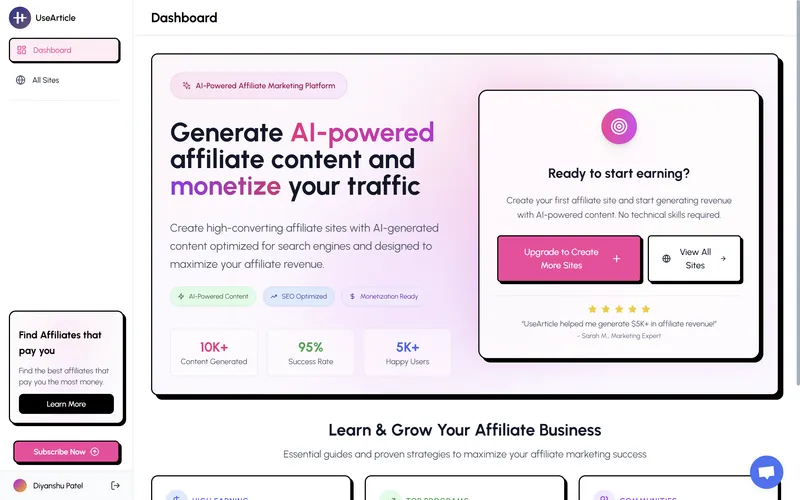
UseArticle
AI-powered content creation and management platform that helps teams produce high-quality articles at scale.
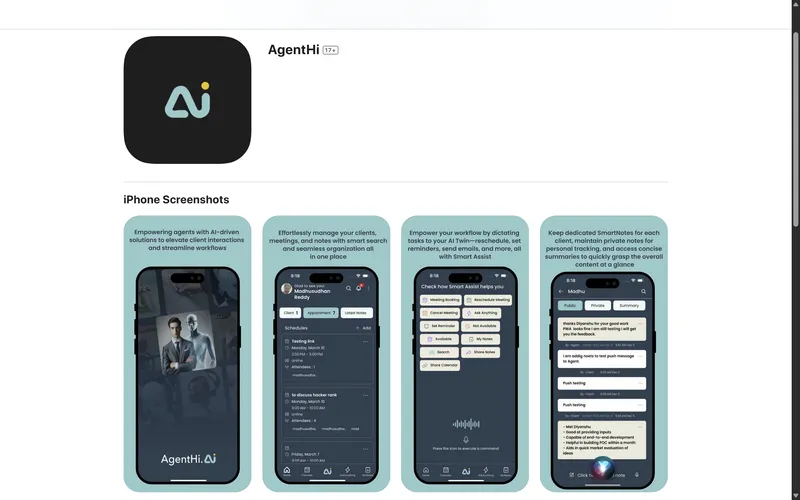
AgentHi
Intelligent virtual assistant that streamlines customer support and automates routine business tasks.
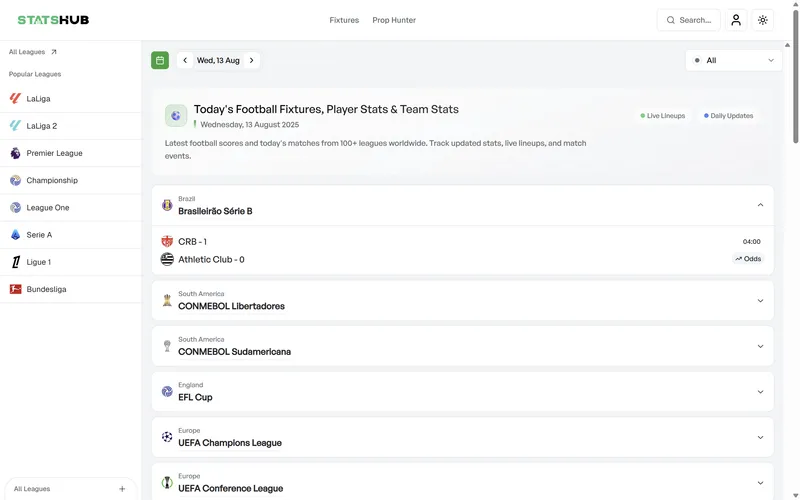
StatsHub
Comprehensive analytics dashboard providing real-time insights and data visualization for businesses.
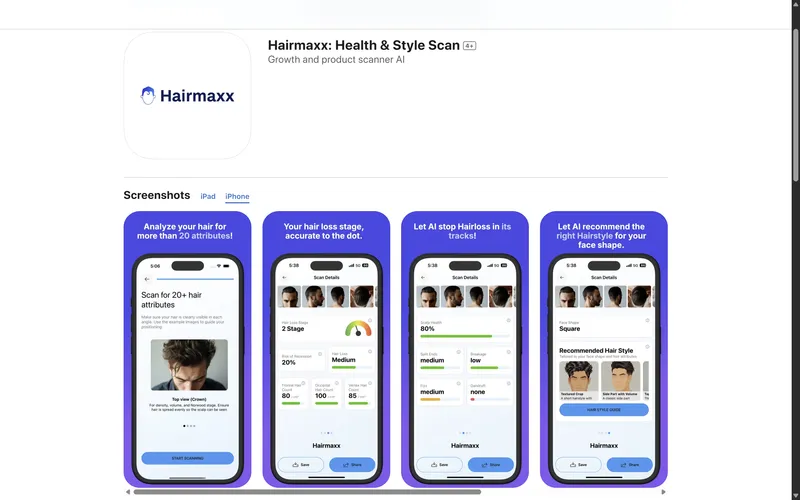
Harimaxx
Personal fitness companion with AI-driven workout plans and nutrition tracking for optimal health.
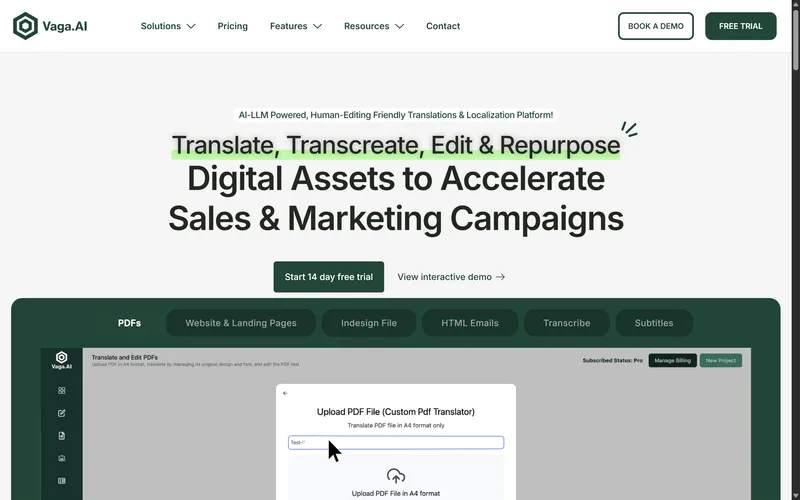
Vaga
Smart travel planning app that curates personalized itineraries and local experiences.
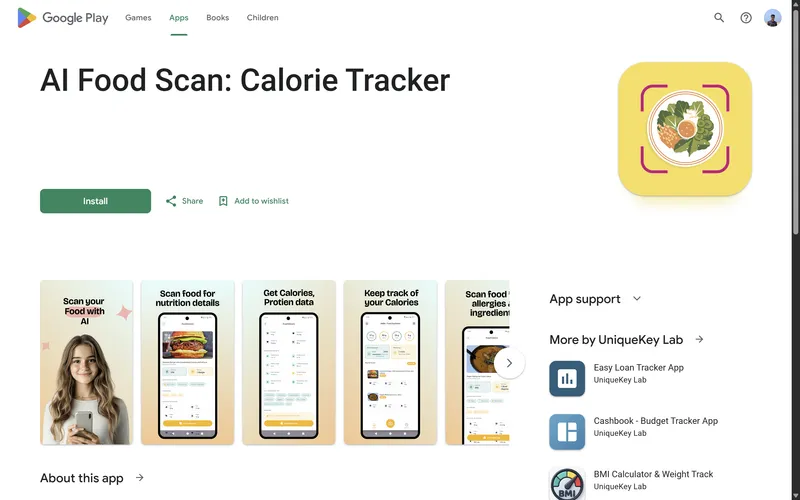
FoodScan
Nutrition analysis app that scans food items and provides detailed nutritional information instantly.
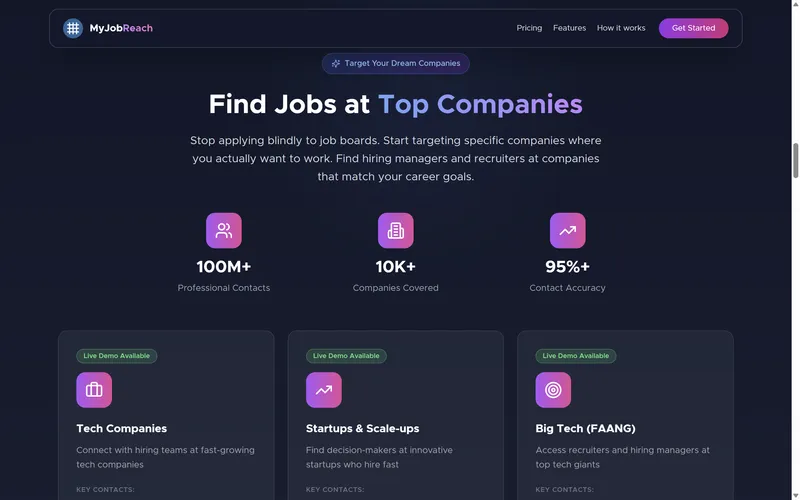
MyJobReach
Job matching platform connecting talented professionals with their dream opportunities.
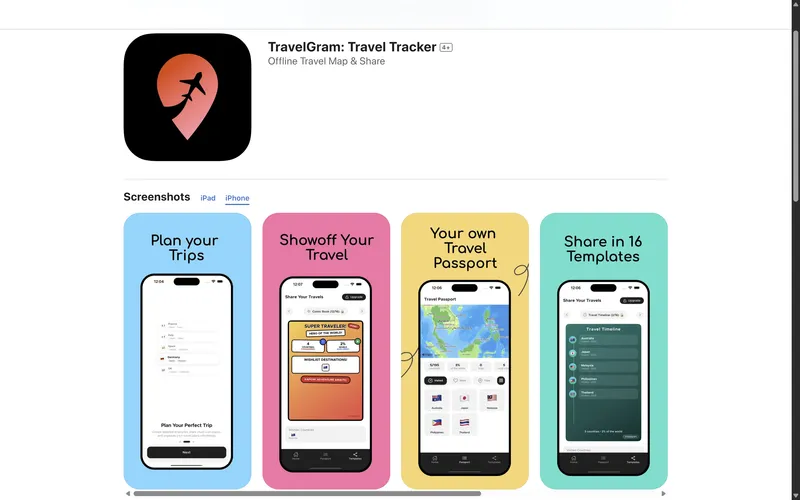
TravelGram
Social platform for travelers to share experiences, discover destinations, and connect globally.
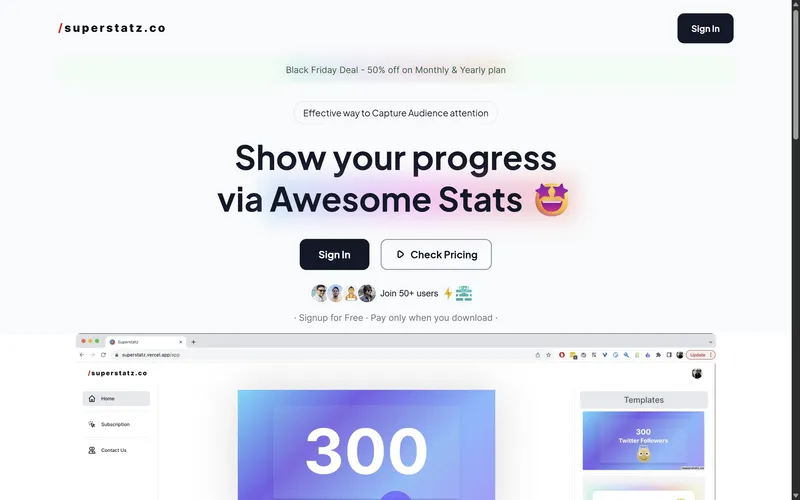
SuperStatz
Advanced sports statistics platform delivering in-depth analysis and performance metrics.
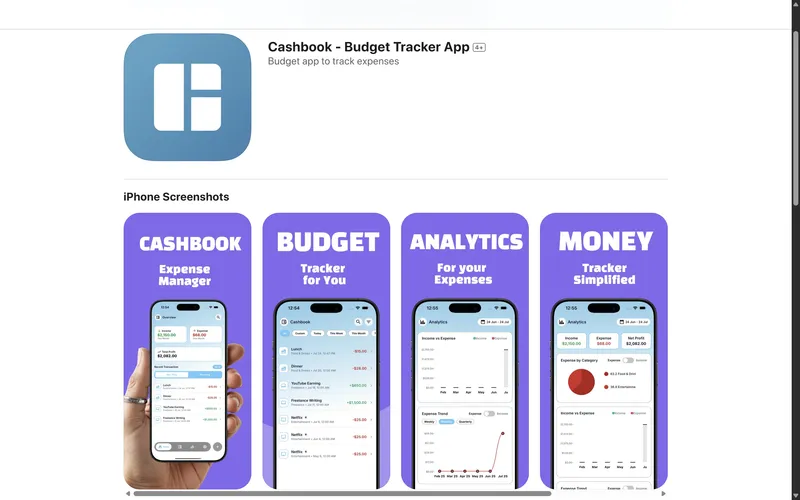
Cashbook
Simple expense tracking and budgeting app that helps users manage their finances effortlessly.
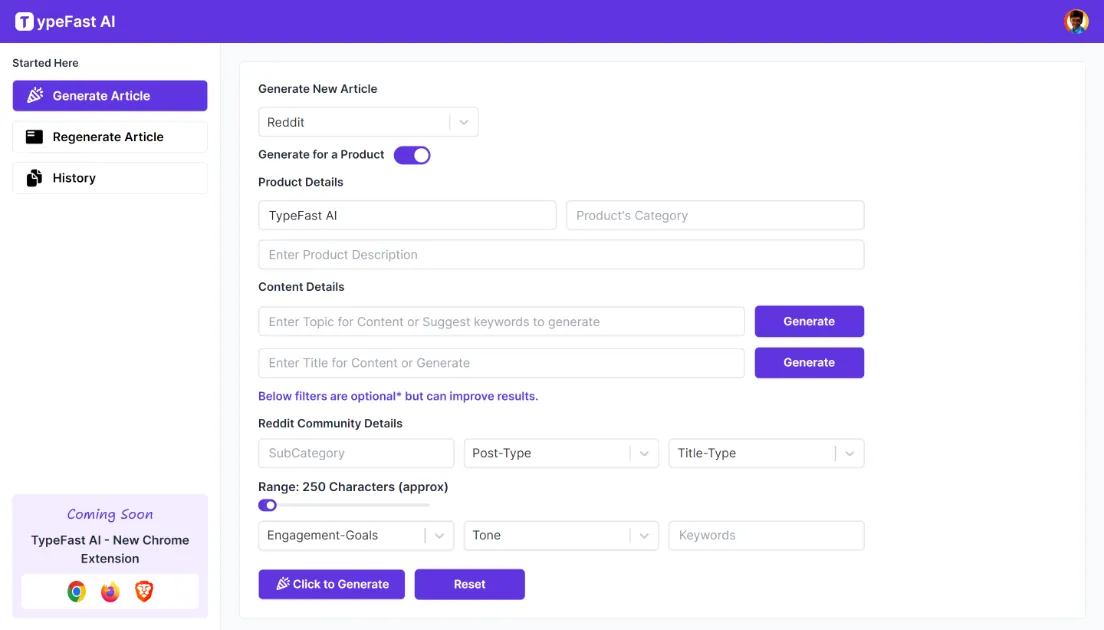
TypeFast
Typing speed improvement platform with gamified lessons and real-time performance tracking.
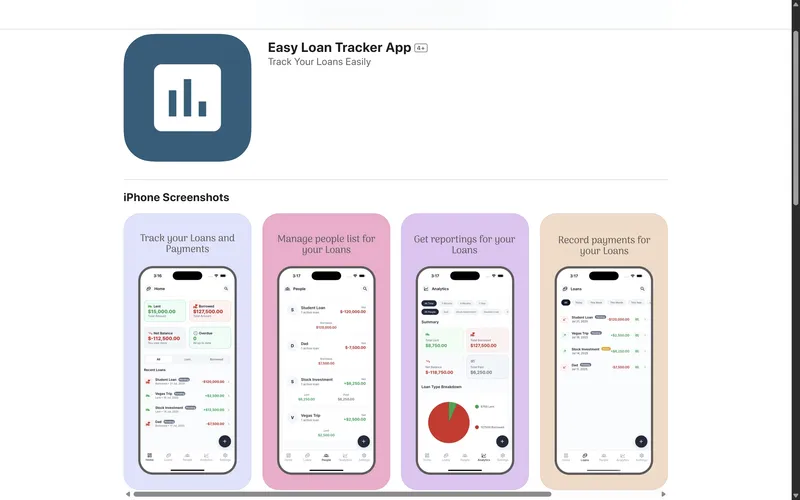
Easy Loan
Streamlined loan management system that simplifies borrowing and lending processes.
Explore Related Content
Discover more services, case studies, and insights
AI MVP Development for Travel & Hospitality
Ship a production-ready travel & hospitality AI MVP in 2-3 weeks. GDS/NDC itinerary agents, dynamic pricing and a RAG concierge on live supplier data. 18+ shipped.
AI MVP Development for Digital & Product Agencies
White-label AI MVPs for digital & product agencies in 2-3 weeks: proposal engines, reporting copilots and productized SaaS you resell with full code ownership.
AI MVP Development for AgriTech & FoodTech
We build AgriTech & FoodTech AI MVPs in 2-3 weeks: satellite yield models, crop-disease computer vision, and FSMA 204 traceability, with 100% code ownership.
AI-Powered MVP Development
Launch a production-ready AI MVP in just 2-3 weeks. Our team blends rapid prototyping with enterprise-grade AI/ML engineering to validate your idea, attract investors, and win early customers.
Integrate AI into Existing Software
Smoothly integrate AI capabilities into your existing software systems. We enhance your current applications with intelligent features, automation, and AI-powered insights while maintaining system stability.
How AI Agencies Ensure Quality at Speed
How top AI development agencies ship quality, scalable products in 2-3 weeks: senior engineers, AI-assisted workflows with human review, production-grade architecture, and automated testing under real deadlines.
How to Develop an AI-Driven Mobile App
A step-by-step guide to developing an AI-driven mobile app: defining the use case, choosing on-device vs cloud AI, picking your stack, building the model, and shipping.
3-Week AI MVP Detects Billions in Fintech Fraud
A digital citadel: rapid, unbreachable, and utterly adaptive AI MVP with zero-trust architecture, federated learning, and compliance-first design.
AI Startup Ships MVP in 3 Weeks, Raises Pre-Seed
SpeedMVPs scoped the narrowest high-impact version of the product, then built a full-stack AI MVP in three weeks: a clean web app, an LLM-powered assistant grounded in the user's own documents via a RAG pipeline, authentication, billing, and analytics, deployed to production and ready to put in front of investors and design partners.
Rapid AI Prototyping: Build a Working AI Prototype in Days
Rapid AI prototyping for funded startups and enterprise teams. SpeedMVPs builds a working AI prototype in 3-5 days using real models and your data, not a mockup.
Ready to Build Your MVP?
Schedule a complimentary strategy session. Transform your concept into a market-ready MVP within 2-3 weeks. Partner with us to accelerate your product launch and scale your startup globally.
The call is 30 minutes with Diyanshu Patel, our CEO and co-founder. Afterwards you get a written proposal with timeline, pricing and development plan.
Calendar not loading? Open the booking page or email diyanshu@speedmvps.com.