
AI MVP Development for Travel & Hospitality
Ship a production-ready travel & hospitality AI MVP in 2-3 weeks. GDS/NDC itinerary agents, dynamic pricing and a RAG concierge on live supplier data. 18+ shipped.
What You Need to Know
Travel and hospitality is a systems-integration problem before it is an AI problem, and most MVPs die on the integration layer. A booking product has to speak to a Global Distribution System (Amadeus, Sabre or Travelport) for air and rail content, layer in IATA NDC (New Distribution Capability) offer-and-order flows for airline-direct fares and ancillaries, and reconcile that against bedbank and channel-manager inventory (Expedia Rapid, Hotelbeds, SiteMinder, Cloudbeds) for lodging. We build the abstraction that normalises these feeds: deduplicating the same hotel arriving from three suppliers, mapping property attributes across sources, and caching search results within GDS look-to-book ratio limits so you are not throttled or fined by a supplier for burning quota with an unbooked crawl.
The AI use-cases that actually move conversion in this vertical are grounded generation, not chatbots for their own sake. A RAG concierge that answers 'is this resort walkable to the old town, and does the 2pm connection in Munich leave enough buffer?' needs a retrieval layer over your own inventory, fare rules, MCT (minimum connection time) tables and property content: not a model guessing from training data. We ship LLM itinerary agents that call live availability as tools, respect fare-basis and change/cancel rules, and return day-by-day plans with real booking deep-links. Our JetPlan AI build (case-study-smart-travel-planner-mvp) generated personalised, budget-aware itineraries in about 30 seconds by wiring an LLM to a Places API and a constraint solver rather than free-associating destinations.
Dynamic pricing and demand forecasting are where hospitality margins are won or lost. For a hotel or short-let product we implement rate-shopping ingestion, pace and pickup curves, and a forecasting model that blends historical booking pace with events, weather and competitor rates to output a suggested BAR (Best Available Rate) by length-of-stay: the RMS logic that pushes back to your PMS (Opera, Mews, Apaleo) and channel manager. For OTAs and metasearch feeds we handle the Google Hotel Ads / Trivago price-accuracy requirements so your displayed rate matches the landed price at checkout, avoiding the accuracy penalties that get a property throttled off the meta auction.
Payments and trust in travel are unusually heavy because you are often taking money months before delivery, across currencies, for a high-fraud category. A production MVP needs PCI-DSS SAQ-A scope kept tight by tokenising through Stripe, Adyen or a travel-specialist PSP; support for virtual card numbers (VCNs) to pay suppliers on the back end; and 3-D Secure / SCA under PSD2 for European card flows. Because chargeback risk on airline and OTA transactions is severe, we build in velocity checks, device fingerprinting and an ML fraud score at booking time: the same detection posture we shipped in our fintech-fraud-detection build, adapted to travel signals like mismatched billing geography, sudden multi-city itineraries and disposable-email booking bursts.
Compliance is not optional here even for an early build. If you serve EU travellers you are almost certainly a 'trader' under the Package Travel Directive the moment you combine flight-plus-hotel, which triggers insolvency-protection and mandatory pre-contractual disclosure obligations; US sellers of travel hit state Seller of Travel registration (California, Florida, Washington). Airline schedule and fare data carries redistribution terms, GDPR and CCPA govern the traveller PII and passport/loyalty data you store, and accessibility (WCAG 2.2 / ADA) is actively litigated against travel sites. We design the data model, consent, data-retention, right-to-erasure, and the disclosure flows into the MVP so you are not retrofitting legal exposure after you have users.
The social and community side of travel is its own product surface, and it is where retention lives. Our WanderTribe build (case-study-social-travel-platform-mvp) shipped social trip-planning boards, AI destination recommendations, moderated community forums and partner-hotel integration as a mobile-first PWA in 3 weeks, and per that case study reached 12,000 beta users in the six weeks after launch with 61% D7 retention. The engineering that matters there is UGC moderation (automated policy classification plus human-in-the-loop), a recommendation layer that learns travel style without cold-starting, and an itinerary builder that turns inspiration into a bookable plan, the loop that converts a browsing community into transacting travellers.
Our model is a fixed 2-3 week build to a production-ready MVP, with 100% code ownership handed to you, no per-seat platform lock-in, no rented backend. With 18+ MVPs shipped and 15+ engineers, we scope one defensible wedge (a concierge agent, a rate engine, a social planner, a group-booking flow) and ship it against real supplier sandboxes, Amadeus Self-Service, Sabre Dev Studio, Duffel or Kiwi.com Tequila for flights; Hotelbeds or Expedia Rapid for lodging, so what you demo to investors runs on live availability, not a mocked JSON fixture. That is the difference between a prototype and a fundable travel product.
What You'll Get
GDS / NDC Booking Core
Normalised search-and-book across Amadeus, Sabre, Duffel and Hotelbeds/Expedia Rapid: dedup, fare-rule handling, and look-to-book-safe caching wired to your PMS or channel manager.
RAG Concierge & Itinerary Agent
An LLM travel agent that retrieves live availability, fare rules and property content as tools to return grounded, day-by-day, bookable itineraries: not hallucinated suggestions.
Dynamic Pricing & Fraud Engine
Demand forecasting with pace/pickup curves feeding suggested BAR by length-of-stay, plus a booking-time ML fraud score with 3-D Secure / SCA under PSD2.
Planning a build like this?
Book a free 30-minute strategy call with Diyanshu Patel, our CEO. We use it to understand your idea, goals and requirements, then follow up with a timeline and a fixed-price proposal.
Book a free 30-minute callFAQ
Can you integrate real supplier inventory (GDS, NDC, bedbanks) into an MVP this fast?
Yes: we build against supplier sandboxes from day one: Amadeus Self-Service and Sabre Dev Studio or Duffel/Kiwi Tequila for flights, and Hotelbeds or Expedia Rapid for lodging. We handle content deduplication, fare-basis and change/cancel rules, and cache within each supplier's look-to-book ratio so your demo runs on live availability rather than a mocked fixture. Moving from sandbox to a production supplier contract is a config and credential swap, not a rebuild.
How do you keep an AI travel concierge from hallucinating fake hotels, prices or routes?
We use retrieval-augmented generation with tool-calling, not a free-form chatbot. The model retrieves against your own inventory, live availability, fare rules and MCT (minimum connection time) data, and every recommendation is backed by a real record with a booking deep-link. Prices and availability are always fetched live at answer time, so the itinerary the traveller sees is one they can actually book: the pattern behind our JetPlan AI itinerary build.
What compliance and legal exposure do I need to handle before launch?
The big ones for travel: PCI-DSS (we keep you in SAQ-A scope by tokenising through Stripe/Adyen), PSD2 SCA / 3-D Secure for EU card flows, GDPR/CCPA for traveller PII and passport/loyalty data, the EU Package Travel Directive (insolvency protection and pre-contractual disclosure the moment you bundle flight-plus-hotel), US state Seller of Travel registration, and WCAG 2.2 / ADA accessibility. We bake consent, retention and disclosure flows into the data model during the build rather than retrofitting them.
Can you build dynamic pricing that talks to my PMS and channel manager?
Yes. We ingest rate-shopping and historical booking pace, forecast demand with pace/pickup curves plus event and seasonality signals, and output a suggested BAR by length-of-stay that writes back to your PMS (Opera, Mews, Apaleo) and channel manager (SiteMinder, Cloudbeds). We also handle Google Hotel Ads / metasearch price-accuracy requirements so your displayed rate matches the landed checkout price and you avoid meta-auction penalties.
What does a travel MVP actually include in the 2-3 week build?
One defensible wedge shipped to production quality: for example a search-and-book flow over live supplier inventory, a RAG concierge or itinerary agent, a hotel rate engine, or a social trip-planning platform. It comes with payments and fraud checks, the compliance/consent data model, analytics, and a mobile-first web app or PWA. You get 100% of the code with no platform lock-in, and it runs against real supplier sandboxes so it is investor- and pilot-ready.
I'm raising a seed round: is an MVP like this fundable?
That's the exact use-case we build for. Per our WanderTribe case study, that social travel MVP reached 12,000 beta users in six weeks with 61% D7 retention and supported a $650K seed raise, and our JetPlan AI planner won a Best AI Demo Award and drew a pre-seed offer within 30 days. Shipping on live supplier data with real booking flows is what makes the difference between a clickable prototype and traction an investor will underwrite.
Trusted by Global Companies Building AI Products
We've helped startups and enterprises worldwide transform their AI ideas into production-ready MVPs in 2–3 weeks. From fintech platforms to AI assistants, our global MVP development services have launched 18+ AI products serving users across the US, Europe, and Asia.






Portfolio: AI Products Built for Global Startups
From content platforms and AI assistants to analytics dashboards and fintech solutions: see how we've transformed ideas into production-ready MVPs in 2-3 weeks across diverse industries. Each product here is one our team worked on.
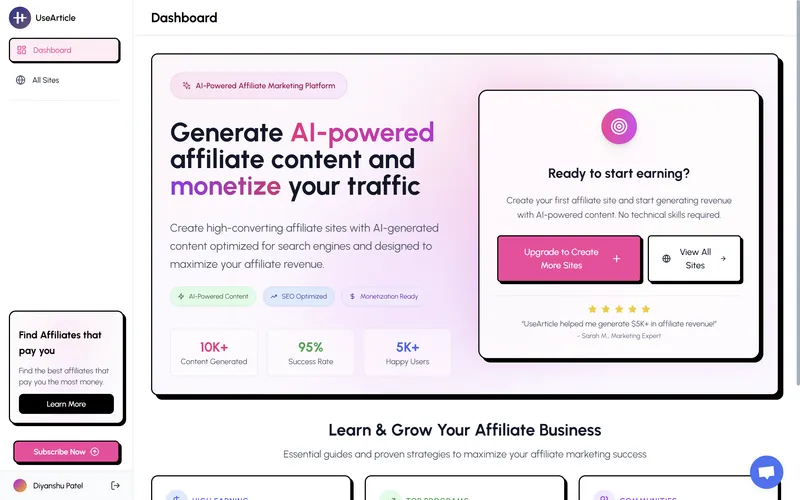
UseArticle
AI-powered content creation and management platform that helps teams produce high-quality articles at scale.
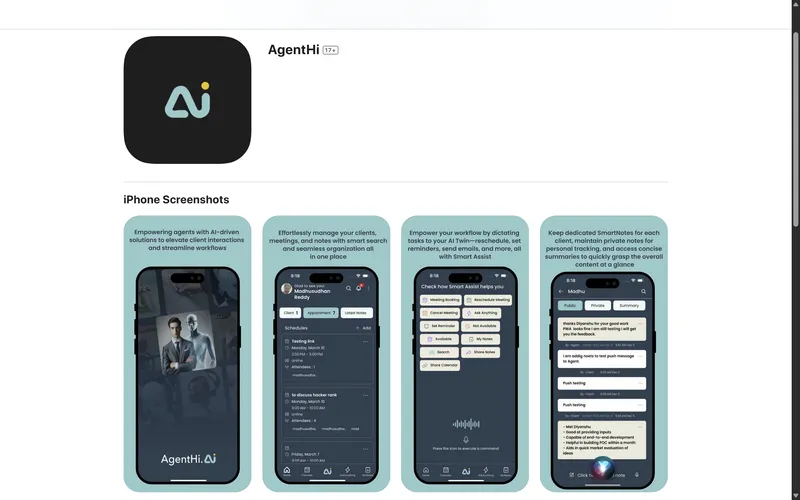
AgentHi
Intelligent virtual assistant that streamlines customer support and automates routine business tasks.
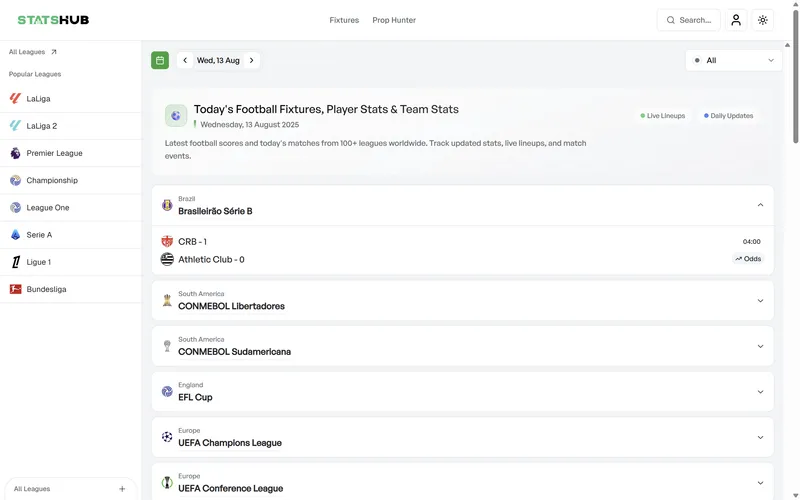
StatsHub
Comprehensive analytics dashboard providing real-time insights and data visualization for businesses.
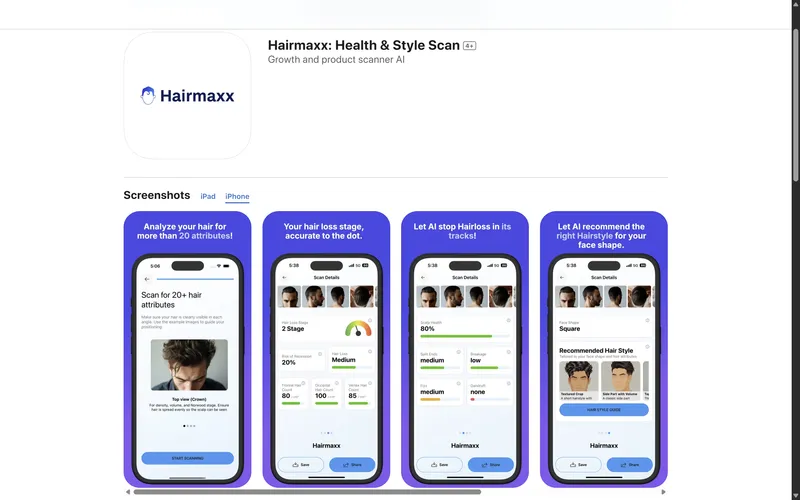
Harimaxx
Personal fitness companion with AI-driven workout plans and nutrition tracking for optimal health.
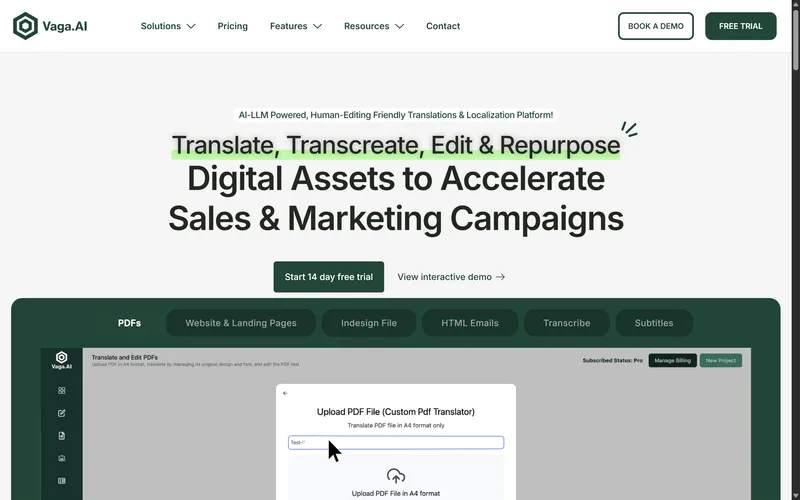
Vaga
Smart travel planning app that curates personalized itineraries and local experiences.
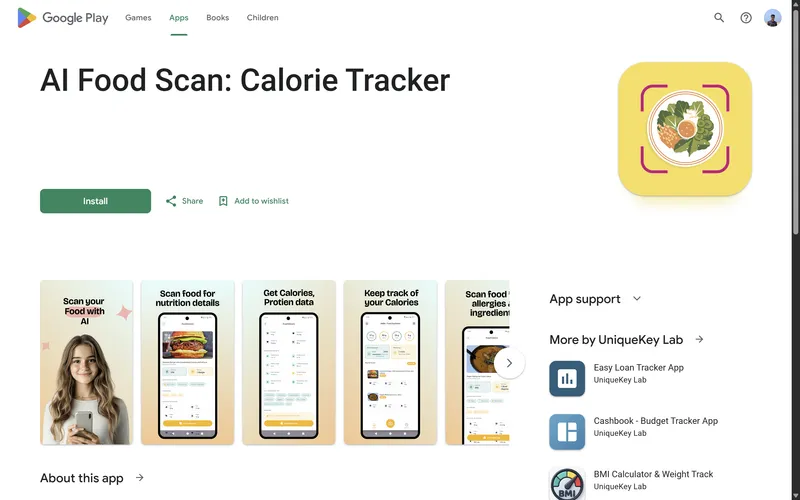
FoodScan
Nutrition analysis app that scans food items and provides detailed nutritional information instantly.
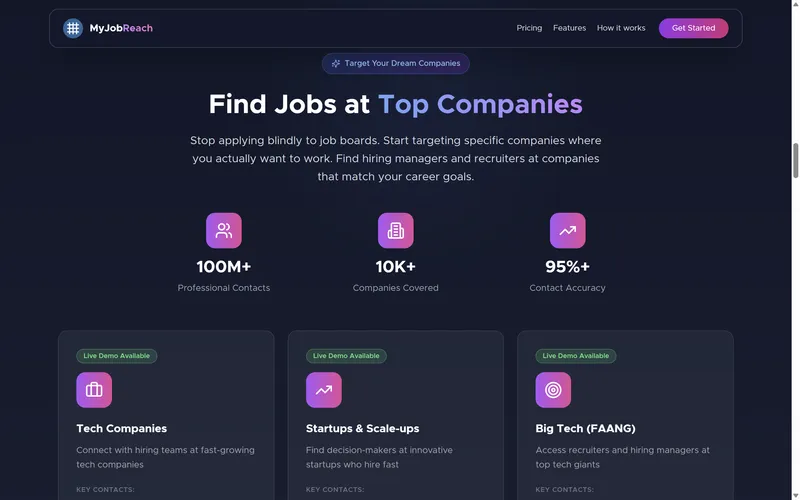
MyJobReach
Job matching platform connecting talented professionals with their dream opportunities.
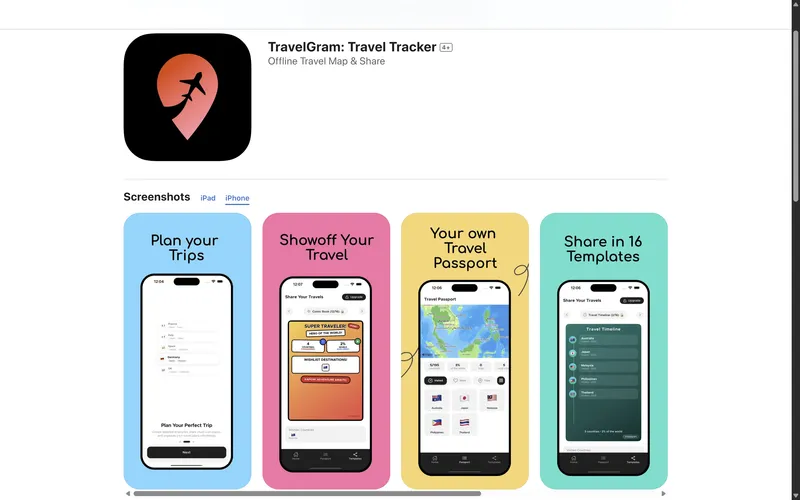
TravelGram
Social platform for travelers to share experiences, discover destinations, and connect globally.
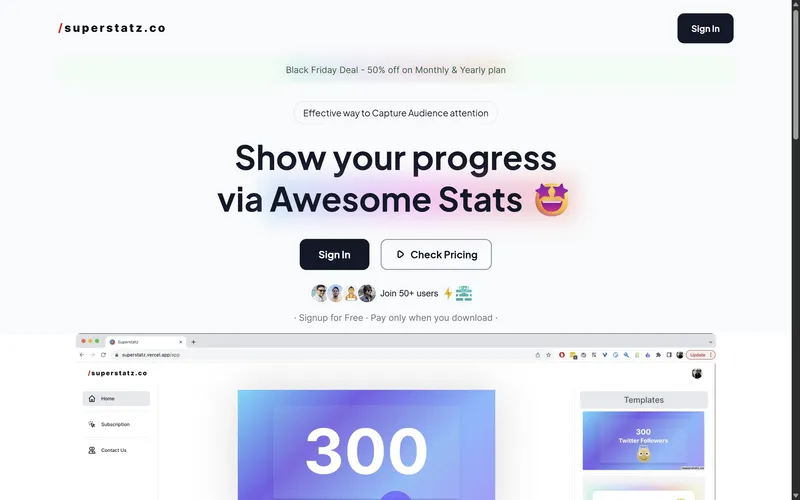
SuperStatz
Advanced sports statistics platform delivering in-depth analysis and performance metrics.
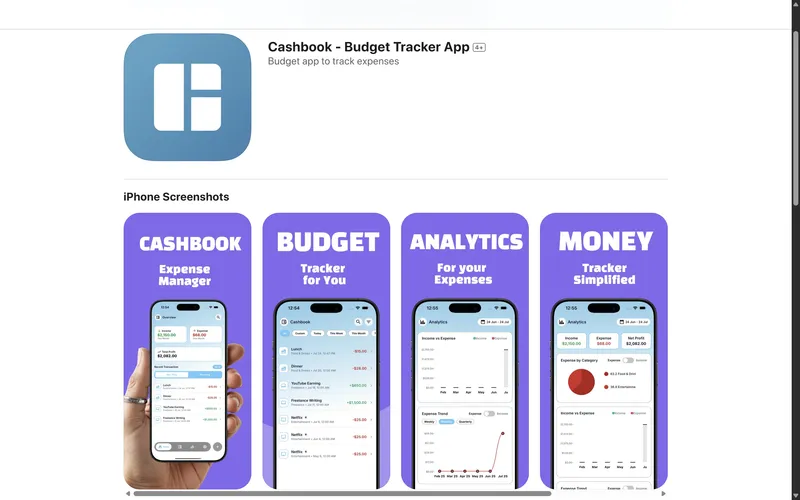
Cashbook
Simple expense tracking and budgeting app that helps users manage their finances effortlessly.
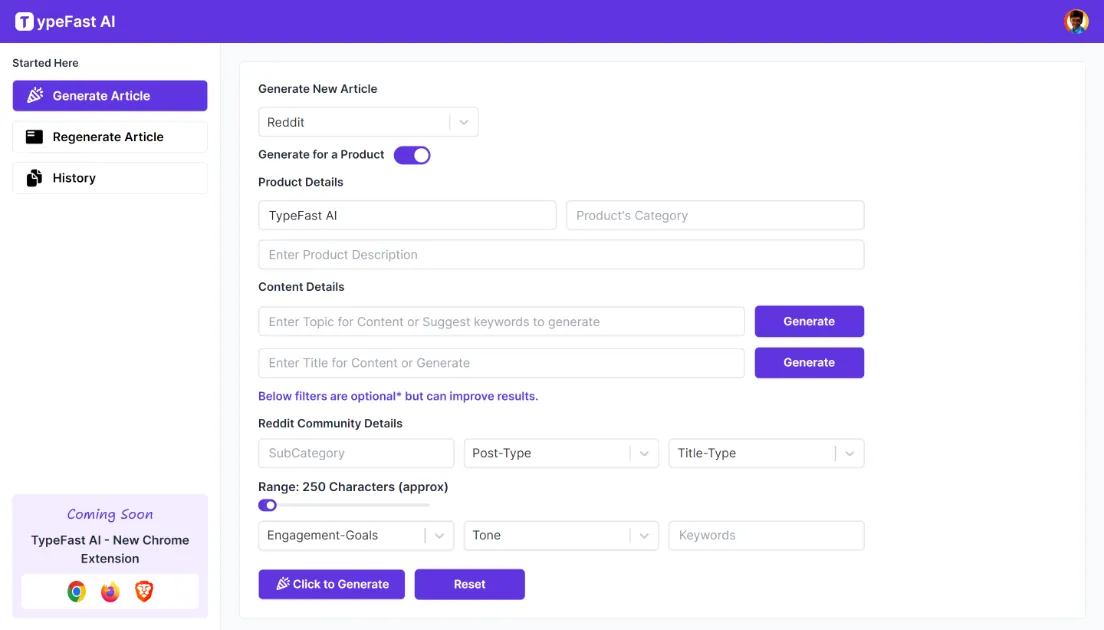
TypeFast
Typing speed improvement platform with gamified lessons and real-time performance tracking.
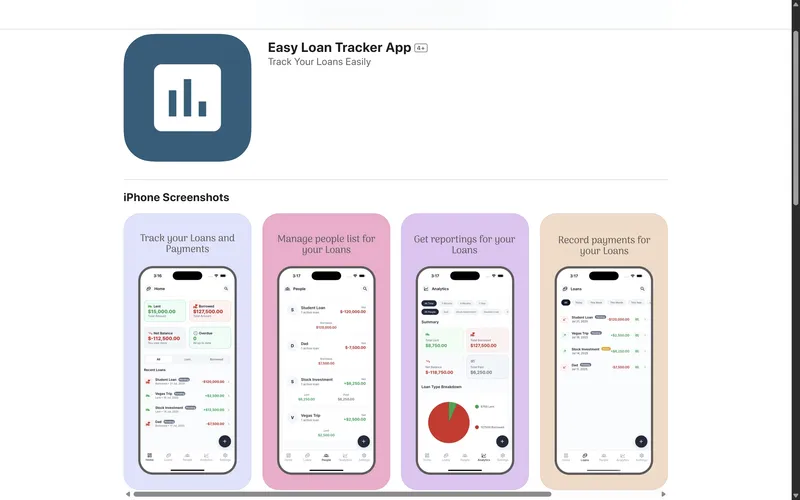
Easy Loan
Streamlined loan management system that simplifies borrowing and lending processes.
Explore Related Content
Discover more services, case studies, and insights
AI MVP Development for Digital & Product Agencies
White-label AI MVPs for digital & product agencies in 2-3 weeks: proposal engines, reporting copilots and productized SaaS you resell with full code ownership.
AI MVP Development for AgriTech & FoodTech
We build AgriTech & FoodTech AI MVPs in 2-3 weeks: satellite yield models, crop-disease computer vision, and FSMA 204 traceability, with 100% code ownership.
AI MVP Development for Automotive & Mobility
AI MVPs for automotive & mobility teams, telematics, predictive maintenance, ADAS vision and connected-car apps, shipped in 2-3 weeks with 100% code ownership.
AI-Powered MVP Development
Launch a production-ready AI MVP in just 2-3 weeks. Our team blends rapid prototyping with enterprise-grade AI/ML engineering to validate your idea, attract investors, and win early customers.
Design to Code
Turn Figma, Sketch, or Adobe XD designs into production-ready, pixel-perfect code. We bridge the gap between design and engineering, delivering responsive, accessible, and performant front-end code your team can ship immediately.
How AI Agencies Ensure Quality at Speed
How top AI development agencies ship quality, scalable products in 2-3 weeks: senior engineers, AI-assisted workflows with human review, production-grade architecture, and automated testing under real deadlines.
How to Develop an AI-Driven Mobile App
A step-by-step guide to developing an AI-driven mobile app: defining the use case, choosing on-device vs cloud AI, picking your stack, building the model, and shipping.
AI Route Optimization Cuts Delivery Costs 34%
We built an AI logistics optimisation layer that uses ML-based route scoring, demand forecasting, and real-time re-routing to reduce cost-per-delivery by 34% and improve on-time performance.
Social Travel MVP Hits 12K Beta Users in 6 Weeks
SpeedMVPs built the full WanderTribe MVP: trip planning boards, community features, AI-powered destination recommendations, and a mobile-optimised web app: in 3 weeks.
Global AI MVP Development Agency
SpeedMVPs is a global AI MVP development agency helping startups and enterprises launch AI products in 2-3 weeks.
Ready to Build Your MVP?
Schedule a complimentary strategy session. Transform your concept into a market-ready MVP within 2-3 weeks. Partner with us to accelerate your product launch and scale your startup globally.
The call is 30 minutes with Diyanshu Patel, our CEO and co-founder. Afterwards you get a written proposal with timeline, pricing and development plan.
Calendar not loading? Open the booking page or email diyanshu@speedmvps.com.