
AI MVP Development for Sports & Performance Analytics
We build sports & performance analytics MVPs in 2-3 weeks: injury-risk models, xG and CV tracking pipelines, and athlete dashboards from your GPS, wearable and Opta data.
What You Need to Know
Sports & performance analytics lives or dies on the plumbing between raw sensor feeds and a decision a coach makes on a Tuesday. A useful MVP has to ingest heterogeneous streams, 10Hz GPS/IMU units from Catapult Vector or STATSports Apex, UWB indoor tracking from Kinexon, event and tracking data from Stats Perform (Opta), Sportradar or Genius Sports, and MLB Statcast fields like exit velocity, launch angle and spin rate: then normalize them into one athlete-time model. We build that ingestion layer first: schema mapping to formats like SPADL for soccer event data, timestamp alignment across devices, and gap-filling for dropped GPS samples, so downstream models aren't learning from artifacts.
The single highest-value model most programs want is injury and load management. That means computing acute:chronic workload ratio (ACWR), high-speed running distance, PlayerLoad, and acceleration/deceleration counts per session, then layering a time-series risk model (gradient-boosted or sequence models over rolling windows) that flags athletes drifting into the danger zone before a soft-tissue injury lands. We treat this as decision support, not diagnosis: the output is a ranked watchlist with the contributing features surfaced, so a performance scientist can interrogate why an athlete was flagged rather than trusting a black box.
On the tactical side, we implement the modern possession-value stack: expected goals (xG) and expected threat (xT) for soccer, expected possession value (EPV) models for basketball, and win-probability / WAR-style contributions for baseball. Rather than reinventing coefficients, we calibrate against public references (StatsBomb open data, public Statcast) and then retrain on the club's own event data so the model reflects their league and playing style. The deliverable is usually a scouting and opponent-analysis surface, filterable by player, phase of play, and set-piece, that turns millions of event rows into a shortlist an analyst actually uses.
Computer vision is where a lean MVP can replace six-figure optical-tracking hardware. From broadcast or single-camera fixed footage we build a pipeline for player and ball detection, multi-object tracking with re-identification across occlusions, pose/pitch homography to map pixels to real field coordinates, and automated event tagging (shots, passes, pressures). That lets a club without an optical-tracking installation derive positional data and auto-generate highlight clips. We're explicit about accuracy limits, broadcast tracking degrades on tight zooms and replays, and design the UI so a human can correct tracks feeding the training set.
Athlete biometric data is legally and contractually loaded, and this is where sports MVPs quietly go wrong. We design for GDPR/UK-GDPR lawful basis and data-minimization from day one, honor collective bargaining constraints on wearable data (NBA, MLB and NFLPA rules restrict how biometric data is collected, stored and used, and who owns it), and if any medical or rehab data touches the system we scope it under the appropriate health-data regime. Youth academies add COPPA/age-of-consent considerations for minors. Practically that means role-based access so a strength coach, a physio and an agent see different fields, full audit logging, and clear data-ownership and export terms baked into the schema.
We integrate with the tools staff already live in rather than asking them to switch. Hudl and Wyscout for video, Kitman Labs or TeamBuildr for S&C and athlete management, and the club's existing warehouse via API so analysts can pull curated tables into their own notebooks. The output layer is typically a dashboard (position groups, individual athlete cards, session readiness) plus push alerts into whatever the staff check on match day. If any surface is fan- or betting-facing, we build against official licensed feeds and add geolocation and responsible-gambling controls, since unlicensed odds derived from scraped data is a fast route to a legal problem.
SpeedMVPs has shipped 18+ AI MVPs with a 15+ engineer team on a 2-3 week build cadence, and you keep 100% code ownership: no per-seat data platform lock-in. For sports specifically, the closest reference in our portfolio is the sports-stats platform build, where the hard problems were exactly these: ingesting large volumes of event/tracking data, modeling it into meaningful metrics, and rendering it fast enough to be usable during a match. We pair that with our analytics-dashboard and consumer fitness work to cover both the pro/club side and athlete-facing performance apps.
What You'll Get
Athlete Load & Injury-Risk Model
ACWR, PlayerLoad and high-speed-running features feeding a time-series risk model that surfaces a ranked watchlist with explainable contributing factors.
Broadcast CV Tracking Pipeline
Player/ball detection, multi-object tracking with re-ID and pitch homography that derives positional data and auto-tags events from single-camera or broadcast video.
Performance & Scouting Dashboard
xG/xT and possession-value analytics with per-athlete cards, opponent breakdowns and match-day readiness alerts, wired to Hudl, Wyscout and your warehouse.
Planning a build like this?
Book a free 30-minute strategy call with Diyanshu Patel, our CEO. We use it to understand your idea, goals and requirements, then follow up with a timeline and a fixed-price proposal.
Book a free 30-minute callFAQ
Can you ingest our GPS, wearable and provider feeds?
Yes. We build normalization for 10Hz GPS/IMU units (Catapult, STATSports), UWB indoor tracking (Kinexon), and event/tracking feeds from Stats Perform (Opta), Sportradar or Genius Sports, mapping them into a single athlete-time model with timestamp alignment and gap-handling for dropped samples. Baseball Statcast-style fields (exit velocity, launch angle, spin rate) are supported too.
How do you handle athlete biometric data privacy and CBA restrictions?
We design for GDPR lawful basis and data minimization from the start, honor collective-bargaining constraints on wearable/biometric data (NBA, MLB, NFLPA rules on collection, ownership and use), and apply health-data safeguards if rehab or medical data is involved. Youth academies get COPPA/age-of-consent handling. You get role-based access, audit logs, and explicit data-ownership and export terms in the schema.
Can you build computer-vision tracking without buying optical hardware?
Often yes. From broadcast or a fixed single camera we build player/ball detection, multi-object tracking with re-identification, and pitch homography to convert pixels to field coordinates, plus automated event tagging and highlight generation. We're upfront that broadcast tracking loses accuracy on tight zooms and replays, so the UI includes human correction that improves the model over time.
What does a 2-3 week sports analytics MVP actually include?
A working data ingestion layer for your primary feeds, one flagship model (typically injury/load risk or a possession-value model like xG/xT/EPV calibrated on your own data), and a dashboard or alerting surface staff can use in-season: not a slide deck. We scope one vertical slice end-to-end rather than a shallow version of everything, and you keep 100% of the code.
Can it integrate with Hudl, Wyscout and our existing systems?
Yes. We integrate video via Hudl/Wyscout, athlete-management and S&C tools like Kitman Labs or TeamBuildr, and push curated tables to your warehouse through APIs so analysts can pull data into their own notebooks. For any fan- or betting-facing output we build on officially licensed feeds and add geolocation and responsible-gambling controls.
Do the models replace our analysts or support them?
Support them. Injury flags come as an explainable ranked watchlist, tactical models surface the contributing events, and tracking output is human-correctable. The goal is to compress millions of event and sensor rows into a shortlist a performance scientist or analyst can interrogate and trust, not to hand a coach an unaccountable score.
Trusted by Global Companies Building AI Products
We've helped startups and enterprises worldwide transform their AI ideas into production-ready MVPs in 2–3 weeks. From fintech platforms to AI assistants, our global MVP development services have launched 18+ AI products serving users across the US, Europe, and Asia.





Portfolio: AI Products Built for Global Startups
From content platforms and AI assistants to analytics dashboards and fintech solutions: see how we've transformed ideas into production-ready MVPs in 2-3 weeks across diverse industries. Each product here is one our team worked on.
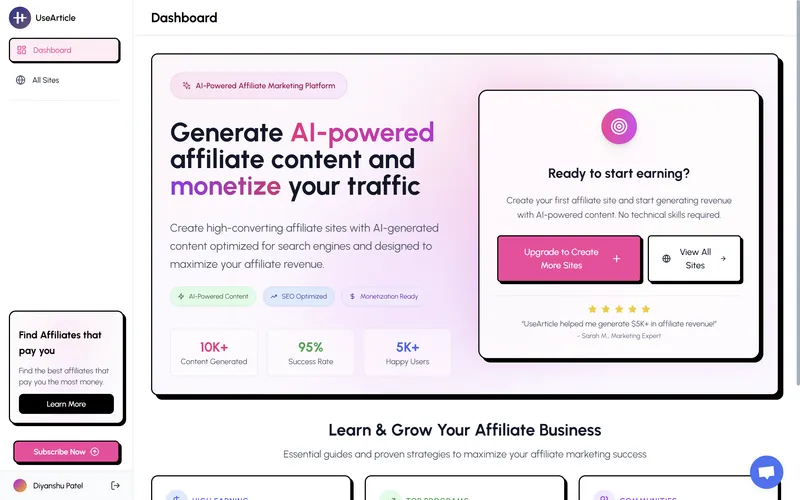
UseArticle
AI-powered content creation and management platform that helps teams produce high-quality articles at scale.
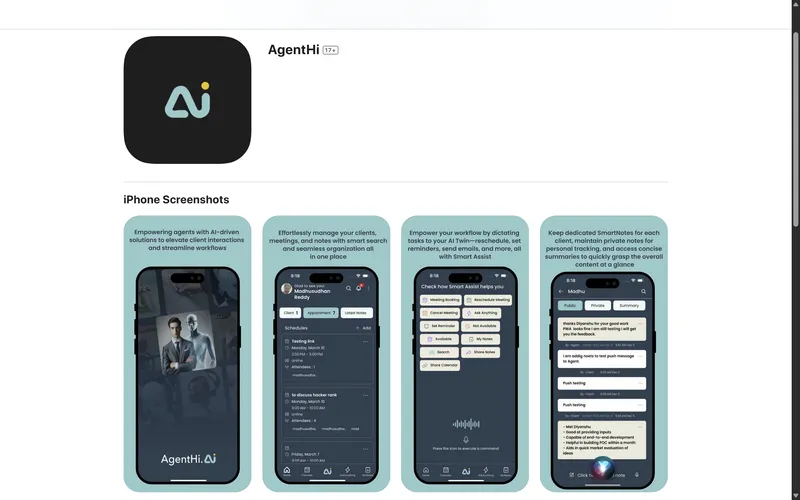
AgentHi
Intelligent virtual assistant that streamlines customer support and automates routine business tasks.
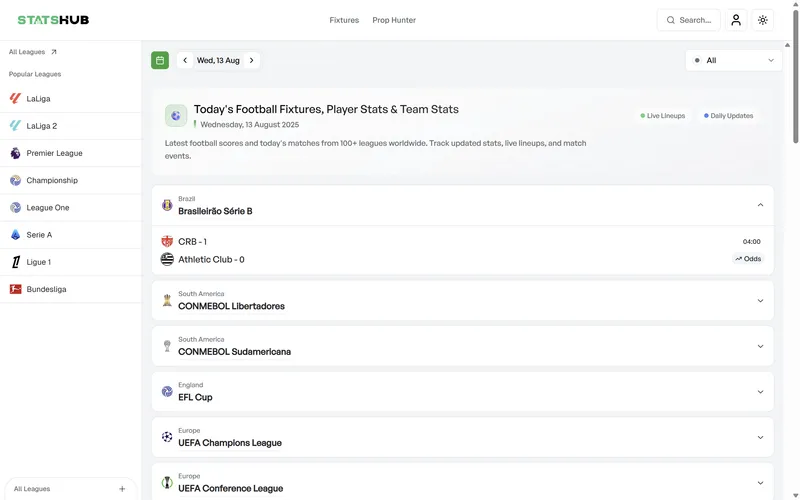
StatsHub
Comprehensive analytics dashboard providing real-time insights and data visualization for businesses.
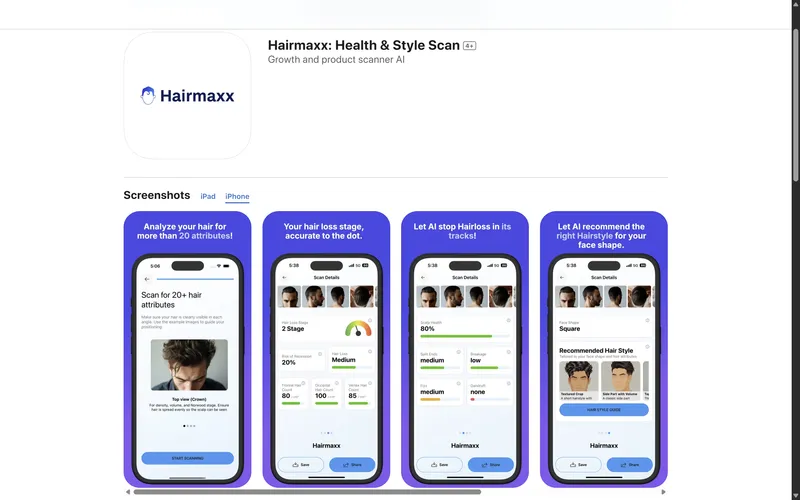
Harimaxx
Personal fitness companion with AI-driven workout plans and nutrition tracking for optimal health.
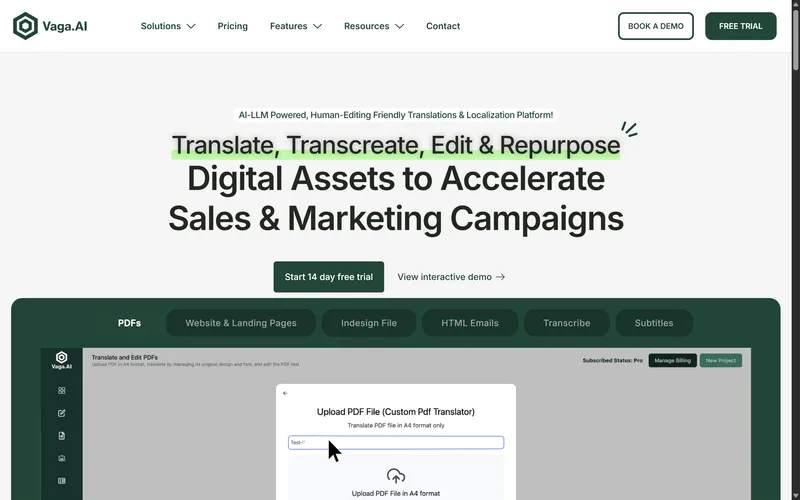
Vaga
Smart travel planning app that curates personalized itineraries and local experiences.
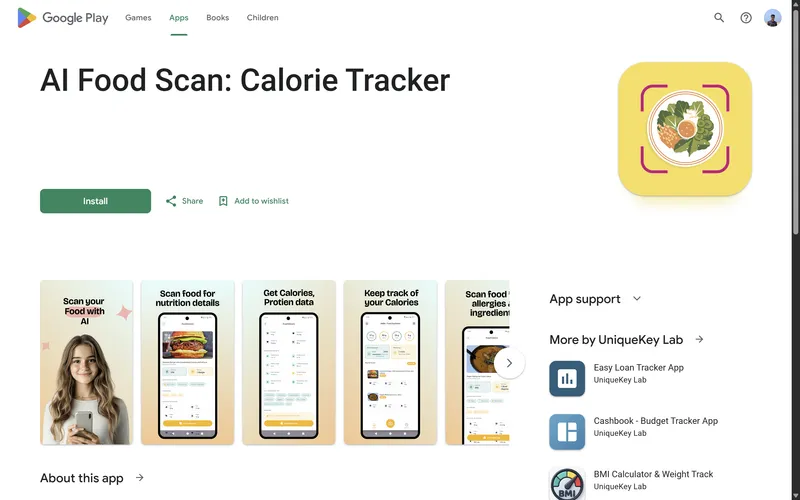
FoodScan
Nutrition analysis app that scans food items and provides detailed nutritional information instantly.
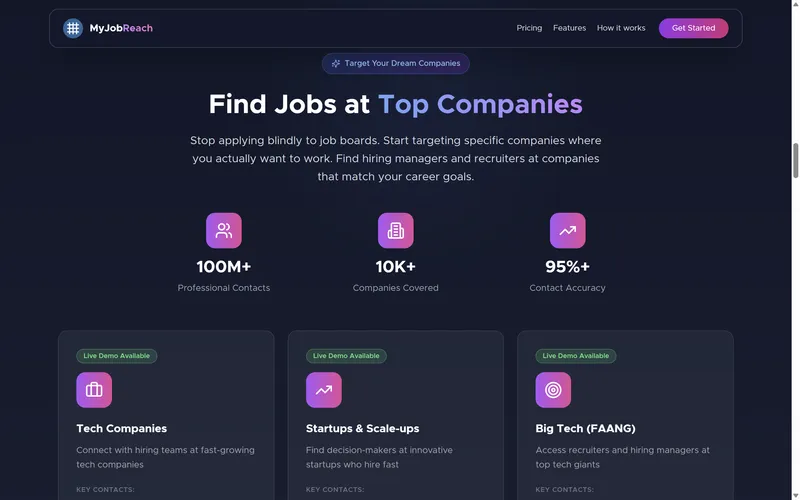
MyJobReach
Job matching platform connecting talented professionals with their dream opportunities.
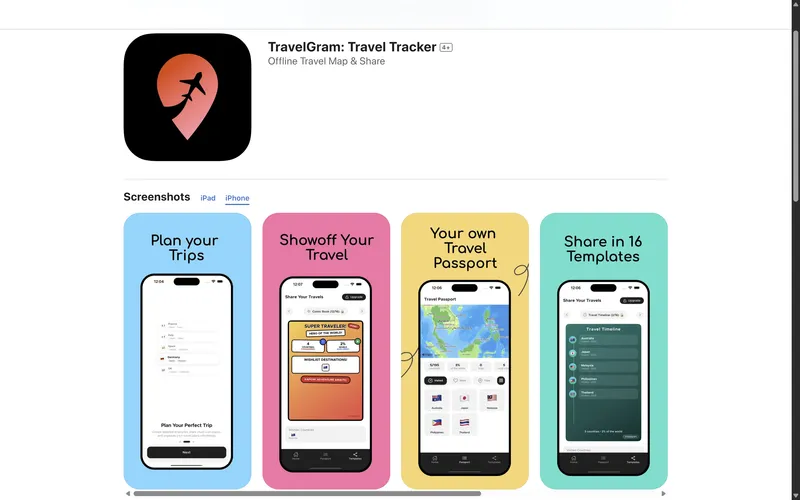
TravelGram
Social platform for travelers to share experiences, discover destinations, and connect globally.
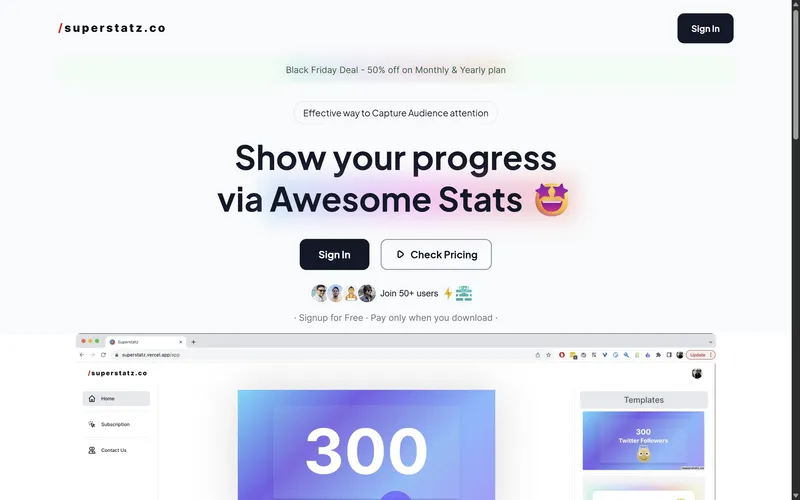
SuperStatz
Advanced sports statistics platform delivering in-depth analysis and performance metrics.
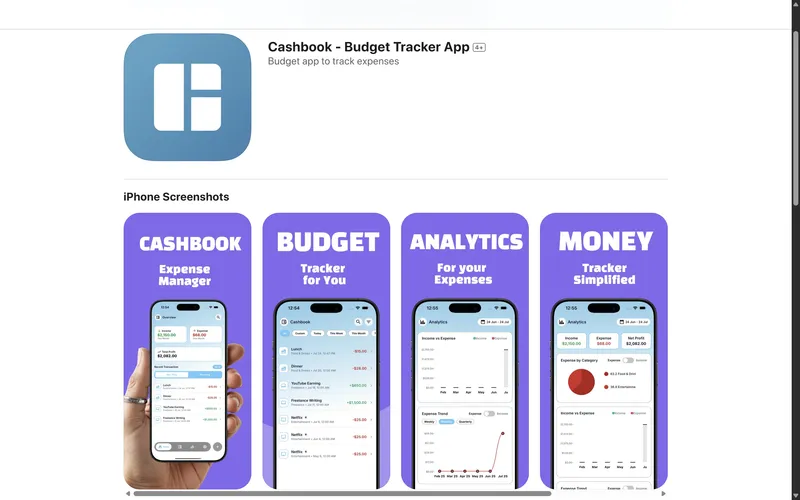
Cashbook
Simple expense tracking and budgeting app that helps users manage their finances effortlessly.
TypeFast
Typing speed improvement platform with gamified lessons and real-time performance tracking.
Easy Loan
Streamlined loan management system that simplifies borrowing and lending processes.
Explore Related Content
Discover more services, case studies, and insights
AI MVP Development for Subscription SaaS
Production-ready subscription SaaS MVPs in 2-3 weeks: Stripe metered billing, dunning, multi-tenant entitlements and churn-prediction AI, 100% code ownership.
AI MVP Development for Telecom & Connectivity
Ship a production-ready telecom AI MVP in 2-3 weeks: AIOps, SIM-box fraud detection, and churn/QoE models on your CDR and OSS/BSS data. You own 100% of the code.
AI MVP Development for Travel & Hospitality
Ship a production-ready travel & hospitality AI MVP in 2-3 weeks. GDS/NDC itinerary agents, dynamic pricing and a RAG concierge on live supplier data. 18+ shipped.
AI-Powered MVP Development
Launch a production-ready AI MVP in just 2-3 weeks. Our team blends rapid prototyping with enterprise-grade AI/ML engineering to validate your idea, attract investors, and win early customers.
Integrate AI into Existing Software
Smoothly integrate AI capabilities into your existing software systems. We enhance your current applications with intelligent features, automation, and AI-powered insights while maintaining system stability.
How AI Agencies Ensure Quality at Speed
How top AI development agencies ship quality, scalable products in 2-3 weeks: senior engineers, AI-assisted workflows with human review, production-grade architecture, and automated testing under real deadlines.
How to Develop an AI-Driven Mobile App
A step-by-step guide to developing an AI-driven mobile app: defining the use case, choosing on-device vs cloud AI, picking your stack, building the model, and shipping.
AI MVP Takes NovaSense From Idea to Industry Leader
AI MVP with real-time sentiment extraction, intelligent noise filtering, and interactive dashboards, followed by strategic scaling with modular microservices architecture and cloud autoscaling.
AI Travel Planner Builds Itineraries in 30 Seconds
We built JetPlan AI: an LLM-powered travel planner that generates personalised, day-by-day itineraries with hotel recommendations, activity scheduling, budget tracking, and exportable PDFs.
Rapid AI Prototyping: Build a Working AI Prototype in Days
Rapid AI prototyping for funded startups and enterprise teams. SpeedMVPs builds a working AI prototype in 3-5 days using real models and your data, not a mockup.
Ready to Build Your MVP?
Schedule a complimentary strategy session. Transform your concept into a market-ready MVP within 2-3 weeks. Partner with us to accelerate your product launch and scale your startup globally.
The call is 30 minutes with Diyanshu Patel, our CEO and co-founder. Afterwards you get a written proposal with timeline, pricing and development plan.
Calendar not loading? Open the booking page or email diyanshu@speedmvps.com.