
Eval Suite Design
Golden test sets, grading rubrics, and LLM-as-judge scoring calibrated to your specific task.
AI Model Testing & QA is the discipline of verifying an LLM or ML system behaves correctly, safely, and consistently before and after it reaches production, a distinct practice from building the AI feature itself. We run automated evals against labeled test sets, hallucination and factuality testing, adversarial red-teaming, and guardrail validation, then wire the same checks into CI and production monitoring so a model or prompt change can't silently degrade quality after launch.
Evaluation, safety testing, and monitoring for AI systems already in production or about to ship
Golden test sets, grading rubrics, and LLM-as-judge scoring calibrated to your specific task.
Faithfulness checks against source documents and closed-book fabrication probes.
Prompt injection, jailbreak, and data exfiltration testing using established attack frameworks.
Testing input and output filters for both false negatives and false positives, not just presence.
Live output sampling, drift detection, and alerting wired into your observability stack.
CI-integrated checks that catch quality drops from prompt, model, or fine-tune changes.
Scoring multiple models or prompt versions against the same eval set for an apples-to-apples decision.
Written eval methodology and results suitable for compliance or stakeholder review.
Testing built to find where a system breaks, not just confirm where it works

A model that handles the happy path well can still fail on ambiguous input, adversarial prompts, or edge-case data. Our eval sets are built to find where it breaks, not to confirm where it works.

We run prompt injection, jailbreak, and data exfiltration testing before launch, using the same attack patterns a motivated user would try, so the first adversarial prompt your system sees isn't in production.

A guardrail that exists in code but has never been tested against an obfuscated attack isn't a guardrail, it's a hope. We validate both what gets blocked and what gets wrongly blocked.
Model providers ship silent version updates and your traffic patterns shift over time. We wire the same eval rubrics into production monitoring so drift gets caught in a dashboard, not a customer complaint.
AI QA works best as a separate check on the system, whether we built the underlying feature or your own team did. We evaluate against your requirements, not the assumptions baked into the original build.
Testing built to find where a system breaks, not just confirm where it works
A model that handles the happy path well can still fail on ambiguous input, adversarial prompts, or edge-case data. Our eval sets are built to find where it breaks, not to confirm where it works.
We run prompt injection, jailbreak, and data exfiltration testing before launch, using the same attack patterns a motivated user would try, so the first adversarial prompt your system sees isn't in production.
A guardrail that exists in code but has never been tested against an obfuscated attack isn't a guardrail, it's a hope. We validate both what gets blocked and what gets wrongly blocked.
Model providers ship silent version updates and your traffic patterns shift over time. We wire the same eval rubrics into production monitoring so drift gets caught in a dashboard, not a customer complaint.
AI QA works best as a separate check on the system, whether we built the underlying feature or your own team did. We evaluate against your requirements, not the assumptions baked into the original build.
We've helped startups and enterprises worldwide transform their AI ideas into production-ready MVPs in 2–3 weeks. From fintech platforms to AI assistants, our global MVP development services have launched 18+ AI products serving users across the US, Europe, and Asia.
From content platforms and AI assistants to analytics dashboards and fintech solutions: see how we've transformed ideas into production-ready MVPs in 2-3 weeks across diverse industries. Each product launched successfully, serving users globally.
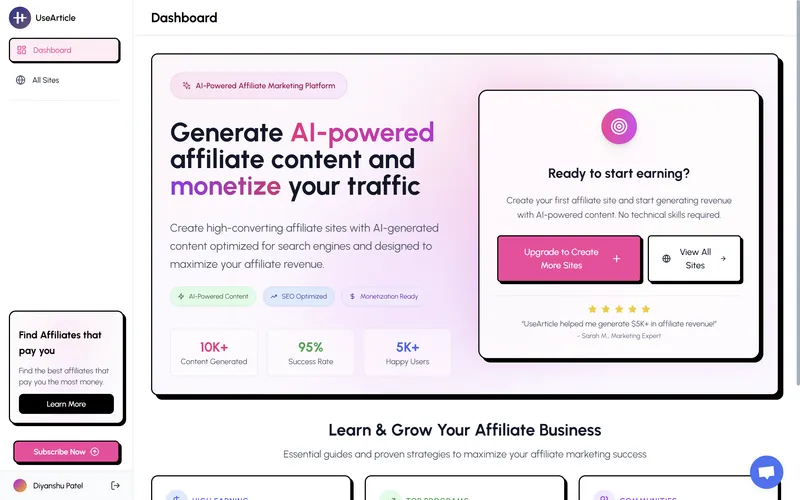
AI-powered content creation and management platform that helps teams produce high-quality articles at scale.
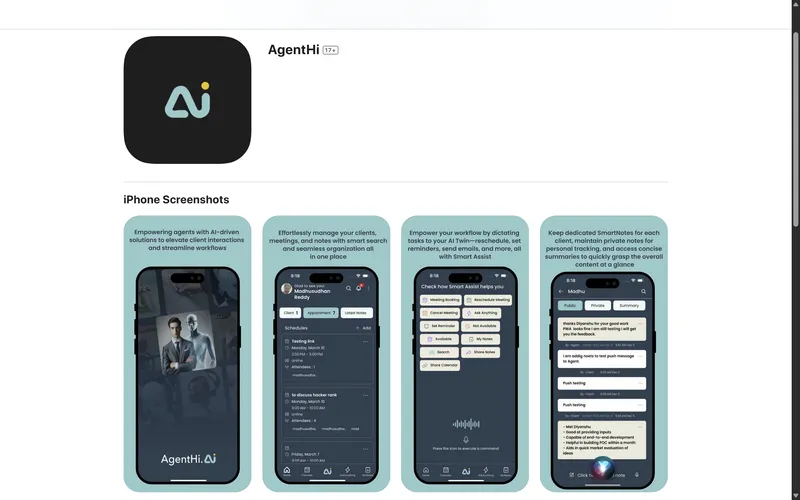
Intelligent virtual assistant that streamlines customer support and automates routine business tasks.
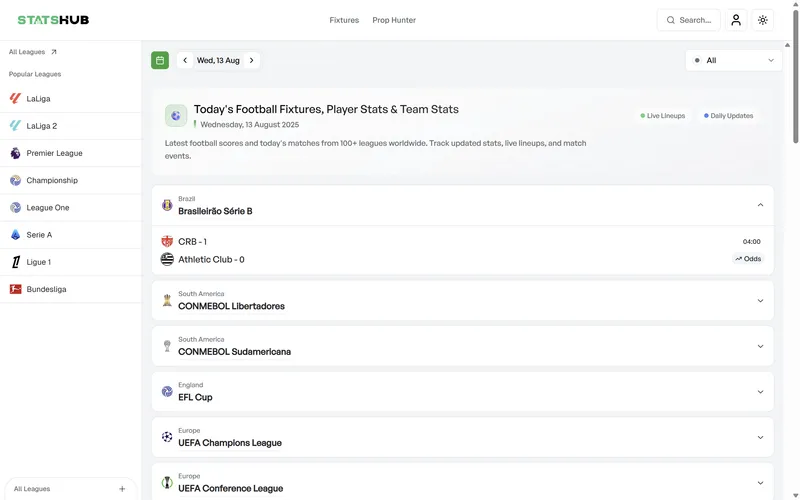
Comprehensive analytics dashboard providing real-time insights and data visualization for businesses.
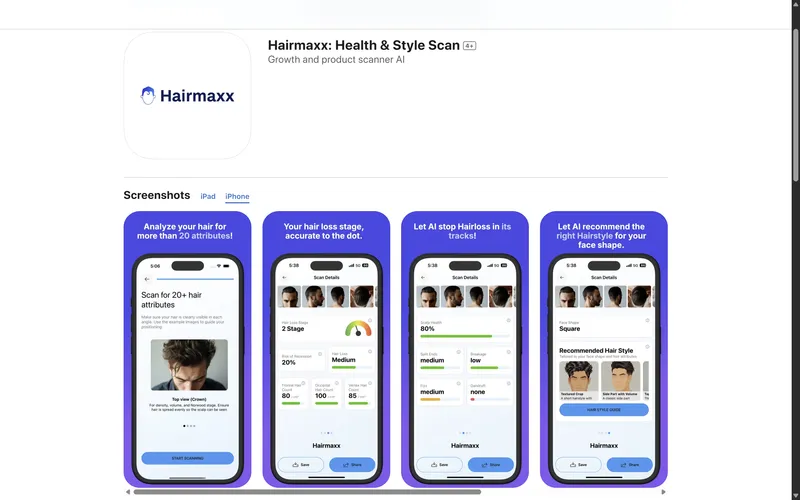
Personal fitness companion with AI-driven workout plans and nutrition tracking for optimal health.
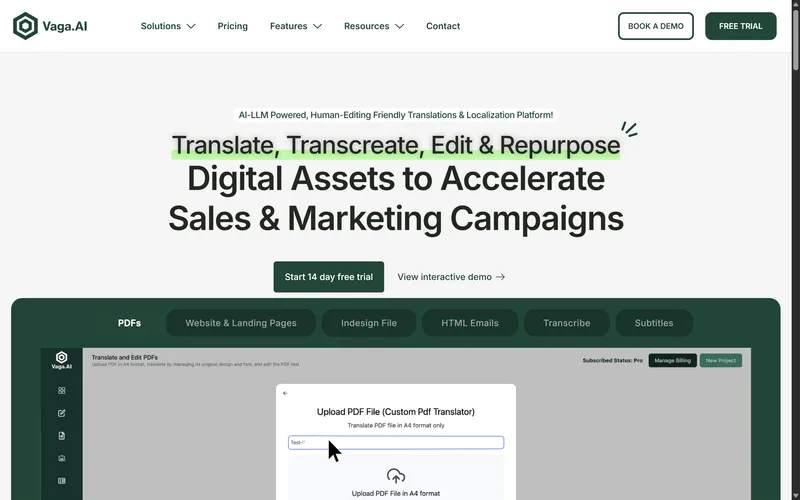
Smart travel planning app that curates personalized itineraries and local experiences.
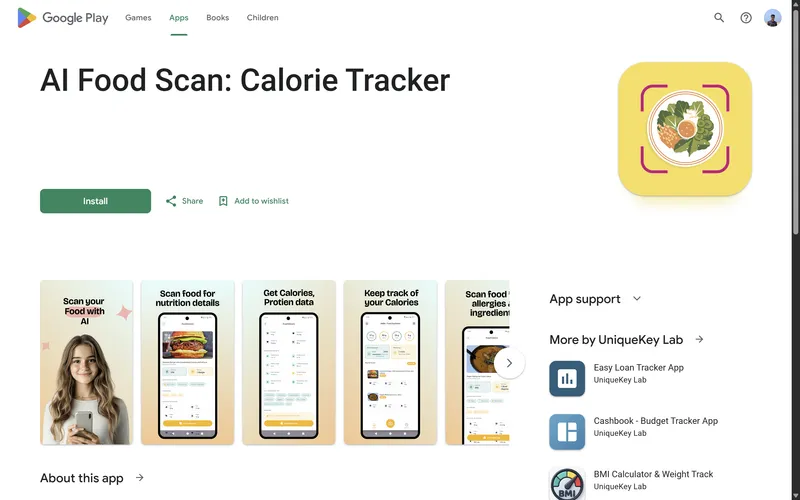
Nutrition analysis app that scans food items and provides detailed nutritional information instantly.
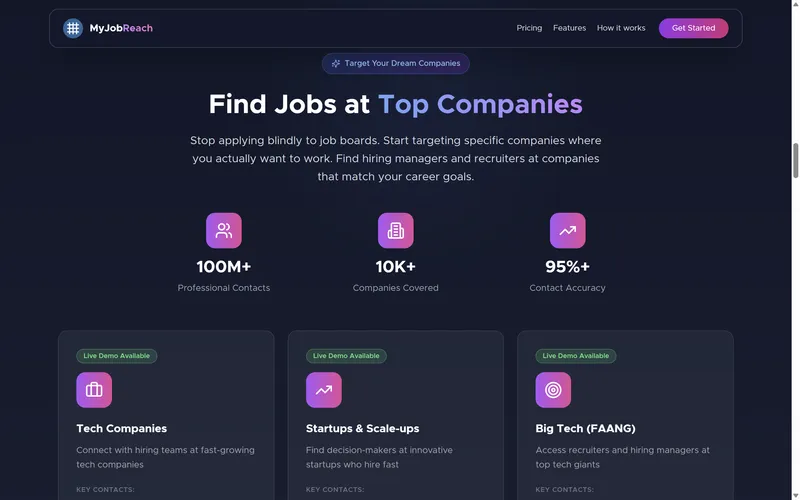
Job matching platform connecting talented professionals with their dream opportunities.
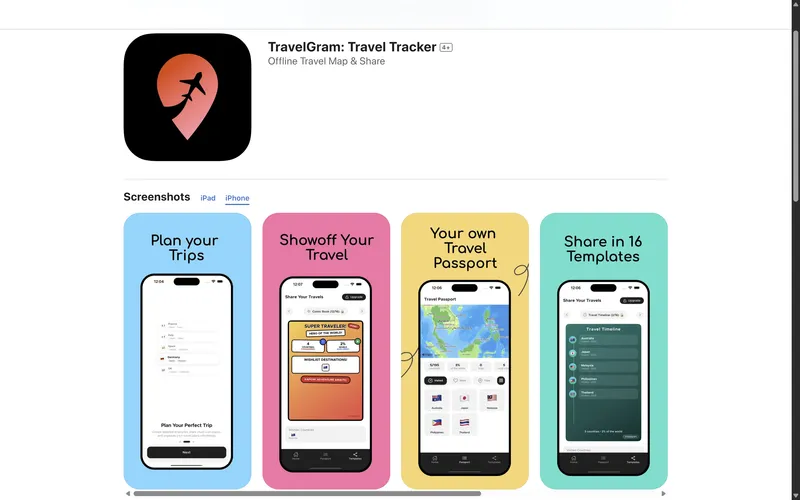
Social platform for travelers to share experiences, discover destinations, and connect globally.
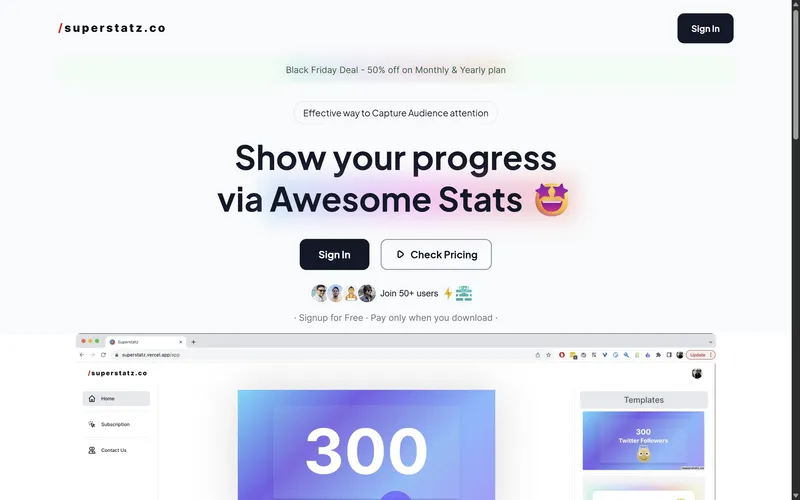
Advanced sports statistics platform delivering in-depth analysis and performance metrics.
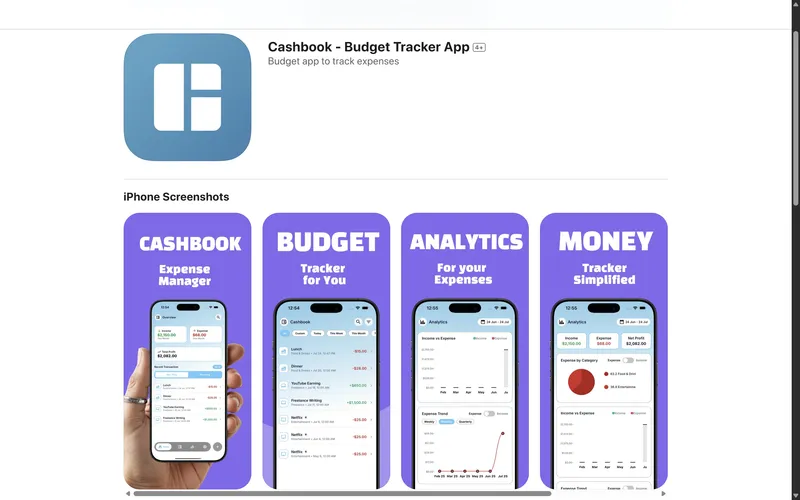
Simple expense tracking and budgeting app that helps users manage their finances effortlessly.
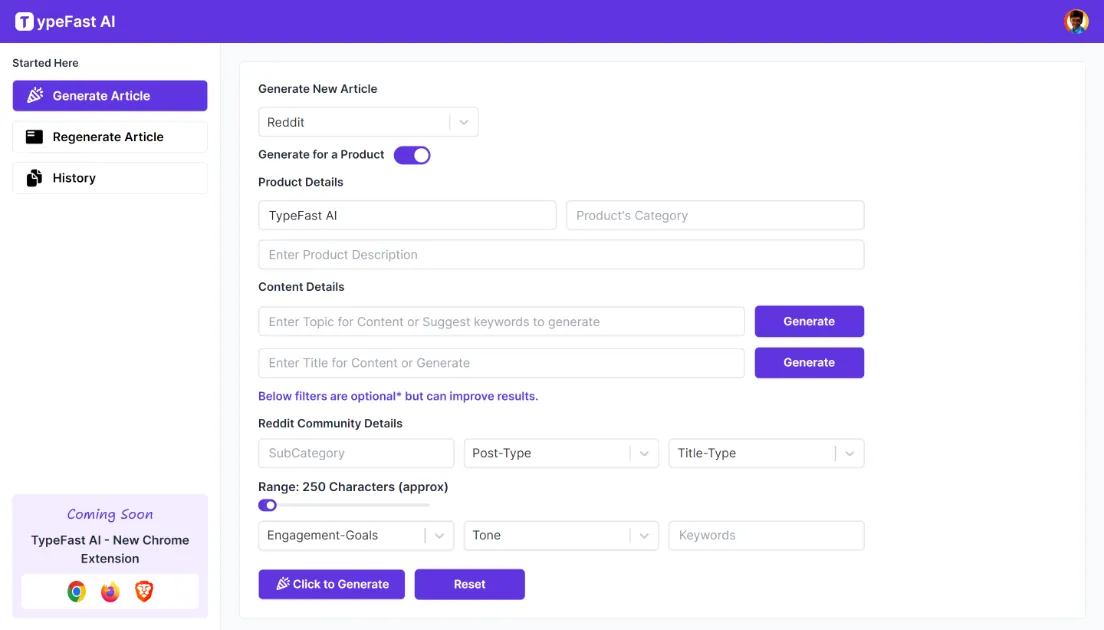
Typing speed improvement platform with gamified lessons and real-time performance tracking.
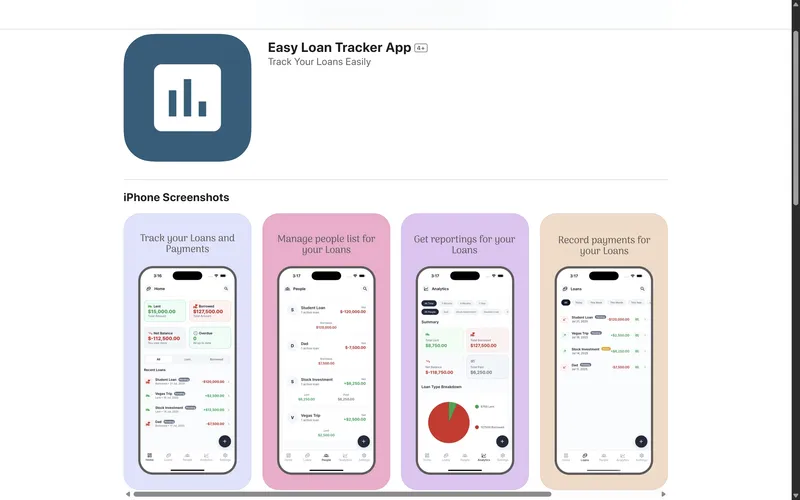
Streamlined loan management system that simplifies borrowing and lending processes.
Discover more services, technologies, case studies, and resources
AI Agent Development is SpeedMVPs' service for building autonomous and multi-agent systems: LLM-driven agents that call tools, query your data, and complete multi-step tasks with defined guardrails and human checkpoints, rather than a single prompt-response exchange. We design the agent architecture (tool schemas, orchestration graph, memory, and evaluation harness) before writing implementation code. Every agent ships with trace logging, confidence-based escalation, and a way to pause or override it in production.
AI MVP development services for funded startups and enterprise teams in the US, UK, Canada, Australia, and the EU. As an AI MVP development company, we build custom, AI-powered MVPs that ship production-ready, with real LLM integration and full code ownership, priced in USD and delivered in 2-3 weeks.
AI Proof of Concept (PoC) development is a scoped, time-boxed engagement to answer one question before you commit to a full build: will this AI approach actually work on your real data and your real constraints? It sits ahead of AI MVP development in the process: a PoC validates feasibility and picks the right model or architecture, while an MVP takes that validated approach into a production-ready product. You get a working prototype, a written feasibility report, and a go/no-go recommendation, not a slide deck.
Schedule a complimentary strategy session. Transform your concept into a market-ready MVP within 2-3 weeks. Partner with us to accelerate your product launch and scale your startup globally.