
Agent Architecture Design
Mapping your process into tools, decision points, and escalation paths before any code is written.
AI Agent Development is SpeedMVPs' service for building autonomous and multi-agent systems: LLM-driven agents that call tools, query your data, and complete multi-step tasks with defined guardrails and human checkpoints, rather than a single prompt-response exchange. We design the agent architecture (tool schemas, orchestration graph, memory, and evaluation harness) before writing implementation code. Every agent ships with trace logging, confidence-based escalation, and a way to pause or override it in production.
Agentic architecture, from a single tool-calling agent to multi-agent systems
Mapping your process into tools, decision points, and escalation paths before any code is written.
Typed tool schemas and sandboxed execution for every API, database, or script an agent can call.
Supervisor and sub-agent topologies built on LangGraph, CrewAI, or a custom state machine.
Retrieval pipelines that ground agent decisions in your documents and data, with source citations.
Prompt-injection defenses, output validation, and confirmation gates on irreversible actions.
Confidence-based routing that hands low-certainty decisions to a reviewer instead of guessing.
Trajectory-level eval suites, trace logging, and cost and latency dashboards for production agents.
Ongoing prompt, tool, and model updates as your process changes or a better model ships.
Agentic systems built on architecture and evals, not just a clever prompt

We map tool boundaries, escalation rules, and failure modes on paper first. Agent projects that skip this step tend to accumulate untraceable prompt logic that nobody can debug six months in.
We pick LangGraph, CrewAI, AutoGen, or a plain state machine based on your task's actual complexity, not whichever framework is trending. Simpler orchestration is easier to debug and cheaper to run.

Every agent we ship has input and output validation and a defined escalation path for low-confidence decisions before it goes to production, not added after an incident.
We build the eval suite alongside the first working agent, so you can measure whether adding a second or third agent actually improves outcomes instead of just adding failure surface.
No proprietary agent runtime lock-in. The orchestration code, tool schemas, and prompts ship as source you control and can modify without us.
Agentic systems built on architecture and evals, not just a clever prompt
We map tool boundaries, escalation rules, and failure modes on paper first. Agent projects that skip this step tend to accumulate untraceable prompt logic that nobody can debug six months in.
We pick LangGraph, CrewAI, AutoGen, or a plain state machine based on your task's actual complexity, not whichever framework is trending. Simpler orchestration is easier to debug and cheaper to run.
Every agent we ship has input and output validation and a defined escalation path for low-confidence decisions before it goes to production, not added after an incident.
We build the eval suite alongside the first working agent, so you can measure whether adding a second or third agent actually improves outcomes instead of just adding failure surface.
No proprietary agent runtime lock-in. The orchestration code, tool schemas, and prompts ship as source you control and can modify without us.
We've helped startups and enterprises worldwide transform their AI ideas into production-ready MVPs in 2–3 weeks. From fintech platforms to AI assistants, our global MVP development services have launched 18+ AI products serving users across the US, Europe, and Asia.
From content platforms and AI assistants to analytics dashboards and fintech solutions: see how we've transformed ideas into production-ready MVPs in 2-3 weeks across diverse industries. Each product launched successfully, serving users globally.
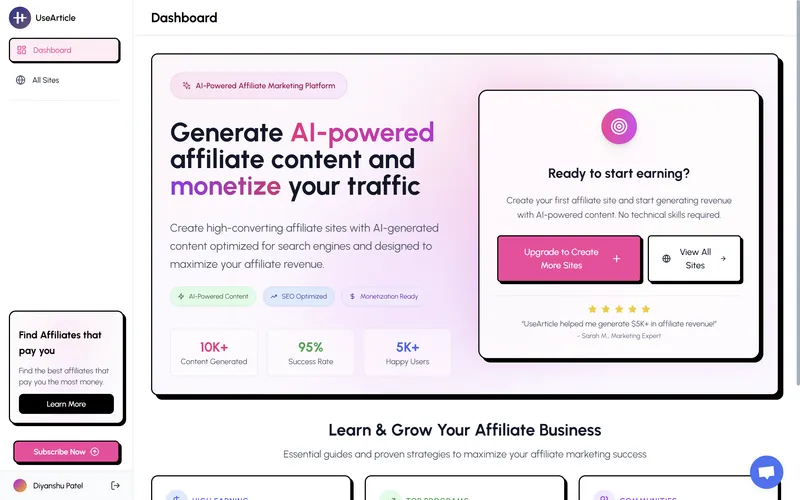
AI-powered content creation and management platform that helps teams produce high-quality articles at scale.
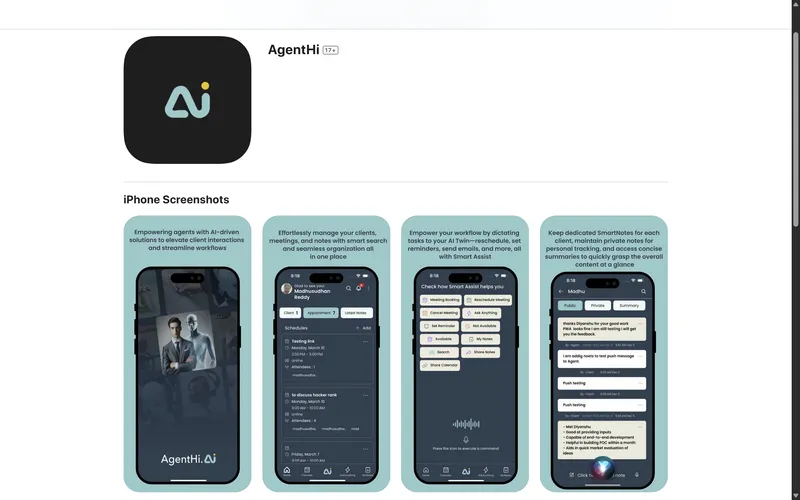
Intelligent virtual assistant that streamlines customer support and automates routine business tasks.
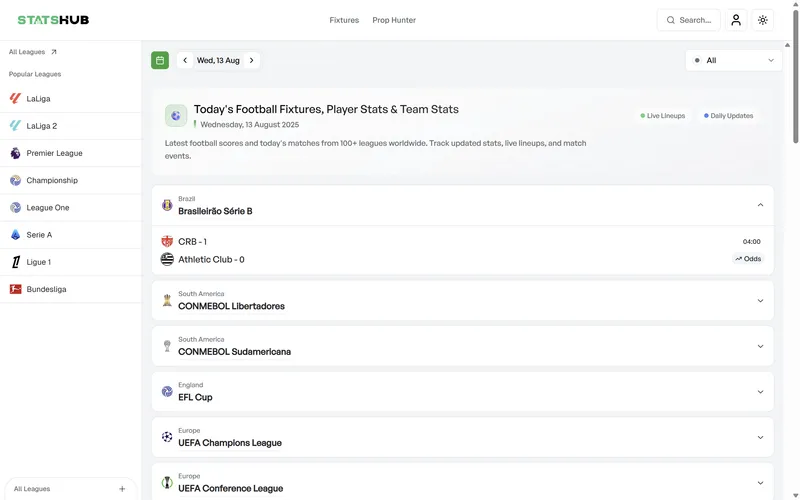
Comprehensive analytics dashboard providing real-time insights and data visualization for businesses.
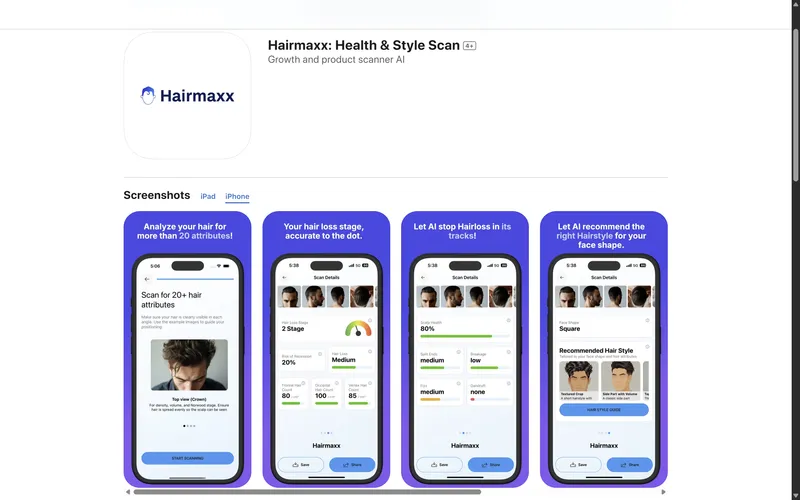
Personal fitness companion with AI-driven workout plans and nutrition tracking for optimal health.
Smart travel planning app that curates personalized itineraries and local experiences.
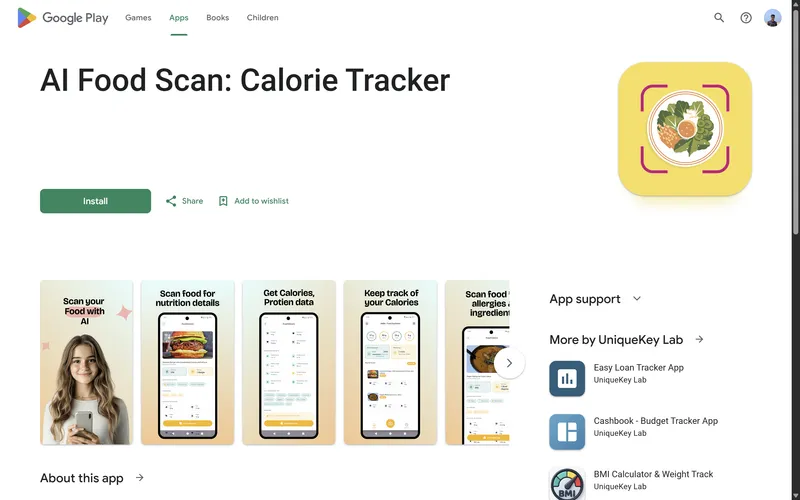
Nutrition analysis app that scans food items and provides detailed nutritional information instantly.
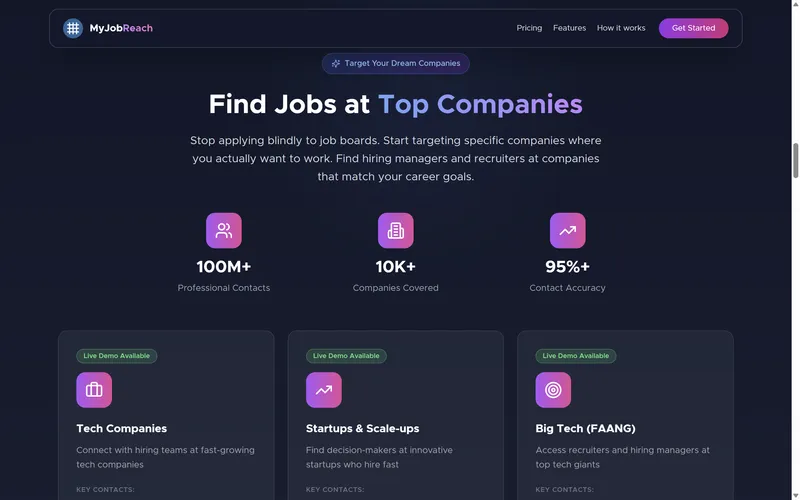
Job matching platform connecting talented professionals with their dream opportunities.
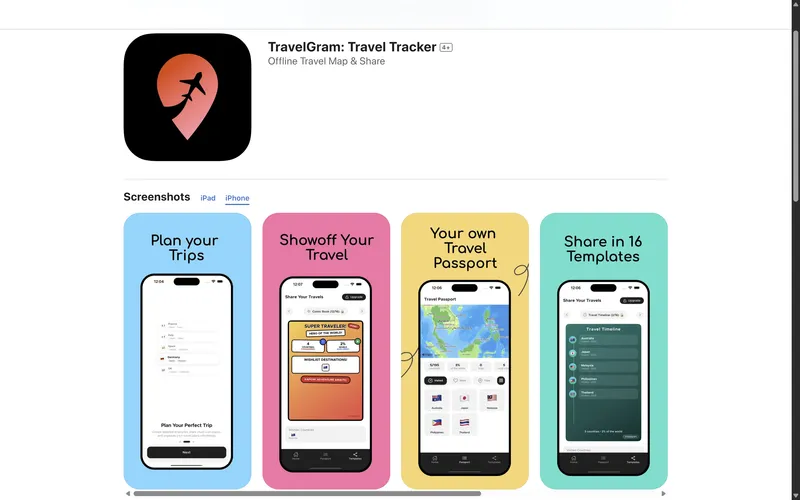
Social platform for travelers to share experiences, discover destinations, and connect globally.
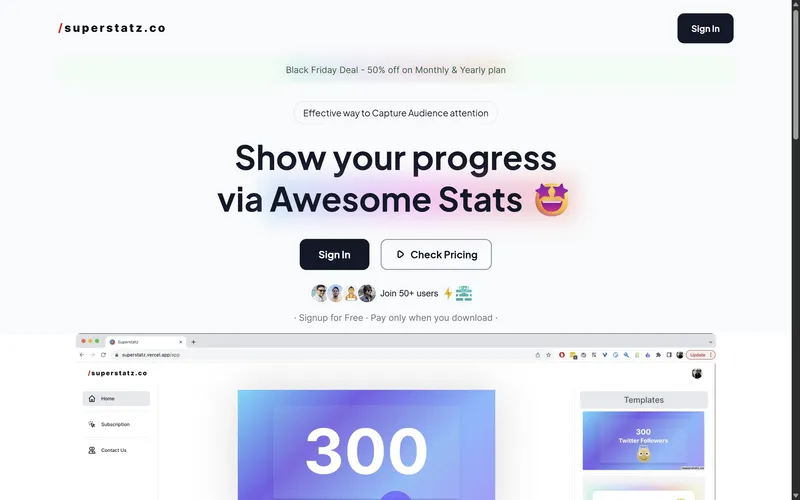
Advanced sports statistics platform delivering in-depth analysis and performance metrics.
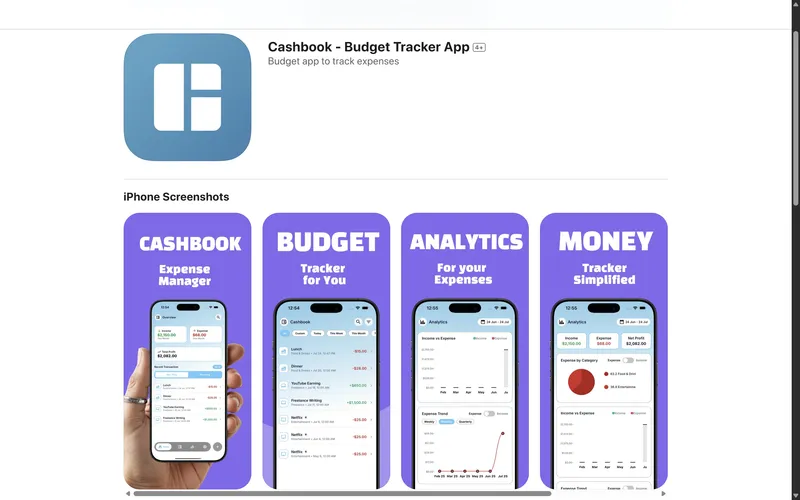
Simple expense tracking and budgeting app that helps users manage their finances effortlessly.
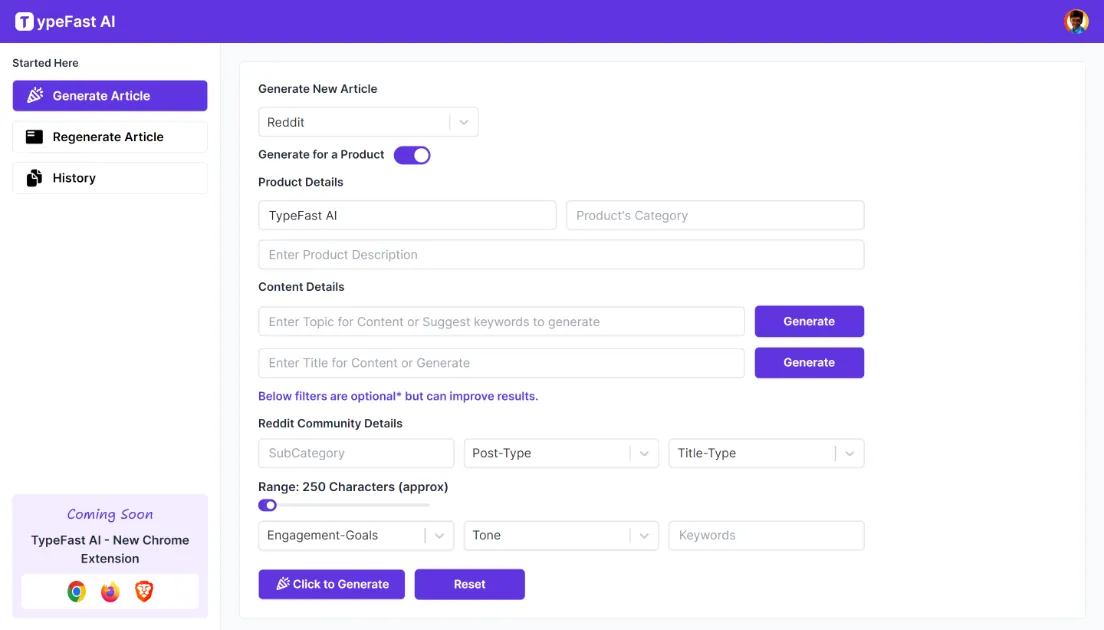
Typing speed improvement platform with gamified lessons and real-time performance tracking.
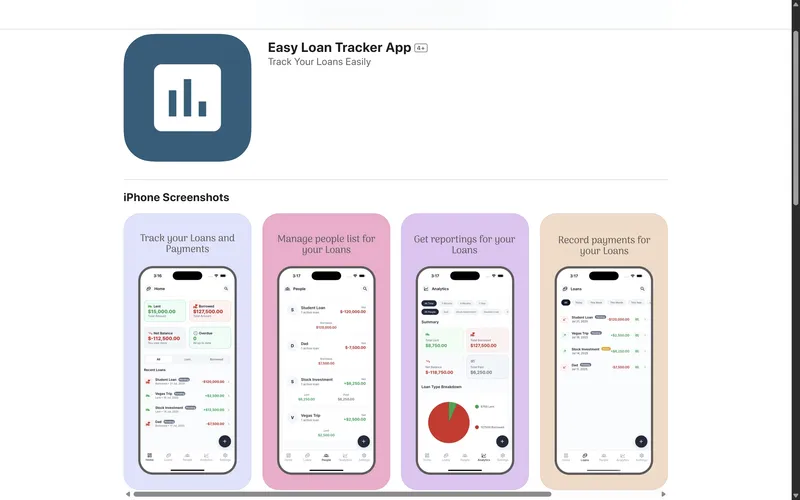
Streamlined loan management system that simplifies borrowing and lending processes.
Discover more services, technologies, case studies, and resources
AI MVP development services for funded startups and enterprise teams in the US, UK, Canada, Australia, and the EU. As an AI MVP development company, we build custom, AI-powered MVPs that ship production-ready, with real LLM integration and full code ownership, priced in USD and delivered in 2-3 weeks.
Build production-ready applications powered by large language models. GPT-4o, Claude Sonnet, Gemini, and open-source LLMs. From simple integrations to complex multi-agent systems, shipped in 2–3 weeks.
Build a context-aware AI assistant that understands your users, remembers their history, and delivers genuinely helpful responses: integrated directly into your product or website.
Build a branded AI chatbot MVP in 2 weeks. From customer support bots to internal knowledge assistants and sales qualification chatbots: we deliver production-ready chatbots your users will actually use.
Schedule a complimentary strategy session. Transform your concept into a market-ready MVP within 2-3 weeks. Partner with us to accelerate your product launch and scale your startup globally.