
LLM App Development
Build production-ready applications powered by large language models. GPT-4o, Claude Sonnet, Gemini, and open-source LLMs. From simple integrations to complex multi-agent systems, shipped in 2–3 weeks.
What LLM application development covers
LLM application development is building software in which a large language model does part of the work: answering from your documents, pulling fields out of messy files, drafting inside a tool your team already uses, or planning steps and calling your systems. The model is only one part of the build. Data access, permissions, the interface, testing, logging and cost control decide whether the feature holds up with real users.
A typical build covers these layers:
| Layer | What it involves |
|---|---|
| Model access | Calls to OpenAI, Anthropic, Google or open-source models, with retries, rate limits and a fallback model |
| Your data | Getting documents and records out of the systems that hold them, and keeping each user to the data they may see |
| Prompts and output format | Versioned system prompts, plus a JSON schema for any output another system reads |
| Interface | Streaming answers, sources shown next to each answer, and a way to correct or skip a wrong output |
| Testing | An evaluation set of real inputs, scored again on every prompt or model change |
| Operations | A trace of every model call, with cost per request and response time |
What we build
Our LLM app development services cover four kinds of features: answers from your documents (RAG), agents that call your tools, structured extraction from files, and copilots inside software you already use. Each one links to a page with more detail.
Answers from your documents (RAG)
The app searches your documents, help articles, contracts or tickets, passes the most relevant passages to the model, and answers with the sources it used. This is retrieval-augmented generation, or RAG. RAG application development covers chunking, hybrid search and reranking.
Agents that call your tools
An agent plans a multi-step task, calls your APIs or database to carry it out, and stops for a person before actions that need sign-off. AI agent development explains when an agent is the right tool and when a plain LLM feature is cheaper and easier to test.
Structured extraction from files
The model reads PDFs, emails or forms and returns fixed fields as JSON that your other systems can use. A person reviews any output that drives a decision. Intelligent document parsing covers OCR plus LLM extraction, with a human review step for fields below a confidence threshold.
Copilots inside software you already use
A copilot sits inside an existing product or internal tool. It drafts, summarizes or answers questions in context, and the person stays in charge of what happens next. AI copilot development covers internal productivity tools and customer-facing product copilots.
Not sure the model can do the job on your data? An AI proof of concept tests the approach on your real data and gives a go or no-go answer before you commit to a full build.
SpeedMVPs has launched 18+ AI products.
How to test an LLM app before launch
Score every release against a set of real inputs, and test the usual failure points on purpose: made-up answers, data shown to the wrong user, hidden instructions, broken output and runaway cost. The checks:
- An evaluation set from real inputs. Real examples of what users will send, each with the answer you would accept. Every prompt or model change is scored against it, so you see it when a fix for one case breaks another. The LLM evaluation and testing guide shows how to build and score one.
- Made-up answers. NIST's Generative AI Profile (NIST AI 600-1), published July 2024, calls this risk confabulation: confidently stated but false content. For RAG apps, check that each answer is backed by the passages it cites, and that the app says so when your documents don't cover the question.
- Access to data. Users should only get answers from records they're allowed to see. Test with accounts that have different permissions.
- Output format. OpenAI's Structured Outputs guide says JSON mode and Structured Outputs both produce valid JSON, but only Structured Outputs adheres to your schema. Validate every response in code as well, because valid JSON can still hold a wrong value.
- Prompt injection. OWASP's Top 10 for LLM applications ranks prompt injection first in both its 2025 and 2026 editions, and its LLM01:2025 Prompt Injection entry says indirect injection comes from external sources such as websites or files. Plant instructions in test documents and check that the app ignores them. Our test plan for the 2026 OWASP LLM Top 10 turns each of its ten risks into one pre-launch test.
- Tool calls. For agents, check that the right tool gets called with valid arguments, and that any action with real consequences waits for a person.
- Cost and speed. Record tokens and response time per request across the evaluation set, and set spending limits before real users arrive. After launch, a trace of every model call lets you spot a drop in quality early.
Common questions about LLM app development
Do we need RAG, an agent or fine-tuning?
Start with the simplest version that passes your evaluation set: a tested prompt with the context the model needs. Add retrieval when answers must come from your own documents, and tool calls when the app has to act in other systems. Fine-tuning is worth testing when prompts and retrieval still miss the quality bar on your evaluation set.
Which LLM should we use?
Choose by testing, not by reputation. Run your evaluation set against two or three candidate models and compare quality, cost per request and response time for each feature. Keep a fallback model ready for when the main provider is down.
How does a project start?
With a free strategy call about the feature and the data behind it. A scope sprint follows and produces one fixed price, and then the build starts.
Production LLM Applications That Actually Work
LLM API Integration (OpenAI, Anthropic, Google)
- GPT-4o, Claude Sonnet, Claude Opus, Gemini Pro integration
- Streaming responses for real-time output display
- Function calling and structured JSON output
- Multi-model routing and fallback logic
RAG, Retrieval-Augmented Generation
- Document ingestion, chunking, and embedding pipelines
- pgvector / Pinecone / Weaviate vector search
- Context-aware LLM responses grounded in your data
- Support for PDF, Word, Notion, web crawl, and API sources
Prompt Engineering and Evaluation
- System prompt architecture for consistent AI behaviour
- Structured output design (JSON schemas, formatted sections)
- Test suite of 20+ edge cases before launch
- Ongoing prompt iteration post-launch for quality improvement
AI Agent and Tool-Use Systems
- Multi-step AI agents with memory and state management
- Tool use: web search, calculator, database queries, APIs
- LangChain and LlamaIndex orchestration
- Human-in-the-loop approval flows
Fine-Tuning and Custom Model Deployment
- OpenAI fine-tuning for domain-specific tasks
- Open-source model fine-tuning (Mistral, LLaMA, Phi)
- Model hosting on Replicate, Modal, or AWS SageMaker
- Evaluation benchmarks before and after fine-tuning
LLM Observability and Cost Management
- Langfuse or Helicone integration for LLM tracing
- Token cost monitoring and budget alerts
- Latency tracking and P95 optimization
- Quality regression detection across model updates
Trusted by Global Companies Building AI Products
We've helped startups and enterprises worldwide transform their AI ideas into production-ready MVPs in 2–3 weeks. From fintech platforms to AI assistants, our global MVP development services have launched 18+ AI products serving users across the US, Europe, and Asia.
Portfolio: AI Products Built for Global Startups
From content platforms and AI assistants to analytics dashboards and fintech solutions: see how we've transformed ideas into production-ready MVPs in 2-3 weeks across diverse industries. Each product here is one our team worked on.
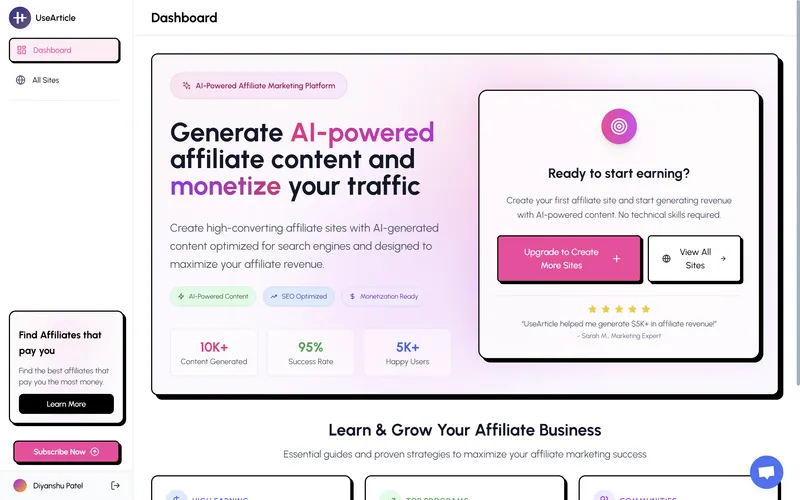
UseArticle
AI-powered content creation and management platform that helps teams produce high-quality articles at scale.
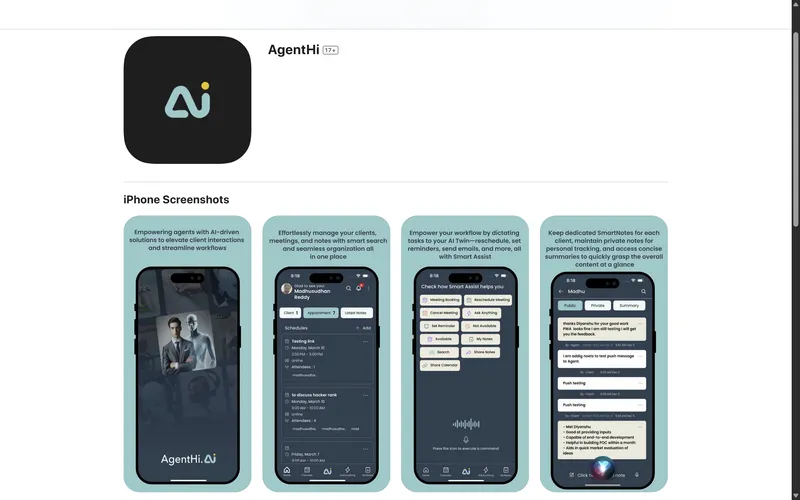
AgentHi
Intelligent virtual assistant that streamlines customer support and automates routine business tasks.
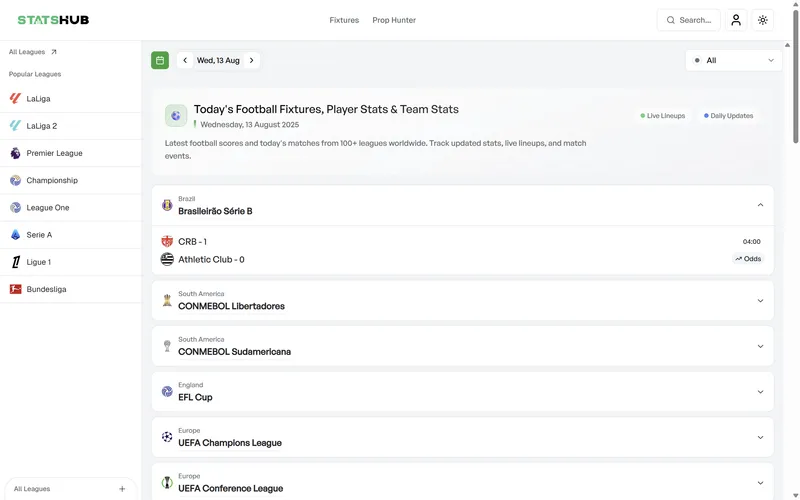
StatsHub
Comprehensive analytics dashboard providing real-time insights and data visualization for businesses.
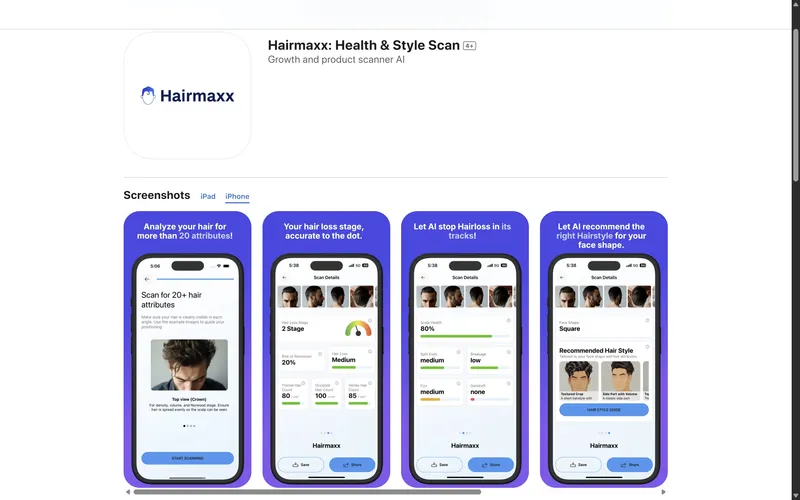
Harimaxx
Personal fitness companion with AI-driven workout plans and nutrition tracking for optimal health.
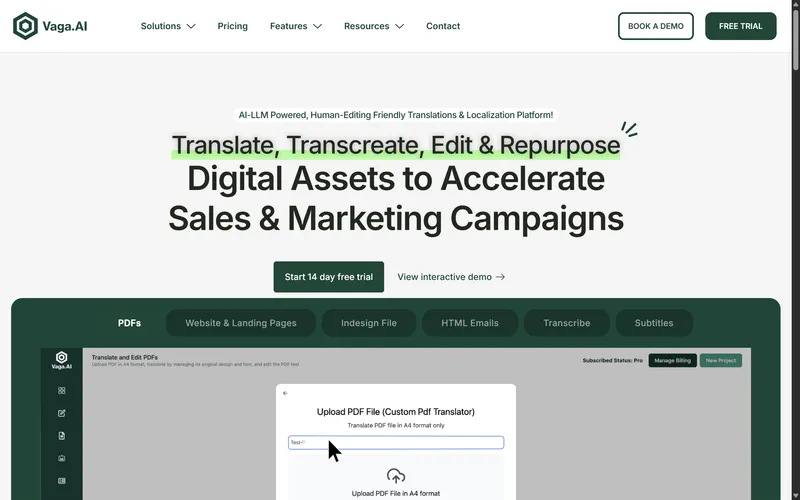
Vaga
Smart travel planning app that curates personalized itineraries and local experiences.
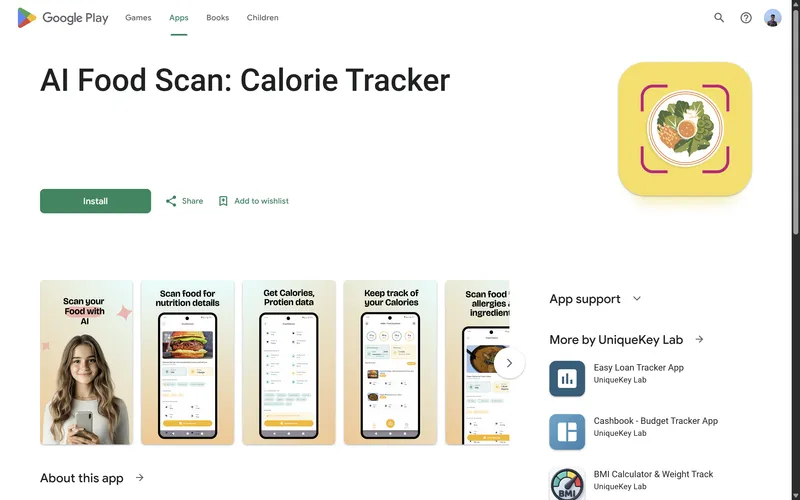
FoodScan
Nutrition analysis app that scans food items and provides detailed nutritional information instantly.
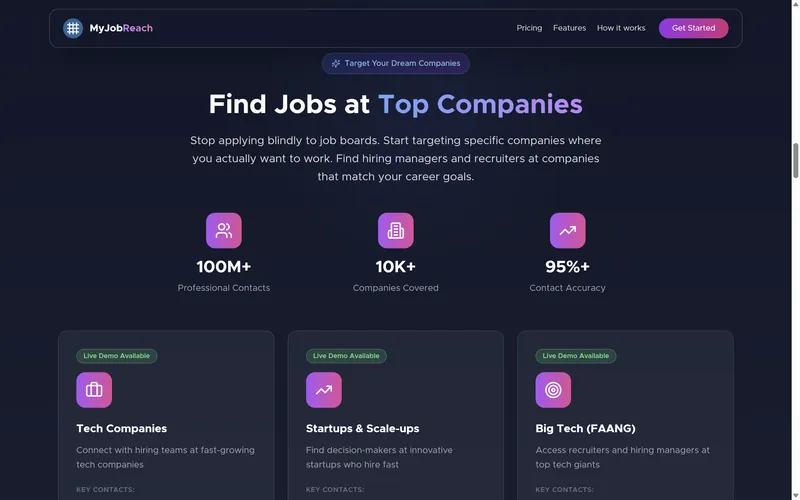
MyJobReach
Job matching platform connecting talented professionals with their dream opportunities.
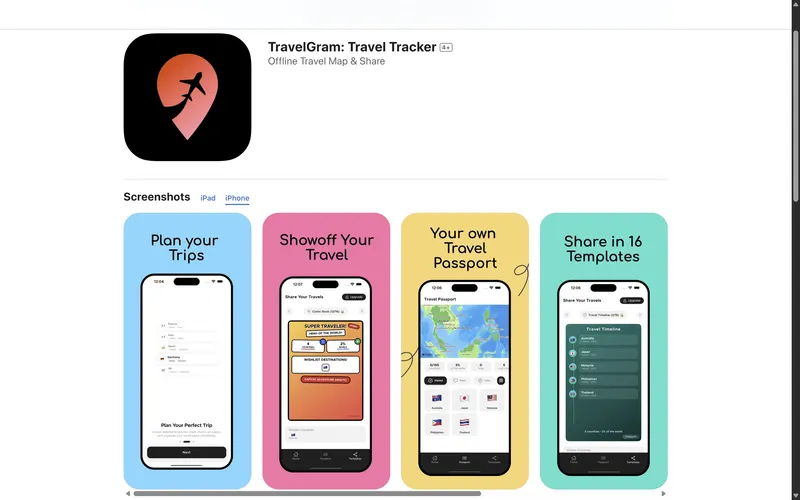
TravelGram
Social platform for travelers to share experiences, discover destinations, and connect globally.
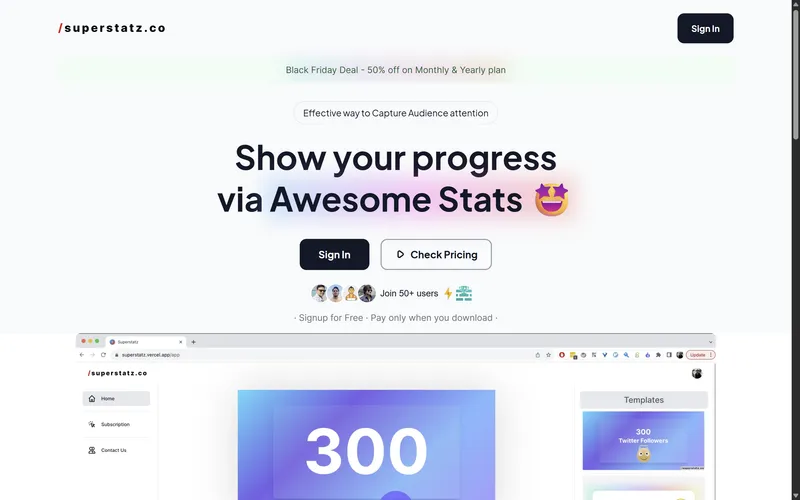
SuperStatz
Advanced sports statistics platform delivering in-depth analysis and performance metrics.
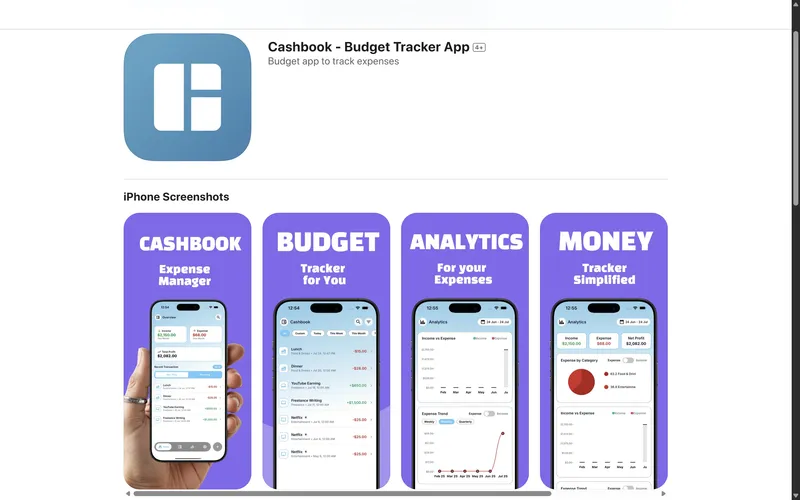
Cashbook
Simple expense tracking and budgeting app that helps users manage their finances effortlessly.
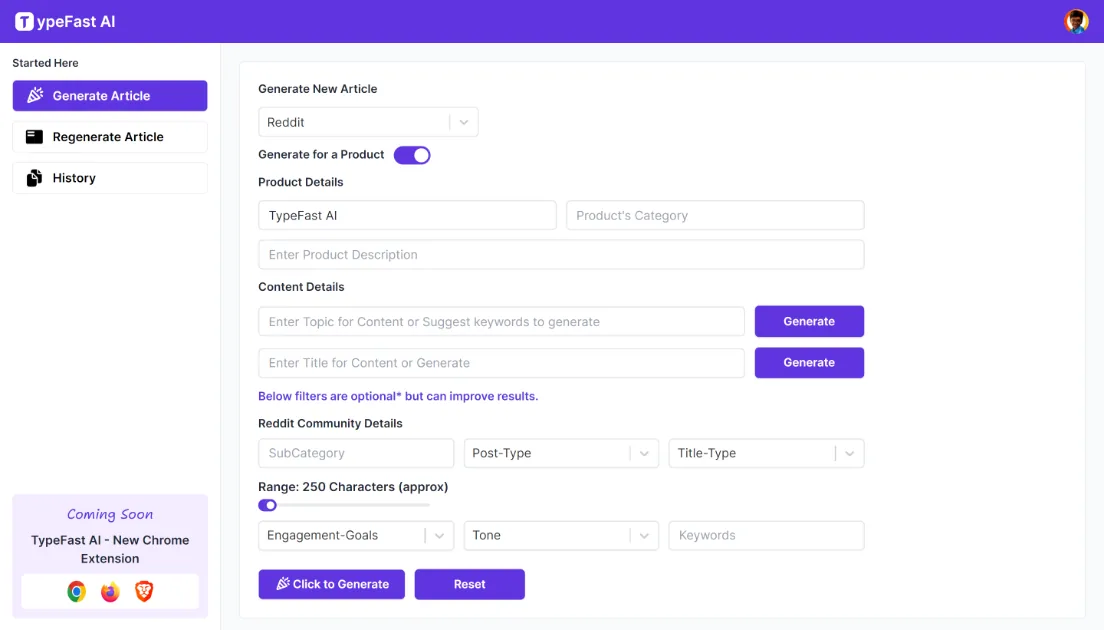
TypeFast
Typing speed improvement platform with gamified lessons and real-time performance tracking.
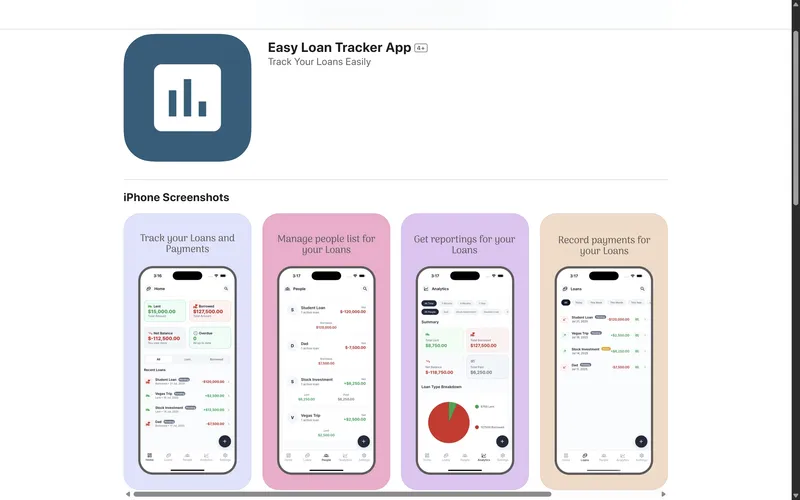
Easy Loan
Streamlined loan management system that simplifies borrowing and lending processes.
Explore Related Content
Discover more services, technologies, case studies, and resources
LLM Integration Services
Plug GPT-5, Claude Opus 4.7, Gemini 2.5, or open-source models into the products your customers already use. We design the gateway, the prompts, the eval suite, and the cost controls so your LLM features ship in weeks and stay reliable in production.
AI Chatbot MVP Development
Build a branded AI chatbot MVP in 2 weeks. From customer support bots to internal knowledge assistants and sales qualification chatbots: we deliver production-ready chatbots your users will actually use.
AI Chatbot Assistant Development
Build a context-aware AI assistant that understands your users, remembers their history, and delivers genuinely helpful responses: integrated directly into your product or website.
RAG Application Development
Build RAG applications with SpeedMVPs. Custom knowledge bases, document Q&A, and enterprise search powered by AI.
AI MVP Development Services
AI MVP development services for funded startups and enterprise teams in the US, UK, Canada, Australia, and the EU. As an AI MVP development company, we build custom, AI-powered MVPs that ship production-ready, with real LLM integration and full code ownership, priced in USD and delivered in 2-3 weeks.
Best AI Tools & APIs for App Development in 2026
A practical guide to the best AI tools, APIs, and approaches for building production-ready apps in 2026: from LLM APIs to agent frameworks and code-generation tools.
Ready to Build Your MVP?
Schedule a complimentary strategy session. Transform your concept into a market-ready MVP within 2-3 weeks. Partner with us to accelerate your product launch and scale your startup globally.
The call is 30 minutes with Diyanshu Patel, our co-founder and CTO. Afterwards you get a written proposal with timeline, pricing and development plan.
Calendar not loading? Open the booking page or email diyanshu@speedmvps.com.