
AI MVP Development for Gaming & Esports
SpeedMVPs builds AI gaming & esports MVPs, LLM NPCs, matchmaking, toxicity moderation and anti-cheat, shipped in 2-3 weeks. 18+ AI MVPs, 100% code ownership.
What You Need to Know
Gaming is an engineering problem before it is an AI problem, and most agencies get the order wrong. A playable AI feature has to live inside a real-time loop, a 30 or 60Hz server tick, authoritative simulation, client-side prediction and lag compensation, not a request/response API. We build AI gaming MVPs on the stack studios actually ship on: Unity or Unreal Engine 5 on the client, and a backend on Nakama, PlayFab, Photon Fusion, Amazon GameLift or Epic Online Services for matchmaking, sessions, leaderboards and presence. When your AI system suggests an NPC action or a matchmaking pairing, it is validated server-side and reconciled against rollback so it survives a 120ms ping: that is the part that separates a demo from a build you can put in front of players.
The most requested AI feature we build is LLM-driven NPCs and dynamic dialogue, and it is deceptively hard to do responsibly. A naive chatbot NPC will hallucinate lore, break character, leak the system prompt, or say something that fails your ESRB/PEGI rating. We wrap generative dialogue in a retrieval layer grounded in your world bible and quest state (RAG over a canon vector store), constrain outputs with tool-calling so the model can only trigger sanctioned game actions, and put a moderation pass in front of every generated line so a T-for-Teen title never emits M-rated content. For NPC behavior itself we combine classic game AI, behavior trees, GOAP, utility AI, with learned policies only where they earn their latency budget, because a reinforcement-learning agent that adds 40ms per frame is not shippable.
Trust and safety is where AI pays for itself in live games, and it is increasingly a legal requirement, not a nice-to-have. Real-time toxicity and chat moderation, text, and increasingly voice via streaming ASR, is table stakes for any title with UGC or open comms, and it intersects directly with the EU Digital Services Act, COPPA and GDPR-K obligations when minors are on the platform. We build low-latency NLP moderation pipelines (transformer classifiers for hate speech, harassment, grooming signals and self-harm escalation) that flag or mute in-line and route edge cases to a human review queue with full audit trails. On the anti-cheat side, server-side statistical and ML models on player telemetry (aim snap distributions, movement anomalies, impossible reaction times) complement kernel-level tools like Easy Anti-Cheat or BattlEye rather than pretending to replace them.
Monetization in games is a regulatory minefield that generic MVP shops walk straight into. Loot boxes and randomized rewards are banned outright in Belgium and the Netherlands, scrutinized by the UK Gambling Commission, and now require a 'Contains Random Items' disclosure under ESRB rules; China enforces real-name verification, playtime limits for minors and published drop-rate odds. We design economies, battle passes, direct-sale cosmetics, gacha with transparent published odds, that respect these regimes from day one, and we wire billing through the platform rails you are actually required to use: Steamworks, Epic Games Store, and Apple/Google IAP with their 30% (or small-business 15%) cut and their strict rules against off-store payment nudges. Getting this wrong is not a bug ticket, it is a store rejection or a fine.
Esports and live-ops are where match data becomes a product. We build tournament and competitive infrastructure, bracket engines, skill rating with Glicko-2 or OpenSkill instead of naive Elo, anti-smurf detection, and matchmaking that balances for both fairness and queue time, plus the analytics layer on top: real-time leaderboards on Redis sorted sets, match telemetry streamed through Kafka, and AI-generated highlight reels that detect multi-kills or clutch moments from the event stream and auto-cut clips. For broadcast we integrate the Twitch and YouTube Live APIs, RTMP/WebRTC low-latency delivery, and overlay data feeds, and we can pull match state from official title APIs (Riot, Steam, Valve's game-state integration) where they exist so your stats platform is grounded in real data, not scraped screenshots.
Ship targets shape the entire architecture, so we scope them up front. A Steam or WebGL launch is a very different certification path than console, where Sony TRC, Microsoft XR and Nintendo Lotcheck impose hard technical requirements you cannot retrofit late. Player data has to be handled under GDPR and CCPA with real deletion and export flows, age gating has to be verifiable, and cloud infrastructure has to autoscale for a launch-day spike without melting your matchmaker. In a 2-3 week build we deliver a genuinely playable vertical slice of the AI feature, instrumented with game telemetry so you can measure retention, churn signals and engagement from the first cohort, on infrastructure you own outright, with 100% code ownership so your studio is never locked into our stack after the MVP proves out.
What You'll Get
LLM NPCs & Generative Dialogue
Lore-grounded RAG NPCs with tool-calling and rating-safe moderation, wired into Unity/Unreal quest and world state.
Real-Time Trust & Safety
Low-latency toxicity/voice moderation and ML anti-cheat on player telemetry, with human-review queues and DSA/COPPA audit trails.
Multiplayer & Esports Backend
Matchmaking with Glicko-2/OpenSkill, authoritative sessions on Nakama/GameLift, Redis leaderboards and AI-cut highlight reels.
Planning a build like this?
Book a free 30-minute strategy call with Diyanshu Patel, our CEO. We use it to understand your idea, goals and requirements, then follow up with a timeline and a fixed-price proposal.
Book a free 30-minute callFAQ
Can you build AI features that actually run in a real-time multiplayer game, not just a demo?
Yes: that is the core distinction we design for. AI suggestions (NPC actions, matchmaking pairings, difficulty adjustments) are validated on the authoritative server inside your tick loop and reconciled against client-side prediction and lag compensation, so they hold up under real network latency. We build on Unity or Unreal Engine 5 with backends like Nakama, PlayFab, Photon Fusion, Amazon GameLift or Epic Online Services, and we keep any learned model inside a strict per-frame latency budget rather than adding round-trips that break the feel of the game.
How do you keep LLM-driven NPCs on-brand and inside our ESRB/PEGI age rating?
Three layers. First, retrieval grounding: the NPC only speaks from your world bible and current quest/canon state via a RAG vector store, so it cannot invent lore or leak the system prompt. Second, constrained tool-calling so the model can only trigger sanctioned in-game actions. Third, a moderation pass on every generated line tuned to your content rating: a Teen-rated title will not emit Mature content. We also log generations for review so your narrative team stays in control.
Does your moderation and anti-cheat work handle the legal side for minors and UGC?
We build to the obligations, not just the feature. Real-time text and voice moderation is designed around the EU Digital Services Act, COPPA and GDPR-K when minors are present, with escalation paths for grooming and self-harm signals and full audit trails for regulator requests. ML anti-cheat runs server-side on telemetry (aim, movement and reaction-time anomalies) to complement kernel-level tools like Easy Anti-Cheat or BattlEye, it augments them rather than claiming to replace a mature client-side solution.
We monetize with loot boxes / gacha, can you keep that compliant across regions?
Yes, and it drives design decisions from day one. Randomized rewards are banned in Belgium and the Netherlands, scrutinized by the UK Gambling Commission, require ESRB 'Contains Random Items' disclosure, and demand published drop odds plus real-name and playtime limits in China. We design economies (battle passes, direct cosmetics, transparent-odds gacha) that hold up in these regimes and wire billing correctly through Steamworks, Epic Games Store or Apple/Google IAP so you avoid store rejection over off-platform payment rules.
What ships in a 2-3 week gaming MVP, and what about console certification?
You get a genuinely playable vertical slice of the AI feature, for example an LLM companion NPC, an ML matchmaker, or a live toxicity-moderation pipeline, running on owned, autoscaling infrastructure and instrumented with telemetry so you can read retention and churn from the first cohort. We scope your launch target up front: PC/Steam or WebGL fits the timeline directly, while console (Sony TRC, Microsoft XR, Nintendo Lotcheck) is planned deliberately because those certification requirements cannot be retrofitted late. You keep 100% of the code.
Trusted by Global Companies Building AI Products
We've helped startups and enterprises worldwide transform their AI ideas into production-ready MVPs in 2–3 weeks. From fintech platforms to AI assistants, our global MVP development services have launched 18+ AI products serving users across the US, Europe, and Asia.







Portfolio: AI Products Built for Global Startups
From content platforms and AI assistants to analytics dashboards and fintech solutions: see how we've transformed ideas into production-ready MVPs in 2-3 weeks across diverse industries. Each product here is one our team worked on.
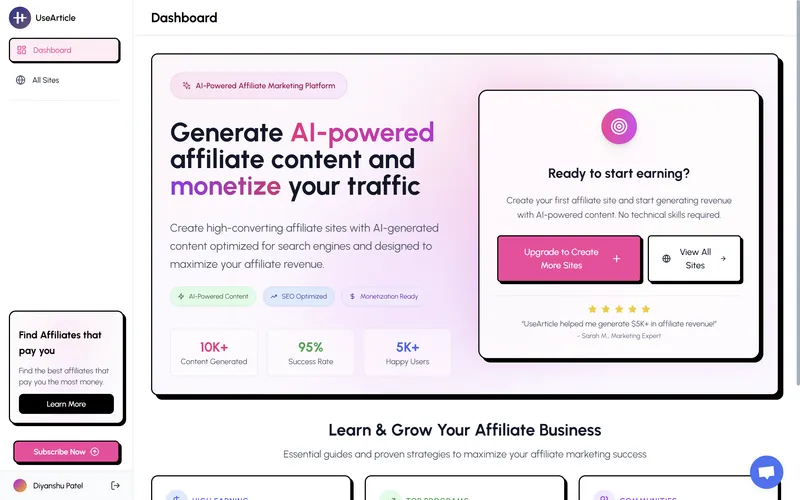
UseArticle
AI-powered content creation and management platform that helps teams produce high-quality articles at scale.
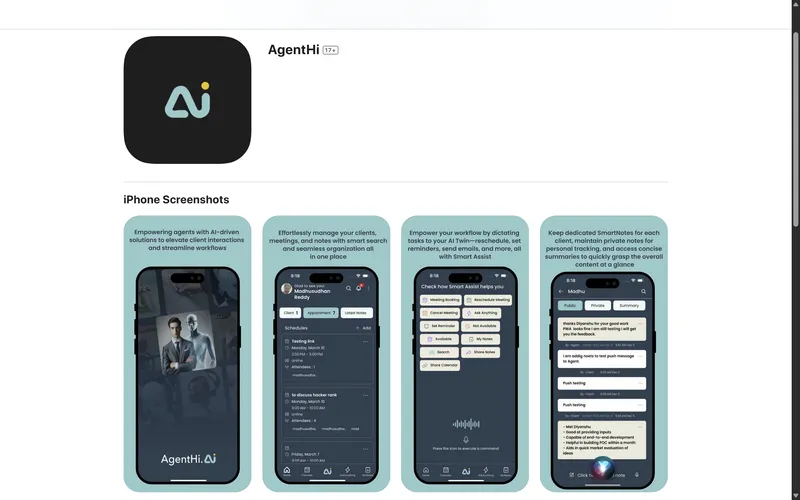
AgentHi
Intelligent virtual assistant that streamlines customer support and automates routine business tasks.
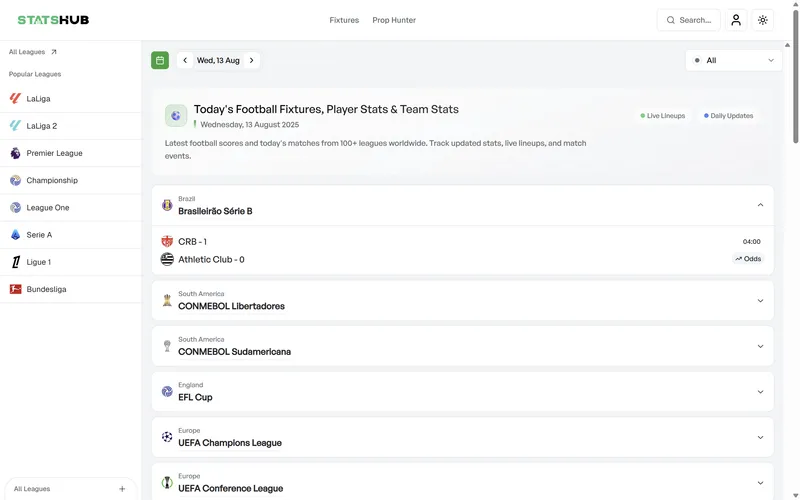
StatsHub
Comprehensive analytics dashboard providing real-time insights and data visualization for businesses.
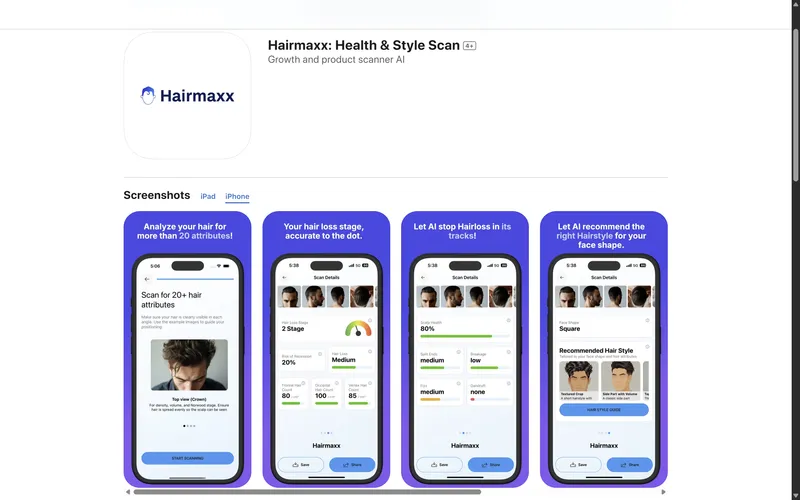
Harimaxx
Personal fitness companion with AI-driven workout plans and nutrition tracking for optimal health.
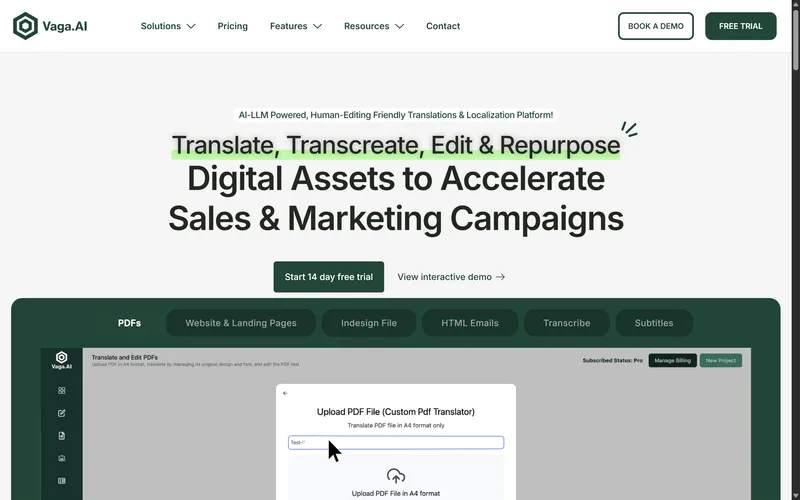
Vaga
Smart travel planning app that curates personalized itineraries and local experiences.
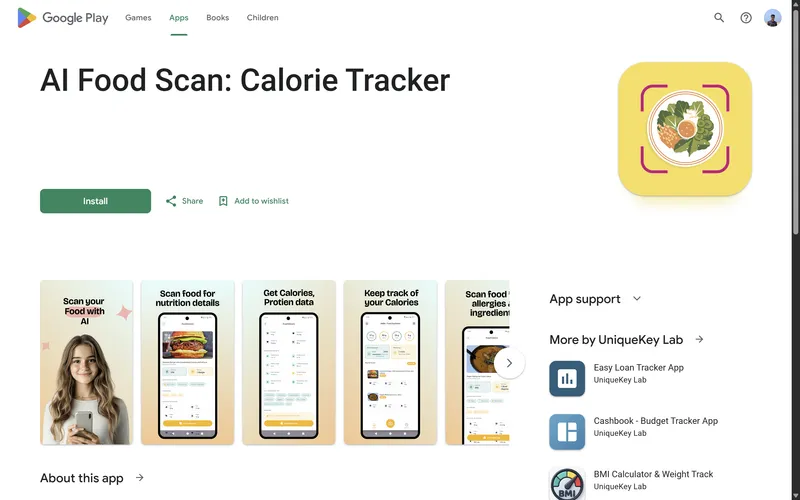
FoodScan
Nutrition analysis app that scans food items and provides detailed nutritional information instantly.
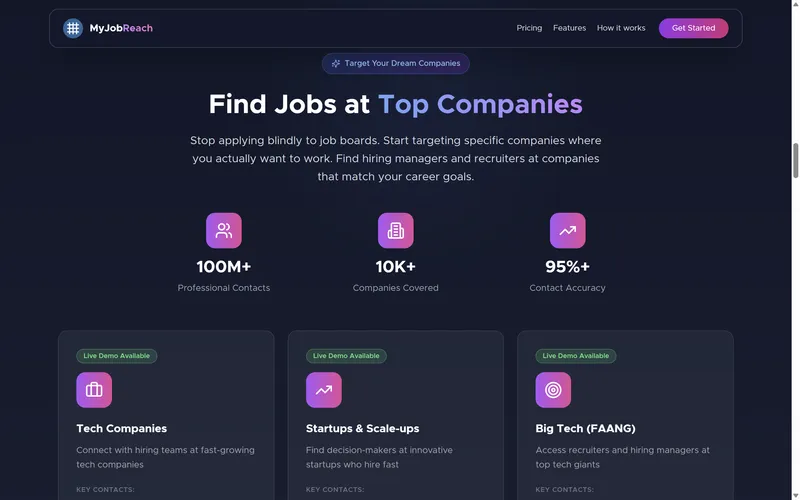
MyJobReach
Job matching platform connecting talented professionals with their dream opportunities.
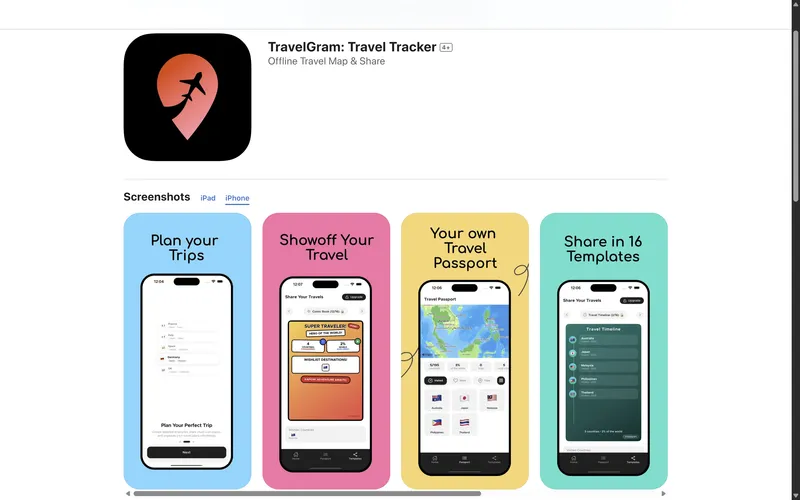
TravelGram
Social platform for travelers to share experiences, discover destinations, and connect globally.
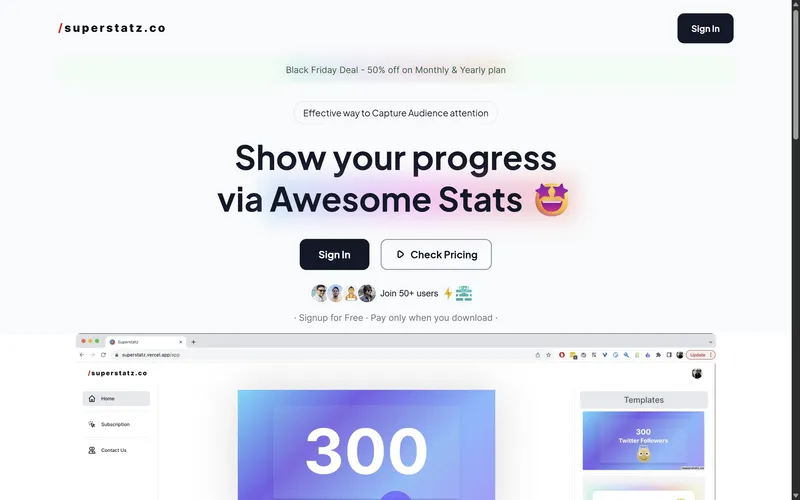
SuperStatz
Advanced sports statistics platform delivering in-depth analysis and performance metrics.
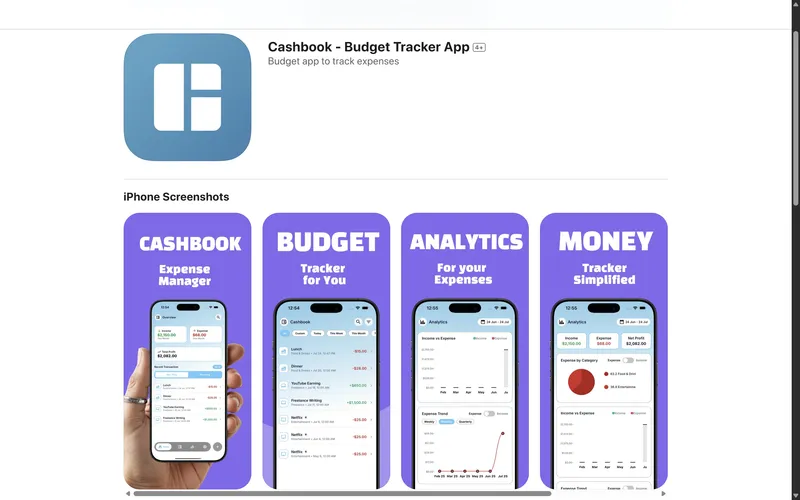
Cashbook
Simple expense tracking and budgeting app that helps users manage their finances effortlessly.
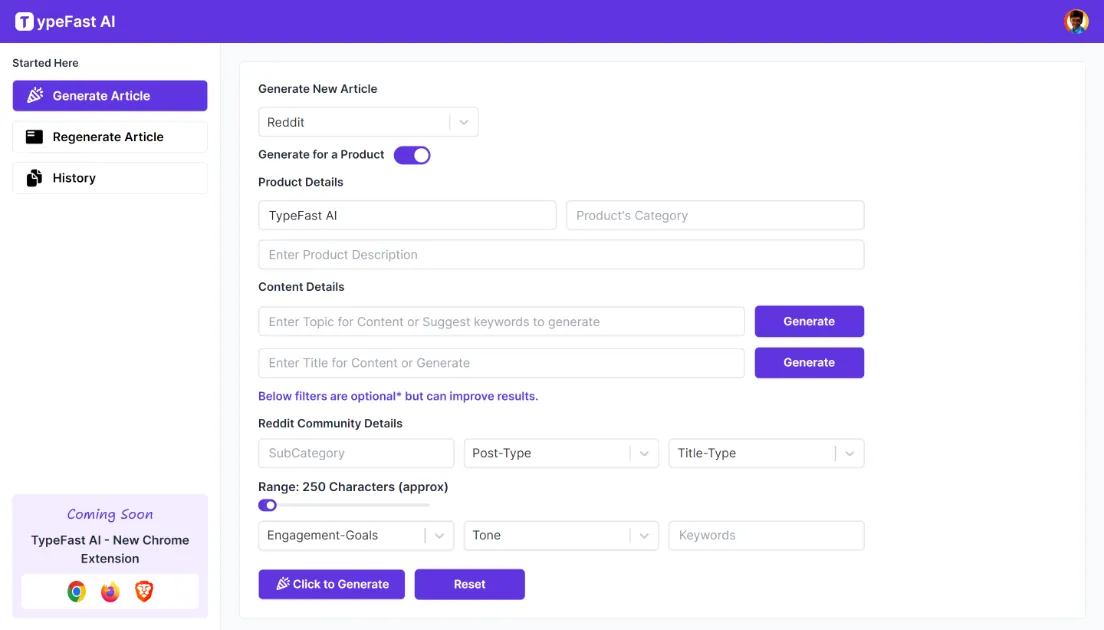
TypeFast
Typing speed improvement platform with gamified lessons and real-time performance tracking.
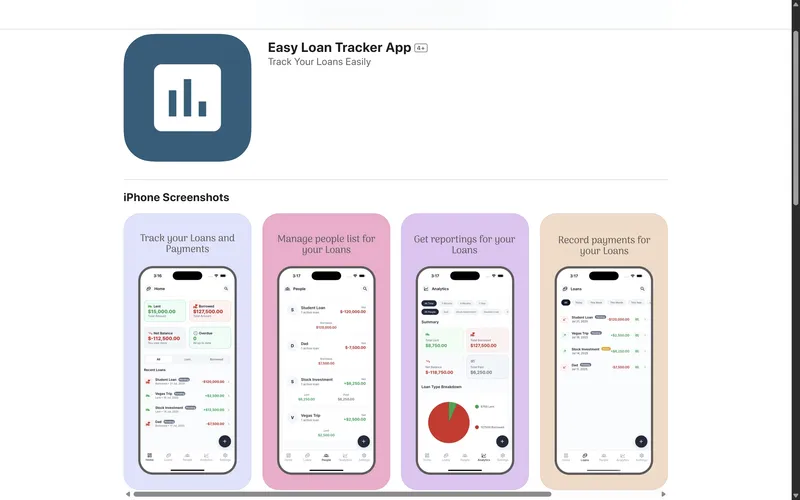
Easy Loan
Streamlined loan management system that simplifies borrowing and lending processes.
Explore Related Content
Discover more services, case studies, and insights
AI MVP Development for GovTech & Public Sector
Ship a FedRAMP-aware AI MVP for government in 2-3 weeks: constituent assistants, FOIA-redaction pipelines and policy RAG, on GovCloud with 100% code ownership.
AI MVP Development for HR & Recruitment Platforms
We build production-ready AI MVPs for HR and recruitment platforms in 2-3 weeks: bias-audited matching, ATS/HRIS integrations, and full code ownership.
AI MVP Development for InsurTech Products
InsurTech MVPs: AI claims triage, accelerated underwriting, and fraud detection wired to Guidewire, Duck Creek, and ACORD. NAIC-governance-ready, shipped in 2-3 weeks.
AI-Powered MVP Development
Launch a production-ready AI MVP in just 2-3 weeks. Our team blends rapid prototyping with enterprise-grade AI/ML engineering to validate your idea, attract investors, and win early customers.
Design to Code
Turn Figma, Sketch, or Adobe XD designs into production-ready, pixel-perfect code. We bridge the gap between design and engineering, delivering responsive, accessible, and performant front-end code your team can ship immediately.
Build an MVP Without a Developer Using AI
An honest 2026 playbook for non-technical founders: which AI no-code tools can actually build an MVP, where they break (auth, payments, scale), and when to bring in engineers.
Builder.ai Free Plan & Alternatives 2026
Builder.ai collapsed in 2025, so there is no reliable free plan to build on. Here are the safe free alternatives, no-code builders and a free AI dev stack, with a lock-in-risk comparison.
AI Travel Planner Builds Itineraries in 30 Seconds
We built JetPlan AI: an LLM-powered travel planner that generates personalised, day-by-day itineraries with hotel recommendations, activity scheduling, budget tracking, and exportable PDFs.
Global AI MVP Development Agency
SpeedMVPs is a global AI MVP development agency helping startups and enterprises launch AI products in 2-3 weeks.
Rapid AI Prototyping: Build a Working AI Prototype in Days
Rapid AI prototyping for funded startups and enterprise teams. SpeedMVPs builds a working AI prototype in 3-5 days using real models and your data, not a mockup.
Ready to Build Your MVP?
Schedule a complimentary strategy session. Transform your concept into a market-ready MVP within 2-3 weeks. Partner with us to accelerate your product launch and scale your startup globally.
The call is 30 minutes with Diyanshu Patel, our CEO and co-founder. Afterwards you get a written proposal with timeline, pricing and development plan.
Calendar not loading? Open the booking page or email diyanshu@speedmvps.com.