
AI MVP Development for B2B SaaS Startups
Ship a production AI feature for your B2B SaaS, RAG copilots, churn forecasting, usage metering, in 2-3 weeks. Multi-tenant, SOC 2-ready, 100% code ownership.
What You Need to Know
For a B2B SaaS startup, an AI feature is rarely a standalone app: it has to live inside a multi-tenant product where every enterprise buyer expects their data walled off from every other tenant. That single constraint shapes the whole build. SpeedMVPs ships AI features into your existing stack, Postgres with row-level security, per-tenant vector namespaces in pgvector or Pinecone, and tenant-scoped API keys, so a copilot answering questions for Acme Corp physically cannot retrieve embeddings created by a competitor on the same instance. We deliver this as a production-ready MVP in 2-3 weeks, not a demo that ignores the isolation problem you'll fail your first security review over.
The highest-leverage AI pattern in B2B SaaS right now is the in-product copilot: a RAG assistant grounded in each customer's own workspace data, their tickets, documents, records, and audit history, that answers 'what changed', 'who owns this', and 'draft the next step' without the user leaving your app. Done properly this is not a chatbot bolted to the corner of the screen; it's tool-calling agents wired into your existing REST or GraphQL API, with retrieval scoped to the authenticated tenant and user's RBAC permissions, streaming responses, citations back to the source record, and a human-review path for any write action. We build these against your real schema so the copilot respects the same permission boundaries your UI already enforces.
Enterprise readiness is where most founder-built AI features stall, because the security questionnaire arrives after the feature ships. We build with SOC 2 Type II and GDPR expectations from the first commit: structured audit logs for every model call, a signed Data Processing Agreement path, configurable data-residency, PII redaction before prompts reach a third-party LLM, and a zero-retention or self-hosted inference option (via Azure OpenAI, AWS Bedrock, or an open-weight model on your own VPC) for customers who contractually forbid their data touching a shared API. That means when your prospect's CISO asks 'where does our data go and can we turn off the sub-processor', you have a real answer instead of a stalled deal.
AI cost is a margin problem disguised as a technical one, and it's specific to the usage-based economics of SaaS. If you charge a flat seat price and every power user fires unbounded GPT-4-class calls, your gross margin quietly erodes below the healthy levels SaaS investors underwrite. We build the metering and guardrail layer alongside the feature: per-tenant token accounting streamed into Stripe metered billing or your own usage ledger, model-routing that sends cheap queries to smaller/faster models and reserves frontier models for the hard ones, semantic caching to kill duplicate retrievals, and hard per-plan rate limits so a single tenant cannot blow up your OpenAI bill. You launch knowing the unit economics, not discovering them on the invoice.
The integration surface for B2B SaaS AI is your customers' existing system of record, so the MVP has to speak the languages your buyers already run on: Salesforce and HubSpot for CRM-adjacent products, Segment and Snowflake for data-warehouse-native workflows, Slack and Microsoft Teams for where the notifications actually land, and SSO via SAML/OIDC with SCIM provisioning the moment you move upmarket. Beyond copilots, the AI use-cases that pay for themselves fast are churn and expansion forecasting from your product-usage events, AI lead scoring, agentic workflows that automate the manual steps in your users' day, and anomaly detection over the metrics your customers watch: all built against the events you're already emitting.
SpeedMVPs has shipped 18+ production AI MVPs, and the B2B SaaS ones share a delivery shape: a fixed 2-3 week build, senior engineers who architect for multi-tenancy from day one instead of retrofitting it, and 100% code ownership so the feature ships into your repo, your cloud, and your CI: never a black box you rent back from us. That's the shape behind work like our B2B SaaS AI lead-generation build and a funded AI startup that shipped its MVP with us before its pre-seed: different products, same multi-tenant, enterprise-ready delivery pattern. You get the source, the model pipeline, the infra-as-code, and a handoff your own engineers can extend: not a slide-deck demo, but a feature your sales team can put in front of the next enterprise logo and your engineers can own the roadmap for after we're gone.
What You'll Get
In-Product RAG Copilot
Tenant-scoped assistant grounded in each customer's workspace data, wired into your API with RBAC-aware retrieval, citations, and streaming.
Multi-Tenant AI Architecture
Per-tenant vector namespaces, Postgres row-level security, and usage metering into Stripe so isolation and margins hold as you scale.
Enterprise-Ready & SOC 2-Aligned
Audit logs, PII redaction, SSO/SAML, and a self-hosted or zero-retention inference path that survives a CISO security review.
Planning a build like this?
Book a free 30-minute strategy call with Diyanshu Patel, our CEO. We use it to understand your idea, goals and requirements, then follow up with a timeline and a fixed-price proposal.
Book a free 30-minute callFAQ
How do you stop one tenant's data leaking into another tenant's AI answers?
Isolation is designed in, not patched on. Retrieval is scoped to the authenticated tenant using per-tenant vector namespaces (pgvector, Pinecone, or Weaviate) and Postgres row-level security, so a query for one customer can only ever match embeddings and records created under that tenant. We also honor the user's RBAC permissions inside the tenant, so the copilot cannot surface a record the same user could not see in your UI. Every model call is logged with tenant and user context so you can prove isolation during a security review.
Will the AI feature pass an enterprise security review / SOC 2?
We build to SOC 2 Type II and GDPR expectations from the first commit: structured audit logging for all inference calls, PII redaction before prompts leave your environment, configurable data residency, and a signed DPA path. For customers who contractually forbid their data touching a shared LLM API, we offer a zero-retention or self-hosted inference option using Azure OpenAI, AWS Bedrock, or an open-weight model in your own VPC. We cannot hand you a SOC 2 certificate (that is your auditor's role), but we build so the controls are already in place when they look.
How do you keep AI usage from destroying my gross margin?
We ship the metering and guardrail layer alongside the feature, because in usage-based SaaS an unbounded copilot is a margin leak. That means per-tenant token accounting streamed into Stripe metered billing or your usage ledger, model-routing that sends easy queries to smaller/cheaper models and reserves frontier models for hard ones, semantic caching to eliminate duplicate retrievals, and per-plan rate limits so a single power user cannot blow up your inference bill. You launch understanding the cost per active tenant, not discovering it on your first invoice.
Can you build the AI into our existing product instead of a separate tool?
Yes: that's the default. We build against your real schema and your existing REST or GraphQL API, embed the AI into your current React/Next.js or Vue frontend, and deploy into your cloud and CI so it ships as a native feature of your product, not a bolt-on widget. Tool-calling agents respect the same permission boundaries your UI already enforces. You end up with a feature your engineers own and extend, in your repo, with no vendor lock-in.
Which integrations and stacks do you support for B2B SaaS?
The common ones our buyers already run on: Salesforce and HubSpot for CRM, Segment and Snowflake for warehouse-native workflows, Slack and Microsoft Teams for notifications, Stripe for billing, and SSO via SAML/OIDC with SCIM provisioning for enterprise plans. On the AI side we build RAG copilots, churn and expansion forecasting from product-usage events, AI lead scoring, agentic automations, and anomaly detection. If it's reachable by an API, webhook, or warehouse export, we scope the integration in the first discovery call.
What does the 2-3 week build actually deliver for a SaaS?
A production feature live in your environment, not a prototype. Week 1 is discovery, data and schema audit, multi-tenant architecture sign-off, and environment setup. Weeks 2-3 cover model and retrieval integration, API wiring, frontend components inside your app, isolation and cost guardrails, QA, and deployment. You receive the full source code, the model and retrieval pipeline, infrastructure-as-code, a handoff doc, and a walkthrough with the engineers who built it: with 100% code ownership from day one.
Trusted by Global Companies Building AI Products
We've helped startups and enterprises worldwide transform their AI ideas into production-ready MVPs in 2–3 weeks. From fintech platforms to AI assistants, our global MVP development services have launched 18+ AI products serving users across the US, Europe, and Asia.
Portfolio: AI Products Built for Global Startups
From content platforms and AI assistants to analytics dashboards and fintech solutions: see how we've transformed ideas into production-ready MVPs in 2-3 weeks across diverse industries. Each product here is one our team worked on.
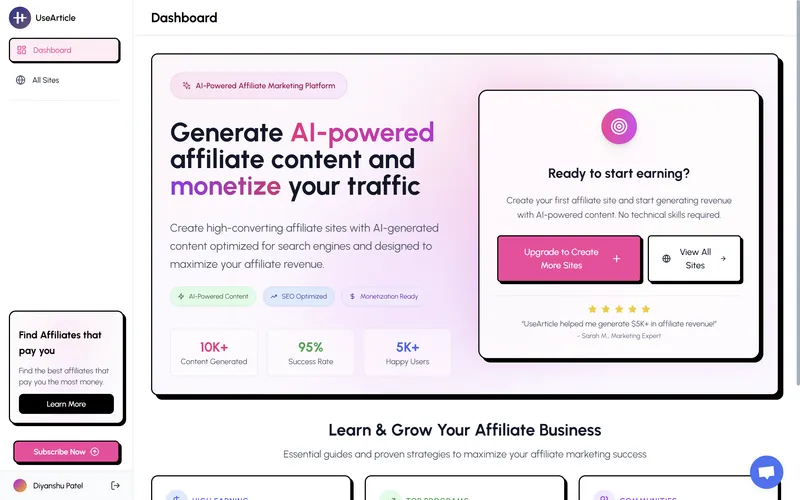
UseArticle
AI-powered content creation and management platform that helps teams produce high-quality articles at scale.
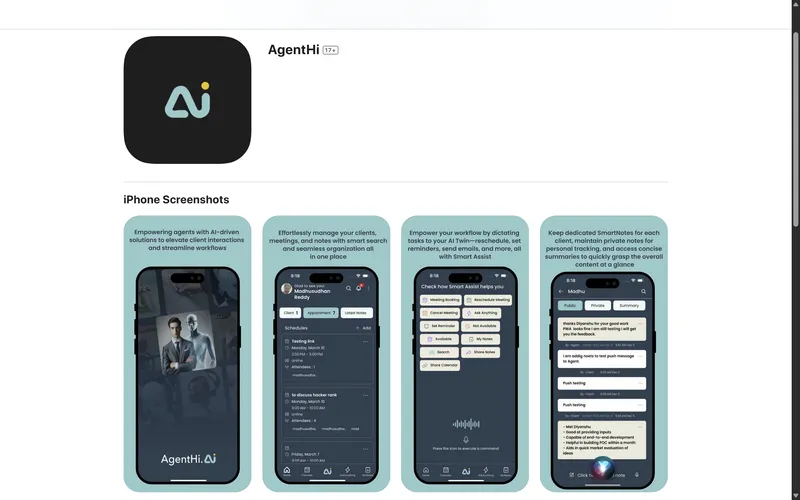
AgentHi
Intelligent virtual assistant that streamlines customer support and automates routine business tasks.
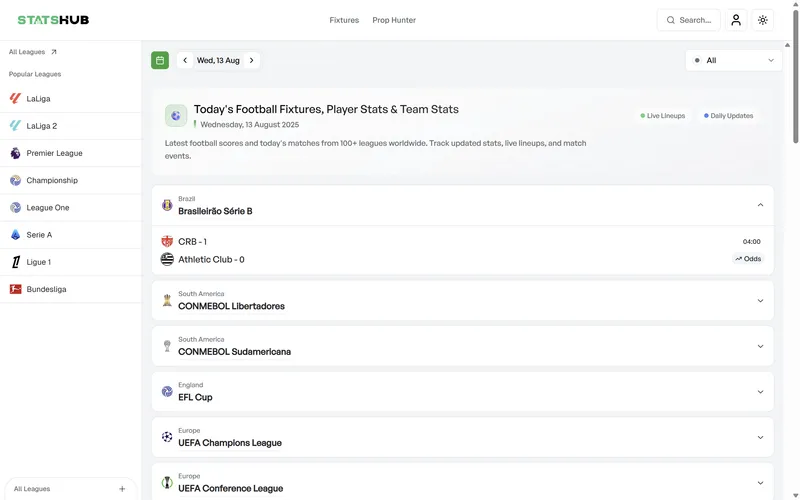
StatsHub
Comprehensive analytics dashboard providing real-time insights and data visualization for businesses.
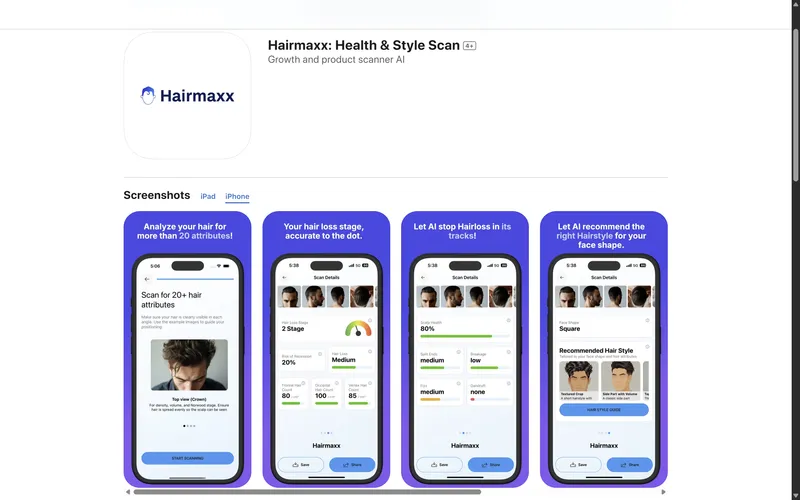
Harimaxx
Personal fitness companion with AI-driven workout plans and nutrition tracking for optimal health.
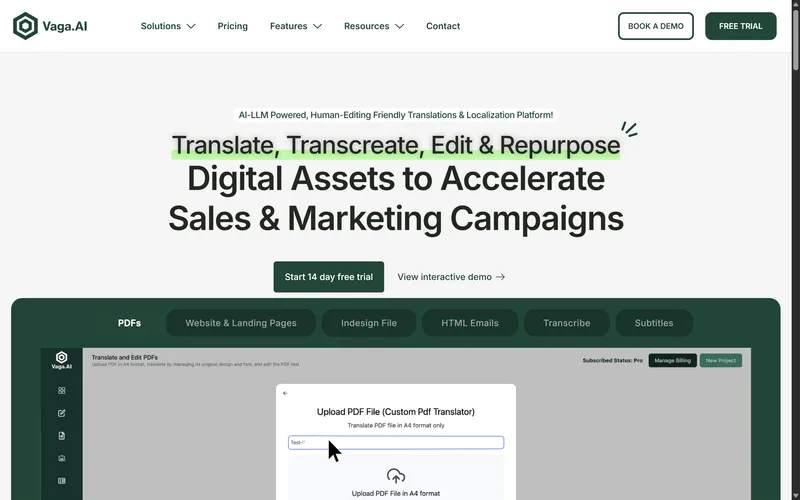
Vaga
Smart travel planning app that curates personalized itineraries and local experiences.
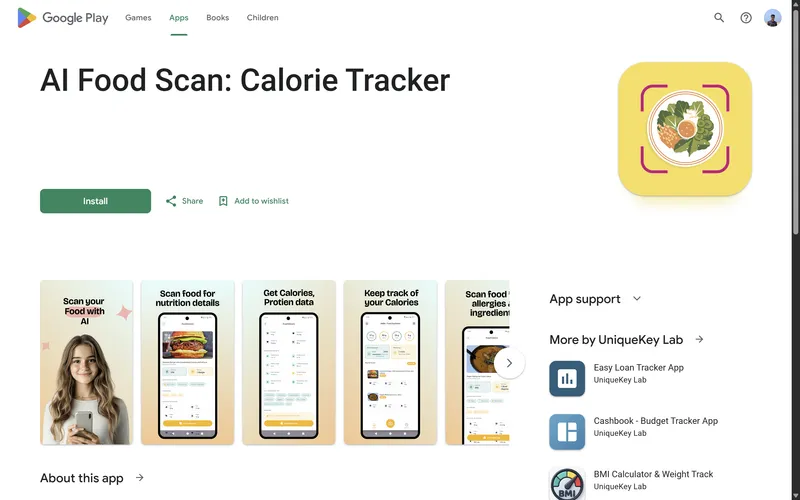
FoodScan
Nutrition analysis app that scans food items and provides detailed nutritional information instantly.
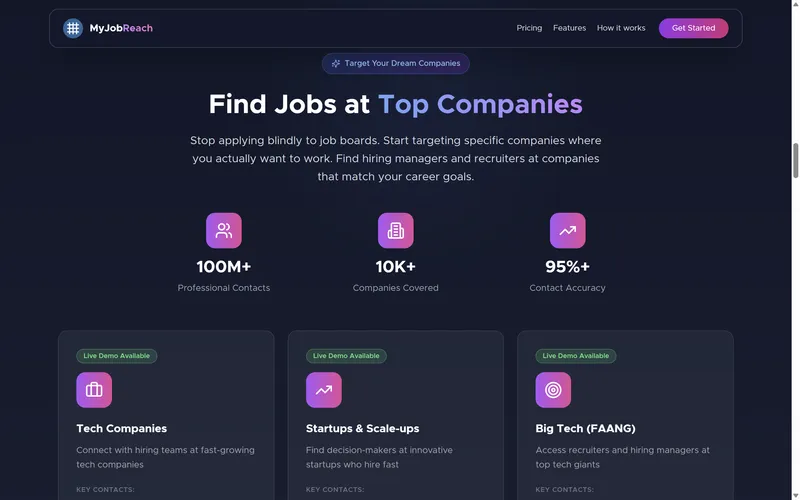
MyJobReach
Job matching platform connecting talented professionals with their dream opportunities.
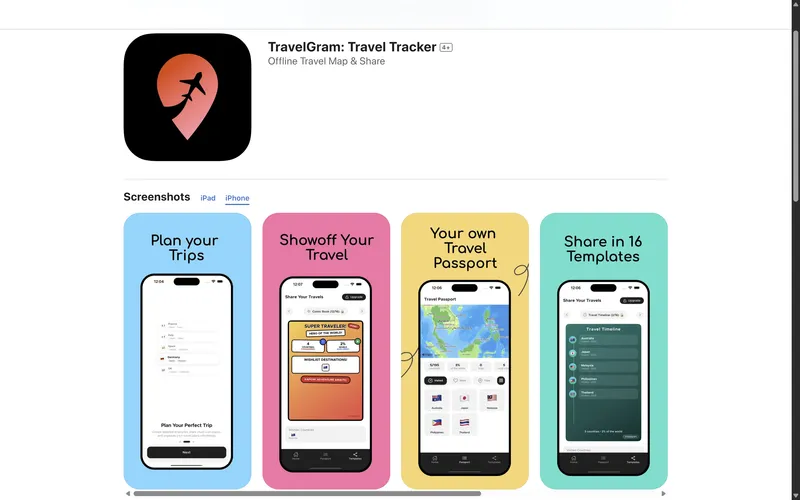
TravelGram
Social platform for travelers to share experiences, discover destinations, and connect globally.
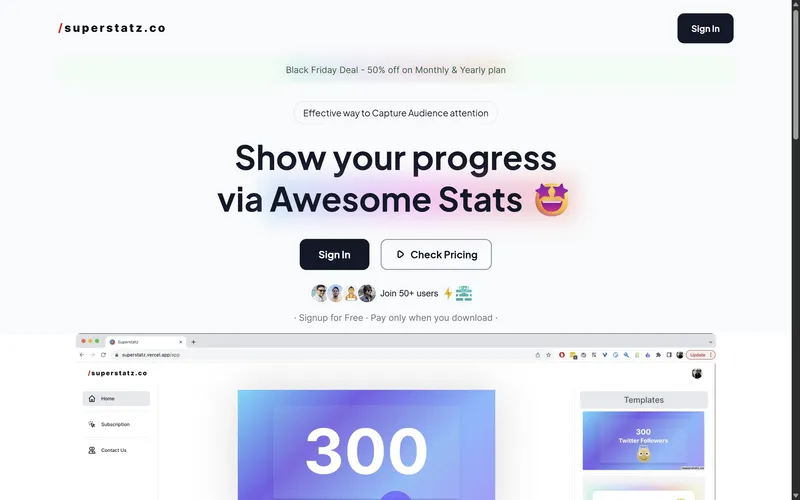
SuperStatz
Advanced sports statistics platform delivering in-depth analysis and performance metrics.
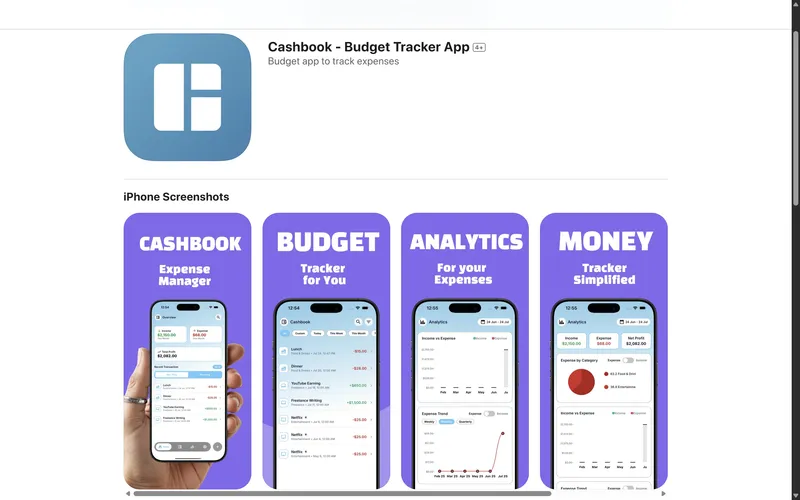
Cashbook
Simple expense tracking and budgeting app that helps users manage their finances effortlessly.
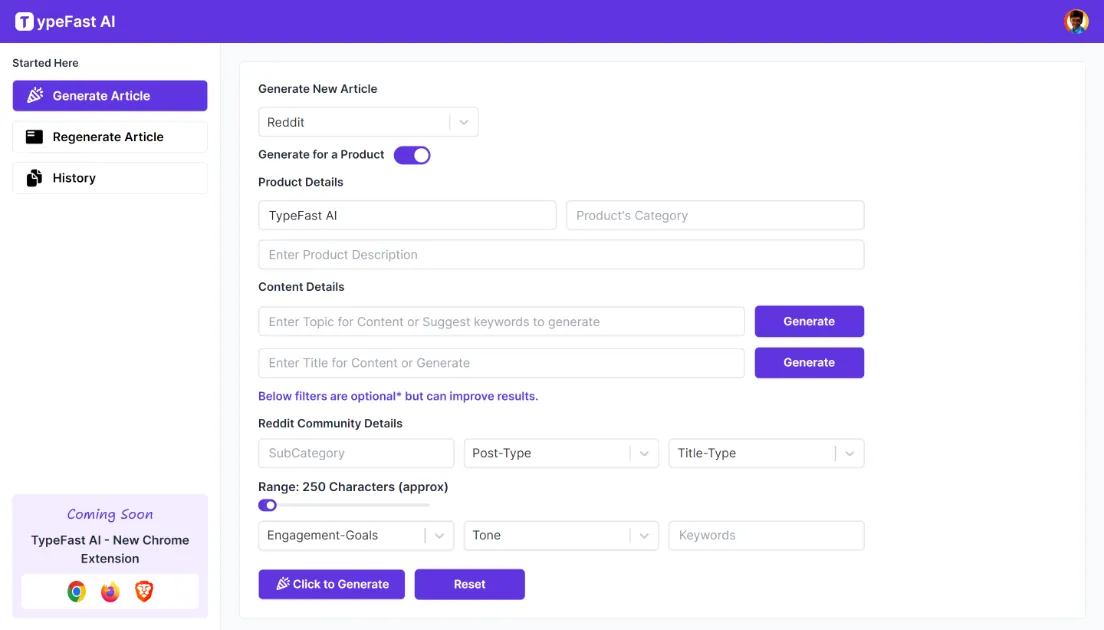
TypeFast
Typing speed improvement platform with gamified lessons and real-time performance tracking.
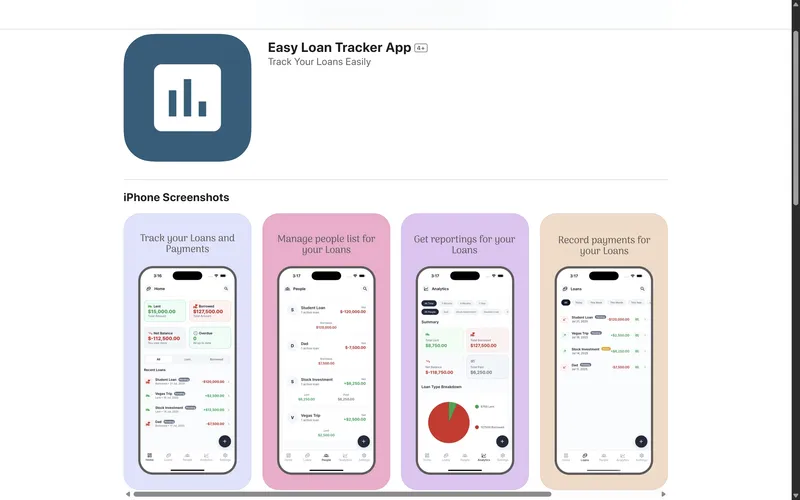
Easy Loan
Streamlined loan management system that simplifies borrowing and lending processes.
Explore Related Content
Discover more services, case studies, and insights
AI MVP Development for B2C Mobile & Web Apps
Ship a production B2C mobile & web app in 2-3 weeks: cross-platform builds, AI personalization, paywalls, App Store & Play submission, 100% code ownership.
AI MVP Development for Consulting & Advisory Firms
SpeedMVPs builds AI tools for consulting & advisory firms in 2-3 weeks: due-diligence copilots, methodology engines, RAG over data rooms. 100% code ownership.
AI MVP Development for Creator Economy Platforms
Ship creator-economy AI in 2-3 weeks: fan chatbots, clip repurposing, brand-deal matching, and Stripe Connect payouts: production-ready, 100% code ownership.
AI-Powered MVP Development
Launch a production-ready AI MVP in just 2-3 weeks. Our team blends rapid prototyping with enterprise-grade AI/ML engineering to validate your idea, attract investors, and win early customers.
Integrate AI into Existing Software
Smoothly integrate AI capabilities into your existing software systems. We enhance your current applications with intelligent features, automation, and AI-powered insights while maintaining system stability.
How AI Agencies Ensure Quality at Speed
How top AI development agencies ship quality, scalable products in 2-3 weeks: senior engineers, AI-assisted workflows with human review, production-grade architecture, and automated testing under real deadlines.
How to Develop an AI-Driven Mobile App
A step-by-step guide to developing an AI-driven mobile app: defining the use case, choosing on-device vs cloud AI, picking your stack, building the model, and shipping.
AI Startup Ships MVP in 3 Weeks, Raises Pre-Seed
SpeedMVPs scoped the narrowest high-impact version of the product, then built a full-stack AI MVP in three weeks: a clean web app, an LLM-powered assistant grounded in the user's own documents via a RAG pipeline, authentication, billing, and analytics, deployed to production and ready to put in front of investors and design partners.
Global AI MVP Development Agency
SpeedMVPs is a global AI MVP development agency helping startups and enterprises launch AI products in 2-3 weeks.
AI Product Development - From MVP to Full-Scale Solutions
AI product development services that turn a validated MVP into a production-grade AI product for funded startups and enterprise teams: modular architecture, LLM observability, and fixed USD pricing.
Ready to Build Your MVP?
Schedule a complimentary strategy session. Transform your concept into a market-ready MVP within 2-3 weeks. Partner with us to accelerate your product launch and scale your startup globally.
The call is 30 minutes with Diyanshu Patel, our CEO and co-founder. Afterwards you get a written proposal with timeline, pricing and development plan.
Calendar not loading? Open the booking page or email diyanshu@speedmvps.com.