
Affordable MVP Development, No Corners Cut
A budget-seeker's guide to affordable MVP development: where MVP money gets wasted, which scope cuts are safe, and the false economies that cost more later.
What You Need to Know
"Affordable" and "cheap" are not the same thing, and confusing them is the single most expensive mistake early-stage founders make. A cheap MVP minimizes the invoice. An affordable MVP minimizes the total cost of reaching a validated learning: the build, plus the rework, plus the months you lose if the first version answers the wrong question. This page is not a price calculator. It is a field guide to spending less by cutting the right things, keeping the things that protect you, and recognizing the false economies that look cheap up front and bill you back later.
Where MVP money is actually wasted. In practice, the biggest budget leaks are rarely engineering hours on core features. They are: building a second platform (native iOS and Android and web) before a single one has users; custom-designing screens that a component library would render for free; admin dashboards and settings pages nobody has asked for yet; premature scale infrastructure, Kubernetes, microservices, multi-region, for an app with zero traffic; and integrations with tools you adopted out of habit rather than need. If you audit a bloated MVP quote line by line, a large share of the cost usually sits in features that exist to feel complete, not to test the core hypothesis.
The scope-trimming levers that cut cost without cutting corners. Some cuts are safe because they defer work you genuinely do not need yet; others are dangerous because they remove things you cannot bolt on later. Safe levers: pick one platform (usually responsive web) and add native apps only after traction; use a proven component system instead of pixel-custom UI; manually handle the rare edge case with a human in the loop instead of coding it; use managed services (auth, payments, email, hosting) instead of building them; and fake the non-core parts: a Wizard-of-Oz backend or a spreadsheet-driven admin panel is legitimate for an MVP. Each of these shrinks the build while leaving the thing you are actually testing fully intact.
The corners you must never cut. There is a short list of things that feel skippable and are not, because retrofitting them is far more expensive than doing them once. Data ownership and a clean, exportable schema: if you cannot get your users and data out, a cheap vendor has trapped you. Basic authentication and security hygiene. Analytics and event tracking from day one, because an MVP with no instrumentation cannot validate anything, which defeats its entire purpose. And code you actually own and can hand to any developer. At SpeedMVPs every build ships with 100% code ownership for exactly this reason: an MVP you cannot take elsewhere is not affordable at any price.
The false economies that quietly cost more. The cheapest hourly rate is often the most expensive outcome. A bargain-rate freelancer who needs round after round of rework, disappears mid-project, or leaves you an undocumented codebase can cost more in total than a fixed-scope team that ships once. No-code tools are genuinely affordable for simple internal tools and early validation, but they hit a wall, pricing that scales with usage, logic you cannot extend, and eventual re-platforming, precisely when your idea starts working. And an open-ended time-and-materials contract turns every scope conversation into a billing event. Cheap inputs frequently produce the most expensive projects.
Fixed scope and a short timeline are cost-control tools, not just conveniences. Two structural choices do more to keep an MVP affordable than any hourly rate. First, fix the scope before you start: a written list of what is in and, just as importantly, what is explicitly out removes the scope creep that inflates most builds. Second, compress the timeline. A build measured in weeks rather than quarters caps the coordination overhead, the meeting load, and the opportunity cost of not being in market. SpeedMVPs runs on 2-3 week fixed-scope builds specifically because a short, bounded engagement is inherently cheaper to run than an open-ended one: there is less time for the budget to drift.
How to brief for an affordable build. You can cut a quote dramatically before anyone writes code, simply by how you scope. Write down the one hypothesis this MVP must test, then list every feature and ask of each: does this feature test that hypothesis? If not, it goes in a "later" column, not the build. Prefer boring, proven technology over anything novel: a mainstream stack has more available engineers and fewer surprises. Reuse before you build. And insist on a fixed-scope quote so the vendor, not you, absorbs the risk of estimation error. A tightly briefed MVP is not a smaller product; it is the same validation for a fraction of the spend.
What affordable looks like when it is done right. The goal is not the lowest number on a quote. It is a production-ready product that answers your core question, that you fully own, that is instrumented so you can read the result, and that reached real users before your runway or your patience ran out. Across 18+ AI MVPs shipped by a 15+ engineer team, the affordable builds are consistently the ones that were ruthlessly scoped up front and shipped fast: not the ones that chased the cheapest rate. Spend where it protects your learning and your ownership; cut everywhere else. That is how you build cheaper without cutting corners.
What You'll Get
Scope-Reduction Audit
We review your feature list and separate the few things that test your core hypothesis from the many that only add cost: before any code is written.
Fixed-Scope, Fixed-Timeline Build
A written in/out scope and a 2-3 week build window that caps coordination overhead and eliminates the scope creep that inflates most MVP budgets.
Owned, Instrumented Codebase
You ship with 100% code ownership, analytics wired in from day one, and a clean exportable schema, so the affordable build never becomes a trap.
FAQ
What's the difference between a cheap MVP and an affordable one?
A cheap MVP minimizes the invoice; an affordable MVP minimizes the total cost of reaching a validated learning. The cheapest option often costs the most once you add rework, re-platforming, and the months lost to a build that tested the wrong thing. Affordable means spending deliberately: protecting data ownership, security, and instrumentation while cutting everything that only adds the appearance of completeness.
Which features can I safely cut to lower the cost?
The safe cuts are the ones you can defer without weakening what you're actually testing: build one platform (usually responsive web) instead of native iOS, Android, and web at once; use a proven component library instead of custom design; lean on managed services for auth, payments, and hosting; and handle rare edge cases manually instead of coding them. Cut admin panels, settings pages, and scale infrastructure until real usage demands them.
Is a low hourly rate the cheapest way to build an MVP?
Usually not. A low hourly rate frequently produces the most expensive project once you account for rework, dropped timelines, and undocumented code you can't hand off. A fixed-scope engagement that ships once, with the vendor absorbing estimation risk, is typically more affordable in total than an open-ended, time-and-materials arrangement, even at a higher headline rate.
Are no-code tools a good way to build an affordable MVP?
For simple internal tools and the earliest validation, yes: they're genuinely cheap and fast. The problem is they hit a wall exactly when your idea starts working: usage-based pricing climbs, logic you can't extend blocks you, and you end up re-platforming to real code anyway. If you expect to keep the product, building on an owned, conventional stack from the start is often the more affordable path over any horizon beyond a few months.
How does a short build timeline make an MVP cheaper?
A build measured in weeks rather than quarters caps the two costs that quietly dominate long projects: coordination overhead (meetings, status, context-switching) and opportunity cost (every week not in market). A bounded 2-3 week fixed-scope build gives the budget less time to drift and gets you to real user feedback sooner, which is the whole point of an MVP.
What should I never cut to save money on an MVP?
Three things: 100% code ownership with a clean exportable schema, so you are never trapped with a vendor; basic authentication and security hygiene; and analytics wired in from day one, because an uninstrumented MVP can't validate anything. Retrofitting any of these later costs far more than doing them once, so they belong in even the tightest budget.
Trusted by Global Companies Building AI Products
We've helped startups and enterprises worldwide transform their AI ideas into production-ready MVPs in 2–3 weeks. From fintech platforms to AI assistants, our global MVP development services have launched 18+ AI products serving users across the US, Europe, and Asia.



Portfolio: AI Products Built for Global Startups
From content platforms and AI assistants to analytics dashboards and fintech solutions: see how we've transformed ideas into production-ready MVPs in 2-3 weeks across diverse industries. Each product launched successfully, serving users globally.
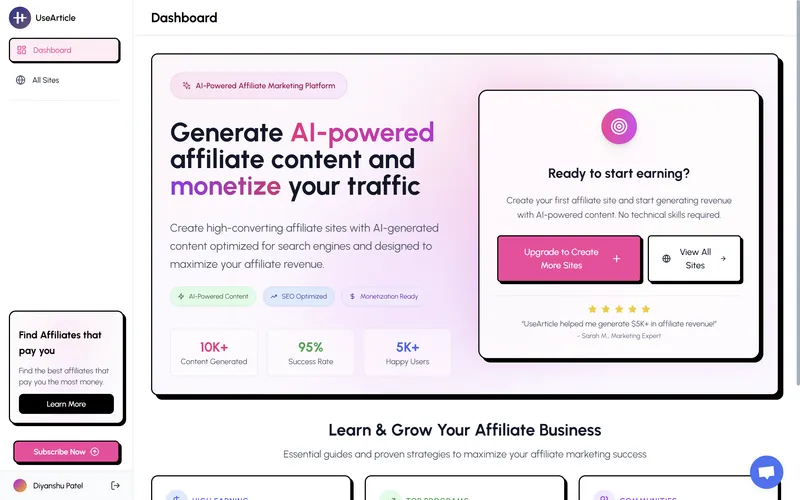
UseArticle
AI-powered content creation and management platform that helps teams produce high-quality articles at scale.
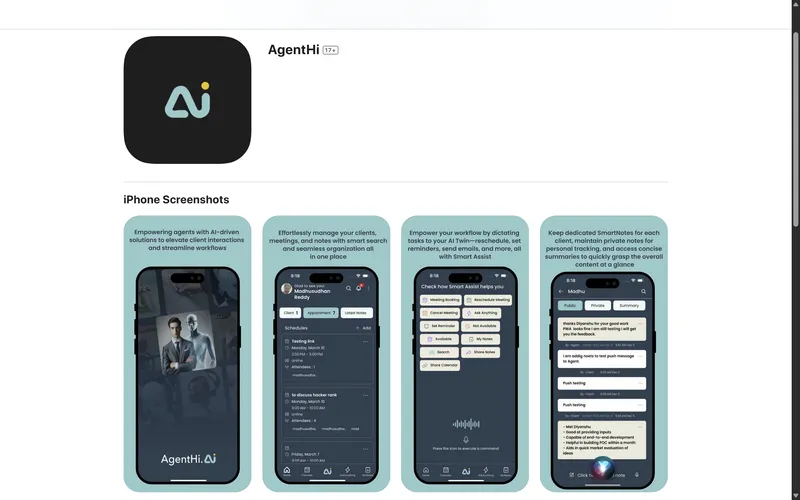
AgentHi
Intelligent virtual assistant that streamlines customer support and automates routine business tasks.
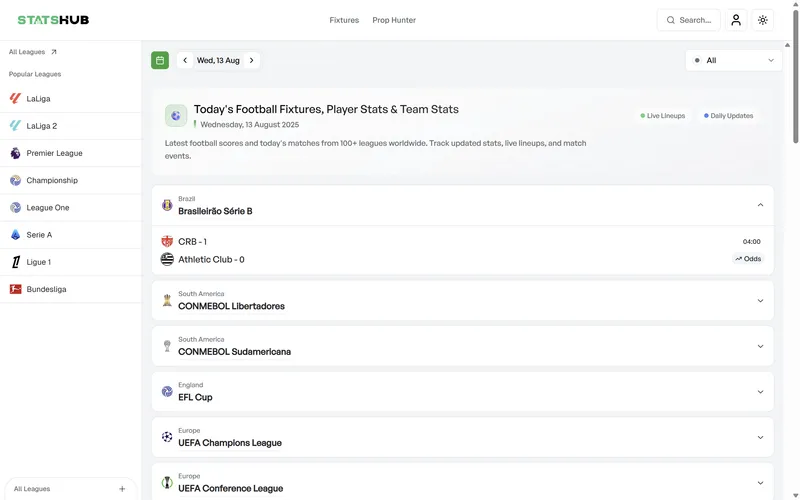
StatsHub
Comprehensive analytics dashboard providing real-time insights and data visualization for businesses.
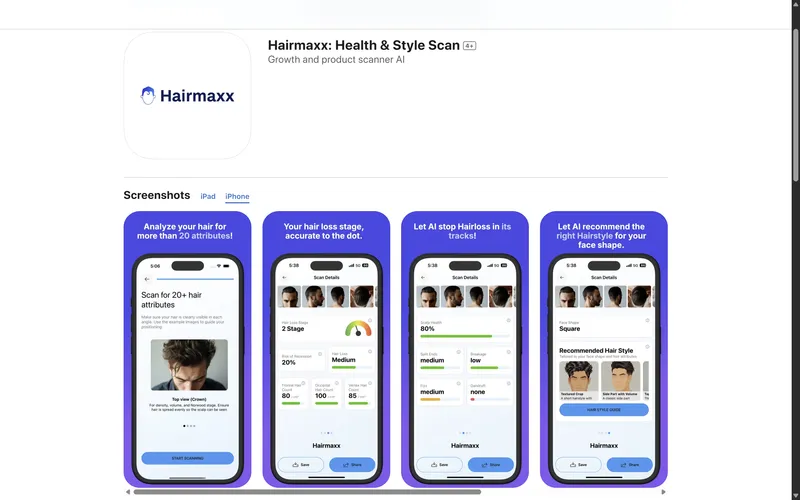
Harimaxx
Personal fitness companion with AI-driven workout plans and nutrition tracking for optimal health.
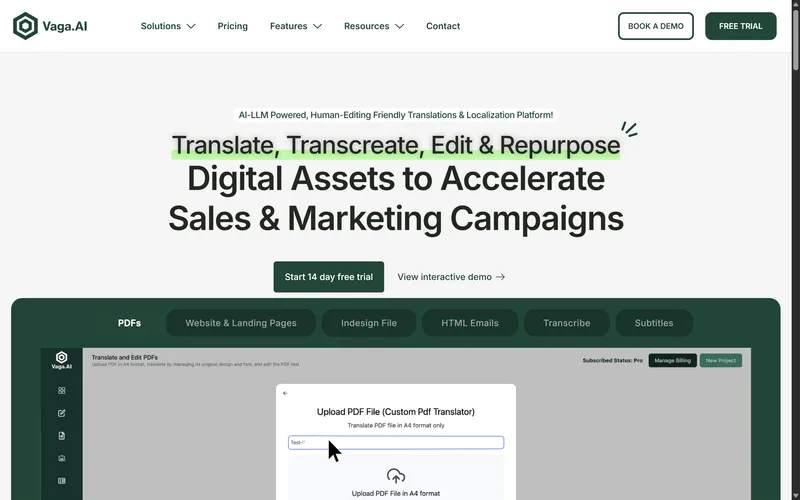
Vaga
Smart travel planning app that curates personalized itineraries and local experiences.
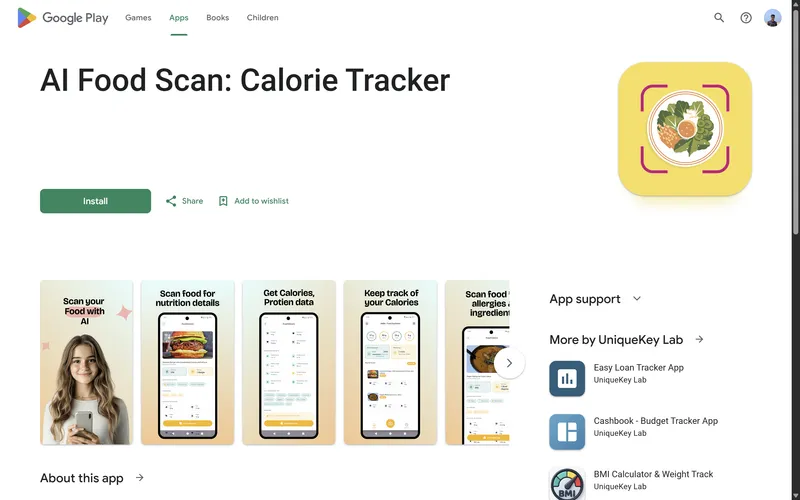
FoodScan
Nutrition analysis app that scans food items and provides detailed nutritional information instantly.
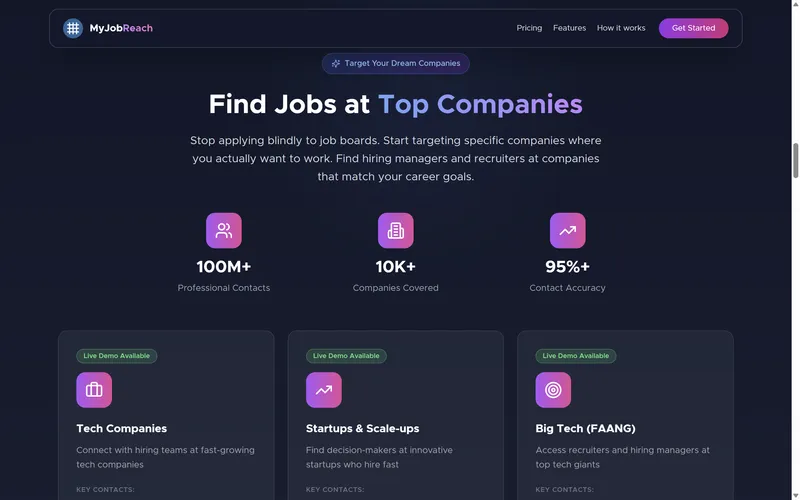
MyJobReach
Job matching platform connecting talented professionals with their dream opportunities.
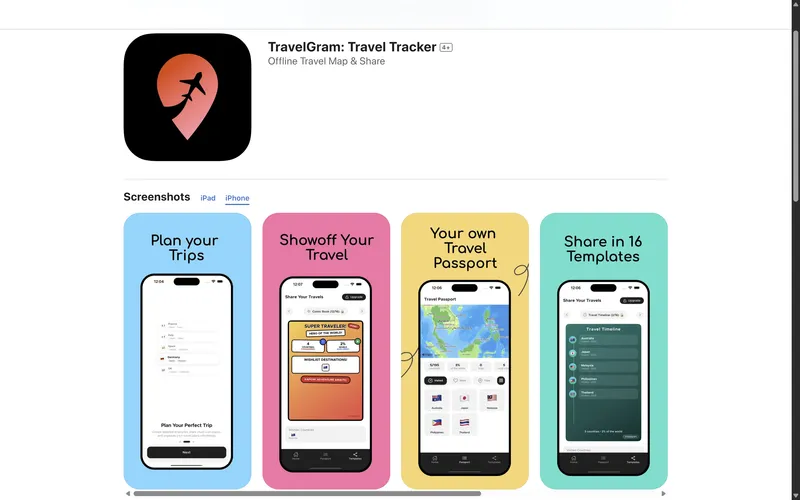
TravelGram
Social platform for travelers to share experiences, discover destinations, and connect globally.
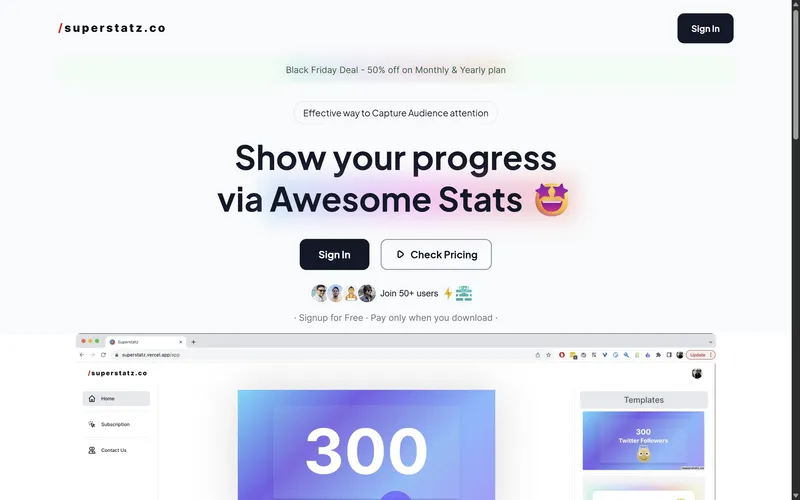
SuperStatz
Advanced sports statistics platform delivering in-depth analysis and performance metrics.
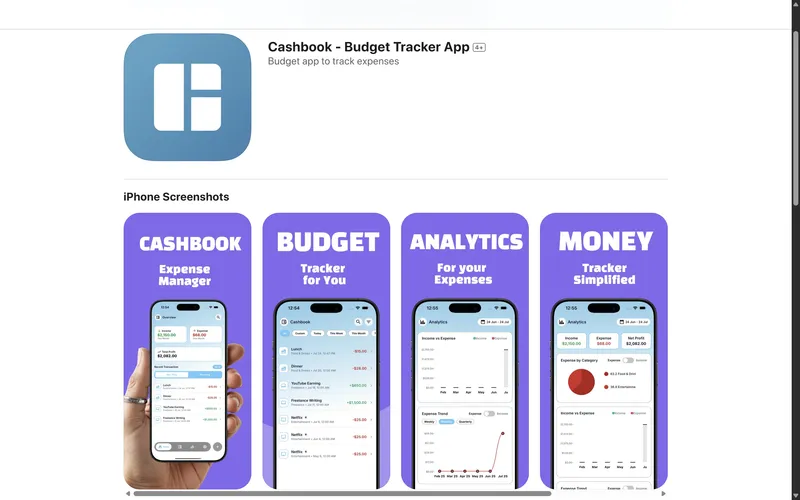
Cashbook
Simple expense tracking and budgeting app that helps users manage their finances effortlessly.
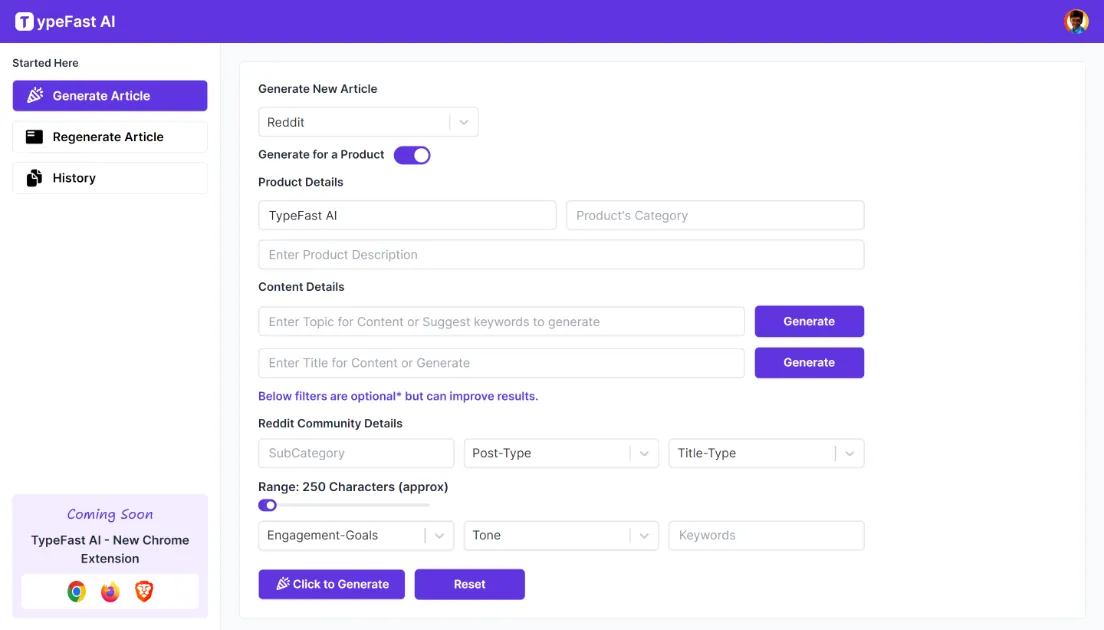
TypeFast
Typing speed improvement platform with gamified lessons and real-time performance tracking.
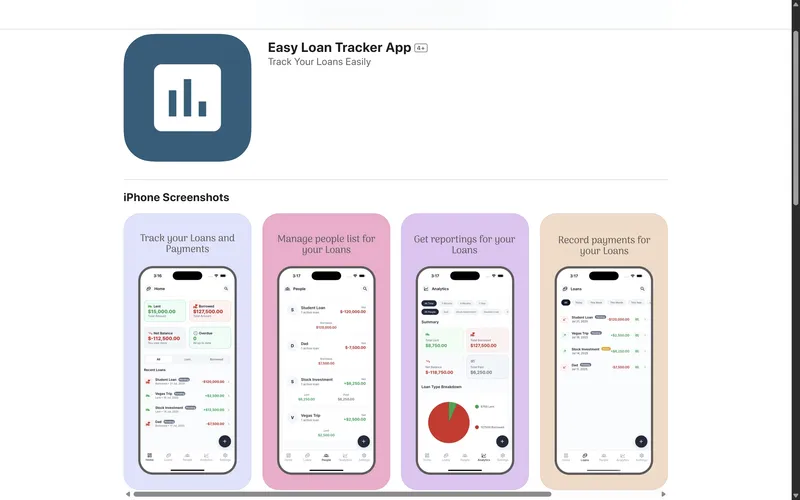
Easy Loan
Streamlined loan management system that simplifies borrowing and lending processes.
Explore Related Content
Discover more services, case studies, and insights
MVP Development Agency
An MVP development agency that ships production MVPs in 2-3 weeks at a fixed price. See our process, senior team, fixed-scope guarantee, and honest pricing.
Fixed-Price MVP Packages
Know exactly what you'll pay before we start. Our fixed-price MVP packages deliver production-ready AI products in 2–3 weeks with no hidden fees, no scope creep, and no billing surprises.
Agent Development Kit vs LangChain for AI Agents
Google's Agent Development Kit vs LangChain for production AI agents: orchestration, tooling, observability, and lock-in, compared by a studio that ships agents.
Agile vs Waterfall vs AI-Native Delivery
Agile vs waterfall vs AI-native delivery compared for startup speed: where each method wins, where it stalls, and how AI-assisted workflows shift the tradeoffs.
AI Agent Development Services
SpeedMVPs builds custom AI agents for enterprises and startups. Autonomous AI agents, multi-agent systems, and AI workflow automation.
iOS App Consulting
Expert iOS consulting for startups and product teams. We help you define the right architecture, make the right technology choices, and ship iOS apps that perform on day one, without the costly mistakes that come from building alone.
SwiftUI Development
Production-grade SwiftUI apps built by engineers who live in the framework. We ship clean, testable SwiftUI code that works across iPhone, iPad, and Mac, delivered in weeks, not months.
How to Develop an AI-Driven Mobile App
A step-by-step guide to developing an AI-driven mobile app: defining the use case, choosing on-device vs cloud AI, picking your stack, building the model, and shipping.
Build an MVP Without a Developer Using AI
An honest 2026 playbook for non-technical founders: which AI no-code tools can actually build an MVP, where they break (auth, payments, scale), and when to bring in engineers.
AI Agent MVP Cuts Apex Procurement Costs 35%
AI agent MVP acting as invisible workforce with AI-powered invoice processing, negotiation assist, and workflow automation agents that smoothly integrated with existing systems.
Ready to Build Your MVP?
Schedule a complimentary strategy session. Transform your concept into a market-ready MVP within 2-3 weeks. Partner with us to accelerate your product launch and scale your startup globally.