
Agile vs Waterfall vs AI-Native Delivery
Agile vs waterfall vs AI-native delivery compared for startup speed: where each method wins, where it stalls, and how AI-assisted workflows shift the tradeoffs.
What You Need to Know
Most "agile vs waterfall" articles were written for teams shipping enterprise software on quarterly release trains. That framing is nearly useless for a founder trying to get a first product in front of users this month. This page compares all three delivery models, waterfall, agile, and the newer AI-native workflow, through one lens: how fast can a small team turn an idea into something real users can touch, and what does each approach cost you when the plan turns out to be wrong? The honest answer is that the methodology matters far less than most people think, and the parts that do matter have quietly changed now that AI can generate, review, and test a large share of the code.
Waterfall in one sentence: decide everything up front, then build it in sequence, requirements, design, implementation, testing, launch, with each phase signed off before the next begins. For a startup MVP this is almost always the wrong default, because its core assumption is that you already know what to build. You don't. The value of waterfall shows up only when the requirements genuinely cannot change mid-flight: a regulated integration, a fixed hardware deadline, a contract with defined acceptance criteria. In those cases the up-front rigor is a feature, not a bug. Everywhere else, the long gap between "we decided" and "users reacted" is exactly the risk you're trying to avoid.
Agile is the reasonable default, and it earned that status honestly. Ship a thin slice, put it in front of users, learn, adjust, repeat in short cycles. The point of agile for a startup was never the ceremony, standups, story points, two-week sprints, it was shortening the feedback loop between a decision and evidence about that decision. Where agile goes wrong for early-stage teams is when the process overhead outweighs the team size. A three-person startup running full Scrum with sprint planning, retros, and a backlog grooming meeting is performing agile theater. Keep the feedback loop; drop the ritual you don't need.
AI-native delivery is the model we actually run, and it's less a new philosophy than a change in the economics underneath agile. When an engineer can scaffold a feature, generate the tests, and get a first working draft in an afternoon instead of a week, the bottleneck moves. Writing code stops being the constraint; deciding what's correct, reviewing it, and validating it against real user behavior becomes the constraint. That single shift changes the tradeoffs of every methodology. The cost of building the wrong thing drops, so you can afford to build a real version instead of a mockup to test an idea, but the cost of shipping something subtly broken stays exactly the same, because AI-generated code fails in ways that look plausible.
Here is the candid part most vendors won't say: AI-native does not mean "the AI builds your product while you watch." It means experienced engineers use AI to compress the mechanical work, boilerplate, CRUD, glue code, first-pass tests, migrations, and spend the reclaimed time on the judgment that AI is bad at: architecture that won't collapse at scale, security boundaries, data modeling, and deciding which of three plausible implementations is actually right. On our own builds the generation is fast and the review is where the hours go. A team that skips the review to move faster ships a demo that breaks the first time a real user does something unexpected. Speed without senior review is not AI-native delivery; it's technical debt with a shorter fuse.
So which model wins on speed? For a genuine MVP, the ranking is AI-native, then lean agile, then waterfall, but the gap between the first two is smaller than the marketing suggests, and both crush waterfall not because they're inherently faster but because they fail cheaper. The real speed advantage of AI-native shows up in the parts of a build that used to be pure grind: standing up auth, wiring a payment flow, generating an admin panel, writing the integration tests nobody wants to write. Those tasks compress dramatically. The parts that don't compress, understanding your users, choosing the right architecture, and reviewing for correctness, are also the parts that determine whether the product survives contact with reality.
A practical way to choose: use waterfall only when the requirements are contractually or physically fixed and cannot change. Use lean agile, short loops, minimal ceremony, when you're exploring a market and expect the spec to move. Layer AI-native execution on top of whichever you pick, because it's an implementation technique, not a competing philosophy; you can run AI-assisted development inside a waterfall contract or a two-week sprint equally well. The failure mode to avoid in all three is the same: a long stretch of building with no user in the loop. Whatever keeps that gap short is the right process for you.
This is how we work at SpeedMVPs. We've shipped 18+ AI MVPs by pairing 15+ engineers with an AI-native workflow, typically landing a production-ready first version in 2-3 weeks with 100% code ownership handed to the client. The 2-3 week figure isn't a methodology trick: it's the result of compressing the mechanical build with AI while keeping senior engineers on the architecture and review, and keeping real user feedback in the loop from week one rather than saving it for a launch that's three months out.
What You'll Get
Methodology Fit Assessment
A candid read on whether your product needs waterfall rigor, lean agile loops, or AI-native execution: mapped to your constraints, deadline, and how fixed the spec really is.
AI-Native MVP Build
Production-ready first version in 2-3 weeks: AI-compressed mechanical work with senior engineers owning architecture, security, and review, plus 100% code ownership handed to you.
Short-Loop Delivery Cadence
A lightweight cadence that keeps real users in the loop from week one: the feedback discipline of agile without the ceremony overhead a small team can't afford.
FAQ
Is agile or waterfall better for startup product development speed?
For a startup MVP, lean agile almost always beats waterfall: not because it writes code faster, but because it fails cheaper. Waterfall commits you to a full spec before any user reacts, so if the plan is wrong you find out at launch. Agile shortens that feedback loop to days. Waterfall only wins when requirements are genuinely fixed, like a regulated integration or a contract with defined acceptance criteria. If you expect to learn and adjust, short agile loops get you to the right product faster.
What does "AI-native development methodology" actually mean?
It means experienced engineers use AI to compress the mechanical work, boilerplate, CRUD, glue code, first-pass tests, migrations, and reinvest the saved time in judgment AI is bad at: architecture, security boundaries, data modeling, and reviewing for correctness. It is not the AI building your product unattended. Generation gets fast; review becomes the real bottleneck, because AI code fails in plausible-looking ways. Practically, AI-native is an execution technique you layer on top of agile or even waterfall: not a competing philosophy.
Which methodology is fastest for building an MVP?
For a real MVP the order is AI-native, then lean agile, then waterfall, but the gap between the first two is smaller than the hype implies. AI-native's speed advantage is concentrated in grind work: standing up auth, wiring payments, generating an admin panel, writing integration tests. Those compress dramatically. The parts that don't compress, understanding users, choosing architecture, reviewing correctness, are also the parts that decide whether the product survives real usage, so they still take real time.
Can AI-native development be combined with agile or waterfall?
Yes: that's the point. AI-native is an implementation approach, not a project-management philosophy, so it sits underneath whichever process you choose. You can run AI-assisted development inside a fixed-scope waterfall contract or inside two-week agile sprints equally well. The methodology decides how you plan and when you get feedback; the AI-native layer decides how fast the mechanical build goes. The failure mode to avoid in all three is the same: a long build with no user in the loop.
Does AI-assisted development mean lower quality or more bugs?
Only if you skip the review. AI generates code fast, but it fails in ways that look correct until a real user does something unexpected. The quality comes from senior engineers reviewing, hardening, and validating what's generated: security, edge cases, architecture that scales. Done right, AI-native frees experienced engineers from boilerplate so they spend more time on the judgment calls that prevent bugs, not less. Speed without senior review isn't AI-native delivery; it's technical debt with a shorter fuse.
How does SpeedMVPs choose a methodology for a project?
We start from your constraints, not a favorite process. If requirements are contractually or physically fixed, we bring waterfall-style rigor to the parts that need it. If you're exploring a market and expect the spec to move, we run short, low-ceremony loops with users in from week one. Either way we execute AI-native to compress the mechanical build. That combination is how we've shipped 18+ AI MVPs, typically landing a production-ready first version in 2-3 weeks with 100% code ownership handed to the client.
Trusted by Global Companies Building AI Products
We've helped startups and enterprises worldwide transform their AI ideas into production-ready MVPs in 2–3 weeks. From fintech platforms to AI assistants, our global MVP development services have launched 18+ AI products serving users across the US, Europe, and Asia.
Portfolio: AI Products Built for Global Startups
From content platforms and AI assistants to analytics dashboards and fintech solutions: see how we've transformed ideas into production-ready MVPs in 2-3 weeks across diverse industries. Each product launched successfully, serving users globally.
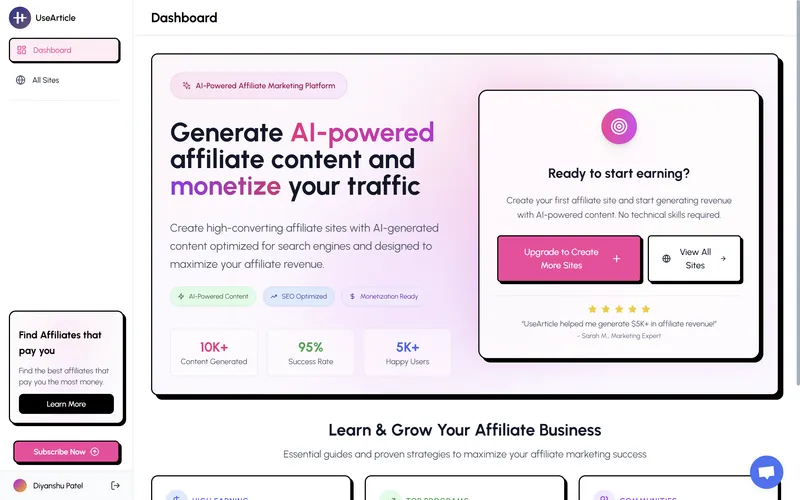
UseArticle
AI-powered content creation and management platform that helps teams produce high-quality articles at scale.
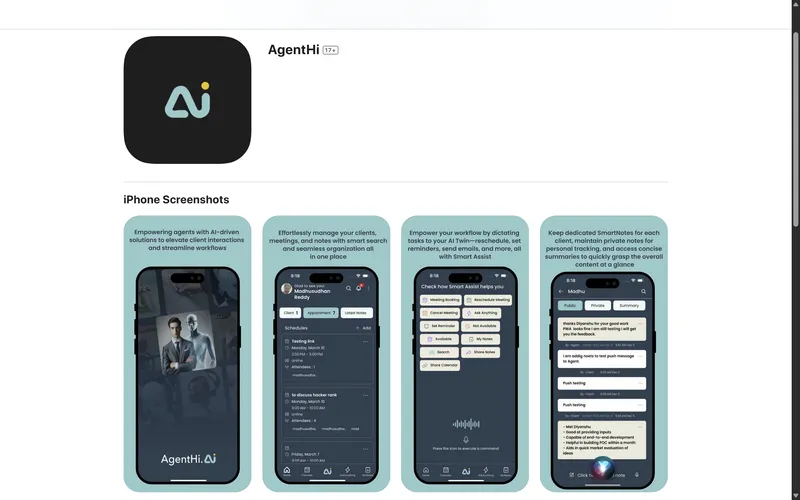
AgentHi
Intelligent virtual assistant that streamlines customer support and automates routine business tasks.
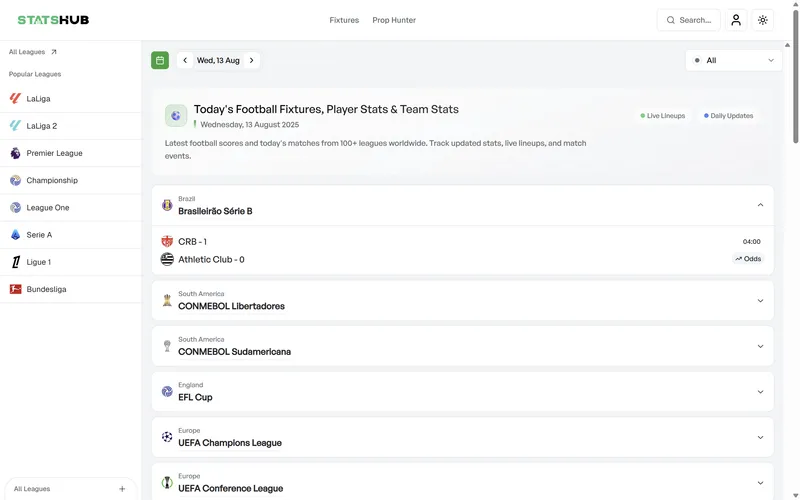
StatsHub
Comprehensive analytics dashboard providing real-time insights and data visualization for businesses.
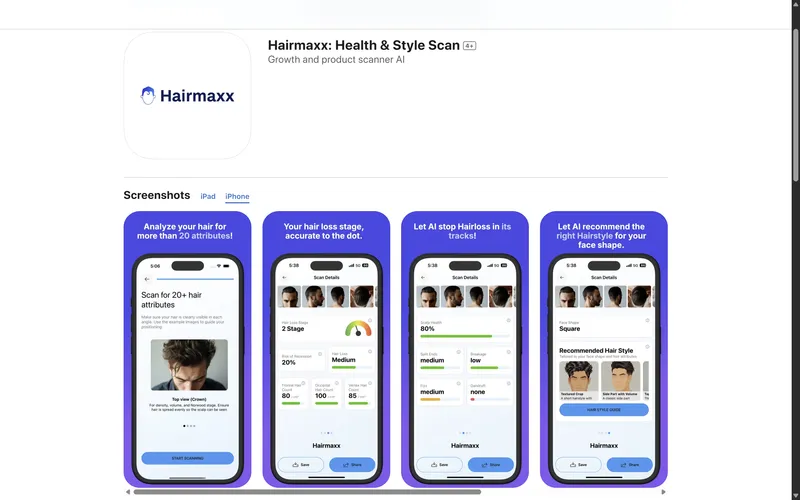
Harimaxx
Personal fitness companion with AI-driven workout plans and nutrition tracking for optimal health.
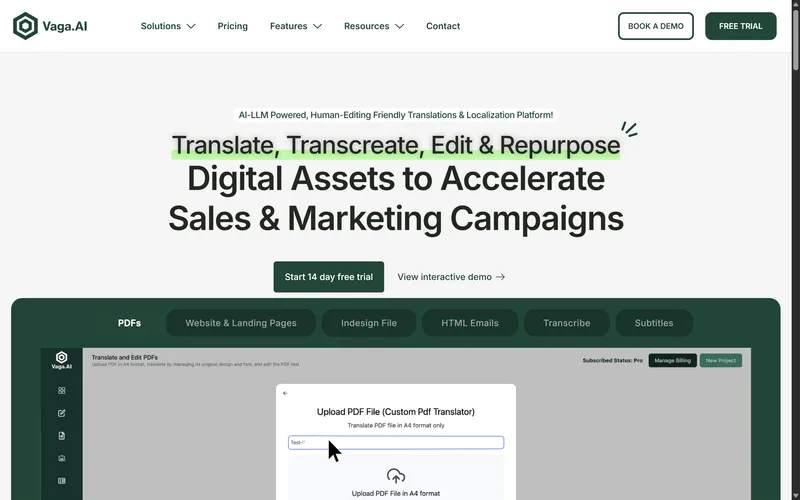
Vaga
Smart travel planning app that curates personalized itineraries and local experiences.
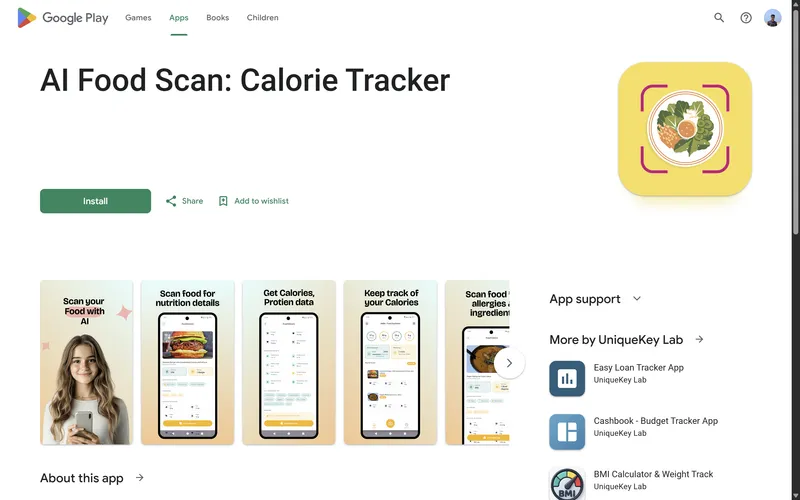
FoodScan
Nutrition analysis app that scans food items and provides detailed nutritional information instantly.
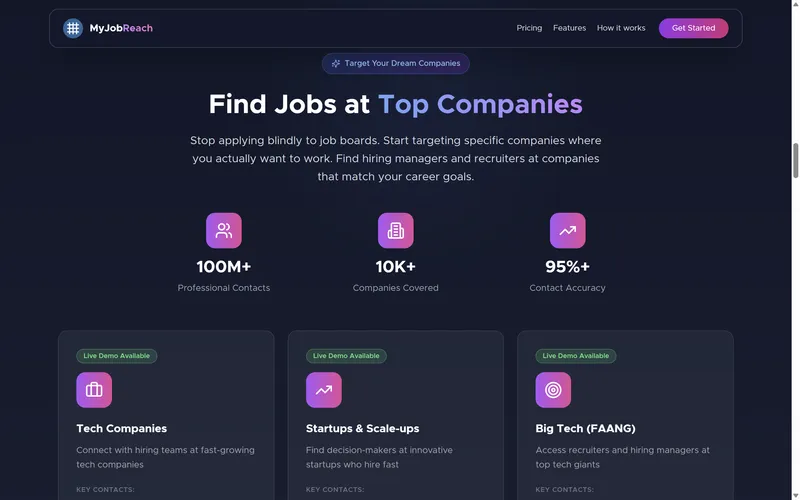
MyJobReach
Job matching platform connecting talented professionals with their dream opportunities.
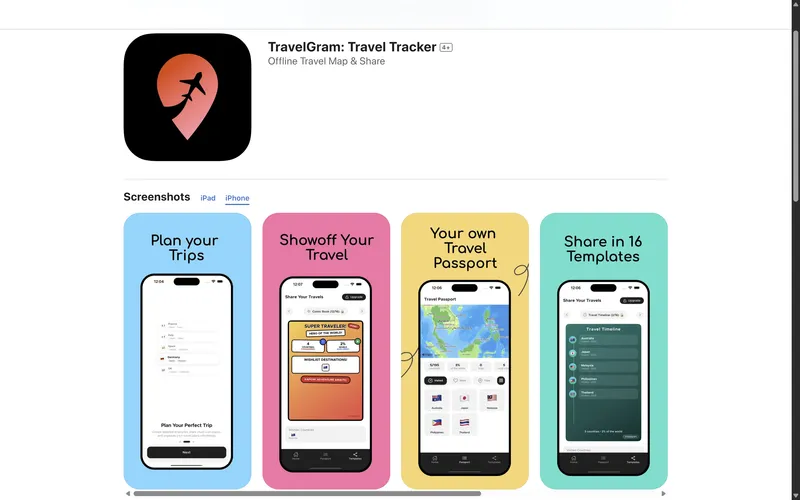
TravelGram
Social platform for travelers to share experiences, discover destinations, and connect globally.
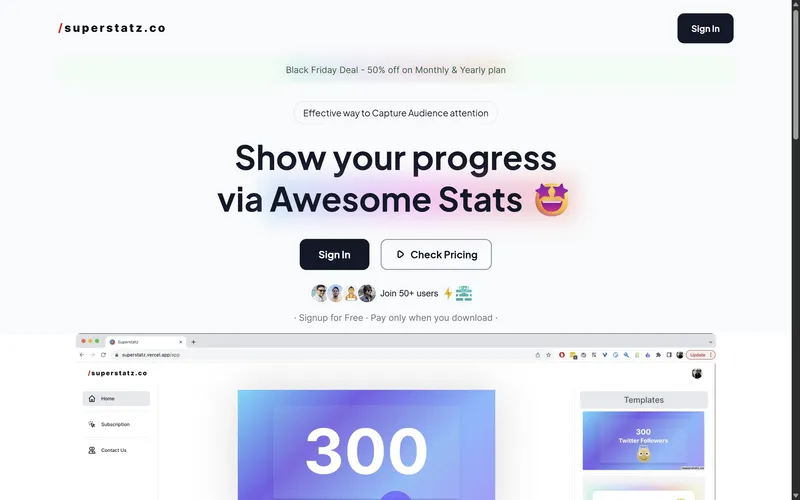
SuperStatz
Advanced sports statistics platform delivering in-depth analysis and performance metrics.
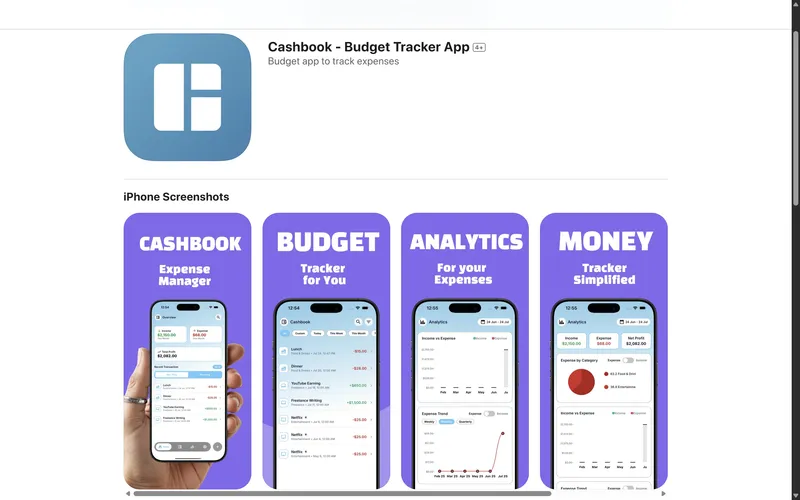
Cashbook
Simple expense tracking and budgeting app that helps users manage their finances effortlessly.
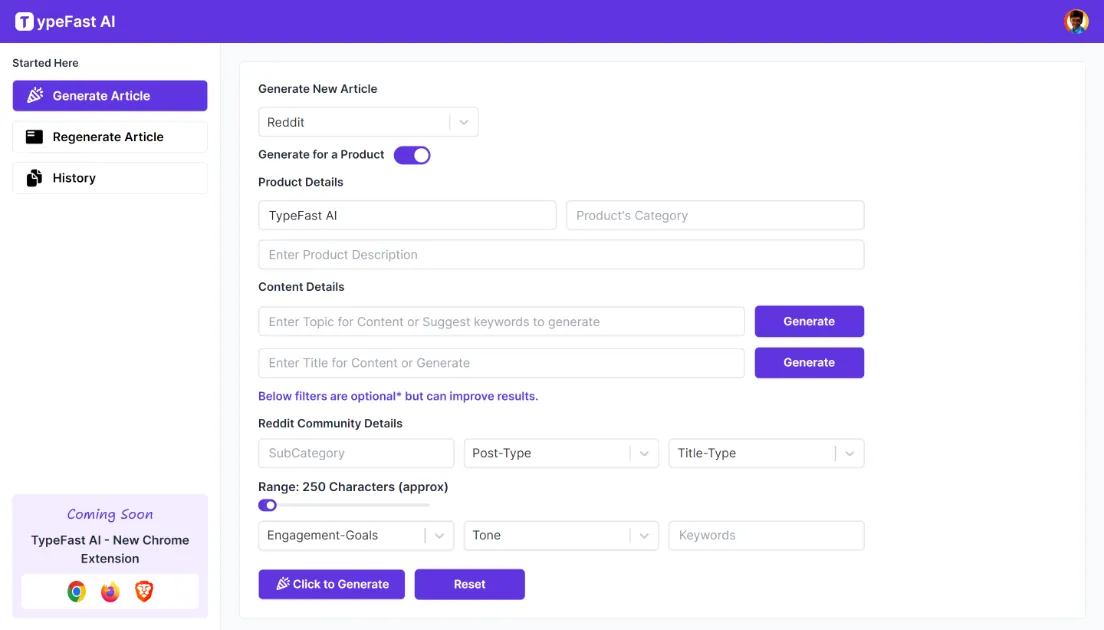
TypeFast
Typing speed improvement platform with gamified lessons and real-time performance tracking.
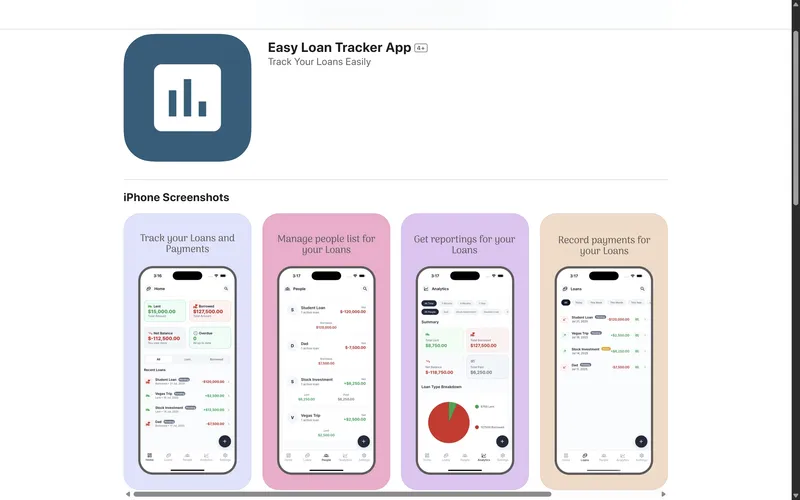
Easy Loan
Streamlined loan management system that simplifies borrowing and lending processes.
Explore Related Content
Discover more services, case studies, and insights
MVP vs Prototype: Which One Should You Build First?
MVP vs prototype: a decision guide for funded startups and enterprise product teams. Compare cost, timeline, and purpose, then see which to build first.
AI Agent Development Services
SpeedMVPs builds custom AI agents for enterprises and startups. Autonomous AI agents, multi-agent systems, and AI workflow automation.
AI Analytics Dashboards
AI-powered analytics dashboards that turn scattered data into clear, decision-ready insights. Built on top of your existing tools in weeks, not quarters.
AI Analytics Dashboards in Argentina
AI Analytics Dashboards for teams in Argentina. AI MVP partner for funded startups and enterprises, ship automation, copilots, and dashboards in 2-3 weeks across Buenos Aires, Córdoba, Rosario.
iOS App Consulting
Expert iOS consulting for startups and product teams. We help you define the right architecture, make the right technology choices, and ship iOS apps that perform on day one, without the costly mistakes that come from building alone.
Design Systems
Build a scalable design system that connects your design and engineering teams. We create token-driven component libraries, Figma systems, and living documentation, so your product ships faster and looks consistent everywhere.
How AI Agencies Ensure Quality at Speed
How top AI development agencies ship quality, scalable products in 2-3 weeks: senior engineers, AI-assisted workflows with human review, production-grade architecture, and automated testing under real deadlines.
Build an MVP Without a Developer Using AI
An honest 2026 playbook for non-technical founders: which AI no-code tools can actually build an MVP, where they break (auth, payments, scale), and when to bring in engineers.
AI MVP Takes NovaSense From Idea to Industry Leader
AI MVP with real-time sentiment extraction, intelligent noise filtering, and interactive dashboards, followed by strategic scaling with modular microservices architecture and cloud autoscaling.
AI Route Optimization Cuts Delivery Costs 34%
We built an AI logistics optimisation layer that uses ML-based route scoring, demand forecasting, and real-time re-routing to reduce cost-per-delivery by 34% and improve on-time performance.
Ready to Build Your MVP?
Schedule a complimentary strategy session. Transform your concept into a market-ready MVP within 2-3 weeks. Partner with us to accelerate your product launch and scale your startup globally.