
Agent Development Kit vs LangChain for AI Agents
Google's Agent Development Kit vs LangChain for production AI agents: orchestration, tooling, observability, and lock-in, compared by a studio that ships agents.
What You Need to Know
**The real question** is not which framework is 'better': it is which one matches how you want to structure, deploy, and maintain an agent. Google's Agent Development Kit (ADK), open-sourced in 2025, and LangChain, around since late 2022, approach the same problem from opposite ends. ADK ships opinionated, code-first agent primitives and a hierarchy model built for multi-agent systems. LangChain ships breadth, hundreds of integrations, plus LangGraph, its lower-level graph runtime that is now the serious path for building agents. Picking wrong costs you weeks of refactoring later, so it is worth understanding where each actually fits before you write the first tool.
**Orchestration is the clearest dividing line.** ADK gives you explicit workflow agents, SequentialAgent, ParallelAgent, and LoopAgent, that you compose alongside LLM-driven delegation, where a coordinator agent routes to sub-agents dynamically. It is a hierarchy-first mental model: agents own tools and can hand off to other agents. LangGraph instead asks you to define a state machine directly, nodes, edges, conditional routing, and a shared state object, with first-class checkpointing so a run can pause, persist, and resume. If you want batteries-included multi-agent structure, ADK is faster to stand up. If you want to hand-draw every transition and control loops precisely, LangGraph gives you more rope.
**Tooling and integrations favor LangChain by sheer volume.** After years of community contributions, LangChain has connectors for nearly every vector store, model provider, loader, and third-party API you are likely to reach for, and most StackOverflow answers and tutorials assume it. ADK's native catalog is smaller but pragmatic: built-in Google tools (Search, Code Execution), OpenAPI and MCP support, Google Cloud integrations, and, importantly, the ability to wrap existing LangChain and CrewAI tools directly. So the integration gap is narrower than it looks: you can pull a LangChain tool into an ADK agent when you need one that ADK does not ship.
**Observability is where the commercial reality shows up.** LangChain's LangSmith is genuinely best-in-class for tracing, prompt debugging, and evaluation datasets, but the full experience is a paid SaaS, and the deepest ergonomics assume you adopt it. ADK ships a local developer UI for stepping through agent runs, a built-in evaluation framework for scoring trajectories against expected behavior, and traces that flow into Cloud Trace on Google Cloud. Both now speak OpenTelemetry, so neither fully traps your telemetry, but out of the box, ADK leans on Google Cloud observability and LangChain leans on LangSmith. If vendor-neutral tracing matters, plan the OTel path deliberately in either.
**Lock-in comes in two flavors, and each framework has one.** ADK is model-agnostic through LiteLLM, you can run Gemini, GPT, or Claude behind it, but the smoothest deployment and streaming story is on Vertex AI Agent Engine, and the framework is clearly optimized for Gemini and Google Cloud. LangChain has no cloud allegiance and runs anywhere, but you take on framework-level lock-in to its abstractions, and its managed pieces (LangGraph Platform, LangSmith) are commercial. Neither is 'free of lock-in': one ties you toward a cloud, the other toward a framework layer and its paid tooling. Choose the dependency you are comfortable owning.
**Maturity versus cleanliness is a genuine trade.** LangChain has three-plus years of production mileage, the largest community, and the most example code: which means faster answers when you get stuck, at the cost of API churn and the abstraction bloat it has been criticized for. ADK is newer with a smaller community, but the API is coherent and the multi-agent ergonomics feel designed rather than accreted. It also supports bidirectional audio and video streaming natively, which makes it a strong pick for voice agents, and it interoperates over the Agent2Agent (A2A) protocol for agent-to-agent communication across systems.
**When each wins, concretely.** Reach for ADK if you are already on Google Cloud or Gemini-centric, want opinionated multi-agent scaffolding, are building streaming or voice agents, or plan to deploy to Vertex Agent Engine and use A2A interop. Reach for LangChain/LangGraph if you need the widest integration surface, want to stay cloud- and model-neutral, value a deep community and mature tutorials, or need fine-grained graph control with durable checkpointing and human-in-the-loop interrupts. For a straightforward RAG-plus-tools agent, either ships fine; the decision sharpens as your agent count, deployment target, and observability requirements grow.
**How we actually decide when we ship.** As a studio that has delivered 18+ AI MVPs with a team of 15+ engineers, we do not marry a framework: we pick by deployment target and team. If a client's stack lives in Google Cloud and the roadmap is agent-heavy, ADK usually gets them to a clean multi-agent architecture faster. If they need portability, an unusual integration, or already have LangSmith in place, LangChain/LangGraph wins. Either way we keep the agent logic thin and framework-agnostic where it counts, so a framework change is a swap, not a rewrite, and the client keeps 100% code ownership. Most of these builds ship in 2-3 weeks.
What You'll Get
Framework Selection Audit
A concrete ADK-vs-LangChain recommendation scored against your cloud, model choice, integration needs, and observability requirements, with the trade-offs written down.
Production Agent Architecture
A multi-agent design, orchestration model, tool boundaries, state and memory, and human-in-the-loop points, built on the framework that fits, with logic kept portable.
Observability & Eval Setup
Tracing, evaluation datasets, and trajectory scoring wired in from day one, using LangSmith, ADK's eval framework, or vendor-neutral OpenTelemetry as your stack dictates.
FAQ
Is Google's ADK ready to replace LangChain in production?
For the right use case, yes. ADK is used inside Google's own agent products and is production-grade, especially for multi-agent systems, streaming/voice agents, and Vertex Agent Engine deployments. LangChain still wins on integration breadth and community depth. The honest answer is that they are not strictly replacements. ADK is opinionated scaffolding, while LangChain (via LangGraph) is a broader, more mature toolbox. Match the framework to your deployment target rather than assuming one supersedes the other.
Does ADK lock me into Gemini or Google Cloud?
Not strictly. ADK is model-agnostic through LiteLLM, so you can run Gemini, GPT, Claude, or other models behind it. That said, its best deployment and streaming experience is on Vertex AI Agent Engine, and it is clearly optimized for Gemini and Google Cloud. You can run ADK on Cloud Run or anywhere else, but if avoiding Google Cloud is a hard requirement, LangChain's cloud-neutral posture is a cleaner fit.
Can I mix them: use LangChain tools inside ADK?
Yes, and this is underappreciated. ADK can wrap existing LangChain and CrewAI tools directly, so if LangChain has an integration ADK lacks, you can pull it into an ADK agent instead of rebuilding it. That narrows the practical integration gap considerably. It means the choice is less all-or-nothing than it first appears, you can standardize on ADK's orchestration while borrowing LangChain's ecosystem where you need a specific connector.
LangChain or LangGraph, which should I actually use for agents?
For real agents, LangGraph. Classic LangChain chains are fine for linear pipelines, but modern agent work, loops, branching, durable state, checkpointing, and human-in-the-loop interrupts, is what LangGraph was built for, and it is where the LangChain ecosystem is investing. When people compare 'LangChain vs ADK' for agents, the fair comparison on the LangChain side is really LangGraph plus the LangChain integration library underneath it.
Which is easier for a small team to learn?
ADK has a cleaner, more coherent API because it is newer and designed around agents from the start, so a small team often gets a structured multi-agent system running faster. LangChain has a steeper conceptual surface and some API churn, but far more tutorials and community answers when you get stuck. If your team values self-serve documentation and worked examples, LangChain's maturity helps; if they value a tight, opinionated API, ADK is friendlier.
How do you decide which framework to build our agent on?
We decide by deployment target and team constraints, not preference. Google Cloud or Gemini-centric roadmap with heavy multi-agent needs tends toward ADK; portability, unusual integrations, or an existing LangSmith investment tends toward LangChain/LangGraph. We keep the agent's core logic framework-thin so switching later is a swap rather than a rewrite, and you keep 100% code ownership. Most of our agent builds ship in 2-3 weeks regardless of which we choose.
Trusted by Global Companies Building AI Products
We've helped startups and enterprises worldwide transform their AI ideas into production-ready MVPs in 2–3 weeks. From fintech platforms to AI assistants, our global MVP development services have launched 18+ AI products serving users across the US, Europe, and Asia.
Portfolio: AI Products Built for Global Startups
From content platforms and AI assistants to analytics dashboards and fintech solutions: see how we've transformed ideas into production-ready MVPs in 2-3 weeks across diverse industries. Each product launched successfully, serving users globally.
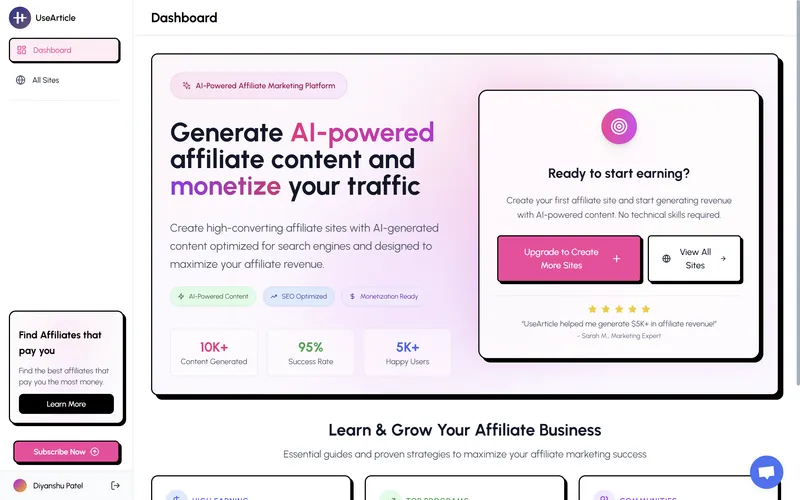
UseArticle
AI-powered content creation and management platform that helps teams produce high-quality articles at scale.
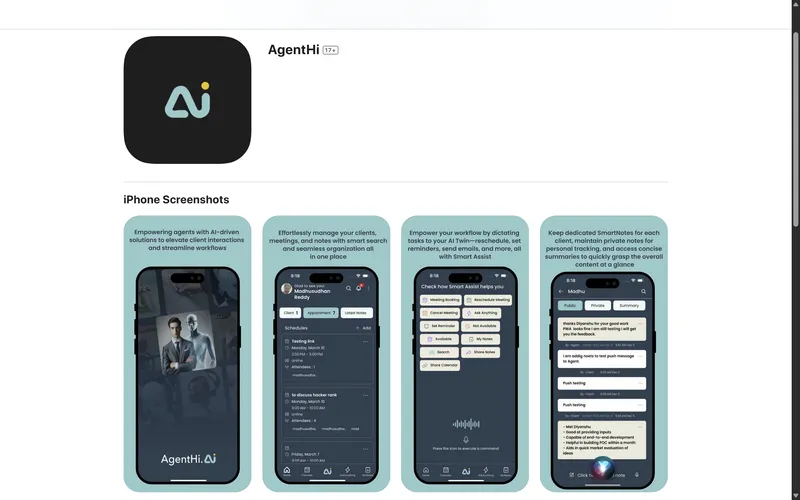
AgentHi
Intelligent virtual assistant that streamlines customer support and automates routine business tasks.
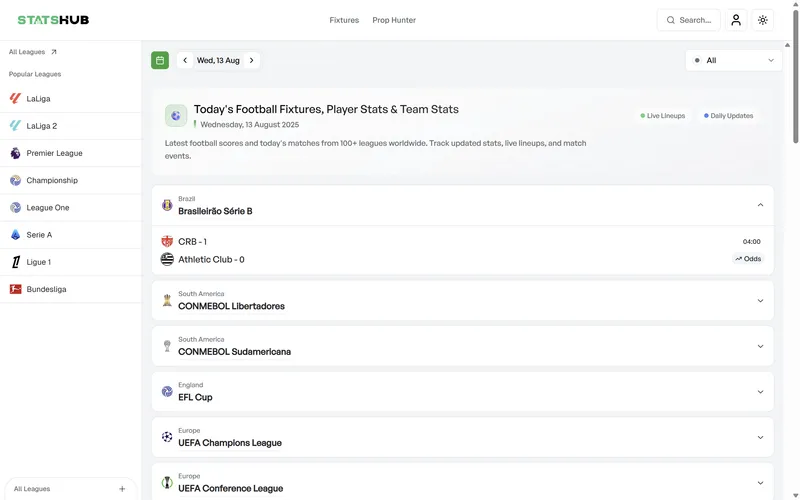
StatsHub
Comprehensive analytics dashboard providing real-time insights and data visualization for businesses.
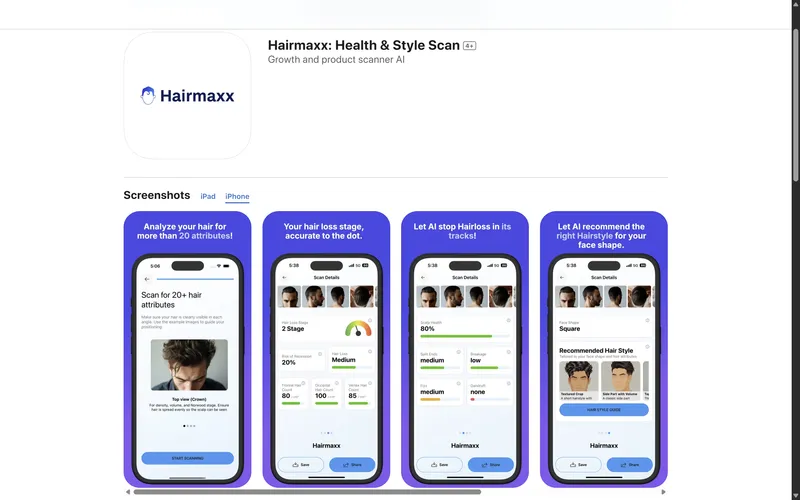
Harimaxx
Personal fitness companion with AI-driven workout plans and nutrition tracking for optimal health.
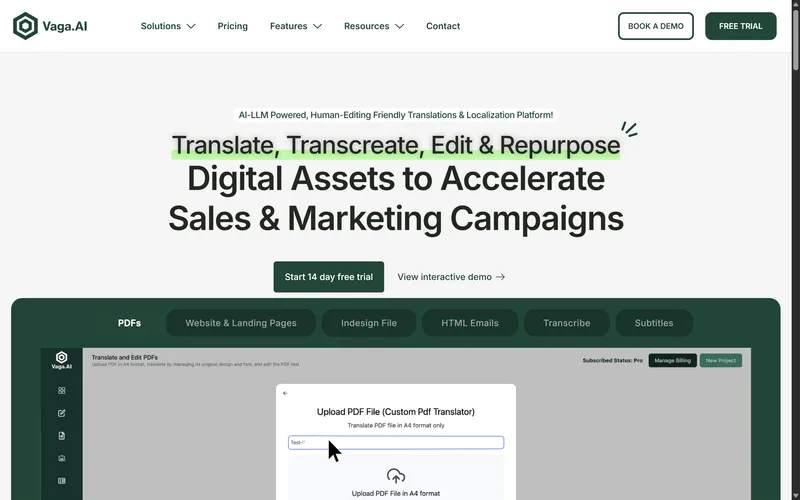
Vaga
Smart travel planning app that curates personalized itineraries and local experiences.
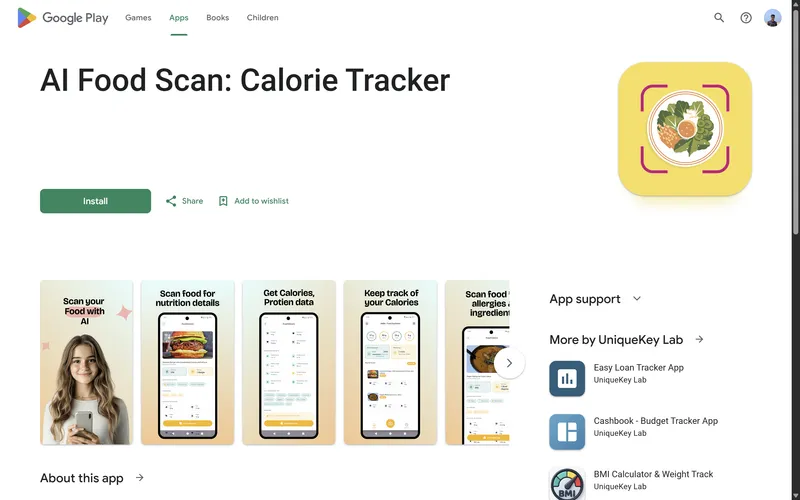
FoodScan
Nutrition analysis app that scans food items and provides detailed nutritional information instantly.
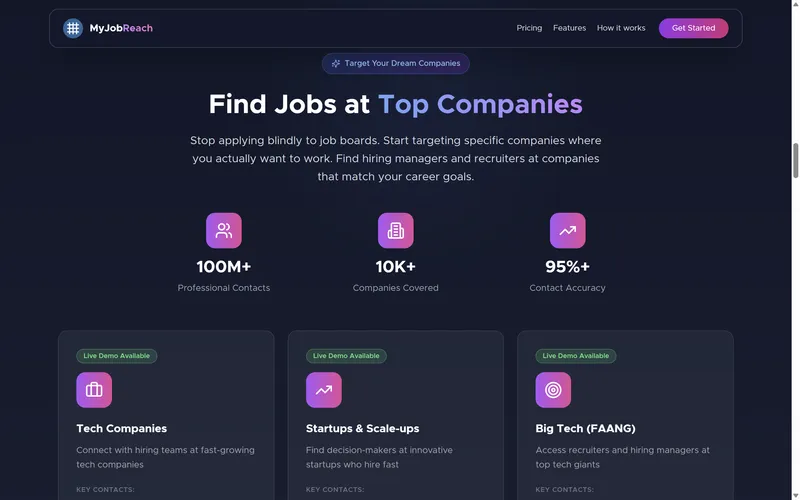
MyJobReach
Job matching platform connecting talented professionals with their dream opportunities.
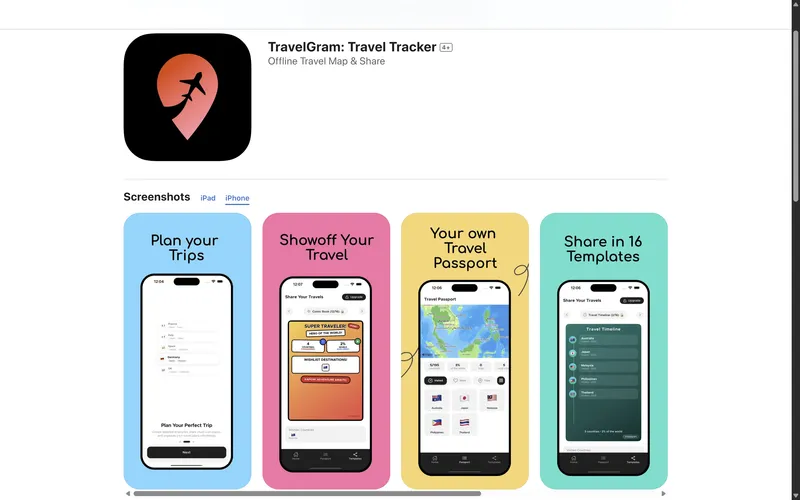
TravelGram
Social platform for travelers to share experiences, discover destinations, and connect globally.
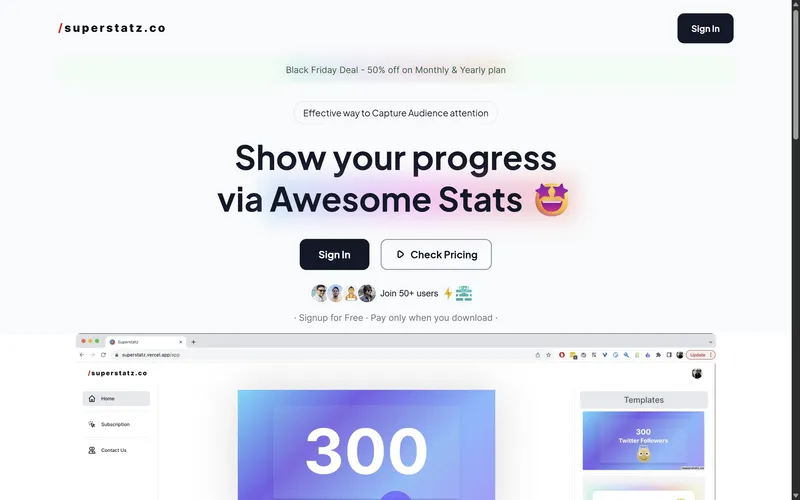
SuperStatz
Advanced sports statistics platform delivering in-depth analysis and performance metrics.
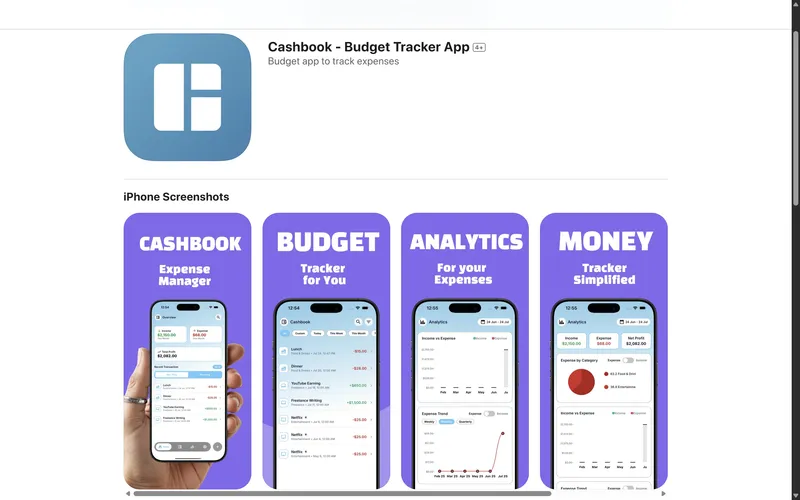
Cashbook
Simple expense tracking and budgeting app that helps users manage their finances effortlessly.
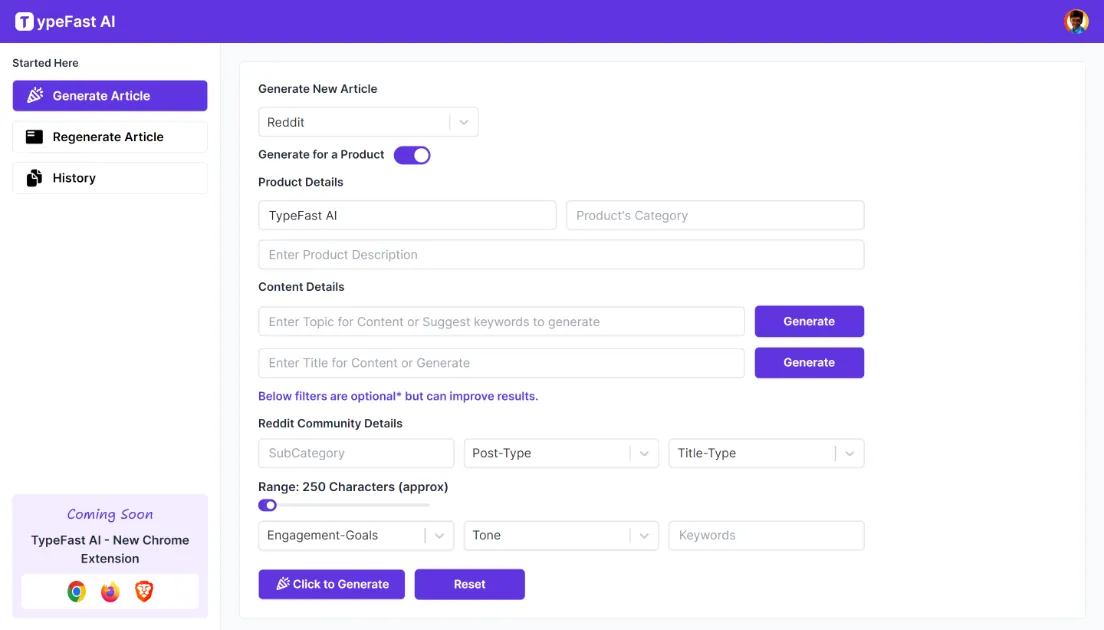
TypeFast
Typing speed improvement platform with gamified lessons and real-time performance tracking.
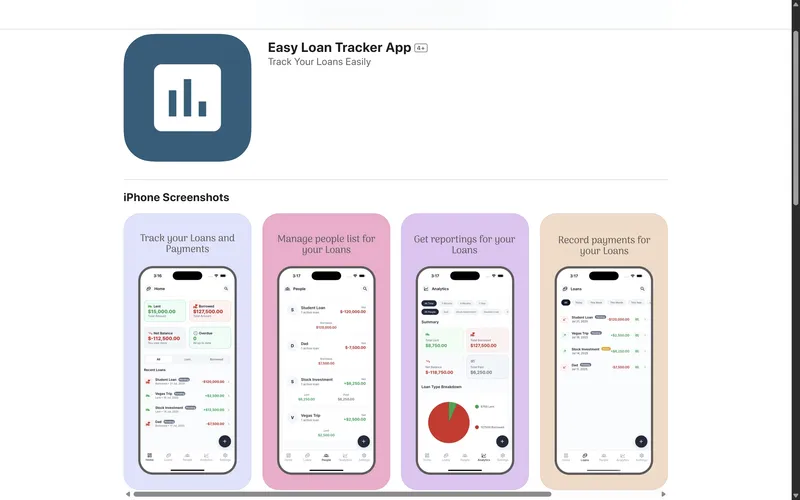
Easy Loan
Streamlined loan management system that simplifies borrowing and lending processes.
Explore Related Content
Discover more services, case studies, and insights
MVP vs Prototype: Which One Should You Build First?
MVP vs prototype: a decision guide for funded startups and enterprise product teams. Compare cost, timeline, and purpose, then see which to build first.
Agile vs Waterfall vs AI-Native Delivery
Agile vs waterfall vs AI-native delivery compared for startup speed: where each method wins, where it stalls, and how AI-assisted workflows shift the tradeoffs.
AI Agent Development Services
SpeedMVPs builds custom AI agents for enterprises and startups. Autonomous AI agents, multi-agent systems, and AI workflow automation.
AI Analytics Dashboards
AI-powered analytics dashboards that turn scattered data into clear, decision-ready insights. Built on top of your existing tools in weeks, not quarters.
AI-Powered MVP Development
Launch a production-ready AI MVP in just 2-3 weeks. Our team blends rapid prototyping with enterprise-grade AI/ML engineering to validate your idea, attract investors, and win early customers.
Design to Code
Turn Figma, Sketch, or Adobe XD designs into production-ready, pixel-perfect code. We bridge the gap between design and engineering, delivering responsive, accessible, and performant front-end code your team can ship immediately.
How AI Agencies Ensure Quality at Speed
How top AI development agencies ship quality, scalable products in 2-3 weeks: senior engineers, AI-assisted workflows with human review, production-grade architecture, and automated testing under real deadlines.
How to Develop an AI-Driven Mobile App
A step-by-step guide to developing an AI-driven mobile app: defining the use case, choosing on-device vs cloud AI, picking your stack, building the model, and shipping.
AI Agent MVP Cuts Apex Procurement Costs 35%
AI agent MVP acting as invisible workforce with AI-powered invoice processing, negotiation assist, and workflow automation agents that smoothly integrated with existing systems.
AI Assistant MVP Cuts Founder Admin Time 78%
A 3-week MVP combining a Gmail/Outlook OAuth pipeline, a thread-aware Claude-backed reply engine, structured tool calls for calendar actions, and a Next.js dashboard. Built with eval-driven prompts so accuracy improvements ship without regressions.
Ready to Build Your MVP?
Schedule a complimentary strategy session. Transform your concept into a market-ready MVP within 2-3 weeks. Partner with us to accelerate your product launch and scale your startup globally.