How to Build an App Like Zoom: Video Infrastructure Reality
What building group video calling involves — SFU vs mesh architecture, bandwidth adaptation, recording, and why you should almost certainly buy instead.
Why mesh fails past three people
The simplest WebRTC topology has everyone send their stream to everyone else. With N participants each device uploads N-1 streams.
At four people that's three uploads per device — already beyond typical home upstream bandwidth, and punishing on mobile CPU and battery. Mesh is viable for one-to-one and nothing more.
SFU is what production uses
A Selective Forwarding Unit means each participant uploads once to a server that forwards streams to everyone else. Upload cost becomes constant regardless of participant count.
What the SFU then has to do well is where the difficulty lives:
- Simulcast — clients publish several quality layers so the server can send each receiver an appropriate one
- Bandwidth estimation per receiver, adapting continuously as networks change
- Active speaker detection, so you forward the streams that matter rather than all of them
- Packet loss recovery through retransmission and forward error correction
- Geographic distribution, because a call routed through the wrong region adds latency nobody can fix client-side
Each of those is a specialist domain. Together they're why video infrastructure companies exist.
The parts people forget
TURN servers. Roughly a fifth of connections can't establish peer-to-peer through NAT and firewalls, and must relay. TURN relay bandwidth is a real, ongoing cost.
Recording means server-side composition of multiple streams into one file — CPU-heavy, storage-heavy, and it creates retention and consent obligations, especially in regulated settings.
Echo cancellation and noise suppression. Browsers provide baseline processing; the perceived quality gap between adequate and excellent audio is larger than for video, and audio problems end calls faster than video problems.
What to demand from a provider
Since you should almost certainly buy — Daily, LiveKit, Twilio, Agora, Vonage — evaluate on: SFU with simulcast, geographic coverage matching your users, recording controls and where recordings are stored, graceful degradation to audio-only, a BAA if healthcare is in scope, and transparent per-minute pricing.
LiveKit is worth noting as open source, so self-hosting stays available if per-minute economics eventually stop working.
When building is defensible
Only when video is the product and you have differentiated requirements — unusual codecs, very large broadcasts, or specialised low-latency needs — plus the team to own it. For a telemedicine, education, or support product, video is a component and buying is correct.
Related builds
- How to build a telemedicine app — BAA-covered video in a clinical flow
- Best video SDK for telemedicine apps
- How to build an eLearning platform
What You'll Get
SFU, never mesh
Constant upload cost regardless of participants.
Provider chosen on real criteria
Simulcast, regions, recording, BAA, per-minute cost.
Audio quality prioritised
Bad audio ends calls faster than bad video.
FAQ
Why can't you build group video with plain WebRTC?
Mesh topology has every participant upload a stream to every other, so four people means three simultaneous uploads per device — beyond typical home upstream bandwidth and punishing on mobile CPU. Production uses an SFU, where each client uploads once to a server that forwards streams, making upload cost constant.
Should I build or buy video infrastructure?
Buy, unless video itself is your product and you have differentiated requirements plus a team to own it. Simulcast, per-receiver bandwidth estimation, packet loss recovery, TURN relay, and geographic distribution are each specialist domains — which is precisely why video infrastructure companies exist.
What should I look for in a video SDK?
SFU with simulcast, geographic coverage matching your users, recording controls including where files are stored, graceful degradation to audio-only on poor networks, a BAA if healthcare is in scope, and transparent per-minute pricing. LiveKit is worth noting as open source, keeping self-hosting available if per-minute economics stop working.
Trusted by Global Companies Building AI Products
We've helped startups and enterprises worldwide transform their AI ideas into production-ready MVPs in 2–3 weeks. From fintech platforms to AI assistants, our global MVP development services have launched 18+ AI products serving users across the US, Europe, and Asia.

Portfolio: AI Products Built for Global Startups
From content platforms and AI assistants to analytics dashboards and fintech solutions—see how we've transformed ideas into production-ready MVPs in 2-3 weeks across diverse industries. Each product launched successfully, serving users globally.
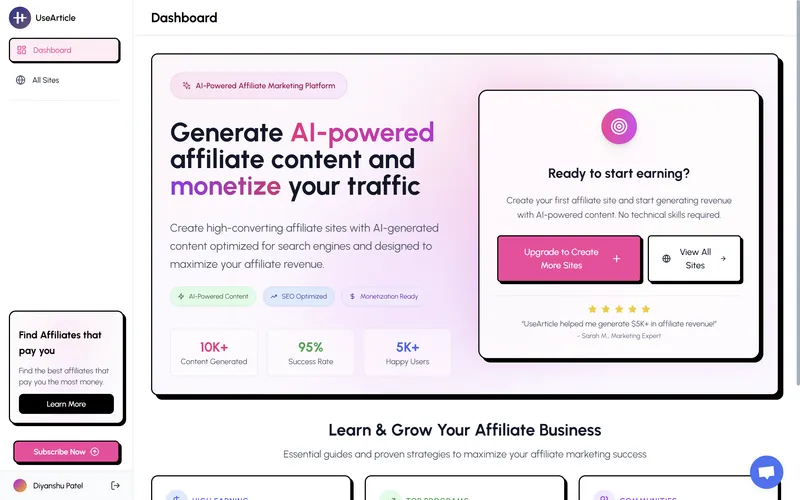
UseArticle
AI-powered content creation and management platform that helps teams produce high-quality articles at scale.
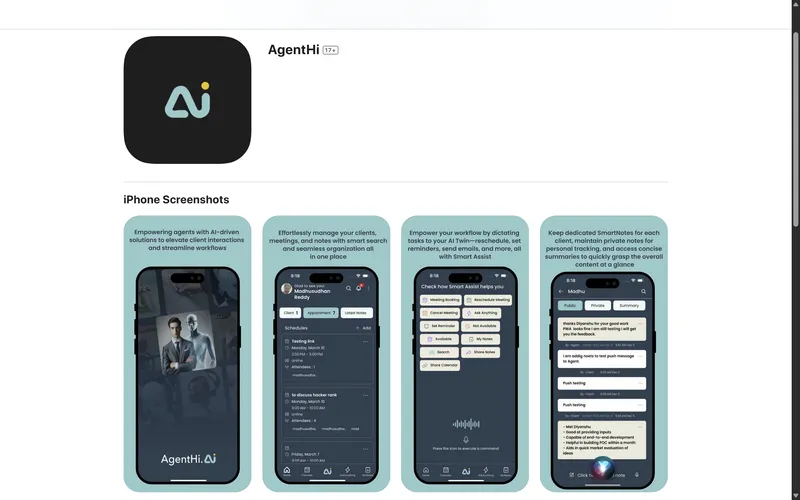
AgentHi
Intelligent virtual assistant that streamlines customer support and automates routine business tasks.
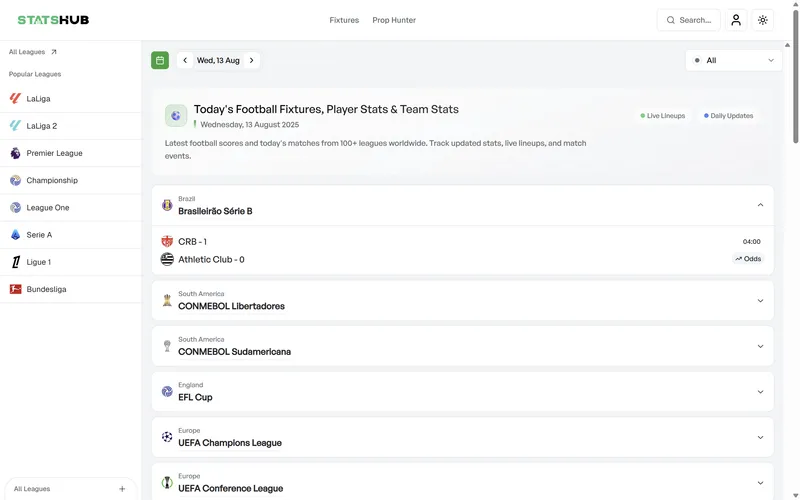
StatsHub
Comprehensive analytics dashboard providing real-time insights and data visualization for businesses.
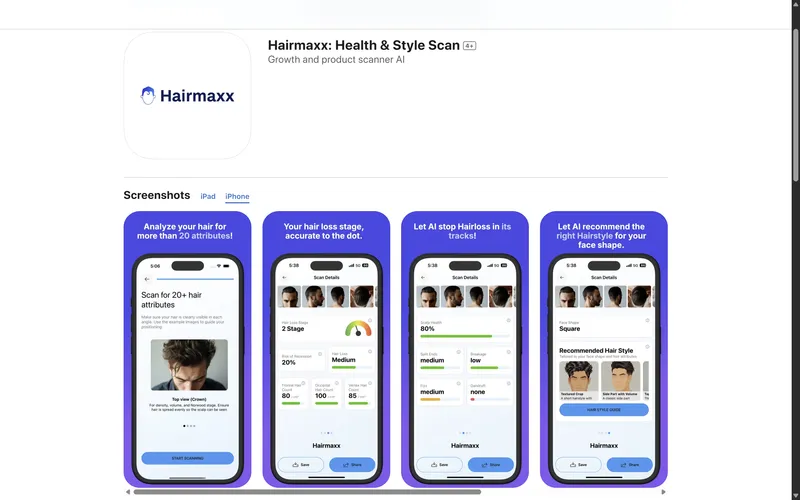
Harimaxx
Personal fitness companion with AI-driven workout plans and nutrition tracking for optimal health.
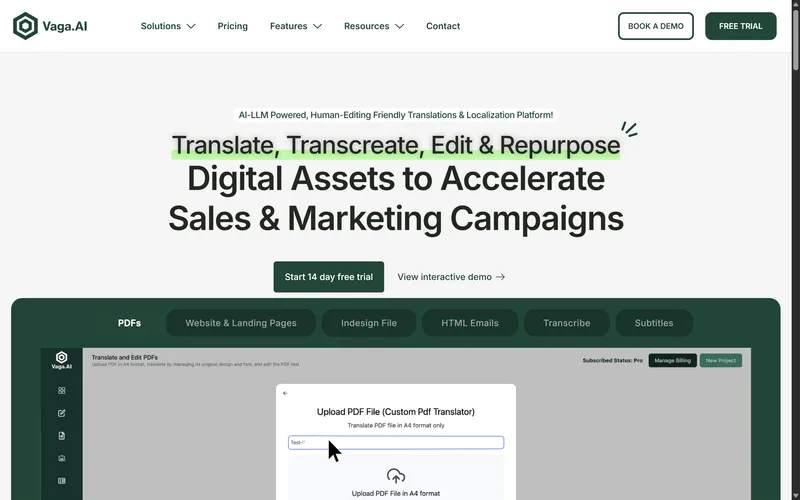
Vaga
Smart travel planning app that curates personalized itineraries and local experiences.
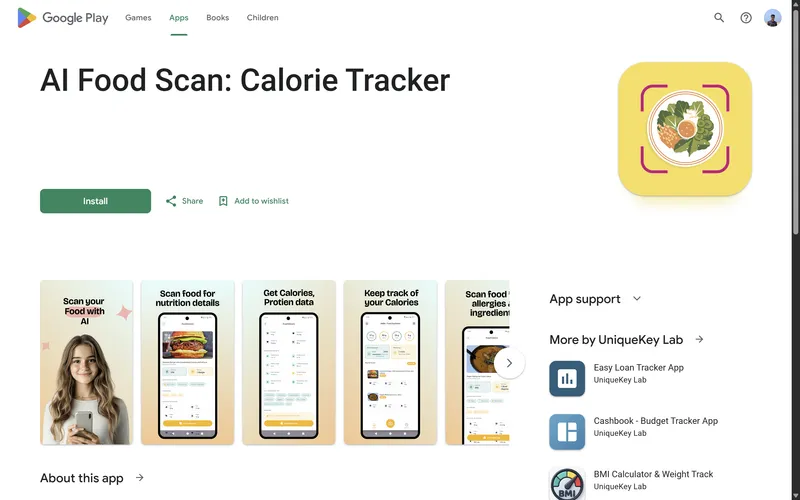
FoodScan
Nutrition analysis app that scans food items and provides detailed nutritional information instantly.
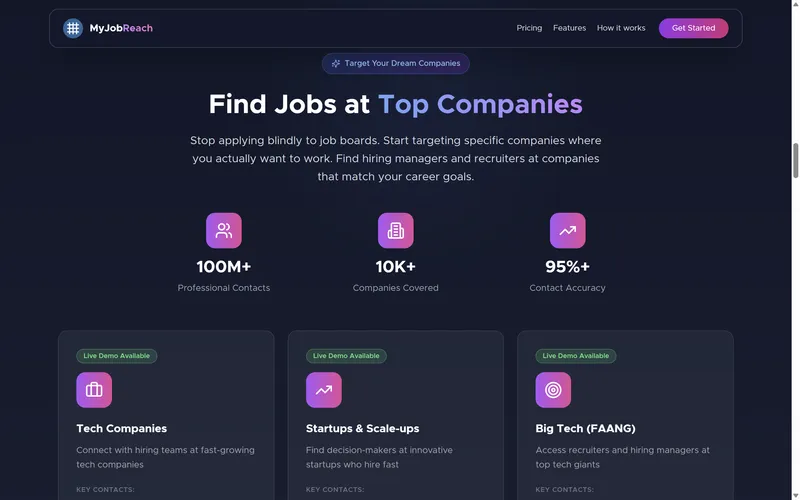
MyJobReach
Job matching platform connecting talented professionals with their dream opportunities.
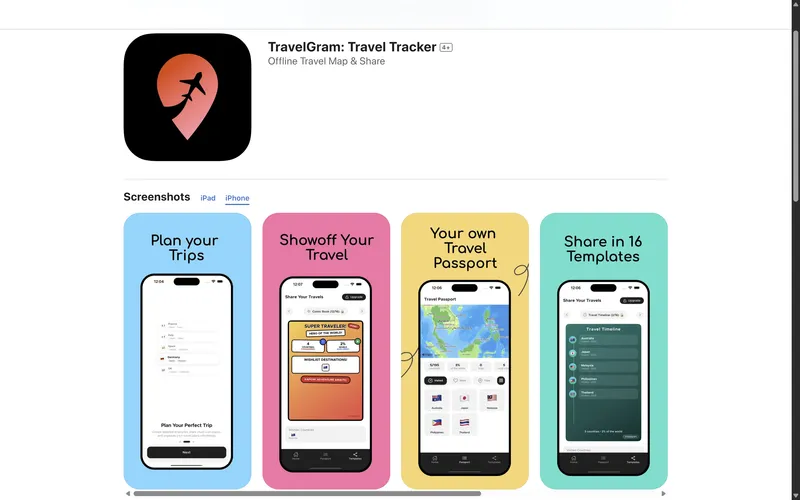
TravelGram
Social platform for travelers to share experiences, discover destinations, and connect globally.
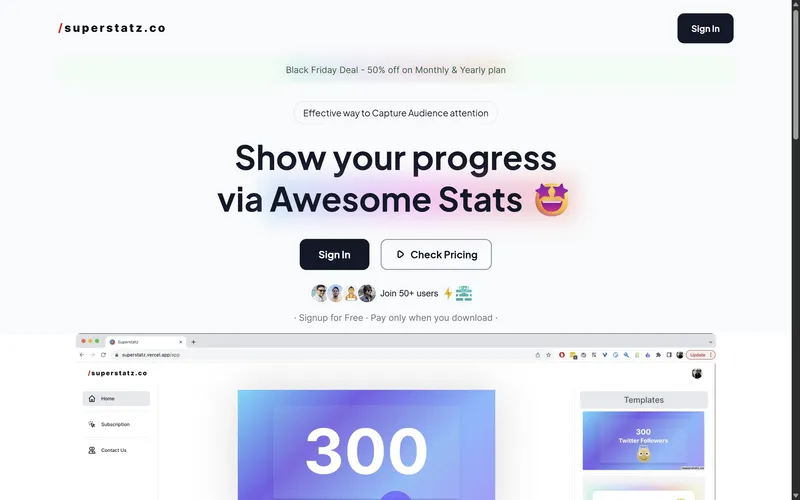
SuperStatz
Advanced sports statistics platform delivering in-depth analysis and performance metrics.
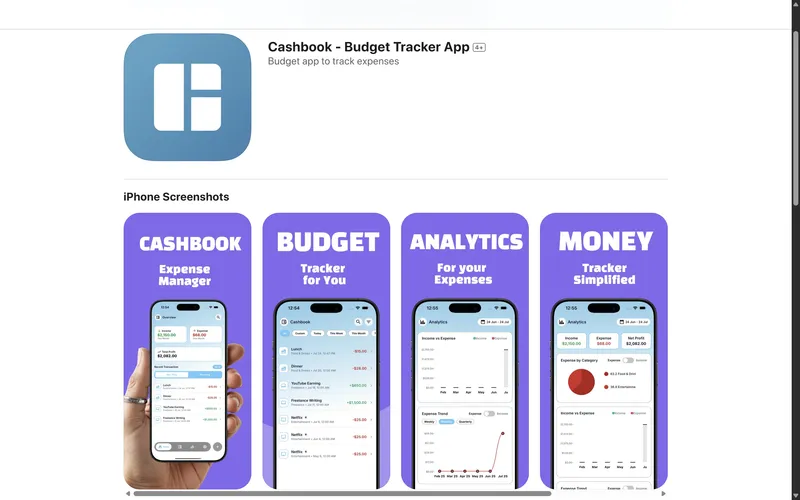
Cashbook
Simple expense tracking and budgeting app that helps users manage their finances effortlessly.
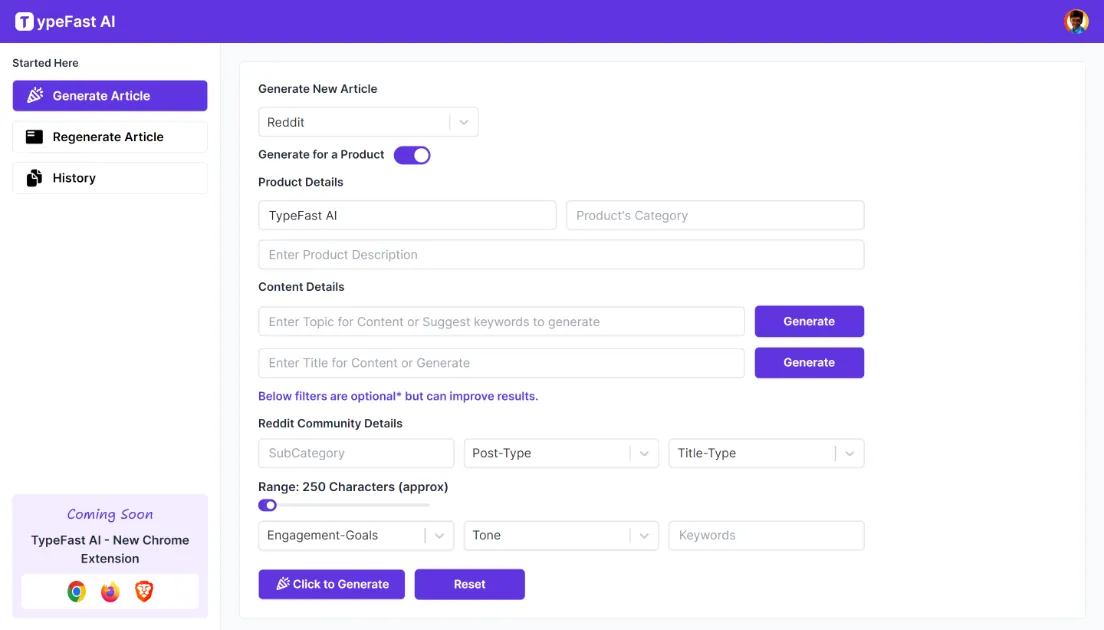
TypeFast
Typing speed improvement platform with gamified lessons and real-time performance tracking.
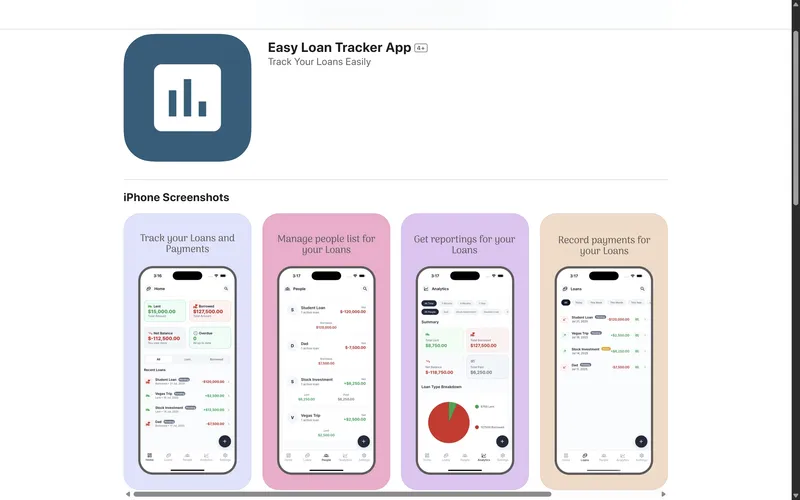
Easy Loan
Streamlined loan management system that simplifies borrowing and lending processes.
Explore Related Content
Discover more services, case studies, and insights
How to Build an eLearning Platform MVP
Building an eLearning or LMS MVP — content delivery, progress tracking, video hosting costs, and the completion problem that decides whether it works.
How to Choose the Right AI Development Partner in 2026
How to choose an AI development partner: weigh AI expertise, delivery speed, ownership, communication, and fit. A practical framework to pick the right partner with confidence.
How to Hire an AI Development Agency: A 2026 Buyer's Guide
A practical guide to hiring an AI development agency in 2026 — what to look for, red flags to avoid, questions to ask, and how to compare cost, speed, and ownership.
iOS App Consulting
Expert iOS consulting for startups and product teams. We help you define the right architecture, make the right technology choices, and ship iOS apps that perform on day one — without the costly mistakes that come from building alone.
System Architecture
Expert system architecture design for AI products, platforms, and enterprise systems. We define the right architecture for your scale, team size, and business context — and deliver the documentation and decisions that make building fast and safe.
How AI Agencies Ensure Quality and Scalability on Tight Timelines
How top AI development agencies ship quality, scalable products in 2-3 weeks: senior engineers, AI-assisted workflows with human review, production-grade architecture, and automated testing under real deadlines.
How to Develop an AI-Driven Mobile App: A Practical 2026 Guide
A step-by-step guide to developing an AI-driven mobile app — defining the use case, choosing on-device vs cloud AI, picking your stack, building the model, and shipping.
AI Video Generation Platform: From Script to Publishable Video in 4 Minutes
We built an AI video generation platform that converts article content or scripts into polished videos using text-to-video AI, voice cloning, and automated B-roll selection.
Ready to Build Your MVP?
Schedule a complimentary strategy session. Transform your concept into a market-ready MVP within 2-3 weeks. Partner with us to accelerate your product launch and scale your startup globally.