AI Workflow Automation for Legal

We help legal teams automate document review, contract analysis, legal research, and case management workflows with AI — while maintaining accuracy and privilege protections.

Workflow examples for Legal

1

Workflows we automate

  • Contract review → clause extraction → risk flagging → redline suggestions
  • Legal research → case law search → summary generation → memo drafting
  • Due diligence → document classification → data room organization
  • Client intake → conflict checks → matter opening and assignment
  • Billing workflows: time entry review, narrative cleanup, and invoice prep
2

Outcomes you can measure

  • Faster contract review cycles with consistent risk identification
  • Reduced time on legal research and memo preparation
  • Lower cost per matter through automation of repetitive tasks
3

Implementation considerations

  • Attorney-client privilege and confidentiality protections
  • Human review required for all legal conclusions and advice
  • Accuracy requirements for citation and case law references
4

Where AI fits in the workflow

  • Classification and routing (tickets, cases, approvals)
  • Extraction from documents and emails (structured fields)
  • Summaries for faster decisions (handoffs and escalations)
  • Policy-aware drafting (responses, checklists, next steps)
  • Monitoring and exception handling (retries + alerts)

AI Workflow Automation FAQ for Legal

Start with a high-volume process that has clear inputs/outputs and measurable cycle time—like intake → routing → status updates. We typically scope a pilot that proves ROI quickly before expanding.

No. Most workflow automation succeeds with pragmatic data cleanup, validation rules, and fallbacks. We design workflows that handle missing fields, exceptions, and human review when needed.

We use guardrails: role-based access, approvals for high-impact actions, audit logs, retries, and monitoring. For sensitive steps, we add human-in-the-loop review and clear escalation paths.

Yes. We commonly integrate CRMs, ERPs, ticketing tools, email, databases, and internal systems via APIs/webhooks so the workflow runs end-to-end across your stack.


What legal automation actually involves

LegalTech lives or dies on one thing generic AI gets catastrophically wrong: citations. After the Mata v. Avianca sanctions — where a lawyer filed a brief citing six fabricated cases hallucinated by ChatGPT — no serious legal product can surface an authority it cannot trace to a real reporter. SpeedMVPs builds legal research and drafting copilots on retrieval-augmented generation (RAG) pipelines where every proposition is grounded in retrieved source text and every cited case, statute, or regulation is verified against a real corpus (CourtListener/RECAP, PACER dockets, the Federal Register, or your firm's licensed Westlaw/Lexis/vLex feed) before it ever reaches the user. We render pinpoint citations with a click-through to the underlying passage, flag any unsupported sentence, and keep a human attorney in the loop by design — because in law the failure mode isn't a bad answer, it's a confident wrong one that gets someone sanctioned under FRCP Rule 11.

The regulatory and ethical surface for a legal AI product is unlike any other vertical, and we build to it from day one. Attorney-client privilege and the work-product doctrine mean prompts and documents can never leak into a third-party training set — so we default to enterprise LLM endpoints with zero-retention, no-training contractual terms, or self-hosted open-weight models on your own VPC when the matter demands it. ABA Model Rule 1.6 (confidentiality), Rule 1.1 Comment 8 (the duty of technology competence), and Rule 5.3 (supervision of non-lawyer assistance, now read to cover AI) shape the guardrails; unauthorized-practice-of-law (UPL) risk shapes the UX so the tool assists a licensed attorney rather than dispensing legal advice to end users. We ship SOC 2-aligned controls — encryption at rest and in transit, per-matter access scoping, and an immutable audit log of every AI action — so your GC and malpractice carrier can actually approve the thing.

Contract intelligence is where most funded LegalTech teams start, and it rewards real domain modeling over a thin GPT wrapper. We build clause extraction and obligation-mining pipelines that identify indemnification, limitation-of-liability, assignment, change-of-control, auto-renewal, and governing-law provisions, then diff them against your clause library or a playbook of fallback positions for automated redlining. For high-volume M&A and diligence, we structure the output the way a deal team actually consumes it — an issues list, a rights-and-obligations matrix, and a chronology — and pipe it into the systems of record (iManage, NetDocuments, or a SharePoint DMS) rather than a dead-end dashboard; it's the same extract-obligations-then-route-to-system-of-record pattern behind the enterprise procurement document agents we detail in the Apex Enterprises case study, retargeted at legal instruments. Because these documents are unstructured and idiosyncratic, we combine layout-aware parsing (OCR for scanned exhibits, table and signature-block detection) with LLM extraction and a confidence score, so reviewers triage low-confidence spans instead of re-reading everything.

E-discovery and litigation tooling carry a defensibility bar that off-the-shelf AI simply ignores. Technology-assisted review (TAR) has been judicially blessed since Da Silva Moore, but it is only defensible if the process is documented, sampled, and reproducible — so when we build predictive-coding or privilege-screening features we align to the EDRM stages, preserve chain-of-custody metadata, and generate the statistical validation (recall/precision on a control set, elusion testing) that a party has to defend in a meet-and-confer under FRCP Rule 26(f). We handle the practical plumbing too: load files and production numbering, Relativity-style review workflows, deduplication and email threading, and redaction pipelines that burn PII/privileged text rather than merely hiding a layer. The goal is a tool a litigation-support team can stand behind in front of a magistrate, not a black box.

Legal automation: common questions

Every legal proposition is generated through a retrieval-augmented (RAG) pipeline grounded in retrieved source text, and every cited case, statute, or regulation is checked against a real corpus — CourtListener/RECAP, PACER, the Federal Register, or your licensed Westlaw/Lexis/vLex feed — before it reaches the user. Unsupported sentences are flagged, citations link through to the underlying passage, and a licensed attorney stays in the loop. The Mata v. Avianca Rule 11 sanctions are exactly the failure mode we engineer against.

By default we use enterprise LLM endpoints under zero-retention, no-training contractual terms, or self-hosted open-weight models running inside your own VPC when a matter requires it — so privileged content and work product never enter a third-party training set. We add encryption at rest and in transit, per-matter access scoping, and an immutable audit log of every AI action, aligned to SOC 2 controls and ABA Model Rules 1.6 and 5.3, so your GC and malpractice carrier can sign off.

We design the workflow so the tool assists a licensed attorney rather than dispensing legal advice to end users — the human lawyer reviews, edits, and takes responsibility for output. That framing, plus visible confidence indicators and source citations, keeps the product on the right side of UPL rules and the Rule 1.1 Comment 8 duty of technology competence. For access-to-justice or consumer-facing products we scope the UX and disclaimers with that constraint front and center.

Yes — these integrations are core scope, not an add-on. We connect to Clio and MyCase for matters and contacts, iManage and NetDocuments for the document management system, LEDES/UTBMS for e-billing, and court e-filing via OASIS LegalXML ECF 4.0 and EFSPs like Tyler's Odyssey File & Serve. We build syncs with reconciliation and idempotency so a matter, deadline, or filing is never silently dropped, with an audit trail attorneys can inspect.

Trusted by Global Companies Building AI Products

We've helped startups and enterprises worldwide transform their AI ideas into production-ready MVPs in 2–3 weeks. From fintech platforms to AI assistants, our global MVP development services have launched 18+ AI products serving users across the US, Europe, and Asia.

Uneecops logo
UniqueSide logo
Vaga AI logo
Listnr AI logo
Statshub logo
Crework Labs logo
AgentHi logo
Quickmail logo
SuperStatz logo
Startupgrow logo
Typefast AI logo
Uneecops logo
UniqueSide logo
Vaga AI logo
Listnr AI logo
Statshub logo
Crework Labs logo
AgentHi logo
Quickmail logo
SuperStatz logo
Startupgrow logo
Typefast AI logo
Uneecops logo
UniqueSide logo
Vaga AI logo
Listnr AI logo
Statshub logo
Crework Labs logo
AgentHi logo
Quickmail logo
SuperStatz logo
Startupgrow logo
Typefast AI logo

Portfolio: AI Products Built for Global Startups

From content platforms and AI assistants to analytics dashboards and fintech solutions—see how we've transformed ideas into production-ready MVPs in 2-3 weeks across diverse industries. Each product launched successfully, serving users globally.

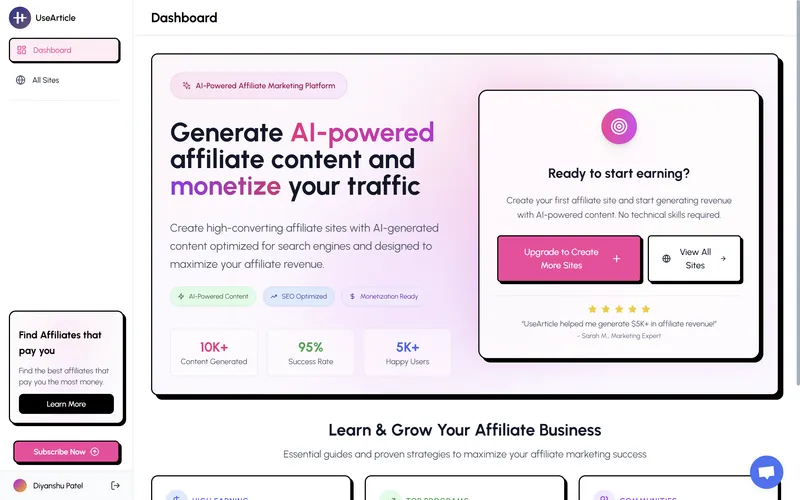
UseArticle

UseArticle

AI-powered content creation and management platform that helps teams produce high-quality articles at scale.

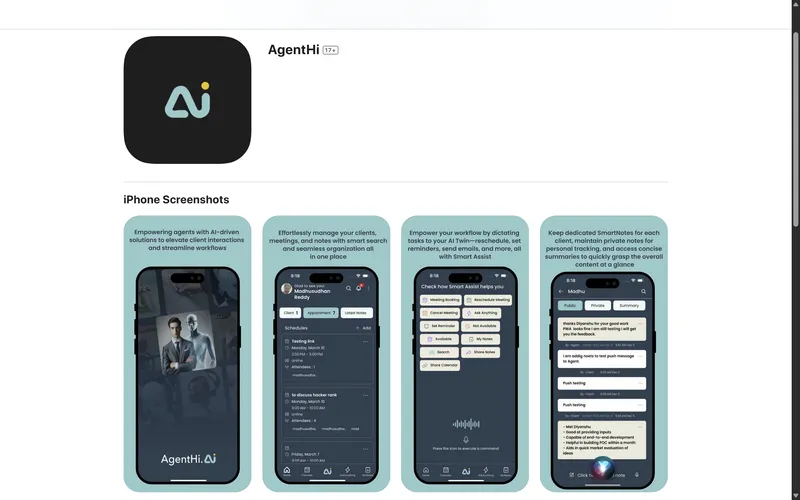
AgentHi

AgentHi

Intelligent virtual assistant that streamlines customer support and automates routine business tasks.

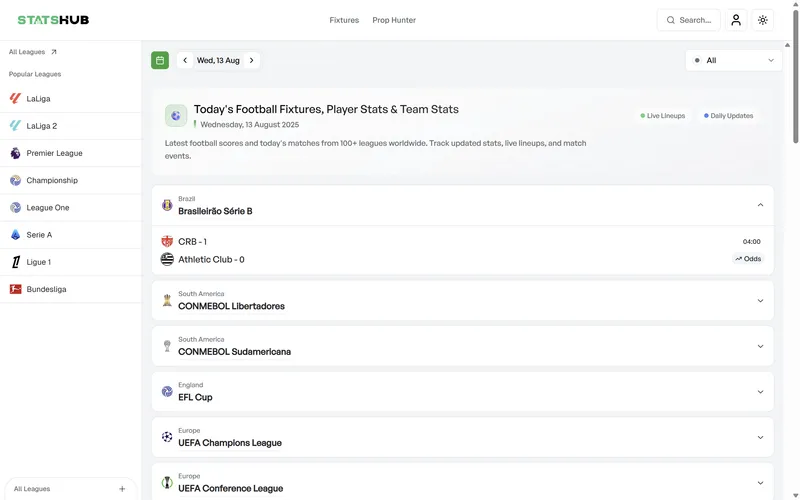
StatsHub

StatsHub

Comprehensive analytics dashboard providing real-time insights and data visualization for businesses.

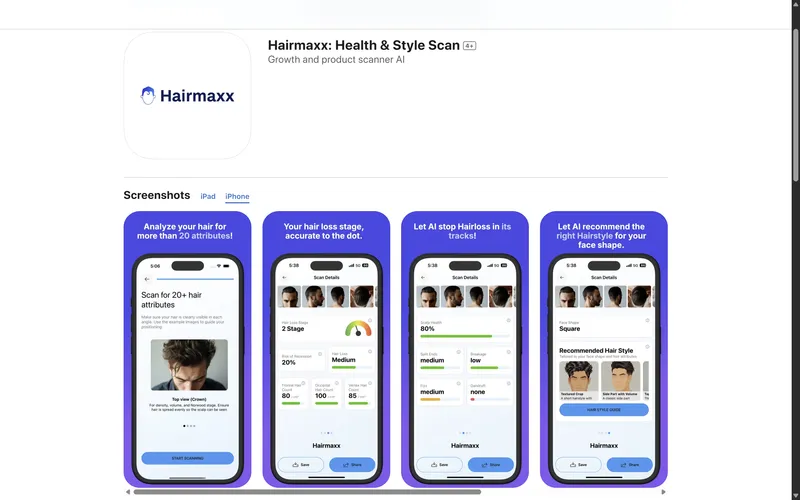
Harimaxx

Harimaxx

Personal fitness companion with AI-driven workout plans and nutrition tracking for optimal health.

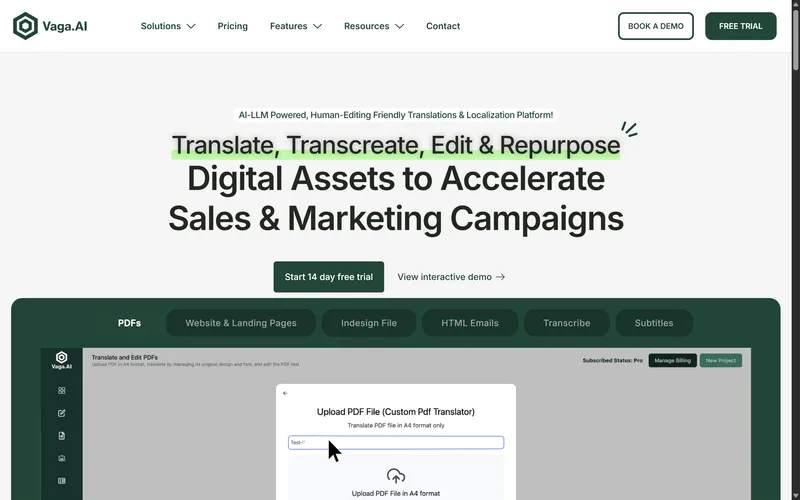
Vaga

Vaga

Smart travel planning app that curates personalized itineraries and local experiences.

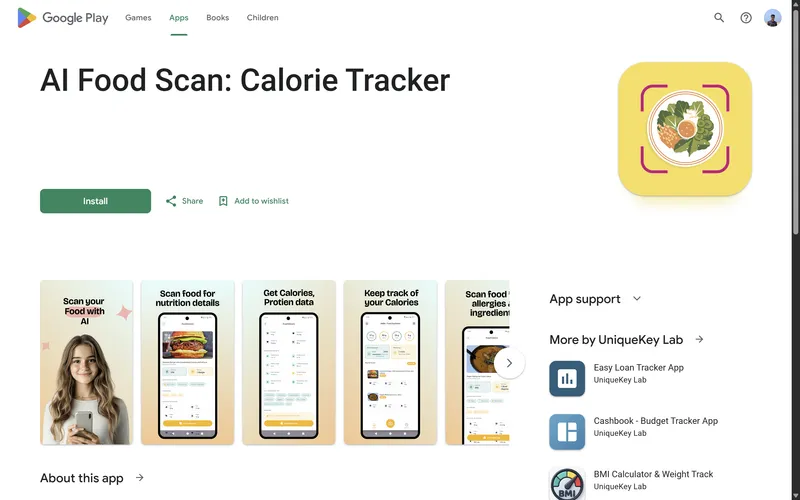
FoodScan

FoodScan

Nutrition analysis app that scans food items and provides detailed nutritional information instantly.

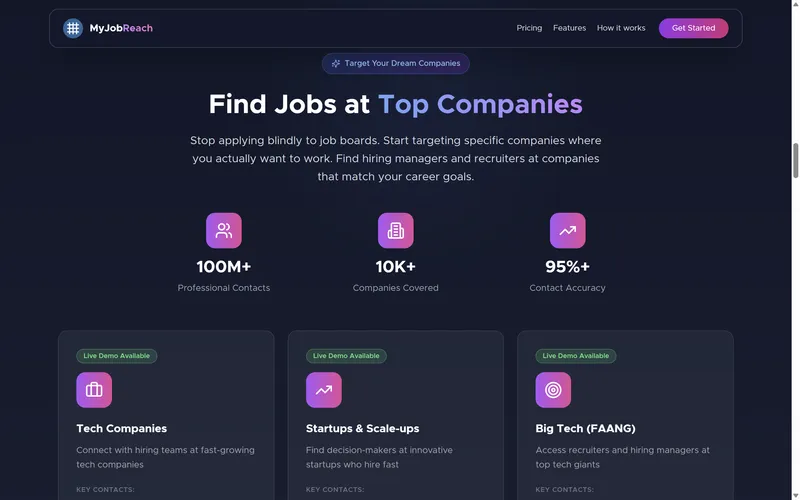
MyJobReach

MyJobReach

Job matching platform connecting talented professionals with their dream opportunities.

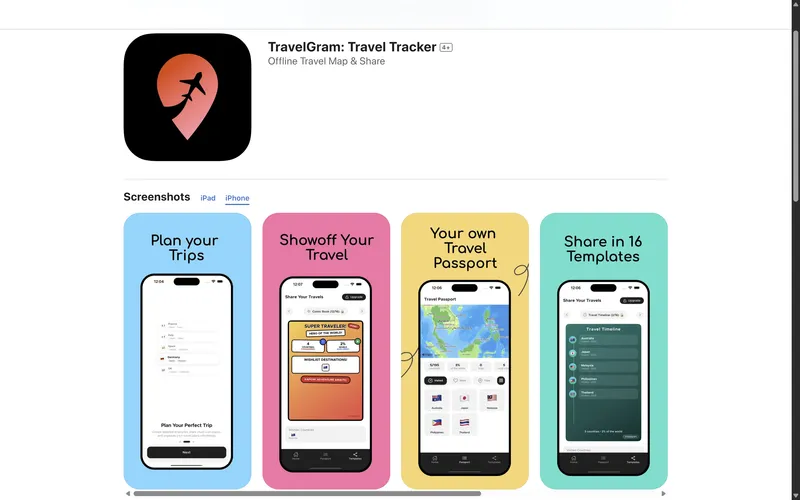
TravelGram

TravelGram

Social platform for travelers to share experiences, discover destinations, and connect globally.

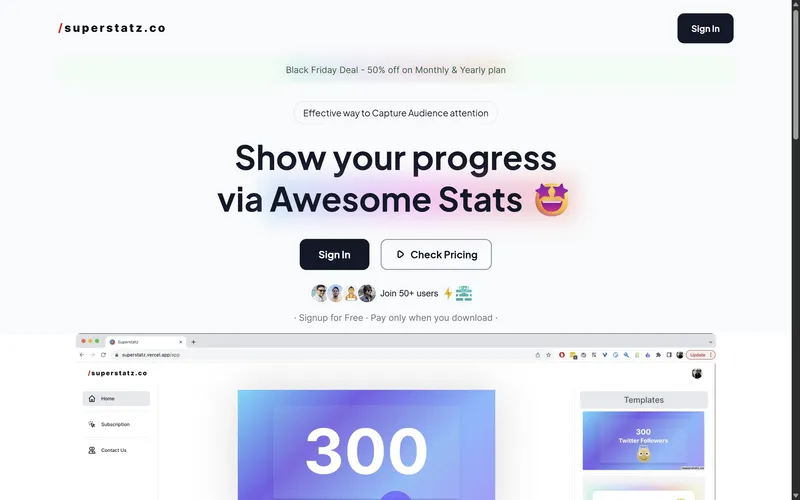
SuperStatz

SuperStatz

Advanced sports statistics platform delivering in-depth analysis and performance metrics.

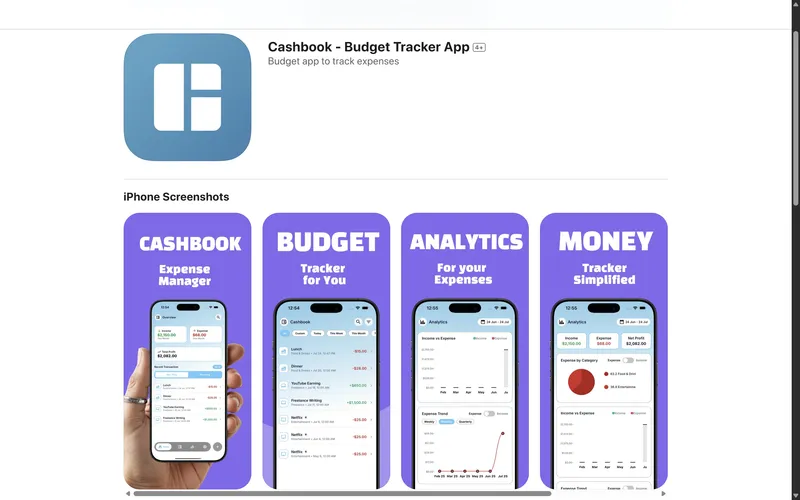
Cashbook

Cashbook

Simple expense tracking and budgeting app that helps users manage their finances effortlessly.

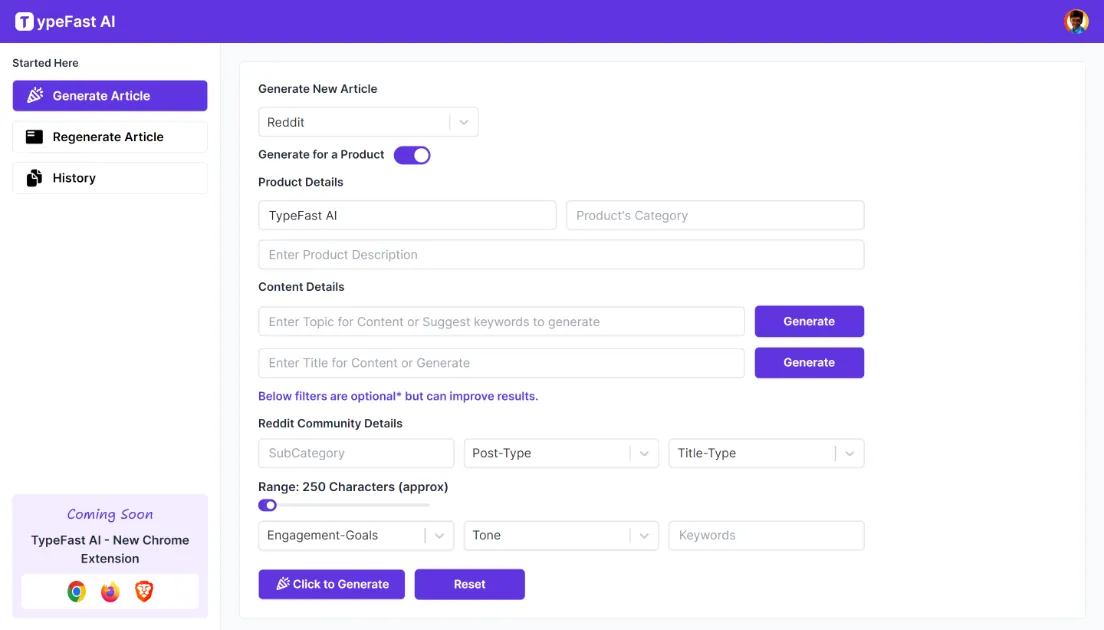
TypeFast

TypeFast

Typing speed improvement platform with gamified lessons and real-time performance tracking.

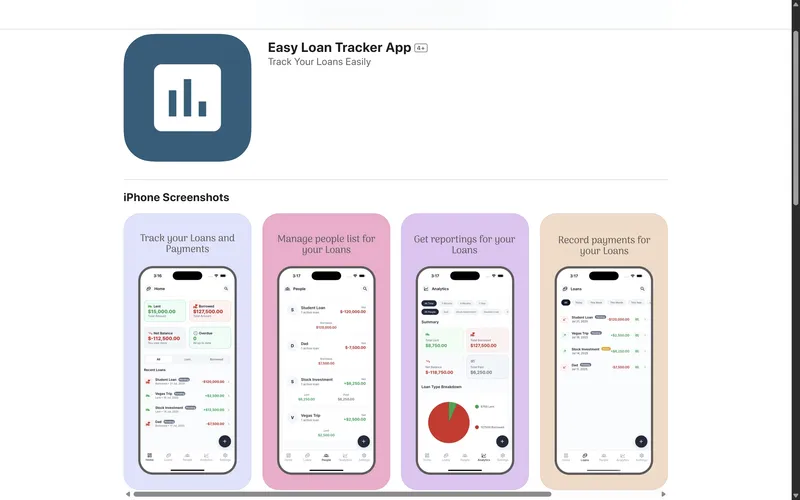
Easy Loan

Easy Loan

Streamlined loan management system that simplifies borrowing and lending processes.

Explore other industries

Pick another industry to see workflow examples and automation ideas.

View all industries

Ready to Build Your MVP?

Schedule a complimentary strategy session. Transform your concept into a market-ready MVP within 2-3 weeks. Partner with us to accelerate your product launch and scale your startup globally.