AI Workflow Automation for Healthcare
We help healthcare teams automate intake, triage, documentation, and operations workflows with AI—while keeping guardrails, auditability, and security in place.
Workflow examples for Healthcare
Workflows we automate
- Patient intake → data capture → routing to the right department
- Prior authorization packet preparation and status tracking
- Clinical note drafting and visit summaries (with human review)
- Claims support: document extraction, validation, and exceptions
- Scheduling workflows: reminders, reschedules, and follow-ups
Outcomes you can measure
- Faster turnaround times on intake and admin tasks
- Reduced manual documentation overhead
- Fewer errors from repetitive copy/paste workflows
Implementation considerations
- PHI/PII handling, access control, and audit logs
- Human-in-the-loop review for sensitive actions
- Clear escalation paths when confidence is low
Where AI fits in the workflow
- Classification and routing (tickets, cases, approvals)
- Extraction from documents and emails (structured fields)
- Summaries for faster decisions (handoffs and escalations)
- Policy-aware drafting (responses, checklists, next steps)
- Monitoring and exception handling (retries + alerts)
AI Workflow Automation FAQ for Healthcare
What healthcare automation actually involves
Healthcare AI lives or dies on the integration layer, not the model. Provider systems speak HL7 v2 for messaging and HL7 FHIR R4 for modern APIs, and most real deployments involve both — an Epic or Cerner instance exposing FHIR endpoints for read while still emitting ADT feeds over v2 for admissions, discharges, and transfers. We build against the interfaces your customers actually run: SMART on FHIR for launching inside the EHR with the clinician's context and permissions intact, CDS Hooks where a suggestion needs to appear at the moment of ordering, and bulk FHIR export where the workload is population-level rather than per-patient. Getting this right in the MVP is what turns a pilot into a signed contract, because a tool that requires manual data export never survives procurement.
Compliance is architecture, not paperwork. Any component that stores, processes, or transmits PHI needs a Business Associate Agreement — and that includes the ones teams forget: error tracking capturing a request body, transactional email with appointment details in the subject, analytics recording a URL containing a record ID. We map the PHI path end to end before writing code, keep identifiers out of logs and third-party telemetry by default, and build attributable audit logging into the schema rather than bolting it on. Minimum-necessary access, role-based controls tied to real clinical roles, and encryption with key management you can describe in a security review are the baseline a health system's InfoSec team will actually test.
Clinical AI carries a regulatory question most teams underestimate: whether your product is a medical device. Under FDA guidance, software that provides a specific diagnosis or treatment recommendation the clinician cannot independently review may be regulated as Clinical Decision Support software, while tools that surface information for a clinician to evaluate generally are not. That distinction shapes scope directly — we design toward transparent, reviewable output with the underlying evidence exposed, so the clinician remains the decision-maker and the product stays on the right side of the line. Where a device pathway is genuinely intended, we say so early rather than discovering it during diligence.
The workflows that actually pay back in a healthcare MVP are administrative rather than diagnostic: prior-authorization packet assembly and status tracking, clinical documentation drafting with mandatory human review before anything enters the record, claims and denial triage with reason-code extraction, referral routing, and inbox triage for the message volume that drives clinician burnout. These have measurable baselines — turnaround time, touches per case, denial rate — which means a pilot can prove value in weeks with numbers a budget holder will accept. We instrument those metrics from day one, because a healthcare pilot that works but produces no evidence cannot be bought.
Healthcare automation: common questions
Trusted by Global Companies Building AI Products
We've helped startups and enterprises worldwide transform their AI ideas into production-ready MVPs in 2–3 weeks. From fintech platforms to AI assistants, our global MVP development services have launched 18+ AI products serving users across the US, Europe, and Asia.
Portfolio: AI Products Built for Global Startups
From content platforms and AI assistants to analytics dashboards and fintech solutions—see how we've transformed ideas into production-ready MVPs in 2-3 weeks across diverse industries. Each product launched successfully, serving users globally.
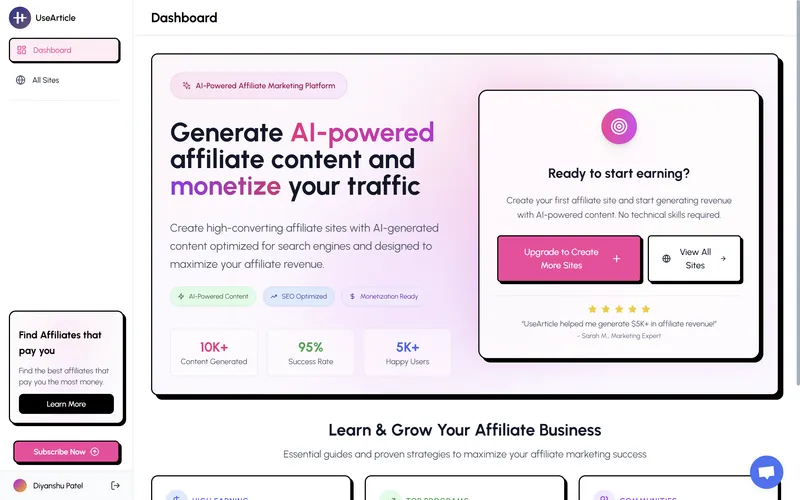
UseArticle
AI-powered content creation and management platform that helps teams produce high-quality articles at scale.
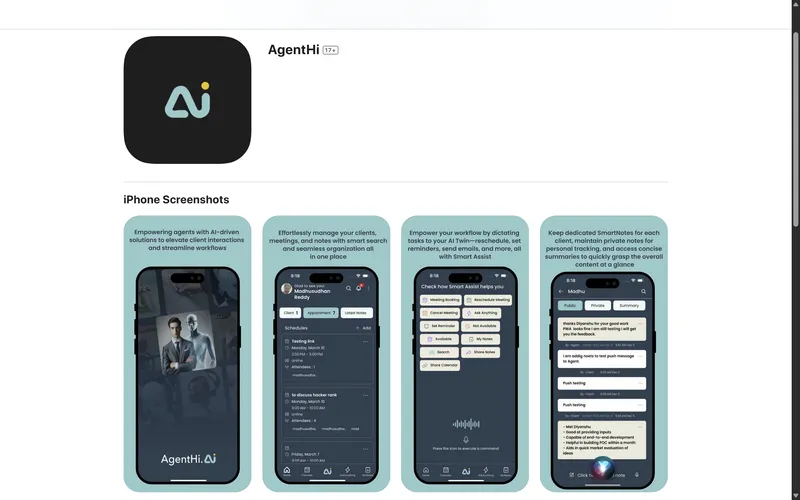
AgentHi
Intelligent virtual assistant that streamlines customer support and automates routine business tasks.
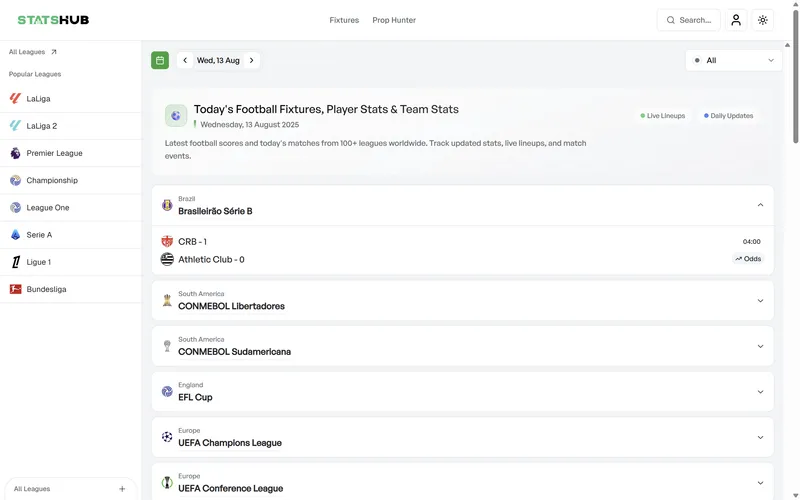
StatsHub
Comprehensive analytics dashboard providing real-time insights and data visualization for businesses.
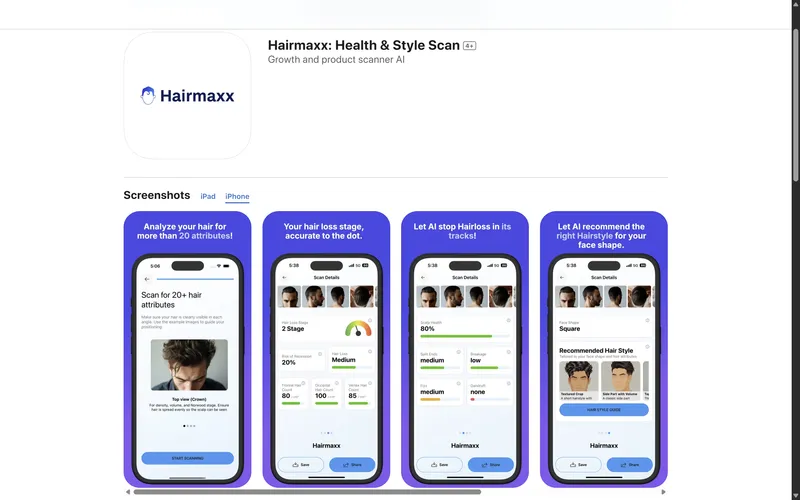
Harimaxx
Personal fitness companion with AI-driven workout plans and nutrition tracking for optimal health.
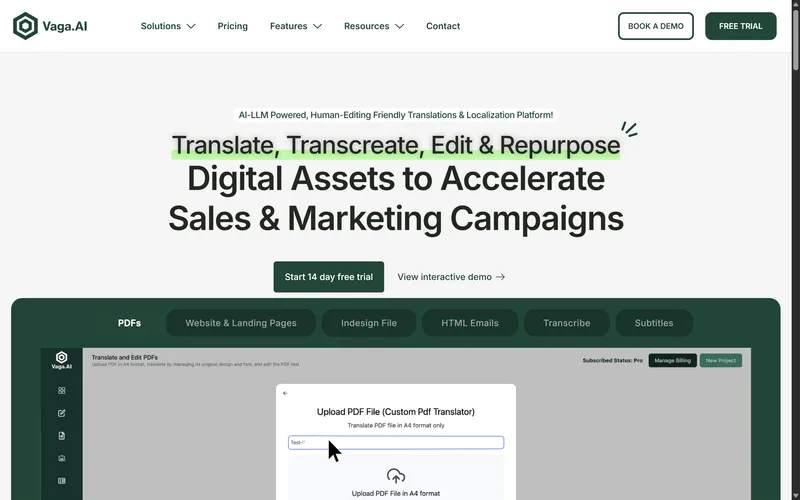
Vaga
Smart travel planning app that curates personalized itineraries and local experiences.
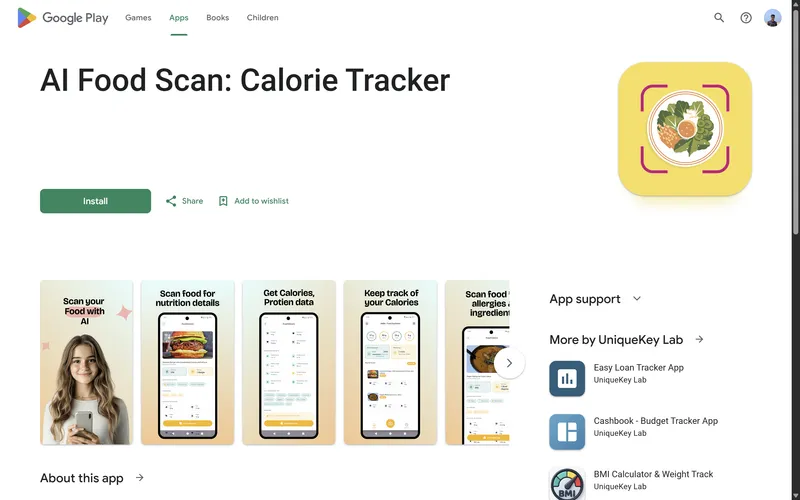
FoodScan
Nutrition analysis app that scans food items and provides detailed nutritional information instantly.
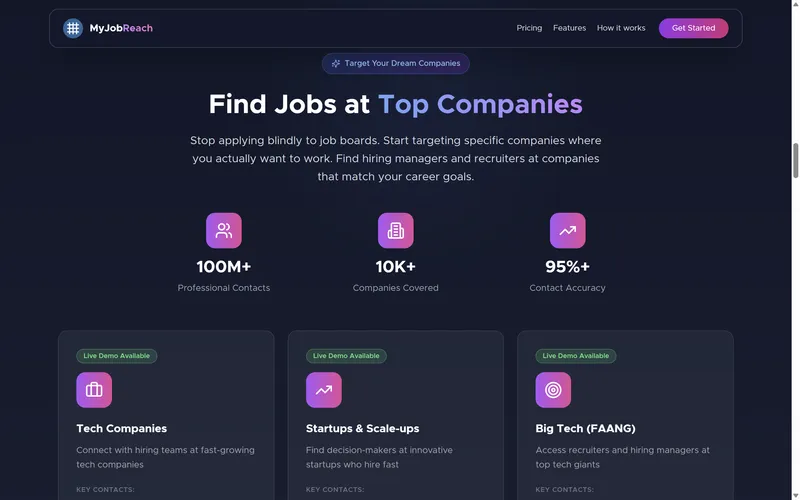
MyJobReach
Job matching platform connecting talented professionals with their dream opportunities.
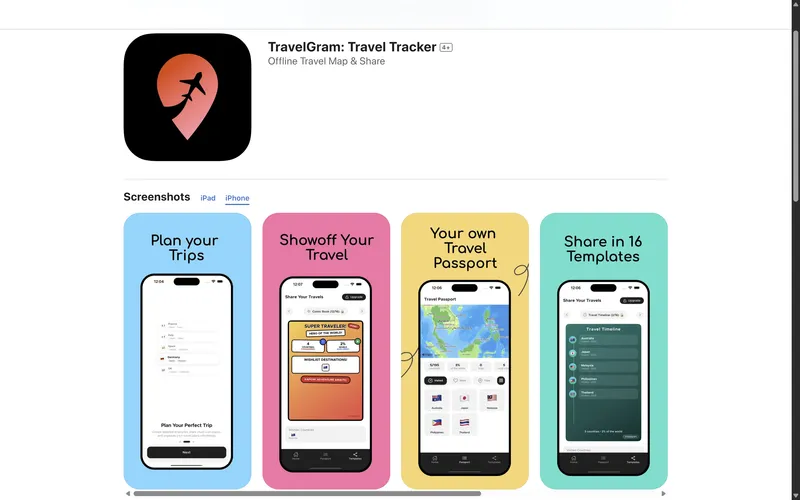
TravelGram
Social platform for travelers to share experiences, discover destinations, and connect globally.
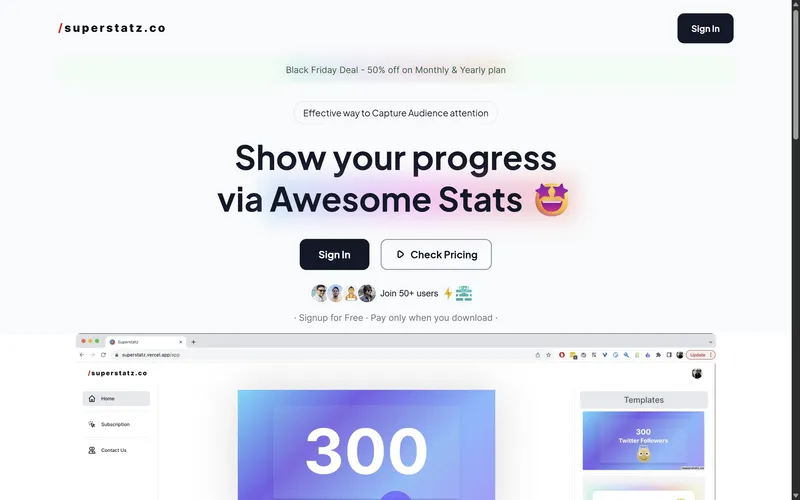
SuperStatz
Advanced sports statistics platform delivering in-depth analysis and performance metrics.
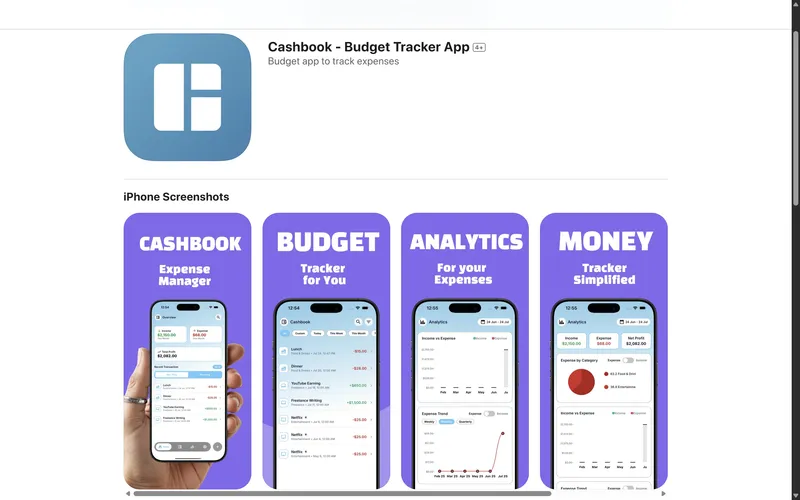
Cashbook
Simple expense tracking and budgeting app that helps users manage their finances effortlessly.
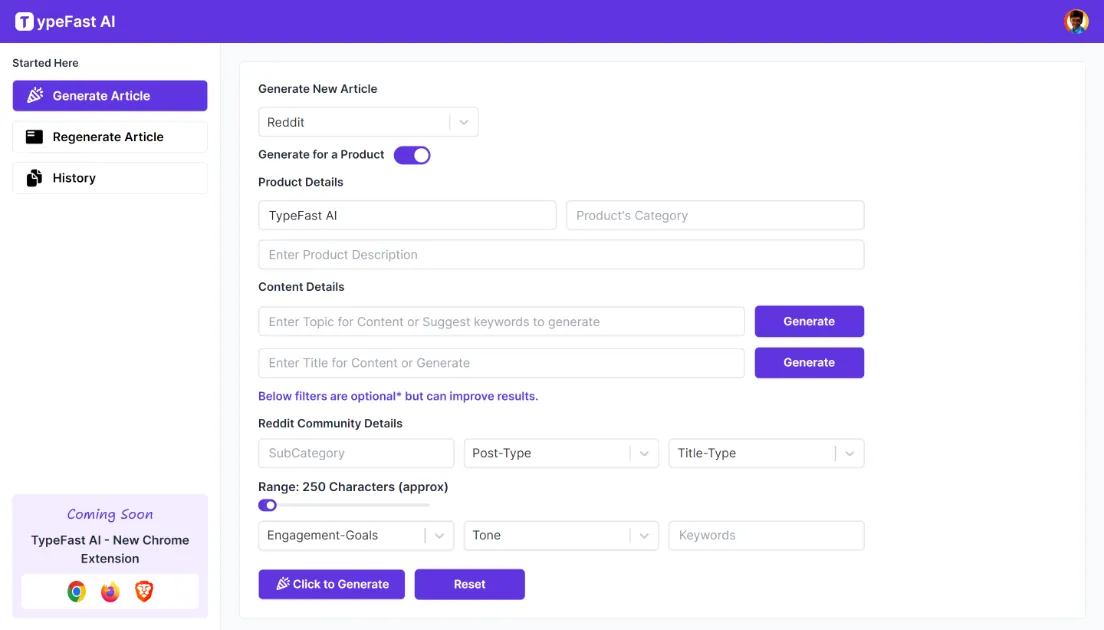
TypeFast
Typing speed improvement platform with gamified lessons and real-time performance tracking.
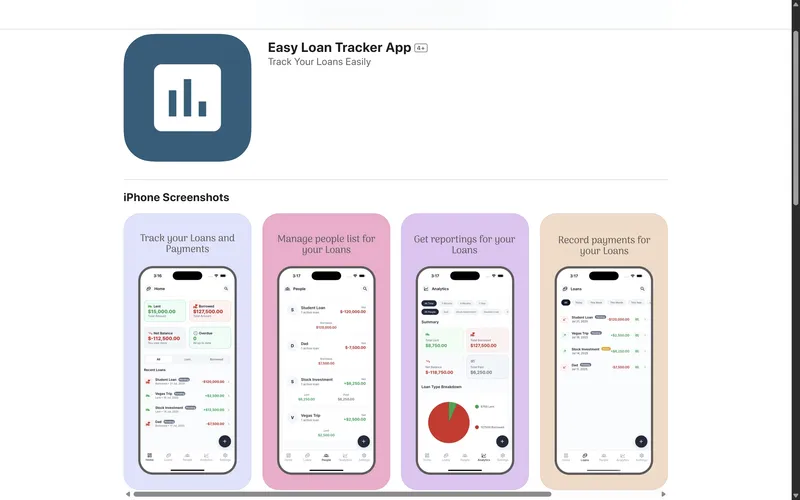
Easy Loan
Streamlined loan management system that simplifies borrowing and lending processes.
Explore other industries
Pick another industry to see workflow examples and automation ideas.
Ready to Build Your MVP?
Schedule a complimentary strategy session. Transform your concept into a market-ready MVP within 2-3 weeks. Partner with us to accelerate your product launch and scale your startup globally.