AI Workflow Automation for Agriculture

We build AI workflows for agriculture businesses that optimize crop monitoring, supply chain management, and regulatory compliance — helping farms and agribusinesses operate more efficiently.

Workflow examples for Agriculture

1

Workflows we automate

  • Crop monitoring → satellite/drone data analysis → health assessment → action alerts
  • Supply chain → demand forecasting → inventory management → logistics coordination
  • Compliance → documentation management → regulatory reporting → audit preparation
  • Weather integration → risk assessment → irrigation scheduling → resource optimization
  • Market analysis → price monitoring → sales timing → buyer communications
2

Outcomes you can measure

  • Better crop yields through data-driven decisions
  • Reduced waste and optimized resource utilization
  • Streamlined compliance and documentation workflows
3

Implementation considerations

  • Connectivity limitations in rural environments
  • Seasonal variability and long feedback cycles
  • Integration with existing farm management systems
4

Where AI fits in the workflow

  • Classification and routing (tickets, cases, approvals)
  • Extraction from documents and emails (structured fields)
  • Summaries for faster decisions (handoffs and escalations)
  • Policy-aware drafting (responses, checklists, next steps)
  • Monitoring and exception handling (retries + alerts)

AI Workflow Automation FAQ for Agriculture

Start with a high-volume process that has clear inputs/outputs and measurable cycle time—like intake → routing → status updates. We typically scope a pilot that proves ROI quickly before expanding.

No. Most workflow automation succeeds with pragmatic data cleanup, validation rules, and fallbacks. We design workflows that handle missing fields, exceptions, and human review when needed.

We use guardrails: role-based access, approvals for high-impact actions, audit logs, retries, and monitoring. For sensitive steps, we add human-in-the-loop review and clear escalation paths.

Yes. We commonly integrate CRMs, ERPs, ticketing tools, email, databases, and internal systems via APIs/webhooks so the workflow runs end-to-end across your stack.


What agriculture automation actually involves

AgriTech and FoodTech data is notoriously fragmented, and that is exactly where an AI MVP earns its keep. A working prototype has to reconcile Sentinel-2 and Landsat imagery, LoRaWAN soil-moisture and EC probes, NOAA weather feeds, and machine telematics pulled from the John Deere Operations Center API or Climate FieldView — often over ISOBUS/ISO 11783 from the cab. We have shipped 18+ AI MVPs, and in this vertical the first two weeks are usually spent building the ingestion layer that turns GeoTIFFs, SDI-12 sensor streams, and shapefiles into a single field-and-lot data model your agronomists and models can actually query.

Computer vision is the most common wedge we build first. For growers that means multispectral disease and pest classification — flagging leaf rust, blight, or aphid pressure from DJI Agras or MicaSense captures — and see-and-spray weed detection that drives variable-rate herbicide maps. For packers and processors it means produce grading and defect detection on the line: sizing, color, bruise and foreign-material rejection at belt speed. Because rural upload bandwidth is unreliable, we typically quantize these models to run on-device (Jetson or mobile) and sync inferences when a connection returns, rather than assuming a round trip to the cloud.

The second common build is forecasting. Yield prediction models fuse NDVI/NDRE time series with growing-degree-days and reference evapotranspiration to estimate tonnage weeks before harvest, and the same pipeline produces variable-rate prescriptions exported as shapefiles or ISO-XML that a rate controller can actually read. On the input-cost side we forecast irrigation demand from soil-moisture curves and short-range weather, so a 2-3 week MVP can already show a grower a defensible number instead of a gut call. We keep the training loop transparent so your agronomy team can challenge and correct the model rather than treating it as a black box.

On the FoodTech side the economics are about shrink and spoilage. We build demand-forecasting and dynamic-replenishment models for grocers, ghost kitchens, and meal-kit operations that cut over-ordering on perishables, plus cold-chain anomaly detection that scores temperature-logger and telematics data against HACCP critical limits before a load spoils. This is adjacent work to our logistics and food-delivery builds — the ai-logistics-optimizer case study covers route and load optimization under time and temperature constraints, and the food-delivery-app case study covers the marketplace and dispatch layer a perishable-goods flow sits on top of.

Agriculture automation: common questions

Yes. We model lot codes and Key Data Elements against GS1 standards (GTIN, SSCC, GLN) and capture them at each Critical Tracking Event so your data lines up with the FDA Food Traceability Rule for foods on the Traceability List. For exporters we also structure plot geolocation and due-diligence records in the shape EUDR and GlobalG.A.P. audits expect. We build the data model to be audit-ready in the MVP rather than bolting compliance on later.

Common ones we wire up include Sentinel-2/Landsat and Planet satellite imagery, NDVI/NDRE indices, NOAA and evapotranspiration weather feeds, LoRaWAN and SDI-12 soil sensors, and machine data from the John Deere Operations Center API, Climate FieldView, and ISOBUS/ISO 11783 controllers. On the output side we export variable-rate prescriptions as shapefiles or ISO-XML your rate controller can read. If you have a data source we have not named, we scope it in the ingestion layer during week one.

That is a first-class constraint for us, not an afterthought. We typically quantize computer-vision models to run on-device — Jetson hardware, drones, or mobile — so inference happens offline and results sync when a connection returns. The UI is built offline-first so a scout or QA lead can keep working through dead zones in the field or a packhouse.

A real ingestion pipeline for your data sources, one trained model (for example crop-disease CV, yield forecasting, or spoilage prediction), an evaluation harness so your agronomists or QA team can validate accuracy, and a working UI a real user will operate. It is a production-grade slice, not a slide deck — scoped to prove one high-value use case end to end so you can put it in front of users or investors.

Trusted by Global Companies Building AI Products

We've helped startups and enterprises worldwide transform their AI ideas into production-ready MVPs in 2–3 weeks. From fintech platforms to AI assistants, our global MVP development services have launched 18+ AI products serving users across the US, Europe, and Asia.

Uneecops logo
UniqueSide logo
Vaga AI logo
Listnr AI logo
Statshub logo
Crework Labs logo
AgentHi logo
Quickmail logo
SuperStatz logo
Startupgrow logo
Typefast AI logo
Uneecops logo
UniqueSide logo
Vaga AI logo
Listnr AI logo
Statshub logo
Crework Labs logo
AgentHi logo
Quickmail logo
SuperStatz logo
Startupgrow logo
Typefast AI logo
Uneecops logo
UniqueSide logo
Vaga AI logo
Listnr AI logo
Statshub logo
Crework Labs logo
AgentHi logo
Quickmail logo
SuperStatz logo
Startupgrow logo
Typefast AI logo

Portfolio: AI Products Built for Global Startups

From content platforms and AI assistants to analytics dashboards and fintech solutions—see how we've transformed ideas into production-ready MVPs in 2-3 weeks across diverse industries. Each product launched successfully, serving users globally.

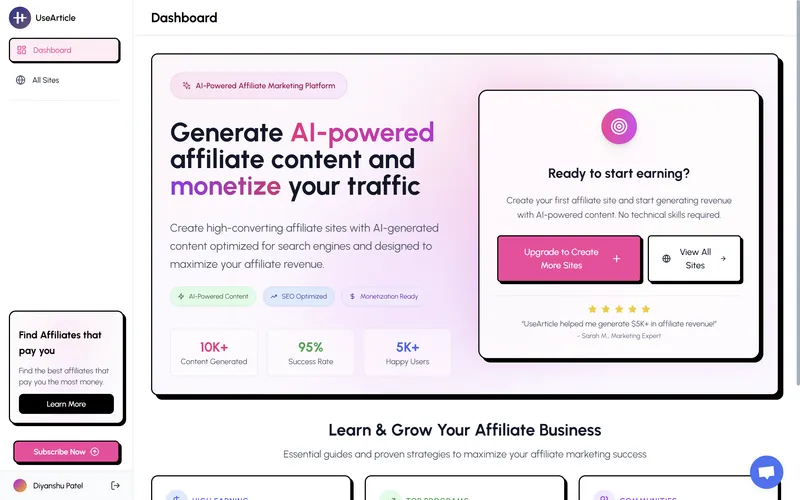
UseArticle

UseArticle

AI-powered content creation and management platform that helps teams produce high-quality articles at scale.

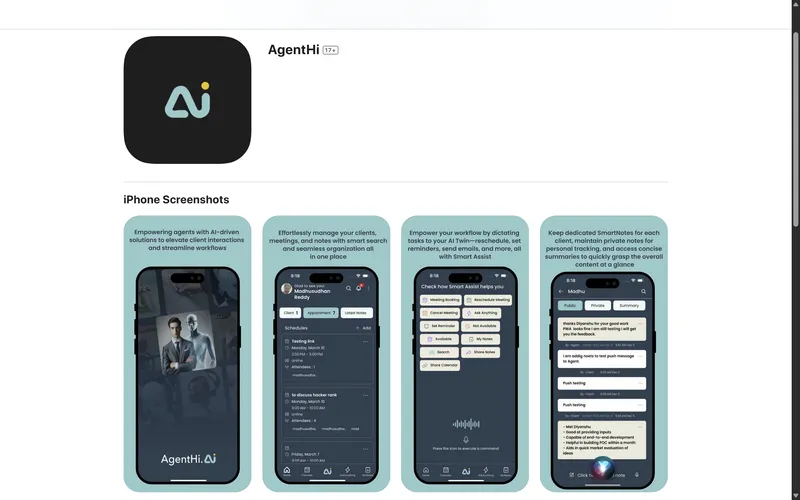
AgentHi

AgentHi

Intelligent virtual assistant that streamlines customer support and automates routine business tasks.

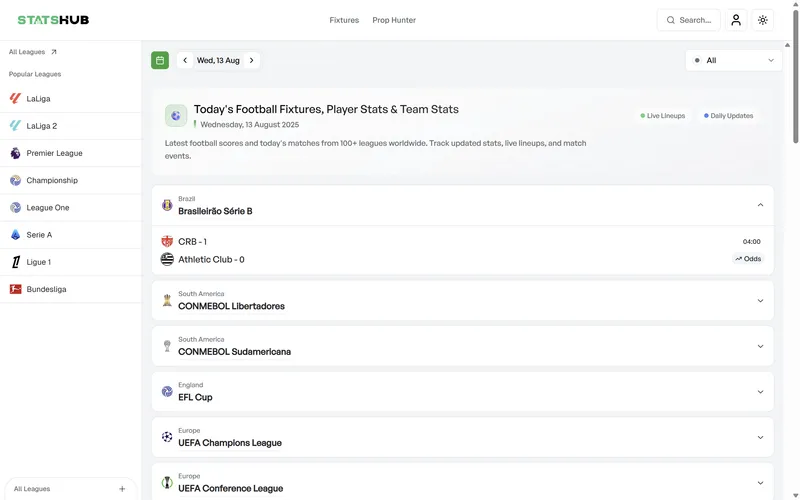
StatsHub

StatsHub

Comprehensive analytics dashboard providing real-time insights and data visualization for businesses.

Harimaxx

Harimaxx

Personal fitness companion with AI-driven workout plans and nutrition tracking for optimal health.

Vaga

Vaga

Smart travel planning app that curates personalized itineraries and local experiences.

FoodScan

FoodScan

Nutrition analysis app that scans food items and provides detailed nutritional information instantly.

MyJobReach

MyJobReach

Job matching platform connecting talented professionals with their dream opportunities.

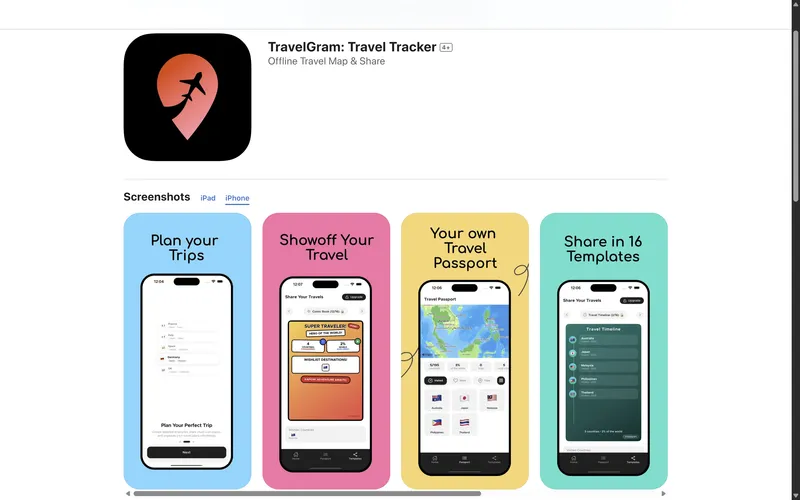
TravelGram

TravelGram

Social platform for travelers to share experiences, discover destinations, and connect globally.

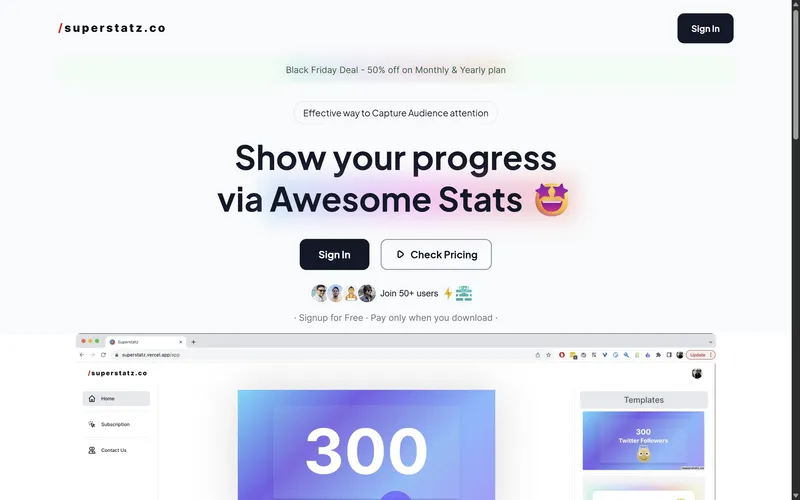
SuperStatz

SuperStatz

Advanced sports statistics platform delivering in-depth analysis and performance metrics.

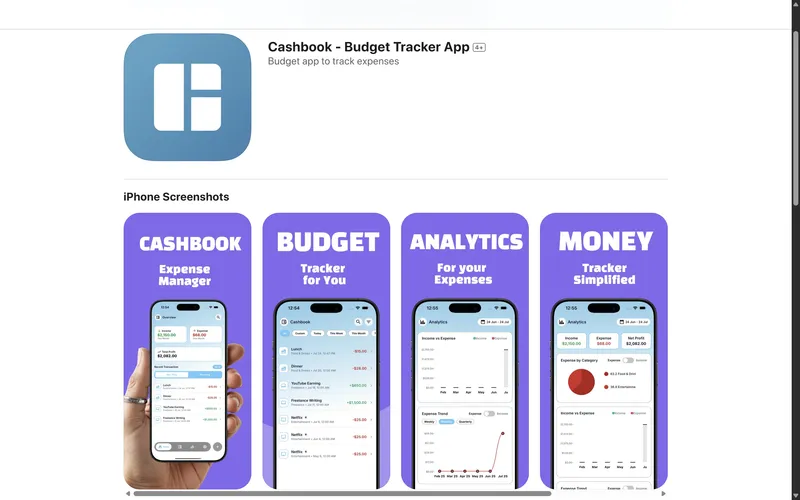
Cashbook

Cashbook

Simple expense tracking and budgeting app that helps users manage their finances effortlessly.

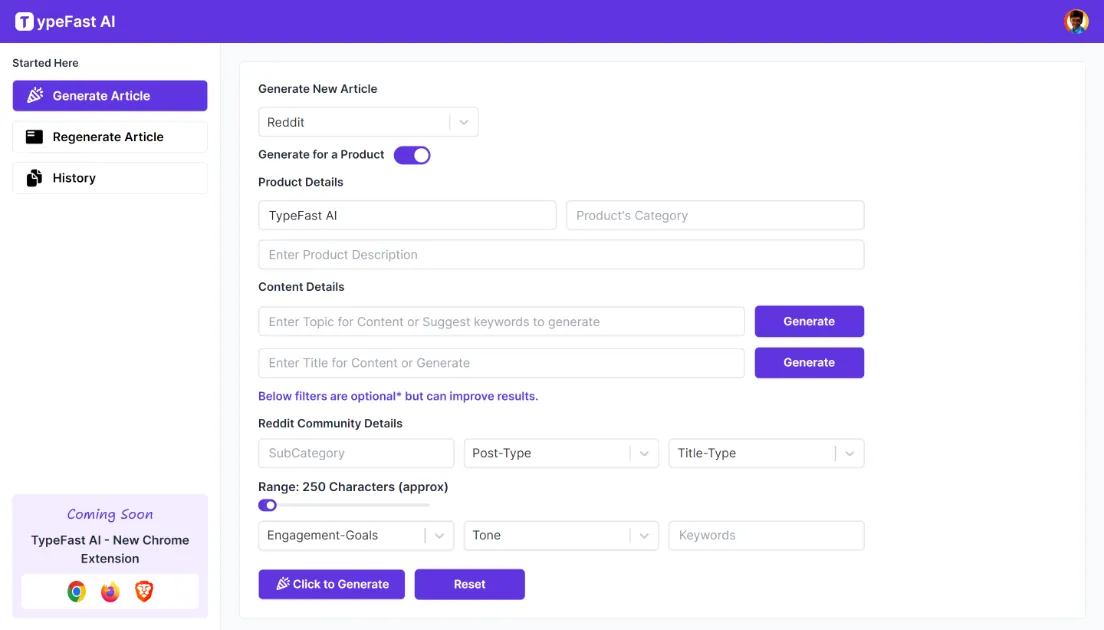
TypeFast

TypeFast

Typing speed improvement platform with gamified lessons and real-time performance tracking.

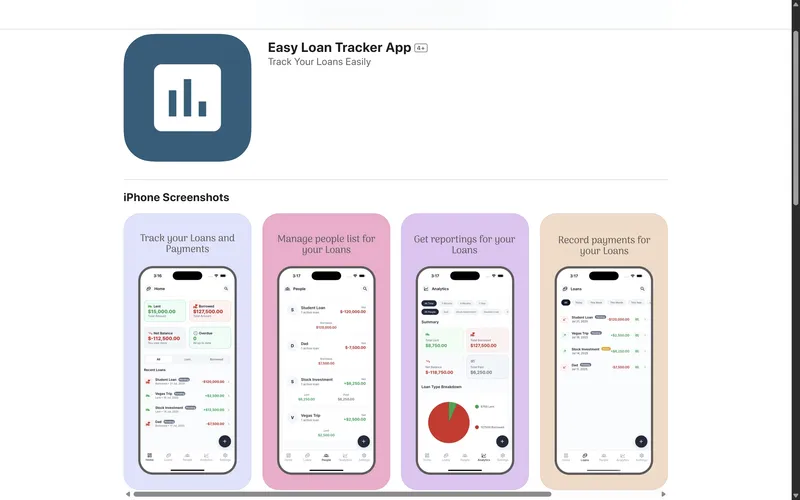
Easy Loan

Easy Loan

Streamlined loan management system that simplifies borrowing and lending processes.

Explore other industries

Pick another industry to see workflow examples and automation ideas.

View all industries

Ready to Build Your MVP?

Schedule a complimentary strategy session. Transform your concept into a market-ready MVP within 2-3 weeks. Partner with us to accelerate your product launch and scale your startup globally.