
AI MVP Development for Data & Analytics Firms
AI MVPs for data & analytics firms: governed text-to-SQL, embedded multi-tenant dashboards, and semantic-layer RAG on Snowflake, dbt and Looker: shipped in 2-3 weeks.
What You Need to Know
Data and analytics firms live or die on trust in the number. That is the constraint every AI feature has to respect: an LLM that free-forms SQL against a warehouse will happily join two fact tables at the wrong grain and hand a client a confidently wrong ARR figure. We build the governed layer that prevents this: text-to-SQL that compiles against your semantic layer (dbt metrics, LookML, or Cube) rather than raw schemas, so a user asking 'net revenue retention by cohort last quarter' resolves to your certified metric definition, not the model's guess. Generated queries are validated, cost-estimated, and run read-only against the warehouse with row-level security still enforced, so the copilot can never return data the requesting user isn't entitled to see.
We build on the modern data stack your firm already runs rather than beside it. That means retrieval and query execution against Snowflake, BigQuery, Databricks, or Redshift; ingestion through Fivetran or Airbyte and transformation in dbt; and, where products push results back into operational tools, reverse-ETL via Hightouch or Census. On the presentation side we embed governed analytics into your product with Looker, Metabase, or a custom React charting layer, and we lean on columnar engines like DuckDB and Apache Arrow for sub-second in-browser slicing. The AI sits on top of the semantic layer as the single source of metric truth, so the copilot, the dashboards, and your existing BI all agree on what 'active customer' means.
For firms selling analytics as a product, multi-tenant data isolation is the feature that makes or breaks an enterprise sale. We implement tenant separation at the query layer: signed session tokens carrying tenant and role claims, Postgres row-level security policies or Snowflake secure views, and per-tenant embedding namespaces so one client's documents can never surface in another's RAG results. Column-level masking protects PII and regulated fields, and every AI-generated query is logged with the resolved SQL, the user, and the tenant for audit. This is the groundwork a SOC 2 Type II auditor and a security-review questionnaire will probe first, so we build it in from day one rather than retrofitting it before a deal closes.
Governance and lineage are first-class, not afterthoughts. We wire data-quality gates with Great Expectations or dbt tests so an AI 'insight' never fires on a partially loaded or schema-drifted table, and we emit OpenLineage events so an analyst can trace any number in a generated narrative back through its transformations to source. Where firms handle regulated data, patient-level records under HIPAA, EU personal data under GDPR, or financial data feeding SOX-relevant reporting, we scope the AI's access with least-privilege service accounts, PII detection and redaction before anything reaches an LLM prompt, and configurable data-residency so nothing leaves your cloud account. Anonymization and differential-access rules are enforced in the retrieval layer, not left to prompt instructions the model might ignore.
The high-value AI use cases in this vertical go well beyond a chat box. We build automated insight narration that turns a dashboard delta into a written explanation with the contributing dimensions ranked; anomaly detection over metric time series that flags a spike and drafts the root-cause hypothesis; and forecasting pipelines (Prophet, or gradient-boosted and deep models where the data warrants) surfaced as governed, versioned metrics rather than opaque predictions. RAG copilots over your data dictionary, runbooks, and past analyses let new analysts self-serve 'how do we calculate churn here' without pinging a senior. For agentic workflows, we constrain tool use to your semantic layer and validated query templates so autonomy never becomes ungoverned warehouse access.
We have shipped this pattern for real analytics products. Our BI dashboard MVP (see the analytics-dashboard-mvp case study) proved out embedded, governed charting and natural-language querying; the enterprise-analytics-copilot build extended that to a text-to-SQL assistant sitting on a large organization's warehouse with role-scoped access; and the novasense-sentiment-analysis project shows the unstructured side: turning raw text into a queryable, dashboard-ready signal. Across every engagement you get the production codebase on your own infrastructure with 100% code ownership, a delivery team drawn from our 15+ engineers, and a working 2-3 week build rather than a slide deck. With 18+ AI MVPs shipped, we know where analytics products actually break: the grain, the governance, and the tenant boundary.
What You'll Get
Governed Text-to-SQL Copilot
Natural-language querying that compiles against your dbt/LookML semantic layer, respects row-level security, and cost-estimates every query before it runs
Embedded Multi-Tenant Analytics
White-labeled dashboards with tenant-isolated data, column-level PII masking, and sub-second slicing via DuckDB/Arrow, ready for enterprise security review
Insight & Anomaly Engine
Automated metric narration, time-series anomaly alerts, and forecasting surfaced as versioned, lineage-tracked metrics with Great Expectations quality gates
Planning a build like this?
Book a free 30-minute strategy call with Diyanshu Patel, our CEO. We use it to understand your idea, goals and requirements, then follow up with a timeline and a fixed-price proposal.
Book a free 30-minute callFAQ
How do you stop the AI from returning wrong numbers or hallucinated SQL?
We never let the model query raw tables directly. Text-to-SQL compiles against your semantic layer, dbt metrics, LookML, or Cube, so 'net revenue retention' resolves to your certified definition and the correct grain, not the model's improvisation. Generated SQL is parsed and validated, cost-estimated, and executed read-only with row-level security still enforced. Every query is logged with its resolved SQL so an analyst can audit exactly what ran. When the model isn't confident a request maps to a governed metric, it says so rather than guessing.
Which warehouses and BI tools do you integrate with?
We build on Snowflake, BigQuery, Databricks, and Redshift, with ingestion via Fivetran or Airbyte, transformation in dbt, and reverse-ETL through Hightouch or Census. On the front end we embed governed analytics with Looker, Metabase, or a custom React charting layer, and use DuckDB and Apache Arrow for fast in-browser exploration. The AI reads from your semantic layer as the single source of metric truth, so the copilot and your existing dashboards never disagree on definitions.
Can this pass a SOC 2 and enterprise security review for a multi-tenant product?
Yes: tenant isolation is built in from day one, not retrofitted. We enforce separation at the query layer with signed session tokens carrying tenant and role claims, Postgres row-level security or Snowflake secure views, and per-tenant embedding namespaces so no client's data or documents can surface in another's results. Column-level masking protects PII, every AI query is audit-logged, and we build on your own cloud account for data residency. This is exactly the surface a SOC 2 Type II auditor and a security questionnaire scrutinize first.
We handle regulated data (HIPAA/GDPR). How is that protected in the AI layer?
We scope the AI to least-privilege service accounts and run PII detection and redaction before any data reaches an LLM prompt, so regulated fields never leave your boundary in cleartext. Access rules, anonymization, and differential access are enforced in the retrieval and query layer: not left to prompt instructions a model could ignore. For HIPAA we keep PHI within your governed environment with configurable data residency; for GDPR we support data-minimization and residency controls. Lineage via OpenLineage lets you trace any AI-generated number back to source for compliance evidence.
What does a 2-3 week analytics MVP actually include?
Week 1: architecture, connecting your warehouse and semantic layer, defining the governed metrics in scope, and standing up retrieval with tenant isolation. Week 2: the core AI logic, text-to-SQL or insight narration, plus the embedded dashboard UI and testing against real queries. Week 3 (if needed): data-quality gates, anomaly/forecasting features, edge-case hardening, and handoff with documentation. You receive a production application on your infrastructure with full code ownership, not a prototype.
Can you productize forecasting and anomaly detection as governed metrics rather than a black box?
Yes. We surface forecasts (Prophet or gradient-boosted/deep models where the data supports them) and anomaly signals as versioned metrics in your semantic layer, with the same definitions, lineage, and access controls as any other number. Anomaly alerts can include an AI-drafted root-cause hypothesis with the contributing dimensions ranked, and every prediction is traceable back through its transformations. Data-quality gates via Great Expectations or dbt tests ensure a forecast never fires on a partially loaded or schema-drifted table.
Trusted by Global Companies Building AI Products
We've helped startups and enterprises worldwide transform their AI ideas into production-ready MVPs in 2–3 weeks. From fintech platforms to AI assistants, our global MVP development services have launched 18+ AI products serving users across the US, Europe, and Asia.



Portfolio: AI Products Built for Global Startups
From content platforms and AI assistants to analytics dashboards and fintech solutions: see how we've transformed ideas into production-ready MVPs in 2-3 weeks across diverse industries. Each product here is one our team worked on.
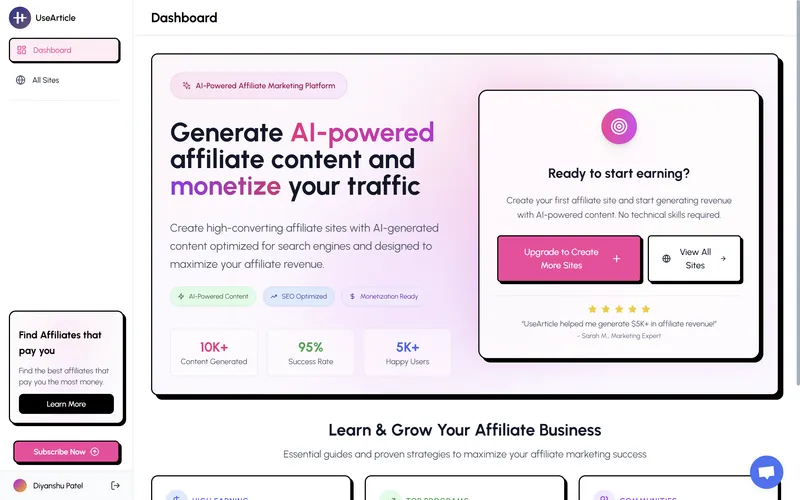
UseArticle
AI-powered content creation and management platform that helps teams produce high-quality articles at scale.
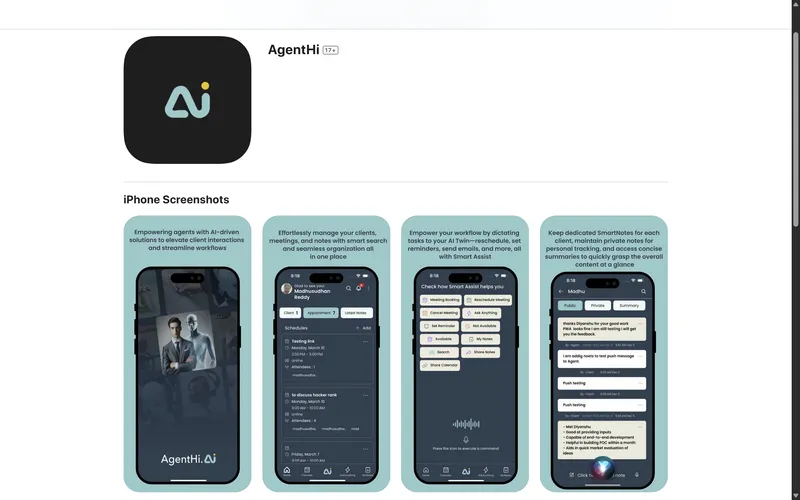
AgentHi
Intelligent virtual assistant that streamlines customer support and automates routine business tasks.
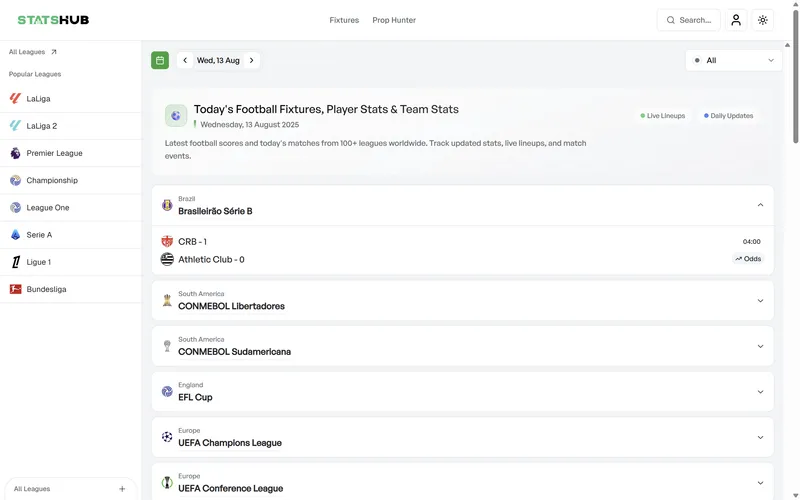
StatsHub
Comprehensive analytics dashboard providing real-time insights and data visualization for businesses.
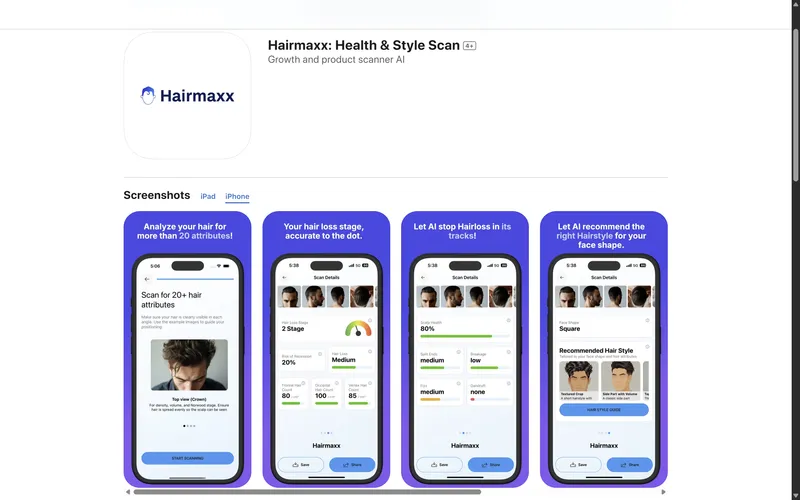
Harimaxx
Personal fitness companion with AI-driven workout plans and nutrition tracking for optimal health.
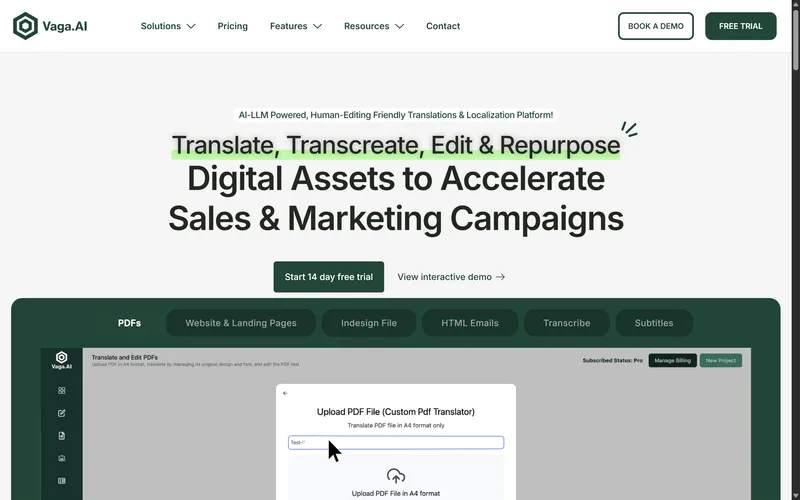
Vaga
Smart travel planning app that curates personalized itineraries and local experiences.
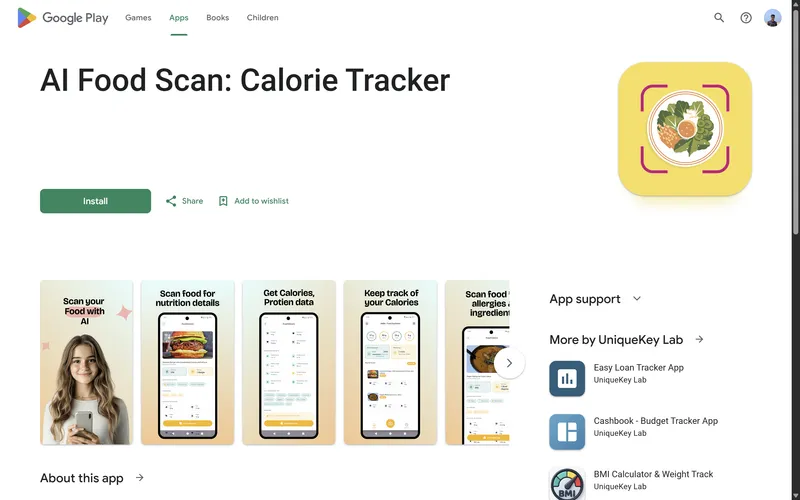
FoodScan
Nutrition analysis app that scans food items and provides detailed nutritional information instantly.
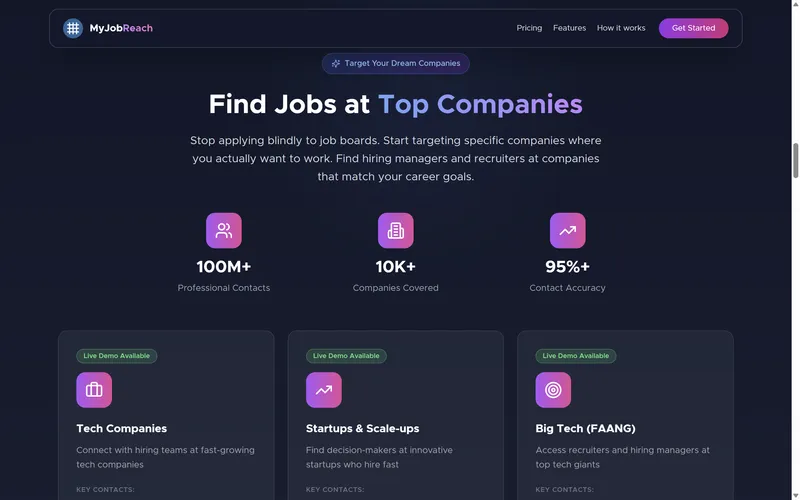
MyJobReach
Job matching platform connecting talented professionals with their dream opportunities.
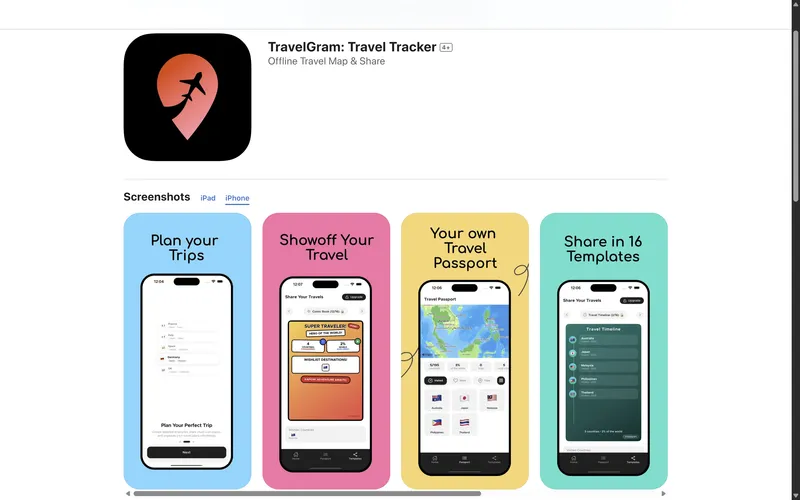
TravelGram
Social platform for travelers to share experiences, discover destinations, and connect globally.
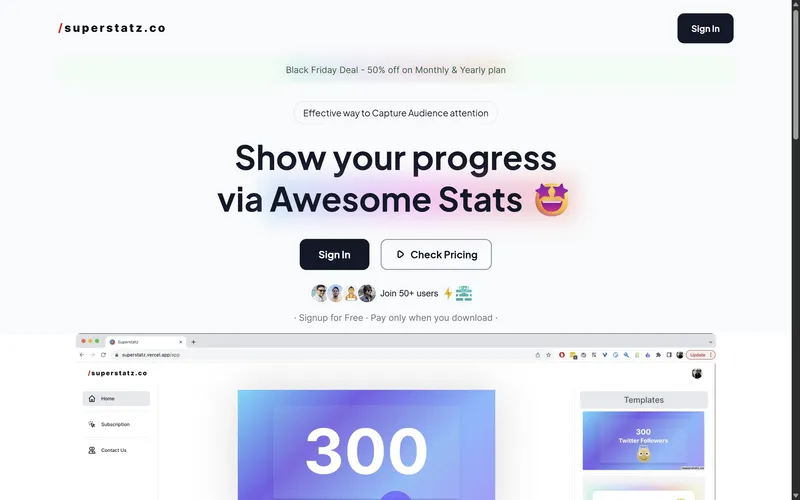
SuperStatz
Advanced sports statistics platform delivering in-depth analysis and performance metrics.
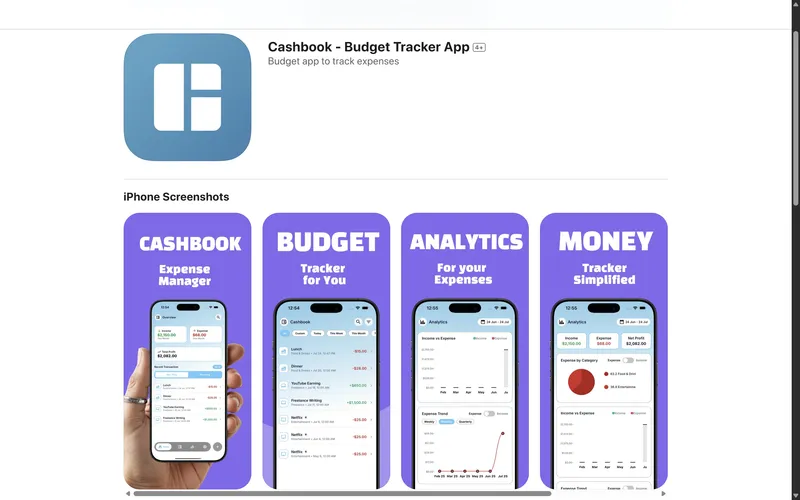
Cashbook
Simple expense tracking and budgeting app that helps users manage their finances effortlessly.
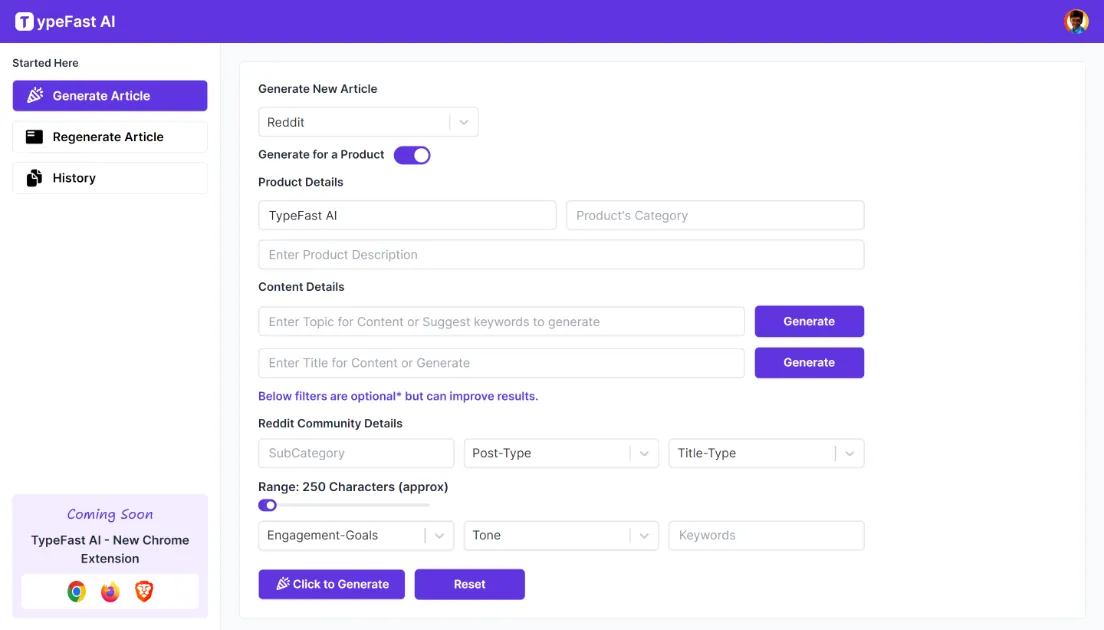
TypeFast
Typing speed improvement platform with gamified lessons and real-time performance tracking.
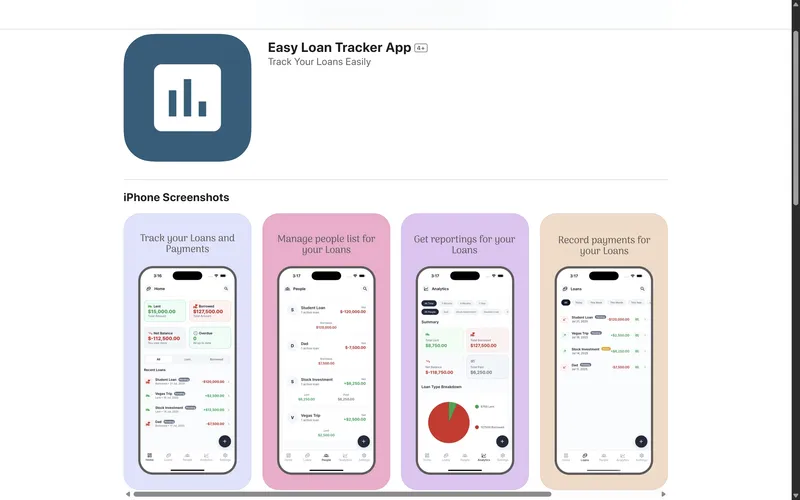
Easy Loan
Streamlined loan management system that simplifies borrowing and lending processes.
Explore Related Content
Discover more services, case studies, and insights
AI MVP Development for Ecommerce & Marketplaces
Ship AI recommendations, visual search, seller KYC/fraud screening, and demand forecasting into your store or marketplace in 2-3 weeks. 18+ MVPs shipped, 100% code ownership.
AI MVP Development for EdTech Platforms
AI MVP development for EdTech platforms. LTI 1.3, OneRoster, adaptive learning and AI tutors shipped in 2-3 weeks by 15+ engineers, 100% code ownership.
AI MVP Development for Embedded Finance Solutions
We build embedded finance MVPs, BaaS and card issuing on Stripe Treasury, Unit, and Marqeta with double-entry ledgers, KYC/KYB, and AML, in 2-3 weeks.
AI-Powered MVP Development
Launch a production-ready AI MVP in just 2-3 weeks. Our team blends rapid prototyping with enterprise-grade AI/ML engineering to validate your idea, attract investors, and win early customers.
App Store Publishing
End-to-end App Store submission and publishing support for iOS and Android. We handle everything from build configuration and metadata to review responses and phased rollouts, so your app ships without the friction.
Selecting an AI Development Partner
How enterprise teams should evaluate an AI development partner: technical AI depth, SOC 2/GDPR/HIPAA compliance, security and data governance, legacy integration, scalable architecture, SLAs, and procurement fit: with a checklist and vendor questions.
25 AI SaaS Startup Ideas Worth Building
25 specific, buildable AI SaaS startup ideas for 2026: each with the buyer who pays, the AI moat, and a 24-48 hour validation test. Pick one, validate it, ship the MVP in 2 weeks.
AI MVP Takes NovaSense From Idea to Industry Leader
AI MVP with real-time sentiment extraction, intelligent noise filtering, and interactive dashboards, followed by strategic scaling with modular microservices architecture and cloud autoscaling.
AI Job Matching MVP Cuts Time-to-Hire to 38 Hrs
A purpose-built embedding pipeline using e5-large + a domain re-ranker, hybrid search over Postgres pgvector, multi-step matching agents that score by role rather than keywords, and a Next.js recruiter dashboard that drafts personalized outreach in the recruiter's voice.
Global AI MVP Development Agency
SpeedMVPs is a global AI MVP development agency helping startups and enterprises launch AI products in 2-3 weeks.
Ready to Build Your MVP?
Schedule a complimentary strategy session. Transform your concept into a market-ready MVP within 2-3 weeks. Partner with us to accelerate your product launch and scale your startup globally.
The call is 30 minutes with Diyanshu Patel, our CEO and co-founder. Afterwards you get a written proposal with timeline, pricing and development plan.
Calendar not loading? Open the booking page or email diyanshu@speedmvps.com.