
Affordable Hosting for a Startup MVP: What It Costs
A practical comparison of affordable hosting for a startup MVP: managed platforms vs cloud, free tiers, real monthly cost bands, and when to graduate off.
What You Need to Know
For a startup MVP, the honest answer to "what hosting should I use?" is almost never AWS from scratch. At the pre-revenue and early-traction stage your real constraints are engineering time and burn, not raw compute cost, so the cheapest hosting is whatever gets you to a working, deployable product with the least ops overhead. This page compares the actual options a founder faces, what each realistically costs per month, and the signals that tell you it's time to graduate to something heavier.
Managed application platforms are where most MVPs should start. Vercel and Netlify both offer a genuinely usable free tier for frontends and serverless functions, then jump to roughly $20 per member per month (Vercel Pro, Netlify Pro) once you need team features, higher build minutes, or more bandwidth. Render and Railway are better fits when you need an always-on backend or a long-running process: Railway is usage-based and a small MVP typically lands in the $5-$20/month range, while Render's paid instances start around $7/month per service. Fly.io is pay-as-you-go and shines if you want your app close to users in multiple regions without operating Kubernetes.
The free tiers are real, but read the fine print before you build a launch around them. Cloudflare Pages and Workers are effectively free for static sites and light edge functions at MVP traffic. Vercel and Netlify free tiers prohibit commercial use on some plans and will throttle or ask you to upgrade once bandwidth or build minutes spike, and free-tier backend instances (the old Render free web service, for example) sleep after inactivity, which adds cold-start latency your first users will notice. Free is perfect for a demo or a private beta; the day you put a paying customer or an investor on it, budget for the paid tier.
Most MVPs are full-stack, so your database is often the line item that actually decides the bill. Managed Postgres from Supabase (free tier, then $25/month Pro), Neon (generous free tier with scale-to-zero, usage-based paid), or Railway's bundled Postgres covers the vast majority of early apps. Object storage and file uploads sit on Cloudflare R2 (no egress fees) or Supabase Storage. The pattern that keeps costs sane: put the app on a managed platform, the database on managed Postgres, and files on cheap object storage: three managed services instead of one hand-rolled server you have to patch.
Here's a rough monthly cost matrix at MVP scale. A static or lightly-dynamic frontend on Cloudflare Pages or a Vercel/Netlify free tier: $0. A full-stack app with a managed database and modest traffic: $25-$50/month once you're on paid database and platform tiers. An always-on backend with background jobs plus Postgres on Railway or Render: roughly $30-$75/month. A multi-service app with AI inference where you're paying per-token to an API like OpenAI or Anthropic on top of hosting: hosting stays in that $30-$75 band, but your model spend becomes the variable you actually watch. Bare cloud (AWS, GCP) can be cheaper on paper via the 12-month free tier, but the engineering hours to configure it rarely pay off before product-market fit.
When should you graduate off the cheap option? The clearest signals: you're consistently exceeding a plan's bandwidth or compute limits and the overage pricing is steeper than the next tier; you need infrastructure the managed platform can't give you (a persistent GPU, a VPC peering requirement, a specific compliance boundary like HIPAA or SOC 2 with a signed BAA); or your monthly managed bill has quietly crossed the point where a reserved cloud instance plus a part-time DevOps hire is genuinely cheaper. Until one of those is true, migrating is premature optimization that trades shipping speed for infrastructure you don't need yet.
The migration itself is easier if you design for it from day one, which mostly means not coupling your app to one vendor's proprietary primitives. Keep your database as standard Postgres rather than a vendor-locked datastore, keep secrets and config in environment variables, containerize the backend (even a simple Dockerfile) so it can move to Fly.io, Render, or AWS ECS later, and keep object storage behind an S3-compatible API so R2, Supabase, and S3 are interchangeable. Do this and "graduating" becomes a weekend of DNS and env changes, not a rewrite.
This is the exact stack thinking we apply when we ship AI MVPs in 2-3 weeks. Across 18+ MVPs, the recurring lesson is that founders overspend on hosting sophistication and underspend on iteration speed. We default new products to a managed platform plus managed Postgres, wire in monitoring so cost and error signals are visible from day one, and hand over 100% code ownership with a documented graduation path, so when your traffic actually justifies moving to dedicated cloud infrastructure, the move is a planned step rather than a fire drill.
What You'll Get
Hosting cost matrix for your stack
Side-by-side monthly cost bands across managed platforms, cloud, and free tiers for your specific MVP.
Right-sized deploy on a managed platform
App, managed Postgres, and object storage configured with monitoring and secrets from day one.
A documented graduation plan
Portable, containerized setup and a clear trigger list for when to move to dedicated cloud infra.
FAQ
How much does it cost to host a startup MVP per month?
At MVP scale, expect $0 for a static or lightly-dynamic frontend on a free tier (Cloudflare Pages, Vercel, or Netlify), and roughly $25-$50/month once you add a paid managed database like Supabase Pro ($25/month) and a paid platform tier. An always-on backend with background jobs on Railway or Render lands closer to $30-$75/month. If your MVP calls an AI model API, hosting stays modest and per-token model spend becomes the variable to watch.
Is a free hosting tier good enough for a startup MVP?
For a demo, prototype, or private beta, yes. Cloudflare Pages/Workers, Vercel Hobby, and Netlify free tiers all work at low traffic. But watch three limits: some free tiers restrict commercial use, bandwidth and build minutes get throttled once you spike, and free backend instances often sleep after inactivity, causing cold-start delays. Once a paying customer or investor is using it, move to the paid tier so a traffic spike doesn't take you down.
Should I use a managed platform or AWS for my MVP?
For almost every pre-product-market-fit MVP, a managed platform (Vercel, Netlify, Render, Railway, or Fly.io) plus managed Postgres. Bare AWS or GCP can look cheaper via the 12-month free tier, but the engineering hours to configure networking, deploys, and security rarely pay off before you have traction. Reach for cloud when you hit a real requirement it uniquely solves: persistent GPUs, VPC peering, or a compliance boundary like a signed HIPAA BAA.
What's the cheapest way to host a full-stack MVP with a database?
Split it into three managed services: the app on a managed platform's free or entry tier, the database on managed Postgres (Neon's free tier with scale-to-zero, or Supabase free then $25/month Pro), and file uploads on S3-compatible object storage like Cloudflare R2, which has no egress fees. This keeps you off a hand-rolled server you'd have to patch, and each piece is portable if you later move providers.
When should I move off cheap hosting to dedicated cloud infrastructure?
Graduate when one of three things is true: you're consistently exceeding a plan's limits and the overage pricing is steeper than the next tier or a reserved instance; you need infrastructure the managed platform can't provide (a persistent GPU, VPC peering, a specific compliance setup); or your managed bill has crossed the point where reserved cloud plus part-time DevOps is genuinely cheaper. Before any of those, migrating is premature optimization.
How do I avoid vendor lock-in so migrating later is easy?
Design for portability from day one: keep your database as standard Postgres rather than a proprietary datastore, store config in environment variables, containerize the backend with a simple Dockerfile so it can move to Fly.io, Render, or AWS ECS, and keep files behind an S3-compatible API so R2, Supabase Storage, and S3 stay interchangeable. Do this and graduating providers is a weekend of DNS and env changes, not a rewrite.
Trusted by Global Companies Building AI Products
We've helped startups and enterprises worldwide transform their AI ideas into production-ready MVPs in 2–3 weeks. From fintech platforms to AI assistants, our global MVP development services have launched 18+ AI products serving users across the US, Europe, and Asia.






Portfolio: AI Products Built for Global Startups
From content platforms and AI assistants to analytics dashboards and fintech solutions: see how we've transformed ideas into production-ready MVPs in 2-3 weeks across diverse industries. Each product launched successfully, serving users globally.
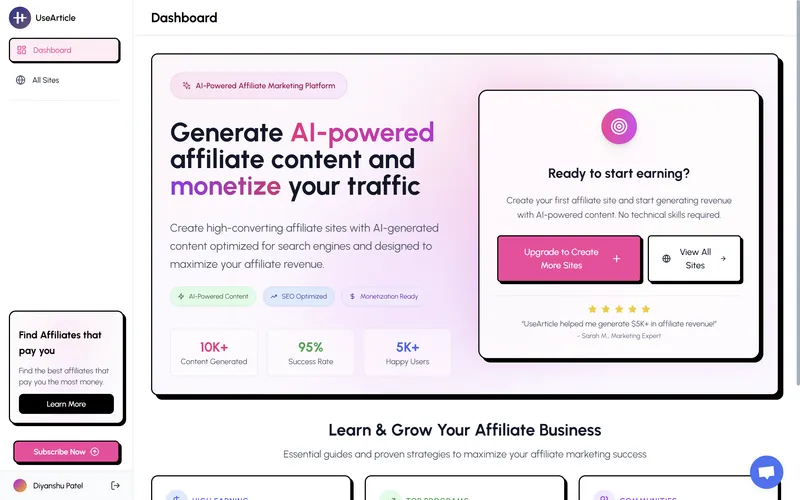
UseArticle
AI-powered content creation and management platform that helps teams produce high-quality articles at scale.
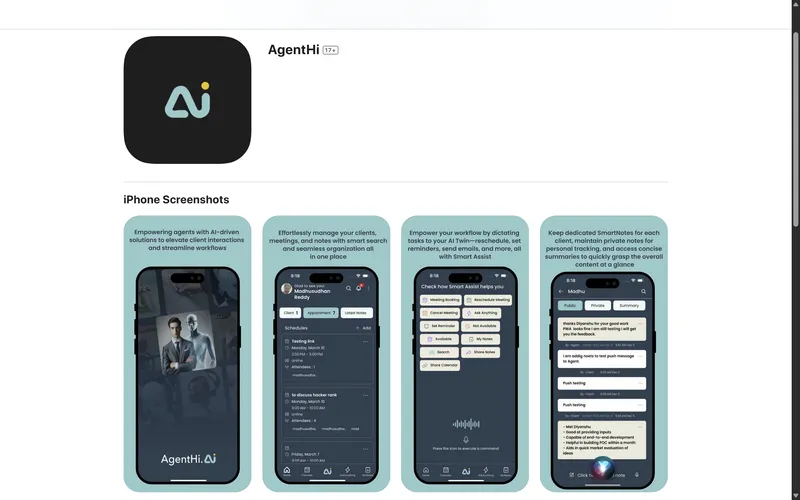
AgentHi
Intelligent virtual assistant that streamlines customer support and automates routine business tasks.
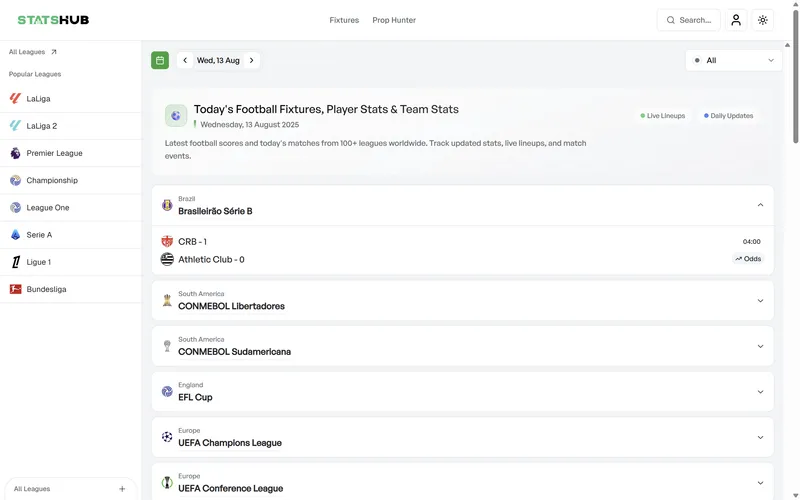
StatsHub
Comprehensive analytics dashboard providing real-time insights and data visualization for businesses.
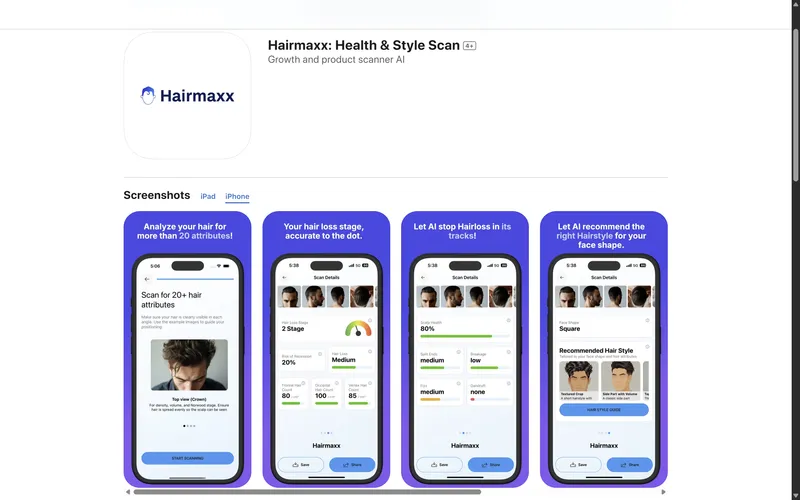
Harimaxx
Personal fitness companion with AI-driven workout plans and nutrition tracking for optimal health.
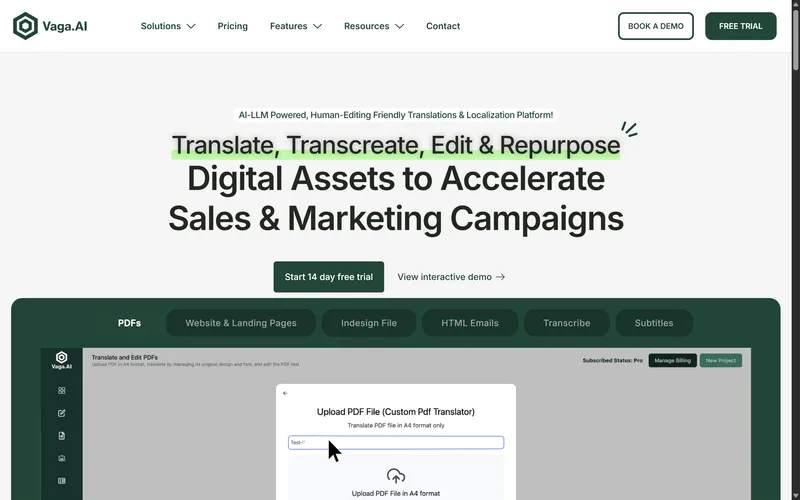
Vaga
Smart travel planning app that curates personalized itineraries and local experiences.
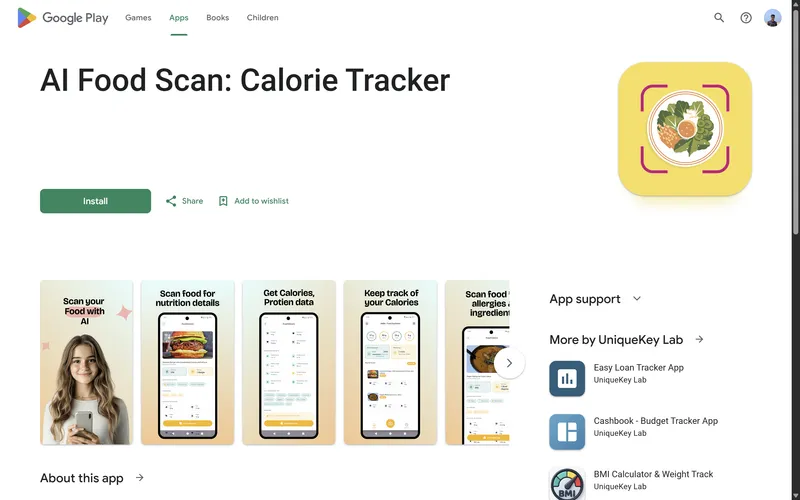
FoodScan
Nutrition analysis app that scans food items and provides detailed nutritional information instantly.
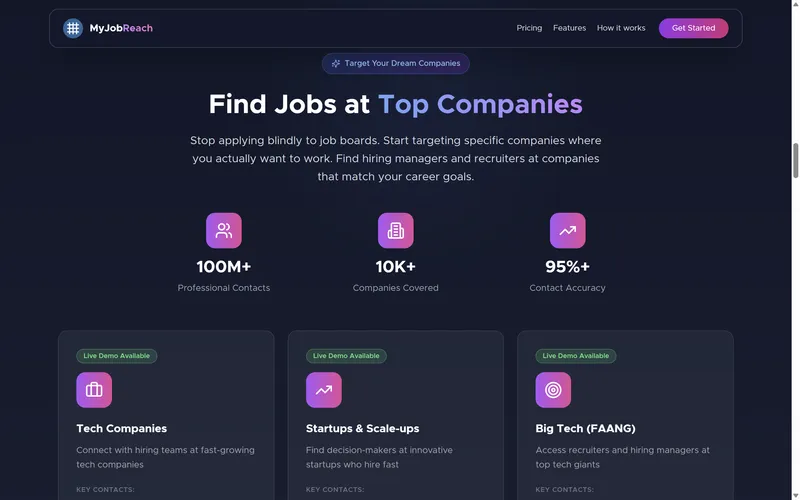
MyJobReach
Job matching platform connecting talented professionals with their dream opportunities.
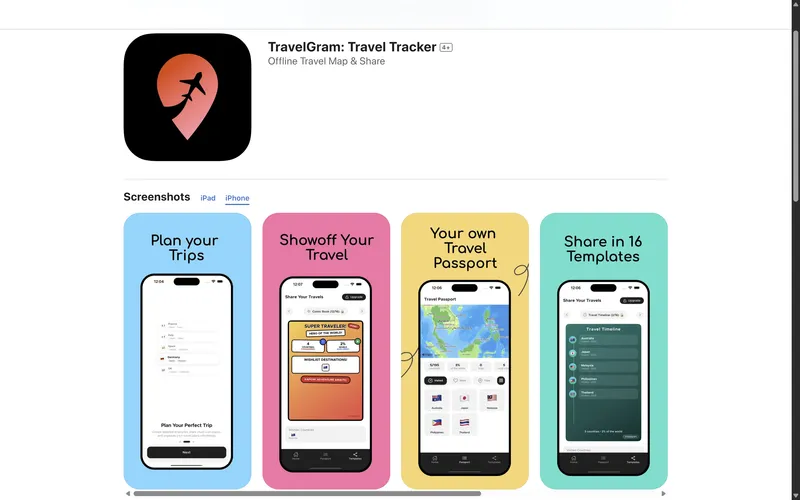
TravelGram
Social platform for travelers to share experiences, discover destinations, and connect globally.
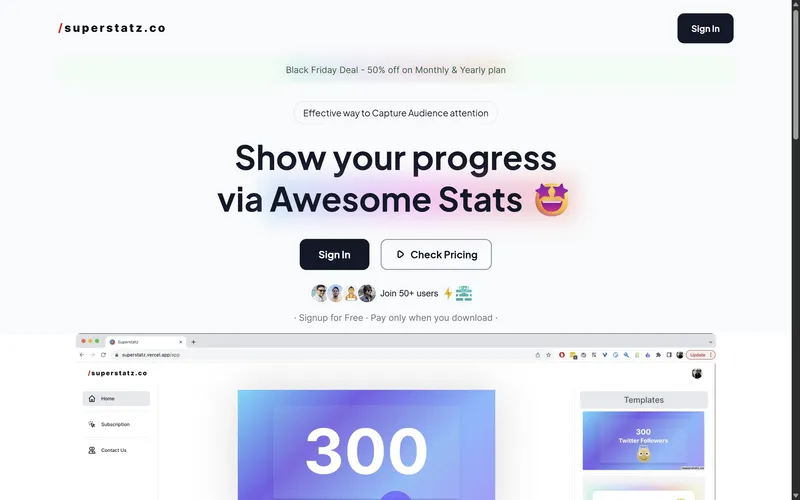
SuperStatz
Advanced sports statistics platform delivering in-depth analysis and performance metrics.
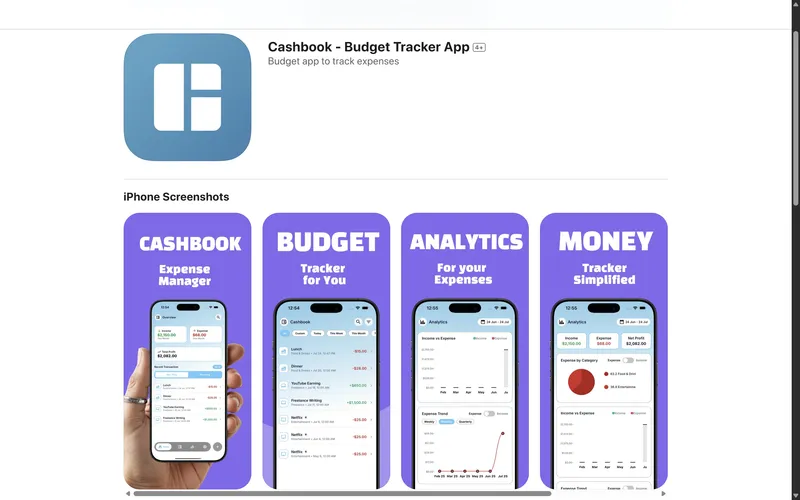
Cashbook
Simple expense tracking and budgeting app that helps users manage their finances effortlessly.
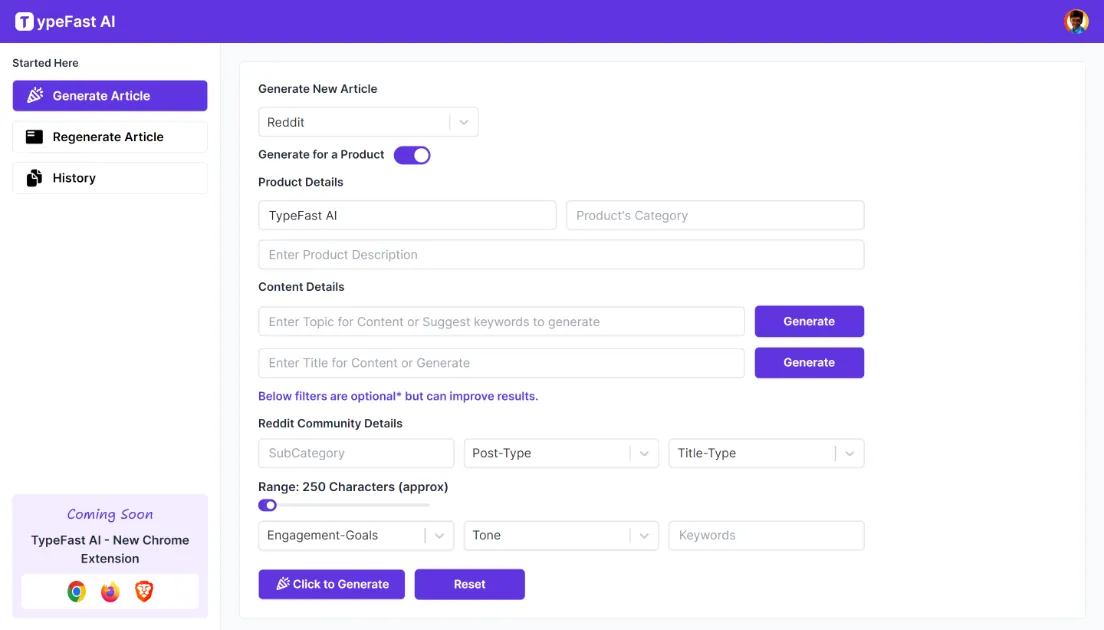
TypeFast
Typing speed improvement platform with gamified lessons and real-time performance tracking.
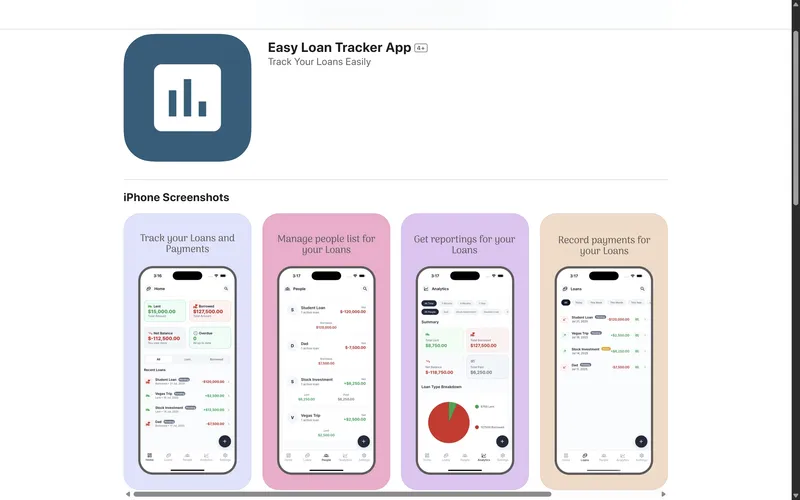
Easy Loan
Streamlined loan management system that simplifies borrowing and lending processes.
Explore Related Content
Discover more services, case studies, and insights
AWS Hosting & Infrastructure for AI MVPs
Deploy AI MVPs on AWS with secure networking, scalable services, and observability. Production infrastructure that supports rapid iteration and growth.
Affordable MVP Development, No Corners Cut
A budget-seeker's guide to affordable MVP development: where MVP money gets wasted, which scope cuts are safe, and the false economies that cost more later.
Agent Development Kit vs LangChain for AI Agents
Google's Agent Development Kit vs LangChain for production AI agents: orchestration, tooling, observability, and lock-in, compared by a studio that ships agents.
Agile vs Waterfall vs AI-Native Delivery
Agile vs waterfall vs AI-native delivery compared for startup speed: where each method wins, where it stalls, and how AI-assisted workflows shift the tradeoffs.
iOS App Consulting
Expert iOS consulting for startups and product teams. We help you define the right architecture, make the right technology choices, and ship iOS apps that perform on day one, without the costly mistakes that come from building alone.
System Architecture
Expert system architecture design for AI products, platforms, and enterprise systems. We define the right architecture for your scale, team size, and business context, and deliver the documentation and decisions that make building fast and safe.
How AI Agencies Ensure Quality at Speed
How top AI development agencies ship quality, scalable products in 2-3 weeks: senior engineers, AI-assisted workflows with human review, production-grade architecture, and automated testing under real deadlines.
Build an MVP Without a Developer Using AI
An honest 2026 playbook for non-technical founders: which AI no-code tools can actually build an MVP, where they break (auth, payments, scale), and when to bring in engineers.
AI MVP Takes NovaSense From Idea to Industry Leader
AI MVP with real-time sentiment extraction, intelligent noise filtering, and interactive dashboards, followed by strategic scaling with modular microservices architecture and cloud autoscaling.
AI Agent MVP Cuts Apex Procurement Costs 35%
AI agent MVP acting as invisible workforce with AI-powered invoice processing, negotiation assist, and workflow automation agents that smoothly integrated with existing systems.
Ready to Build Your MVP?
Schedule a complimentary strategy session. Transform your concept into a market-ready MVP within 2-3 weeks. Partner with us to accelerate your product launch and scale your startup globally.