AI Workflow Automation for Insurance
We build AI workflows for insurance teams that accelerate claims processing, streamline underwriting, and improve policyholder communications — with compliance guardrails built in.
Workflow examples for Insurance
Workflows we automate
- Claims intake → document extraction → damage assessment → adjuster routing
- Underwriting → risk data aggregation → scoring → recommendation drafting
- Policy renewal → customer outreach → quote generation → follow-up
- Fraud detection → pattern analysis → case flagging → investigation support
- Customer support → policy lookup → coverage explanations → escalation
Outcomes you can measure
- Faster claims processing and settlement times
- More consistent underwriting decisions across teams
- Improved customer experience through faster responses
Implementation considerations
- Regulatory compliance across jurisdictions
- Audit trails for all automated decisions
- Human oversight for claim denials and coverage disputes
Where AI fits in the workflow
- Classification and routing (tickets, cases, approvals)
- Extraction from documents and emails (structured fields)
- Summaries for faster decisions (handoffs and escalations)
- Policy-aware drafting (responses, checklists, next steps)
- Monitoring and exception handling (retries + alerts)
AI Workflow Automation FAQ for Insurance
What insurance automation actually involves
Most InsurTech products die in the plumbing, not the pitch. Before a single model runs, your MVP has to speak the carrier's language: ACORD forms and ACORD XML/JSON messaging for submissions, X12 837/835 EDI for health claims, and read/write access into a policy admin system like Guidewire (PolicyCenter, ClaimCenter, BillingCenter), Duck Creek, or Sapiens. We build the ingestion and integration layer first — intelligent document processing that pulls structured fields out of ACORD 125/140 loss runs, dec pages, and broker PDFs — so the AI has clean, mapped data to reason over instead of choking on a scanned fax.
On the underwriting side, the interesting work is accelerated (algorithmic) underwriting and submission triage for commercial lines. We wire risk-scoring models to the data sources carriers actually trust — MIB, LexisNexis Risk Solutions, ISO/Verisk exposure and property data, MVR pulls, and telematics — then route clean risks to straight-through processing and flag the rest for a human underwriter. Because this is regulated, we build governance in from day one: the NAIC Model Bulletin on the Use of AI Systems by Insurers, Colorado's SB21-169 testing regime for ECDIS and predictive models, and NY DFS Circular Letter No. 7 all require documented bias testing for unfairly discriminatory outcomes, so we ship model cards, feature-lineage logs, and proxy-discrimination test harnesses alongside the model — not as an afterthought.
Claims fraud is where AI pays for itself fastest, and it's a problem we've shipped for adjacent risk teams. Our fraud work mirrors the approach in the fintech-fraud-detection case study: anomaly detection on claim patterns, graph/entity-resolution to surface staged-accident and provider-collusion rings, and severity scoring that feeds the SIU (Special Investigations Unit) queue with explainable reason codes rather than an opaque score. We pair that with subrogation identification and duplicate-claim detection so the same pipeline recovers dollars on both the fraud and the leakage side.
For P&C lines we build the front door of the claim: FNOL (first notice of loss) intake that a policyholder completes from a phone, computer-vision damage assessment that estimates auto or property severity from uploaded photos, and triage that decides fast-track versus assign-to-adjuster in seconds. On the pricing and exposure side we integrate telematics and UBI (usage-based insurance) via OBD-II or a mobile SDK, and IoT signals like smart-home water sensors, to move from proxy rating toward behavior-based pricing — always with the actuarial and rate-filing team in the loop so the model stays inside what's been filed with the state DOI through SERFF.
Insurance automation: common questions
Trusted by Global Companies Building AI Products
We've helped startups and enterprises worldwide transform their AI ideas into production-ready MVPs in 2–3 weeks. From fintech platforms to AI assistants, our global MVP development services have launched 18+ AI products serving users across the US, Europe, and Asia.




Portfolio: AI Products Built for Global Startups
From content platforms and AI assistants to analytics dashboards and fintech solutions—see how we've transformed ideas into production-ready MVPs in 2-3 weeks across diverse industries. Each product launched successfully, serving users globally.
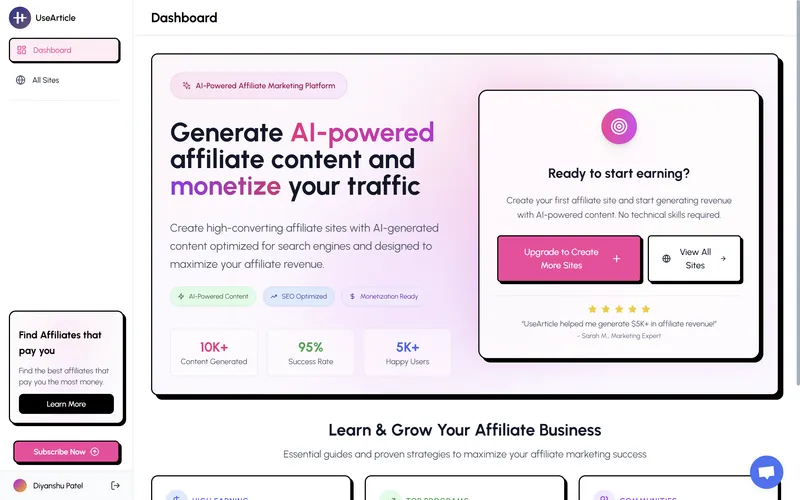
UseArticle
AI-powered content creation and management platform that helps teams produce high-quality articles at scale.
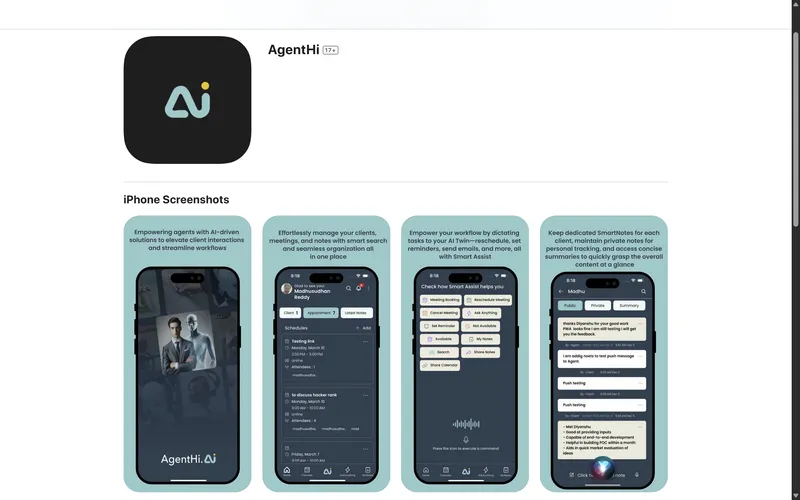
AgentHi
Intelligent virtual assistant that streamlines customer support and automates routine business tasks.
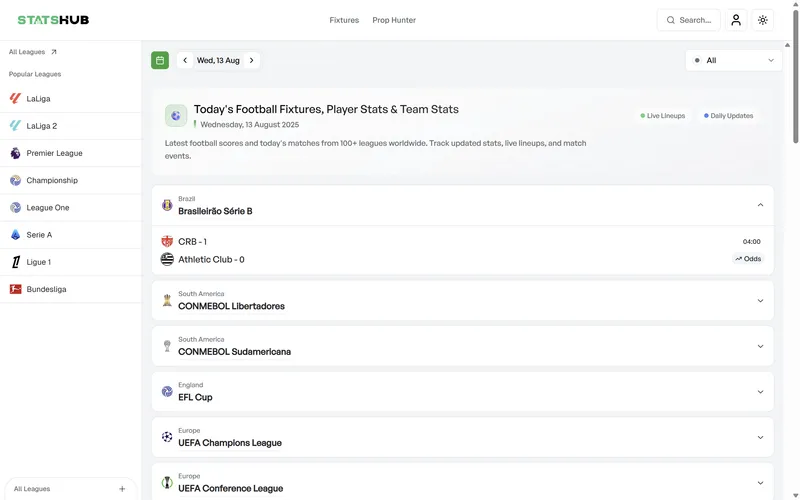
StatsHub
Comprehensive analytics dashboard providing real-time insights and data visualization for businesses.
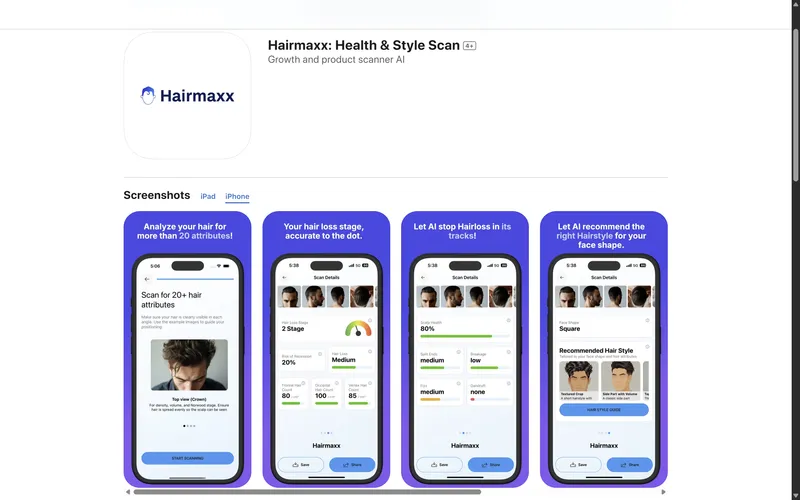
Harimaxx
Personal fitness companion with AI-driven workout plans and nutrition tracking for optimal health.
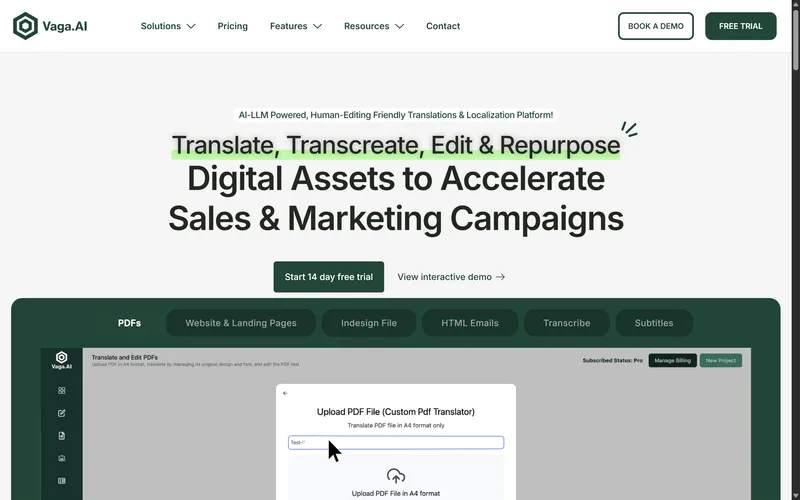
Vaga
Smart travel planning app that curates personalized itineraries and local experiences.
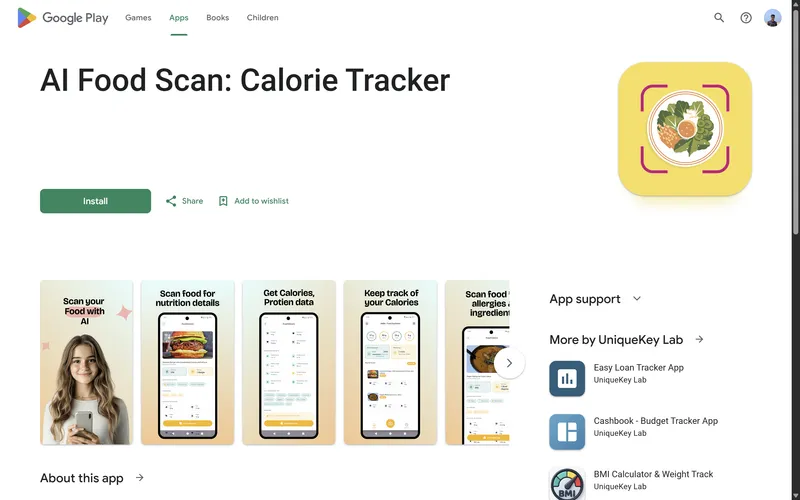
FoodScan
Nutrition analysis app that scans food items and provides detailed nutritional information instantly.
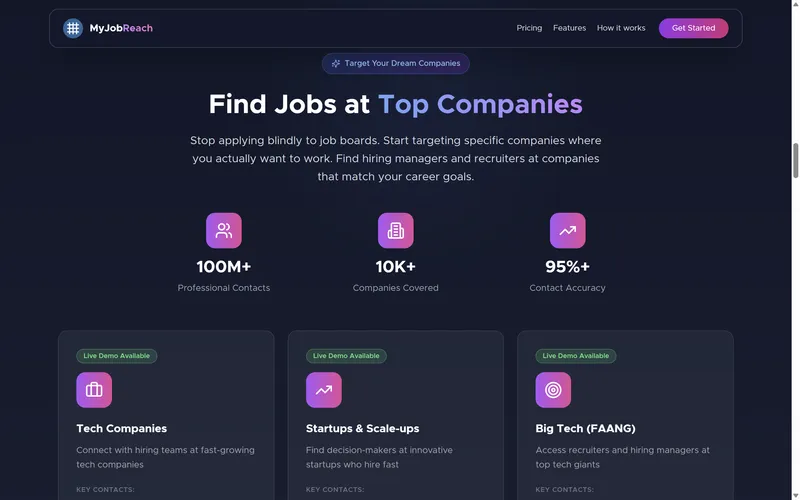
MyJobReach
Job matching platform connecting talented professionals with their dream opportunities.
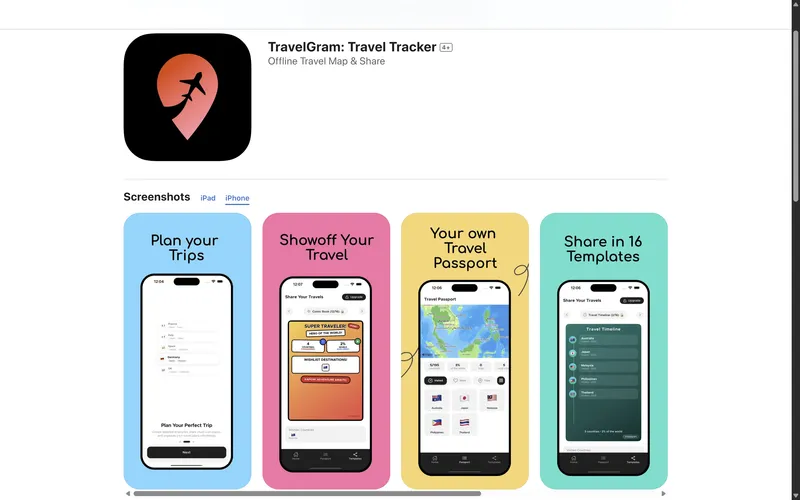
TravelGram
Social platform for travelers to share experiences, discover destinations, and connect globally.
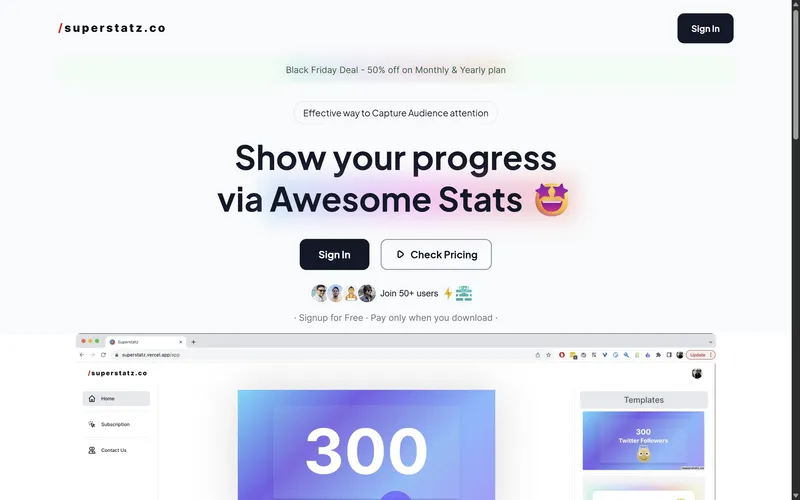
SuperStatz
Advanced sports statistics platform delivering in-depth analysis and performance metrics.
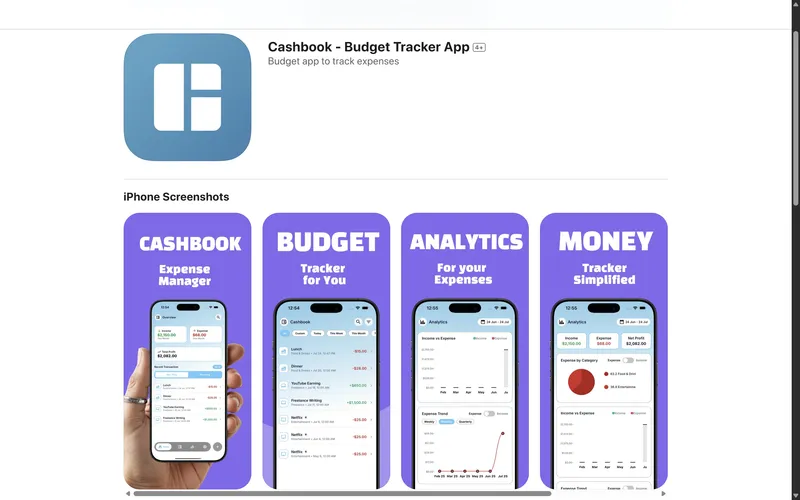
Cashbook
Simple expense tracking and budgeting app that helps users manage their finances effortlessly.
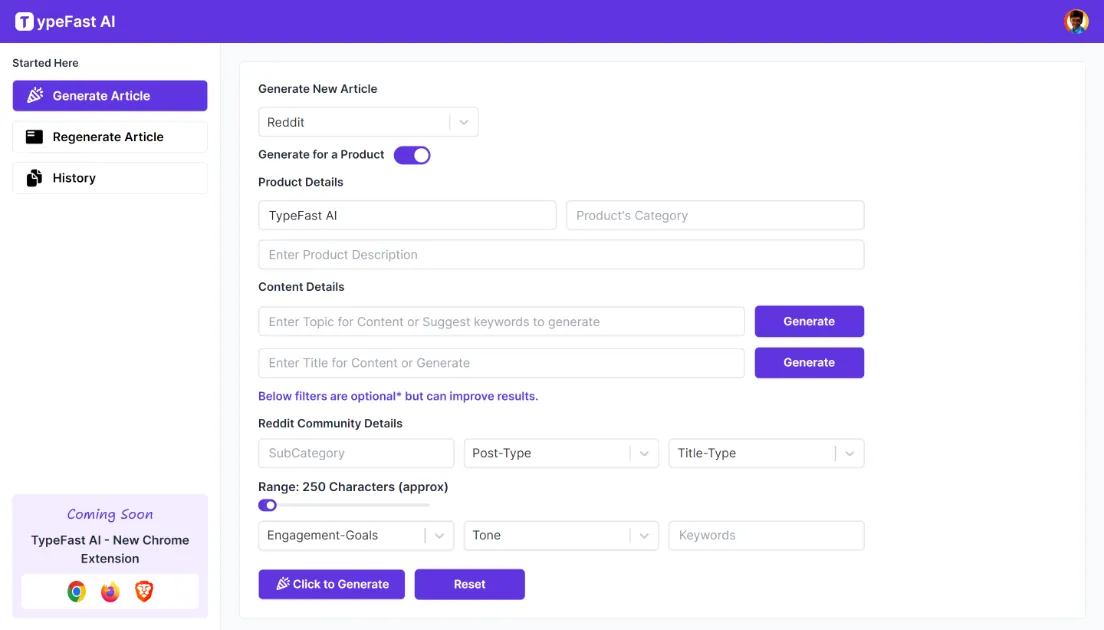
TypeFast
Typing speed improvement platform with gamified lessons and real-time performance tracking.
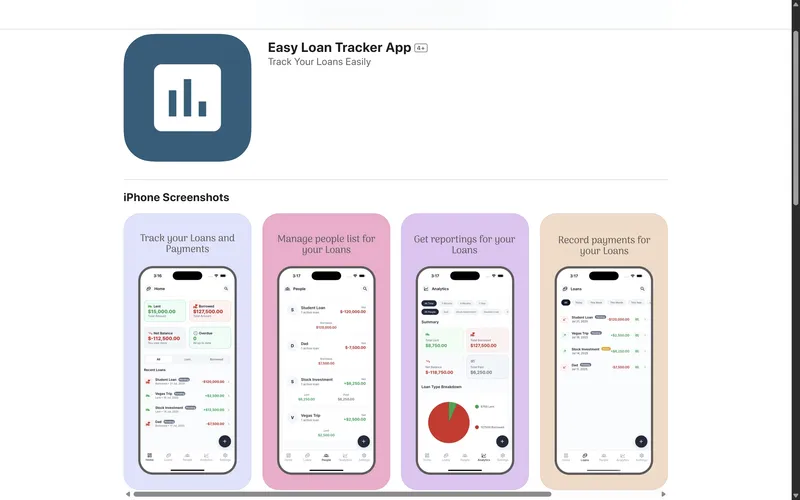
Easy Loan
Streamlined loan management system that simplifies borrowing and lending processes.
Explore other industries
Pick another industry to see workflow examples and automation ideas.
Ready to Build Your MVP?
Schedule a complimentary strategy session. Transform your concept into a market-ready MVP within 2-3 weeks. Partner with us to accelerate your product launch and scale your startup globally.