AI Workflow Automation for Energy & Utilities
We create AI workflows for energy and utility companies that optimize grid management, predict maintenance needs, and improve customer operations.
Workflow examples for Energy & Utilities
Workflows we automate
- Grid monitoring → anomaly detection → load balancing → incident response
- Predictive maintenance → equipment monitoring → failure prediction → work scheduling
- Customer service → billing inquiries → usage analysis → plan recommendations
- Regulatory compliance → emissions tracking → reporting → audit documentation
- Energy trading → demand forecasting → price optimization → execution
Outcomes you can measure
- Reduced outages through predictive maintenance
- Better grid efficiency and load management
- Improved customer satisfaction with faster resolutions
Implementation considerations
- Critical infrastructure reliability requirements
- Regulatory compliance across jurisdictions
- Real-time processing for grid operations
Where AI fits in the workflow
- Classification and routing (tickets, cases, approvals)
- Extraction from documents and emails (structured fields)
- Summaries for faster decisions (handoffs and escalations)
- Policy-aware drafting (responses, checklists, next steps)
- Monitoring and exception handling (retries + alerts)
AI Workflow Automation FAQ for Energy & Utilities
What energy & utilities automation actually involves
Energy and climatetech is not a vertical you can approach with a generic "chat-with-your-data" wrapper. A working product has to live inside the grid's rulebook: FERC Order 2222 opening wholesale markets to aggregated DERs, NERC CIP controls on anything that touches the bulk power system, IEEE 1547 and IEEE 2030.5 (SEP2) for how distributed resources interconnect and communicate, and the Inflation Reduction Act credit stack (ITC/PTC, 45Q for carbon capture, 45V for clean hydrogen) that dictates which projects even pencil out. We build AI MVPs for founders and utilities who already understand this world and need software that respects it from day one, not a demo that quietly ignores the ISO market and the compliance surface underneath it.
The highest-leverage first product in this space is almost always a forecasting engine, because everything downstream — dispatch, bidding, procurement — is priced off it. We build net-load and renewable generation forecasters that fuse historical SCADA telemetry with numerical weather prediction feeds (NOAA HRRR/GFS, Solcast or DTN irradiance and wind data) and calendar/outage signals, using probabilistic time-series models that emit P10/P50/P90 bands rather than a single fragile point estimate. That distribution matters: it is what lets a battery operator or a trading desk size positions against day-ahead and real-time LMP volatility. This is the same constraint-under-uncertainty optimization discipline behind our ai-logistics-optimizer build, retargeted from routes and load boards to megawatts, weather, and locational marginal prices.
Once forecasts exist, the money is in the dispatch decision. We build battery and DER dispatch optimizers that solve for energy arbitrage across CAISO, ERCOT, PJM or MISO price curves while co-optimizing for ancillary services, demand-charge avoidance, and state-of-charge and cycle-life constraints from the BMS. On the grid-services side that means speaking OpenADR 2.0b for automated demand response and IEEE 2030.5 for utility signaling, and structuring the aggregation logic so a virtual power plant or DERMS can enroll assets without violating FERC 2222 telemetry and settlement requirements. Like our logistics optimizer, the hard part is not the solver — it is encoding real operating constraints so the recommendation is one an operator can actually execute and defend.
Carbon and ESG is the other half of climatetech, and it is mostly a messy-data problem that LLMs are genuinely good at. We build carbon accounting and MRV copilots that ingest utility bills, fuel invoices, and supplier data, then use retrieval-augmented extraction to map line items to GHG Protocol Scope 1/2/3 categories and emission factors, with every figure traced back to its source document for audit. That auditability is non-negotiable now that CSRD/ESRS, California SB 253/261, and the SEC climate rules put these numbers in front of assurance providers. For nature-based and removal credits we layer remote-sensing MRV — Sentinel-2 and commercial imagery with change-detection models — against Verra VCS and Gold Standard methodologies. This is the enterprise-copilot pattern from our case-study-enterprise-analytics-copilot work, hardened for reporting that has to survive a third-party audit.
Energy & Utilities automation: common questions
Trusted by Global Companies Building AI Products
We've helped startups and enterprises worldwide transform their AI ideas into production-ready MVPs in 2–3 weeks. From fintech platforms to AI assistants, our global MVP development services have launched 18+ AI products serving users across the US, Europe, and Asia.









Portfolio: AI Products Built for Global Startups
From content platforms and AI assistants to analytics dashboards and fintech solutions—see how we've transformed ideas into production-ready MVPs in 2-3 weeks across diverse industries. Each product launched successfully, serving users globally.
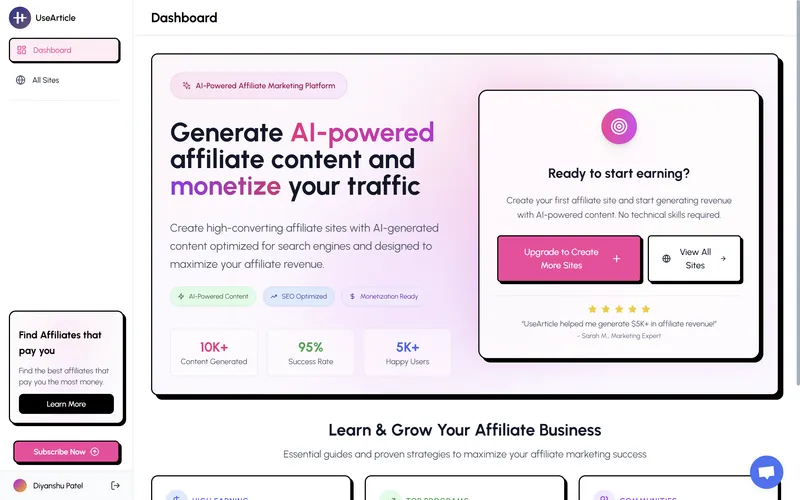
UseArticle
AI-powered content creation and management platform that helps teams produce high-quality articles at scale.
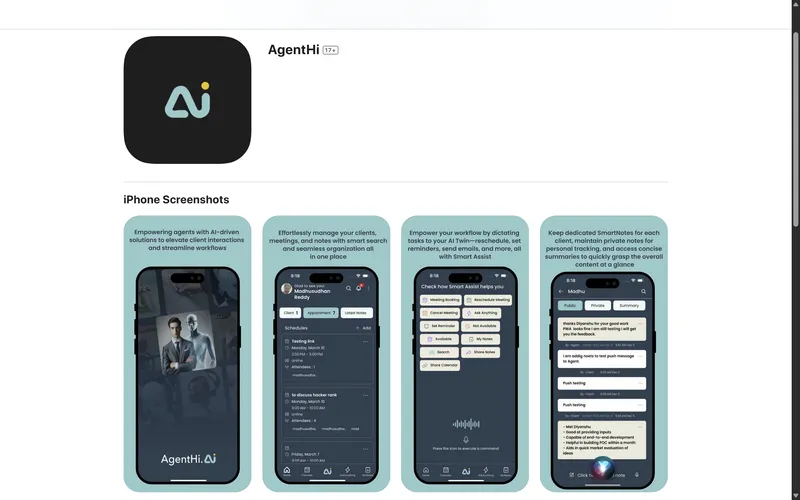
AgentHi
Intelligent virtual assistant that streamlines customer support and automates routine business tasks.
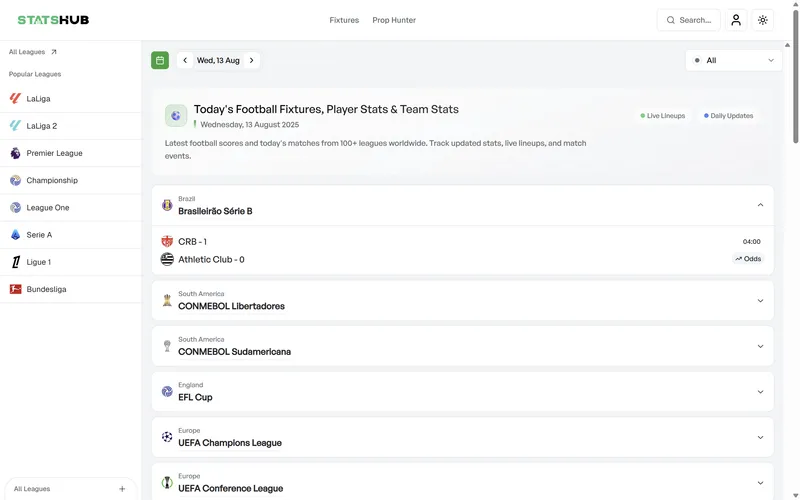
StatsHub
Comprehensive analytics dashboard providing real-time insights and data visualization for businesses.
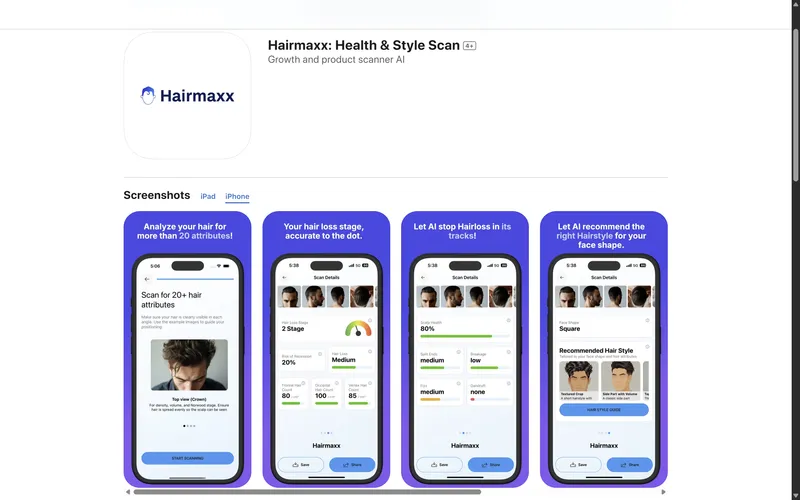
Harimaxx
Personal fitness companion with AI-driven workout plans and nutrition tracking for optimal health.
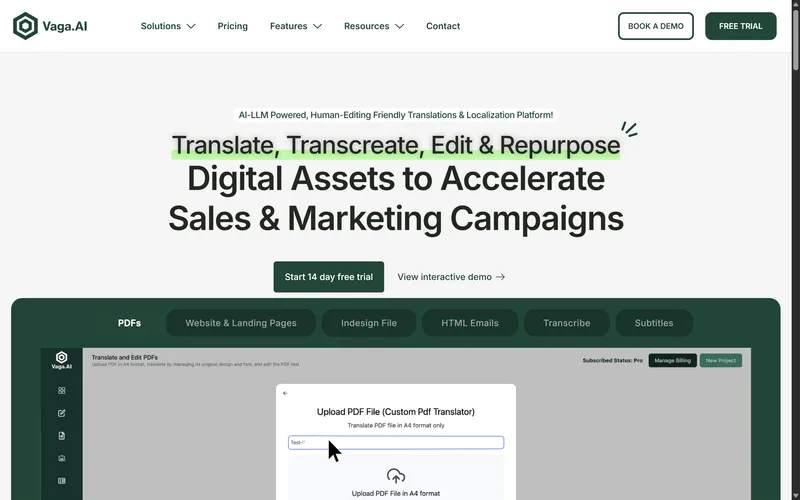
Vaga
Smart travel planning app that curates personalized itineraries and local experiences.
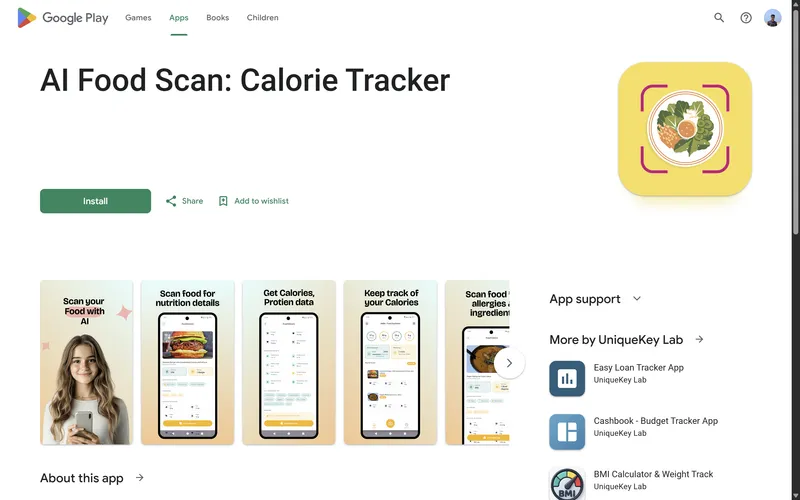
FoodScan
Nutrition analysis app that scans food items and provides detailed nutritional information instantly.
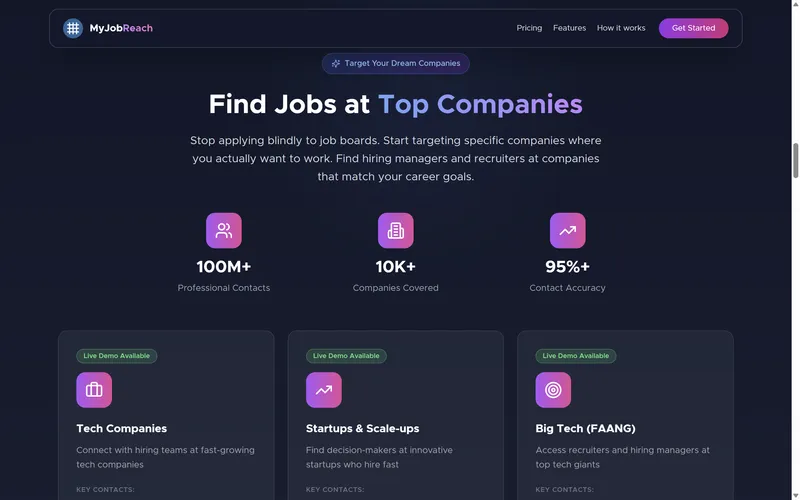
MyJobReach
Job matching platform connecting talented professionals with their dream opportunities.
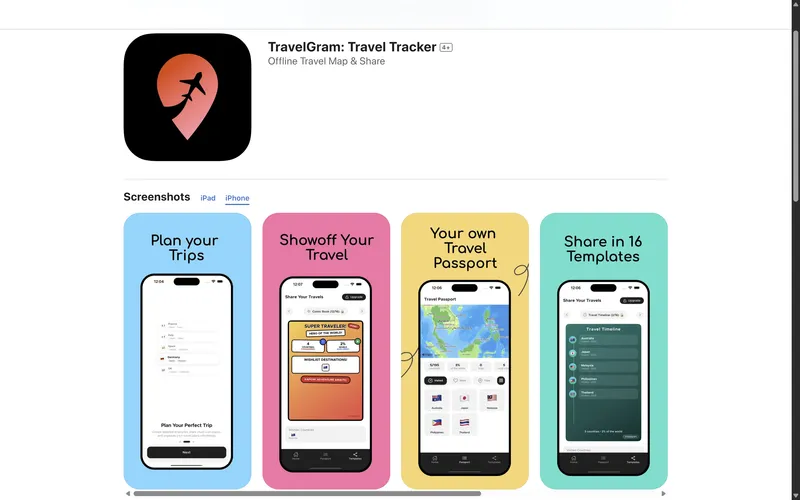
TravelGram
Social platform for travelers to share experiences, discover destinations, and connect globally.
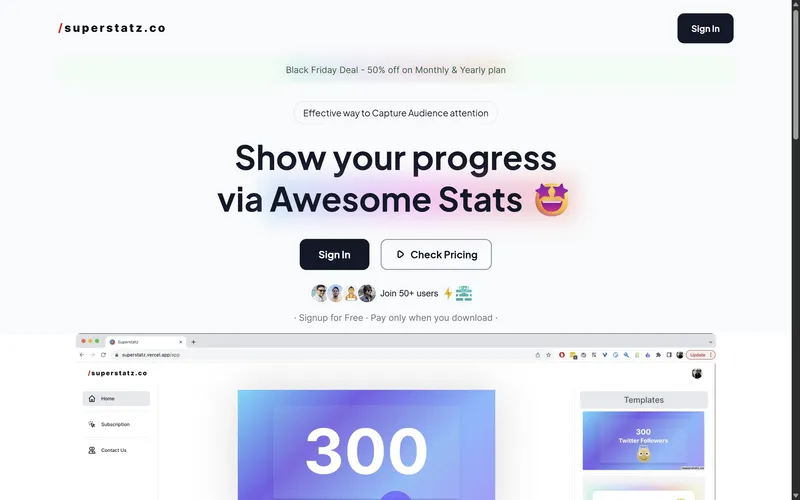
SuperStatz
Advanced sports statistics platform delivering in-depth analysis and performance metrics.
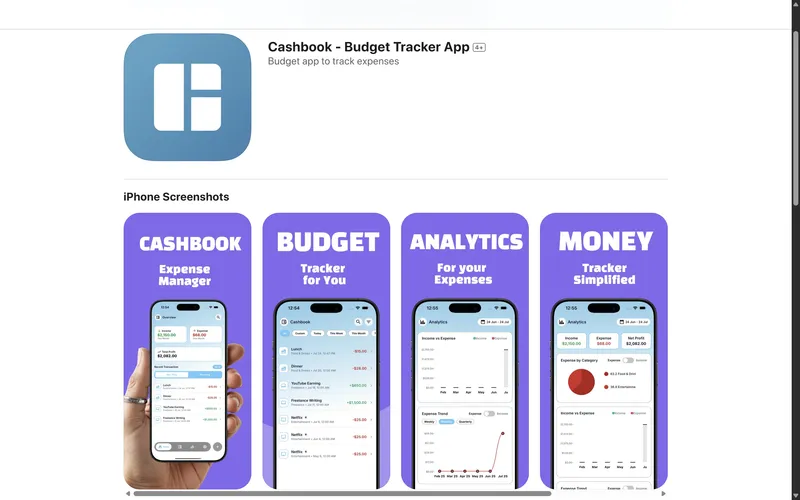
Cashbook
Simple expense tracking and budgeting app that helps users manage their finances effortlessly.
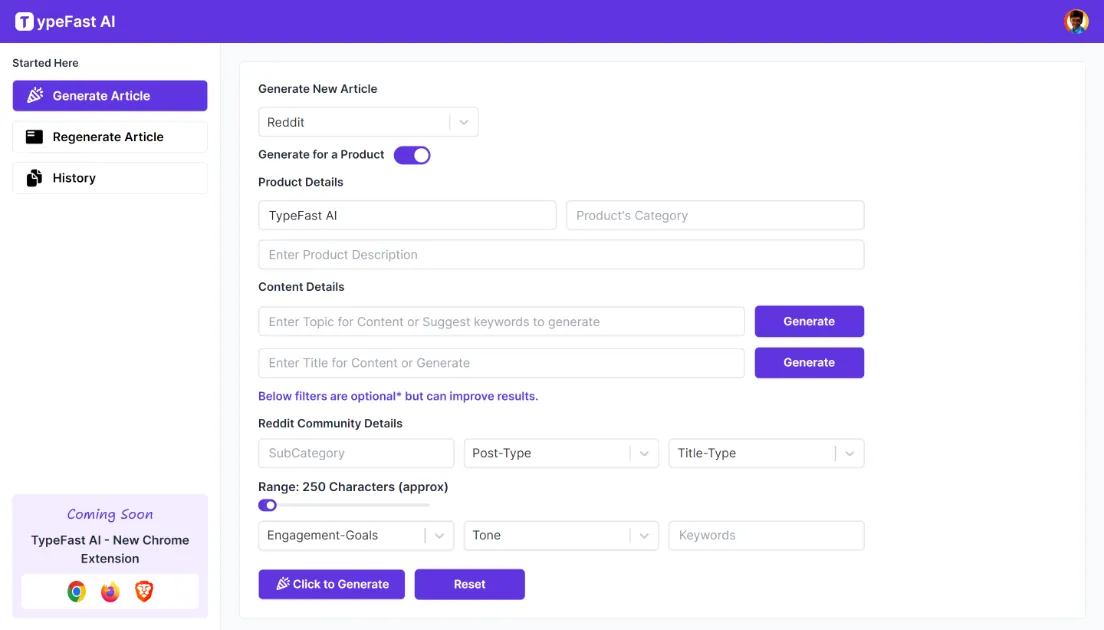
TypeFast
Typing speed improvement platform with gamified lessons and real-time performance tracking.
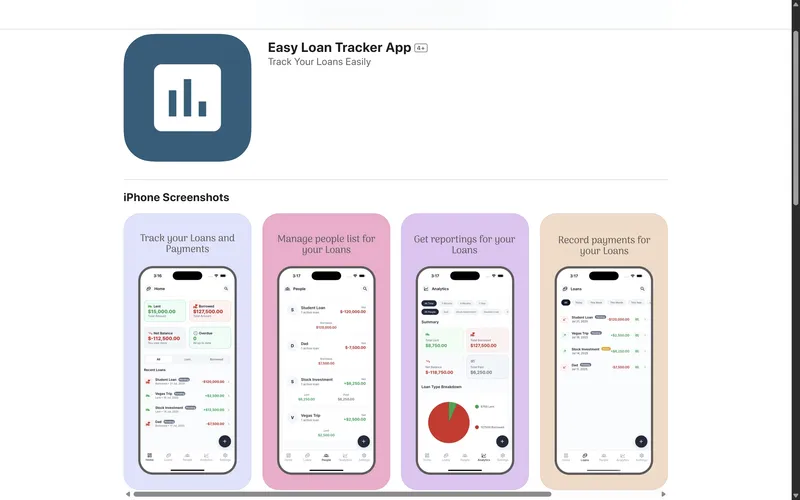
Easy Loan
Streamlined loan management system that simplifies borrowing and lending processes.
Explore other industries
Pick another industry to see workflow examples and automation ideas.
Ready to Build Your MVP?
Schedule a complimentary strategy session. Transform your concept into a market-ready MVP within 2-3 weeks. Partner with us to accelerate your product launch and scale your startup globally.